Loading...
Tree Comparison
Compare characteristics of different tree species side by side
Comparison Guides
Expert guides to distinguish commonly confused tree species
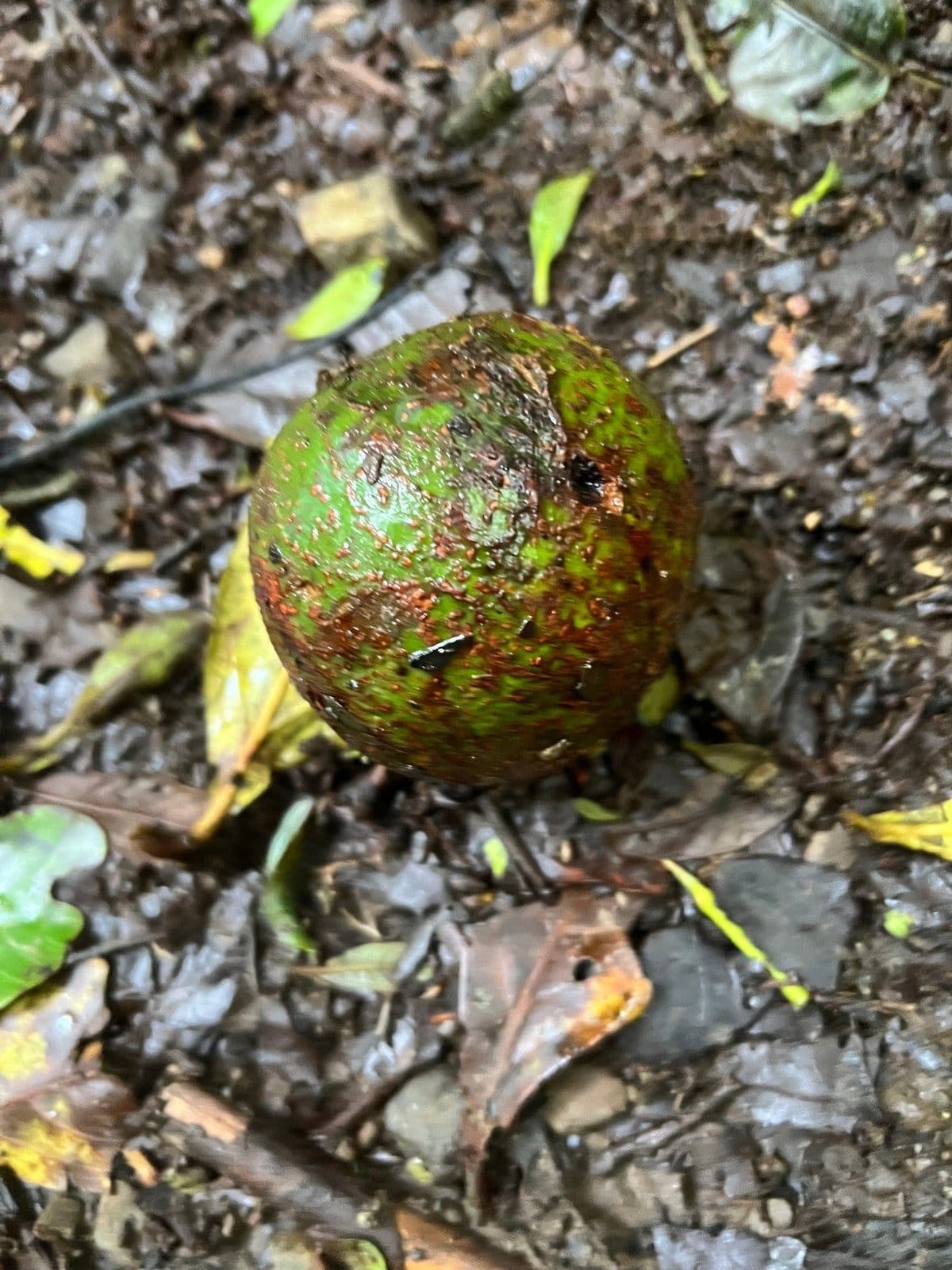
Aguacate
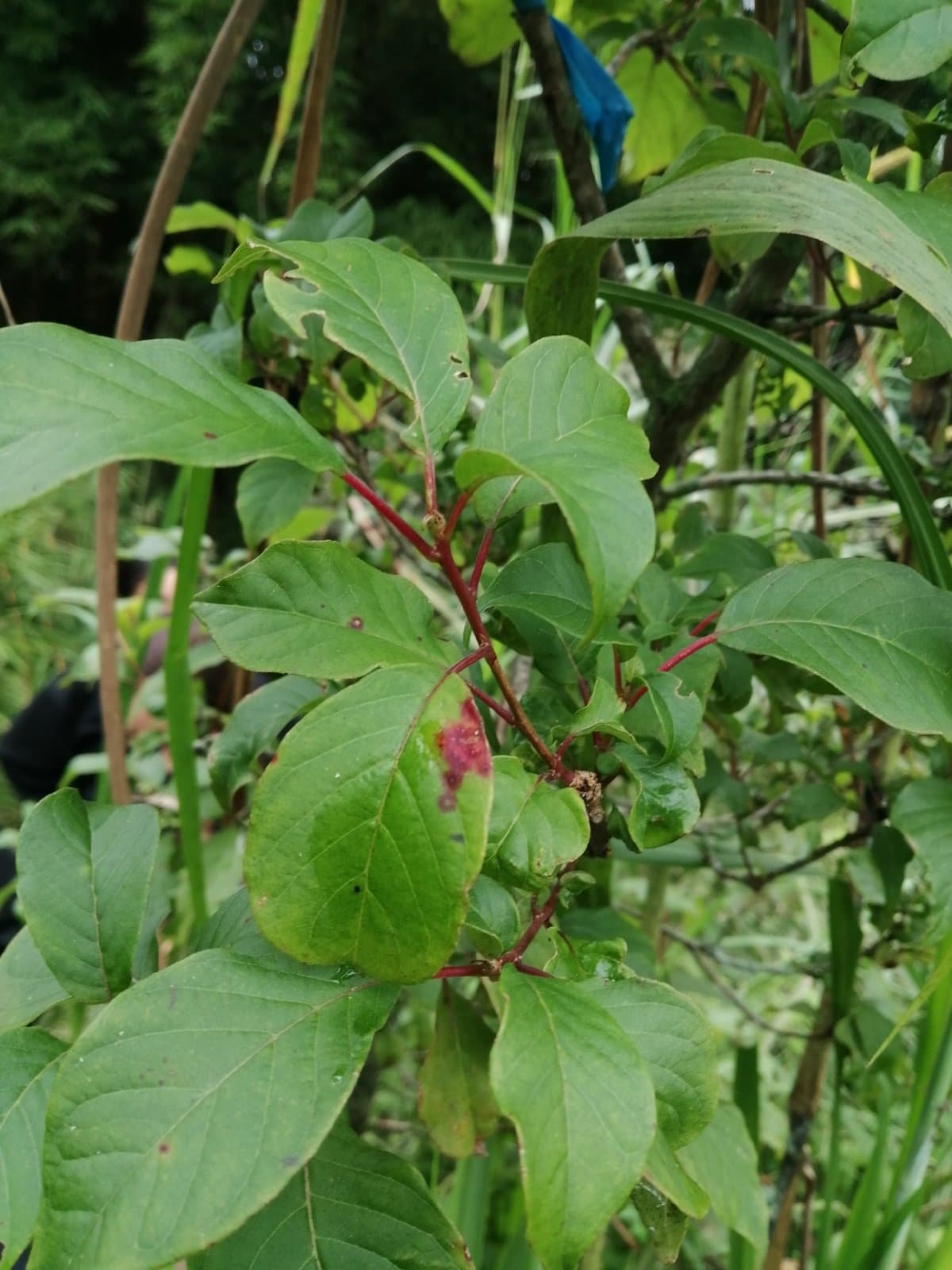
Aguacatillo
VS
Aguacate vs. Aguacatillo: Cultivated Giant vs. Wild Quetzal Food
Moderate
Key Difference
Aguacate is the cultivated avocado with large edible fruits, while Aguacatillo is a wild cloud forest relative with tiny fruits that are the primary food of Resplendent Quetzals.
📅Fruit is most helpful Mar-Jun (aguacatillo) vs Jun-Sep (aguacate); elevation stays diagnostic year-round.
Read Guide
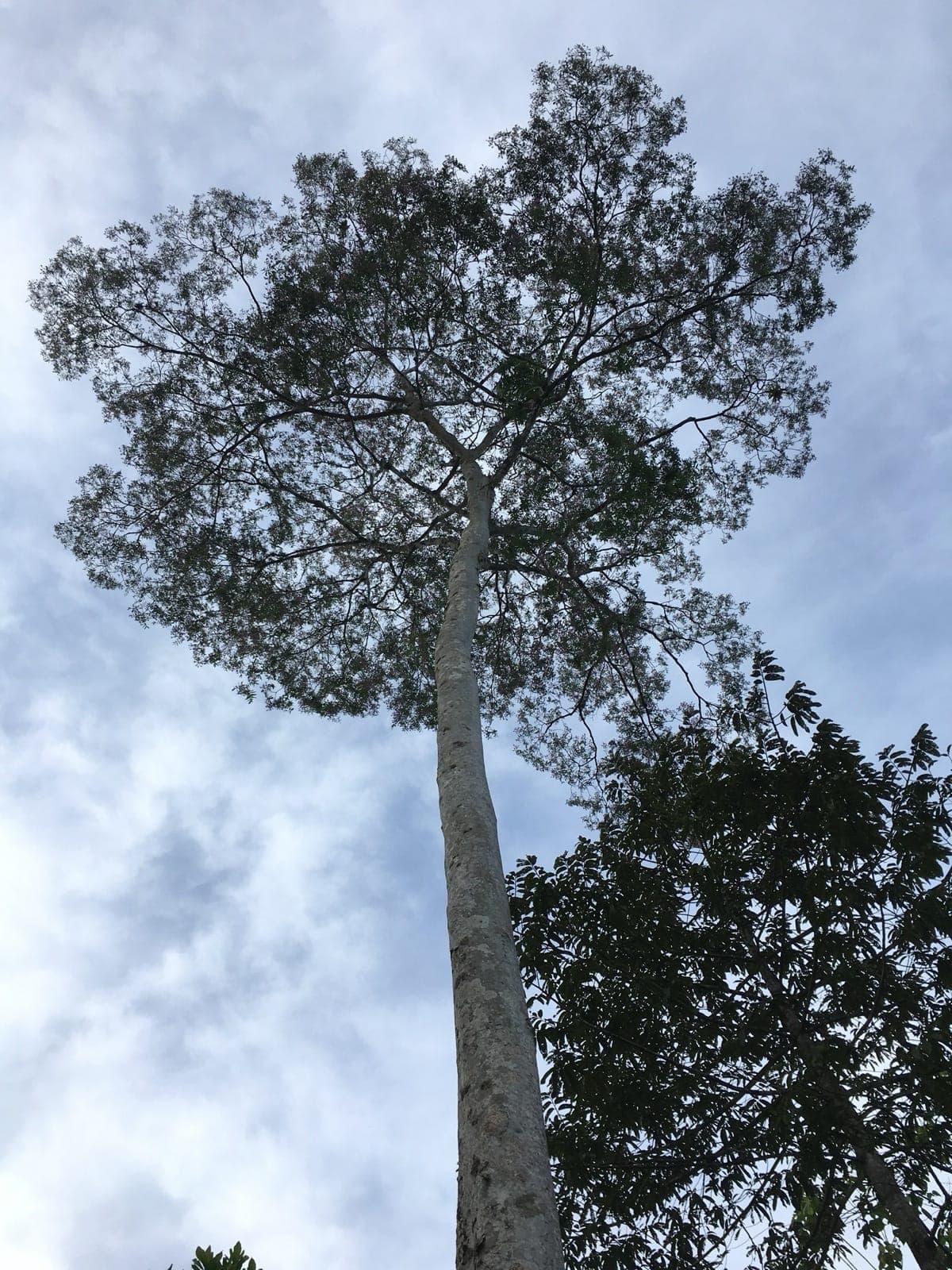
Almendro
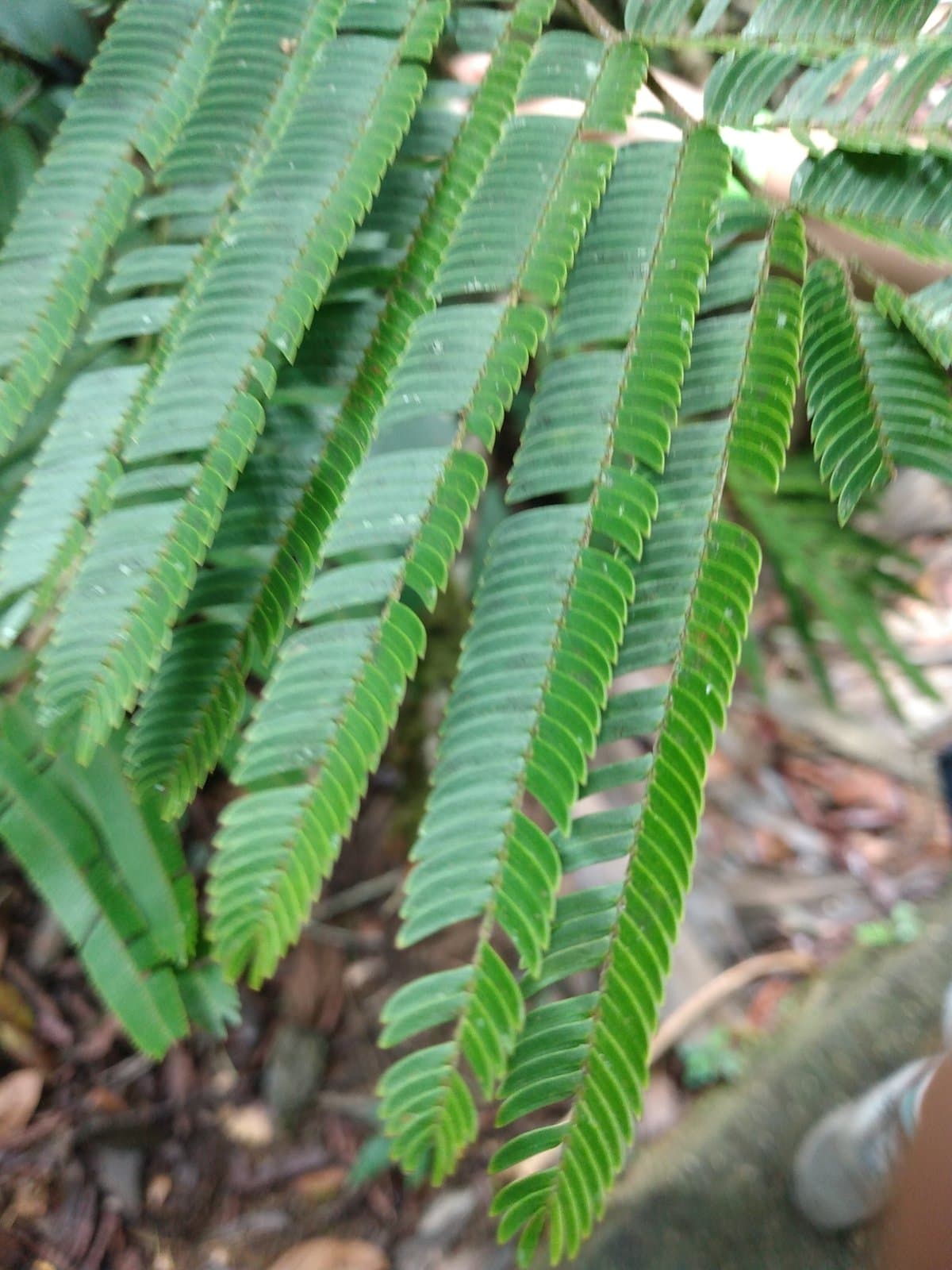
Gavilán
VS
Almendro vs. Gavilán: Rainforest Giants Compared
Confusing
Key Difference
Almendro has pinnate leaves and single-seeded drupes, towers 40-60m with critical importance for Great Green Macaws. Gavilán has bipinnate leaves and massive explosive seed pods, dominates Caribbean forests through nitrogen fixation.
📅Fruits help Dec-Mar (almendro) vs explosive pods in dry season (gavilán); leaf type works year-round.
Read Guide
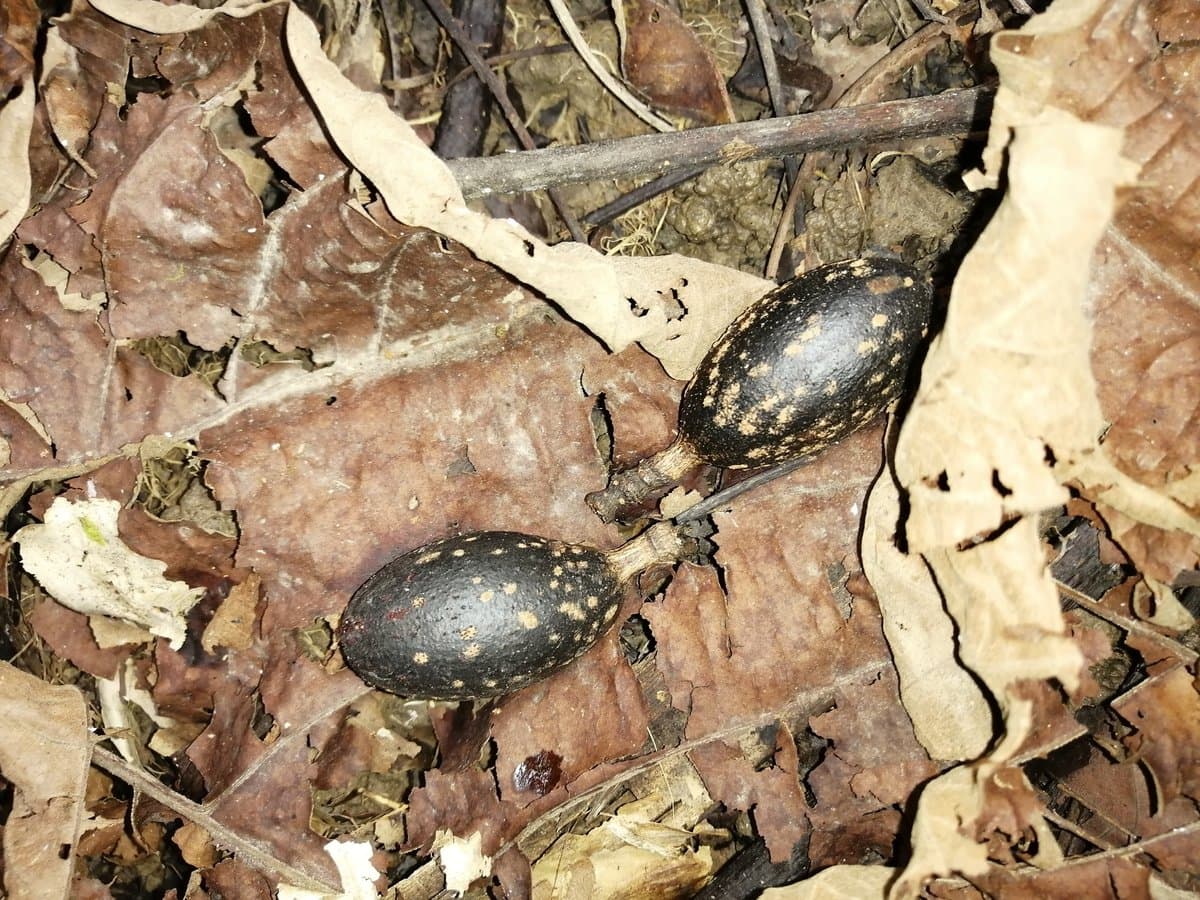
Cedro Amargo
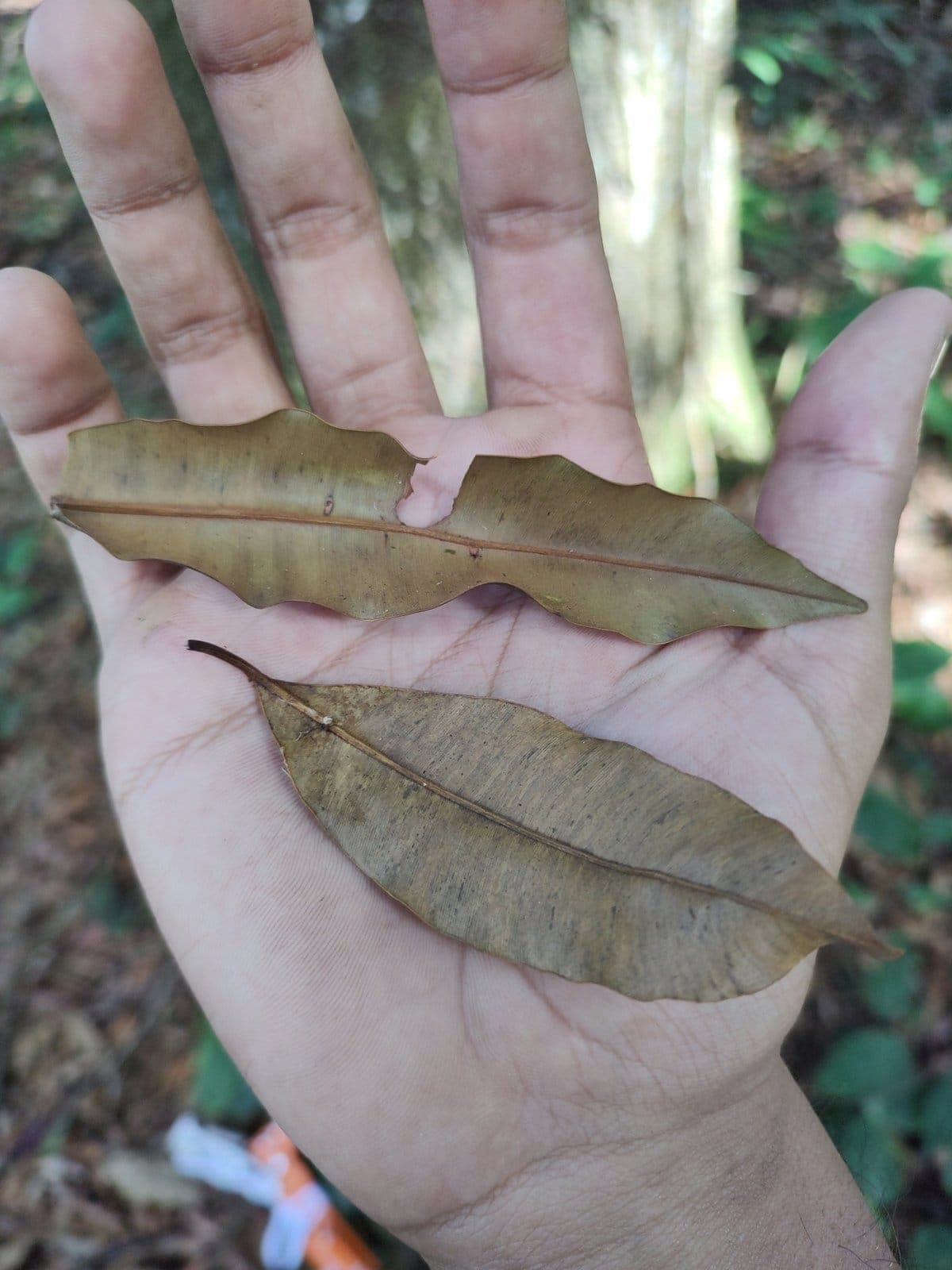
Cedro María
VS
Cedro Amargo vs. Cedro María: Two Different Trees Called Cedar
Moderate
Key Difference
Cedro Amargo has compound pinnate leaves and aromatic wood, while Cedro María has simple opposite leaves and latex sap.
📅Leaf structure and latex are diagnostic year-round; flowers appear Feb-May.
Read Guide
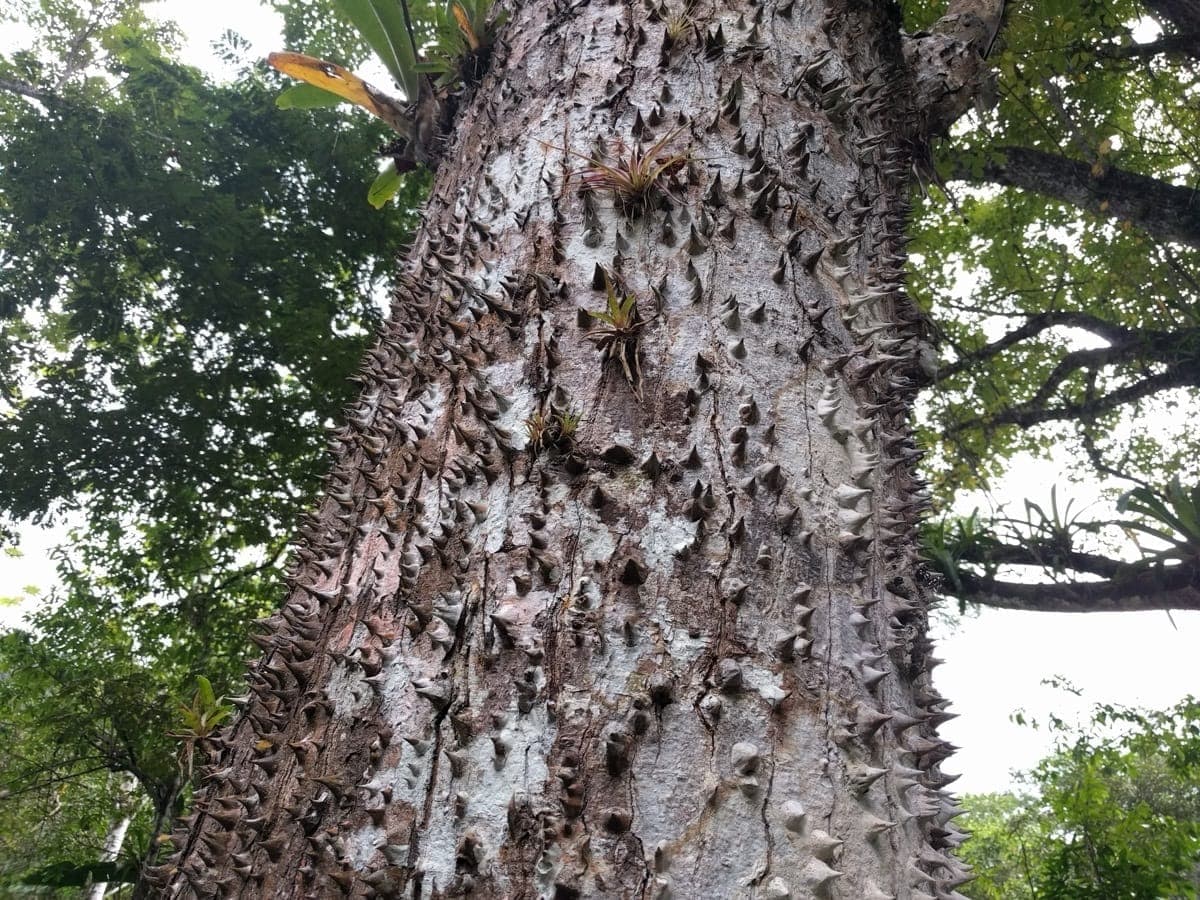
Ceiba
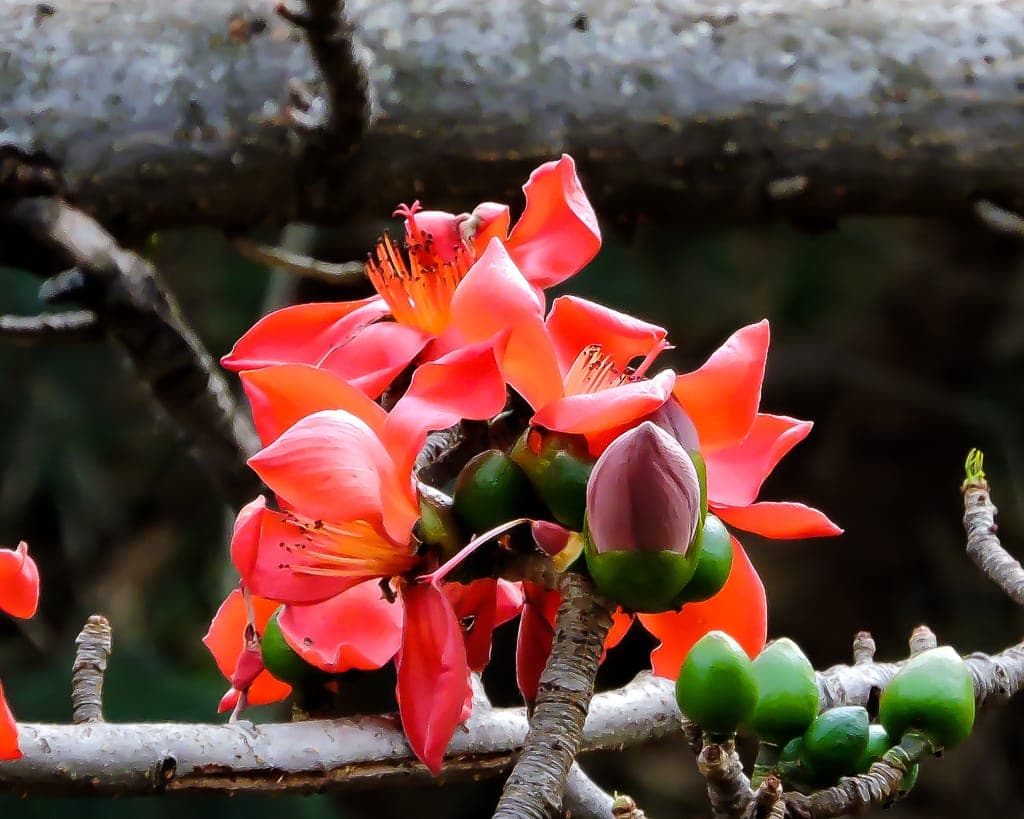
Pochote
VS
Ceiba vs. Pochote: Distinguishing Two Spiny Giants
Moderate
Key Difference
Ceiba has massive buttress roots at the base, while Pochote does not have buttresses.
📅Buttress roots make ID easy year-round; flower color helps during Dec-Mar blooming.
Read Guide
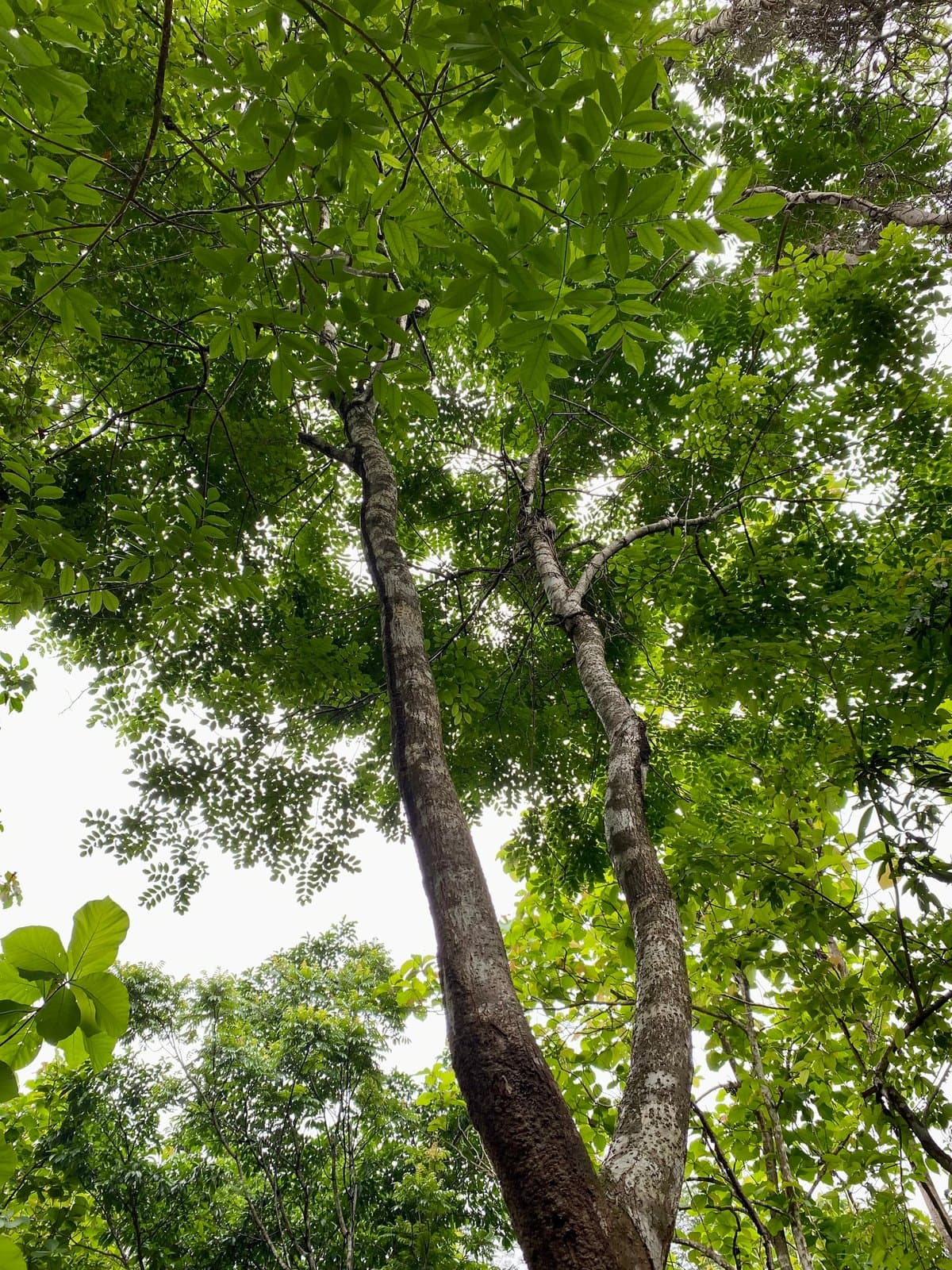
Cocobolo
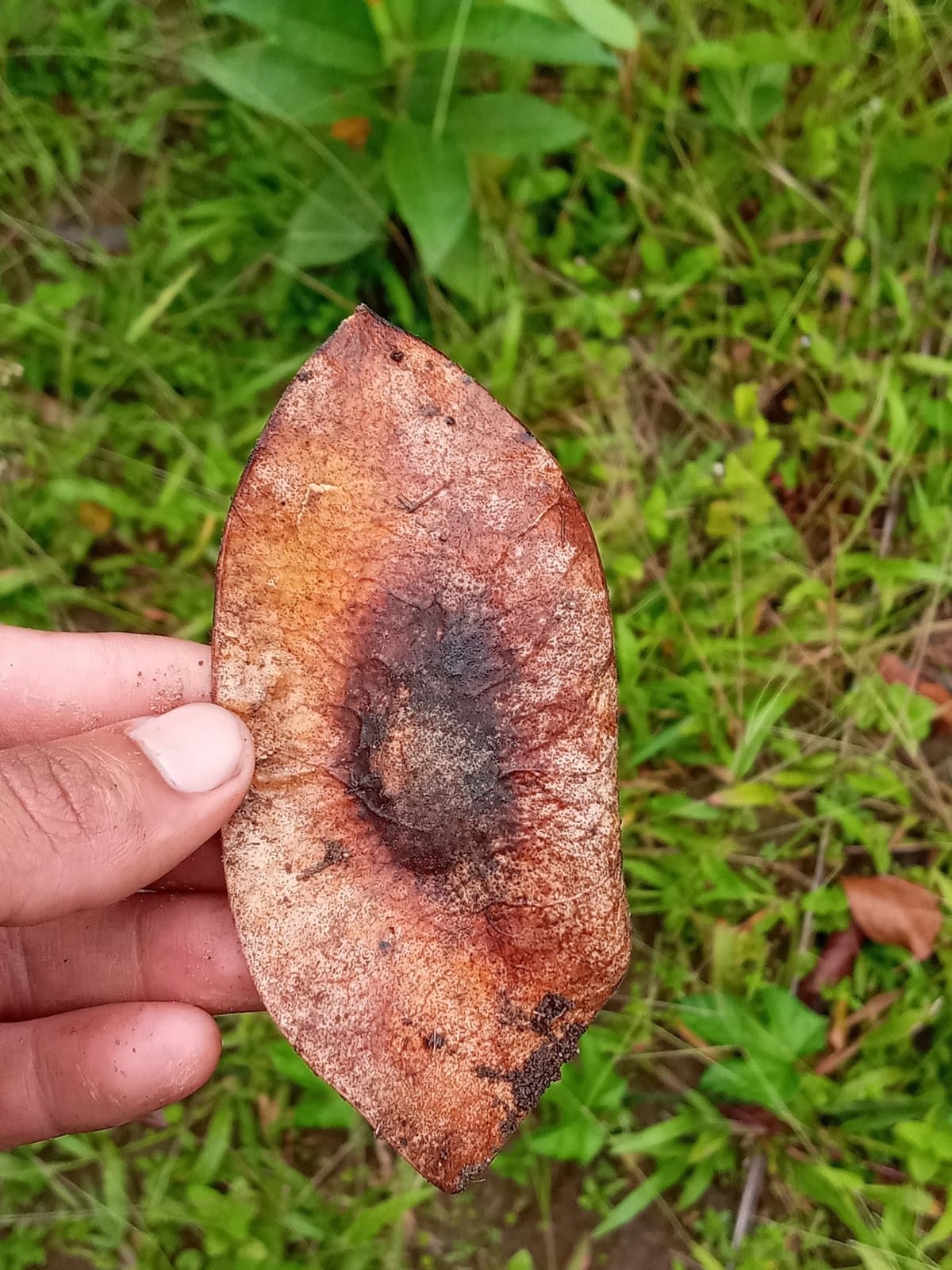
Cristóbal
VS
Cocobolo vs. Cristóbal: Premium Rosewood Distinction
Moderate
Key Difference
Cocobolo is a globally Vulnerable (IUCN), severely depleted small tree (15-25 m) with orange-red heartwood and CITES protection, while Cristóbal is near-threatened canopy tree (25-40 m) with purple heartwood and wider distribution—both valuable but fundamentally different conservation and size profiles.
📅Best distinguished by tree size and trunk form year-round; wood color diagnostic when cut
Read Guide
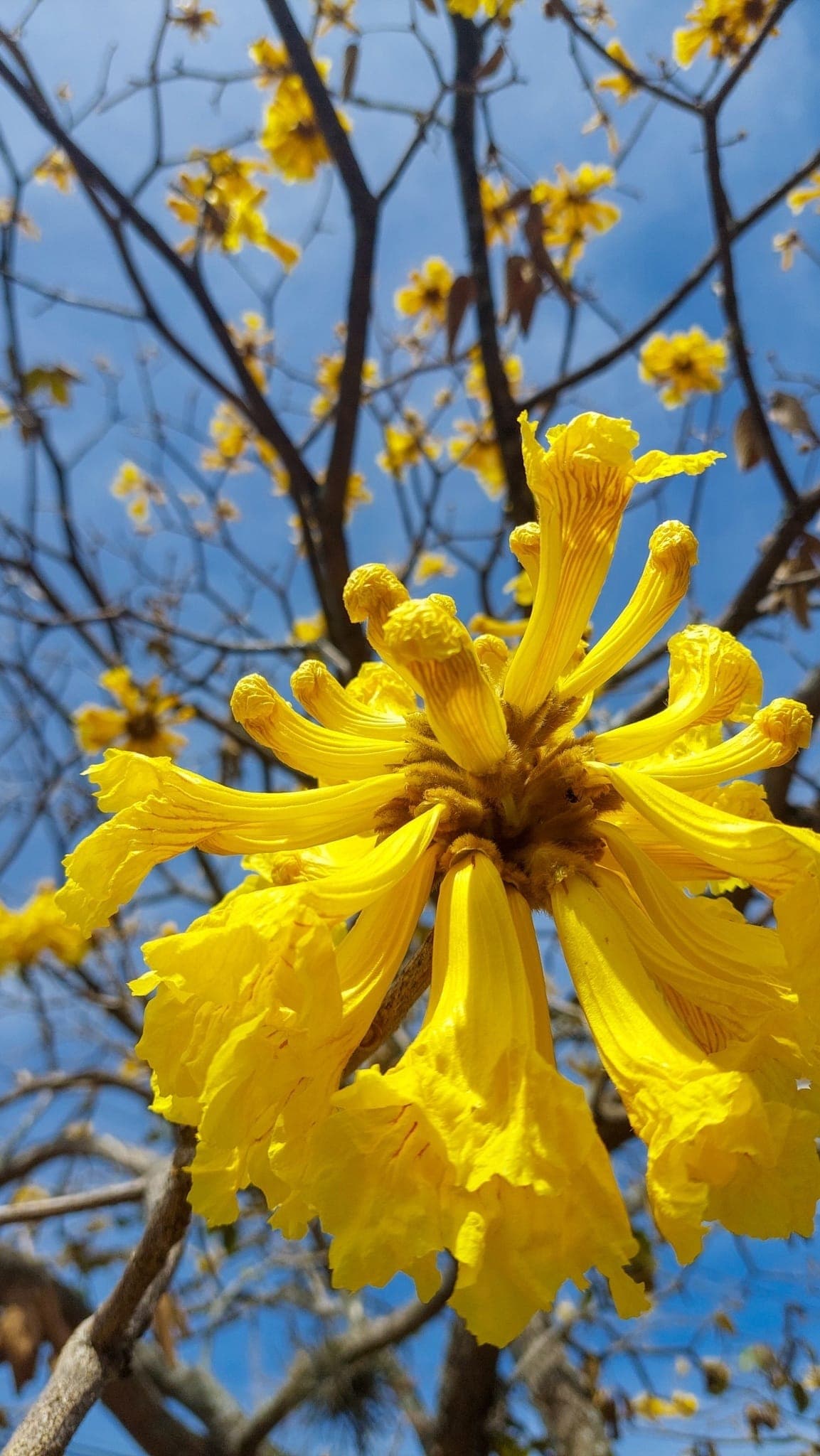
Corteza Amarilla
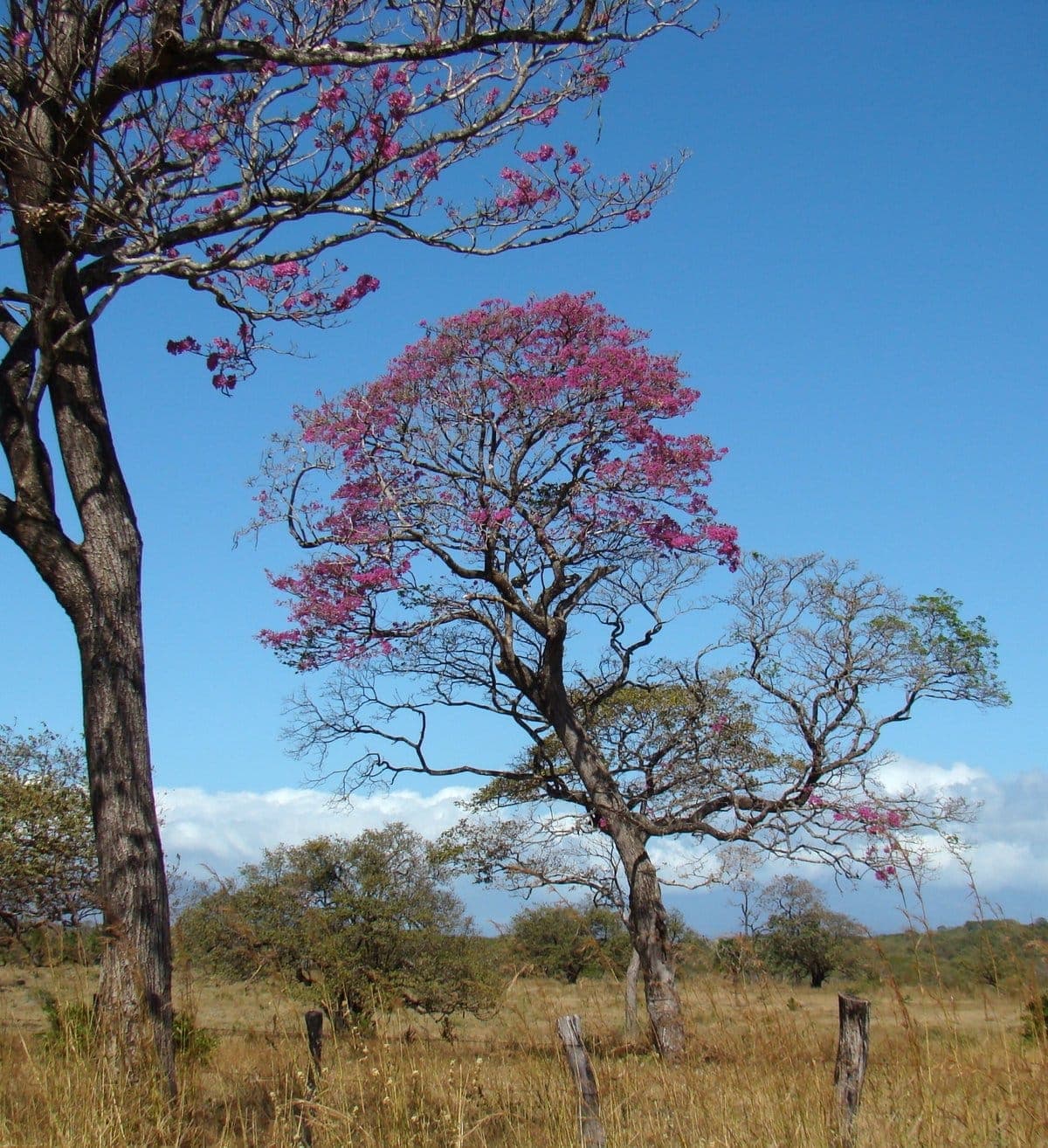
Cortez Negro
VS
Corteza Amarilla vs. Cortez Negro: Yellow vs. Pink Trumpet Trees
Confusing
Key Difference
Corteza Amarilla has golden-yellow flowers (Mar-Apr); Cortez Negro has pink-purple flowers (Feb-Mar). Both bloom spectacularly when leafless, but flower color is unmistakable!
📅Easily distinguished during flowering (Feb-Apr) by flower color. When not in bloom, check bark texture and leaf characteristics.
Read Guide
Corteza Amarilla
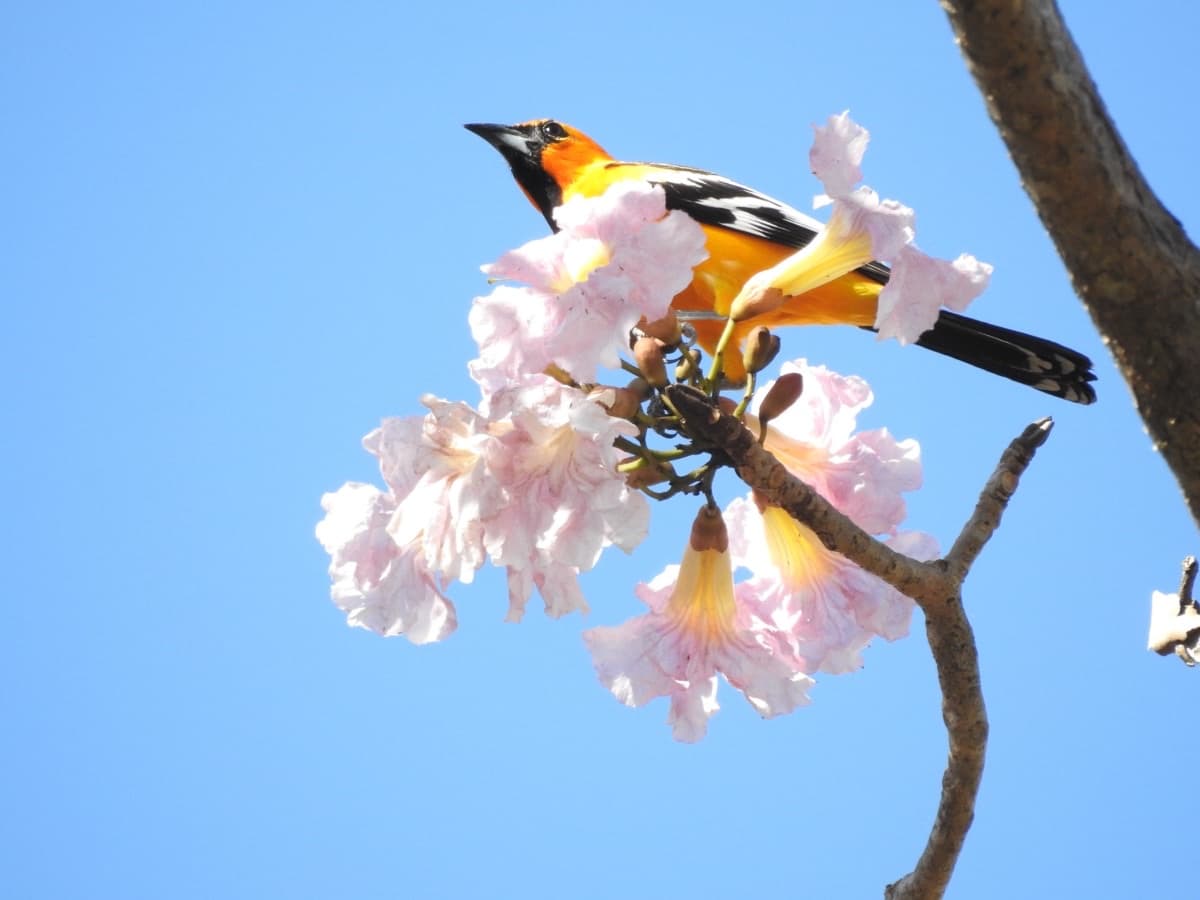
Roble de Sabana
VS
Corteza Amarilla vs. Roble de Sabana: Golden vs. Pink Flowering Trees
Easy
Key Difference
Corteza Amarilla explodes in brilliant golden-yellow flowers, while Roble de Sabana blooms in delicate pink - both deciduous Bignoniaceae trees flowering in dry season.
📅Most easily distinguished during flowering season (Mar-May) when flower color is unmistakable
Read Guide
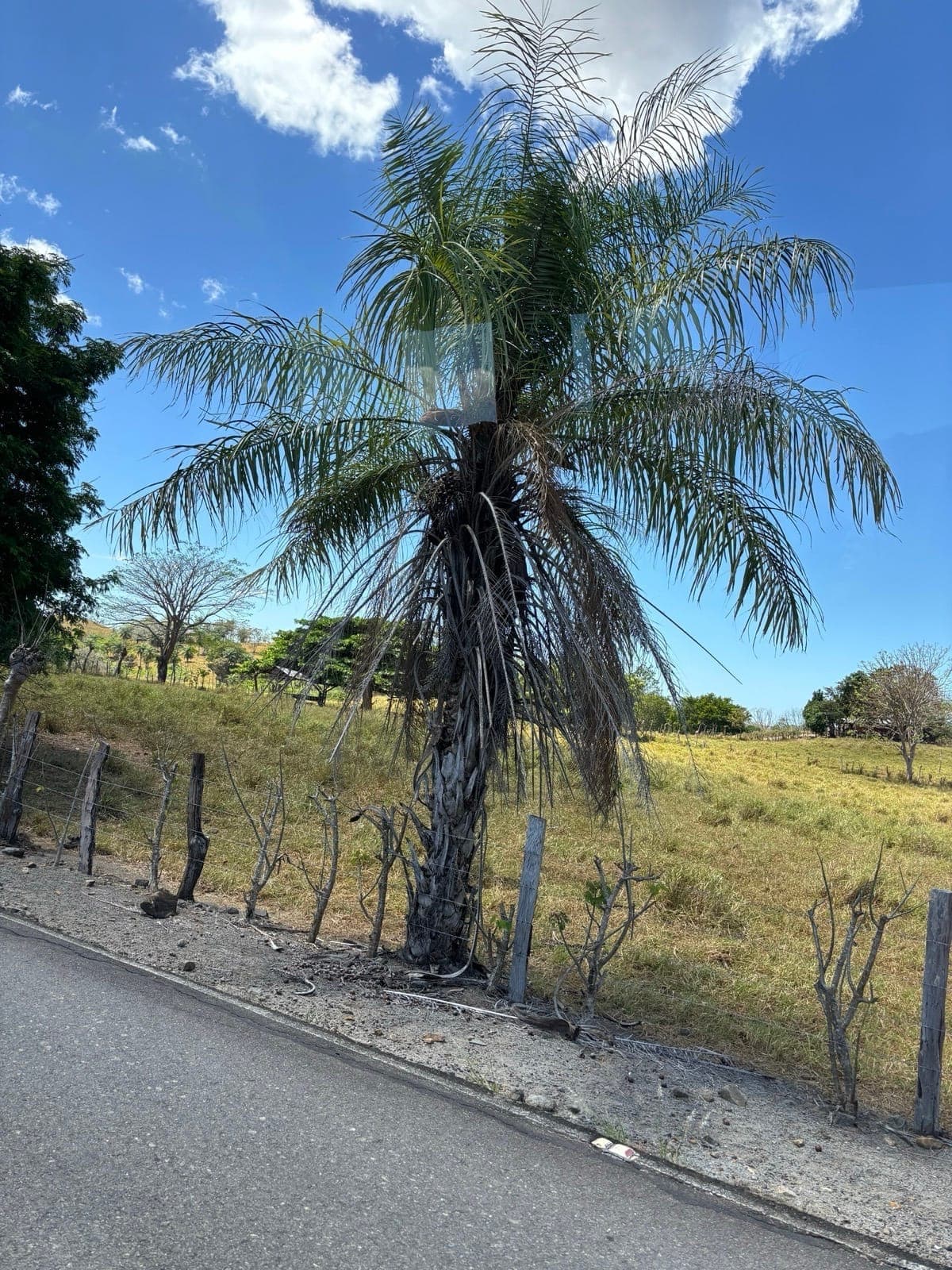
Coyol
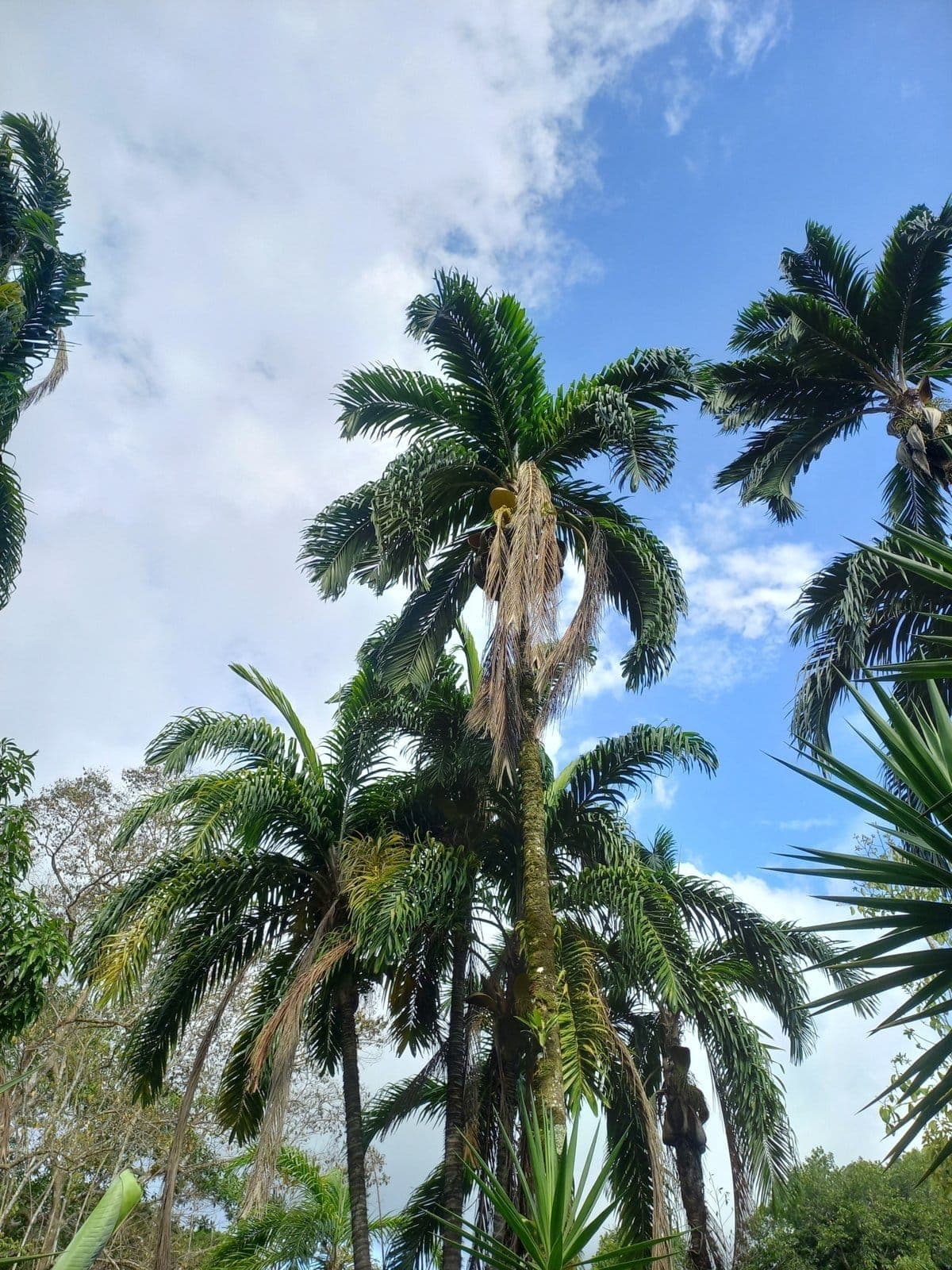
Pejibaye
VS
Coyol vs. Pejibaye: Two Spiny Palms with Edible Fruits
Moderate
Key Difference
Coyol has wickedly long trunk spines (up to 20cm) and hard-shelled fruits, while Pejibaye forms clumps of multiple stems with softer flesh fruits.
📅Growth form visible year-round; fruiting season differs (Coyol: Dec-May; Pejibaye: Sep-Feb)
Read Guide
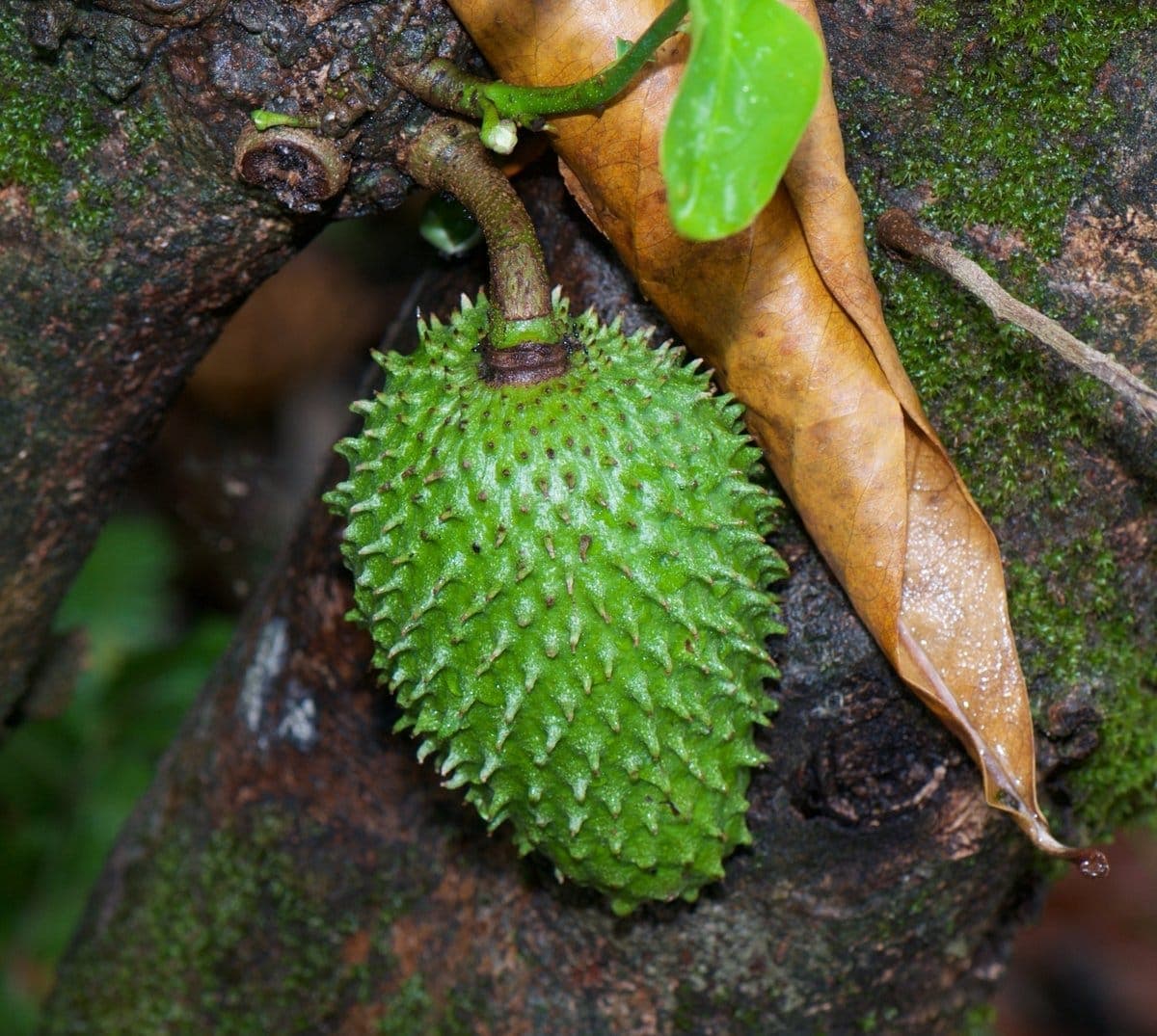
Guanábana
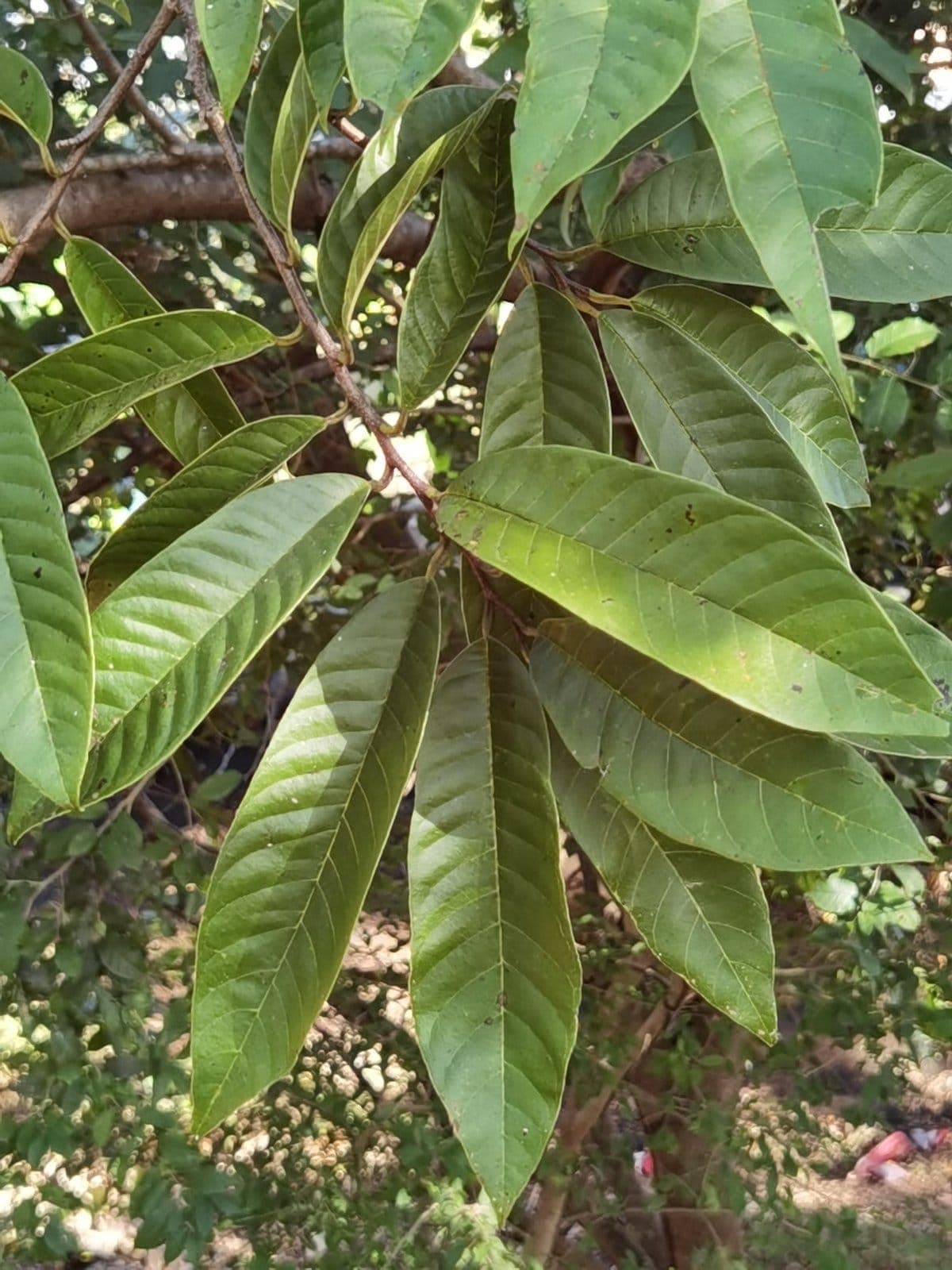
Anona
VS
Guanábana vs Anona
Moderate
Key Difference
Guanábana produces massive spiny fruits (2-5 kg) with tangy-sweet flavor perfect for juices, while Anona bears small scaly fruits (200-500g) with ultra-sweet custard flesh best eaten fresh
📅Fruit is most visible Jun-Oct (guanábana) vs Jul-Sep (anona); size and skin texture work year-round.
Read Guide
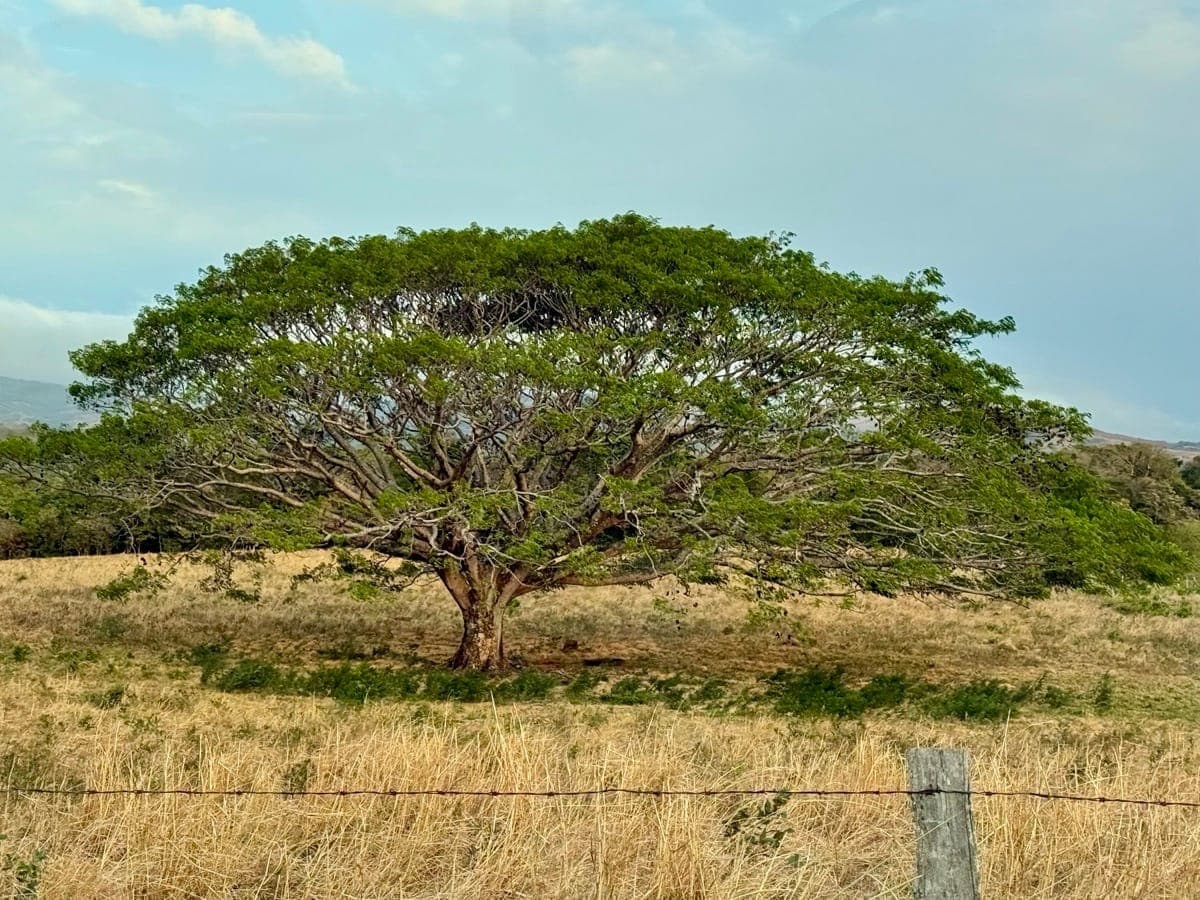
Guanacaste
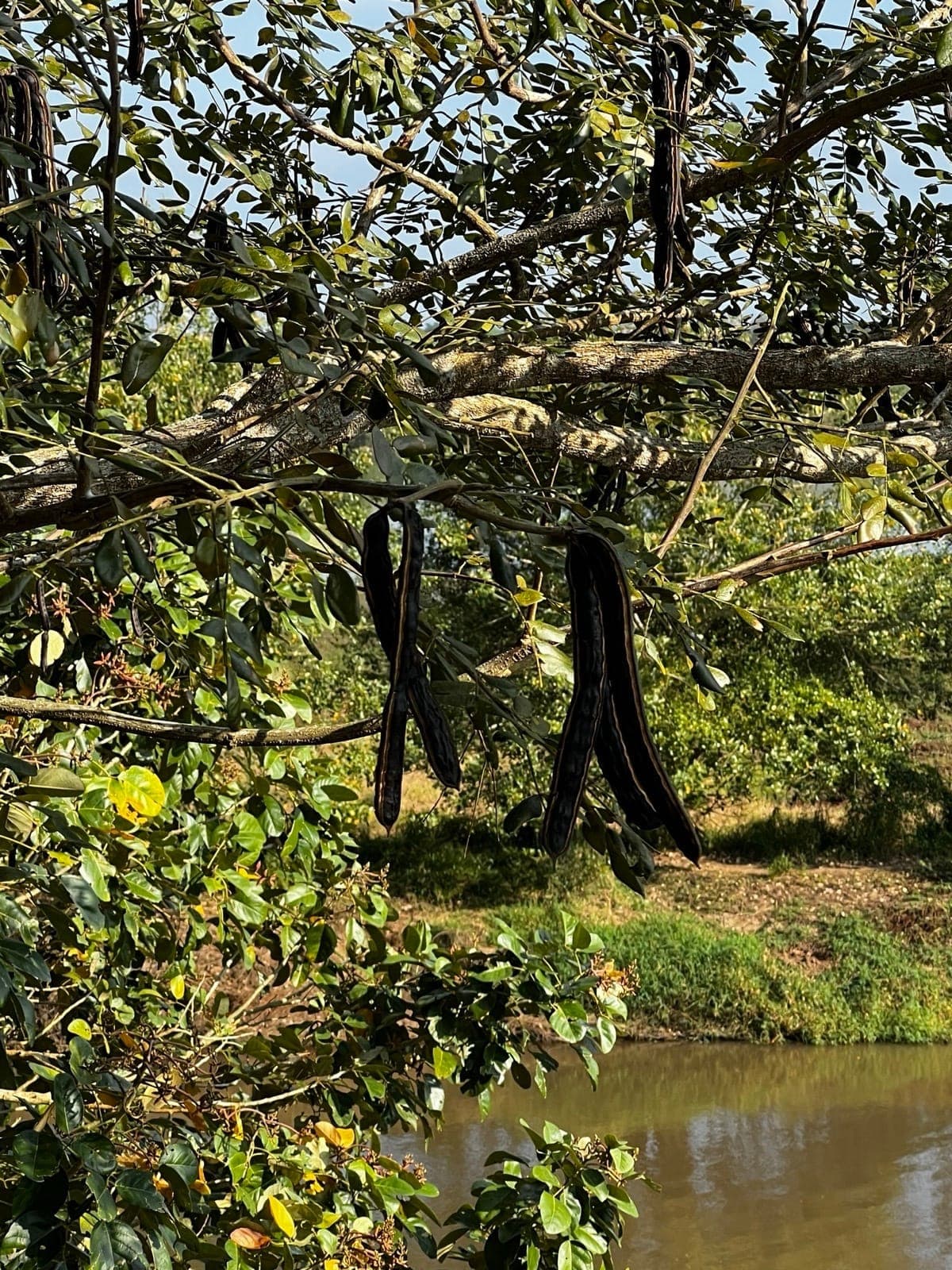
Cenízaro
VS
Guanacaste vs. Cenízaro: Two Giants of the Dry Forest
Confusing
Key Difference
Guanacaste has distinctive ear-shaped seed pods, while Cenízaro has long, flat, straight pods typical of legumes.
📅Pods are easiest to spot in the dry season; flowers help Feb-May when crowns are leafless.
Read Guide
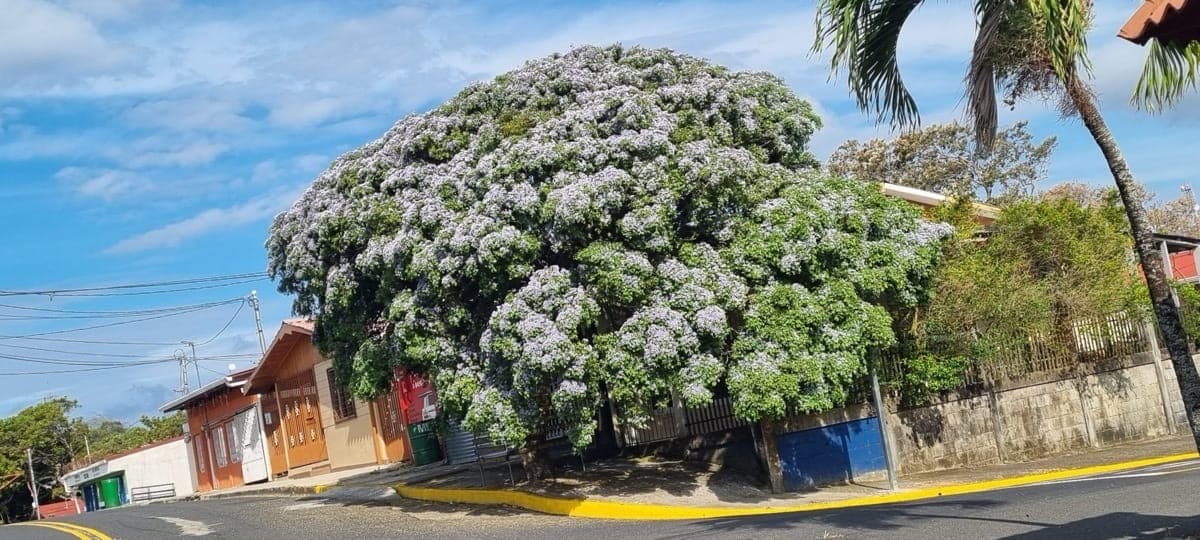
Guayacán Real
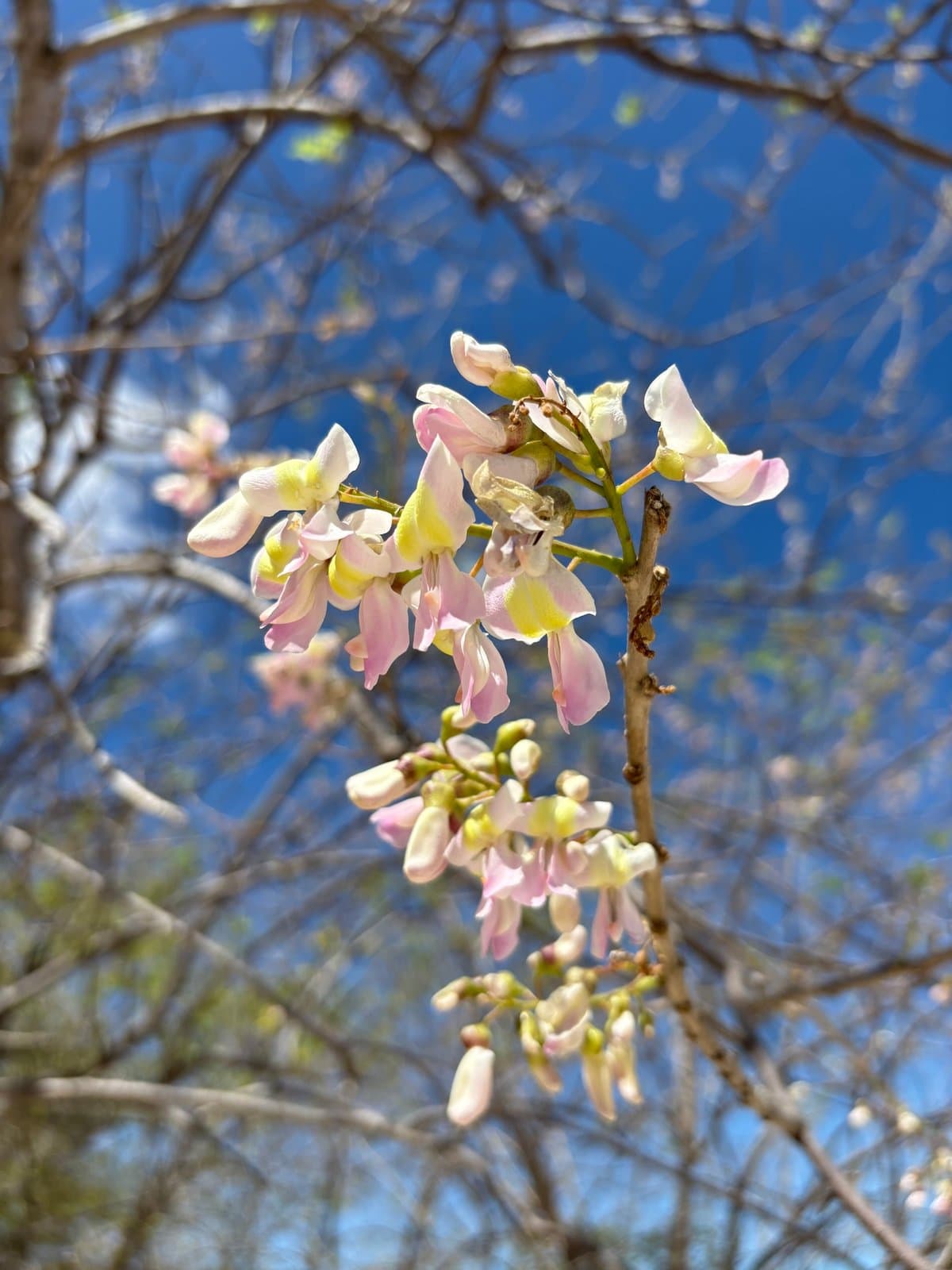
Madero Negro
VS
Guayacán Real vs. Madero Negro: Precious Wood vs. Practical Pioneer
Confusing
Key Difference
Guayacán Real is an endangered slow-growing tree producing the world's densest wood, while Madero Negro is a fast-growing nitrogen-fixing legume used as living fences and coffee shade.
📅Flowers are most diagnostic in Dec-Mar (madero negro) vs Mar-Apr (guayacán); leaf size helps year-round.
Read Guide
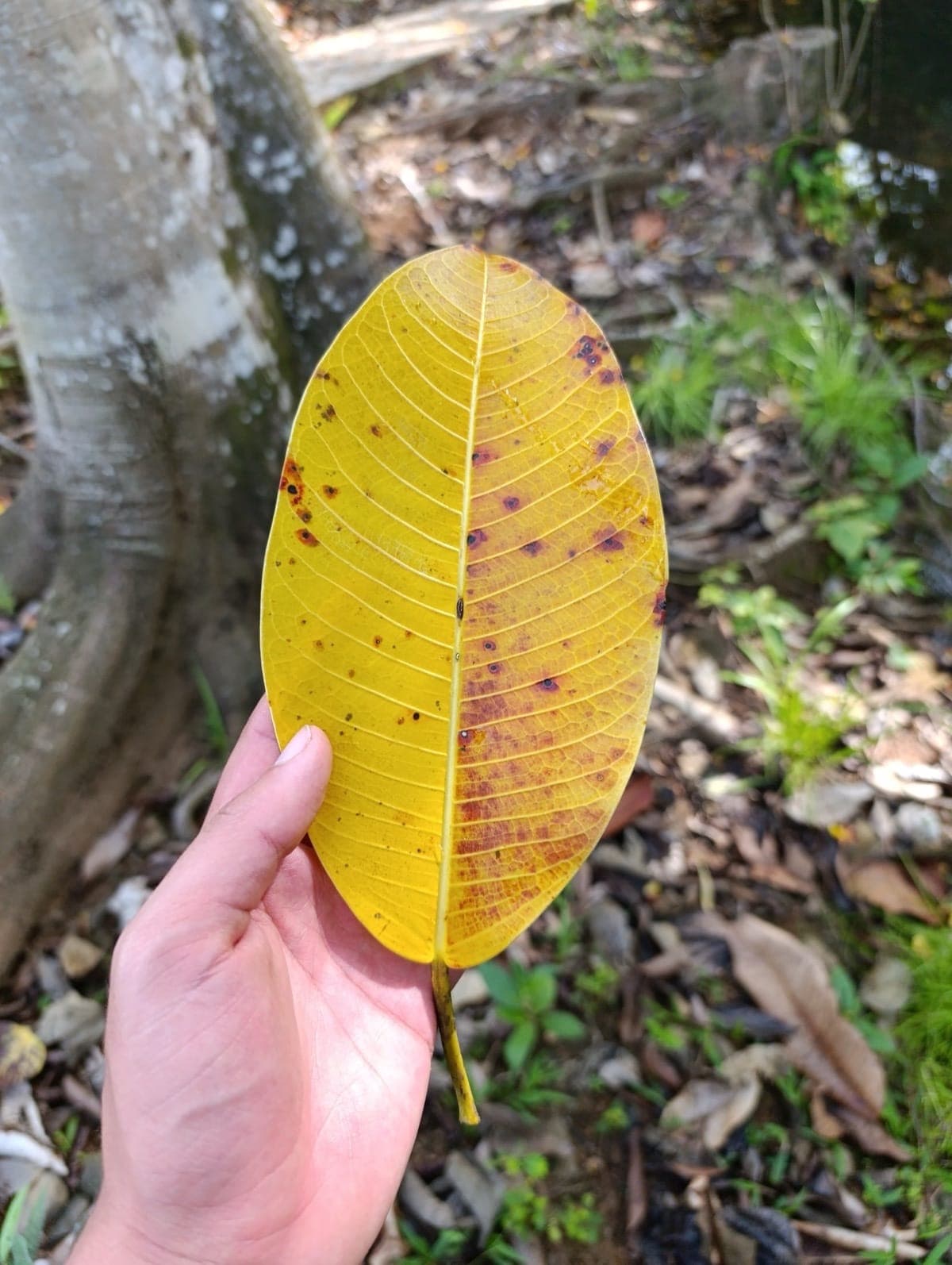
Higuerón
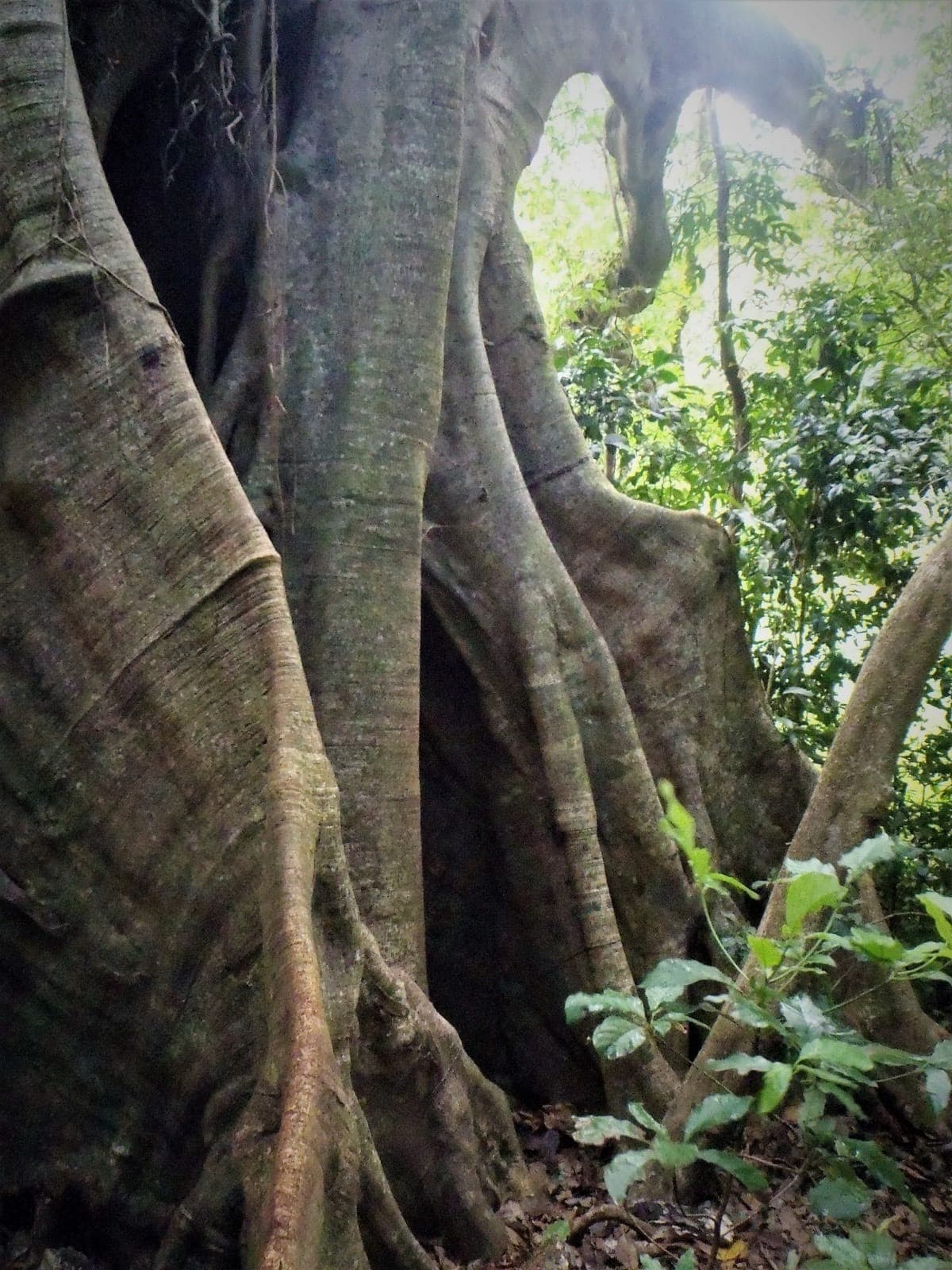
Matapalo
VS
Higuerón vs. Matapalo: Costa Rica's Strangler Figs
Very confusing
Key Difference
Higuerón (Ficus insipida) is a single species with specific characteristics, while Matapalo refers to multiple Ficus species (F. obtusifolia, F. pertusa, etc.) that share the strangling growth habit.
📅Strangling pattern visible year-round; figs produced continuously but timing varies
Read Guide
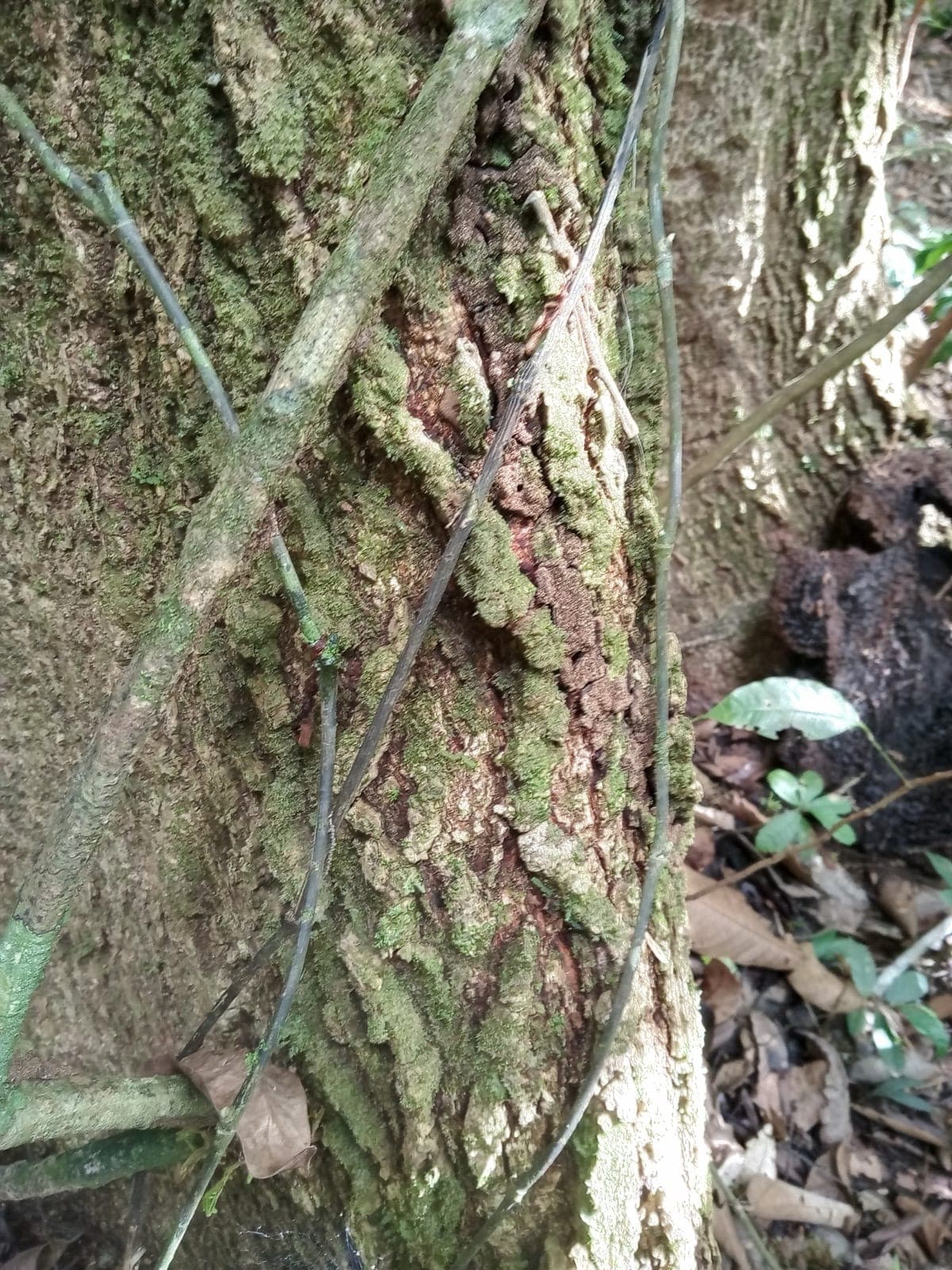
Jobo
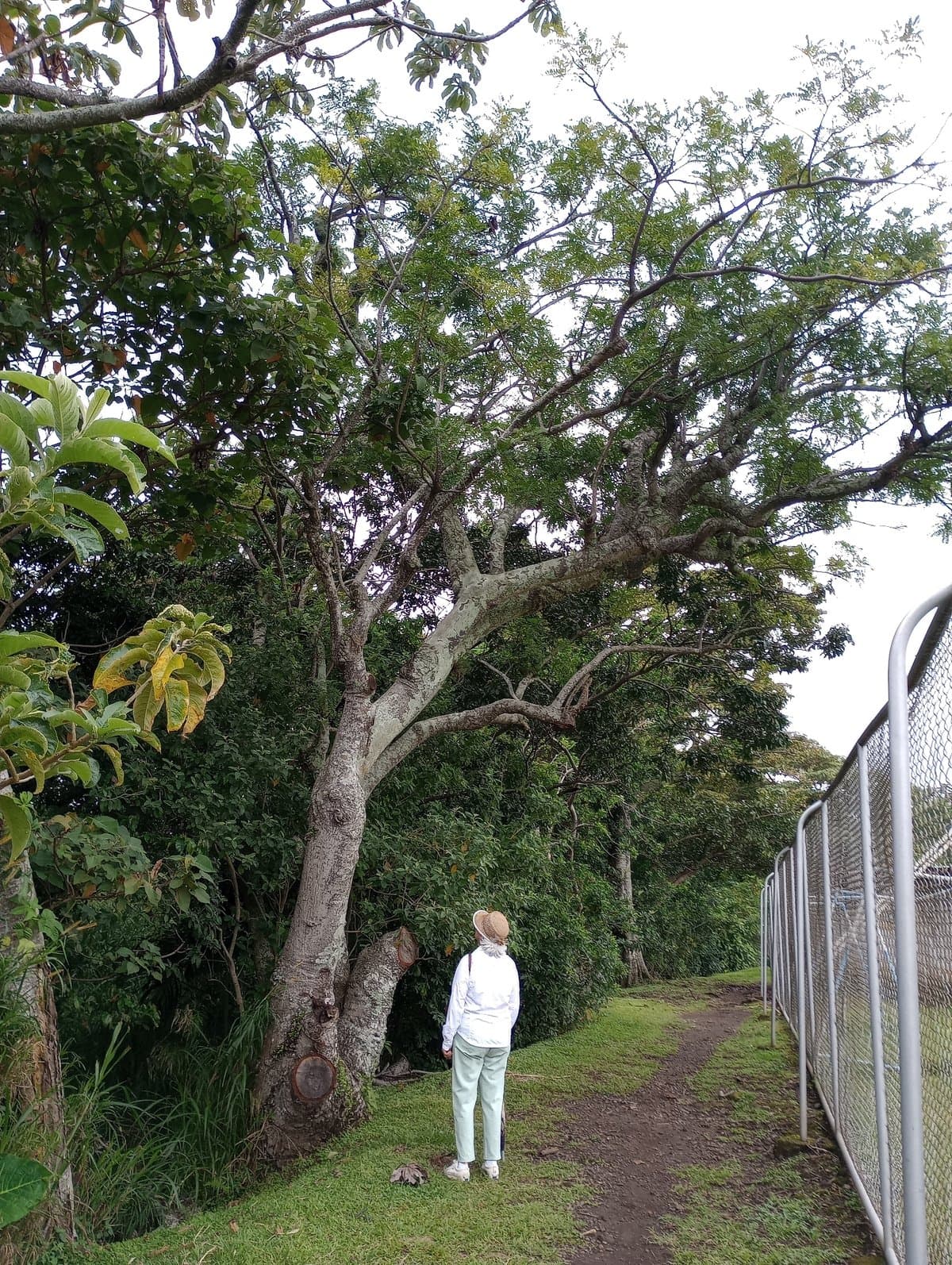
Jocote
VS
Jobo vs. Jocote: The Two Spondias of Costa Rica
Very confusing
Key Difference
Jobo is a large tree (15-30m) with yellow fruits and compound leaves with 9-19 leaflets; Jocote is smaller (7-15m) with red/purple fruits and more leaflets (9-25). Check tree size and fruit color!
📅Easiest to distinguish during fruiting: Jobo fruits May-Aug (yellow), Jocote fruits Mar-May (red/purple). Both deciduous in dry season.
Read Guide
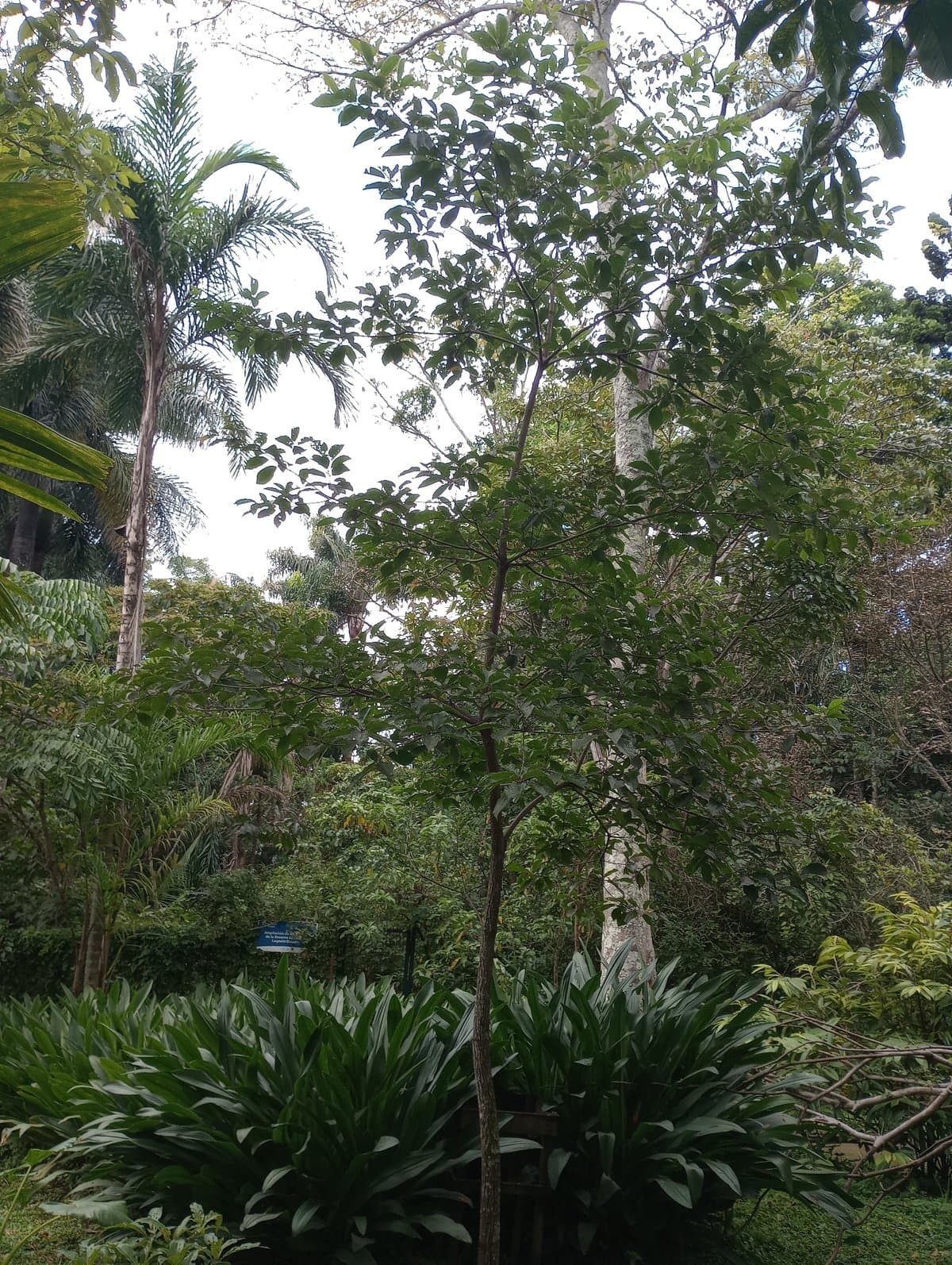
Laurel
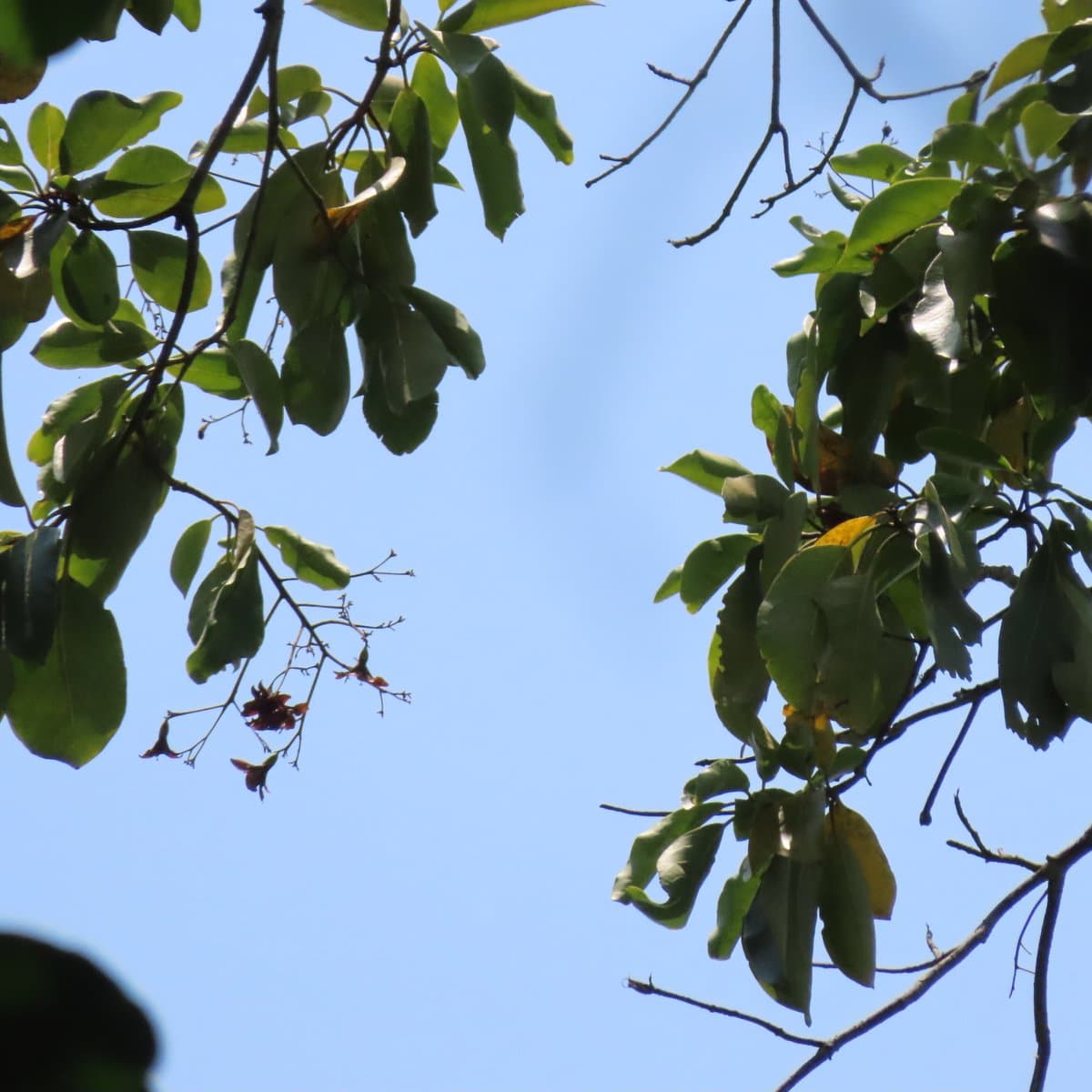
Laurel Negro
VS
Laurel vs. Laurel Negro: Two Cordias, Two Different Woods
Very confusing
Key Difference
Laurel has lighter wood and swollen ant-inhabited nodes (domatia) on twigs; Laurel Negro has dark heartwood and no domatia—check the twigs!
📅Most easily distinguished during flowering (Feb-Apr) when Laurel shows distinctive white flower clusters; also check twigs year-round for ant domatia
Read Guide
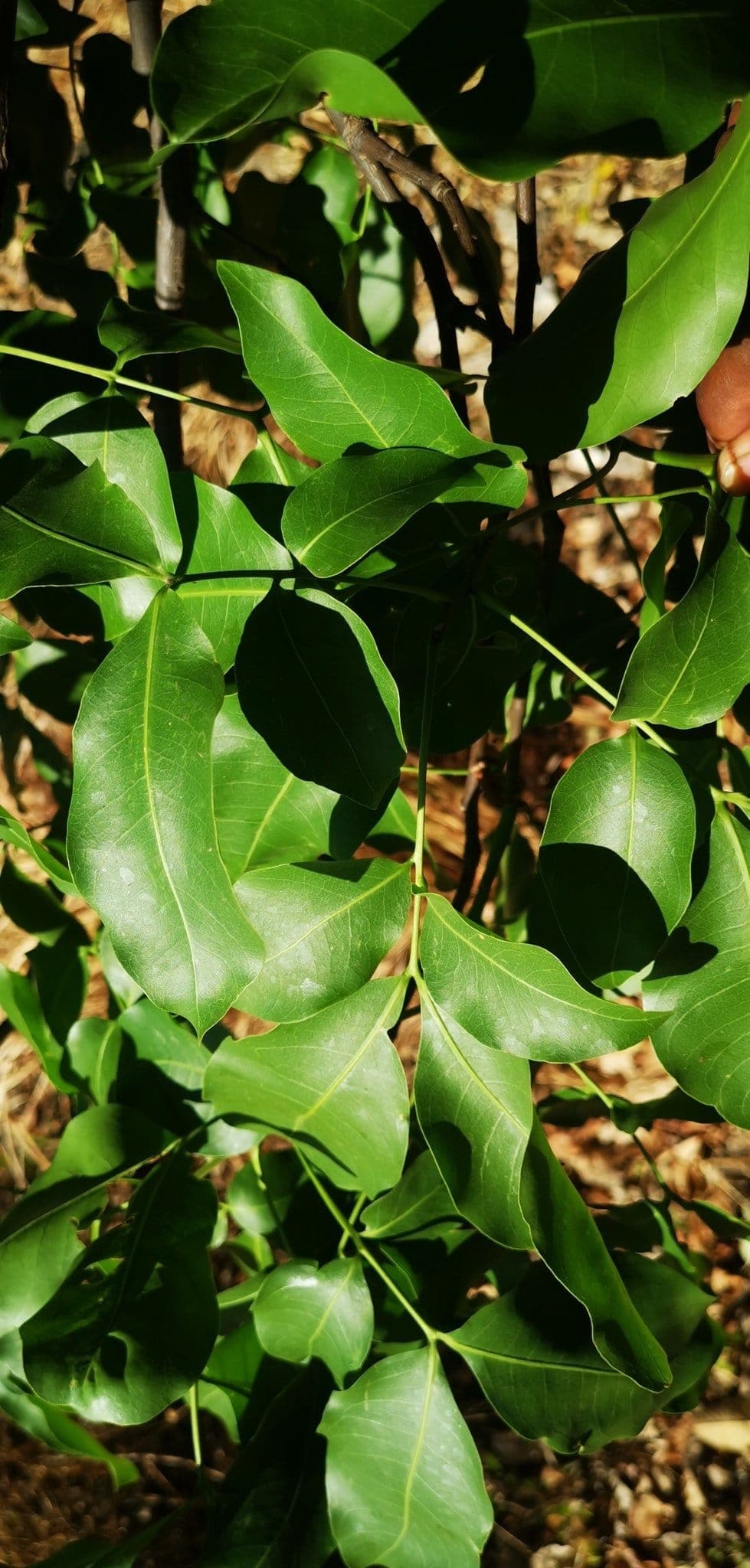
Mamón
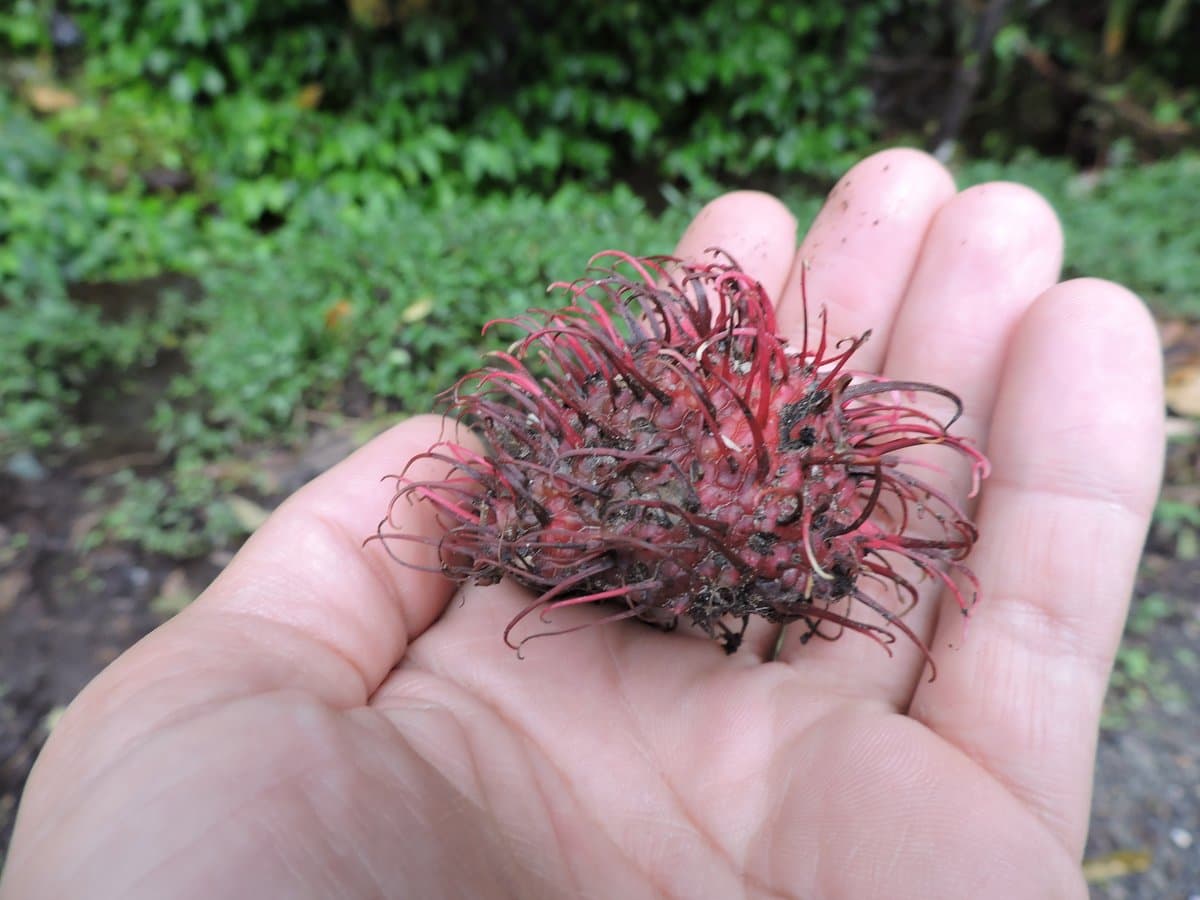
Mamón Chino
VS
Mamón vs. Mamón Chino: Native Lime vs. Asian Rambutan
Moderate
Key Difference
Mamón has smooth green skin with salmon-pink flesh; Mamón Chino has hairy red skin with white flesh. Both have translucent flesh around a large seed—but they look completely different!
📅Fruits are unmistakably different! Mamón: smooth green (Jun-Aug). Mamón Chino: hairy red (Jul-Oct). Trees harder to distinguish without fruit.
Read Guide
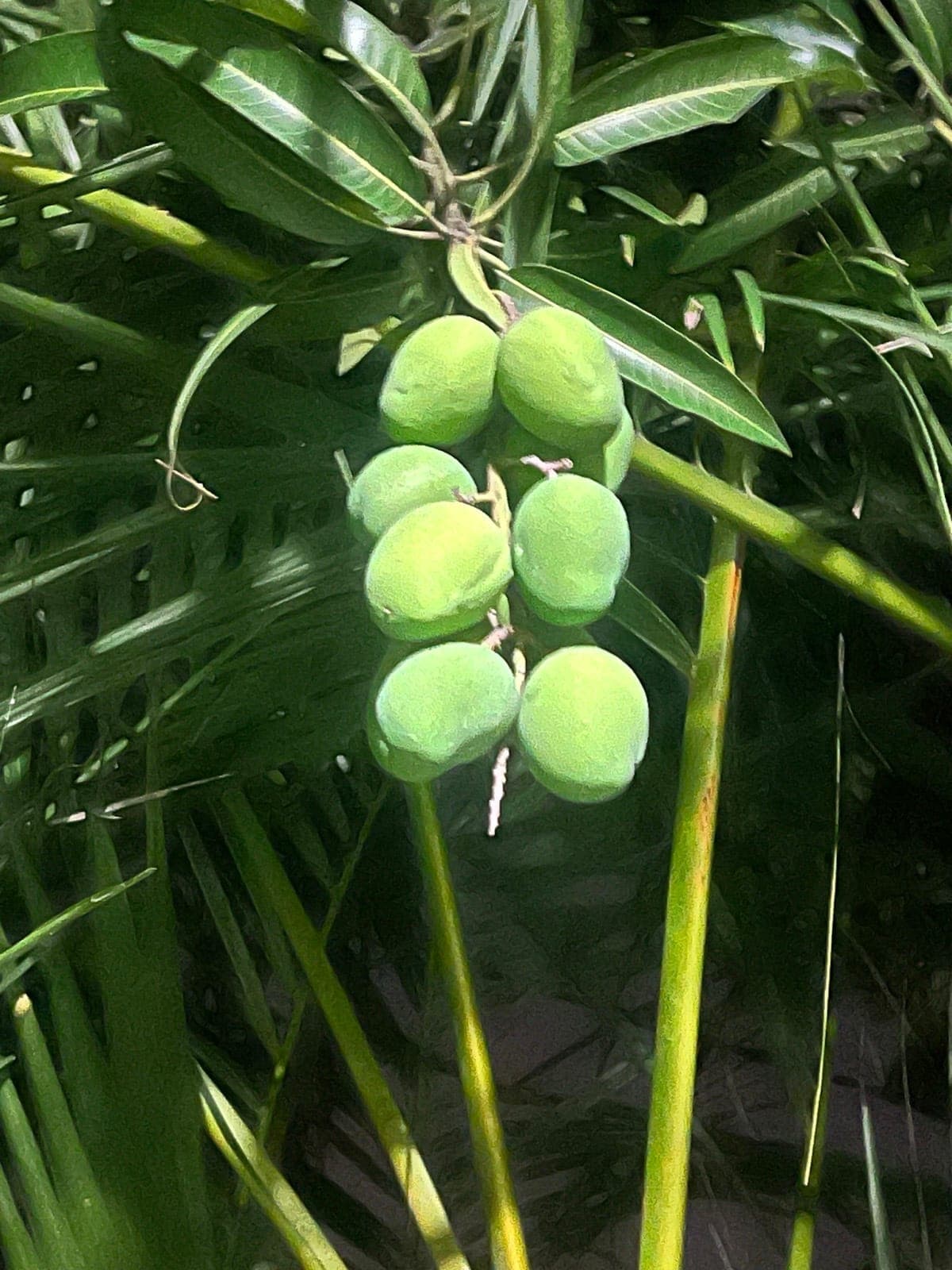
Mango
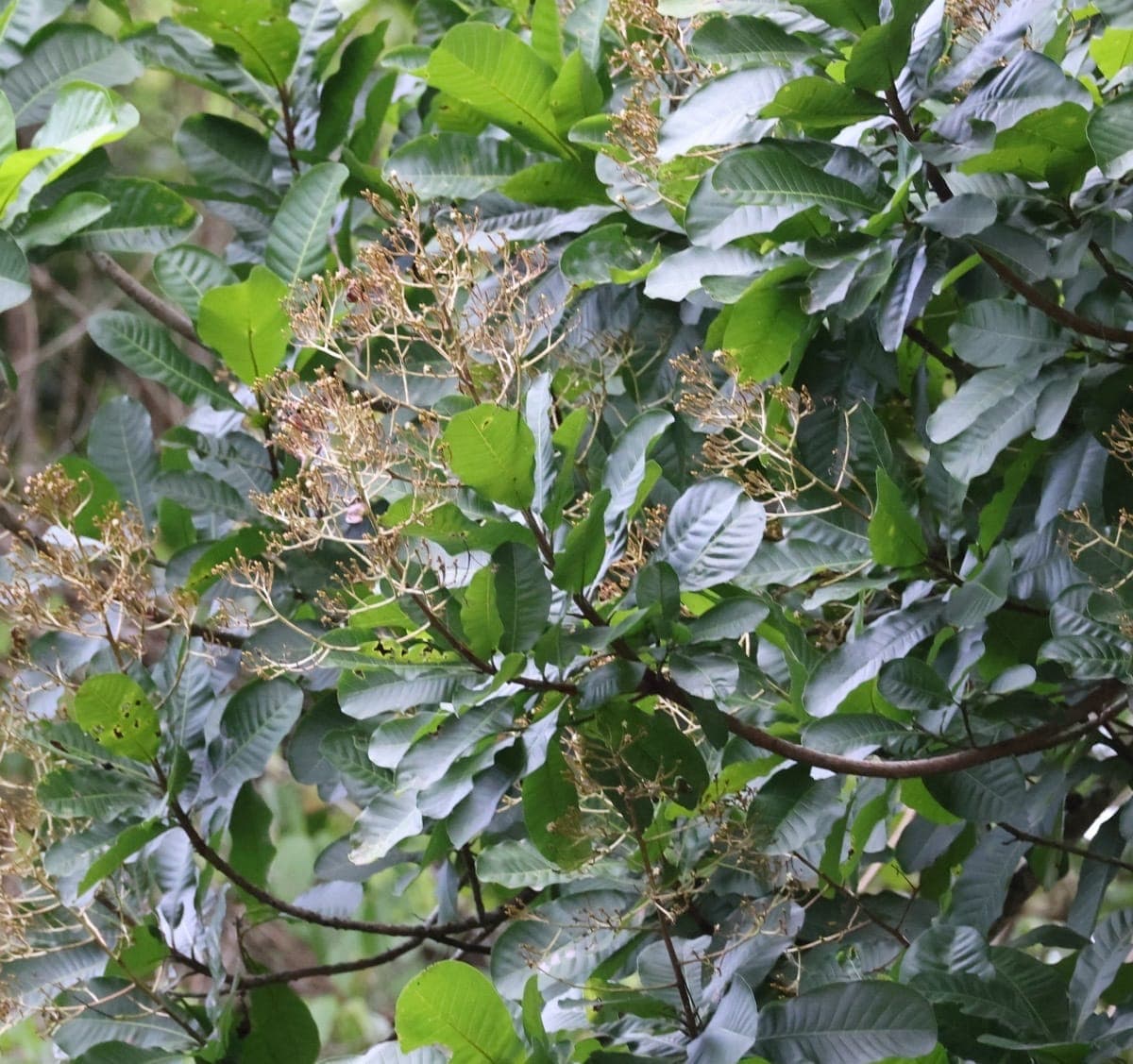
Espavel
VS
Mango vs. Espavel: Cultivated vs. Wild Anacardiaceae Giants
Moderate
Key Difference
Mango is a cultivated fruit tree with single large fruits and dense crown; Espavel is a towering rainforest giant with massive buttress roots and cashew-like fruits.
📅Easily identifiable year-round; fruit visible Apr-Aug (mango) vs Dec-Mar (espavel)
Read Guide
Mango
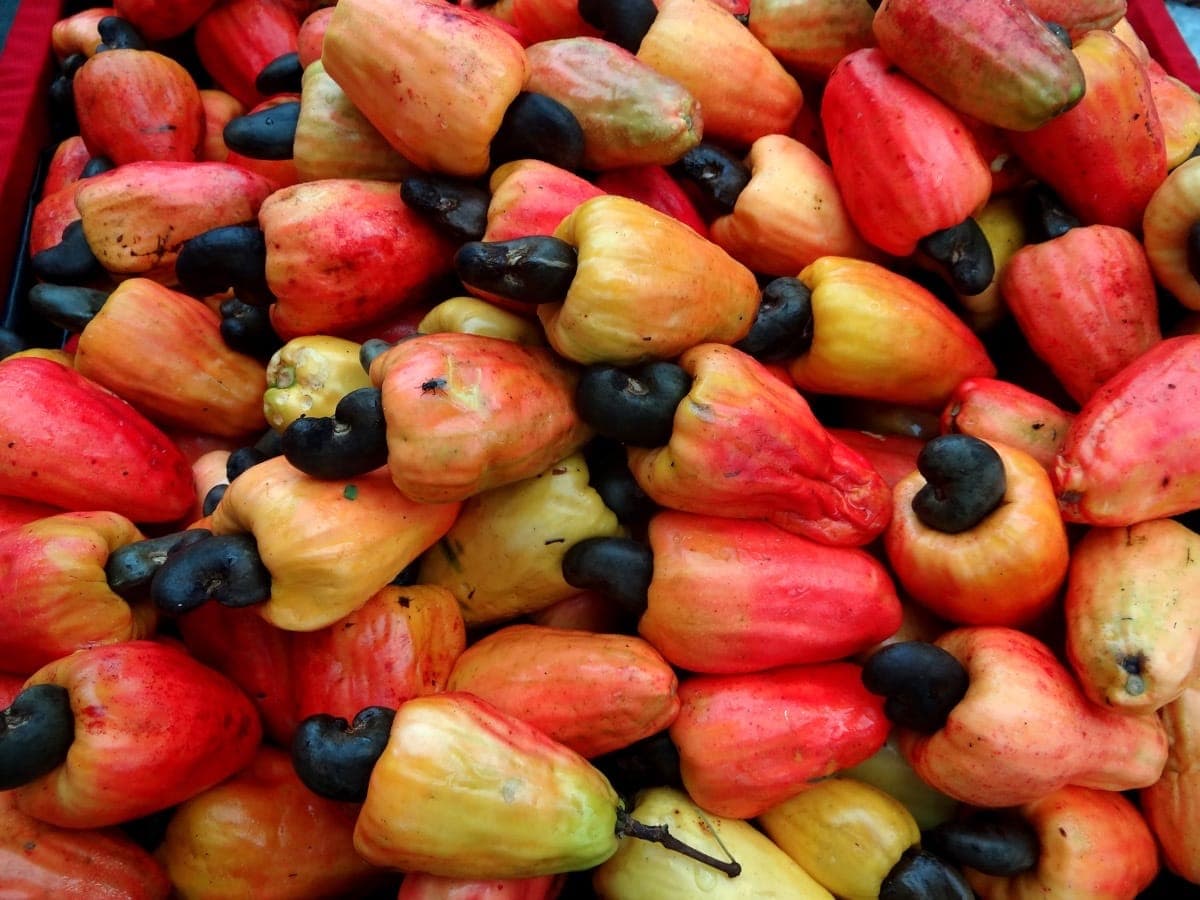
Marañón
VS
Mango vs. Marañón (Cashew): Urushiol Cousins Compared
Confusing
Key Difference
Mango has a single large mango fruit hanging from stem; Marañón has a cashew 'apple' with kidney-shaped nut attached at bottom.
📅Easiest during fruiting: Mar-Jun (marañón) vs Apr-Aug (mango). Leaf tip shape helps year-round.
Read Guide
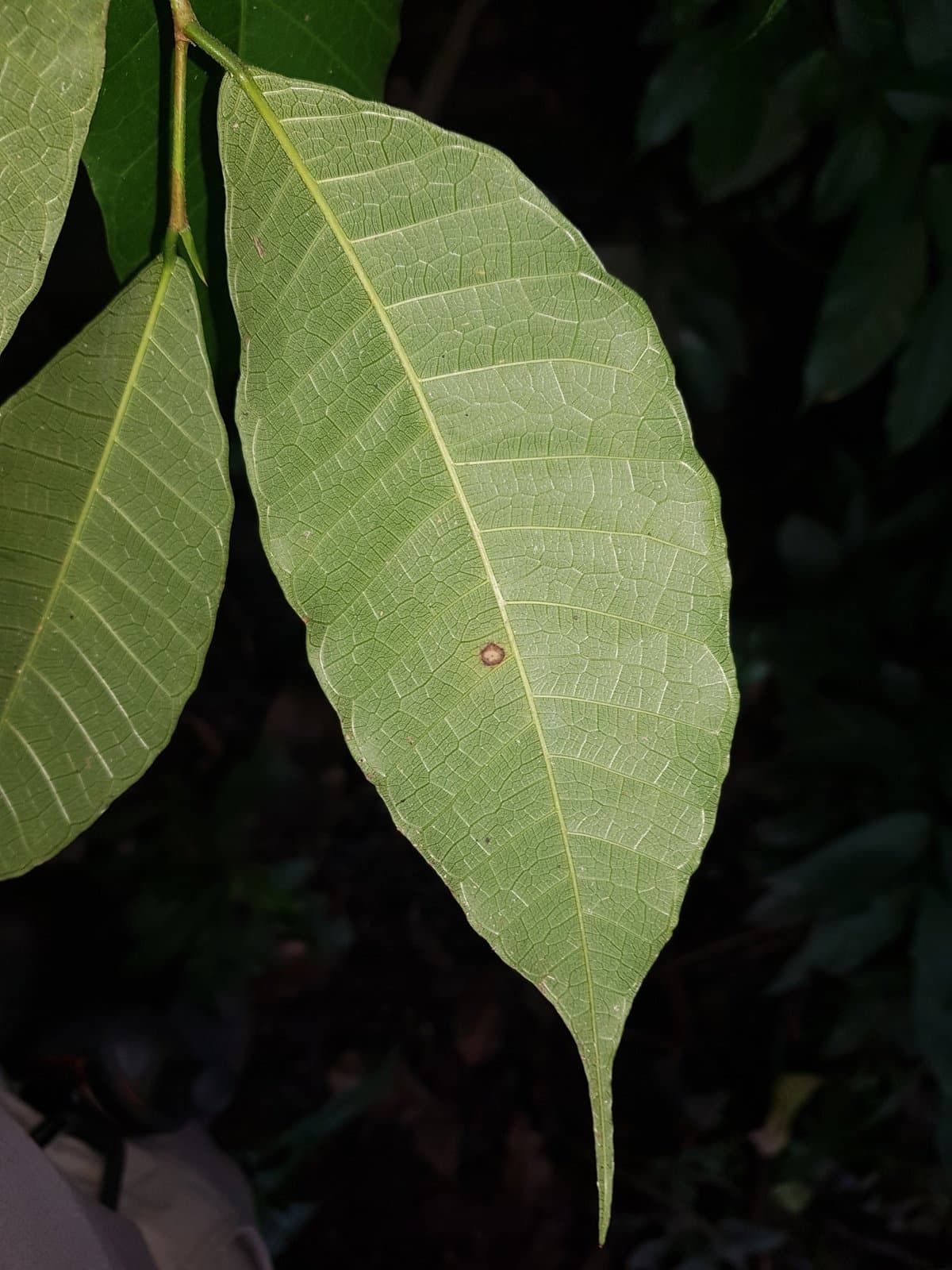
Ojoche
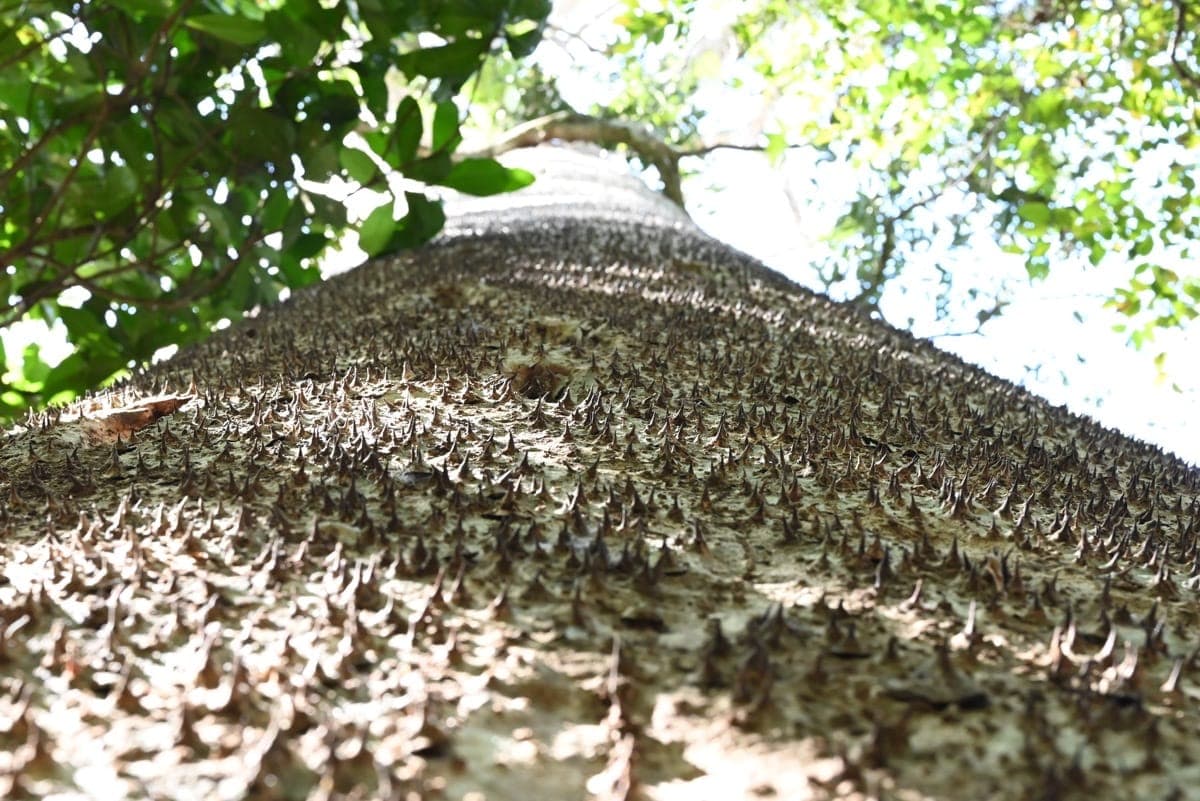
Javillo
VS
Ojoche vs. Javillo: Safe Superfood vs. Deadly Danger
Easy
Key Difference
Ojoche is exceptionally safe with edible seeds, while Javillo is one of the most dangerous trees in the Americas with caustic sap and explosive pods.
📅Trunk spines visible year-round; CRITICAL SAFETY distinction at all times
Read Guide
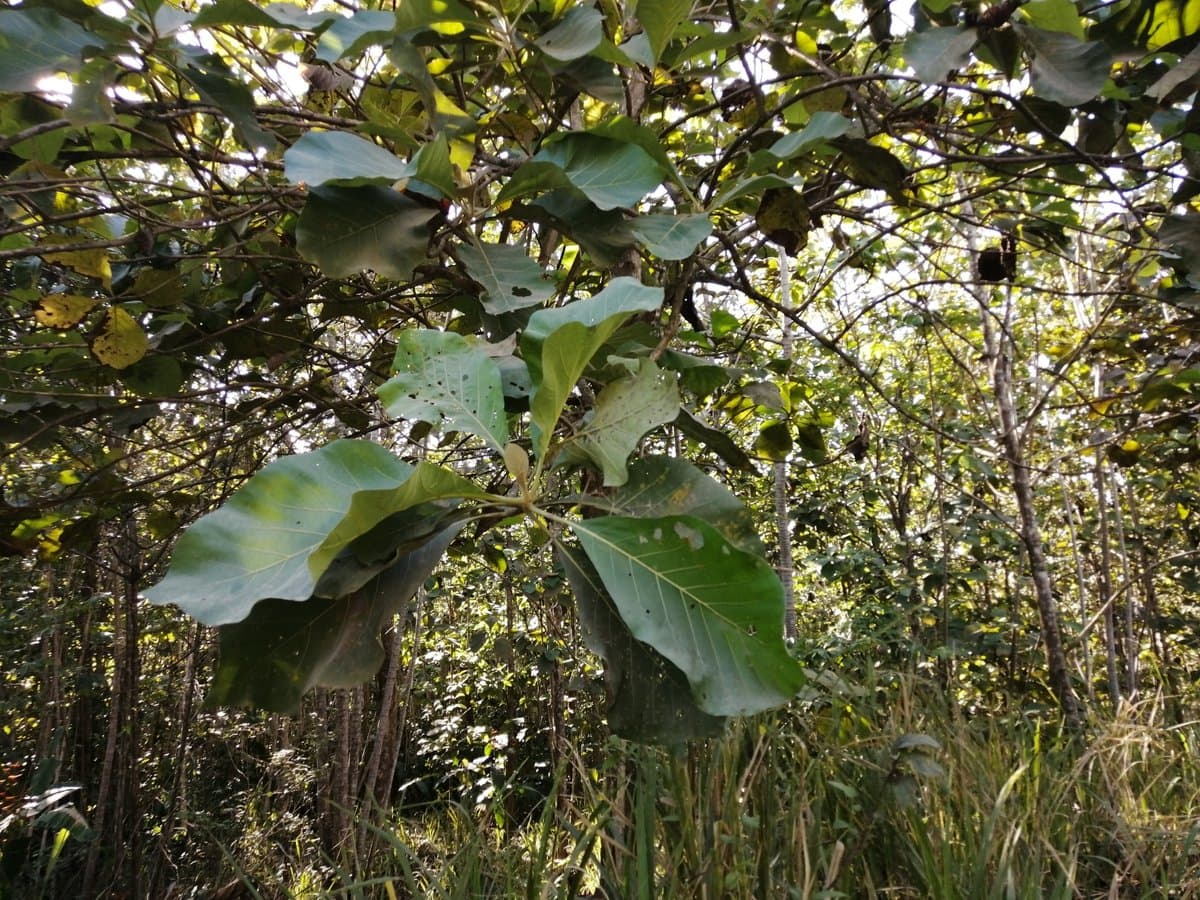
Teak
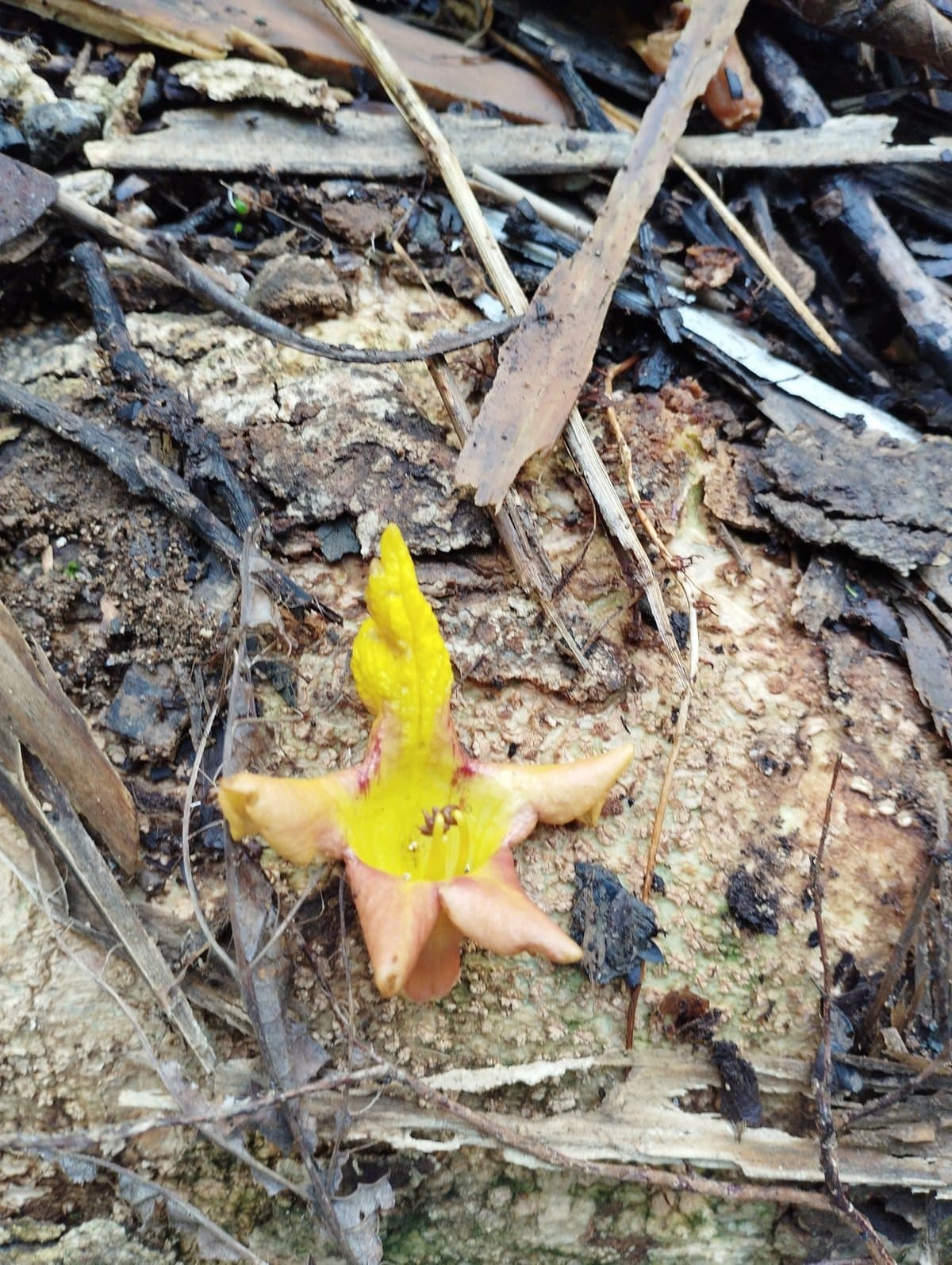
Gmelina
VS
Teak vs. Gmelina: Choosing Your Plantation Timber
Confusing
Key Difference
Teak is slow-growing (20-25 years) premium hardwood for high-value products, while Gmelina is ultra-fast (5-8 years) softwood for pulp and light construction—fundamentally different timber investment strategies.
📅Teak is leafless Feb-Mar; Gmelina stays greener. Flowering differs: Feb-Apr (melina) vs Jun-Aug (teca).
Read Guide
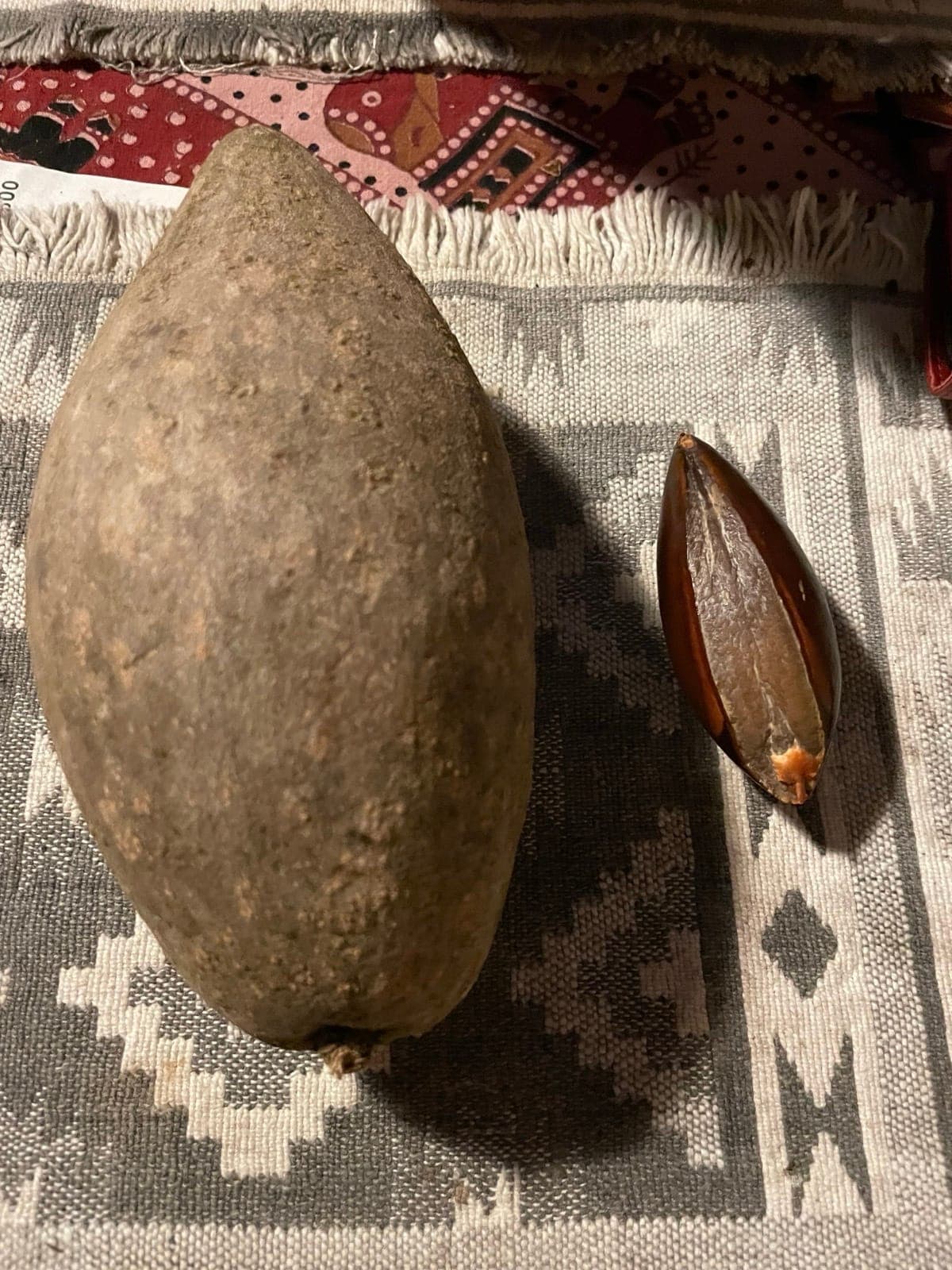
Zapote
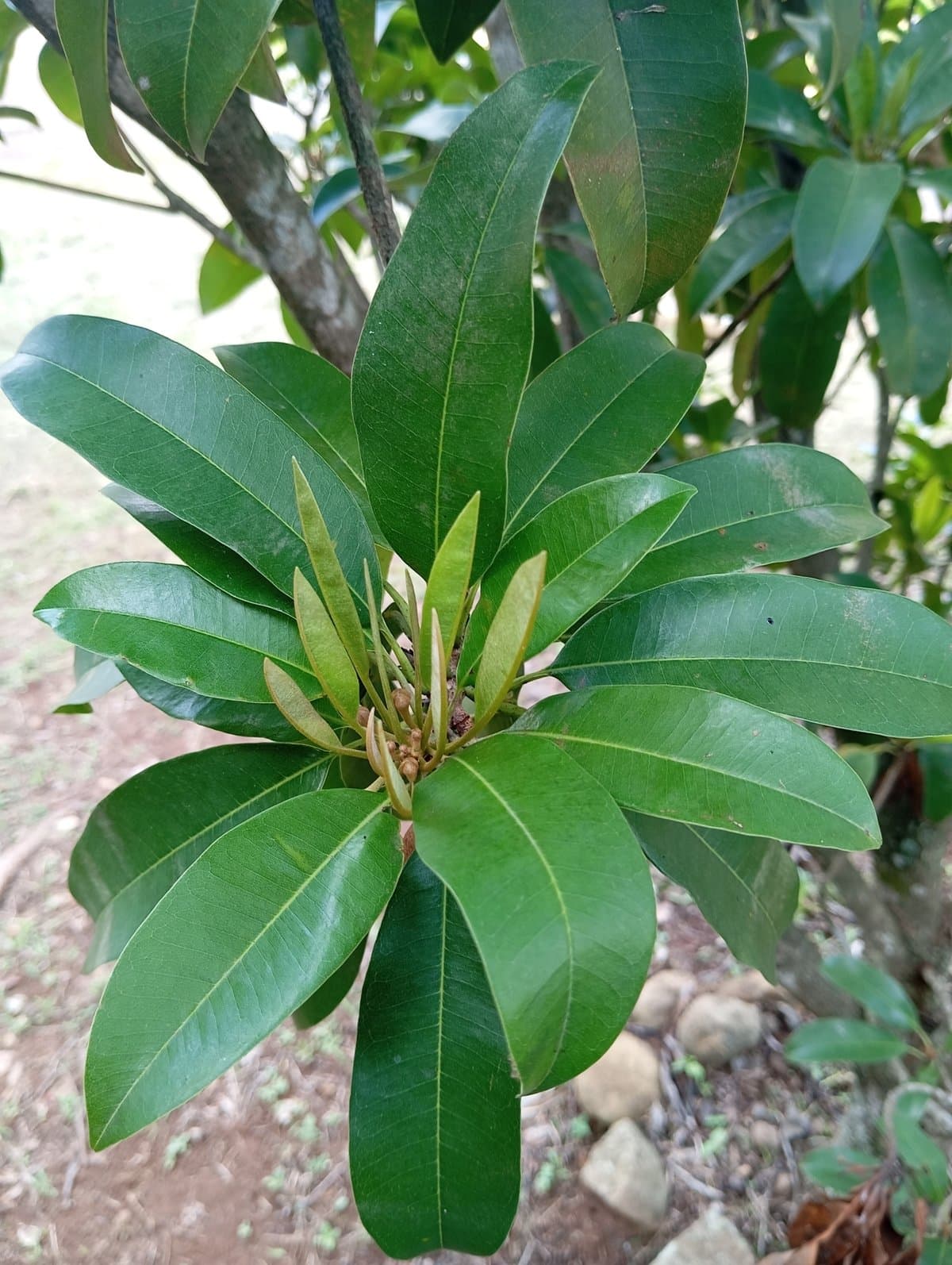
Níspero
VS
Zapote vs. Níspero: Sapotaceae Sweet Cousins
Moderate
Key Difference
Zapote (Mamey Sapote) has large salmon-pink flesh with sweet potato notes and smooth brown skin, while Níspero (Sapodilla) has smaller brown caramel-sweet flesh with rough sandpaper-like skin—both delicious but distinctly different eating experiences.
📅Different fruiting seasons - Zapote (Nov-Feb) vs Níspero (Feb-Apr); both edible when ripe
Read Guide
Interactive Comparison Tool
Or compare any trees side-by-side using our interactive tool