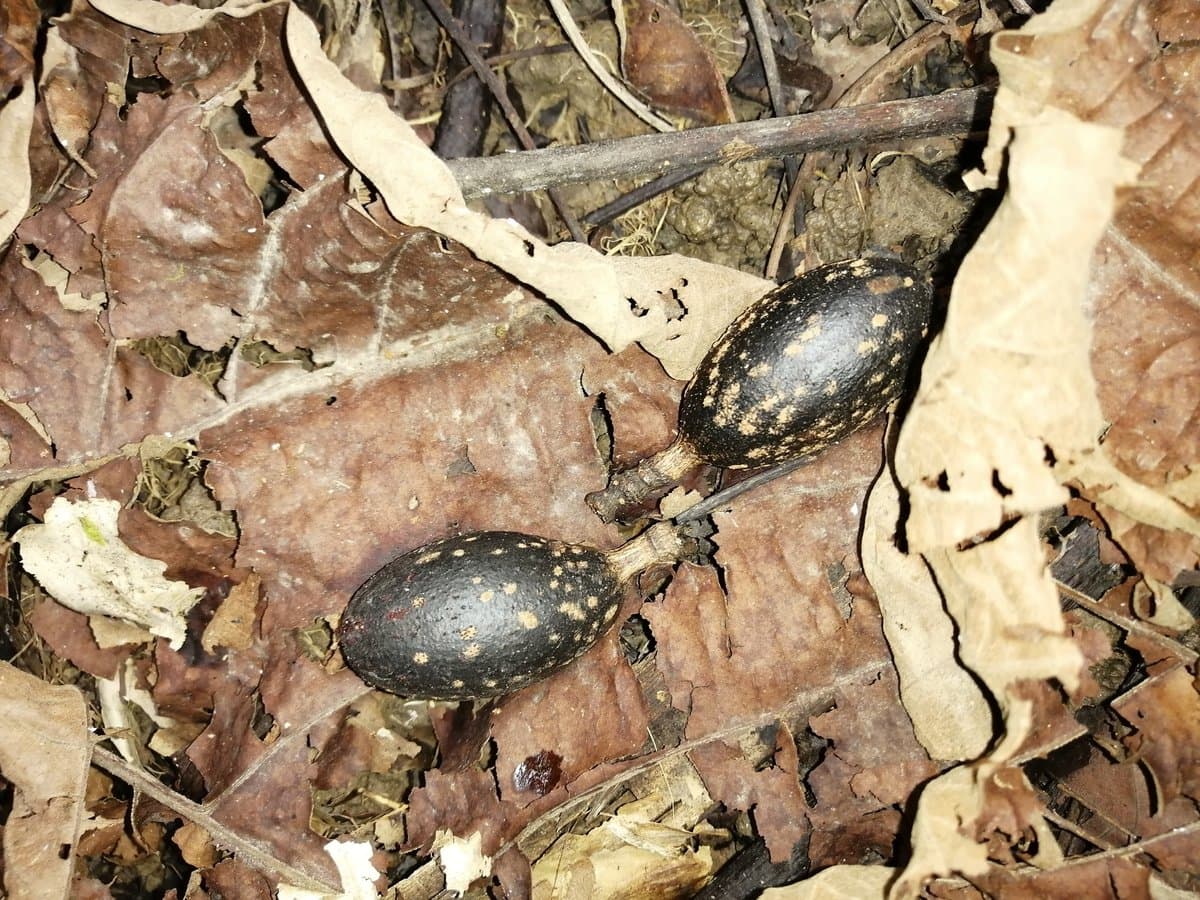
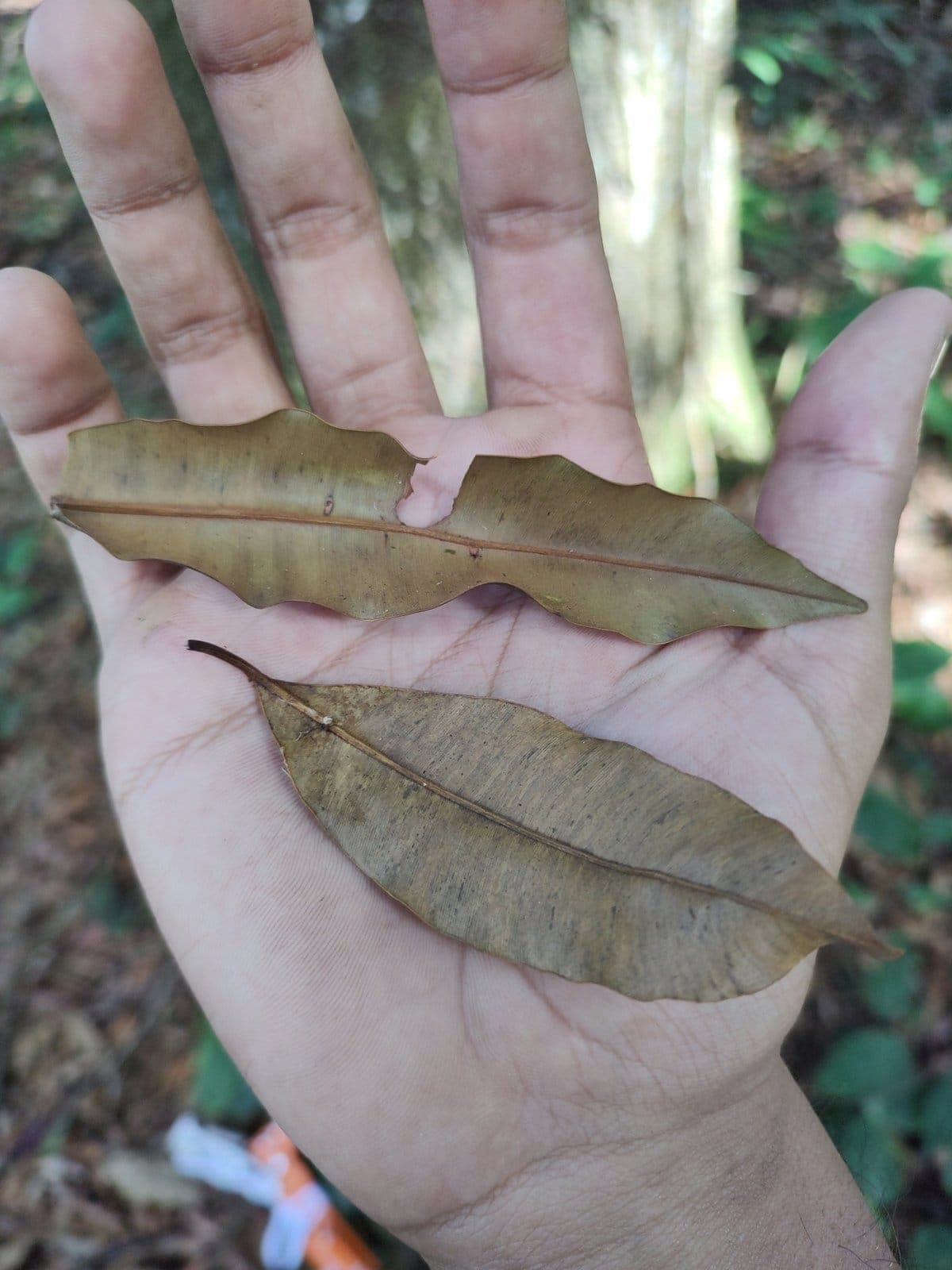
Cedro Amargo
Cedrela odorata
Cedro María
Calophyllum brasiliense
Cedro Amargo vs. Cedro María: Two Different Trees Called Cedar
Key Difference
Cedro Amargo has compound pinnate leaves and aromatic wood, while Cedro María has simple opposite leaves and latex sap.
Cedro Amargo vs. Cedro María: Not All Cedars Are Equal
Both trees are called "cedro" (cedar) in Costa Rica, but they belong to completely different botanical families and have distinct characteristics. Here's how to tell them apart.
Look at the leaves. Compound pinnate leaves with many small leaflets = Cedro Amargo (true cedar). Simple opposite leaves = Cedro María (false cedar, actually a Calophyllum).
🔍Quick Identification Guide
Side-by-Side Comparison
Detailed Comparison Table
| Feature | Cedro Amargo (Cedrela odorata) | Cedro María (Calophyllum brasiliense) | | ---------------------- | --------------------------------------------------------- | ---------------------------------------------------- | | Common Name Origin | "Bitter cedar" (bitter-tasting leaves) | Named after Virgin Mary | | Botanical Family | Meliaceae (mahogany family) | Calophyllaceae (unrelated to true cedars) | | Leaf Type | Compound pinnate (feather-like) | Simple, entire | | Leaf Arrangement | Alternate, spiral | Opposite (pairs) | | Number of Leaflets | 10-30 small leaflets per leaf | N/A (single-blade leaf) | | Leaf Size | Each leaflet 5-15 cm | 8-15 cm long, 4-7 cm wide | | Leaf Venation | Pinnate (feather-like) | Parallel lateral veins, very fine and closely spaced | | Leaf Texture | Thin, papery | Thick, leathery | | Leaf Taste | Bitter (hence "amargo") | Not bitter | | Sap/Latex | None or clear | Yellow latex when cut (diagnostic!) | | Bark | Gray-brown, fissured, flaky | Dark gray to blackish, deeply fissured | | Bark Aroma | Strong cedar/mahogany scent when scratched | Little to no scent | | Maximum Height | 30-40 m (100-130 ft) | 30-40 m (100-130 ft) | | Trunk Diameter | Up to 2 m | Up to 2 m | | Flower Color | Greenish-white to cream | White with yellow stamens | | Flower Size | Small (5-7 mm), in panicles | Larger (2-3 cm), showy | | Flowering Season | March-May (dry to early rainy season) | February-April (dry season) | | Fruit Type | Woody capsule, splits into 5 valves | Round green drupe (berry-like) | | Seed Dispersal | Wind (winged seeds) | Water, animals (floating fruit) | | Habitat | Dry to moist forest, well-drained slopes | Riparian zones, wet areas near rivers | | Elevation Range | 0-1500 m | 0-1000 m | | Timber Quality | Highly prized - aromatic, rot-resistant, easy to work | Valuable - hard, durable, termite-resistant | | Wood Color | Pink-red to reddish-brown | Pinkish to reddish-brown | | Wood Aroma | Strong, pleasant cedar scent | Mild or no scent | | Conservation | Vulnerable (IUCN) - overexploited | Least Concern | | Cultural Use | Traditional "Spanish cedar" for cigar boxes, furniture | Medicinal (oil from seeds), durable construction | | Distribution | Throughout Costa Rica, all regions | Throughout Costa Rica, especially wet Atlantic side |
Key Identification Features
1. Leaves (Most Reliable Difference)
Cedro Amargo:
- Compound pinnate leaves like a feather
- 10-30 small leaflets arranged along central stem (rachis)
- Leaflets asymmetric at base
- Alternate arrangement on branch
- Light green color
- Bitter taste (hence "amargo")
Cedro María:
- Simple entire leaves (single blade)
- No leaflets - just one solid leaf
- Opposite arrangement (leaves in pairs)
- Dark glossy green above, paler below
- Very fine parallel lateral veins (diagnostic!)
- Thick, leathery texture
2. Sap/Latex (Definitive Test)
Cedro Amargo:
- No latex
- Cut branch produces little or no sap
Cedro María:
- Produces sticky yellow latex when cut
- This is diagnostic! If you see yellow sap, it's Cedro María
- Latex can be used medicinally (traditional uses)
3. Bark and Wood Aroma
Cedro Amargo:
- Strong, pleasant cedar scent when scratched or cut
- Aromatic wood (why it's prized for cigar boxes)
- Smell is unmistakable - sweet, woody, cedar-like
- Related to mahogany (Swietenia) in same family
Cedro María:
- Little to no scent from bark
- Wood has mild aroma at most
- Not aromatic like true cedars
4. Fruit Type
Cedro Amargo:
- Woody capsules (5-valved)
- Splits open to release winged seeds
- Seeds have papery wings for wind dispersal
- Capsules 3-5 cm long
- Brown when mature
Cedro María:
- Round green drupes (berry-like)
- 2-2.5 cm diameter
- Do not split open
- Dispersed by water (float) and animals
- Green, ripening to brownish
Habitat Preferences
Cedro Amargo
- Prefers well-drained slopes
- Found in dry to moist forests
- Avoids waterlogged soils
- Grows on hillsides and uplands
- More drought-tolerant
- Throughout Costa Rica, Pacific and Atlantic sides
Cedro María
- Riparian specialist - loves water!
- Commonly found along rivers and streams
- Tolerates periodic flooding
- Wet lowland forests
- Prefers Atlantic slope but found both coasts
- Often in swamps and seasonally flooded areas
If you see a "cedro" growing right along a riverbank with roots in water, it's almost certainly Cedro María. Cedro Amargo prefers drier, well-drained hillsides.
Timber and Wood Use
Cedro Amargo (True Spanish Cedar)
- One of Costa Rica's most valuable timber species
- Historic overexploitation - now protected
- Wood characteristics:
- Aromatic (retains cedar scent for decades)
- Lightweight but strong
- Easily worked with tools
- Naturally rot-resistant
- Insect-repellent (moths hate it!)
- Traditional uses:
- Cigar boxes (classic use - scent enhances tobacco)
- Fine furniture and cabinetry
- Musical instruments (guitar bodies)
- Ship building (resistant to rot)
- Canoes
- CITES Appendix III - regulated export
Cedro María (Maria, Santa María)
- Valuable but not as prized as Cedro Amargo
- Wood characteristics:
- Hard, dense, durable
- Termite-resistant
- Lacks aromatic cedar scent
- Difficult to work (harder than Cedro Amargo)
- Traditional uses:
- Heavy construction (bridges, posts)
- Boat building (durable in wet conditions)
- Railroad ties (historically)
- Furniture (less common due to hardness)
- Medicinal oil extracted from seeds ("María oil")
Conservation Status
Cedro Amargo
- Vulnerable (IUCN Red List)
- Severely overexploited in 19th and 20th centuries
- Natural regeneration limited (seedlings shade-intolerant)
- Protected in Costa Rica - permits required for harvest
- Reforestation efforts ongoing
- Slow growth (20-30 years to timber size)
Cedro María
- Least Concern (IUCN)
- More abundant, less heavily exploited
- Riparian habitat provides some protection
- Faster growth than Cedro Amargo
- Used in restoration of riparian zones
Common Confusion Points
Why Are Both Called "Cedro"?
-
Cedro Amargo = True Spanish Cedar
- Legitimately called cedar (though not related to Old World cedars)
- Aromatic wood similar to cedar scent
- Related to mahogany family
- "Amargo" means bitter (referring to leaf taste)
-
Cedro María = False Cedar
- Called "cedro" due to similarity in size and timber use
- NOT a true cedar botanically
- Named after Virgin Mary ("María")
- Unrelated to Meliaceae family
In Local Lumber Markets
- Both sold as "cedro" timber
- Cedro Amargo commands higher price (aromatic, easier to work)
- Cedro María often called "María" to distinguish it
- Always ask for scientific name if purchasing timber!
Quick Field Test Summary
To identify your "cedro" tree:
- Break a twig or leaf stem → Yellow latex? = Cedro María
- Look at leaves → Compound with many leaflets? = Cedro Amargo / Simple opposite leaves? = Cedro María
- Scratch bark → Strong cedar aroma? = Cedro Amargo / Little scent? = Cedro María
- Check location → Near river/wet area? = Probably Cedro María / Dry hillside? = Probably Cedro Amargo
Cultural and Historical Significance
Cedro Amargo
- Most important timber tree in colonial Costa Rica
- Exported extensively to Europe and North America
- Used in Spanish colonial furniture throughout Central America
- Indigenous peoples used bark for medicinal purposes
- Disappearance from lowlands due to logging led to conservation awareness
Cedro María
- Less historical significance than Cedro Amargo
- Oil from seeds used in traditional medicine (skin ailments)
- Important for riverbank stabilization
- Indigenous peoples valued it for dugout canoes (water-resistant)
Related Species
Other "Cedros" in Costa Rica
- Cedro Macho (Carapa guianensis) - Another mahogany relative, also in Meliaceae
- Cedro Espino (Pachira aquatica) - Not a true cedar, in Malvaceae family
- Always check botanical family and scientific name to avoid confusion!
Calophyllum Relatives
Cedro María belongs to Calophyllum genus with several species:
- C. brasiliense - Cedro María (most common in CR)
- C. longifolium - Similar species, also found in Costa Rica
- All have yellow latex, simple opposite leaves, and fine parallel venation
Summary: Key Differences at a Glance
| Quick Test | Cedro Amargo | Cedro María | | ----------------------- | ------------------------------------------ | ---------------------------- | | Leaf | Compound (many leaflets) | Simple (single blade) | | Leaf arrangement | Alternate | Opposite | | Latex | None | Yellow (diagnostic!) | | Aroma | Strong cedar scent (wood/bark) | None or mild | | Habitat | Well-drained slopes | Rivers and wet areas | | Botanical family | Meliaceae (mahogany family) - true cedar | Calophyllaceae - false cedar | | Timber reputation | Highly prized aromatic wood | Valuable but less prized | | Conservation status | Vulnerable (overexploited) | Least Concern | | Leaf venation | Pinnate (feather pattern in compound leaf) | Fine parallel laterals | | Seed dispersal | Wind (winged seeds) | Water/animals (drupes) | | Common name meaning | "Bitter cedar" (bitter leaves) | Named after Virgin Mary |
For Reforestation and Planting
Choose Cedro Amargo If:
- ✅ You want aromatic timber
- ✅ You have well-drained upland site
- ✅ You can wait 25-30 years for harvest
- ✅ You want to contribute to conservation of vulnerable species
- ⚠️ Note: Requires protection from mahogany shootborer
Choose Cedro María If:
- ✅ You need riparian restoration
- ✅ You have wet, waterlogged soil
- ✅ You want faster growth
- ✅ You need erosion control along riverbanks
- ✅ You want medicinal seed oil production
Conclusion
Despite sharing the name "cedro," these are fundamentally different trees from different families serving different ecological roles. Cedro Amargo is a true Spanish cedar (Meliaceae family) prized for its aromatic, insect-repellent wood, while Cedro María is a false cedar (Calophyllaceae family) valued for its water-resistant, durable timber and riparian habitat preferences.
The easiest way to distinguish them: check the leaves (compound vs. simple) and scratch the bark for latex (Cedro María has distinctive yellow latex). If you're still unsure, note the habitat - if the tree is standing in or near water, it's almost certainly Cedro María.
When in doubt, combine three tests: (1) leaf type, (2) latex presence, and (3) bark aroma. These three characteristics together will give you 100% certainty.
Learn More
Want to explore more?
Use our interactive tool to compare these species side by side.
Compare in interactive tool