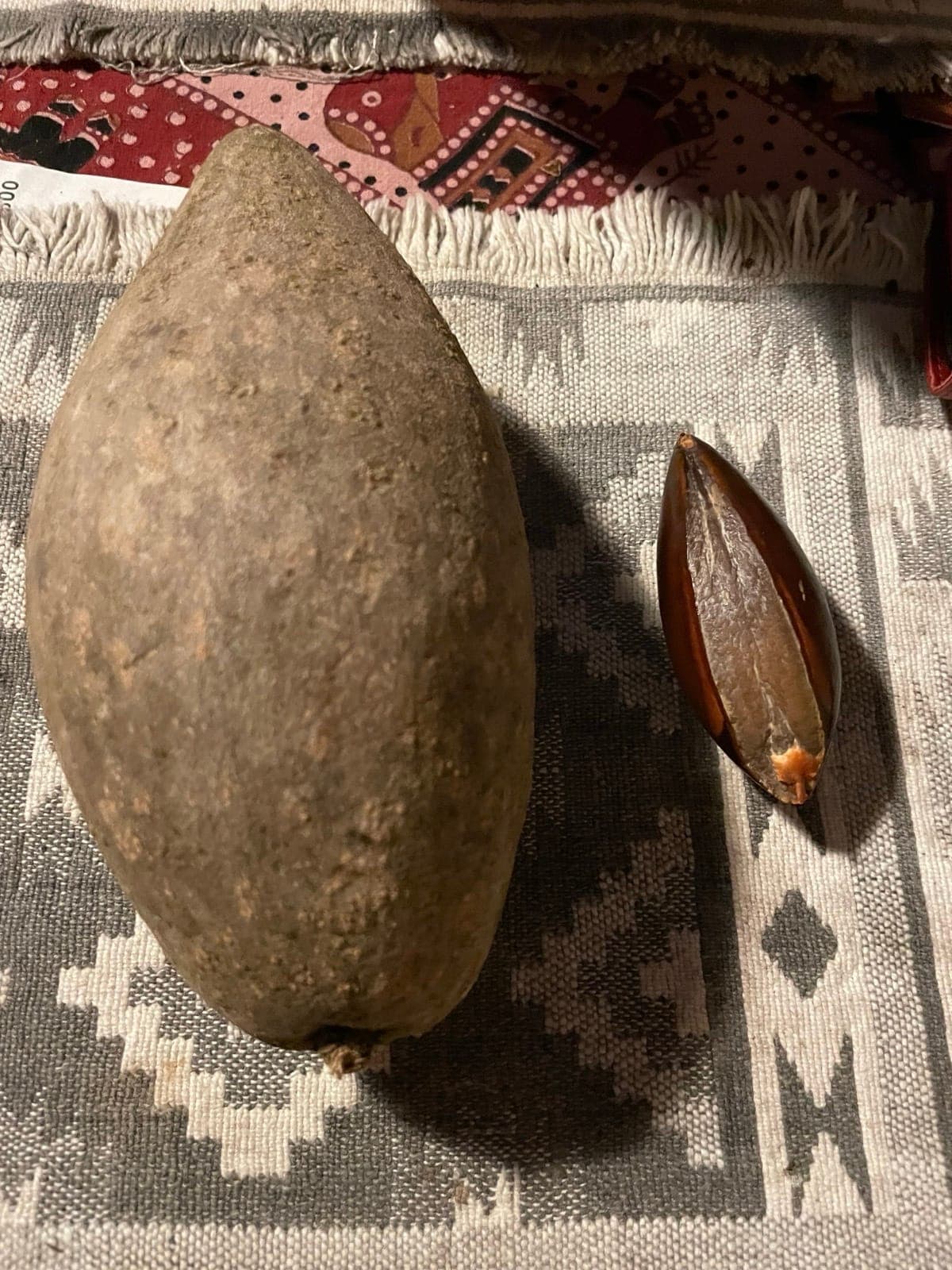
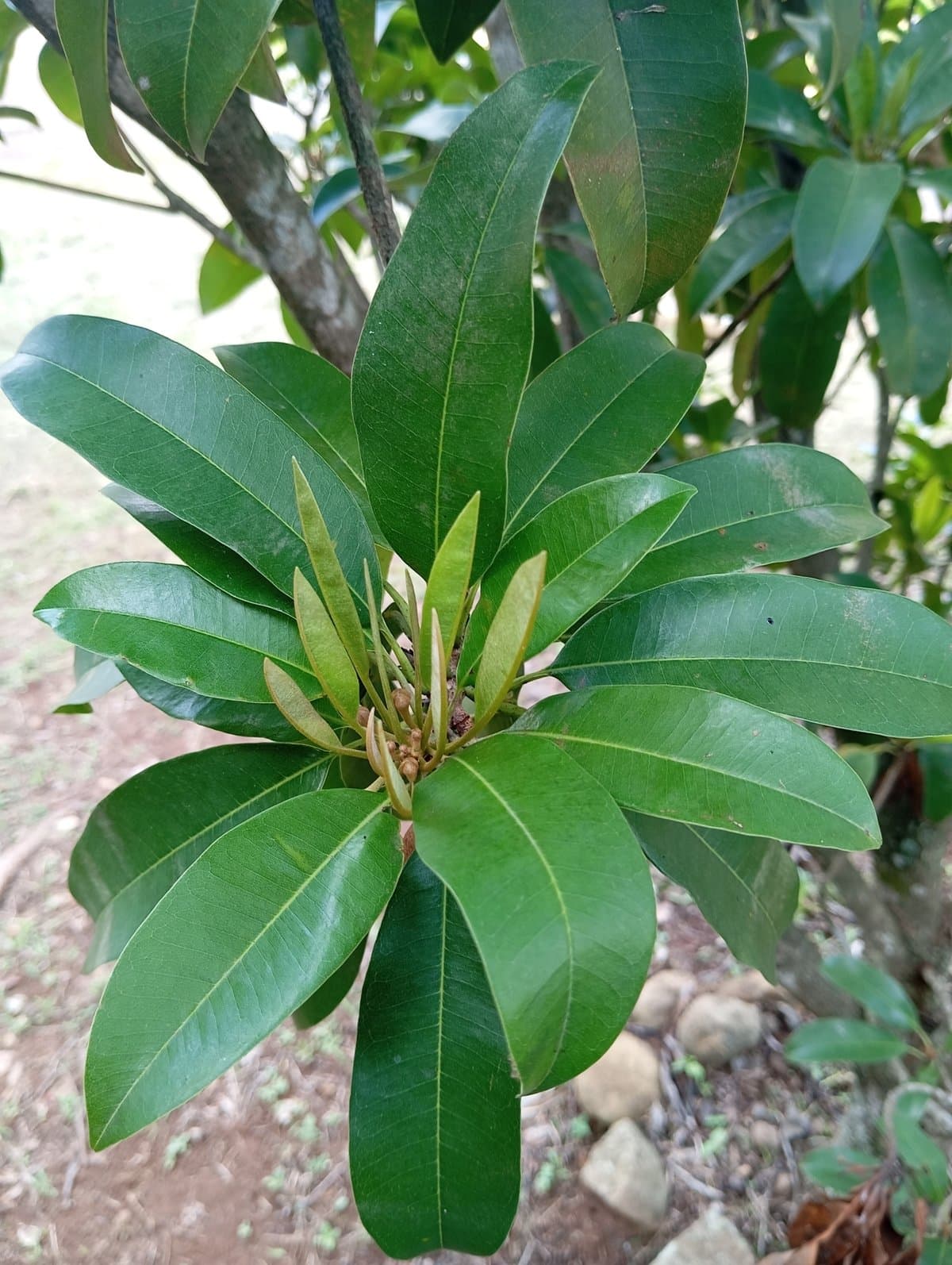
Zapote
Pouteria sapota
Níspero
Manilkara zapota
Zapote vs. Níspero: Sapotaceae Sweet Cousins
Key Difference
Zapote (Mamey Sapote) has large salmon-pink flesh with sweet potato notes and smooth brown skin, while Níspero (Sapodilla) has smaller brown caramel-sweet flesh with rough sandpaper-like skin—both delicious but distinctly different eating experiences.
Zapote vs. Níspero: The Sapotaceae Sweet Showdown
Two of Costa Rica's most beloved native fruit trees belong to the same botanical family (Sapotaceae) and share similar growing conditions, but their fruits offer completely different taste experiences. Zapote (Pouteria sapota), known internationally as Mamey Sapote, produces large fruits with stunning salmon-pink flesh. Níspero (Manilkara zapota), the Sapodilla or Chicle Tree, bears smaller brown fruits with caramel-sweet goodness. Both make exceptional batidos, but choosing between them depends on your taste preferences, space, and patience.
WARNING: "Zapote" refers to multiple unrelated trees in Latin America! This guide discusses Mamey Sapote (Pouteria sapota), the one with pink/red flesh. Not to be confused with Black Sapote (Diospyros digyna, chocolate pudding fruit) or White Sapote (Casimiroa edulis, custard-like fruit). Níspero (Sapodilla) is sometimes confused with Níspero Japonés (Loquat, Eriobotrya japonica)—completely different families!
🔍Quick Identification Guide
Side-by-Side Comparison
Key Identification Features
Quick Visual Distinctions
| Feature | Zapote (Mamey Sapote) | Níspero (Sapodilla) | | ------------------ | -------------------------------------- | ------------------------------------------------ | | Fruit Skin | Brown, smooth to slightly rough | Russet-brown, very rough (sandpaper texture) | | Fruit Shape | Oval to round, often pointed at ends | Round to oval, symmetrical | | Flesh Color | Salmon-pink to reddish-orange | Yellowish-brown to tan | | Flesh Texture | Creamy, dense, smooth | Grainy (like pear), softer | | Seeds | 1-4 large shiny black seeds | 3-12 small flat black seeds | | Latex | Minimal white latex when cut | ABUNDANT sticky white latex (chicle!) | | Tree Bark | Gray-brown, moderately rough | Deeply fissured, very rough | | Leaves | Large (15-30 cm), clustered at ends | Medium (7-15 cm), spiral arrangement | | Ripe Indicator | Soft when squeezed, brown skin darkens | Very soft, tan-brown color |
The Latex Test
Zapote: Cut the fruit stem—minimal clear to white latex flows
Níspero: Cut the fruit stem—ABUNDANT sticky white latex (chicle gum base!) flows profusely
This is the quickest field test to distinguish them!
Flavor & Eating Experience
Zapote (Mamey Sapote): The Creamy Exotic
Flavor Notes:
- Primary: Sweet potato, roasted pumpkin
- Secondary: Honey, brown sugar
- Tertiary: Almond, apricot hints
- Unique character: Earthy-sweet complexity
Texture:
- Dense, creamy, almost custard-like
- Smooth (no graininess)
- Rich, buttery mouthfeel
- Some compare to avocado texture but sweet
Eating Fresh:
- Scoop flesh with spoon
- Avoid the large seeds (contain saponins—mild irritant)
- Best when fully ripe (flesh yields to gentle pressure)
- Oxidizes quickly—eat immediately after cutting
Batido:
- THE LEGENDARY ZAPOTE BATIDO is Costa Rica's secret treasure
- Blend flesh + milk + sugar → thick, creamy, intensely flavored
- Rivals any ice cream for richness
- Color: Beautiful pink-orange
- Many consider it the best fruit batido in existence
Níspero (Sapodilla): The Caramel Delight
Flavor Notes:
- Primary: Caramel, brown sugar, maple syrup
- Secondary: Pear, honey
- Tertiary: Malt, molasses
- Unique character: Pure caramel sweetness (no earthy notes)
Texture:
- Slightly grainy (like pear)
- Soft, melting, juicy
- Less dense than zapote
- Delicate, not as robust
Eating Fresh:
- Eat like an apple (bite in) or scoop with spoon
- Must be fully ripe (unripe fruit is astringent and unpleasant!)
- Seeds are small, flat, easy to remove
- Skin is edible but tough—most people peel it
Batido:
- Blend flesh + milk → smooth, sweet, light
- Color: Tan-brown (not as visually appealing as zapote)
- Flavor: Excellent caramel-sweet
- Lighter texture than zapote batido
Growing Requirements
Climate & Elevation
Zapote:
- Strictly tropical lowlands: 0-600 m elevation
- Temperature: 24-28°C optimal
- Rainfall: 1,500-2,500 mm annual, evenly distributed
- No frost tolerance (dies at 0°C)
- Best performance: Caribbean slope, humid Pacific lowlands
Níspero:
- Tropical to subtropical: 0-800 m elevation (slightly more adaptable)
- Temperature: 20-30°C optimal
- Rainfall: 1,500-2,500 mm annual, tolerates brief dry periods
- Slight cool tolerance (survives brief 2-4°C, damaged below 0°C)
- Best performance: Similar to zapote but extends slightly higher in elevation
Soil Requirements
Zapote:
- Prefers deep, fertile, well-drained soils
- pH: 6.0-7.5
- Tolerates sandy to clay loams
- Sensitive to waterlogging (root rot)
- Needs consistent moisture
Níspero:
- More adaptable than zapote
- pH: 5.5-8.0 (wider range, including alkaline soils!)
- Tolerates poor, rocky, even limestone soils
- Moderate drought tolerance once established
- More forgiving
Growth Rate
Zapote: SLOW—takes 5-8 years from seed for first fruit, 10-15 years for good production
Níspero: SLOW—takes 5-8 years from seed for first fruit, similar timeline
Both benefit from grafting: Grafted trees fruit in 3-5 years (significant time savings!)
Care & Maintenance
Watering
Zapote:
- Young trees: Consistent moisture, water 2x/week in dry season
- Mature trees: Moderate water needs, tolerates brief dry periods
- Critical: Water during flowering/fruiting for best crop
Níspero:
- Young trees: Regular watering 1-2x/week
- Mature trees: More drought-tolerant than zapote
- Established trees survive dry season on rainfall alone
Fertilization
Zapote:
- Annual fertilization beneficial (balanced NPK)
- Responds well to organic matter (compost, manure)
- Apply 3-4 times per year
Níspero:
- Moderate fertilization (2-3 times per year)
- Less demanding than zapote
- Grows adequately in poorer soils
Pruning
Zapote:
- Minimal pruning needed
- Height control useful (can grow 30-40 m!)
- Prune to 6-8 m for easier harvesting
Níspero:
- Minimal pruning needed
- Naturally stays smaller (15-25 m)
- Shape for fruit access
Pests & Diseases
Both are relatively pest-resistant, but watch for:
Zapote:
- Fruit flies (major issue—bag fruit or use traps)
- Anthracnose (fungal) in wet conditions
- Scale insects (minor)
Níspero:
- Sapodilla psyllid (sucks sap, causes leaf curling)
- Fruit flies (less problematic than zapote)
- Scale insects (minor)
Harvesting & Ripening
Zapote Harvest
When to Pick:
- Fruit is firm but mature (full size, stem dries)
- Skin color darkens slightly
- Do not wait for tree-ripening—pick mature-firm
Ripening:
- Store at room temperature 5-10 days
- Ripe when flesh yields to gentle pressure (like avocado)
- Critical: Timing is everything—underripe is hard and flavorless, overripe is mushy
- Peak window: 1-2 days of perfect ripeness
Storage:
- Refrigerate ripe fruit up to 3 days
- Flesh oxidizes quickly (darkens when cut)
- Can freeze flesh for batidos
Níspero Harvest
When to Pick:
- Fruit is very soft and tan-brown colored
- Or allow to fall naturally (tree-ripened is best!)
- NEVER pick hard green fruit—it's astringent (mouth-puckering unpleasant)
Ripening:
- If picked slightly firm, ripen at room temperature 2-5 days
- Ripe when extremely soft to touch
- Unlike zapote, níspero is more forgiving—longer ripeness window
Storage:
- Refrigerate ripe fruit up to 5 days
- More stable than zapote
- Can freeze flesh
Market & Availability
Zapote
Availability: Common in traditional Costa Rican markets (Nov-Feb season), less common in supermarkets
Price: Moderate (₡500-1,500 per fruit depending on size)
Demand: HIGH among Ticos who know it; unknown to many foreigners
Commercial potential: Limited (delicate fruit, short shelf life, tricky ripening)
Níspero
Availability: Less common than zapote in markets, often from backyard trees
Price: Moderate (₡300-1,000 per kg)
Demand: Moderate—nostalgic favorite but less popular than mango/papaya
Commercial potential: Limited (labor-intensive harvest, short shelf life)
Both are more often found in patios and farms than commercial orchards—they're beloved home garden trees!
Pros & Cons
Zapote Advantages
✅ INCREDIBLE flavor—one of world's best fruits
✅ Legendary batidos—thick, creamy, spectacular
✅ Large fruit (feeds multiple people)
✅ Beautiful flesh color (Instagram-worthy!)
✅ High vitamin A and C content
✅ Traditional Costa Rican favorite
Zapote Disadvantages
❌ VERY SLOW to produce (5-8 years from seed)
❌ Tricky ripening window—narrow peak (1-2 days)
❌ Requires tropical lowlands only
❌ Tall tree (can reach 30-40 m—hard to harvest)
❌ Fruit flies a problem
❌ Large seeds (waste)
❌ Limited commercial availability
Níspero Advantages
✅ Pure caramel-sweet flavor
✅ More adaptable (wider elevation range, poorer soils)
✅ Better drought tolerance
✅ Forgiving ripening (longer window)
✅ Premium hardwood timber value
✅ Historical chicle production (cultural significance)
✅ Small fruit (perfect single serving)
Níspero Disadvantages
❌ VERY SLOW to produce (5-8 years from seed)
❌ MUST be fully ripe—astringent when underripe
❌ Rough skin (unpleasant texture)
❌ Small fruit (need many for batido)
❌ Abundant sticky latex (messy to harvest/process)
❌ Less well-known internationally
❌ Lower availability in markets
Which Should You Plant?
Choose ZAPOTE if you:
- Have space for a tall tree (can grow 30-40 m)
- Live in tropical lowlands (0-600 m elevation)
- Want the ultimate batido experience
- Prefer creamy, complex flavors
- Can manage tricky ripening timing
- Have humid, consistent rainfall
- Want a show-stopping fruit for visitors
Choose NÍSPERO if you:
- Have limited space (stays smaller, 15-25 m)
- Live at slightly higher elevation (up to 800 m)
- Prefer pure sweet flavors (caramel lovers!)
- Want easier ripening (more forgiving)
- Have poorer soils or drier conditions
- Value dual-purpose tree (fruit + potential timber/latex)
- Want historical/cultural connection (chicle tree!)
Plant BOTH if you:
- Have the space and patience
- Want year-round Sapotaceae fruit (different harvest seasons!)
- Love fruit diversity
- Can dedicate 10-15 years to see results
- Want to compare flavors yourself
- Appreciate botanical diversity
Pro Tips
For Zapote Success
- Buy grafted trees (save 2-4 years!)
- Learn ripening signs—squeeze gently daily once mature
- Harvest entire crop mature-firm, ripen at home
- Make batidos in large batches, freeze for later
- Plant in deep soil with consistent moisture
- Control height through pruning (6-8 m manageable)
For Níspero Success
- Buy grafted trees (save 2-4 years!)
- NEVER eat unripe fruit (astringent = awful!)
- Let fruit tree-ripen and fall naturally when possible
- Tolerate sticky latex (it's part of the charm—chicle tree!)
- Plant in full sun, even poor soil is okay
- Patience: Slow growth but worth the wait
For Both
- Grafted trees are worth the premium ($15-30 vs. $2-5 for seedlings)
- Plant young trees with stakes in windy areas
- Mulch heavily to retain moisture and suppress weeds
- Don't expect fruit for 5+ years (seed) or 3+ years (grafted)
- Both make excellent shade trees while you wait
The Bottom Line
Zapote and Níspero are both exceptional native Costa Rican fruit trees from the same botanical family, but they offer distinctly different experiences:
Zapote is the show-stopper—stunning pink flesh, complex flavor, legendary batidos, but demands tropical lowlands and careful ripening management. It's a dessert in tree form, and those who know it often declare it their favorite fruit in the world.
Níspero is the reliable sweet—pure caramel flavor, historical significance (chicle!), more adaptable growing conditions, easier ripening. It's a nostalgic favorite that requires patience but delivers consistent pleasure.
Both require patience (5-8 years from seed), but grafted trees can fruit in 3-5 years. Neither is a "quick fruit tree" like papaya or banana—they're generational investments that reward you for decades.
If you can only choose one, let your location and taste preference decide:
- Humid tropical lowlands + love complex flavors = Zapote
- Slightly drier/higher + prefer pure sweetness = Níspero
- Have space and patience = BOTH! (different harvest seasons = year-round fruit)
Visit a Costa Rican mercado (market) or soda during fruit season. Order both a batido de zapote and a batido de níspero. Taste side-by-side. Your taste buds will tell you which tree to plant. Warning: You may decide you need both!
Related Content
Want to explore more?
Use our interactive tool to compare these species side by side.
Compare in interactive tool