Guanábana
Annona muricata
Anona
Annona reticulata
Guanábana vs Anona
Key Difference
Guanábana produces massive spiny fruits (2-5 kg) with tangy-sweet flavor perfect for juices, while Anona bears small scaly fruits (200-500g) with ultra-sweet custard flesh best eaten fresh
Guanábana vs Anona: The Custard Apple Cousins
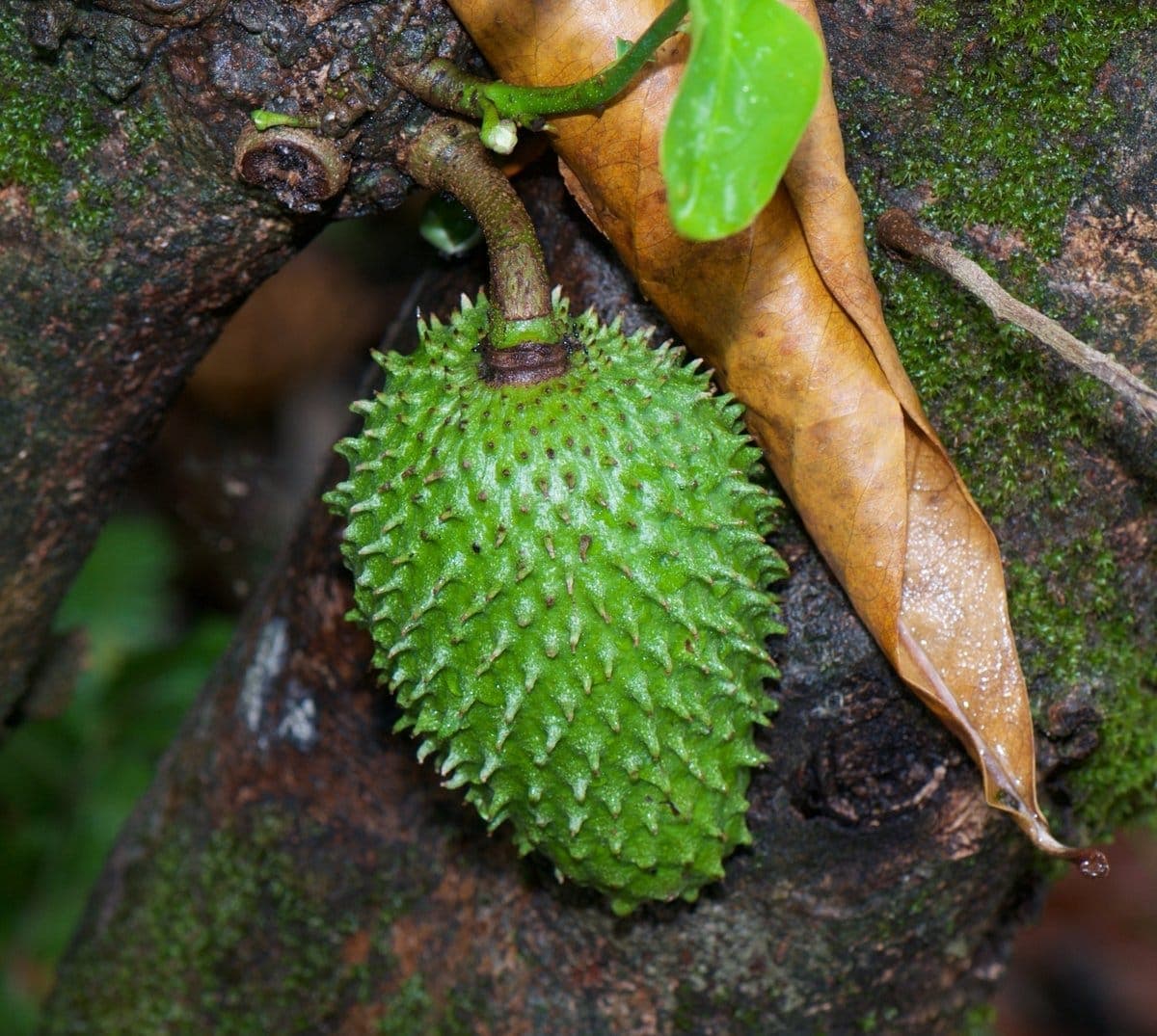
Guanábana produces HUGE spiny green fruits (2-5 kg) with soft flexible spines. Anona bears smaller scaly fruits (200-500g) with hard overlapping scales like reptile skin. Both taste amazing—guanábana is tangy-sweet, anona is ultra-sweet and creamy.
🔍Quick Identification Guide
Overview
Both Guanábana (Annona muricata) and Anona (Annona reticulata) are prized Annonaceae fruit trees grown throughout Costa Rica for their custard-like white flesh. They're often confused because they share the distinctive creamy texture and are both called "annona" or "custard apple" in English. However, they differ significantly in fruit size, skin texture, flavor, and tree characteristics. Understanding these differences helps gardeners choose the right tree and shoppers select their preferred fruit.
Side-by-Side Comparison
| Feature | Guanábana (Soursop) | Anona (Custard Apple) | | ------------------------ | ------------------------------ | ---------------------------------- | | Scientific Name | Annona muricata | Annona reticulata | | Common Names | Guanábana, Soursop, Graviola | Anona, Custard Apple, Sugar Apple | | Tree Size | Small tree 5-10m | Small tree 4-8m (more compact) | | Fruit Size | LARGE 2-5 kg (4-11 lbs) | SMALL 200-500g (7-18 oz) | | Fruit Shape | Irregular oval, asymmetric | Heart-shaped, symmetrical | | Skin Texture | Soft flexible SPINES, green | Hard overlapping SCALES, red/brown | | Skin Thickness | Thin with soft protrusions | Thick scaly armor | | Flesh Color | Bright white | Creamy white | | Flavor | Tangy-sweet, citrusy, complex | Ultra-sweet, simple, very creamy | | Seeds | Many black seeds (TOXIC) | Fewer black seeds (TOXIC) | | Harvest Season | June-October (longer season) | July-September (shorter season) | | Shelf Life | 2-3 days ripe | 1-2 days ripe | | Cold Tolerance | Low (tropical only) | Slightly better (to 1200m) | | Growth Rate | Moderate | Moderate | | Years to Fruit | 3-5 years | 3-4 years | | Common Uses | Juice, ice cream, batidos | Fresh eating, desserts | | Toxicity | Seeds/leaves TOXIC (annonacin) | Seeds TOXIC | | Origin | Caribbean, Central America | Central America, West Indies | | Costa Rica Abundance | Very common, widely cultivated | Common, popular in home gardens |
Key Identification Features
Guanábana (Soursop)
- Massive fruit - Can be bigger than a football
- Soft spines - Flexible green protrusions you can bend
- Irregular shape - Lumpy, asymmetric, not uniform
- Tangy flavor - Sweet-sour balance, hints of strawberry and citrus
- Thin skin - Easy to break open when ripe
- Very juicy - Lots of liquid, perfect for drinks
- Longer harvest season - Fruits available over several months
Anona (Custard Apple)
- Compact fruit - Fits in palm of hand
- Hard scales - Rigid overlapping plates like reptile armor
- Heart shape - Symmetrical, looks like a green/red heart
- Pure sweetness - No tartness, just sweet creamy goodness
- Thick skin - Protective scaly covering
- Less juicy - Thick custard texture, eaten with spoon
- Shorter season - Concentrated fruiting period
Growing Conditions
Similarities
- Both prefer lowland tropical conditions (0-800m for guanábana, 0-1200m for anona)
- Both need full sun to partial shade
- Both are small trees suitable for home gardens
- Both are moderately fast growing
- Both fruit in 3-5 years from planting
- Both require consistent moisture especially during fruiting
- Both attract fruit flies and need pest management
- Both have poor fruit set without hand-pollination in some conditions
Differences
- Guanábana prefers slightly warmer, more humid conditions
- Anona tolerates slightly cooler temperatures and can grow at higher elevations
- Guanábana needs more space (larger canopy)
- Anona is more compact, better for small gardens
- Guanábana produces fruit over longer season
- Anona has more concentrated harvest period
Cultivation Considerations
Choose Guanábana If You Want:
- Fruit for juicing and batidos
- Larger yields per tree
- Extended harvest season
- Tangy, complex flavor
- Tree that can tolerate slight neglect
- Space for a larger canopy
Choose Anona If You Want:
- Fruit for fresh eating
- Sweeter flavor (no tartness)
- More compact tree for small yard
- Ability to grow at slightly higher elevation
- Heart-shaped ornamental fruit
- Easier to manage harvest (shorter season)
Cultural Uses in Costa Rica
Guanábana:
- Batidos and juices - The primary use, blended with milk or water
- Ice cream - Popular helado de guanábana at ice cream shops
- Medicinal tea - Leaves used traditionally (CAUTION: neurotoxicity concerns)
- Sold commercially - Found in supermarkets and juice stands
- Export product - Pulp frozen and exported
Anona:
- Fresh eating - Eaten with spoon, primarily home consumption
- Home gardens - Popular backyard tree
- Local markets - Sold by small-scale vendors
- Desserts - Sometimes used in traditional sweets
- Less commercial - Rarely found in supermarkets
Common Problems & Solutions
Both Species:
- Fruit flies - Use baited traps, bag developing fruit
- Poor fruit set - Hand-pollinate flowers (morning hours, use soft brush)
- Anthracnose fungus - Improve air circulation, avoid overhead watering
- Scale insects - Control with horticultural oil
- Seeds are toxic - ALWAYS remove all seeds before eating or feeding to others
Guanábana Specific:
- Difficult to judge ripeness - Fruit doesn't ripen well off tree, harvest when skin lightens
- Short shelf life - Process or consume within 2-3 days
- Large fruit can split - Support heavy fruit to prevent branch breakage
Anona Specific:
- Very short shelf life - Eat within 1-2 days of ripening
- Hard to harvest - Fruit high in tree, prone to bird damage
- Cracking when ripe - Harvest slightly before fully soft
Safety Notes
IMPORTANT: Toxic Seeds
- Both species have BLACK SEEDS that are TOXIC
- Seeds contain annonacin and other neurotoxic compounds
- NEVER eat the seeds
- Remove ALL seeds before eating or preparing fruit
- Seeds can cause nausea, vomiting, neurological symptoms
- Keep seeds away from children and pets
Guanábana Additional Warnings
- Leaves are also toxic - Used medicinally but linked to atypical Parkinsonism with excessive use
- Use leaf preparations with extreme caution and in moderation
- Fruit pulp is SAFE when seeds removed
Anona Warnings
- Seeds are toxic - Do not consume
- Fruit pulp is safe when properly prepared
Flavor Profiles
Guanábana:
- Primary: Sweet-tart balance
- Notes: Strawberry, pineapple, citrus
- Finish: Slightly tangy
- Texture: Very juicy, fibrous
- Intensity: Complex, vibrant
- Best for: Beverages, cold desserts
Anona:
- Primary: Pure sweetness
- Notes: Vanilla, cream, hint of cinnamon
- Finish: Clean, no tartness
- Texture: Thick custard, less juicy
- Intensity: Simple, mellow
- Best for: Fresh eating, smooth desserts
Which Should You Plant?
Plant Guanábana If:
- You want fruit for juices and smoothies
- You have space for a 10m tree
- You prefer complex, tangy flavors
- You want a longer fruiting season
- You're at lowland elevations (0-800m)
- You want commercial potential
Plant Anona If:
- You want fruit for fresh eating
- You have a small garden (4-8m tree fits)
- You love pure sweet flavors
- You can process fruit quickly (short shelf life)
- You're at slightly higher elevations (up to 1200m)
- You want an easier-to-manage tree
Plant Both If:
- You have the space! They fruit at similar times so you'll have variety
- Different family members prefer different flavors
- You want to experience the full range of Annonaceae flavors
- You're establishing a tropical fruit collection
Bottom Line
Guanábana is the large, spiny, tangy queen of tropical beverages—perfect for batidos, juices, and ice cream with its complex sweet-tart flavor. Anona is the small, scaly, ultra-sweet darling of fresh eating—best enjoyed with a spoon on a hot afternoon. Both are delicious, both are relatively easy to grow, and both have toxic seeds that must be removed. Choose based on your intended use, available space, and flavor preference. Most Costa Rican households with fruit trees eventually plant both!
Quick Reference
I want to know if the fruit in my hand is guanábana or anona:
- Big (>1 kg), soft spines, green = Guanábana
- Small (palm-sized), hard scales, red/brown = Anona
I want to make a batido:
- Use Guanábana (juicier, better flavor for drinks)
I want to eat fresh with a spoon:
- Use Anona (creamier, sweeter, perfect fresh)
I have a small yard:
- Plant Anona (more compact)
I want commercial potential:
- Plant Guanábana (wider market, longer season)
I'm at 1000m elevation:
- Plant Anona (better cold tolerance)
Safety Reminder: Always remove ALL seeds from both fruits before consuming. Seeds are toxic. The fruit pulp is safe and delicious when properly prepared.
Want to explore more?
Use our interactive tool to compare these species side by side.
Compare in interactive tool