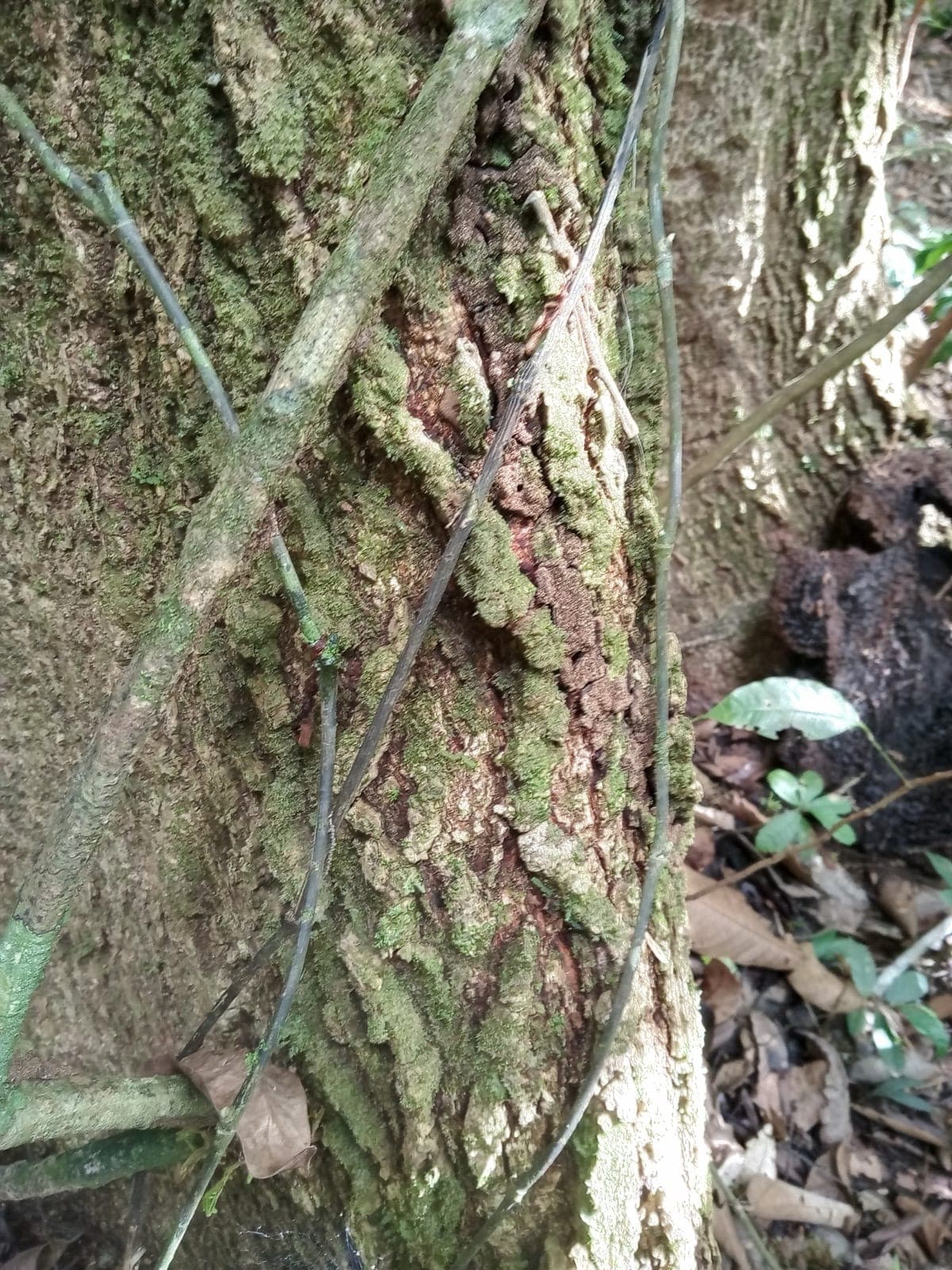
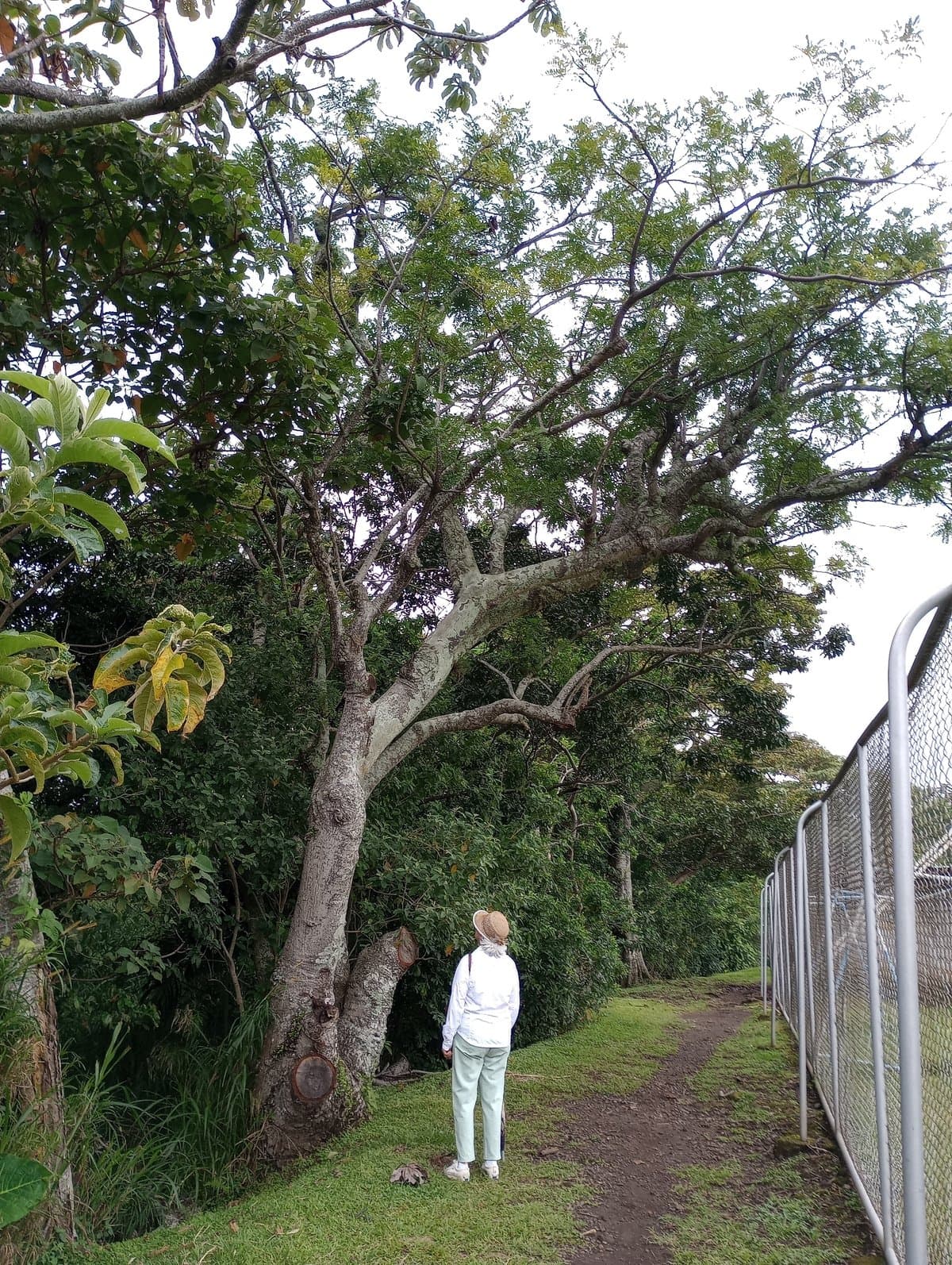
Jobo
Spondias mombin
Jocote
Spondias purpurea
Jobo vs. Jocote: The Two Spondias of Costa Rica
Key Difference
Jobo is a large tree (15-30m) with yellow fruits and compound leaves with 9-19 leaflets; Jocote is smaller (7-15m) with red/purple fruits and more leaflets (9-25). Check tree size and fruit color!
Jobo vs. Jocote: Costa Rica's Two Native Plums
These two native Spondias species share similar names, belong to the same genus, and both produce delicious tart plums—no wonder they're constantly confused! Both are essential living fence trees across Costa Rica, propagated by simply sticking large branches in the ground. At markets, vendors may call both "ciruela" (plum) adding to the confusion. Learning to tell them apart matters for farmers, fruit lovers, and anyone trying to identify trees along country roads.
Jobo: Large tree (15-30m), yellow fruits, bigger leaves, fruits May-August. Jocote: Smaller tree (7-15m), red to purple fruits, smaller leaflets, fruits March-May.
Side-by-Side Comparison
Detailed Comparison Table
| Feature | Jobo (Spondias mombin) | Jocote (Spondias purpurea) | | ----------------------- | -------------------------------- | ---------------------------------- | | Common Names | Yellow Mombin, Hog Plum | Spanish Plum, Red Mombin, Ciruela | | Tree Height | 15-30 m (large tree) | 7-15 m (small to medium tree) | | Trunk Diameter | Up to 1 m | Up to 60 cm | | Crown | Spreading, wide | More compact, rounded | | Bark | Rough, thick, deeply furrowed | Smoother, gray, less furrowed | | Leaflets per Leaf | 9-19 (fewer, larger) | 9-25 (more, smaller) | | Leaflet Size | 5-10 cm long | 2-5 cm long | | Leaflet Margin | Entire (smooth edges) | Serrated (toothed edges) | | Fruit Color (Ripe) | Yellow to orange | Red to dark purple | | Fruit Size | 3-4 cm long | 2-3 cm long | | Fruit Shape | Oval, elongated | Round to oval, plumper | | Fruit Flavor | Tart, aromatic, tangy | Sweet-tart, varies by variety | | Fruiting Season | May-August | March-May | | Flowering Season | February-March | January-February | | Native Range | Tropical Americas (wide) | Mesoamerica (Mexico to Costa Rica) | | Habitat | Moist forests, riverbanks | Dry forests, pastures | | Drought Tolerance | Moderate | High (true dry forest species) | | Elevation | 0-1000 m | 0-1200 m | | Cultural Importance | Traditional medicine, wild fruit | Iconic Costa Rican fruit |
Key Identification Features
1. Tree Size (Most Obvious!)
Jobo (Spondias mombin):
- Large tree: 15-30 meters tall
- Trunk can reach 1 meter diameter
- Wide, spreading crown
- Forest tree or large shade tree
- Too big for typical backyard
- Often wild or semi-wild
Jocote (Spondias purpurea):
- Small to medium tree: 7-15 meters (usually 8-10 m)
- Trunk typically under 60 cm diameter
- More compact, manageable crown
- Perfect backyard fruit tree size
- Common in home gardens
- Extensively cultivated
Is the tree huge (30m tall with massive trunk)? → Jobo Is it modest-sized (8-12m, manageable)? → Jocote
2. Fruit Color (Definitive When Fruiting!)
Jobo:
- Unripe: Green
- Ripe: Bright yellow to golden orange
- Flesh: Yellow, very tart, aromatic
- Texture: Fibrous around seed
- Best use: Beverages, preserves (too tart for most to eat plain)
Jocote:
- Unripe: Green ("jocote verde" - eaten with salt!)
- Semi-ripe: Yellow to orange
- Ripe: Red to dark purple ("jocote maduro")
- Flesh: Sweeter than jobo, less fibrous
- Best use: Fresh eating, dried, candied
3. Leaflet Characteristics
Jobo:
- 9-19 leaflets per compound leaf
- Leaflets larger: 5-10 cm long
- Margins: Entire (smooth) - no teeth
- Aromatic when crushed
- More widely spaced leaflets
Jocote:
- 9-25 leaflets per compound leaf (more numerous)
- Leaflets smaller: 2-5 cm long
- Margins: Serrated (toothed) - look closely!
- Arrangement: More crowded on rachis
- Less aromatic
4. Fruiting Season
Jobo:
- Fruits: May through August
- Mid to late rainy season
- Fruits when tree is fully leafed out
- Yellow fruits visible from distance
Jocote:
- Fruits: March through May
- Early rainy season (first "aguaceros")
- Often fruits while still mostly leafless!
- Dramatic sight: bare branches covered in fruit
5. Habitat Preference
Jobo:
- Prefers moister conditions
- Riverbanks, humid lowlands
- Forest edges, disturbed areas
- Both coasts but more common Caribbean side
- Tolerates brief flooding
Jocote:
- Thrives in drier conditions
- Dry forest champion (Guanacaste!)
- Pastures, living fences, roadsides
- Very drought tolerant
- Primarily Pacific slope
Quick Decision Guide
🔍Jobo vs. Jocote Identification
When They Look Most Similar
- Young trees: Before size difference becomes obvious
- Out of fruit: Without fruit color, harder to distinguish
- Dry season: Both drop leaves, look like bare sticks
- At markets: Fruits may be mislabeled; vendors say "ciruela"
- Living fences: Both propagated by large branch cuttings
Vendors may call both fruits "ciruela" (plum). Yellow plums in mid-year = Jobo. Red/purple plums in March-May = Jocote. Price differs—jocotes are typically more valued culturally!
Urushiol Note: Both in the Cashew Family!
Both Jobo and Jocote belong to Anacardiaceae (cashew/mango family) and contain urushiol in their sap—the same compound found in poison ivy. However, the fruits themselves are safe to eat!
Safety for Both Species:
- Fruit flesh: Safe and delicious!
- Sap contact: May cause mild rash in sensitive individuals
- Handling: Most people have no issues
- "Mango mouth": If you react to mango skin, be cautious with these skins
- Overall risk: Low—millions eat these fruits daily
Cultural Significance
Jobo in Costa Rica
- Less culturally prominent than jocote
- More of a "wild fruit" foraged from forests
- Traditional use in beverages and fermented drinks
- Important wildlife food (hence "hog plum")
- Living fence tree like jocote
Jocote in Costa Rica
- Iconic cultural fruit - Ticos LOVE jocotes!
- Seasonal anticipation ("ya vienen los jocotes!")
- Eaten at all ripeness stages:
- Verde: Green, with salt and lime (sour!)
- Sazón: Half-ripe, sweet-tart
- Maduro: Fully ripe, sweet purple
- Festival foods, traditional drinks (chicha de jocote)
- Living fences line roads throughout Guanacaste
- Symbol of Costa Rican countryside
Growing Tips
Both Species:
- Propagation: Large branch cuttings (1-2m stakes) stuck in ground
- Success rate: 70-90% if planted at start of rainy season
- Spacing: 3-5m apart for living fences
- Maintenance: Minimal - among easiest fruit trees!
Key Differences:
| Aspect | Jobo | Jocote | | ---------------- | ---------------------------- | ----------------------------------- | | Space needed | Large—needs room to grow big | Small—fits in gardens | | Water needs | Moderate | Low—very drought tolerant | | Best for | Large properties, rural | Backyards, living fences, anywhere! | | Fruit use | Beverages, preserves | Fresh eating, all preparations |
Choose Jobo if you see: Large tree (15-30m), yellow fruits, larger leaflets with smooth margins, moist habitat, fruiting May-August. Choose Jocote if you see: Smaller tree (7-15m), red/purple fruits, smaller serrated leaflets, dry forest habitat, fruiting March-May.
Related Comparisons
- Mango vs. Marañón - Other Anacardiaceae fruits
- Mango vs. Espavel - Cultivated vs. wild Anacardiaceae
Want to explore more?
Use our interactive tool to compare these species side by side.
Compare in interactive tool