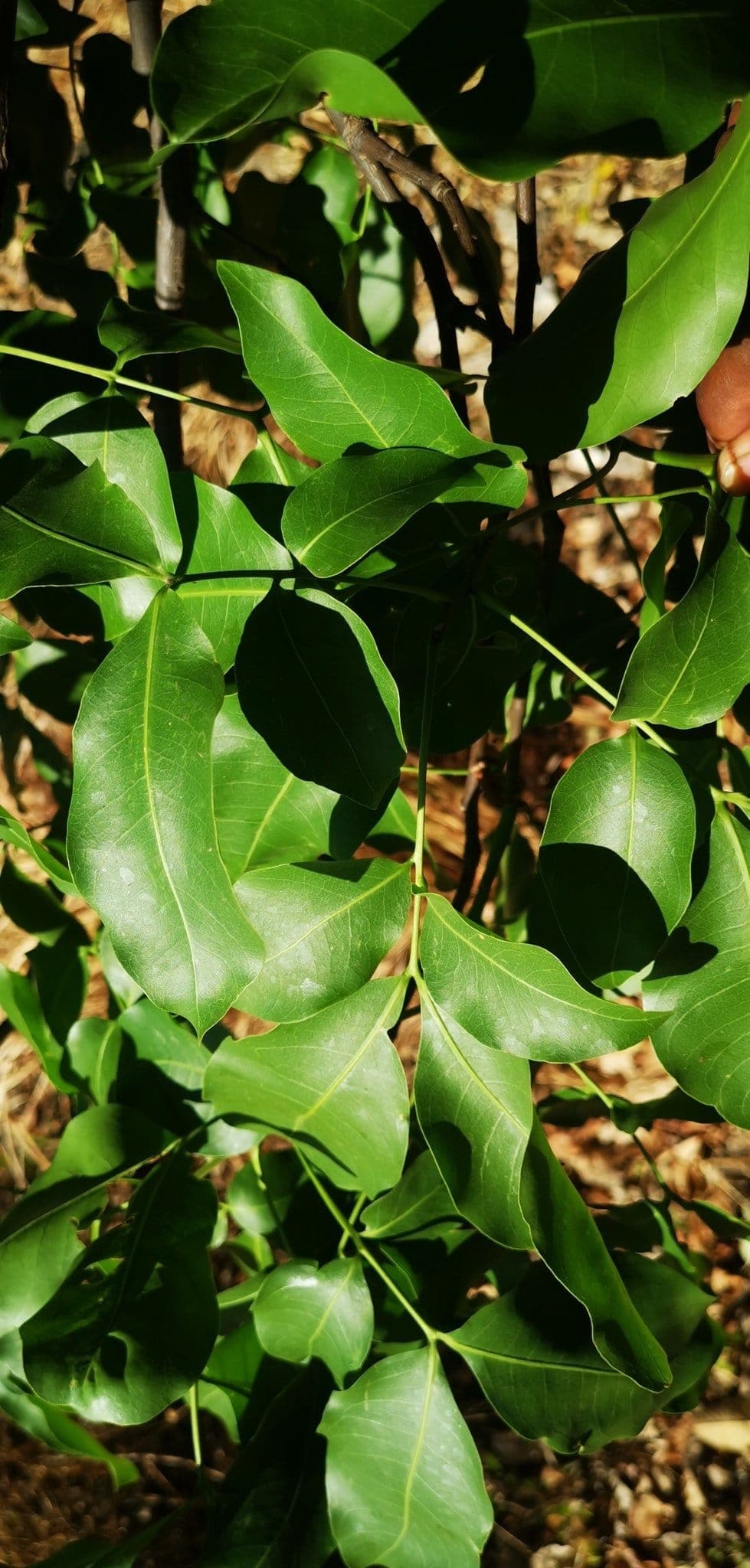
Mamón
Melicoccus bijugatus
Mamón Chino
Nephelium lappaceum
Mamón vs. Mamón Chino: Native Lime vs. Asian Rambutan
Key Difference
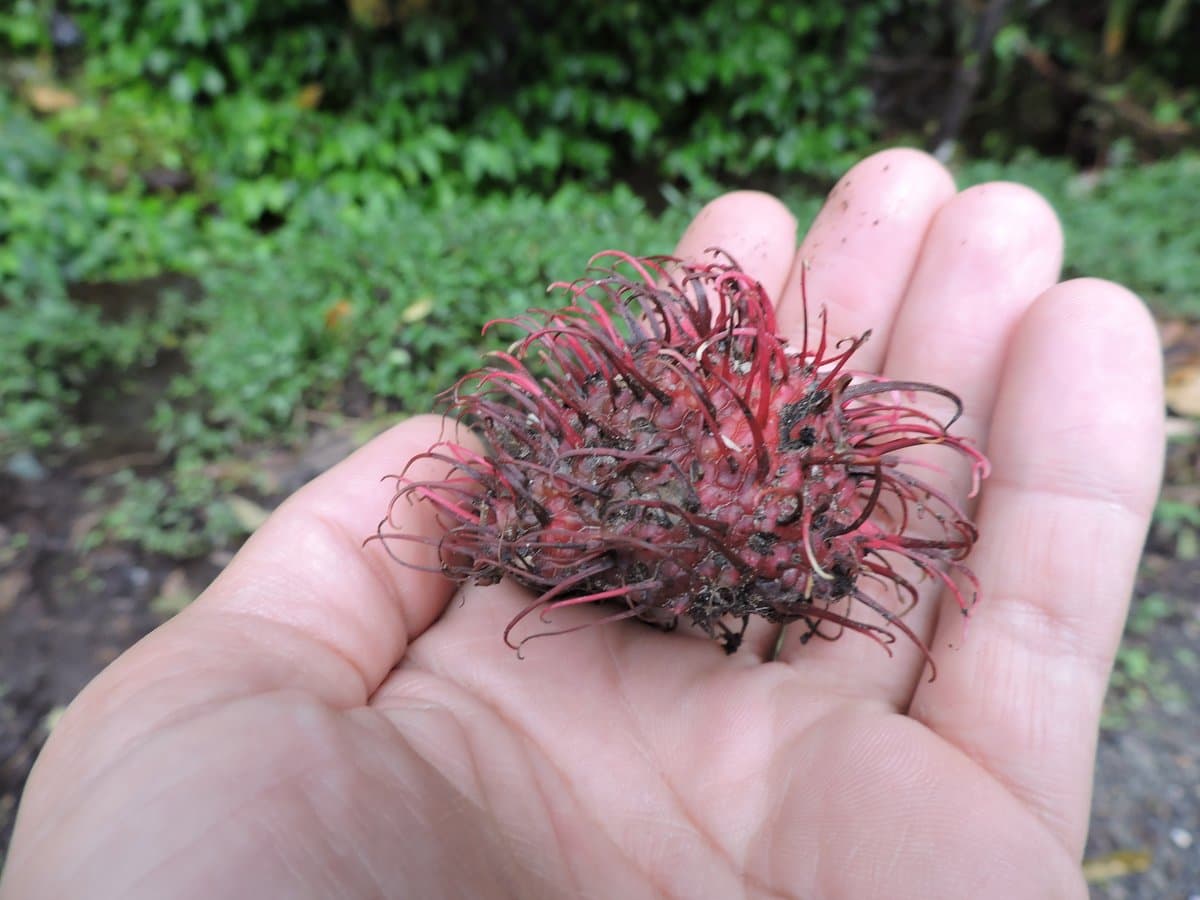
Mamón has smooth green skin with salmon-pink flesh; Mamón Chino has hairy red skin with white flesh. Both have translucent flesh around a large seed—but they look completely different!
Mamón vs. Mamón Chino: Why Do They Share a Name?
Despite the similar names, these two fruits look completely different once you see them! Mamón (Spanish Lime) is smooth and green, while Mamón Chino (Rambutan) is red and covered in soft spines. So why are they both called "Mamón"? The answer lies in how you eat them—both have translucent, gelatinous flesh that you suck off a large central seed. The name "Mamón Chino" literally means "Chinese Mamón," acknowledging both the eating experience similarity and its Asian origins.
Mamón: Smooth green shell, salmon-pink flesh, clusters of round fruits. Mamón Chino: Hairy red skin (soft spines!), bright white flesh, exotic appearance. These fruits look nothing alike—identification is instant when fruiting!
Side-by-Side Comparison
Detailed Comparison Table
| Feature | Mamón (Melicoccus bijugatus) | Mamón Chino (Nephelium lappaceum) | | ------------------------ | ----------------------------------- | ---------------------------------------- | | Common Names | Spanish Lime, Genip, Mamoncillo | Rambutan, Litchi Peludo | | Origin | Caribbean, Americas | Southeast Asia (Malaysia) | | Family | Sapindaceae (Soapberry) | Sapindaceae (Soapberry) | | Tree Height | 15-25 m (larger) | 12-20 m (smaller) | | Fruit Appearance | Smooth, round, green | Hairy/spiny, oval, red/yellow | | Fruit Size | 2-4 cm diameter | 3-6 cm long | | Fruit Shell | Thin, brittle, cracks | Leathery with soft spines | | Flesh Color | Salmon-pink, translucent | Bright white, translucent | | Flesh Texture | Gelatinous, clings to seed tightly | Juicy, separates from seed more easily | | Flavor | Sweet-tart, tangy, acidic | Sweet, mildly aromatic, less acidic | | Seed | Large, fills most of fruit | Large, flattened oval | | Seed Edibility | Can be roasted and eaten | Should NOT be eaten (mildly toxic raw) | | Fruiting Season (CR) | June-August | July-October | | Leaves | 4 leaflets (paired), smooth | 2-8 leaflets (alternate), slightly hairy | | Leaf Type | Paripinnate (even number) | Pinnate with terminal leaflet | | Drought Tolerance | Good (deciduous) | Poor (needs constant moisture) | | Costa Rica Range | Nationwide, most regions | Primarily Limón (Caribbean) | | Cultural Importance | Street vendor favorite, traditional | Exotic specialty, premium price |
Key Identification Features
1. Fruit Appearance (Unmistakable!)
Mamón:
- Skin: Smooth, thin, brittle, like an eggshell
- Color: Green (may have slight brown/tan patches when ripe)
- Shape: Round, 2-4 cm diameter
- Surface: Completely smooth, no texture
- How to open: Crack shell with teeth or by squeezing
Mamón Chino:
- Skin: Covered in soft, fleshy spines ("hairs")
- Color: Bright red (or yellow/orange depending on variety)
- Shape: Oval to egg-shaped, 3-6 cm long
- Surface: Exotic, hairy appearance
- How to open: Cut/tear leathery skin, peel away
When you see the fruits, there's ZERO confusion. Green and smooth = Mamón. Red and hairy = Mamón Chino. The name similarity comes from how you eat them, not how they look!
2. Flesh Characteristics
Mamón:
- Color: Salmon-pink to peachy
- Texture: Very gelatinous, "gummy"
- Adhesion: Clings tightly to seed - must suck it off
- Flavor: Distinctly tangy, sweet-sour, acidic
- Amount: Thin layer around large seed
- Eating method: Suck pulp from seed like a lollipop!
Mamón Chino:
- Color: Bright white, sometimes slightly pink
- Texture: Juicy, grape-like
- Adhesion: Separates from seed more easily (but still clings)
- Flavor: Sweet, mild, aromatic, less acidic
- Amount: Thicker layer around seed
- Eating method: Pop whole fruit in mouth, work flesh off seed
3. Trees and Leaves
Mamón:
- Tree size: 15-25 m (larger tree)
- Crown: Dense, rounded, excellent shade tree
- Leaves: Compound with 4 leaflets (paired/paripinnate)
- Leaflet arrangement: Opposite pairs, smooth
- Bark: Gray-brown, somewhat rough
- Deciduous: Drops leaves in dry season
Mamón Chino:
- Tree size: 12-20 m (smaller, often kept pruned)
- Crown: Dense, spreading, dark green
- Leaves: Compound with 2-8 leaflets (pinnate)
- Leaflet arrangement: Alternate, slightly hairy
- Bark: Gray, smoother
- Evergreen: Keeps leaves year-round
4. Habitat and Climate
Mamón:
- Drought tolerant - survives dry season well
- Found throughout Costa Rica (both slopes)
- Common street tree and urban plantings
- Elevation: 0-1200 m
- Introduced but naturalized everywhere
Mamón Chino:
- Needs constant moisture - no drought tolerance
- Primarily Caribbean lowlands (Limón Province)
- Requires year-round rainfall or irrigation
- Elevation: 0-800 m only
- Specific tropical humid conditions required
Quick Decision Guide
🔍Mamón vs. Mamón Chino Identification
Why the Same Name?
The name connection comes from how you eat them, not how they look:
- Both have translucent, gelatinous flesh around a large seed
- Both are eaten by sucking the flesh off the seed
- "Mamón" likely comes from the Spanish verb "mamar" (to suck/nurse)
- "Chino" means "Chinese" - acknowledging Asian origins
So "Mamón Chino" = "Chinese Mamón" = "The Asian fruit you eat like mamón"
When Costa Ricans first encountered rambutan from Asia, they recognized the eating experience was similar to their native mamón. Hence "Mamón Chino" - the "Chinese version" of their familiar fruit!
Seed Safety Difference
Mamón seeds: CAN be roasted and eaten (traditional in some cultures) Mamón Chino seeds: Should NOT be eaten raw (contain saponins, may cause upset stomach)
Both seeds are large and obvious, presenting a choking hazard for young children. Supervise children eating either fruit.
Market and Cultural Notes
Mamón in Costa Rica
- Street vendor staple - sold in bags at traffic lights, markets
- Very affordable - accessible seasonal fruit
- Season: June-August (summer vacation!)
- Nationwide - available everywhere when in season
- Cultural icon - childhood memories for most Ticos
Mamón Chino in Costa Rica
- Specialty/premium fruit - higher price point
- Caribbean region production centered in Limón
- Season: July-October - overlaps with mamón
- Growing industry - Costa Rica exports to Europe, US
- Exotic appeal - striking appearance at markets
Growing Comparison
| Aspect | Mamón | Mamón Chino | | ----------------- | -------------------------- | ------------------------------------ | | Difficulty | Easy - very hardy | Moderate - needs specific conditions | | Water needs | Moderate, drought tolerant | High, no drought tolerance | | Best regions | Anywhere in Costa Rica | Caribbean lowlands only | | Space | Large tree, needs room | Can be kept smaller with pruning | | Fruiting time | 6-10 years from seed | 5-8 years from seed, 3-5 grafted | | Maintenance | Very low | Moderate (watering, fertilizing) |
Choose Mamón if you see: Smooth green fruit that cracks open, salmon-pink gelatinous flesh, 4-leaflet leaves, drought-tolerant tree found nationwide. Choose Mamón Chino if you see: Hairy red fruit with soft spines, bright white juicy flesh, multi-leaflet compound leaves, humidity-loving tree primarily in Caribbean region.
Related Comparisons
- Jobo vs. Jocote - Another pair with similar names
- Guanábana vs. Anona - Tropical fruit comparison
Want to explore more?
Use our interactive tool to compare these species side by side.
Compare in interactive tool