Mamón
Melicoccus bijugatus
Quick facts
Native Region
Caribbean, Colombia, Venezuela
Max Height
15-25 meters (50-80 feet)
Family
Sapindaceae
Conservation
LC — Least Concern
Uses
Safety Information
Toxicity Details
Mamón is completely safe and non-toxic. The fruit is widely consumed by people of all ages throughout the Caribbean and Latin America. The translucent salmon-pink flesh around the seed is edible - sweet-tart flavor. The seed itself is very large and hard (choking hazard for very young children) but non-toxic. Some people roast and eat the seeds. The thin green shell is not eaten but is non-toxic. Children throughout Costa Rica safely crack open and eat mamones as street snacks.
Skin Contact Risks
No skin irritation. Safe to handle tree and fruits.
Wildlife & Pet Risks
Safe for all animals. Birds, bats, and mammals eat fallen fruit safely.
Season
Flowering
Mar-May
Fruiting
Jun-Aug
How to identify
Mamón (Spanish Lime)
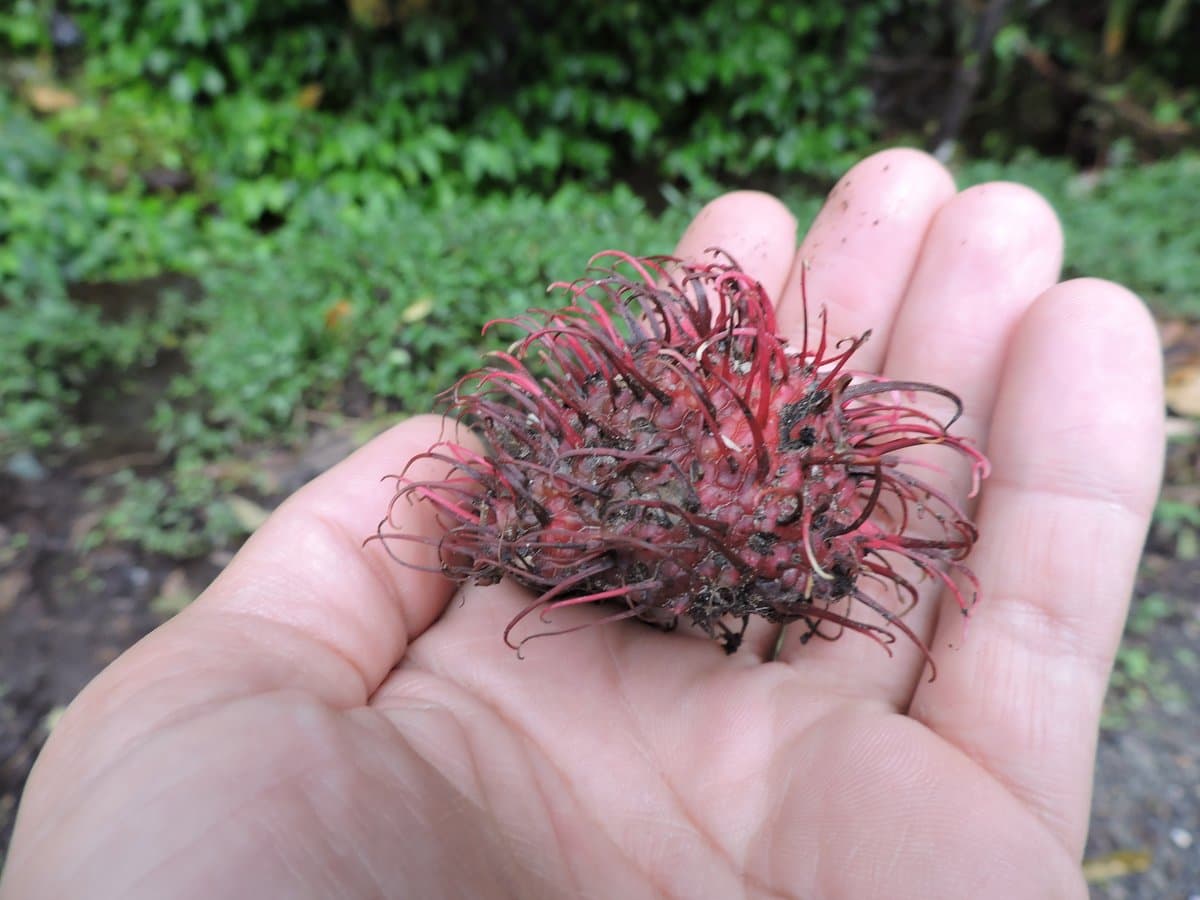
The Mamón (Melicoccus bijugatus), known in English as Spanish Lime or Genip, is one of the most eagerly anticipated seasonal fruits in Costa Rica. When June arrives and the mamón season begins, streets come alive with vendors selling bunches of these small, round green fruits. Cracking open the brittle shell reveals translucent, salmon-pink flesh that clings tightly to a large seed—you don't bite it, you suck the sweet-tart pulp, working the seed in your mouth to extract every bit of flavor. It's messy, addictive, and thoroughly tropical. Native to the Caribbean, the mamón has become a cherished part of Costa Rican street food culture.
Quick Reference
iNaturalist Observations
Community-powered species data
📸 Photo Gallery
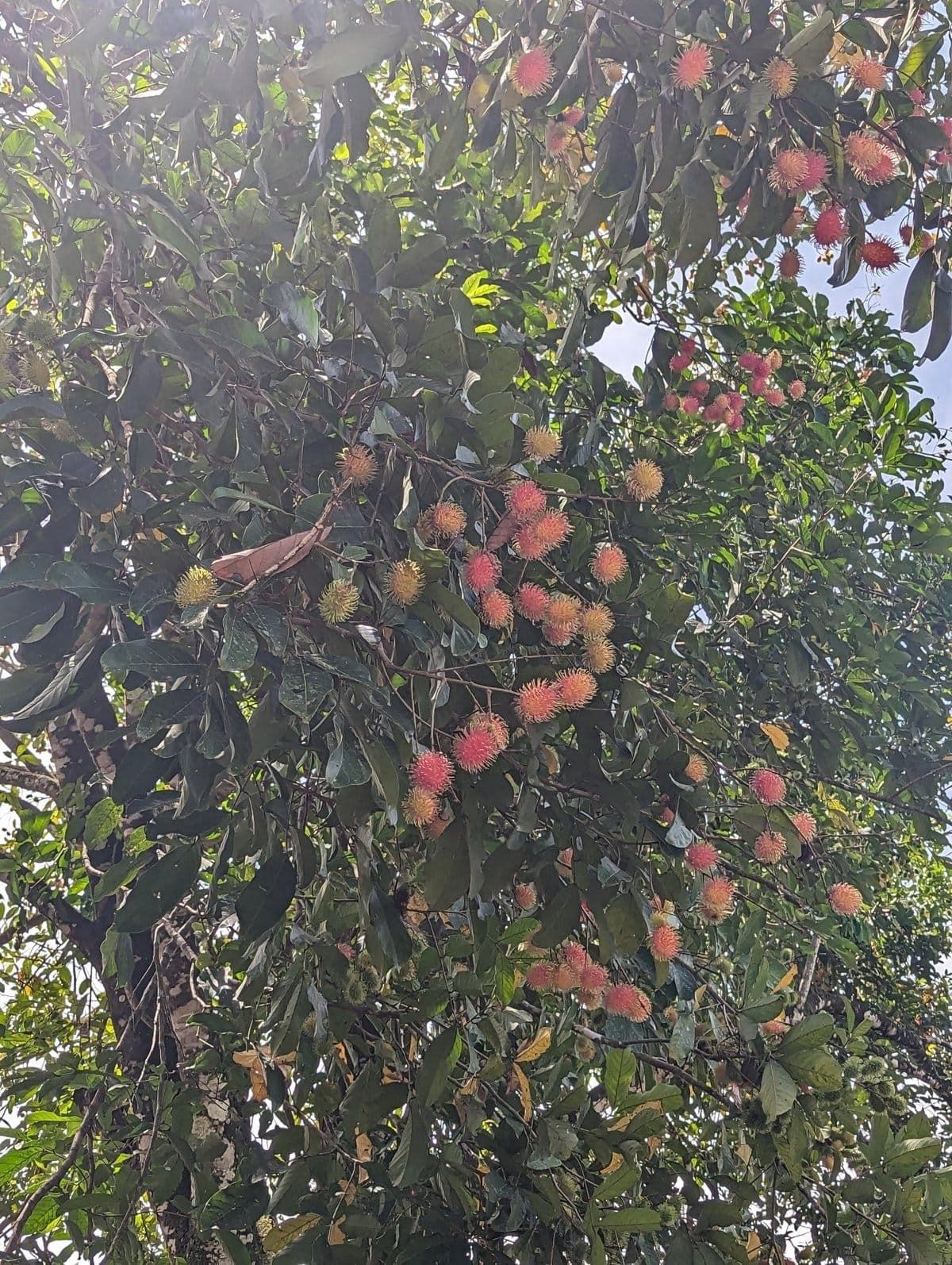
Whole tree
📷 (c) Jorge, some rights reserved (CC BY-NC)(CC BY-NC)
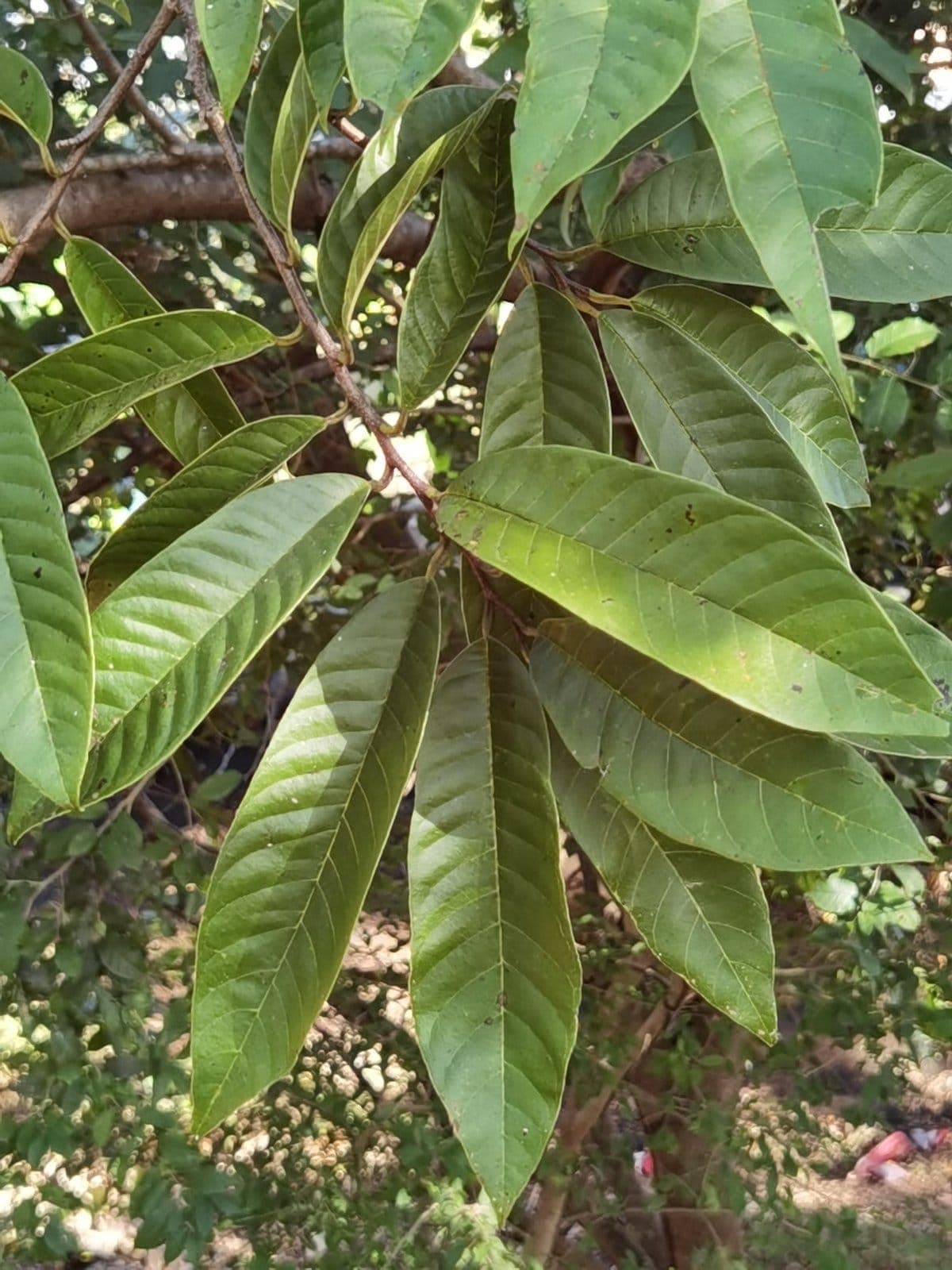
View source ↗Leaves
📷 (c) ecodelcaribe, some rights reserved (CC BY-NC)(CC BY-NC)
View source ↗Whole tree
📷 (c) ecodelcaribe, some rights reserved (CC BY-NC)(CC BY-NC)
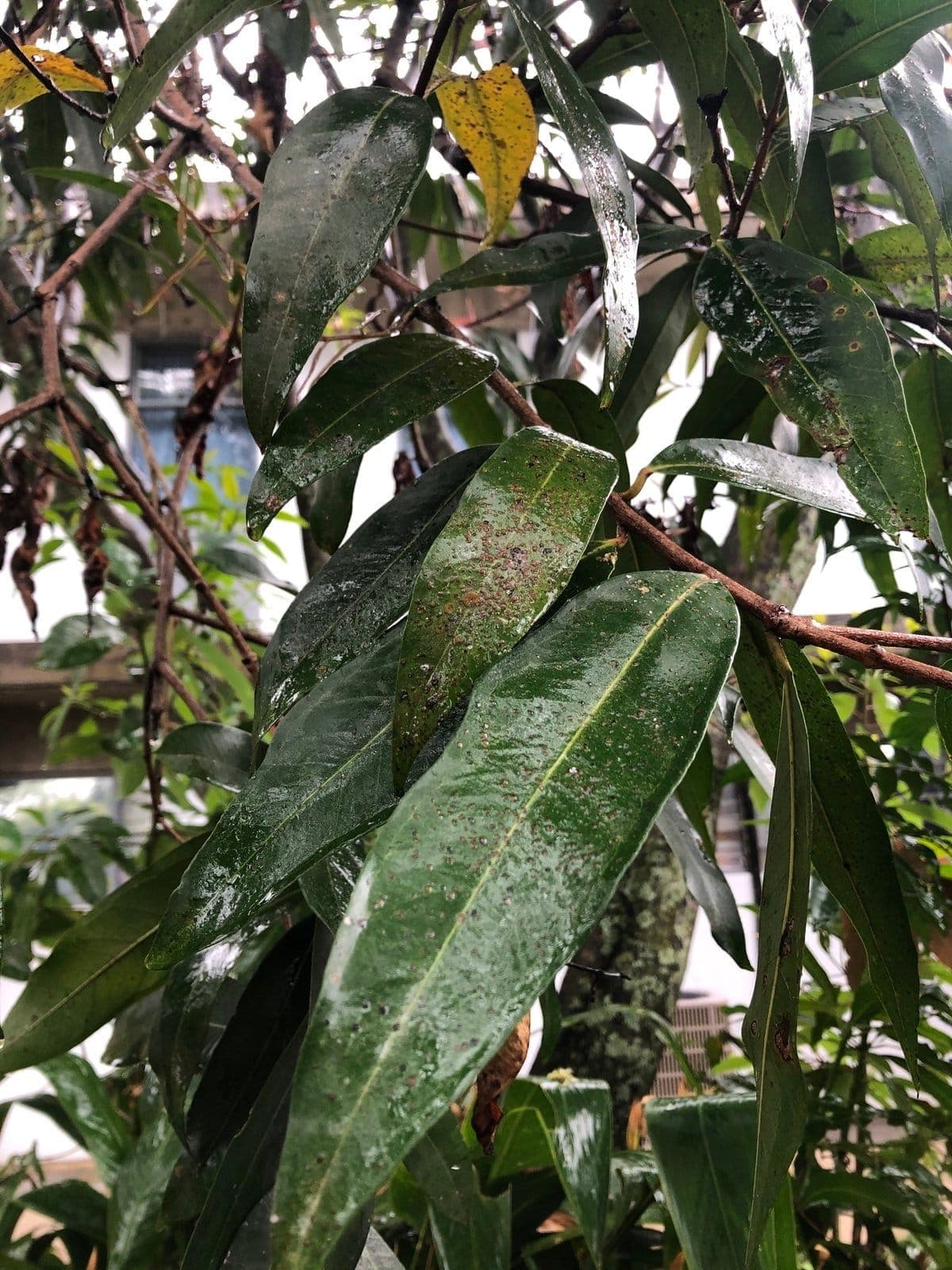
View source ↗Leaves
📷 (c) ecodelcaribe, some rights reserved (CC BY-NC)(CC BY-NC)
View source ↗Whole tree
📷 (c) daferd, some rights reserved (CC BY-NC)(CC BY-NC)
View source ↗Photos sourced from iNaturalist's community science database. Browse all observations →↗
Taxonomy and Classification
- Melicoccus: Greek for "honey berry" - bijugatus: Latin for "paired" (referring to paired leaflets) - Mamón: Spanish, perhaps from the sucking motion used to eat it - Related to lychee and rambutan (same family)
Common Names
Related Species
Physical Description
General Form
The Mamón is a handsome, medium to large tree with a dense, rounded crown that provides excellent shade. It's slow-growing but long-lived, eventually becoming a substantial presence in the landscape. The tree is semi-deciduous, losing leaves briefly during the dry season.
Identification Features
Bark and Trunk
- Bark color: Gray to grayish-brown
- Texture: Smooth when young, fissured with age
- Trunk: Straight, well-formed
- Buttresses: Sometimes present at base
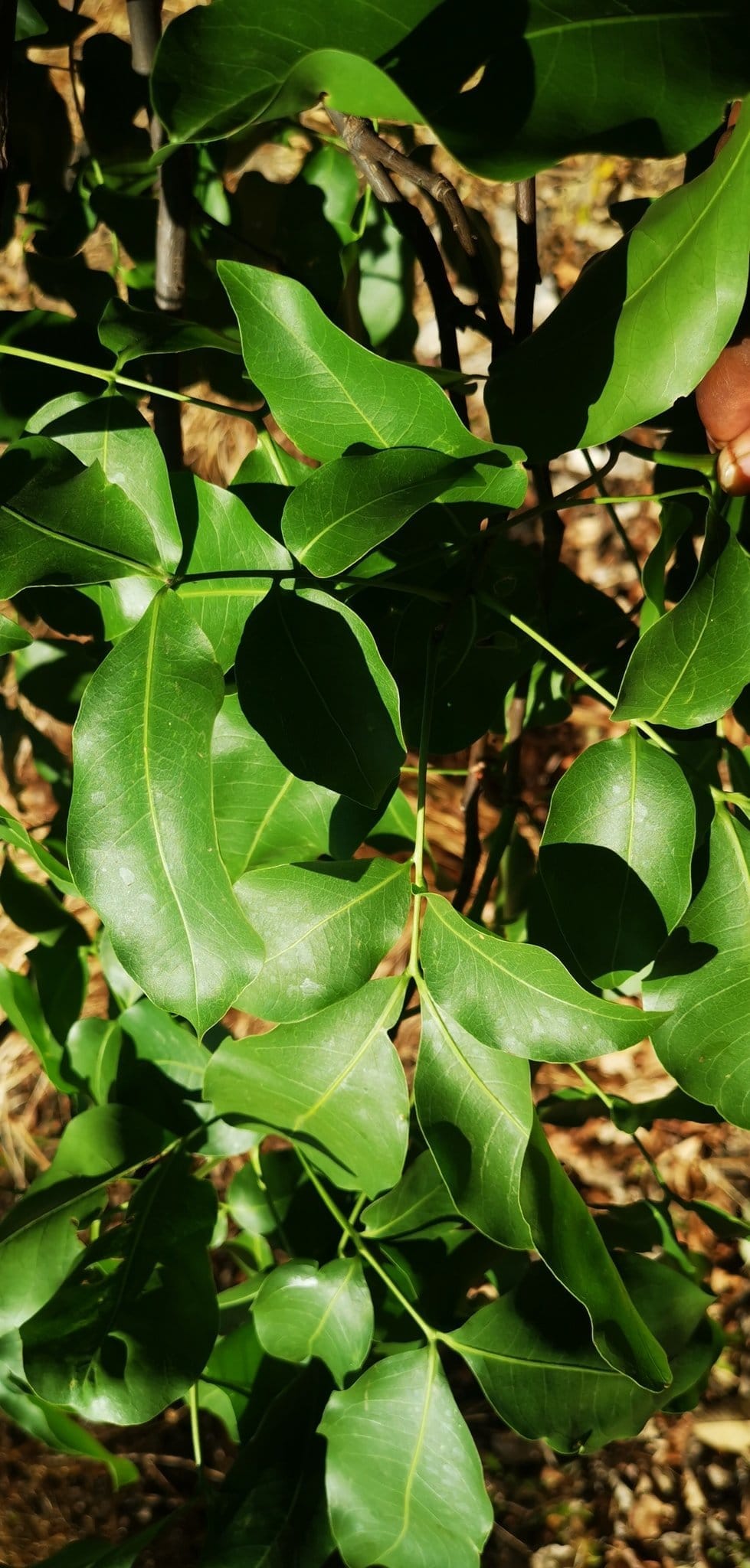
Leaves
- Type: Compound, paripinnate
- Leaflets: Usually 4 (2 pairs), rarely 6
- Size: Leaflets 5-10 cm long
- Shape: Elliptic to lanceolate
- Color: Dark green, glossy
- Arrangement: Alternate
- Notable: Winged rachis (leaf stem)
Flowers
- Size: Small (4-5 mm)
- Color: Greenish-white
- Arrangement: Terminal and axillary panicles
- Fragrance: Sweet, honey-like
- Timing: Late dry season
- Sexes: Male and female usually on separate trees
Fruit
- Shape: Round to slightly oval
- Size: 2-3.5 cm diameter
- Skin: Green, thin, brittle
- Flesh: Translucent salmon-pink, gelatinous
- Seed: Large, single, fills most of fruit
- Taste: Sweet-tart, grape-like
- Arrangement: In grape-like clusters
The proper technique:
- Crack the thin shell with your teeth
- Pop the fruit in your mouth
- SUCK the gelatinous flesh off the large seed
- Work the seed with your tongue to get all the pulp
- Discard seed (or save for planting!)
Warning: The flesh stains! The slightly astringent pulp can leave marks on clothing. Eating mamón is best done as street food, not at formal occasions.
Ecology and Habitat
Natural Distribution
Climate Requirements
Optimal Conditions
- Temperature: 24-32°C (75-90°F)
- Rainfall: 1000-2000 mm annually
- Seasonality: Tolerates dry season
- Elevation: Sea level to 1200 m
- Soil: Deep, well-drained
Tolerances
- Drought: Good tolerance once established
- Salt: Moderate tolerance
- Wind: Good resistance
- Poor soil: Adaptable
- Cold: Frost sensitive
Wildlife Interactions
Pollinators
- Bees: Primary pollinators
- Wasps: Secondary visitors
- Dioecious: Needs male and female trees
- Honey: Excellent honey source
Seed Dispersal
- Humans: Primary dispersers
- Birds: Eat fruit, drop seeds
- Bats: Some consumption
Ecosystem Services
- Shade: Excellent urban tree
- Pollinator support: Nectar source
- Bird habitat: Nesting sites
- Soil protection: Deep root system
Uses
Culinary
Street Vendor Culture
During mamón season (June-August), vendors appear throughout Costa Rica:
- Intersections: Selling at traffic lights
- Markets: Fresh bunches at ferias
- Beach towns: Popular beach snack
- Schools: Children's favorite seasonal treat
- Parks: Picnic companion
Prices are seasonal—cheapest at peak harvest, more expensive early or late in season.
Nutritional Value
Medicinal Uses
Other Uses
Cultivation
Growing Mamón
Production Notes
Cultural & Historical Significance
Origins and Spread
The mamón's story begins in the Caribbean basin and northern South America, where it has been cultivated for millennia. Archaeological evidence from pre-Columbian sites in Colombia and Venezuela suggests indigenous peoples valued the tree not only for its fruit but for its hard, durable wood and medicinal bark. Spanish colonizers encountered the fruit in the Caribbean and spread it throughout their colonial territories during the 16th and 17th centuries.
The name "mamón" likely derives from the Spanish verb mamar (to suck), describing the eating technique. In English, "Spanish Lime" is a misnomer—the tree is not related to limes at all but belongs to the soapberry family alongside lychee and rambutan. The scientific name Melicoccus (Greek for "honey berry") better captures the fruit's sweet nature.
In Costa Rican Life
A Seasonal Celebration
Mamón season marks a distinct time in Costa Rican culture:
- Anticipation: People wait all year for mamón
- Social eating: Shared among friends and family
- Childhood memories: Associated with school and summer
- Street culture: Part of informal economy
- Regional identity: Common throughout Pacific coast
The short season (2-3 months) makes the fruit more special—when it's gone, you wait another year!
Economic Role
Caribbean Heritage
The mamón's cultural reach is reflected in its many names across the Caribbean:
- Jamaica: Guinep—children climb trees to harvest clusters, a rite of passage
- Puerto Rico: Quenepa—celebrated in the annual Festival de la Quenepa in Ponce
- Trinidad: Chenette—street vendors sell bags tied with colorful ribbons
- Barbados: Ackee (not related to Jamaican ackee)—market tradition
- Mexico: Guaya—popular in Yucatán and Veracruz coastal communities
In each culture, the mamón embodies childhood, summer, and the communal joy of seasonal abundance. The fruit is so culturally important that it appears in Caribbean folk songs, literature, and regional festivals.
Sources: IUCN Red List↗, GBIF species profile↗, Tropicos↗, iNaturalist observations↗
Traditional Knowledge
Conservation Status
IUCN Status: Least Concern (LC)
The mamón (Melicoccus bijugatus) is classified as Least Concern on the IUCN Red List. The species is widely distributed and extensively cultivated throughout the Neotropics. While not native to Costa Rica, it has naturalized successfully and is not considered invasive—it does not aggressively displace native vegetation.
Threats and Challenges
Conservation Measures
Sources: IUCN Red List↗, GBIF species profile↗, Tropicos↗, CABI profile↗
Where to See This Tree
Quick Identification Guide
Key Identification Features
- Medium-large tree (15-25 m) with dense rounded crown 2. Compound leaves with typically 4 leaflets and winged stem 3. Smooth gray bark becoming fissured with age 4. Grape-like clusters of small round green fruits 5. Thin brittle shell cracking to reveal gelatinous flesh 6. Large seed with thin layer of translucent pulp 7. Sweet-tart taste with slight astringency
Similar Species
External Resources
Conservation status, distribution maps, and threat assessment.
Community observations, photographs, and distribution maps worldwide.
Occurrence records, specimen data, and taxonomic information.
Botanical nomenclature, type specimens, and taxonomic references.
Comprehensive species profile including ecology, distribution, and management.
Uses, cultivation requirements, and propagation methods.
Agroforestry applications, growth data, and silvicultural information.
Taxonomic placement within Costa Rican flora and regional distribution.
University of the West Indies research on Caribbean fruit crops including mamón.
References
Safety Information Disclaimer
Safety information is provided for educational purposes only. Individual reactions may vary significantly based on age, health status, amount of exposure, and individual sensitivity. Always supervise children around plants. Consult a medical professional or certified arborist for specific concerns. The Costa Rica Tree Atlas is not liable for injuries or damages resulting from interaction with trees described in this guide.
• Always supervise children around plants
• Consult medical professional if unsure
• Seek immediate medical attention if poisoning occurs
Information compiled from authoritative toxicology sources, scientific literature, and medical case reports.
Help improve this page
Know something about this tree? Share local knowledge, suggest a correction, or submit a photo to improve this guide for everyone.