Anona
Annona reticulata
Quick facts
Native Region
Caribbean, Central America, South America
Max Height
5-10 meters (16-33 feet)
Family
Annonaceae
Conservation
LC — Least Concern
Uses
Safety Information
CAUTION
Fruit flesh is safe and delicious to eat. Seeds are TOXIC - always remove completely before consumption. Traditional medicinal uses of crushed seeds for parasites should only be done with expert guidance. Seeds contain compounds toxic to insects and can harm humans if ingested. Teach children to remove seeds. The toxic compounds in seeds are being researched for potential anticancer properties but are dangerous for consumption.
Toxicity Details
Seeds contain toxic alkaloids (annonacin and other acetogenins) and should NEVER be eaten. While the flesh is delicious and safe, seeds are poisonous and can cause serious gastrointestinal distress, vomiting, and neurological symptoms if consumed. Traditionally seeds were crushed and used as insecticide and to kill head lice, demonstrating toxicity. Children must be taught to spit out seeds when eating fruit. Cases of poisoning occur when seeds are accidentally swallowed or deliberately consumed. Always remove all seeds before giving fruit to children.
Wildlife & Pet Risks
Seeds toxic to most domestic animals. Dogs and cats should not consume seeds. Some birds and wildlife can safely consume the fruit and disperse seeds naturally.
First Aid & Emergency Response
• If ingested, seek immediate medical attention. Do not induce vomiting unless directed by medical professional.
• If sap contacts skin, wash immediately with soap and water. Seek medical attention if blistering or severe irritation occurs.
• If sap enters eyes, flush immediately with clean water for 15 minutes and seek emergency medical care.
Costa Rica Emergency: 911
Costa Rica Poison Control: 2223-1028
Season
Flowering
Mar-May
Fruiting
Jul-Oct
How to identify
Anona (Custard Apple)
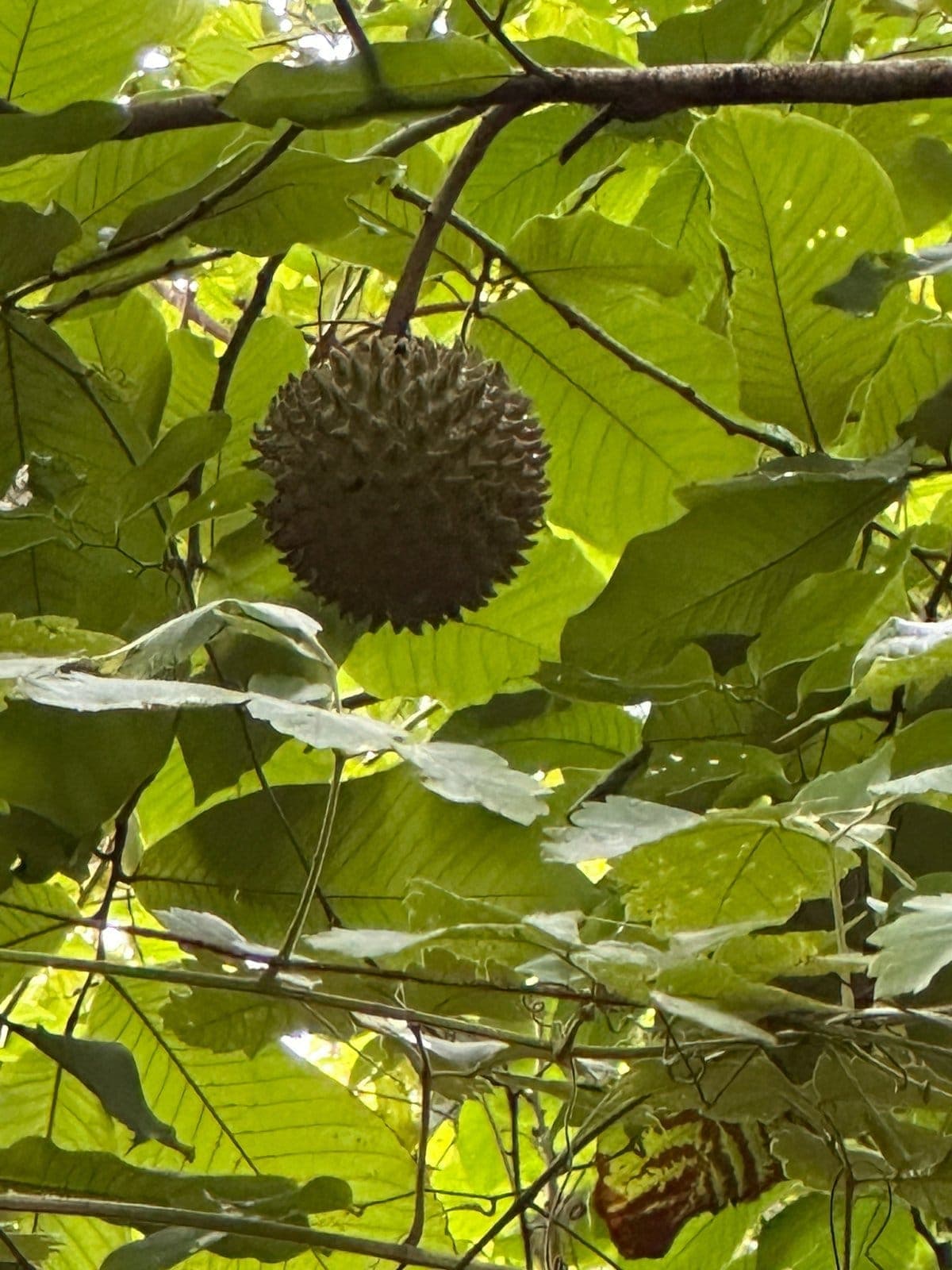
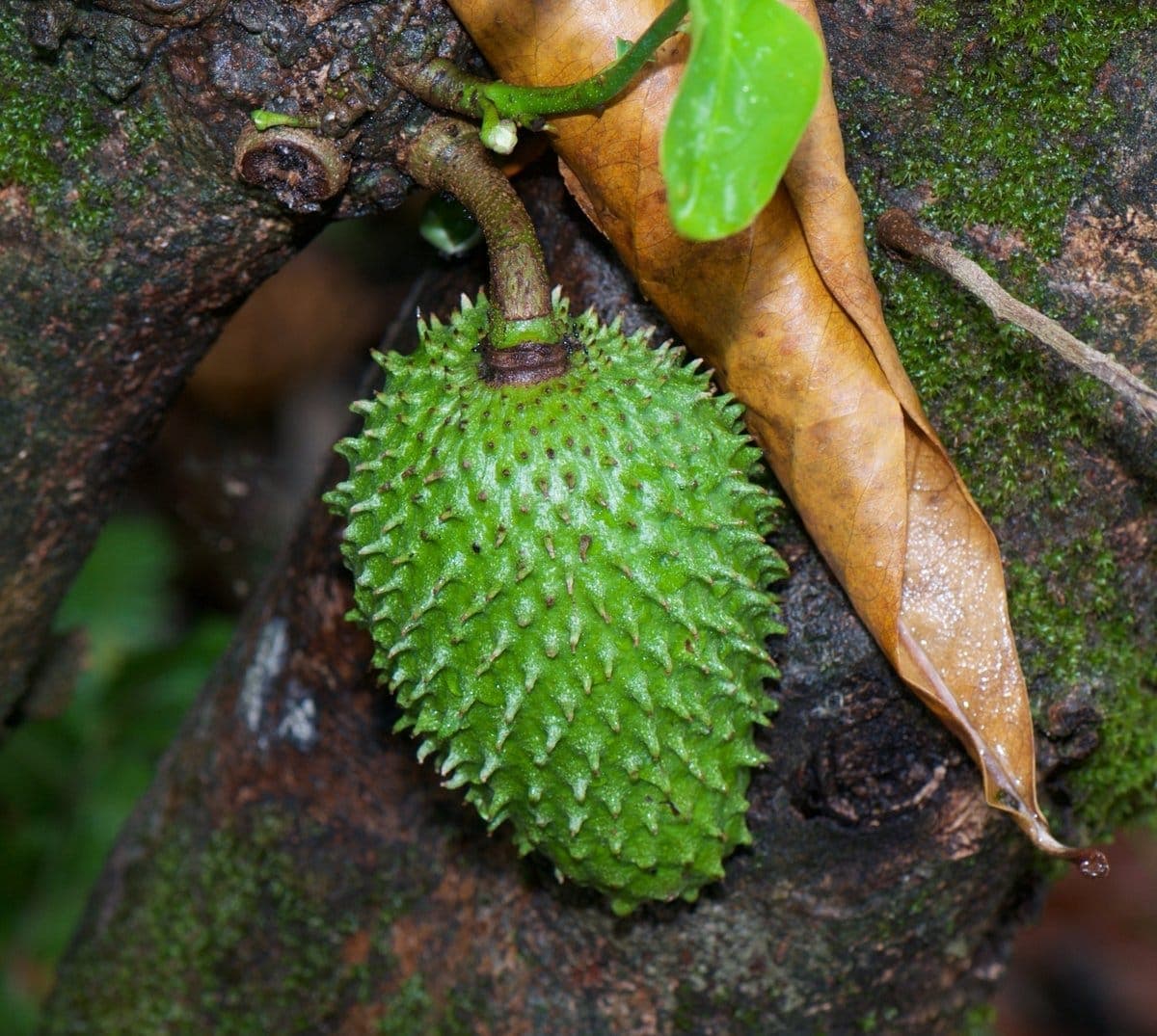
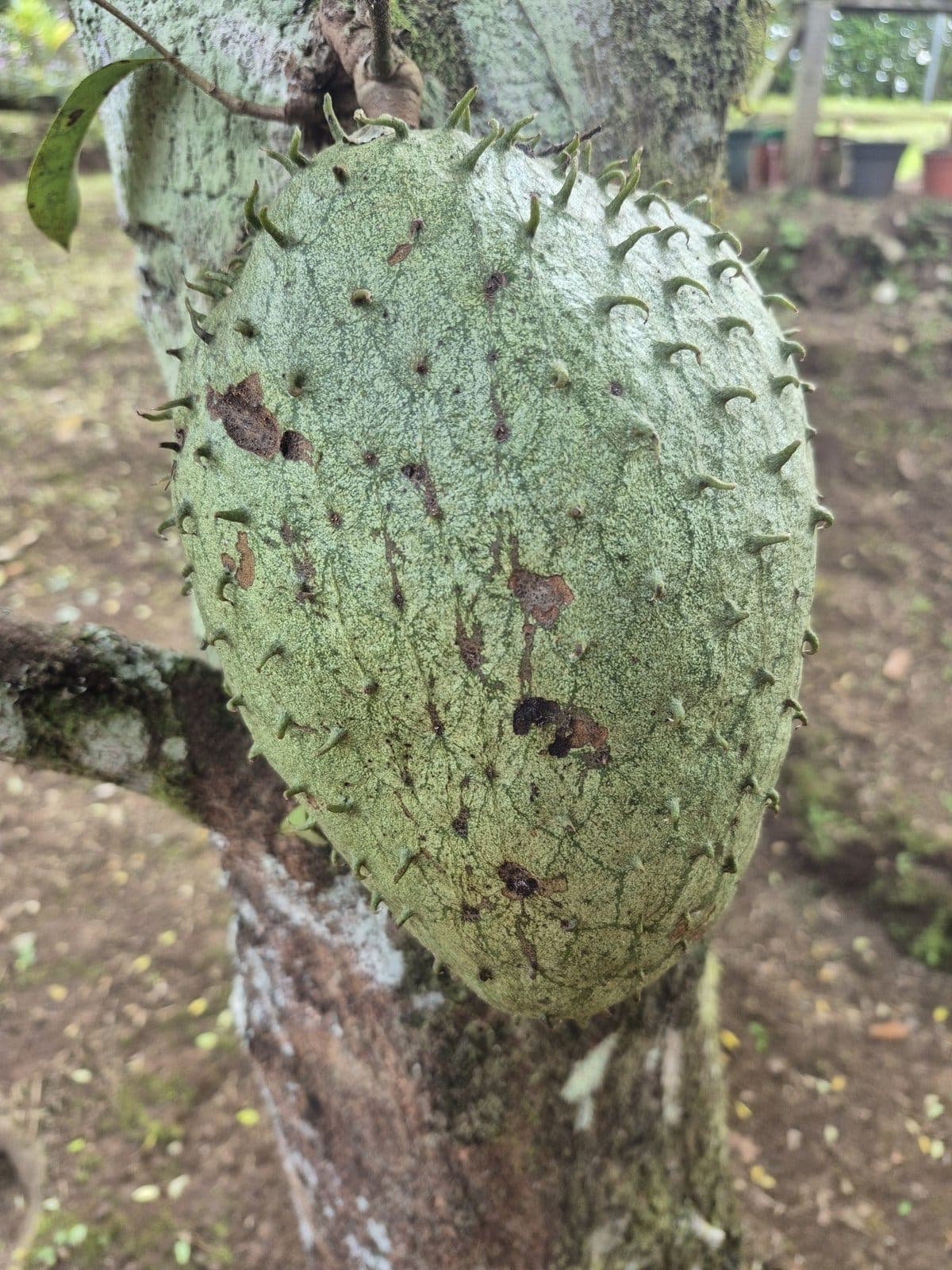
The Anona (Annona reticulata), commonly called Custard Apple or Bullock's Heart, is the lesser-known sibling in the famous Annona family that includes guanábana and chirimoya. Native to the Caribbean and Central America, this small tree produces distinctive heart-shaped fruits with a netted pattern on the skin. The creamy, custard-like flesh is sweet with hints of vanilla and caramel—smoother than guanábana but less famous internationally. In Costa Rica, the anona grows well in lowland areas and is appreciated by those who seek it out in local markets during its season.
Quick Reference
iNaturalist Observations
Community-powered species data
📸 Photo Gallery
Whole tree
📷 (c) Eduardo Chacón Madrigal, some rights reserved (CC BY)(CC BY)
View source ↗Leaves
📷 (c) Eduardo Chacón Madrigal, some rights reserved (CC BY)(CC BY)
View source ↗Whole tree
📷 (c) Jo Jiménez, some rights reserved (CC BY-NC)(CC BY-NC)
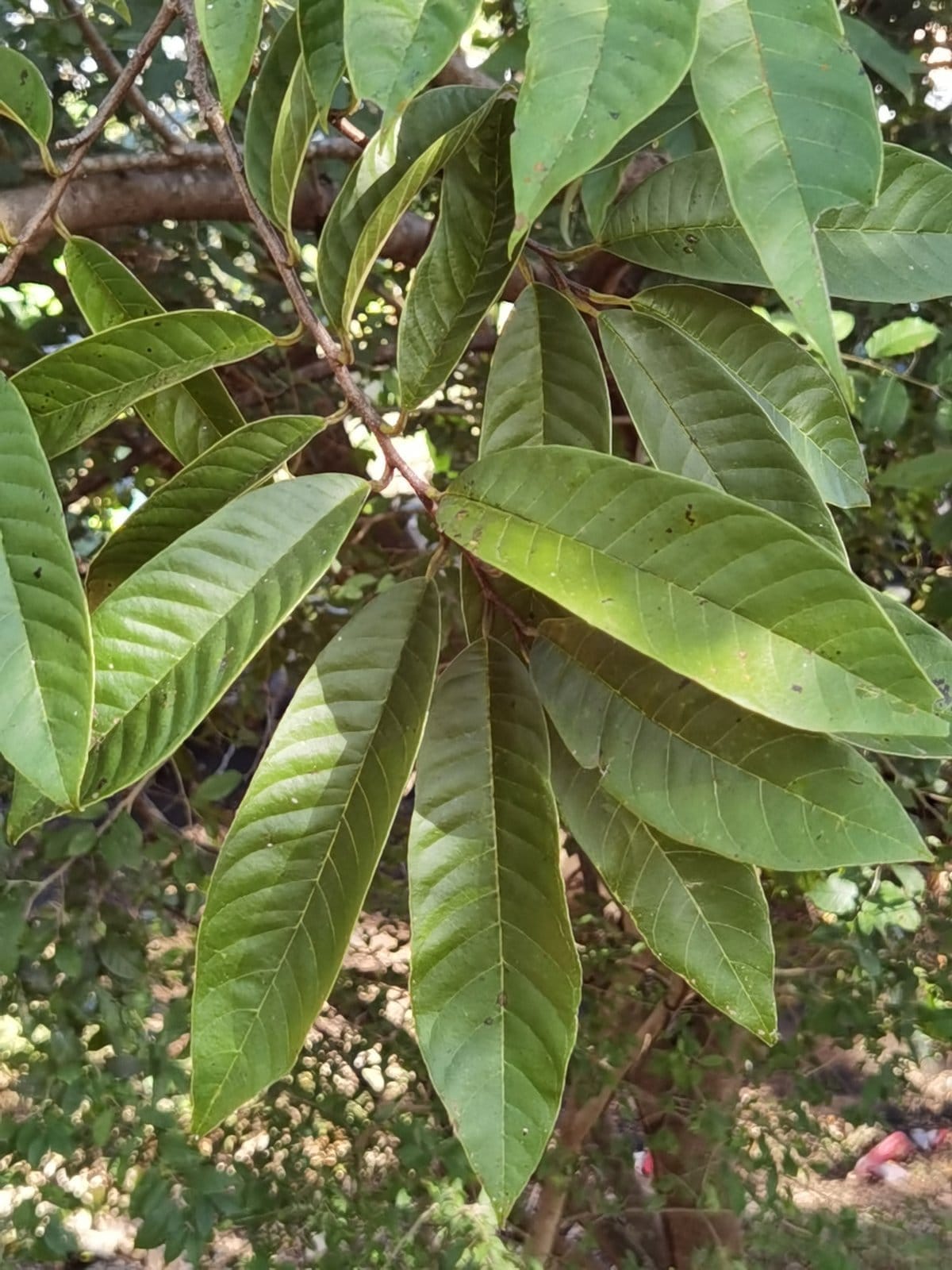
View source ↗Leaves
📷 (c) Eduardo Chacón Madrigal, some rights reserved (CC BY)(CC BY)
View source ↗Whole tree
📷 (c) sshe, some rights reserved (CC BY-NC)(CC BY-NC)
View source ↗Photos sourced from iNaturalist's community science database. Browse all observations →↗
Taxonomy and Classification
- Annona: From Taíno "anón" (indigenous fruit name) - reticulata: Latin for "netted" (referring to fruit surface pattern) - Anona: Spanish name, from indigenous origins - Bullock's Heart: English name from fruit shape
Common Names
The Annona Family in Costa Rica
In Costa Rica, "anona" can refer to several related species. Annona reticulata (this species) is the true Custard Apple, but the name is sometimes applied broadly to any Annona with sweet flesh. Always check the fruit shape and skin pattern for identification.
Physical Description
General Form
The Anona is a small to medium deciduous or semi-deciduous tree with an open, spreading canopy. It loses its leaves briefly during the dry season, with new growth and flowers emerging as the wet season approaches.
Identification Features
Bark and Trunk
- Bark color: Gray-brown
- Texture: Smooth, becoming slightly fissured
- Branching: Open, spreading habit
- Form: Often multi-stemmed
Leaves
- Type: Simple, alternate
- Shape: Oblong to lanceolate
- Size: 10-20 cm long
- Texture: Thin, slightly hairy beneath
- Color: Bright green, deciduous
- Venation: Prominent
Flowers
- Location: On branches, solitary or small clusters
- Size: 2-3 cm long
- Color: Yellowish-green, fleshy
- Structure: 3 outer petals, 3 inner smaller petals
- Fragrance: Mild, sweet
- Timing: As new leaves emerge
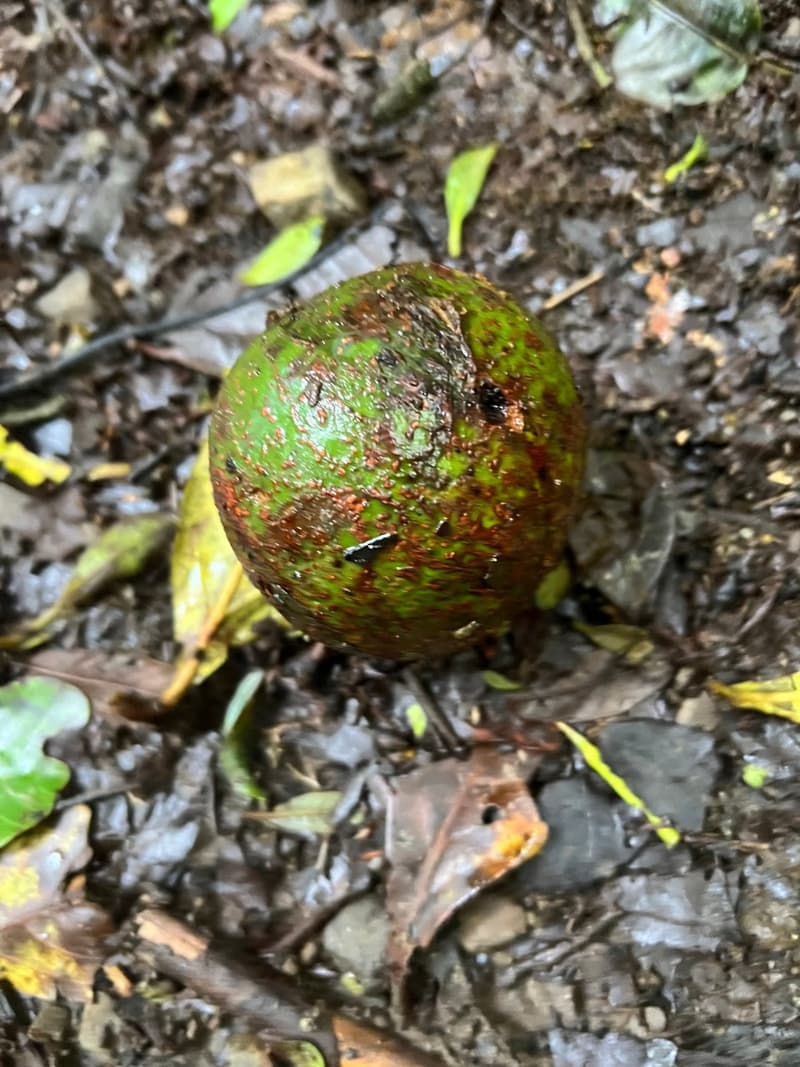
Fruit (KEY IDENTIFIER)
- Shape: Heart-shaped (cordate)
- Size: 8-15 cm diameter
- Skin: Smooth to reticulated (netted pattern)
- Color: Yellow-brown to reddish when ripe
- Flesh: White to cream, custard-like
- Seeds: Black, numerous, embedded in flesh
- Taste: Sweet, vanilla/caramel notes
Ripe anona characteristics: - Color change: Green → yellowish-brown or reddish - Softness: Yields to gentle pressure like a ripe pear - Fragrance: Sweet, almost fermented aroma - Surface: Netted pattern becomes more pronounced Handle carefully—ripe fruit bruises easily!
Ecology and Habitat
Natural Distribution
Climate Preferences
Optimal Conditions
- Temperature: 25-35°C (77-95°F)
- Rainfall: 1000-1500 mm annually
- Seasonality: Tolerates dry season well
- Elevation: Sea level to 1000 m
- Soil: Well-drained, fertile
Tolerances
- Drought: Good once established
- Heat: Excellent tolerance
- Cold: Frost sensitive
- Poor soil: Moderate adaptability
- Flooding: Poor tolerance
Wildlife Interactions
Pollinators
- Beetles: Primary pollinators
- Hand pollination: Improves fruit set
- Timing: Early morning most effective
Fruit Dispersal
- Birds: Eat pulp, spread seeds
- Mammals: Monkeys, coatis, bats
- Humans: Primary cultivators
Ecological Notes
- Semi-deciduous: Provides seasonal habitat change
- Nectar source: When flowering
- Food source: Important for wildlife
- Succession: Can establish in disturbed areas
Uses
Culinary Applications
How to Eat Anona
Preparation:
- Allow fruit to ripen until soft (like a pear)
- Cut in half or quarters
- Scoop out flesh with a spoon
- Remove and discard black seeds as you eat
- Enjoy the custard-like texture!
Tips:
- Refrigerate ripe fruit—best eaten cold
- The seeds are NOT edible
- Texture is smoothest when perfectly ripe
- Can be frozen for later use in shakes
Sources: Morton, Fruits of Warm Climates - Custard Apple↗, FAO Ecocrop - Annona reticulata↗, GBIF species profile↗
Nutritional Value
Medicinal Uses
Anona seeds contain toxic alkaloids and should NEVER be eaten. While traditionally used in crushed form as insecticide and for medicinal purposes, ingesting seeds can cause serious harm. Always remove seeds before eating!
Other Uses
Cultivation
Growing Anona
Production Notes
Comparison with Related Species
Cultural Significance
In Costa Rican Markets
- Seasonal availability: Peak July-October
- Local markets: Found at ferias when in season
- Backyard trees: Common in rural areas
- Lesser known: Than guanábana or chirimoya
- Appreciated: By those who know it
Economic Importance
Conservation Status
IUCN Status: Least Concern (LC)
The anona is widely distributed throughout tropical America and has been introduced to many other tropical regions. It faces no significant threats as a species, though genetic diversity in cultivated populations could be better documented and preserved.
Quick Identification Guide
Key Identification Features
- Small tree (5-10 m) with open, spreading canopy 2. Semi-deciduous habit in dry season 3. Heart-shaped fruits with distinctive netted skin pattern 4. Yellowish-green flowers with thick, fleshy petals 5. Reddish-brown fruit when ripe 6. Custard-like white flesh with numerous black seeds 7. Sweet taste with vanilla/caramel notes
External Resources
Global biodiversity occurrence data and distribution maps
Conservation status and species assessment
Community observations and photos
References and Further Reading
Safety Information Disclaimer
Safety information is provided for educational purposes only. Individual reactions may vary significantly based on age, health status, amount of exposure, and individual sensitivity. Always supervise children around plants. Consult a medical professional or certified arborist for specific concerns. The Costa Rica Tree Atlas is not liable for injuries or damages resulting from interaction with trees described in this guide.
• Always supervise children around plants
• Consult medical professional if unsure
• Seek immediate medical attention if poisoning occurs
Information compiled from authoritative toxicology sources, scientific literature, and medical case reports.
Help improve this page
Know something about this tree? Share local knowledge, suggest a correction, or submit a photo to improve this guide for everyone.