Arazá
Eugenia stipitata
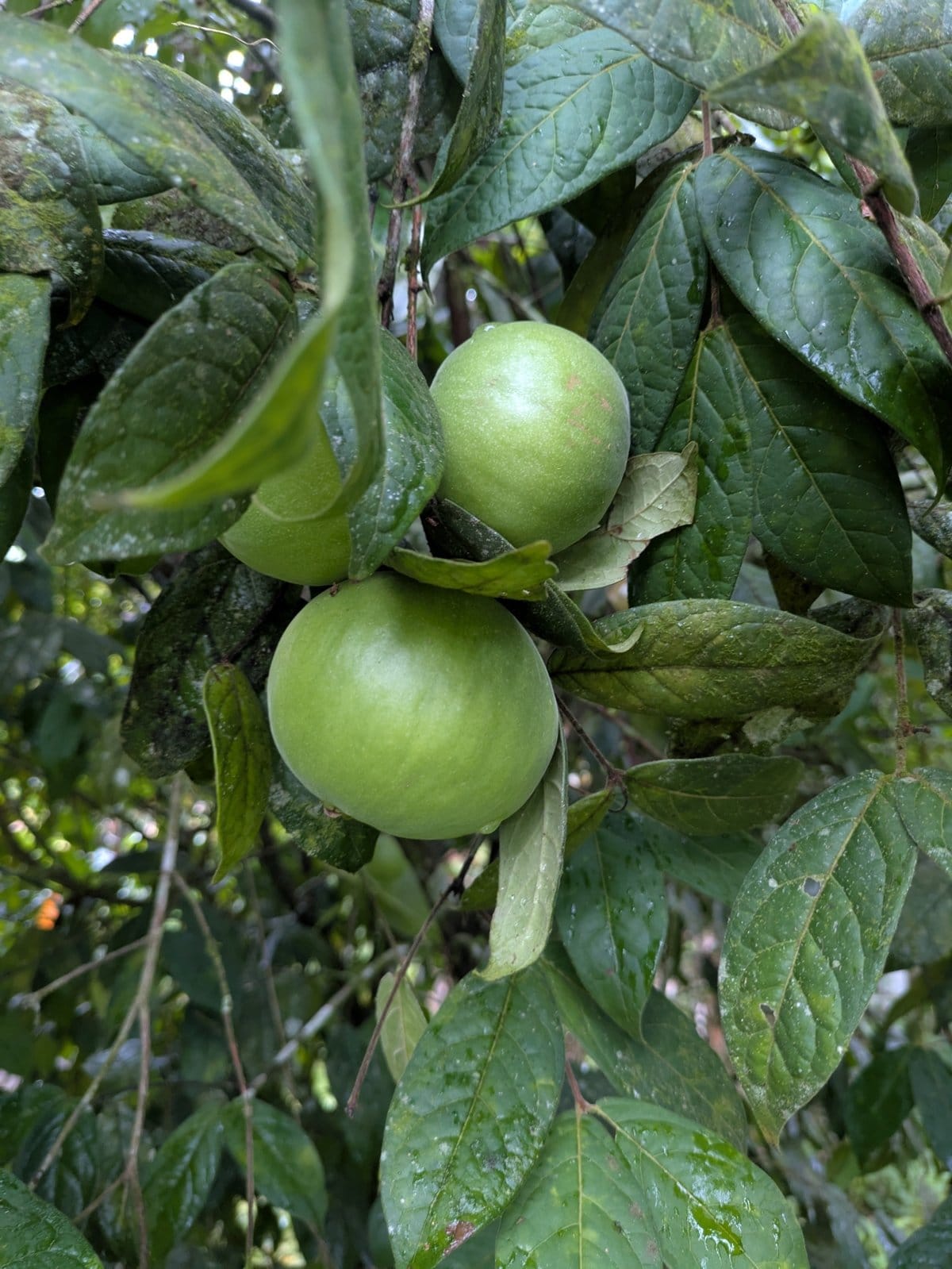
Quick facts
Native Region
Western Amazon Basin (Peru, Brazil, Colombia, Ecuador)
Max Height
2.5-15 meters (8-50 feet)
Family
Myrtaceae
Conservation
NE — Not Evaluated
Uses
Safety Information
Toxicity Details
Non-toxic. Fruit is edible when ripe and safe for human consumption. High in vitamin C.
Skin Contact Risks
No known skin irritation. Safe to handle.
Season
Flowering
Jan-Dec
Fruiting
Jan-Dec
How to identify
Arazá (Araçá-boi)
The Arazá (Eugenia stipitata), also known as Araçá-boi or Membrillo, is a remarkable Amazonian fruit tree that has found a home in Costa Rica's tropical lowlands. Famous for its intensely aromatic fruits that contain twice the vitamin C of oranges, the arazá transforms into delicious juices, ice creams, and desserts when blended with sugar. This lesser-known superfruit represents an exciting addition to Costa Rica's diverse tropical fruit cultivation.
Quick Reference
iNaturalist Observations
Community-powered species data
📸 Photo Gallery
Whole tree
📷 (c) grunionster, some rights reserved (CC BY-NC)(CC BY-NC)
View source ↗Leaves
📷 (c) Randall Jiménez, some rights reserved (CC BY-NC)(CC BY-NC)
View source ↗Whole tree
📷 (c) Randall Jiménez, some rights reserved (CC BY-NC)(CC BY-NC)
View source ↗Leaves
📷 (c) Randall Jiménez, some rights reserved (CC BY-NC)(CC BY-NC)
View source ↗Whole tree
📷 (c) Krystal Champion, some rights reserved (CC BY-NC)(CC BY-NC)
View source ↗Photos sourced from iNaturalist's community science database. Browse all observations →↗
Taxonomy and Classification
- Eugenia: Named after Prince Eugene of Savoy (1663–1736), Austrian general and patron of science - stipitata: Latin, referring to the stalked (stipitate) nature of plant structures - Arazá: From Guaraní "arasa," the indigenous name for this fruit - Araçá-boi: Portuguese name meaning "ox guava" due to the large fruit size
Common Names
Subspecies
Physical Description
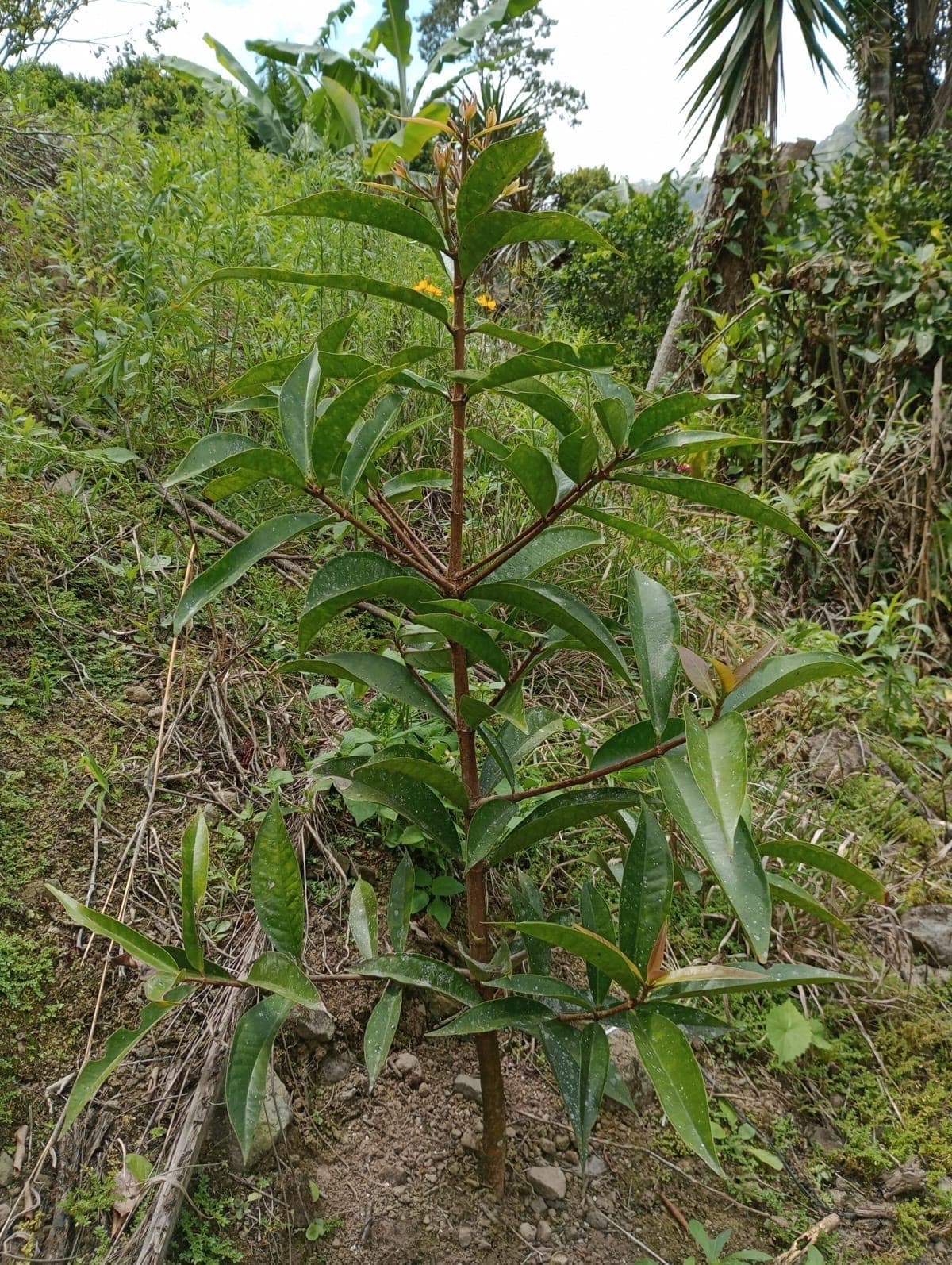
General Form
The Arazá is a shrub or small tree with a densely branched canopy. It can range from a compact 2.5-meter shrub to a 15-meter tree depending on growing conditions. The attractive form and year-round fruit production make it valuable for both commercial cultivation and home gardens.
Identification Features
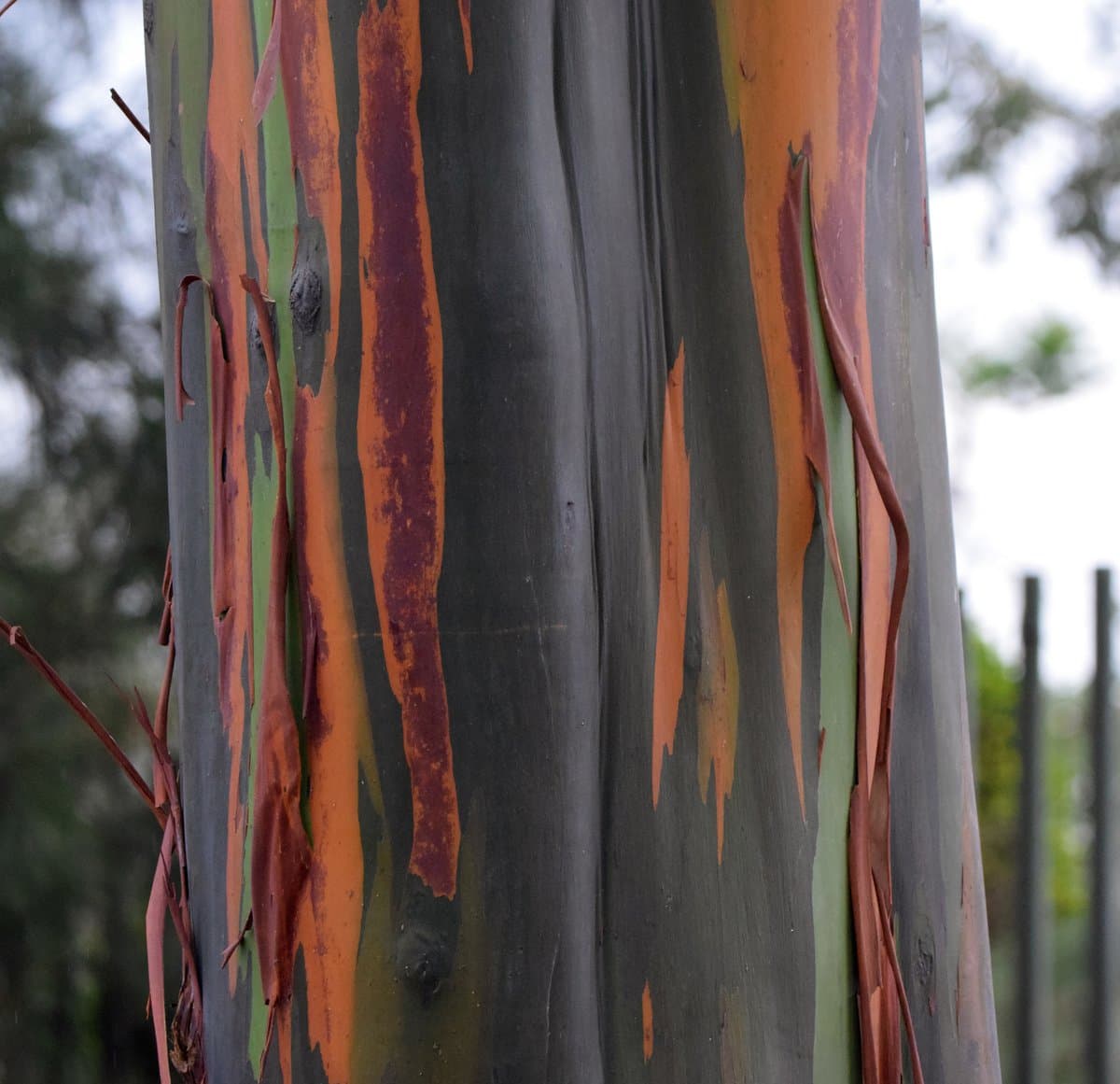
Bark and Trunk
- Bark color: Brown to reddish
- Texture: Flaking, peeling in patches
- Pattern: Smooth with characteristic shedding
- Trunk: Often multi-stemmed
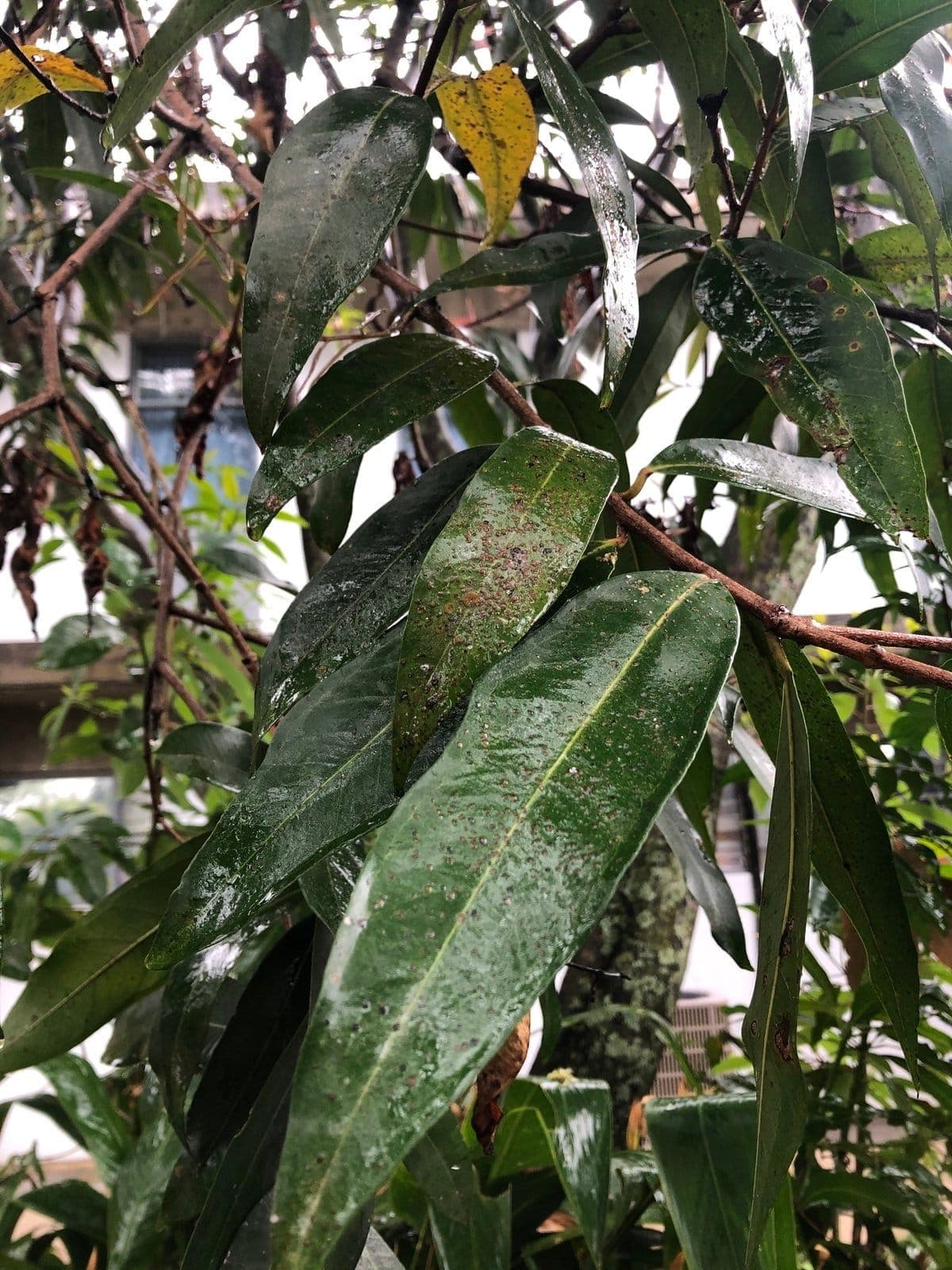
Leaves
- Type: Simple, opposite
- Shape: Elliptical to slightly oval
- Size: 8-19 cm long, 3.5-9.5 cm wide
- Texture: Dull, dark green above
- Underside: Pale green with short hairs
- Venation: 6-10 pairs of impressed lateral veins
- Apex: Acuminate (pointed)
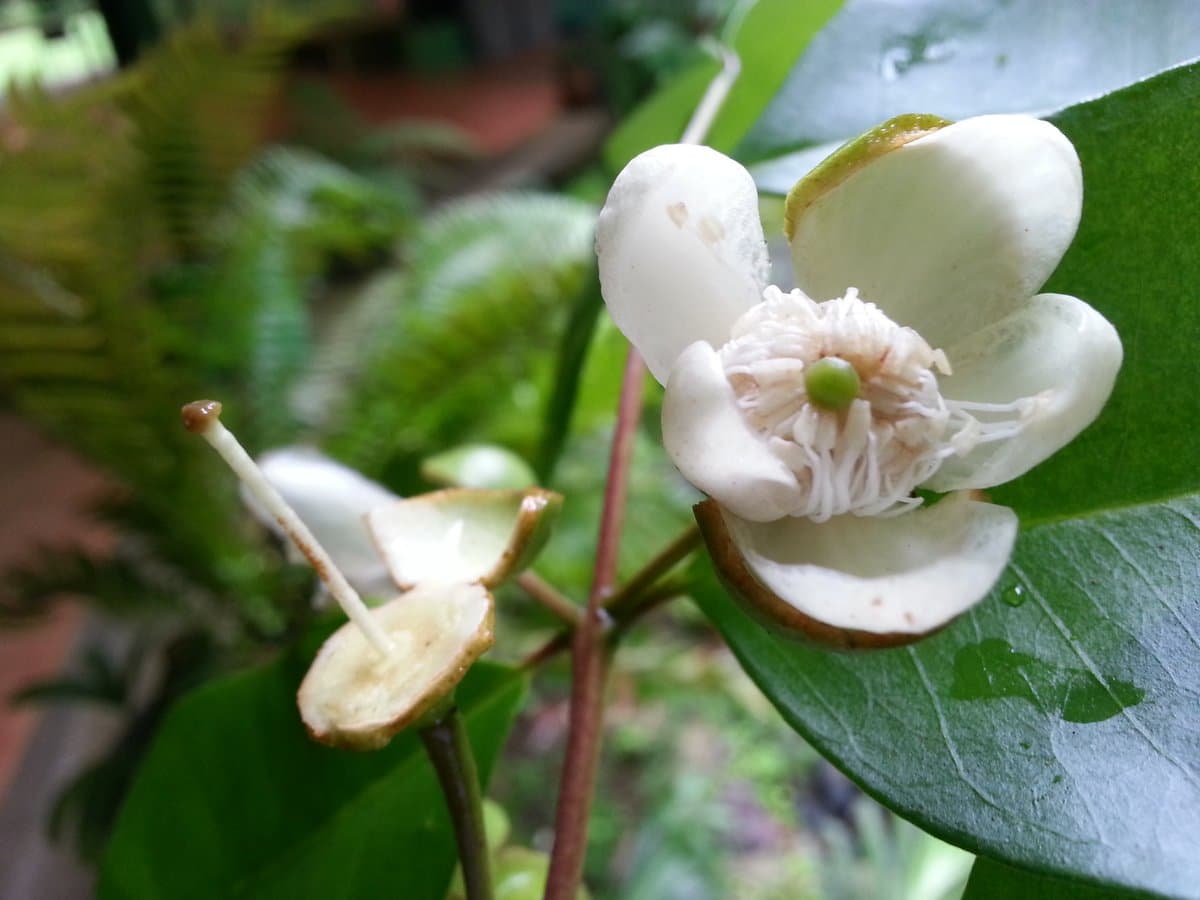
Flowers
- Size: About 1 cm wide
- Color: White
- Petals: 5, oval
- Stamens: Approximately 70, long and prominent
- Arrangement: Axillary racemes, 2-5 flowers
- Fragrance: Sweet, guava-like
Fruit
- Shape: Globose to oblate (flattened sphere)
- Size: 2-12 cm diameter (cultivated larger)
- Weight: Up to 750 g in selected varieties
- Skin: Thin, velvety, pale green to bright yellow when ripe
- Flesh: Juicy, aromatic, very acidic, thick pulp
- Seeds: Usually 12, recalcitrant (cannot be dried)
- Aroma: Intensely fragrant and distinctive
Wild arazá fruits rarely exceed 7 cm diameter and 30 g weight, while indigenous-selected varieties from Peru can reach 12 cm and 750 g. The cultivated forms represent centuries of selection for larger, more flavorful fruits.
Ecology and Habitat
Natural Distribution
Climate Preferences
Optimal Conditions
- Temperature: 22-30°C (72-86°F)
- Rainfall: 1500-4000 mm annually
- Elevation: 0-650 m (lowland tropical)
- Climate: Hot, humid tropical
- Soil: Acidic, well-drained, tolerates poor soils
Tolerances
- Shade: Grows well under partial shade
- Poor soils: Adapts to highly leached podzolic soils
- Flooding: Does not tolerate waterlogging
- Drought: Moderate tolerance
- Cold: Sensitive to frost
Ecological Role
Pollinators
- Native bees: Primary pollinators
- Other insects: Various pollinators attracted to flowers
- Self-fertility: Can self-pollinate but cross-pollination improves yield
Wildlife Value
- Birds: Consume ripe fallen fruit
- Mammals: Various species eat the aromatic fruits
- Insects: Nectar source for native bees
Agroforestry Potential
- Shade tolerance: Thrives under taller trees
- Land rehabilitation: Used to restore degraded soils
- Intercropping: Compatible with other tropical crops
- Multi-strata systems: Fits well in diversified plantings
Uses
Culinary Applications
Arazá Juice Recipe
Amazonian Refreshment
Ingredients:
- 2-3 ripe arazá fruits (about 500g)
- 1 liter cold water
- Sugar to taste (generous amount needed due to acidity)
- Ice
Preparation:
- Select fruits that are slightly soft and intensely fragrant
- Wash and cut fruits, removing any damaged portions
- Scoop flesh and blend thoroughly with water
- Strain to remove seeds and fibers
- Add sugar gradually, tasting until acidity is balanced
- Serve very cold over ice
Tips:
- The pH of arazá juice is around 2.4—very acidic!
- Start with more sugar than you think you need
- The intense aroma is normal and desirable
Sources: FAO - Eugenia stipitata (Neglected Crops)↗, CABI Compendium - Eugenia stipitata↗, World Agroforestry species profile↗
Nutritional Value
Arazá contains twice the vitamin C of oranges and shows significant antioxidant, antimutagenic, and antigenotoxic properties. Research suggests it may have potential as a preventive agent against cancer.
Traditional Medicine
Cultivation
Growing Arazá
Pests and Diseases
Cultural Significance
In Amazonian Traditions
An Amazonian Heritage Fruit
The arazá represents indigenous knowledge and selection over centuries:
- Indigenous breeding: Best varieties were selected by peoples around Iquitos
- Traditional food: Important part of Amazonian cuisine
- Cultural identity: Represents Amazonian biodiversity
- Sustainable cultivation: Adapts to forest-based agriculture
- Emerging export: Growing international interest
In Costa Rica
- Research cultivation: Studied at CATIE and other institutions
- Small-scale farming: Growing interest among tropical fruit producers
- Specialty markets: Available at select farmers markets
- Agroforestry: Potential crop for diversified systems
Arazá in Costa Rica
Current Status
Growing Regions
The best conditions for arazá in Costa Rica are found in:
- Caribbean lowlands (Limón): Hot, humid, ideal climate
- South Pacific (Osa Peninsula): Similar conditions
- Northern Zone (San Carlos): Lower elevation areas
Conservation Status
Status: Not Evaluated (NE)
The current atlas audit trail indicates that Eugenia stipitata should be treated as Not Evaluated rather than Least Concern in public-facing copy. That does not imply the species is threatened; it means the atlas should not present a formal IUCN risk category unless a published global assessment is clearly available.
Even without a formal IUCN category on this page, conservation priorities for the species still include:
- Genetic diversity: Preserving cultivated varieties
- In-situ conservation: Protecting wild populations in Amazon
- Ex-situ collections: Maintaining germplasm in research centers
- Seed challenges: Recalcitrant seeds cannot be stored conventionally
Sources: GBIF species search — Eugenia stipitata↗, IUCN Red List entry used on this page↗
Quick Identification Guide
How to Recognize Arazá
- Shrub or small tree (2.5-15 m) with dense branching 2. Flaking, reddish-brown bark 3. Large elliptical leaves (8-19 cm) with pointed tips 4. White flowers with many prominent stamens 5. Large round fruits (up to 12 cm) turning yellow when ripe 6. Velvety skin on fruits
- Intensely aromatic with distinctive tropical scent 8. VERY ACIDIC flesh (pH 2.4) 9. Lowland distribution (below 800m elevation)
External Resources
References and Further Reading
Safety Information Disclaimer
Safety information is provided for educational purposes only. Individual reactions may vary significantly based on age, health status, amount of exposure, and individual sensitivity. Always supervise children around plants. Consult a medical professional or certified arborist for specific concerns. The Costa Rica Tree Atlas is not liable for injuries or damages resulting from interaction with trees described in this guide.
• Always supervise children around plants
• Consult medical professional if unsure
• Seek immediate medical attention if poisoning occurs
Information compiled from authoritative toxicology sources, scientific literature, and medical case reports.
Help improve this page
Know something about this tree? Share local knowledge, suggest a correction, or submit a photo to improve this guide for everyone.