Mamón Chino
Nephelium lappaceum
Quick facts
Native Region
Southeast Asia (Malaysia, Indonesia, Thailand)
Max Height
12-20 meters (40-65 feet)
Family
Sapindaceae
Conservation
LC — Least Concern
Uses
Safety Information
Toxicity Details
The fruit flesh is completely safe and widely consumed worldwide. However, the SEEDS should not be eaten raw. Raw rambutan seeds contain saponins, tannins, and other compounds that can cause gastrointestinal upset. Some studies suggest seeds may have hypoglycemic effects (lower blood sugar). In Southeast Asian traditional medicine, roasted seeds are sometimes used, but this is not recommended without expert guidance. The fruit flesh itself is nutritious and safe for all ages.
Skin Contact Risks
No known skin contact risks. The soft 'hairs' on the fruit exterior are harmless and not irritating. Safe to handle.
Allergenic Properties
Allergies to rambutan are rare but possible, as with any fruit. Individuals with lychee or longan allergies may have cross-reactivity. Most people can safely consume rambutan without allergic reactions.
Wildlife & Pet Risks
Safe for wildlife. Birds and mammals consume the fruit. The flesh is safe for pets if they consume dropped fruit, but keep seeds away from dogs as a precaution.
Season
Flowering
Feb-Apr
Fruiting
Jul-Oct
How to identify
Mamón Chino (Rambutan)
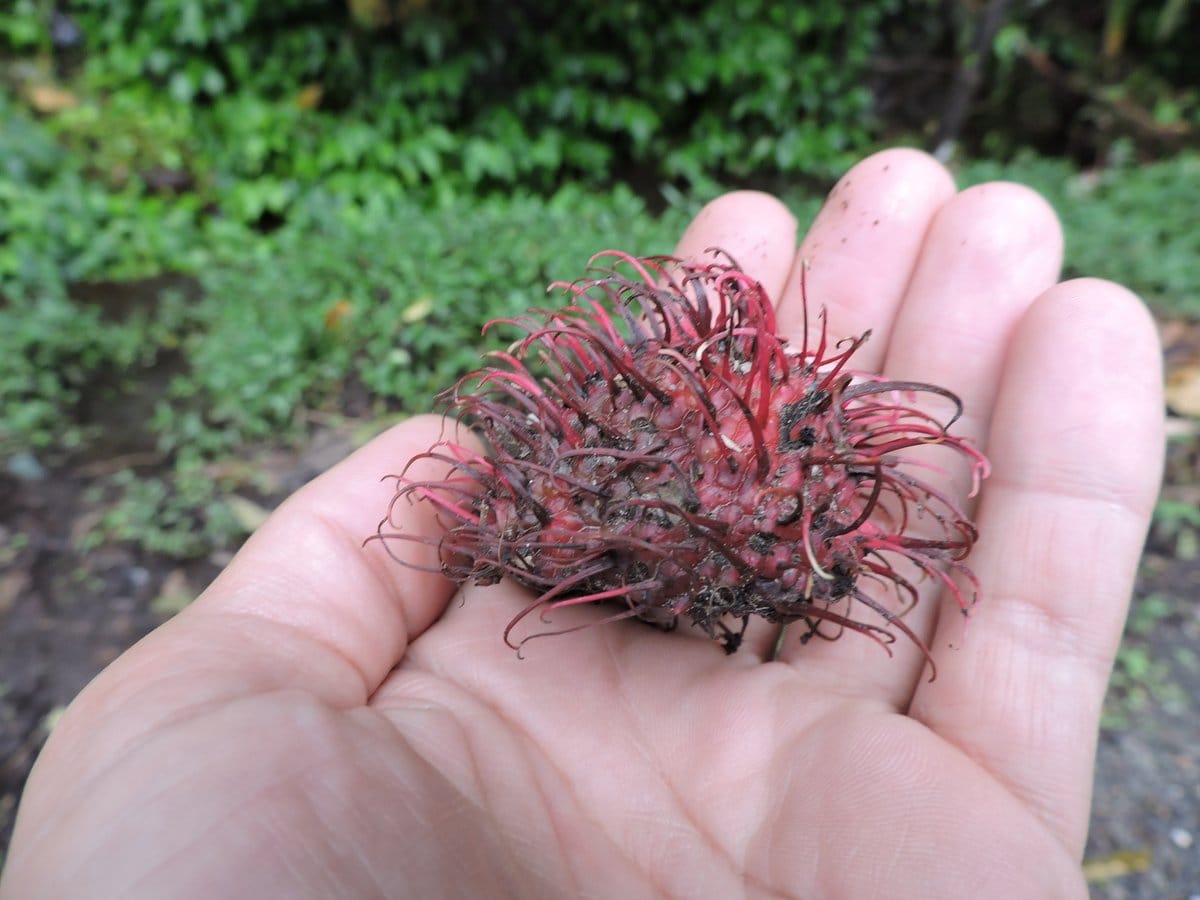
The Mamón Chino (Nephelium lappaceum), known internationally as Rambutan, is one of the most visually exotic fruits found in Costa Rica. Its striking appearance—red or yellow skin covered in soft, hair-like spines—makes it instantly recognizable. Native to Southeast Asia, the rambutan was introduced to Costa Rica's Caribbean lowlands in the early 1900s and found the humid climate of Limón Province ideal. Today, Costa Rica has become a significant producer, and mamón chino season brings these hairy jewels to markets nationwide. The name literally means "Chinese mamón," reflecting both its Asian origins and its resemblance to the native Spanish lime in how it's eaten.
Quick Reference
iNaturalist Observations
Community-powered species data
📸 Photo Gallery
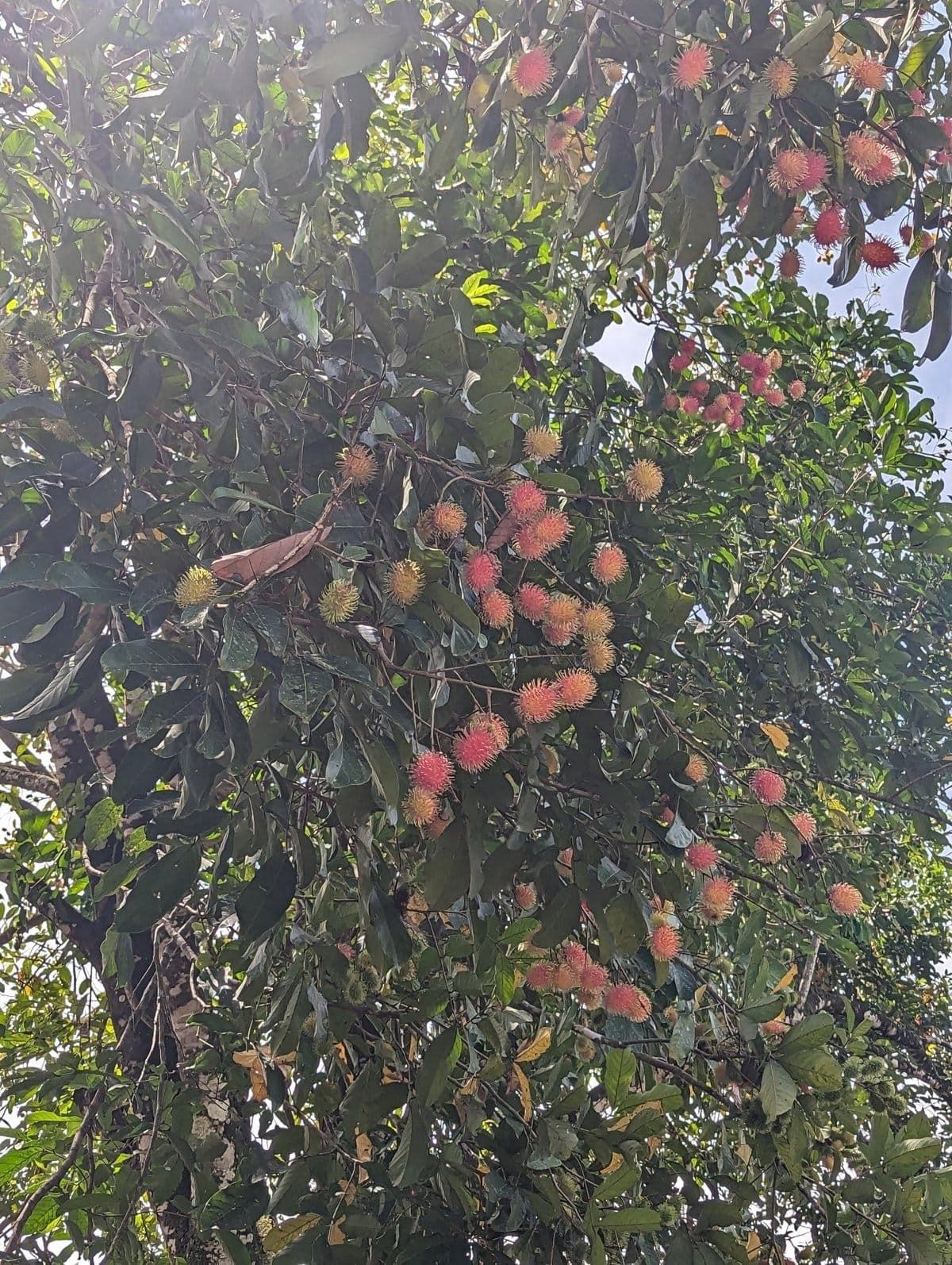
Whole tree
📷 (c) Fabrício Mil Homens Riella, some rights reserved (CC BY)(CC BY)
View source ↗Leaves
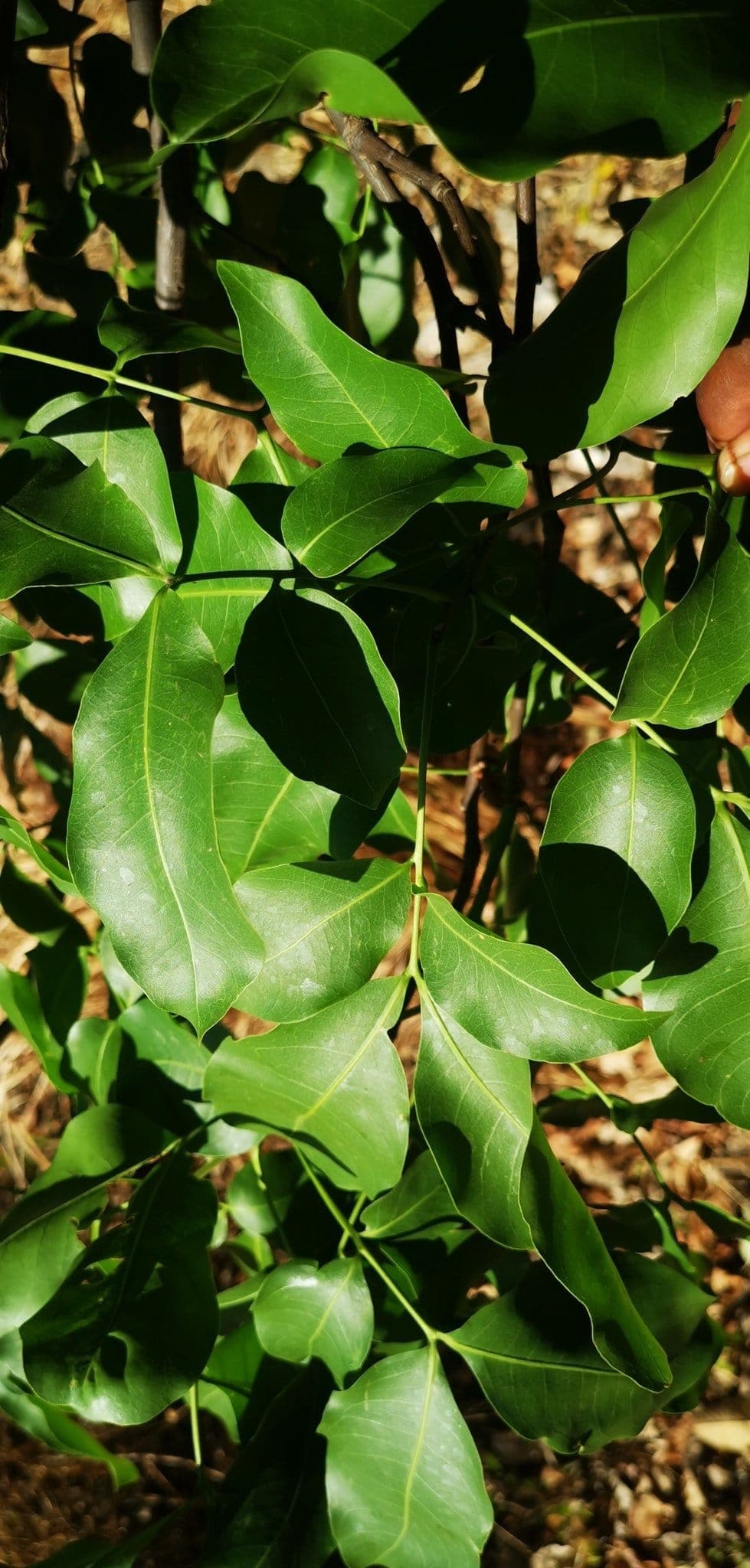
📷 (c) Fabrício Mil Homens Riella, some rights reserved (CC BY)(CC BY)
View source ↗Fruit
📷 (c) Sabrina, some rights reserved (CC BY-NC)(CC BY-NC)
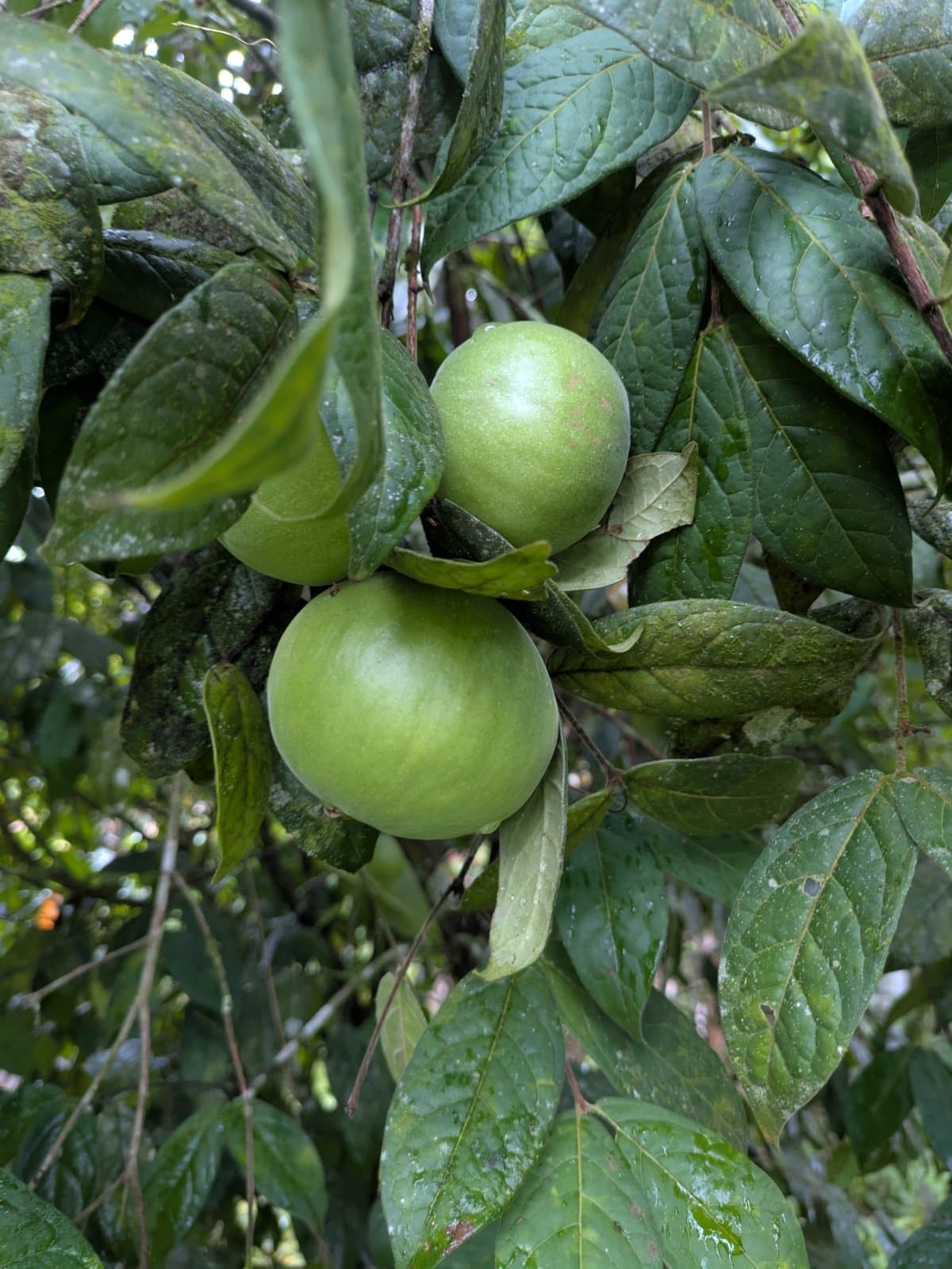
View source ↗Whole tree
📷 (c) amwhat, some rights reserved (CC BY-NC)(CC BY-NC)
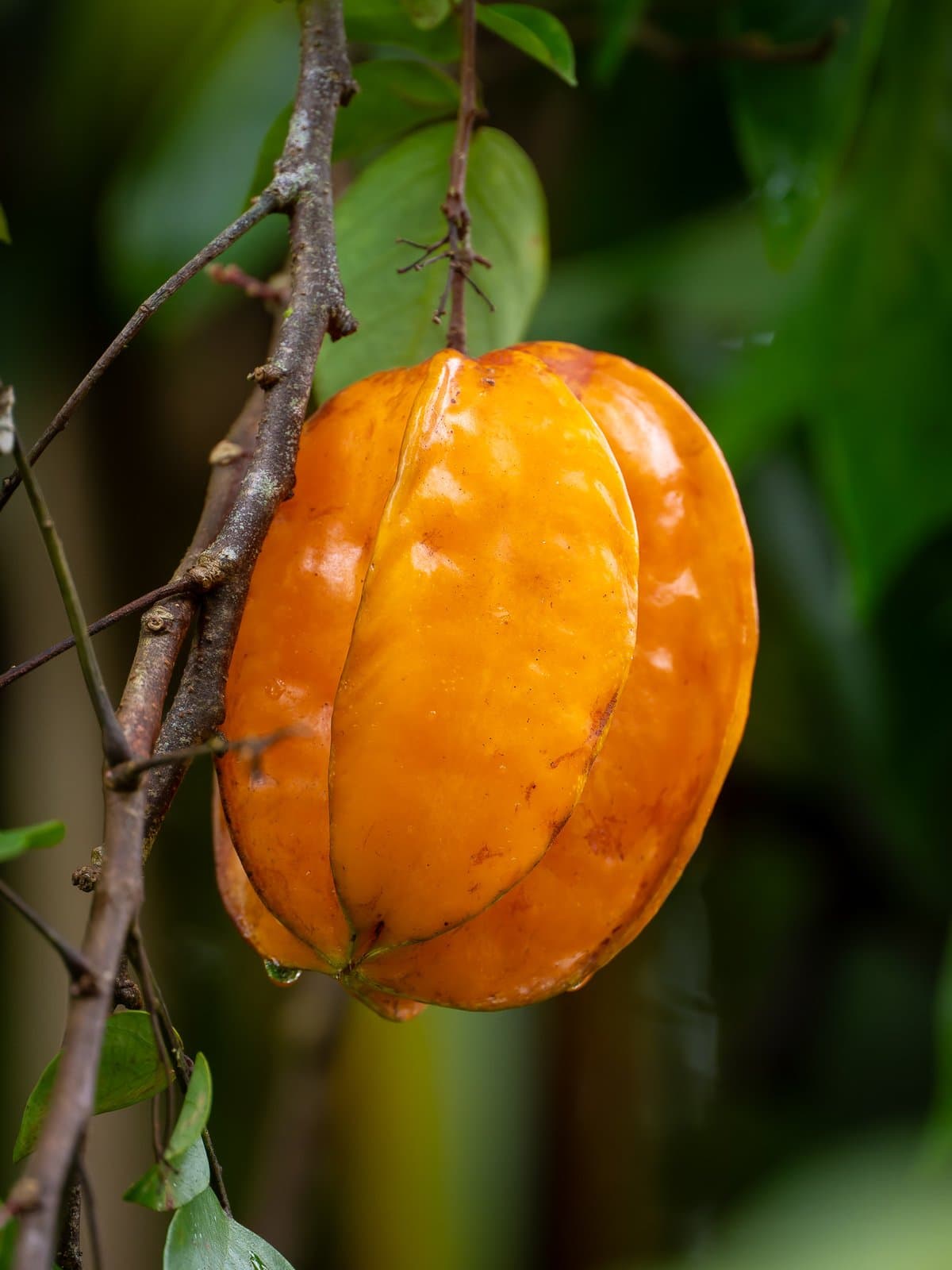
View source ↗Leaves
📷 (c) Eric Watts, some rights reserved (CC BY)(CC BY)
View source ↗Photos sourced from iNaturalist's community science database. Browse all observations →↗
Taxonomy and Classification
- Nephelium: Greek "nephele" meaning cloud (reference to seed coat) - lappaceum: Latin for "burr-like" (describing the fruit hairs) - Rambutan: From Malay "rambut" meaning hair - Mamón Chino: Spanish for "Chinese mamón" - Related to lychee and longan (same family)
Common Names
Related Species Comparison
Physical Description
General Form
The Mamón Chino is a medium to large evergreen tree with a dense, spreading crown. It's an attractive ornamental tree year-round, but becomes spectacular when heavy with clusters of red or yellow hairy fruits.
Identification Features
Bark and Trunk
- Bark color: Gray-brown
- Texture: Smooth to slightly rough
- Trunk: Straight, well-formed
- Branching: Dense, spreading
Leaves
- Type: Compound, pinnate
- Leaflets: 2-4 pairs (4-8 total)
- Size: Leaflets 7-20 cm long
- Shape: Elliptic to oblong
- Color: Dark green, glossy
- New growth: Reddish, attractive
Flowers
- Size: Small (2-5 mm)
- Color: Greenish-white
- Arrangement: Terminal and axillary panicles
- Fragrance: Light, sweet
- Types: Male, female, and hermaphrodite on same tree
Fruit (DISTINCTIVE!)
- Shape: Oval to round
- Size: 3-6 cm diameter
- Skin: Red or yellow with soft, hair-like spines
- Spines: 1-2 cm long, flexible (not sharp!)
- Flesh: Translucent white, grape-like
- Seed: Large, central, brown
- Taste: Sweet, slightly acidic, fragrant
Opening the fruit:
- Hold fruit firmly
- Make a shallow cut around the middle (bite or use thumbnail)
- Twist the two halves apart
- Pop out the white flesh
- Eat around the central seed
- Don't eat the seed!
Tips:
- The "hairs" are soft, not prickly
- Fresh is best—eaten within days of harvest
- Refrigerate to extend freshness
- The seed adheres to flesh in some varieties more than others
History in Costa Rica
How Rambutan Came to Costa Rica
Timeline of Introduction:
- Early 1900s: First trees brought to Costa Rica
- 1909-1913: German immigrants plant rambutan in Limón Province
- Mid-20th century: Trees spread through Caribbean lowlands
- 1970s-80s: Commercial production begins
- 1990s-present: Costa Rica becomes major Western Hemisphere producer
Why It Thrived: The Caribbean lowlands of Limón Province offer conditions remarkably similar to the rambutan's Southeast Asian homeland:
- High rainfall (3000-4000 mm/year)
- Warm temperatures year-round
- High humidity
- Rich volcanic soils
Today, Costa Rica is the largest rambutan producer in the Americas!
Ecology and Habitat
Distribution in Costa Rica
Climate Requirements
Optimal Conditions
- Temperature: 22-30°C (72-86°F)
- Rainfall: 2500-4000 mm annually
- Humidity: High (75-90%)
- Elevation: Sea level to 800 m
- Soil: Deep, well-drained, fertile
Sensitivities
- Cold: Very frost sensitive
- Drought: Poor tolerance
- Dry season: Stress reduces yield
- Wind: Damages fruit
- Waterlogging: Can cause root issues
Pollination Biology
Flower Types
- Male flowers: Produce only pollen
- Hermaphrodite: Function as female
- Ratio: Varies by cultivar
- Flowering: Synchronized flushes
Pollinators
- Bees: Primary pollinators
- Flies: Secondary visitors
- Wind: Minimal role
- Cross-pollination: Improves fruit set
Uses
Culinary Applications
Costa Rican Mamón Chino Industry
Costa Rica's rambutan industry is significant:
Production: Approximately 10,000 tons annually
Season: July-October peak, with secondary harvest possible
Export markets: United States, Europe, Canada
Fresh vs. Canned: Both fresh and canned fruit exported
Employment: Important seasonal income in Limón Province
Look for Costa Rican rambutans in international markets—they're highly regarded for quality!
Nutritional Value
Medicinal Uses
Other Uses
Cultivation
Growing Mamón Chino in Costa Rica
Production Cycle
Varieties Grown in Costa Rica
Cultural Significance
In Costa Rican Life
Mamón Chino Season
When mamón chino season arrives (July-October), Costa Rica experiences:
- Street vendors: Selling bunches at intersections
- Market abundance: Piles of hairy red fruit at ferias
- Family visits: To relatives in Limón Province
- School snacks: Favorite seasonal treat for children
- Restaurant features: Special seasonal dishes
The distinctive hairy appearance makes it one of the most recognizable "exotic" fruits for visitors to Costa Rica!
Economic Importance
Comparison: Mamón vs Mamón Chino
Conservation Status
IUCN Status: Least Concern (LC)
As a widely cultivated commercial crop, rambutan faces no conservation concerns. It has been successfully introduced throughout tropical regions and is commercially important in many countries. Wild populations in Southeast Asia are not threatened.
Sources: IUCN Red List↗, GBIF species profile↗, CABI Invasive Species Compendium: Nephelium lappaceum↗
Quick Identification Guide
Key Identification Features
- Medium-large tree (12-20 m) with dense, spreading crown 2. Compound leaves with glossy dark green leaflets 3. Reddish new growth on branch tips 4. Clusters of hairy fruits (the distinctive feature!) 5. Soft, flexible "hairs" covering oval fruits 6. Red or yellow fruit color when ripe 7. White, translucent flesh around large brown seed
External Resources
Global biodiversity occurrence data and distribution maps
Conservation status and species assessment
Community observations and photos
References and Further Reading
Safety Information Disclaimer
Safety information is provided for educational purposes only. Individual reactions may vary significantly based on age, health status, amount of exposure, and individual sensitivity. Always supervise children around plants. Consult a medical professional or certified arborist for specific concerns. The Costa Rica Tree Atlas is not liable for injuries or damages resulting from interaction with trees described in this guide.
• Always supervise children around plants
• Consult medical professional if unsure
• Seek immediate medical attention if poisoning occurs
Information compiled from authoritative toxicology sources, scientific literature, and medical case reports.
Help improve this page
Know something about this tree? Share local knowledge, suggest a correction, or submit a photo to improve this guide for everyone.