Guanábana
Annona muricata
Quick facts
Native Region
Caribbean, Central America, northern South America
Max Height
5-10 meters (16-33 feet)
Family
Annonaceae
Conservation
LC — Least Concern
Uses
Safety Information
CAUTION
The fruit pulp is safe and nutritious when properly prepared. Always remove ALL seeds before eating or juicing. Do not give seeds to children or pets. Use leaf tea medicinally with caution and in moderation. Pregnant women should consult healthcare providers before consuming leaf preparations. The fruit itself poses no toxicity risk—only seeds, leaves, and roots require caution.
Toxicity Details
The SEEDS of guanábana are TOXIC and should NEVER be consumed. Seeds contain annonacin and other acetogenins that are neurotoxic. Ingestion of seeds can cause nausea, vomiting, and neurological symptoms. The FRUIT PULP is SAFE and delicious when seeds are completely removed. The LEAVES are used in traditional medicine but contain the same neurotoxic compounds as seeds—excessive consumption of leaf tea has been linked to atypical Parkinsonism. Moderation is key with any herbal use. ROOTS also contain toxic compounds.
Wildlife & Pet Risks
Seeds are toxic to most mammals including pets and livestock. Fruit pulp (seedless) is safe for many animals.
First Aid & Emergency Response
• If ingested, seek immediate medical attention. Do not induce vomiting unless directed by medical professional.
• If sap contacts skin, wash immediately with soap and water. Seek medical attention if blistering or severe irritation occurs.
• If sap enters eyes, flush immediately with clean water for 15 minutes and seek emergency medical care.
Costa Rica Emergency: 911
Costa Rica Poison Control: 2223-1028
Season
Flowering
Mar-Jun
Fruiting
Jun-Oct
How to identify
Guanábana (Soursop)
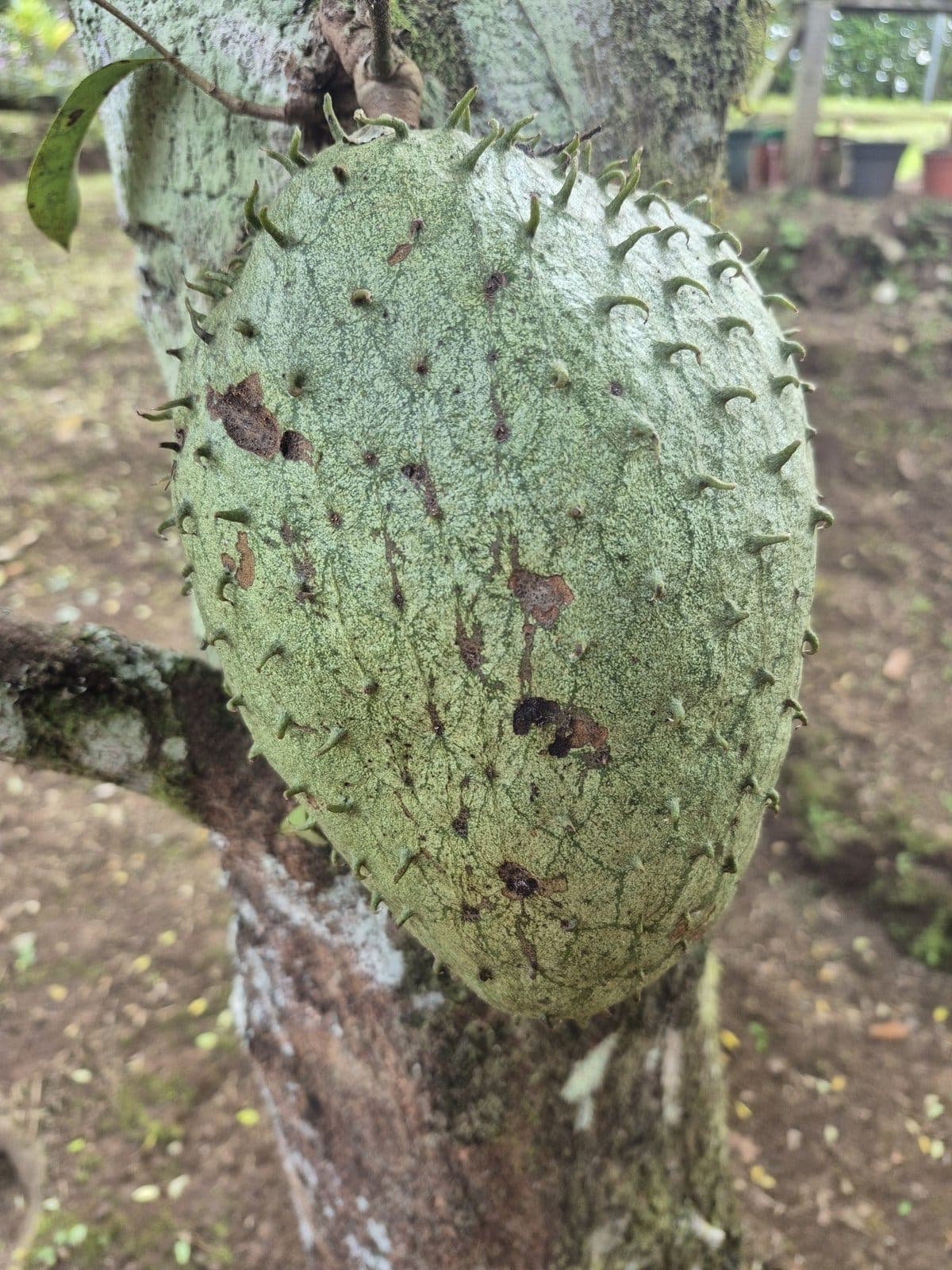
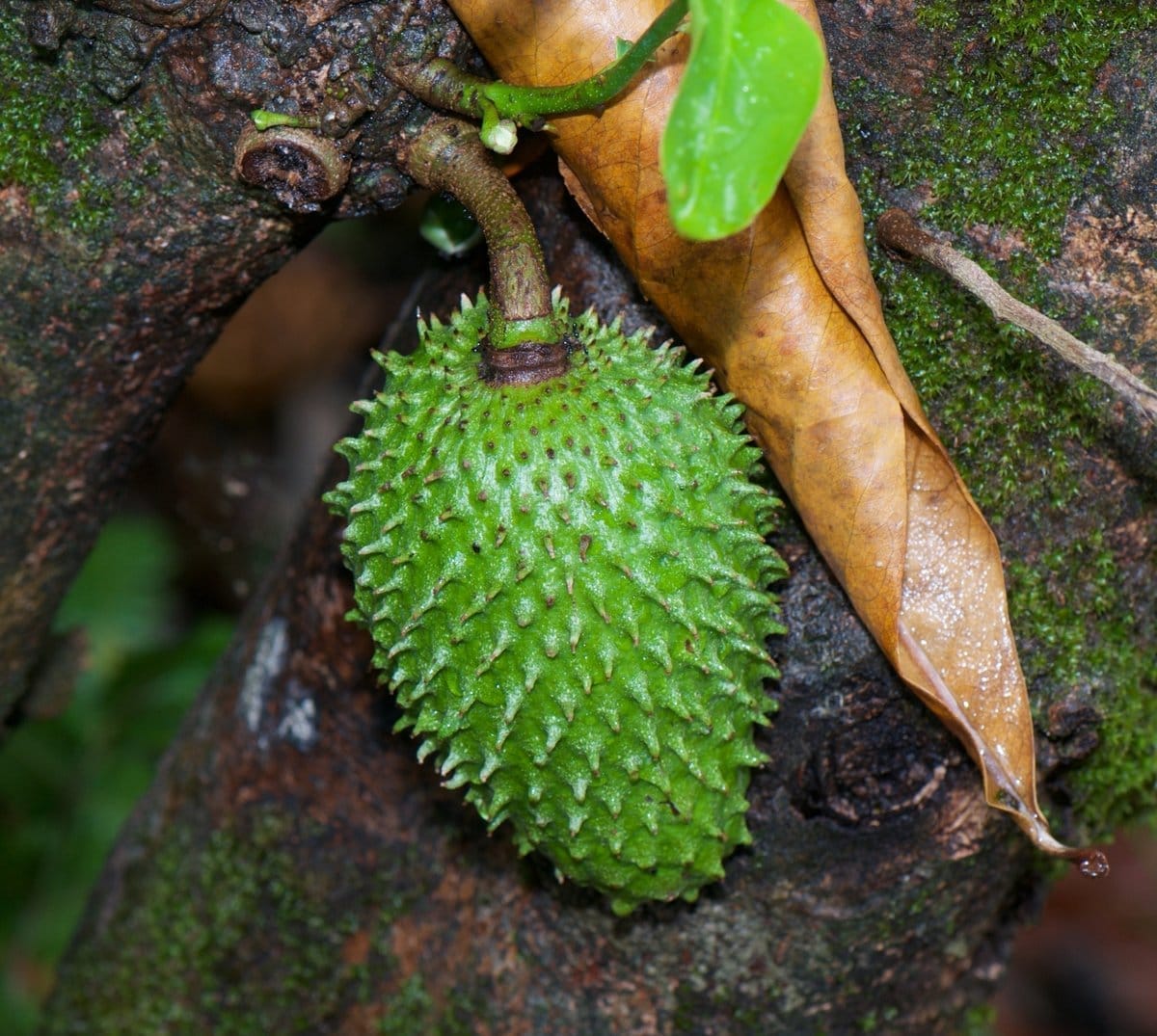
The Guanábana (Annona muricata), known in English as Soursop, produces one of the most distinctive and beloved fruits in the tropical world. Its large, heart-shaped fruits covered in soft spines contain a creamy white pulp with an unforgettable flavor—a complex combination of strawberry, pineapple, and citrus with a delightfully tangy undertone. Native to the Caribbean and Central America, the guanábana has been cultivated since pre-Columbian times and remains one of the most sought-after tropical fruits. In Costa Rica, jugo de guanábana (soursop juice) is a refreshing staple, and the fruit's unique flavor makes it perfect for ice creams, smoothies, and traditional remedies.
Quick Reference
iNaturalist Observations
Community-powered species data
📸 Photo Gallery
Whole tree
📷 (c) Jonathan Eisen, some rights reserved (CC BY)(CC BY)
View source ↗Leaves
📷 (c) Jo Jiménez, some rights reserved (CC BY-NC)(CC BY-NC)
View source ↗Whole tree
📷 (c) Jo Jiménez, some rights reserved (CC BY-NC)(CC BY-NC)
View source ↗Leaves
📷 (c) Jo Jiménez, some rights reserved (CC BY-NC)(CC BY-NC)
View source ↗Whole tree
📷 (c) Kim Brown, some rights reserved (CC BY-NC)(CC BY-NC)
View source ↗Photos sourced from iNaturalist's community science database. Browse all observations →↗
Taxonomy and Classification
- Annona: From Taíno "anón" (a fruit name) - muricata: Latin for "prickly" or "spiny" - Guanábana: From Taíno indigenous language - Part of the custard apple family (Annonaceae)
Common Names
Related Species in Costa Rica
Physical Description
General Form
The Guanábana is a small to medium-sized evergreen tree with a spreading canopy. It has large, glossy leaves and produces its spectacular fruits directly on the trunk and older branches. The tree is relatively compact, making it ideal for home gardens.
Identification Features
Bark and Trunk
- Bark color: Grayish-brown
- Texture: Smooth when young, slightly rough with age
- Branching: Low, spreading habit
- Form: Often multi-stemmed
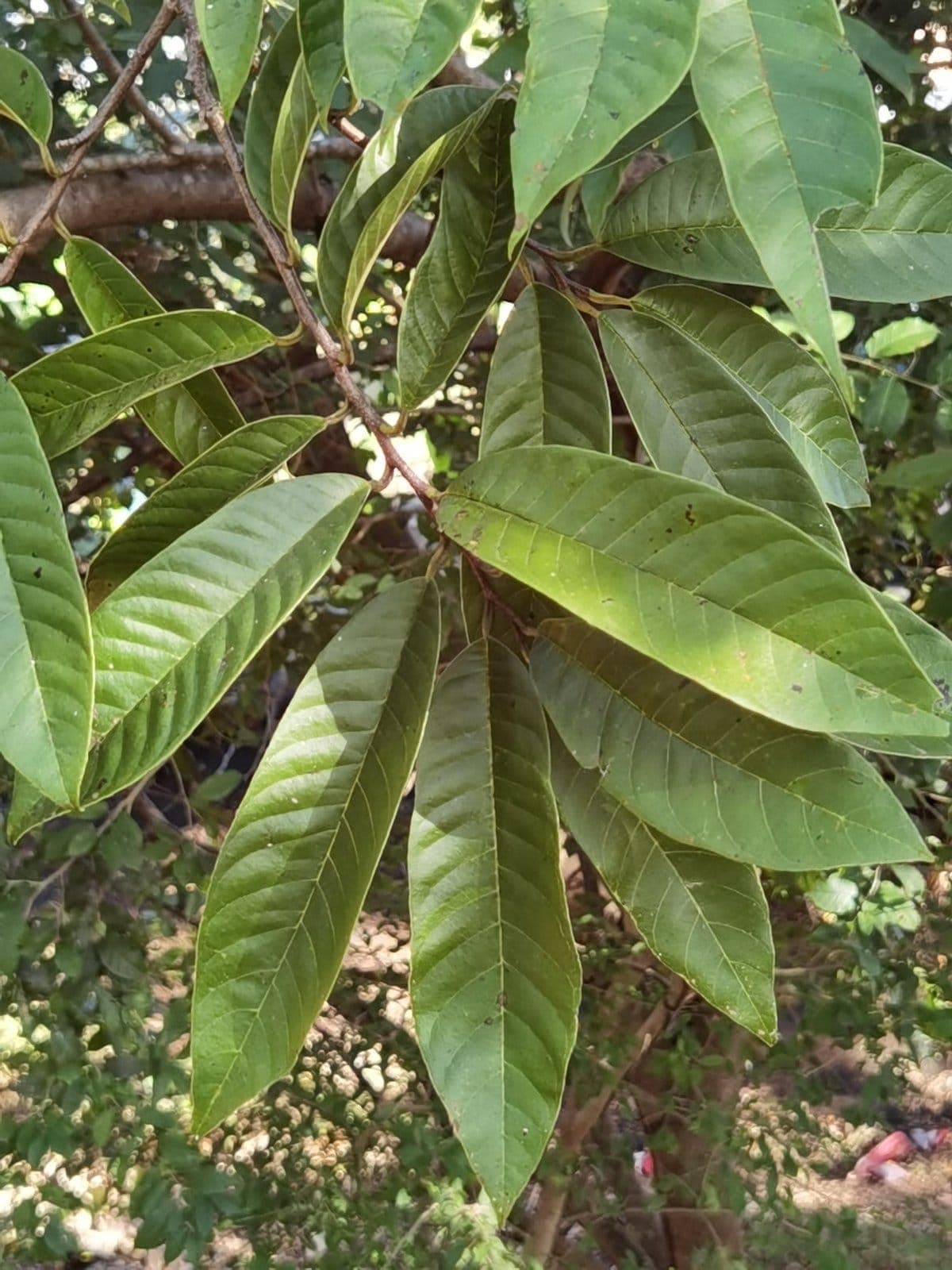
Leaves
- Type: Simple, alternate
- Shape: Oblong to oval
- Size: 6-18 cm long
- Texture: Glossy, leathery
- Color: Dark green above, lighter beneath
- Scent: Slightly aromatic when crushed
Flowers
- Location: On trunk and branches (cauliflorous)
- Size: 3-5 cm diameter
- Color: Yellow-green, fleshy petals
- Structure: 6 thick, triangular petals in 2 whorls
- Fragrance: Sweet, slightly musky
- Timing: Throughout year, peak in dry season
Fruit
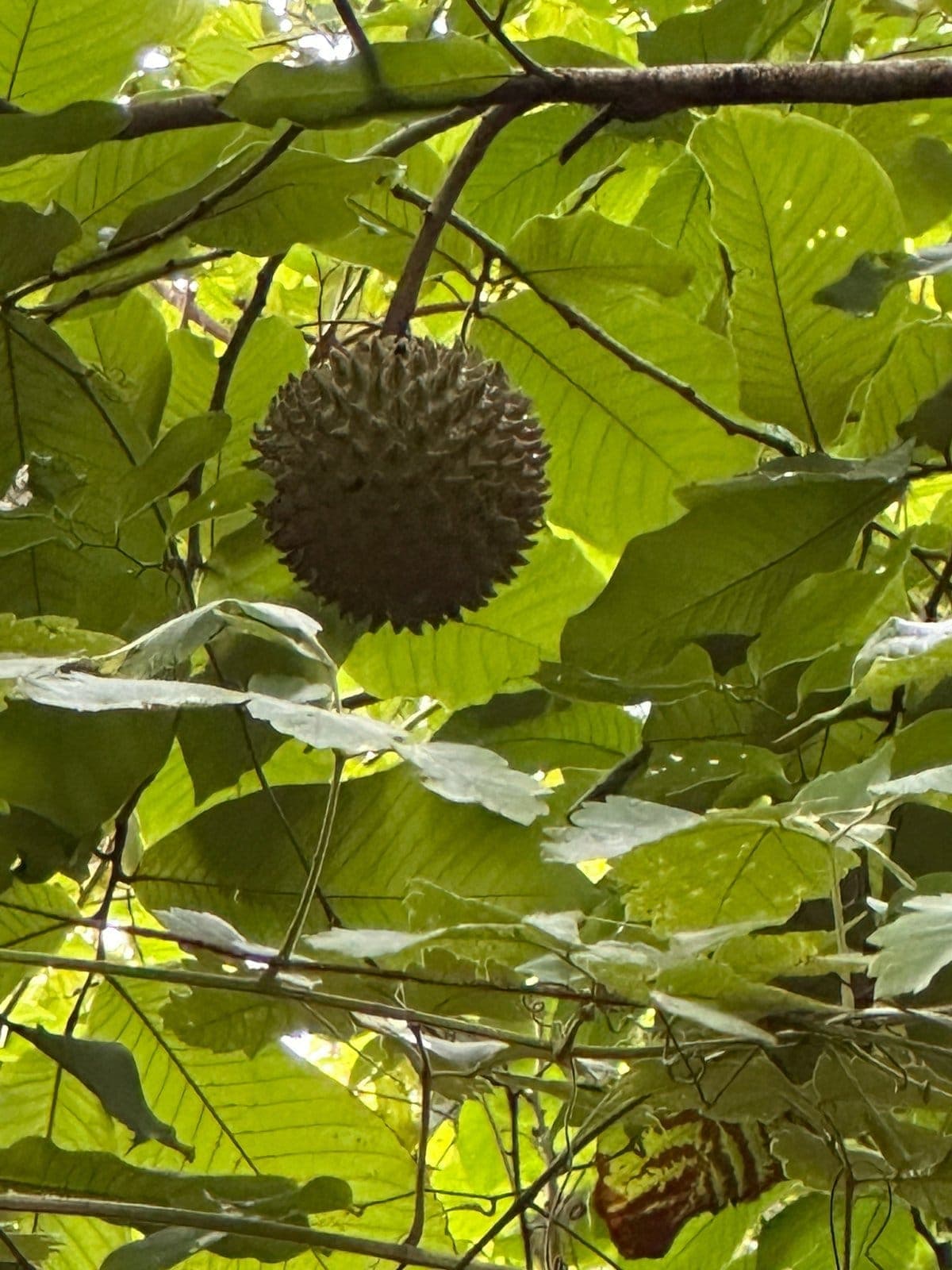
- Shape: Heart-shaped to oval, irregular
- Size: 15-35 cm long, weighing 1-7 kg
- Skin: Green with soft, curved spines
- Flesh: Creamy white, fibrous
- Seeds: Black, smooth, numerous
A ripe guanábana will be: - Slightly soft to gentle pressure (like a ripe avocado) - Yellowish-green rather than dark green - Fragrant with a sweet, tropical aroma - Easily yielding spines that are soft, not rigid Do not wait until very soft—it may be overripe and fermented.
Ecology and Habitat
Natural Distribution
Climate Preferences
Optimal Conditions
- Temperature: 25-30°C (77-86°F)
- Rainfall: 1500-2500 mm annually
- Humidity: High, 60-80%
- Elevation: Sea level to 1000 m
- Soil: Rich, well-drained, slightly acidic
Tolerances
- Cold: Sensitive below 5°C
- Drought: Moderate tolerance when established
- Wind: Susceptible to wind damage
- Salt: Low tolerance
- Flooding: Poor tolerance
Wildlife Interactions
Pollinators
- Beetles: Primary pollinators
- Hand pollination: Often needed for best yields
- Self-pollination: Limited
Fruit Consumers
- Bats: Major seed dispersers
- Birds: Various species eat pulp
- Mammals: Monkeys, coatis
Pest Considerations
- Fruit flies: Major pest
- Mealybugs: Common
- Annona seed borer: Can damage fruit
- Anthracnose: Fungal disease
Uses
Culinary Applications
Classic Costa Rican Guanábana Refresco
Ingredients: Fresh guanábana pulp, water, sugar, ice, lime (optional)
Preparation:
- Remove seeds and fibrous core from ripe fruit
- Blend pulp with cold water (2:1 water to pulp ratio)
- Strain through mesh for smooth texture
- Add sugar to taste
- Serve over ice with a squeeze of lime
This refreshing drink is sold at sodas (local restaurants) throughout Costa Rica.
Sources: Morton, Fruits of Warm Climates - Soursop↗, FAO Ecocrop - Annona muricata↗, GBIF species profile↗
Medicinal Uses
Guanábana has been used in traditional medicine for centuries, but scientific evidence for many claims is limited. Consult healthcare providers before using for medical purposes.
Other Uses
Cultivation
Growing Guanábana
Production Notes
Nutrition
Health Benefits
Guanábana is valued for: - High in Vitamin C: Immune system support - Good fiber content: Digestive health - Antioxidants: Including acetogenins (under research) - Hydrating: High water content - Low fat: Heart-healthy option
Cultural Significance
In Costa Rican Culture
- Market staple: Found in all major markets
- Traditional beverage: Refresco de guanábana is iconic
- Home gardens: Commonly planted in patios
- Folk medicine: Long history of traditional use
- Regional identity: Symbol of tropical abundance
Economic Importance
Conservation Status
IUCN Status: Least Concern (LC)
The guanábana is widely cultivated and not considered threatened. However, wild populations in their native range face habitat loss pressures. The species is secure due to extensive cultivation.
Quick Identification Guide
Key Identification Features
- Small tree (5-10 m) with spreading canopy 2. Glossy, oval leaves that are aromatic when crushed 3. Large green fruits covered with soft spines 4. Creamy white flesh with numerous black seeds 5. Distinctive tangy-sweet aroma when ripe 6. Flowers directly on branches and trunk
External Resources
Global biodiversity occurrence data and distribution maps
Conservation status and species assessment
Community observations and photos
References and Further Reading
Safety Information Disclaimer
Safety information is provided for educational purposes only. Individual reactions may vary significantly based on age, health status, amount of exposure, and individual sensitivity. Always supervise children around plants. Consult a medical professional or certified arborist for specific concerns. The Costa Rica Tree Atlas is not liable for injuries or damages resulting from interaction with trees described in this guide.
• Always supervise children around plants
• Consult medical professional if unsure
• Seek immediate medical attention if poisoning occurs
Information compiled from authoritative toxicology sources, scientific literature, and medical case reports.
Help improve this page
Know something about this tree? Share local knowledge, suggest a correction, or submit a photo to improve this guide for everyone.