Papaya
Carica papaya
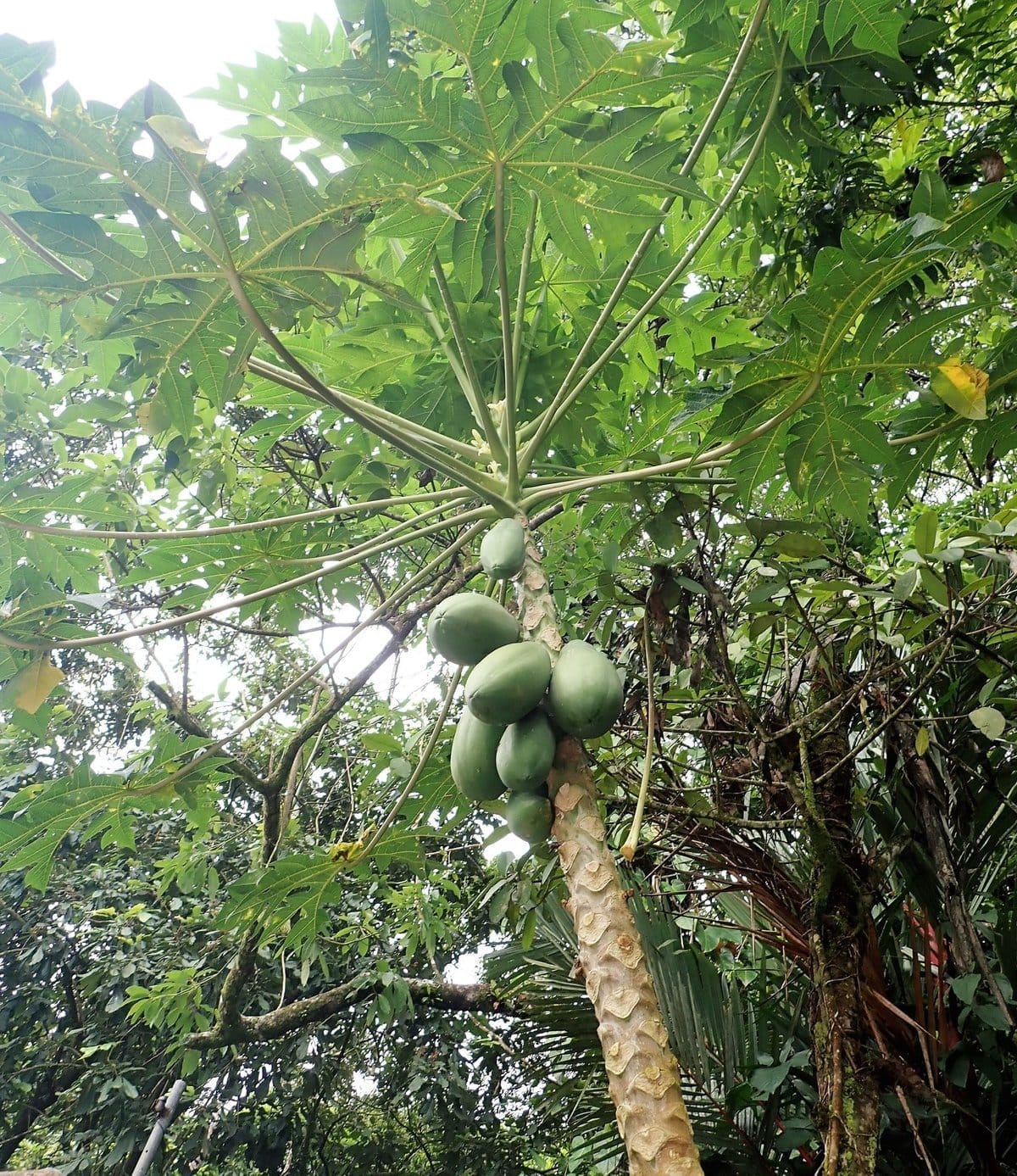
Quick facts
Native Region
Southern Mexico and Central America
Max Height
5-10 meters (16-33 feet)
Family
Caricaceae
Conservation
DD — Data Deficient
Uses
Safety Information
Toxicity Details
Ripe papaya fruit is safe and highly nutritious. However, the white latex from unripe fruit, stems, and leaves contains papain enzyme and other compounds that can cause digestive upset in large quantities. Unripe green papaya should be cooked before eating. The seeds contain small amounts of carpaine alkaloid - safe in normal amounts but not recommended in large quantities. Pregnant women should avoid unripe papaya and latex as they may stimulate contractions. Pets should not eat papaya seeds or leaves.
Skin Contact Risks
The white latex (sap) from any cut surface can cause skin irritation, itching, and dermatitis in sensitive individuals. The papain enzyme can break down proteins, potentially causing mild burns or allergic reactions. Some people develop latex allergy from repeated exposure. Wear gloves when harvesting or handling unripe fruit. Eye contact with latex causes irritation. Most reactions are mild and resolve quickly.
Allergenic Properties
Papaya contains chitinases that can cause latex-fruit syndrome in people with latex allergy. Cross-reactivity with kiwi, avocado, banana, and chestnut is common. Papain enzyme can cause respiratory sensitization in workers who process papaya industrially. Most people can eat ripe papaya without issues.
Season
Flowering
Jan-Dec
Fruiting
Jan-Dec
How to identify
Papaya (Tropical Melon Tree)
The Papaya (Carica papaya) is the quintessential tropical fruit tree, producing sweet, vitamin-rich fruits continuously throughout the year in Costa Rica's warm climate. Though originating from southern Mexico and Central America, it has spread worldwide and remains a cornerstone of Costa Rican nutrition and agriculture.
Quick Reference
iNaturalist Observations
Community-powered species data
📸 Photo Gallery
Whole tree
📷 (c) Asa Spade, some rights reserved (CC BY-NC)(CC BY-NC)
View source ↗Leaves
📷 (c) bugzilla, some rights reserved (CC BY-NC)(CC BY-NC)
View source ↗Whole tree
📷 (c) Nate Hartley, some rights reserved (CC BY-NC)(CC BY-NC)
View source ↗Leaves
📷 (c) bugzilla, some rights reserved (CC BY-NC)(CC BY-NC)
View source ↗Whole tree
📷 (c) bugzilla, some rights reserved (CC BY-NC)(CC BY-NC)
View source ↗Photos sourced from iNaturalist community science database. View all observations →↗
Taxonomy and Classification
- Carica: From Greek "karike" (a type of fig) - papaya: From Taino (Caribbean indigenous) language - Known as "pawpaw" in some regions (not to be confused with Asimina) - The fruit was called "fruta de bomba" in some Caribbean regions
Common Names
Physical Description
Overall Form
The Papaya is a fast-growing, short-lived tree with a single unbranched stem topped by a crown of large, deeply lobed leaves. The hollow trunk stores water and nutrients, and the tree produces fruits directly from the main stem, creating a distinctive appearance with fruits clustered just below the leaf crown.
Distinctive Features
Leaves
- Type: Simple, deeply palmately lobed
- Size: 50-70 cm diameter
- Lobes: 7-11, deeply cut
- Color: Dark green above
- Petiole: Very long, hollow
- Arrangement: Spiral at stem top
Trunk
- Type: Single, unbranched
- Interior: Hollow/spongy
- Surface: Scarred from fallen leaves
- Latex: White, contains papain
Flowers
- Types: Male, female, or hermaphrodite
- Male: Clusters on long stalks
- Female: Larger, near trunk
- Color: Creamy white to yellow
- Fragrance: Sweet, especially at night
Fruits
- Type: Berry
- Size: 15-45 cm long
- Weight: 0.5-5 kg
- Flesh: Orange to pink
- Seeds: Black, peppery taste
- Production: Year-round
Varieties in Costa Rica
Popular Cultivars
Nutritional Value
Powerhouse of Nutrients
Papaya is exceptionally rich in vitamin C (more than oranges!), vitamin A, folate, and digestive enzymes. One cup provides over 200% of daily vitamin C needs.
Vitamins & Minerals
- Vitamin C: 88mg per 100g (148% DV)
- Vitamin A: 47μg per 100g
- Folate: 37μg per 100g
- Potassium: 182mg per 100g
- Fiber: 1.7g per 100g
Special Compounds
- Papain: Digestive enzyme
- Chymopapain: Anti-inflammatory
- Lycopene: Antioxidant (red varieties)
- Beta-carotene: Vitamin A precursor
- Zeaxanthin: Eye health
Traditional and Modern Uses
Culinary Applications
Fresh Consumption
- Eaten ripe as fresh fruit
- Added to fruit salads
- Blended into smoothies
- Dried as fruit leather
- Fermented for wine
Cooking Uses
- Green papaya salads
- Meat tenderizer (enzyme)
- Candied papaya
- Jams and preserves
- Chutney and sauces
Medicinal Uses
Traditional and modern medicinal applications:
- Digestive aid: Papain enzyme helps protein digestion
- Wound healing: Latex applied to cuts
- Parasite treatment: Seeds used traditionally
- Skin care: Exfoliating properties
- Anti-inflammatory: Various preparations
The latex can cause allergic reactions in sensitive individuals. Consult healthcare professionals before medicinal use.
Growing Information
Cultivation Requirements
Growing Tips
- Drainage: Essential—papayas die in waterlogged soil
- Fertilization: Heavy feeders, need regular nutrients
- Sex selection: Hermaphrodite plants most desirable
- Life span: Productive for 3-4 years typically
- Spacing: 2.5-3 meters between plants
Companion Planting
Beneficial Companions:
- Low-growing herbs and vegetables: Basil, cilantro, oregano - utilize space under papaya without competing
- Legumes (beans, peas): Fix nitrogen, improve soil fertility for heavy-feeding papaya
- Nasturtiums: Living mulch, attract beneficial insects, edible flowers
- Marigolds (Tagetes): Repel nematodes and aphids, attract pollinators
- Comfrey: Deep roots bring up nutrients; leaves make potassium-rich mulch
- Lemongrass: Natural pest repellent, doesn't compete for resources
- Sweet potato: Ground cover that prevents erosion and retains moisture
Compatible Trees:
- Banana/Plantain (similar water and nutrient needs, provide windbreak)
- Young citrus trees (while papaya is productive, then citrus takes over)
- Pigeon pea (nitrogen fixation, structural support)
- Moringa (complementary growth, both fast-growing, different root zones)
Plants to Avoid:
- Other heavy-feeding fruit trees in immediate proximity (nutrient competition)
- Deep shade-producing trees (papaya needs full sun)
- Plants with aggressive surface roots (papaya has shallow roots)
- Brassicas (cabbage family) - may attract pests harmful to papaya
- Fennel (allelopathic - inhibits growth of many plants)
Agroforestry Integration:
- Excellent fast-growing pioneer in young food forests
- Perfect nurse tree for slower-growing fruit trees (provides quick food production while others mature)
- Works well in alley cropping with vegetables between rows
- Commonly intercropped with coffee in lower elevations
- Ideal for filling gaps in established orchards (3-4 year production window)
- Sequential planting recommended: new papayas every 1-2 years for continuous production
Seasonal Care Calendar
December-February (Dry Season):
- CRITICAL: Maintain consistent watering - papaya is extremely drought-sensitive
- Water deeply 2-3 times per week if no rain (young plants need daily water)
- Mulch heavily (15-20cm) to retain soil moisture and keep roots cool
- Apply high-nitrogen fertilizer monthly (papaya is a heavy feeder)
- Monitor for spider mites (more common in dry season)
- Harvest ripe fruit every 2-3 days (rapid ripening in warm weather)
- Scout for papaya ringspot virus (yellowing, stunted growth) - remove infected plants immediately
March-April (Transition to Rainy Season):
- Continue regular watering until rains establish
- Peak flowering and fruit set period
- Switch to balanced fertilizer (NPK 10-10-10 or similar)
- Thin excessive fruit clusters if plant is young (prevents stunting)
- Monitor for aphids on new growth and flower clusters
- Install support stakes if plants are loaded with fruit
- Check drainage in preparation for rainy season (papaya cannot tolerate waterlogging)
May-August (Rainy Season):
- Reduce or stop watering (natural rainfall sufficient)
- DRAINAGE CRITICAL - ensure no standing water around roots (causes fatal root rot)
- Monitor for fungal diseases: powdery mildew, anthracnose, phytophthora
- Major harvest period for most plants
- Fertilize every 6-8 weeks (rain accelerates growth and production)
- Scout for fruit flies - bag developing fruits if necessary
- Remove lower leaves as they yellow (improves air circulation, reduces disease)
- Stake plants in windy areas (shallow roots + heavy fruit = toppling risk)
September-November (Late Rainy/Transition):
- Continue harvest - papaya fruits year-round
- Reduce fertilization frequency
- Major replanting window: start new plants to replace aging trees
- Sex selection time: once flowering starts (6-8 months), keep hermaphrodites, remove males
- Prepare soil for new plantings (add compost, ensure excellent drainage)
- Prune dead leaves and harvest overripe fruits (reduces pest habitat)
- Consider replacing plants over 3 years old (declining productivity)
Ecological Relationships
Wildlife Interactions
Similar Species
Interesting Facts
Distribution in Costa Rica
Papaya Growing Regions
Major Production Areas:
Home Garden Prevalence:
Cultural Significance
In Costa Rica, the papaya is more than a fruit—it's a cultural institution. Nearly every rural home with any yard space has at least one papaya plant. The fruit appears on breakfast tables across the country, often served with a squeeze of lime. The famous "cas con papaya" drink combines papaya with sour guava, and green papaya is essential in certain traditional preparations. Children grow up learning to identify male, female, and hermaphrodite plants— practical botanical knowledge passed down through generations.
Conservation Status
IUCN Status: Data Deficient (DD) — wild ancestral populations carry an IUCN assessment of DD; the worldwide cultivated population is abundant and not under threat.
As a heavily cultivated species found worldwide, papaya faces no conservation threats in production landscapes. However, wild populations of the ancestral species (Carica papaya in its native form) and wild relatives (Vasconcellea species) in Central American cloud forests deserve monitoring and protection for their genetic diversity value.
In Costa Rica: Abundant in cultivation; wild relatives protected within national parks.
Where to See Papaya
Where to Experience Papaya in Costa Rica
Agricultural Tourism:
Wild Relatives:
At Costa Rican markets, look for papayas with yellow-orange skin that yields slightly to pressure. Locals prefer the elongated hermaphrodite fruits ("papaya maradol" or "papaya hawaiana") for their sweeter flavor and fewer seeds. Ask vendors which variety is sweetest that day.
External Resources
Community observations and photos
Kew Gardens taxonomic information
Comprehensive cultivation guide
Global production data
Global biodiversity occurrence data and distribution maps
Conservation status and species assessment
References
📚 Scientific References & Further Reading
Morton, J.F. (1987). Papaya (Carica papaya). Fruits of Warm Climates
Carvalho, F.A. & Renner, S.S. (2012). A dated phylogeny of the papaya family (Caricaceae) reveals the crop's closest relatives and the family's biogeographic history. Molecular Phylogenetics and Evolution
Ming, R. et al. (2008). The draft genome of the transgenic tropical fruit tree papaya. Nature
León, J. (1987). Botánica de los Cultivos Tropicales. IICA, San José, Costa Rica
The Papaya (Carica papaya) represents tropical abundance—a tree that gives generously, grows quickly, and asks for little in return. From Central American origins, it has spread to feed millions across the globe, yet remains deeply rooted in Costa Rican culture and daily life. Whether enjoyed fresh at breakfast, blended into a refreshing drink, or used to tenderize a traditional dish, the papaya continues to nourish and delight.
Safety Information Disclaimer
Safety information is provided for educational purposes only. Individual reactions may vary significantly based on age, health status, amount of exposure, and individual sensitivity. Always supervise children around plants. Consult a medical professional or certified arborist for specific concerns. The Costa Rica Tree Atlas is not liable for injuries or damages resulting from interaction with trees described in this guide.
• Always supervise children around plants
• Consult medical professional if unsure
• Seek immediate medical attention if poisoning occurs
Information compiled from authoritative toxicology sources, scientific literature, and medical case reports.
Help improve this page
Know something about this tree? Share local knowledge, suggest a correction, or submit a photo to improve this guide for everyone.