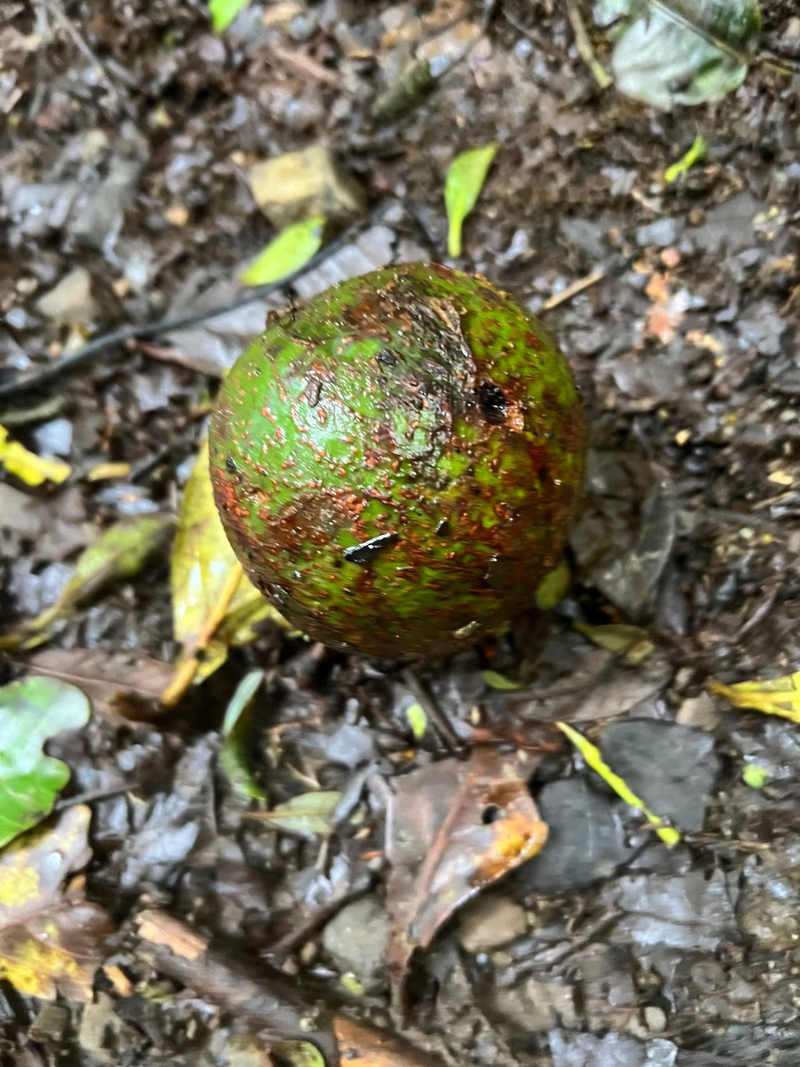
Aguacate
Persea americana
Quick facts
Native Region
Central America and Mexico
Max Height
10-20 meters (33-66 feet)
Family
Lauraceae
Conservation
LC — Least Concern
Uses
Safety Information
Toxicity Details
The fruit flesh is safe and highly nutritious for humans. However, leaves, bark, and pit contain persin, a fungicidal toxin that is HIGHLY TOXIC to many animals including horses, goats, cattle, rabbits, birds, and fish. Dogs and cats are moderately sensitive - large amounts can cause vomiting and diarrhea. The pit is a choking hazard and contains persin. Fruit skin may contain small amounts of persin. For humans, the fruit is safe - persin toxicity is primarily an animal concern.
Skin Contact Risks
Minimal risk for humans. Some individuals may experience mild skin irritation from handling leaves or sap. The latex from damaged bark can cause minor irritation in sensitive people. Avocado fruit rarely causes contact dermatitis. Most people handle avocados and trees without issues.
Allergenic Properties
Avocado allergy affects approximately 1-2% of population. People with latex allergy may have cross-reactivity (latex-fruit syndrome). Also cross-reacts with banana, kiwi, chestnut. Oral allergy syndrome can occur in people with birch pollen allergy. Reactions range from mild oral itching to serious symptoms. Avocado oil in cosmetics can cause allergic contact dermatitis in sensitized individuals.
Season
Flowering
Jan-Mar
Fruiting
Jun-Sep
How to identify
Aguacate (Avocado)
Aguacate (Persea americana) has been cultivated for over 5,000 years in Central America. The name comes from the Nahuatl word "ahuacatl," and this nutritious fruit tree remains a cornerstone of Costa Rican cuisine and agriculture.
Quick Reference
iNaturalist Observations
Community-powered species data
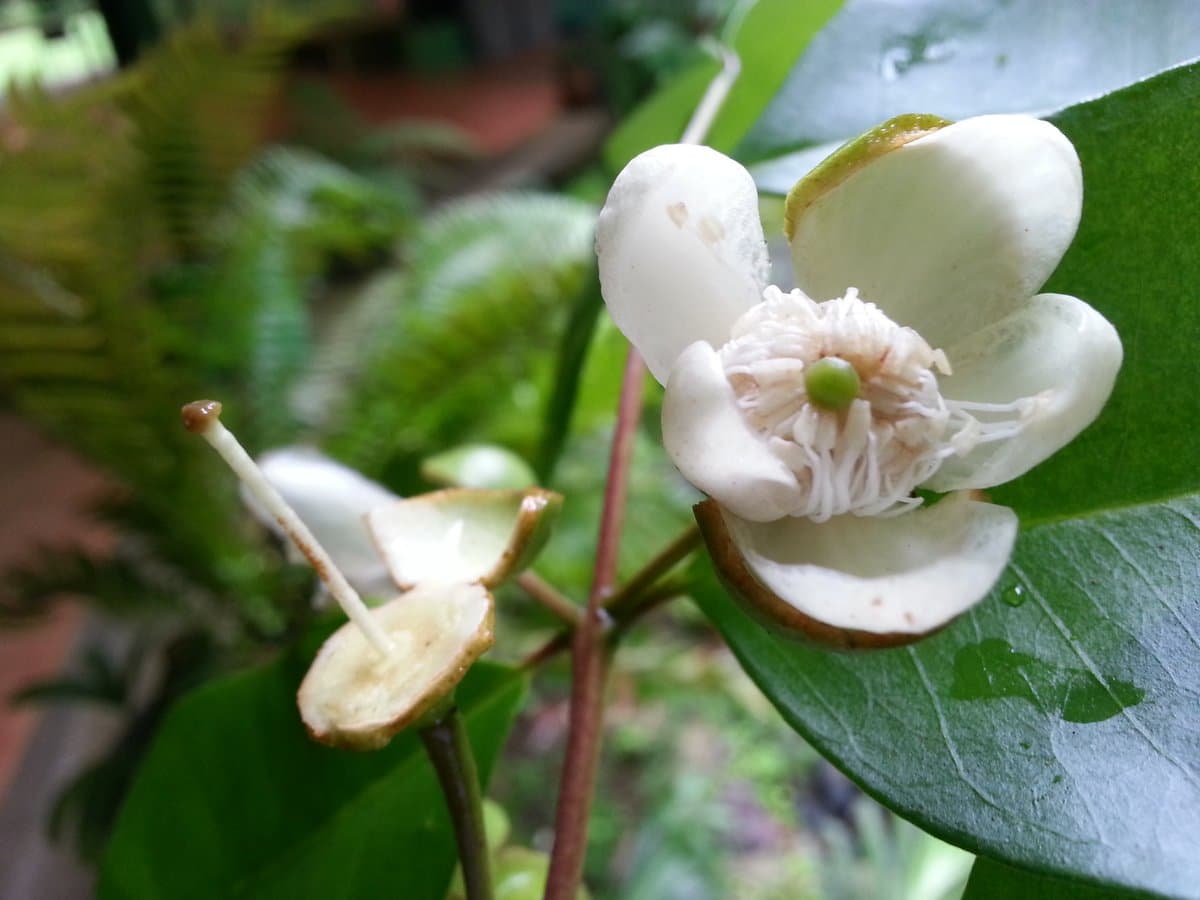
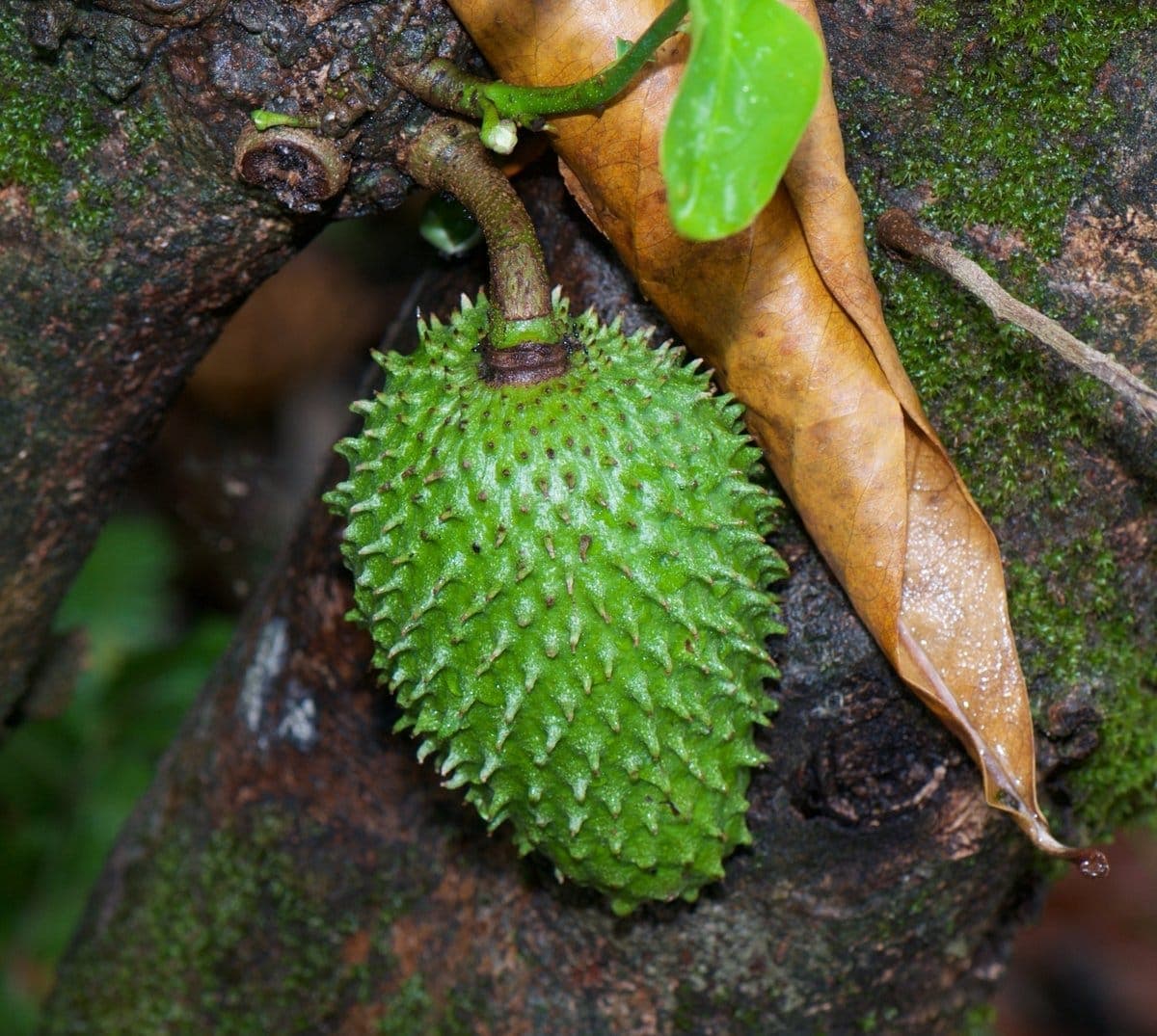
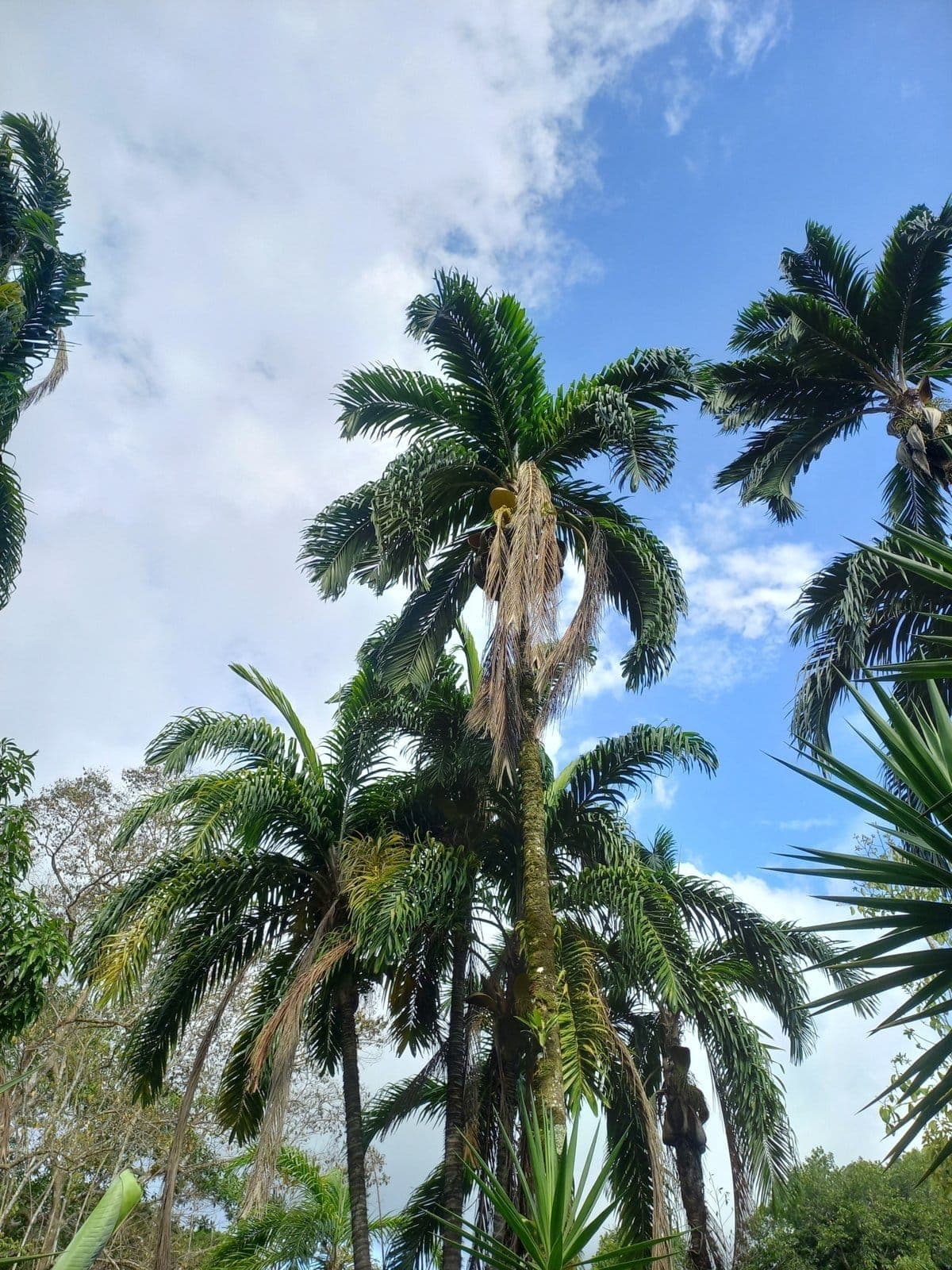
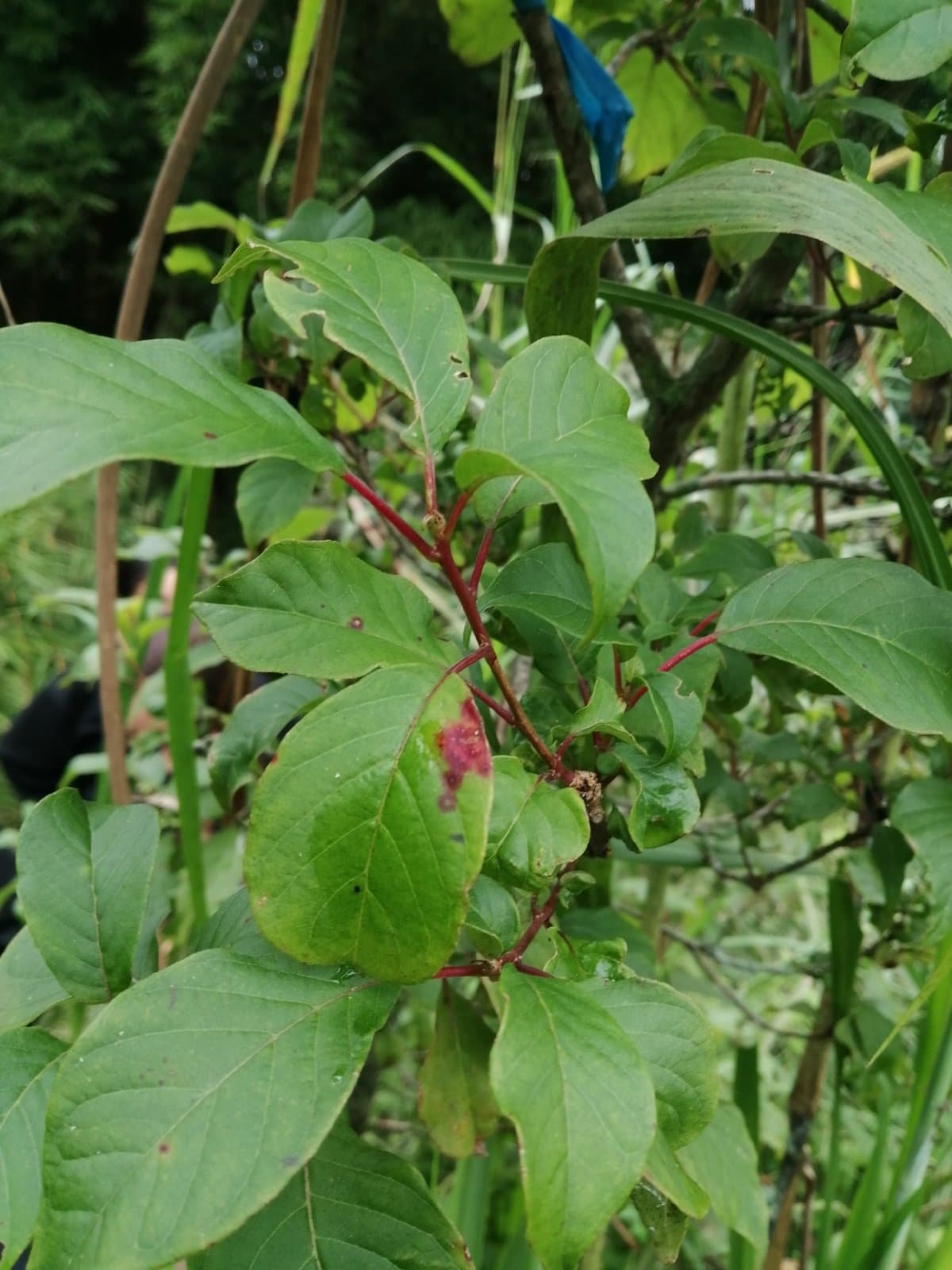
📸 Photo Gallery
Whole tree
📷 (c) Makena, some rights reserved (CC BY-NC)(CC BY-NC)
View source ↗Leaves
📷 (c) Makena, some rights reserved (CC BY-NC)(CC BY-NC)
View source ↗Whole tree
📷 (c) gloglomg, some rights reserved (CC BY-NC)(CC BY-NC)
View source ↗Leaves
📷 (c) Jenaro Campos Zamora, some rights reserved (CC BY-NC)(CC BY-NC)
View source ↗Whole tree
📷 (c) Kalion, some rights reserved (CC BY-NC)(CC BY-NC)
View source ↗Photos sourced from iNaturalist's community science database. Browse all observations →↗
Taxonomy & Classification
Geographic Distribution
Geographic Distribution
Where to Find Aguacate in Costa Rica
Primary Habitats:
Elevation: Sea level to 2,500 m (best production 800-2,000 m)
Habitat & Ecology
Ecological Role
Though primarily cultivated, wild avocados play important ecological roles:
Wildlife Associations
Animals that consume avocado:
The avocado's large seed was likely dispersed by now-extinct megafauna like giant ground sloths and gomphotheres. Today, humans are the primary dispersers of this "evolutionary anachronism."
Botanical Description
Uses & Applications
Avocados are exceptionally nutritious, containing healthy monounsaturated fats, potassium, fiber, vitamin E, B vitamins, and more. Costa Rican cuisine features aguacate in many traditional dishes.
Cultural Significance
History in Costa Rica
Traditional Uses:
Growing Aguacate
External Resources
Community observations, photos, and distribution data
Global observations
Authoritative taxonomic information from Kew
Royal Botanic Gardens, Kew
Global biodiversity occurrence data and distribution maps
Conservation status and species assessment
References
📚 Scientific References & Further Reading
Galindo-Tovar, M.E. et al. (2008). The Avocado (Persea americana, Lauraceae) Crop in Mesoamerica: 10,000 Years of History. Harvard Papers in Botany 13(2):325-334
Schaffer, B. et al. (2013). The Avocado: Botany, Production and Uses. CABI Publishing, 2nd Edition
The Aguacate (Persea americana) represents thousands of years of Mesoamerican agriculture and remains one of the region's greatest gifts to world cuisine. In Costa Rica, this versatile tree continues to thrive in home gardens and commercial orchards alike, providing nutritious fruit and connecting modern Costa Ricans to their ancient agricultural heritage.
🥑 ¡Pura Vida!
Safety Information Disclaimer
Safety information is provided for educational purposes only. Individual reactions may vary significantly based on age, health status, amount of exposure, and individual sensitivity. Always supervise children around plants. Consult a medical professional or certified arborist for specific concerns. The Costa Rica Tree Atlas is not liable for injuries or damages resulting from interaction with trees described in this guide.
• Always supervise children around plants
• Consult medical professional if unsure
• Seek immediate medical attention if poisoning occurs
Information compiled from authoritative toxicology sources, scientific literature, and medical case reports.
Help improve this page
Know something about this tree? Share local knowledge, suggest a correction, or submit a photo to improve this guide for everyone.