Monkey Comb Tree
Apeiba tibourbou
Quick facts
Native Region
Mexico through Central America and the Caribbean to tropical South America; native to Costa Rica
Max Height
15-30 meters
Family
Malvaceae
Conservation
LC — Least Concern
Uses
Safety Information
Toxicity Details
No known toxic compounds in any part of the tree. The inner bark yields mucilaginous fiber traditionally used for rope and handled without toxicity concerns. Leaves, bark, and fruit are not known to contain harmful substances. Considered non-toxic.
Skin Contact Risks
The spiny fruit capsules are the main skin contact hazard. The dense, stiff bristles covering the fruit can cause mechanical puncture and irritation if handled carelessly. The bristles are not chemically toxic but can embed in skin causing discomfort. Always use gloves when handling fallen fruit. Leaves and bark present no skin irritation risk.
Allergenic Properties
Low pollen allergenicity. The flowers are primarily insect-pollinated, reducing airborne pollen load. No significant cross-reactivity with common allergens documented.
Structural Hazards
Mature trees can drop heavy, spiny fruit capsules (5-8 cm diameter) from considerable height during fruiting season (June-October). These can cause injury if they strike people below. The falling fruit is the primary hazard. Wood is moderately soft but the tree structure is generally sound. Large surface roots may develop on buttressed specimens.
Wildlife & Pet Risks
No toxicity concerns for wildlife. The tree is an important food source — monkeys, bats, parrots, and other wildlife consume the seeds and associated structures. The spiny fruit provides physical protection for seeds from some predators while remaining accessible to adapted frugivores.
Season
Flowering
Mar-Jun
Fruiting
Jun-Oct
How to identify
Monkey Comb Tree (Peine de Mico)
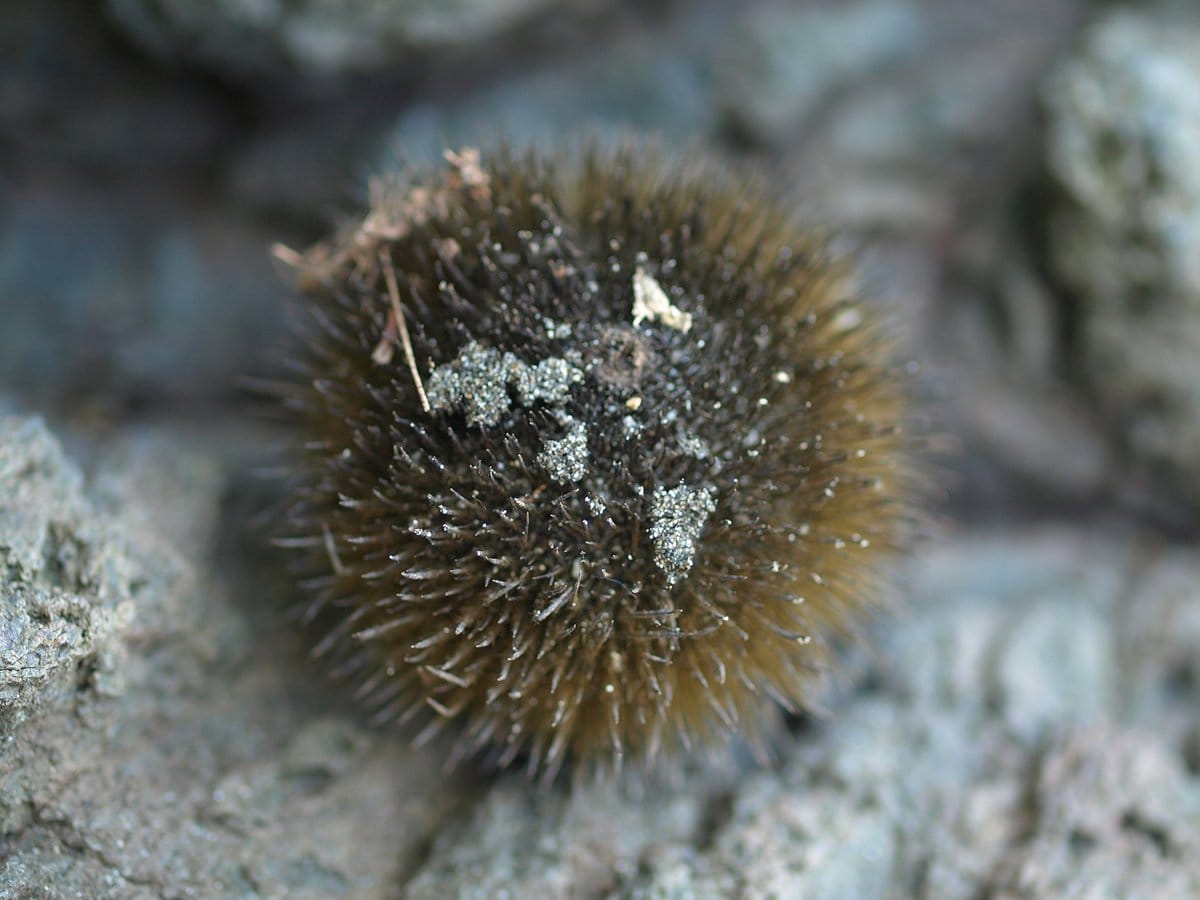
Peine de Mico (Apeiba tibourbou), or Monkey Comb Tree, is one of the most recognizable trees of Costa Rica's wet lowland forests — famous for its unmistakable spiny, ball-shaped fruit capsules that resemble tiny hedgehogs or the combs once used by monkeys in local folklore. This large, fast-growing tropical tree is a common sight in forest gaps, river edges, and secondary growth throughout the Caribbean and Pacific lowlands, where it plays a key role in forest dynamics and supports diverse wildlife.
Quick Reference
iNaturalist Observations
Community-powered species data
📸 Photo Gallery
Whole tree
📷 (c) Lena Struwe, some rights reserved (CC BY-SA)(CC BY-SA)
View source ↗Leaves
📷 (c) Lena Struwe, some rights reserved (CC BY-SA)(CC BY-SA)
View source ↗Habitat
📷 (c) Andreas Berger, some rights reserved (CC BY-NC)(CC BY-NC)
View source ↗Whole tree
📷 (c) Lena Struwe, some rights reserved (CC BY-SA)(CC BY-SA)
View source ↗Leaves
📷 (c) Lena Struwe, some rights reserved (CC BY-SA)(CC BY-SA)
View source ↗Taxonomy & Classification
Common Names by Region
Taxonomic Notes
Apeiba tibourbou was described by Aublet in 1775 from specimens collected in French Guiana. The genus Apeiba is placed in the family Malvaceae (formerly Tiliaceae), following modern molecular phylogenetic reclassification. The genus contains about 7–9 species, all Neotropical.
The genus name Apeiba is derived from a Carib indigenous name for the tree. The specific epithet tibourbou also derives from an indigenous South American name. These names reflect the long human relationship with this distinctive tree in Amazonian and Caribbean indigenous cultures.
Apeiba is closely related to Heliocarpus (Burío) and Luehea (Guácimo Molenillo), all sharing the characteristic mucilaginous bark, large leaves, and Malvales placement. The genus is distinguished by its unique spiny, globose fruit capsules — unlike anything else in the family.
Physical Description
Tree Form
Peine de Mico is a medium to large tree, typically 15–30 m tall, with a straight cylindrical trunk (30–70 cm diameter, occasionally larger) that may develop small buttresses at the base. The crown is broad, rounded to irregular, and moderately dense. The overall form is that of a typical canopy-gap species — somewhat lanky in forests but spreading and well-formed in open settings. The tree is semi-deciduous, losing some or most leaves briefly during the dry season.
Bark
The outer bark is grayish-brown, moderately rough with shallow furrows. The inner bark is remarkably fibrous and mucilaginous — similar to its relative Burío (Heliocarpus), it can be stripped into strong, flexible fiber suitable for cordage. When cut, the inner bark exudes a clear, slimy mucilage. The bast fibers are long, strong, and historically valued for rope-making. Old bark develops a finely checkered pattern with shallow horizontal and vertical fissures.
Leaves
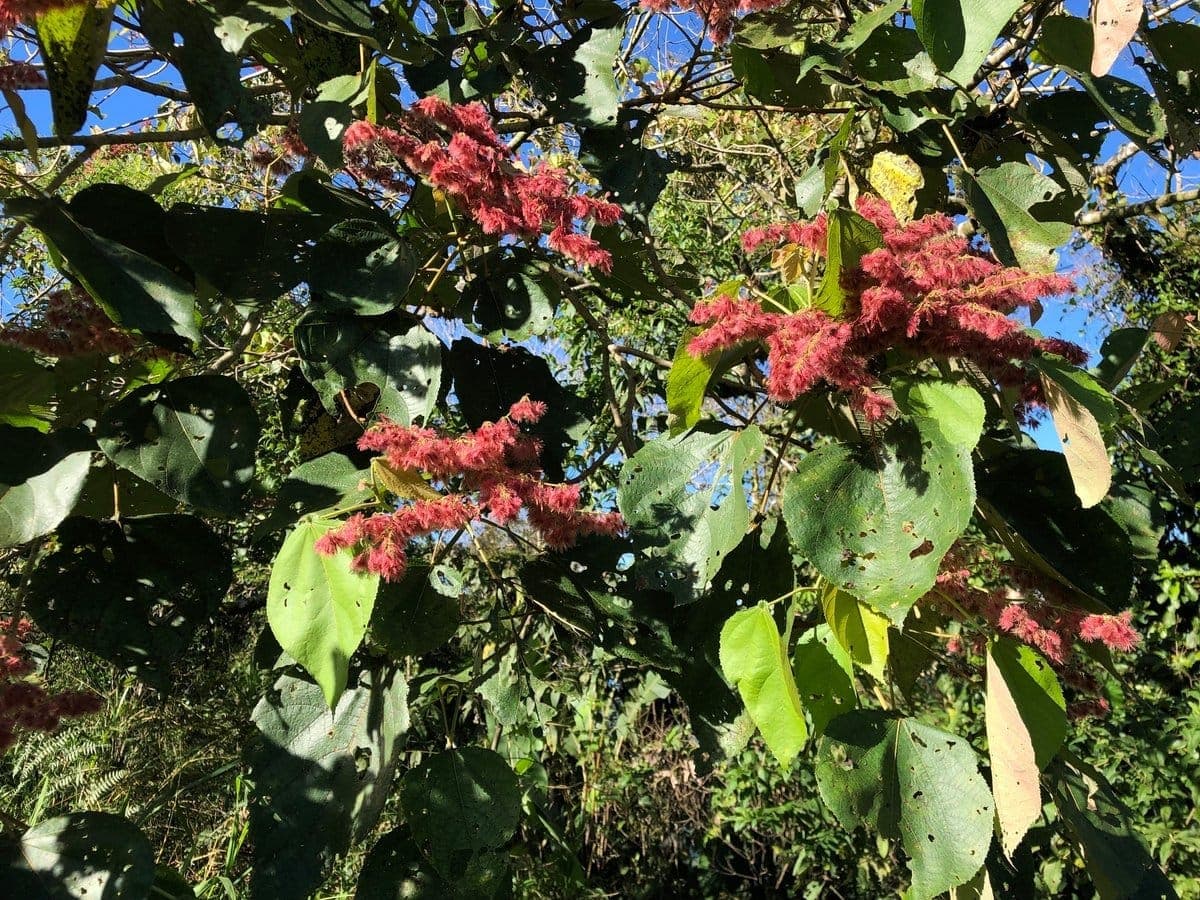
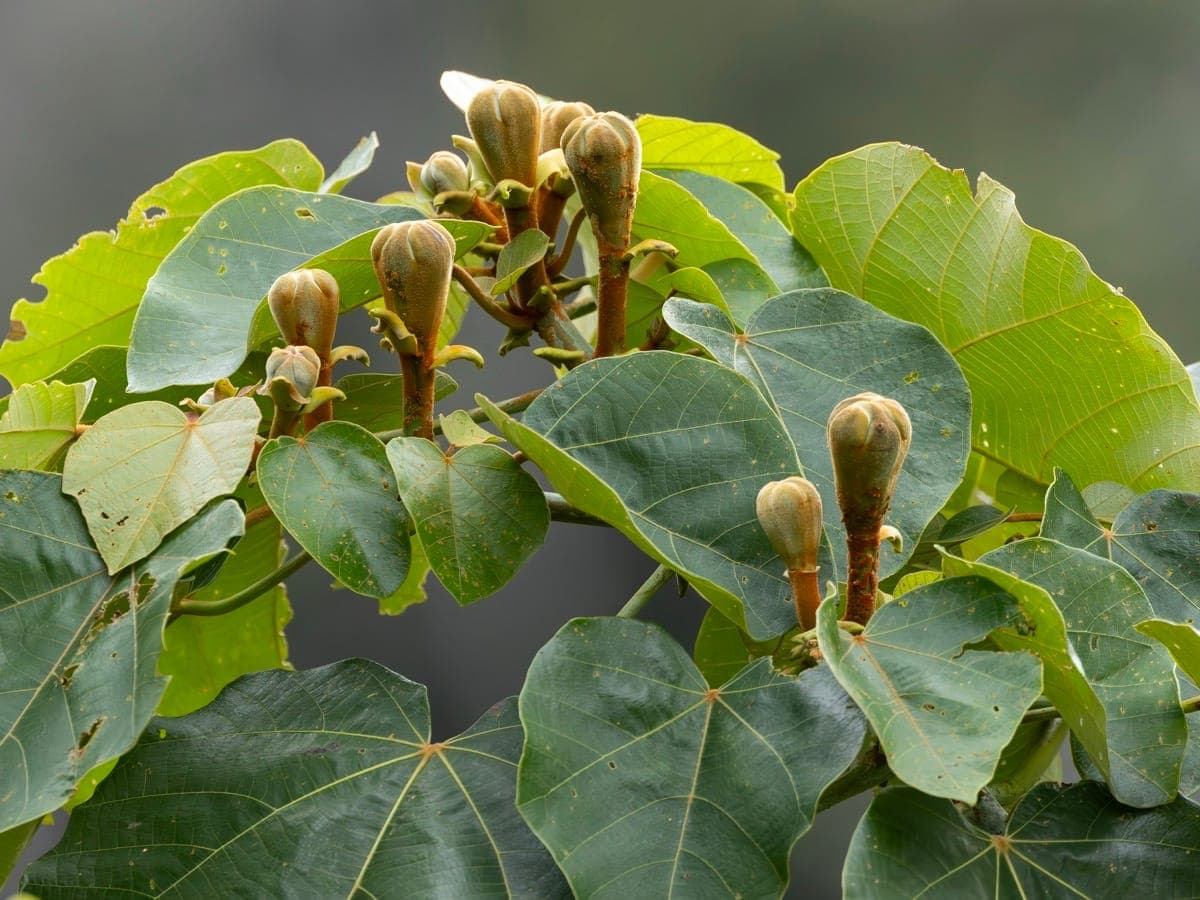
Leaves are simple, alternate, broadly ovate to cordiform (heart-shaped), very large — 15–35 cm long and 10–25 cm wide. Margins are finely serrate. Both surfaces are covered with stellate (star-shaped) pubescence, more densely on the underside, giving a velvety texture. The leaves are dark green above and pale gray-green below. Petioles are long (5–15 cm), stout, and also stellate-pubescent. Stipules are present but caducous (falling early). These are among the largest leaves of any Costa Rican canopy tree. Young expanding leaves emerge with a distinctive coppery-bronze coloration before turning green.
Flowers
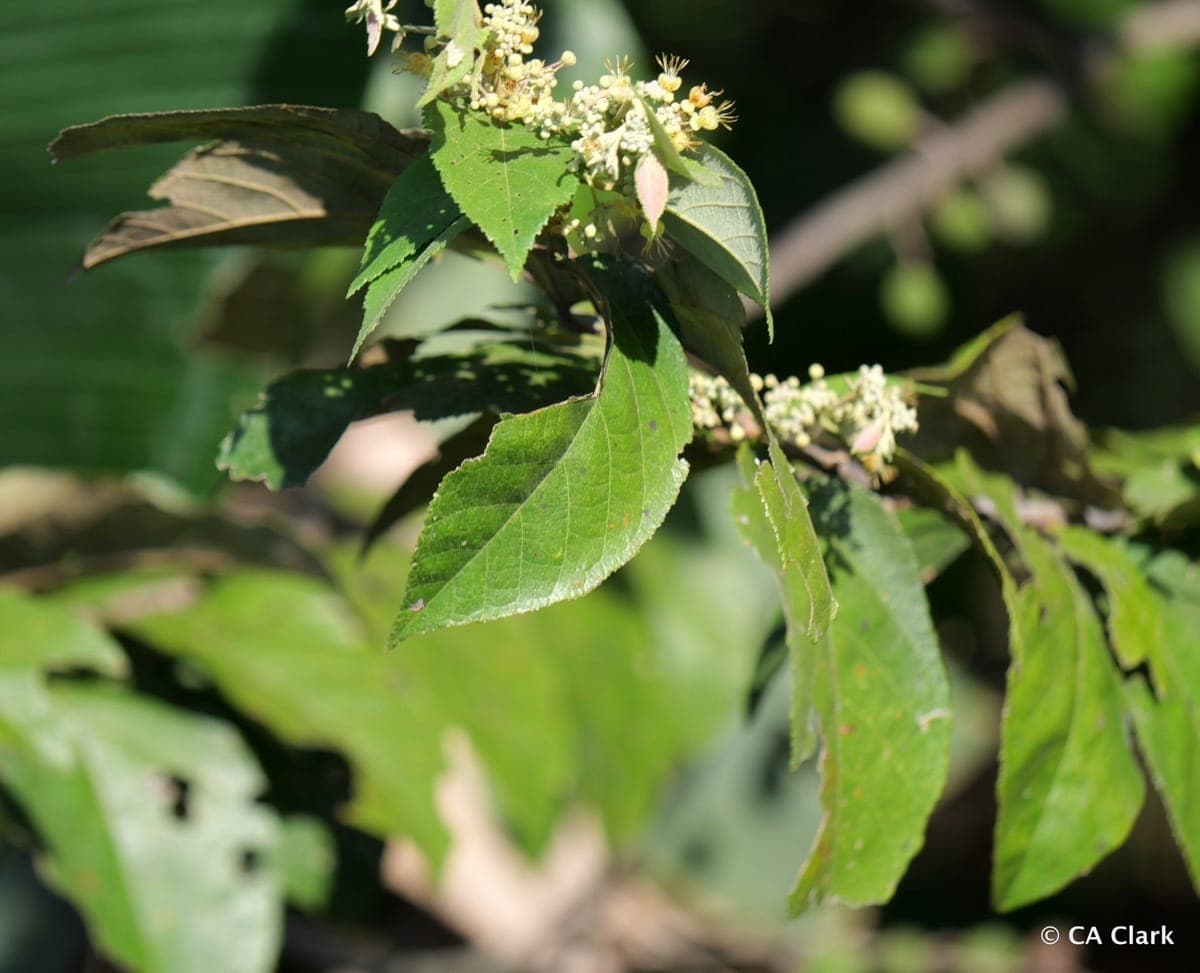
Flowers are showy and attractive: 3–5 cm in diameter, with 5 bright yellow petals and numerous purple-red stamens creating a striking bicolored display. Flowers are produced in terminal or subterminal cymes (clusters of 3–10 flowers). Each flower opens for one day. The flowers attract a diverse array of pollinators — primarily large bees (including Xylocopa carpenter bees and Eulaema orchid bees), but also hummingbirds, beetles, and various other insects. Flowering occurs at the transition from dry to wet season (March–June).
Fruit and Seeds
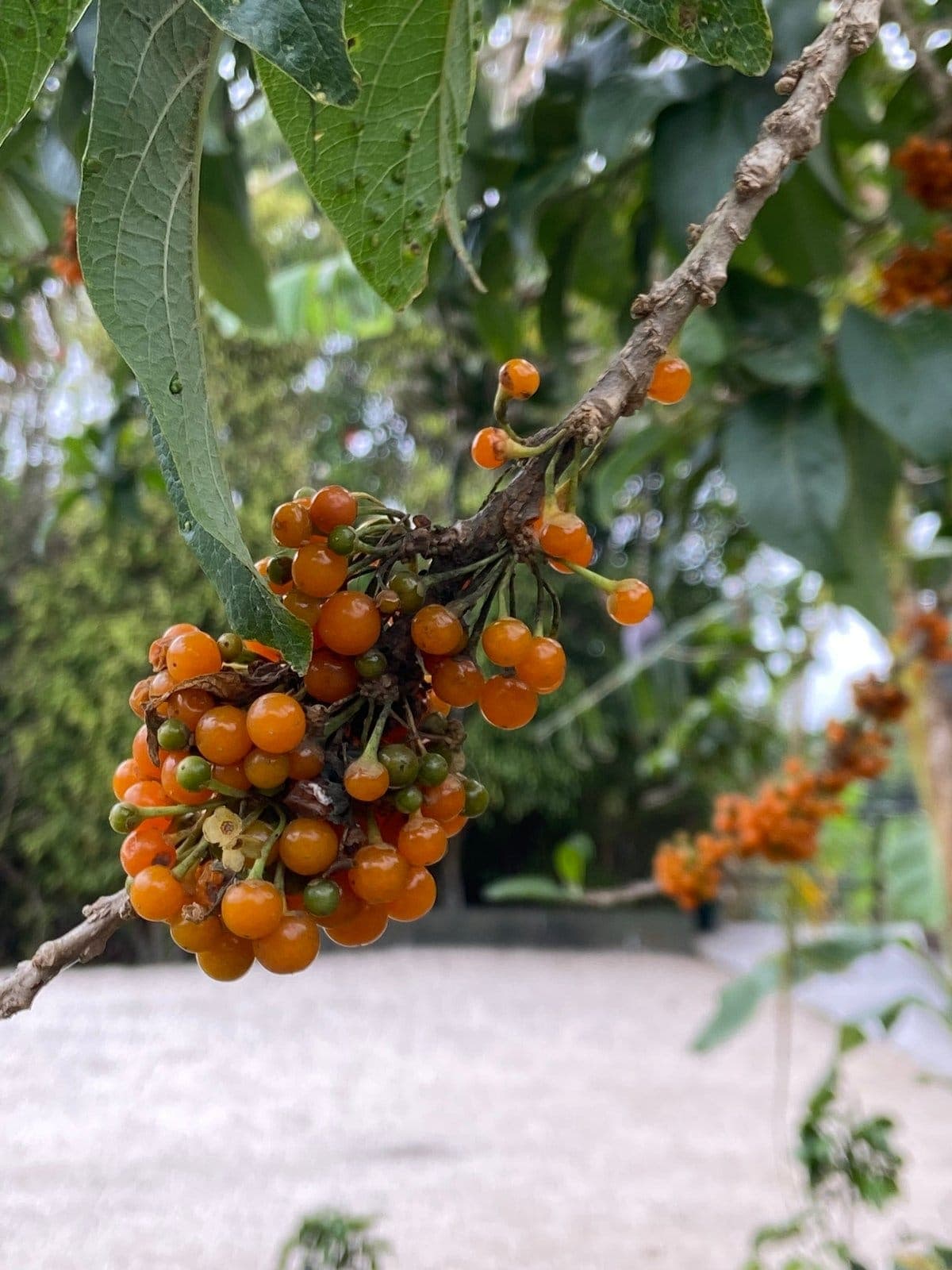
The fruit is the tree's most distinctive and recognizable feature. It is a flattened-globose capsule, 5–8 cm in diameter, densely covered with stiff, sharp bristles (1–2 cm long), creating a hedgehog-like or sea-urchin appearance. The capsule is green when developing, turning dark brown to black at maturity. When ripe, the capsule splits open to reveal numerous small seeds (3–4 mm) embedded in a sticky, sweet pulp.
The common name "Peine de Mico" (Monkey Comb) reportedly derives from the observation that monkeys manipulate the spiny capsules through their fur, as if using a comb. The name may also simply reflect the comb-like arrangement of the bristles.
Fruits persist on the tree and on the ground for months after dropping, making them a reliable identification feature year-round. They are commonly found along forest trails and used as natural history teaching objects.
Root System and Wood Anatomy
Peine de Mico develops a moderately shallow but extensive lateral root system, often with small plank buttresses at the base that increase stability in the wet, soft soils where the tree typically grows. The root system spreads broadly, competing effectively for surface nutrients in the litter-rich tropical forest floor. The wood is extremely lightweight (specific gravity 0.15–0.25), placing it in the same density range as balsa (Ochroma pyramidale). The grain is straight, the texture coarse with visible vessel elements, and the color is whitish to pale cream with no distinction between heartwood and sapwood. Growth rings are faint and irregular. Despite its softness, the wood has remarkably good nail-holding capacity relative to its density, which explains its traditional use in light construction.
Seasonal Appearance
During the brief dry season, Peine de Mico may lose 30–70% of its foliage, revealing the spiny fruit clusters that persist on bare branches — a striking silhouette against the sky. The spectacular yellow-and-purple flowers emerge on leafy new growth at the onset of the wet season, creating a dramatic visual display visible from considerable distance. By mid-wet season, the canopy is fully leafed and the developing green fruit capsules are hidden among the dense foliage. Fallen mature fruits accumulate on the forest floor during the late wet season and persist for many months.
Geographic Distribution
Global Range
Apeiba tibourbou is widely distributed from Mexico through Central America, the Caribbean islands, and throughout tropical South America to Bolivia and southern Brazil. It occurs from sea level to approximately 800 m elevation in humid tropical forests.
Distribution in Costa Rica
In Costa Rica, Peine de Mico is found primarily in wet lowland regions:
- Limón (Caribbean lowlands): Common in lowland wet forests, along rivers, and in secondary growth throughout Tortuguero, Talamanca, and Matina
- Puntarenas (Pacific lowlands): Abundant in Osa Peninsula, Golfo Dulce region, and other Pacific wet lowland areas
- Guanacaste: Present in transitional and humid zones, particularly in the Rincón de la Vieja and Arenal areas
- Central Valley foothills: Occasional at lower elevations (below 800 m) on both Caribbean and Pacific slopes
- Alajuela/Heredia: Found in the San Carlos and Sarapiquí lowlands
Elevation Range
Sea level to approximately 800 m, occasionally to 1,000 m. This is predominantly a lowland tree.
Biogeographic Notes
Apeiba tibourbou belongs to a small genus of about six species restricted to the Neotropics. Its broad distribution — from Mexico to Bolivia — is typical of lowland wet forest generalists that dispersed widely during warmer, wetter periods of the Tertiary. In Costa Rica, the species reaches its northern Central American limit; populations on the Pacific slope are somewhat disjunct from the continuous Caribbean-slope distribution, reflecting the barrier effect of the Central Volcanic Cordillera. The species' dependence on bat dispersal likely facilitated its colonization of isolated wet-forest fragments, as frugivorous bats regularly cross open landscapes. Genetic studies across its range suggest high connectivity between Mesoamerican and South American populations, indicating relatively recent gene flow through the Isthmus of Panama.
Habitat & Ecology
Ecological Role
Peine de Mico functions as a gap specialist — a tree adapted to exploit openings in the forest canopy:
- Light gap colonizer: Rapidly fills treefall gaps and forest clearings, growing quickly to canopy height
- Early successional: Among the first large trees to establish in abandoned agricultural land and cleared forest
- Soil enrichment: Abundant leaf fall contributes significant organic matter; leaves decompose rapidly in humid conditions
- Structural habitat: Large spreading crown provides canopy habitat for epiphytes, arboreal mammals, and birds
- Fruit resource: Spiny fruit capsules provide food for numerous wildlife species during the wet season
The species' role in secondary succession is well documented. Studies in Caribbean lowland forests have shown that Peine de Mico can reach 15 m height within 8–10 years on fertile soils, providing canopy cover much faster than most other native tree species. It is considered one of the most important native pioneer species for natural forest regeneration in Costa Rica's wet lowlands.
Wildlife Interactions
The tree supports diverse wildlife:
- Primates: Spider monkeys, howler monkeys, and capuchins consume the pulp and seeds — the folklore connection to the "monkey comb" name
- Bats: Fruit bats (Artibeus spp.) are important seed dispersers, consuming fruit pulp and transporting seeds to new locations
- Parrots and macaws: Scarlet Macaws and various parrots feed on the seeds, especially in Osa Peninsula and Carara habitats
- Pollinators: Large carpenter bees (Xylocopa), orchid bees (Eulaema), and other large bee species are the primary pollinators of the showy yellow flowers
- Insects: The fruit bristles host a community of small arthropods; the bark supports various invertebrates
- Epiphytes: The rough bark and spreading branches support bromeliads, orchids, and ferns
- Ants: Hollow branches and fruit capsule cavities are occupied by various ant species, some of which defend the tree against leaf-eating herbivores in a facultative mutualism
- Beetle visitors: Flower-visiting beetles (Chrysomelidae and others) are secondary pollinators, attracted to the pollen-rich stamens and contributing to gene flow between isolated trees
Associated Species
Commonly found growing with:
- Ceiba pentandra (Ceiba) — fellow gap and riparian species
- Carapa guianensis (Cedro Macho) — wet forest companion
- Virola spp. — lowland forest associates
- Pentaclethra macroloba (Gavilán) — dominant Caribbean lowland forest tree
- Dipteryx panamensis (Almendro) — in mixed wet forest environments
- Heliocarpus appendiculatus (Burío) — closely related Malvaceae pioneer sharing similar bark fiber properties
- Luehea seemannii (Guácimo Molenillo) — another Malvaceae relative common in wet forest gaps
- Brosimum utile (Lechoso) — canopy emergent in mature lowland forest
In secondary succession, Peine de Mico typically appears in the first decade after disturbance and persists for 30–50 years before being overtopped by slower-growing, shade-tolerant canopy species.
Uses & Applications
Traditional Cordage and Fiber
Like its relative Burío, the inner bark produces excellent fiber:
- Rope and twine: Bark strips soaked, beaten, and twisted into strong cordage (mecate)
- Binding material: Fresh strips for agricultural and construction tying
- Traditional crafts: Woven into mats, baskets, and containers
- Cultural use: Indigenous peoples across the Neotropics have used Apeiba bark fiber for thousands of years
Wood and Timber
The wood has limited commercial value but serves local purposes:
- Very lightweight (similar to balsa), soft, and easy to work
- Used for boxes, crates, rafts, and temporary structures
- In Brazil, historically used for canoe-making (pau-de-jangada = "raft wood")
- Suitable for carving, model-making, and lightweight construction
- Burns easily but provides adequate heat as firewood
- Not durable outdoors; susceptible to decay and insect attack
Natural History and Education
The distinctive fruit capsules serve educational purposes:
- Collected as natural history specimens and teaching materials
- Used in ecological education programs about seed dispersal, ant-plant interactions, and tropical forest ecology
- Popular items in nature center displays and guided forest walks
- Children's environmental education — the "hedgehog fruit" captures attention and sparks curiosity
Traditional Medicine
Limited traditional medicinal use:
- Mucilaginous bark preparations: For respiratory conditions
- Leaf poultices: Applied to skin irritations and wounds
- Bark decoction: Used as a wash for skin conditions in some indigenous traditions
Note: Traditional uses documented ethnobotanically; clinical validation very limited.
Environmental Services
Peine de Mico provides important ecosystem services in wet lowland landscapes:
- Rapid canopy recovery: As a fast-growing gap colonizer, it restores canopy cover in 3–5 years, reducing soil erosion and desiccation in deforested areas
- Wildlife corridor support: Dense fruiting attracts bats and birds carrying seeds of slower-growing forest species, accelerating secondary succession
- Riparian stabilization: Strong root network stabilizes stream banks and absorbs floodwater nutrients
- Carbon capture: Fast growth rates translate to rapid carbon fixation during the critical first decade of forest recovery
Cultural Significance
Sources: Holdridge & Poveda 1975 — Árboles de Costa Rica↗, Zamora et al. 2004 — Árboles de Costa Rica↗, Aublet 1775 — Histoire des plantes de la Guiane françoise↗
Name Origins
"Peine de Mico" translates literally as "Monkey Comb" — one of the most evocative tree names in Costa Rica. Several stories explain the name:
- Monkey grooming: Monkeys reportedly pick up fallen fruit capsules and run them through their fur, resembling combing behavior
- Visual resemblance: The radiating bristles of the fruit resemble the teeth of a comb
- Monkey association: The fruit is consumed by monkeys, associating the tree with primates
In Brazil, "Pente-de-Macaco" carries the same meaning. The "Pau-de-Jangada" (raft wood) name references the wood's use in building rafts.
Forest Identification
Peine de Mico fruits are among the most distinctive natural objects in Costa Rican forests:
- Trail guides and naturalists use the fallen fruits as immediate recognition features
- The fruits persist on the ground for months, making them reliable trail markers
- First-time visitors to the rainforest often ask about these "spiny balls" — making the tree an excellent entry point for tropical forest education
- Professional biologists use fruit presence to assess forest composition without needing to identify the living tree
Indigenous Knowledge
Indigenous peoples throughout the Neotropics have deep knowledge of this tree:
- Bark fiber utilization: Millennia-old tradition of rope-making
- Fruit ecology understanding: Awareness of which animals consume the fruit and dispersal patterns
- Timber selection: Knowledge of when and how to harvest the soft wood for specific purposes
- Medicinal applications: Traditional preparations from bark and leaves
Conservation Status
IUCN Assessment
Apeiba tibourbou is listed as Least Concern (LC) by the IUCN. The species is widespread and common throughout its range.
Population Status
Populations are stable in Costa Rica:
- Common in remaining wet lowland forests
- Readily colonizes secondary growth and forest edges
- Not selectively logged (wood has limited commercial value)
- Seed dispersal by bats enables colonization of new sites
Conservation Value
While not threatened, Peine de Mico contributes to conservation:
- Provides food resources for threatened species (Scarlet Macaw, Spider Monkey)
- Functions in forest regeneration as a gap pioneer
- Supports pollinator communities through abundant flower production
- Contributes to canopy structure in secondary forests
Lowland Wet Forest Decline
Although Peine de Mico itself is abundant, the wet lowland forests where it is most characteristic have declined significantly across Costa Rica and Central America:
- Caribbean lowlands: Agricultural expansion (banana, pineapple, palm oil) has reduced forest cover dramatically since the 1950s
- Pacific wet lowlands: The Osa Peninsula and Golfo Dulce retain significant forest, but face ongoing pressure from gold mining, agriculture, and illegal logging
- Corridor importance: As a fast-growing gap colonizer, Peine de Mico plays a disproportionate role in secondary forest recovery — filling canopy gaps and providing food for seed-dispersing wildlife that accelerate the return of later-successional species
- Scarlet Macaw habitat: In the Central Pacific (Carara region), Peine de Mico is part of the fruiting tree network that sustains the recovering Scarlet Macaw population, alongside Almendro, Ceiba, and other fruiting species
Research and Monitoring Priorities
Key research needs for Apeiba tibourbou in Costa Rica include:
- Population genetics: Assessing genetic diversity across fragmented populations to guide corridor restoration
- Phenology monitoring: Long-term flowering and fruiting data to understand climate change impacts on bat dispersal networks
- Pioneer role quantification: Measuring the species' contribution to carbon sequestration and biomass accumulation in recovering forests
- Ant-plant interactions: Documenting the role of cavity-nesting ants in defending against herbivores
Growing & Cultivation
Site Selection
- Climate: Tropical wet to very wet; require warm, humid conditions
- Elevation: Sea level to 800 m (lowland species)
- Light: Full sun for maximum growth and flowering; tolerates partial shade when young
- Soil: Deep, fertile, moist soils preferred; tolerates clay and alluvial soils
- Location: Suitable for large properties, parks, botanical gardens, and reforestation projects
Propagation
- Seeds: Extract seeds from ripe (dark brown/black) capsules — use gloves to handle spiny fruit; clean seeds from sticky pulp; sow in nursery trays at shallow depth; germination in 15–30 days with moderate success rate
- Scarification: Light scarification (nicking or soaking in water for 24 hours) improves germination rates
- Natural recruitment: Seedlings appear beneath parent trees and in gaps where bats have deposited seeds
Care Guidelines
Watering:
- Consistently moist soil required during establishment (first 6–12 months)
- Established trees in humid areas (>2,000 mm rainfall) need no supplemental irrigation
- Not suited for areas with extended dry seasons (>3 months without rain)
Fertilization:
- Apply organic compost at planting time
- Light fertilization (balanced NPK) during first 2 years accelerates growth
- Established trees generally do not need fertilization in fertile soils
Pruning:
- Crown lifting (removing lower branches) useful near pathways to reduce overhead hazard from falling fruit
- Remove dead branches periodically for safety
- Can be pruned moderately; responds with new growth
- Avoid heavy pruning during fruiting season
Companion Planting
- Reforestation: Plant with other wet lowland species: Cedro, Almendro, Caoba, Gavilán
- Agroforestry: Provides shade in larger-scale systems; pairs well with cacao and shade-loving crops
- Wildlife garden: Combine with other fruiting trees (Higuerón, Guarumo, Guabas) for year-round wildlife food supply
- Riparian restoration: Excellent for stream-bank and floodplain restoration projects
Seasonal Care Calendar
Where to See This Tree in Costa Rica
- Osa Peninsula / Corcovado National Park — Common in lowland wet forest; look for fallen spiny fruit on trails
- Tortuguero National Park — Present in Caribbean lowland forest along canals and trails
- Carara National Park — Transition zone between wet and dry forest; Scarlet Macaws feed on seeds here
- La Selva Biological Station (Sarapiquí) — Labeled specimens in old-growth and secondary forest
- Cahuita / Manzanillo (Caribbean coast) — Found in lowland forest and mixed-use landscapes
- Wilson Botanical Garden (Las Cruces) — Labeled specimens for botanical study
- Arenal/La Fortuna area — Present in lowland wet areas below 800 m
- Golfo Dulce area (Puntarenas) — Common in secondary and primary wet forest
- Piedras Blancas National Park — Outstanding wet forest with mature canopy trees including Peine de Mico
Best Time to Visit
- March–June (flowering season): The spectacular yellow-and-purple bicolored flowers are visible from distance, attracting large carpenter bees
- August–November (fruiting season): Spiny green fruit capsules develop in the canopy; mature brown capsules accumulate on the ground
- Year-round: Fallen dried fruit capsules persist for months, making this the easiest time-independent identification feature
Identification Tips
The spiny fruit capsules are diagnostic — no other common Costa Rican tree produces fruits that resemble hedgehogs or sea urchins. On trails through lowland wet forest, look down: the dark brown, bristly spheres on the forest floor are unmistakable. In the canopy, the very large (up to 35 cm) heart-shaped leaves with velvety undersides distinguish Peine de Mico from other canopy trees. The broad, spreading crown and pale trunk with shallow fissures are also characteristic.
External Resources
References
- Holdridge, L.R. & Poveda, L.J. (1975). Árboles de Costa Rica. Centro Científico Tropical.
- Zamora, N., Jiménez, Q. & Poveda, L.J. (2004). Árboles de Costa Rica, Vol. III. INBio.
- CATIE (2003). Árboles de Centroamérica: un manual para extensionistas. CATIE, Turrialba.
- Aublet, J.B.C.F. (1775). Histoire des plantes de la Guiane françoise. Pierre-François Didot, London.
- Leigh, E.G., Rand, A.S. & Windsor, D.M. (1996). The Ecology of a Tropical Forest: Seasonal Rhythms and Long-term Changes. 2nd ed. Smithsonian Institution Press.
- Fleming, T.H. (1988). The Short-Tailed Fruit Bat: A Study in Plant-Animal Interactions. University of Chicago Press.
Safety Information Disclaimer
Safety information is provided for educational purposes only. Individual reactions may vary significantly based on age, health status, amount of exposure, and individual sensitivity. Always supervise children around plants. Consult a medical professional or certified arborist for specific concerns. The Costa Rica Tree Atlas is not liable for injuries or damages resulting from interaction with trees described in this guide.
• Always supervise children around plants
• Consult medical professional if unsure
• Seek immediate medical attention if poisoning occurs
Information compiled from authoritative toxicology sources, scientific literature, and medical case reports.
Help improve this page
Know something about this tree? Share local knowledge, suggest a correction, or submit a photo to improve this guide for everyone.