Burío
Heliocarpus appendiculatus
Quick facts
Native Region
Mexico through Central America to northern South America; native to Costa Rica
Max Height
10-25 meters
Family
Malvaceae
Conservation
LC — Least Concern
Uses
Safety Information
Toxicity Details
No known toxic compounds in any part of the tree. Bark has been used traditionally for making rope and twine with direct skin contact. Leaves and bark have been consumed as traditional remedies without reported toxicity. Considered non-toxic.
Skin Contact Risks
Minimal skin irritation risk. The fine stellate (star-shaped) hairs on leaves and young stems may cause minor irritation in sensitive individuals through mechanical action, not chemical toxicity. Brief contact during pruning or harvest is generally well-tolerated.
Allergenic Properties
Moderate pollen producer during the flowering season (November-February). Pollen can be locally abundant given the profuse flowering. Low allergenic potential for most people.
Structural Hazards
As a fast-growing pioneer with soft wood, Burío branches can be brittle and may break during strong winds or storms. Mature trees may develop hollow sections in the trunk. Not recommended for planting directly over high-traffic areas or structures. Regular pruning of dead wood reduces risk.
Wildlife & Pet Risks
No toxicity concerns for wildlife. The tree provides food (flowers for pollinators, fruits for birds and small mammals) and habitat. The fibrous bark provides nesting material for birds. No defensive chemicals or irritants of ecological concern.
Season
Flowering
Jan-Feb, Nov-Dec
Fruiting
Jan-Apr
How to identify
Burío
Burío (Heliocarpus appendiculatus) is one of the most characteristic pioneer trees of Costa Rican secondary forests. Its astoundingly fibrous inner bark — which can be stripped into strong, flexible cordage — made it invaluable to indigenous peoples and rural communities for centuries. Today, this fast-growing, highly adaptable tree is recognized as a vital player in forest regeneration, quickly colonizing disturbed land and setting the stage for ecological succession.
Quick Reference
iNaturalist Observations
Community-powered species data
📸 Photo Gallery
Whole tree
📷 (c) Richard Joyce, some rights reserved (CC BY-NC)(CC BY-NC)
View source ↗Leaves
📷 (c) Eric Knight, some rights reserved (CC BY)(CC BY)
View source ↗Whole tree
📷 (c) Eric Knight, some rights reserved (CC BY)(CC BY)
View source ↗Leaves
📷 (c) Eric Knight, some rights reserved (CC BY)(CC BY)
View source ↗Whole tree
📷 (c) Tate Putman, some rights reserved (CC BY-NC)(CC BY-NC)
View source ↗Taxonomy & Classification
Common Names by Region
Taxonomic Notes
Heliocarpus appendiculatus was described by Turczaninov. The genus Heliocarpus (from the Greek helios = sun + karpos = fruit) refers to the distinctive sun-like appearance of the fruits with their radiating plumose bristles. The specific epithet appendiculatus refers to the appendages on the fruit bristles.
The genus is placed in the family Malvaceae (formerly Tiliaceae under older classification systems). Heliocarpus contains about 22 species, mostly Neotropical, and several species occur in Costa Rica. H. appendiculatus is the most common and widespread in the country. Closely related species include H. americanus and H. donnellsmithii.
The family placement reflects modern molecular phylogenetics, where the former Tiliaceae have been merged into an expanded Malvaceae. This places Burío in the same family as cacao, hibiscus, and balsa.
Physical Description
Tree Form
Burío is a medium-sized deciduous tree, typically 10–25 m tall, with a straight, cylindrical trunk (30–50 cm diameter) and a broad, open, irregularly shaped crown. The architecture is characteristic of pioneer species: rapid vertical growth with relatively light branching. Young trees have a somewhat columnar form that broadens with age. The tree is fully deciduous during the dry season, often standing bare for 1–3 months.
Bark
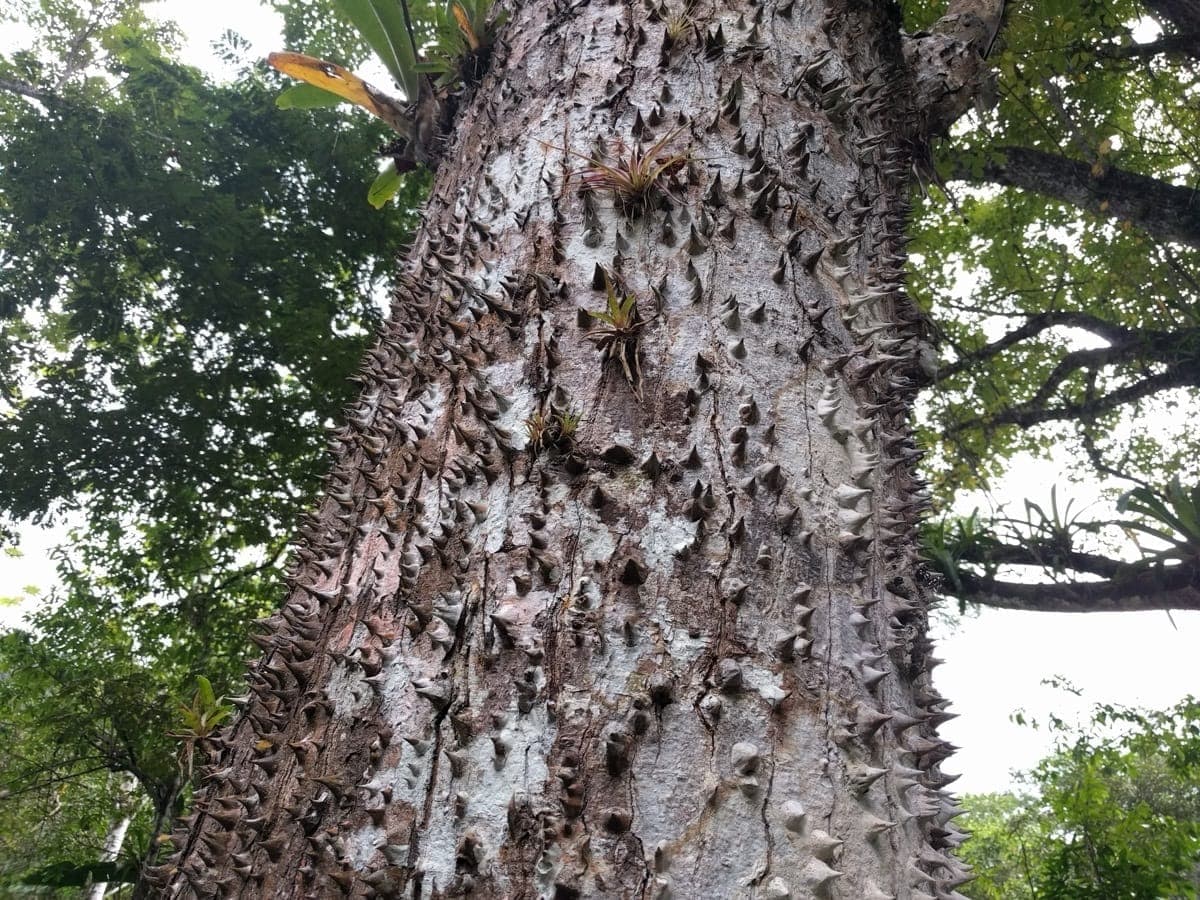
The bark is the tree's most distinctive feature. The outer bark is smooth to slightly furrowed, pale gray to brown. The inner bark is extraordinarily fibrous — composed of strong, flexible bast fibers that can be peeled in long, continuous strips. This inner bark is mucilaginous (slimy when wet) and remarkably tough. When stripped and dried, it produces excellent natural cordage. The bast fibers are cream to golden in color and have good tensile strength.
Leaves
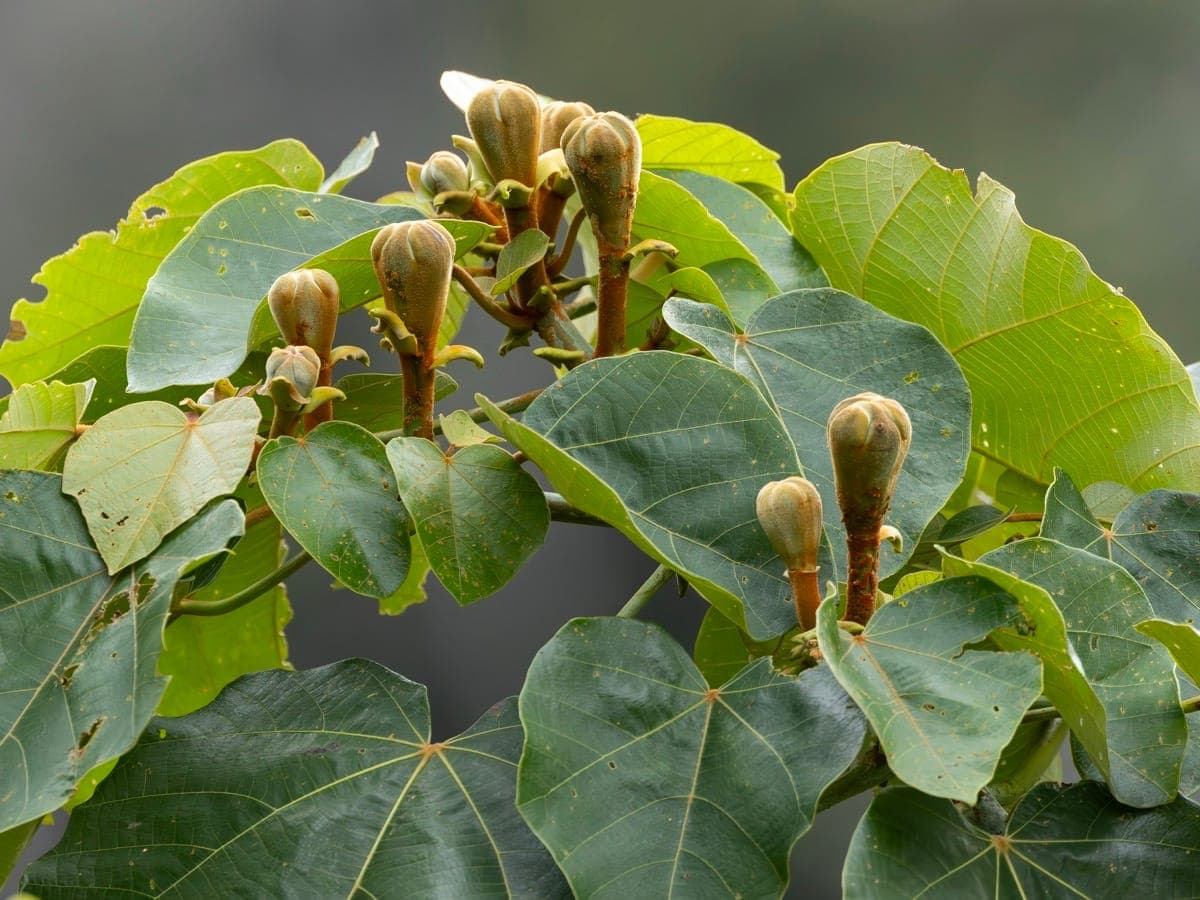
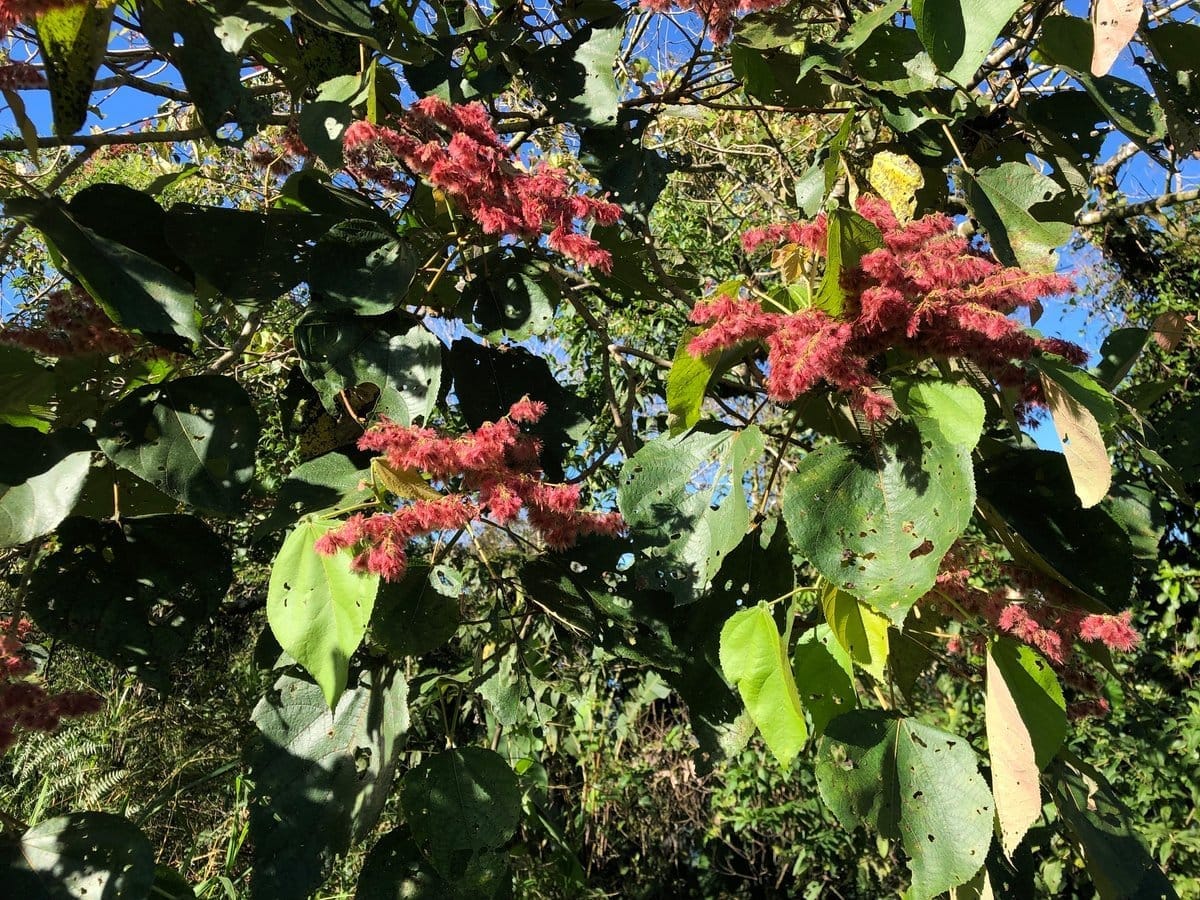
Leaves are simple, alternate, broadly ovate to heart-shaped (cordate), 10–30 cm long and nearly as wide. Margins are irregularly serrate or shortly lobed (often 3-lobed). Both surfaces are covered with dense stellate (star-shaped) pubescence, giving them a velvety texture — especially prominent on the underside. Leaves are dark green above, pale and densely tomentose below. The petioles are long (8–15 cm), with small stipules at the base. Leaves are some of the largest among Costa Rican pioneer trees.
Flowers
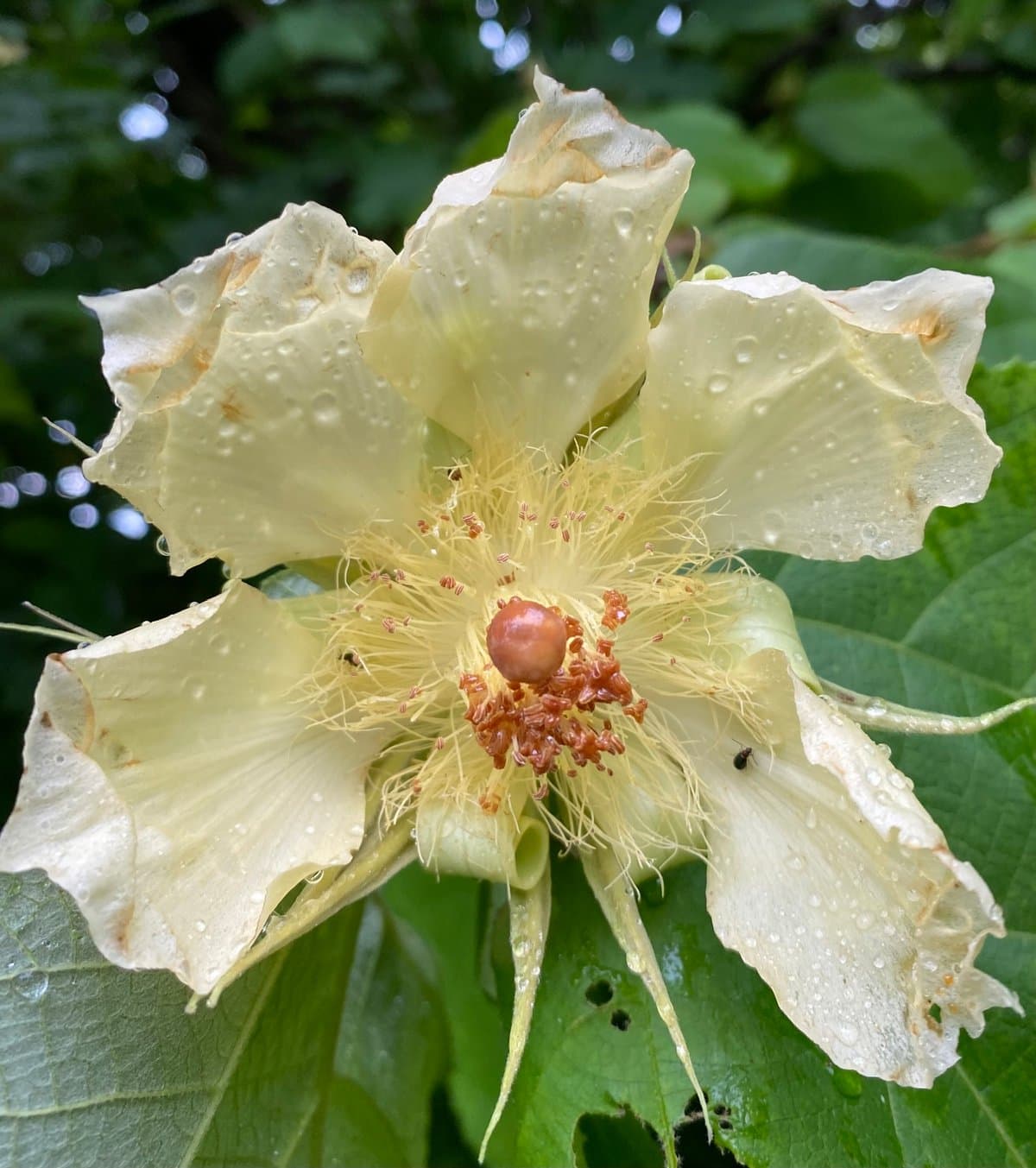
Flowers are small (5–8 mm), numerous, yellowish-white to cream, produced in large terminal and axillary panicles 10–20 cm long. Individual flowers have 5 petals and numerous stamens. The flowering is profuse, with the tree producing abundant racemes that attract diverse pollinators. Flowering typically occurs during the early dry season (November–February) when the tree may be partially or fully deciduous, making the flower clusters conspicuous.
Fruit and Seeds
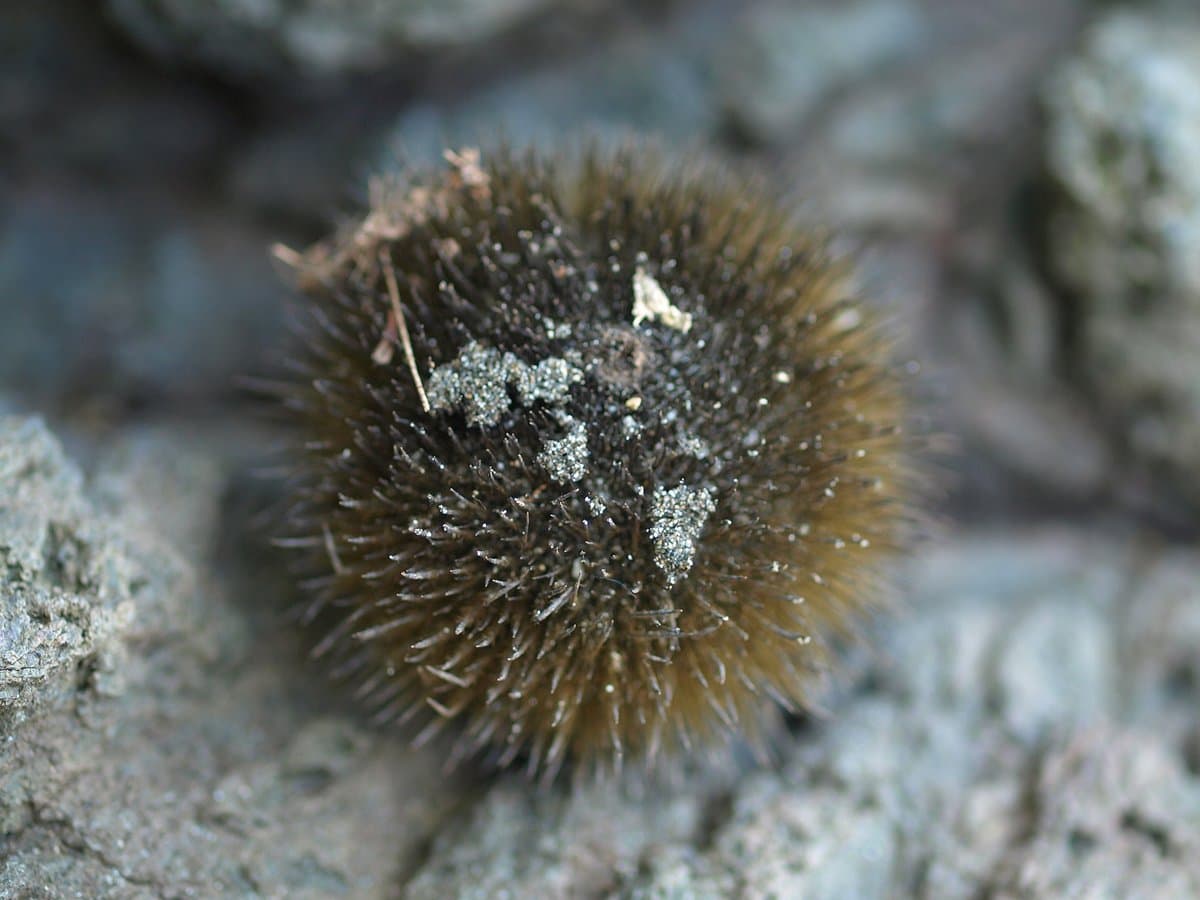
The fruits are the most distinctive identification feature of the genus. Each fruit is a small, dry capsule (3–5 mm) surrounded by a ring of plumose (feather-like) radiating bristles, creating a sun-like or star-like appearance. These bristles aid in wind dispersal, and the fruits can travel considerable distances. The overall fruit body with bristles is 10–15 mm in diameter. Fruits are produced in abundant clusters and released during the dry season, dispersing on wind currents and colonizing open, disturbed sites. Each fruit contains 1–2 small seeds.
Root System
Burío develops a moderately deep taproot in its first years, supplemented by an extensive network of lateral roots near the soil surface. The root system spreads rapidly — often exceeding the canopy diameter — stabilizing loose soils on slopes and stream banks. Root grafting between neighboring trees has been observed in dense stands, creating interconnected nutrient-sharing networks. The roots associate with arbuscular mycorrhizal fungi (AMF), which enhance phosphorus uptake on nutrient-poor soils — a key advantage in degraded sites.
Wood Anatomy
The wood is very light (specific gravity 0.20–0.35), white to pale cream, with indistinct heartwood-sapwood differentiation. Growth rings are visible but irregular, reflecting the opportunistic growth pattern typical of pioneers. The grain is straight to slightly interlocked, and the texture is coarse with large vessel elements visible to the naked eye. The wood has poor natural durability and is susceptible to termites and fungal decay, which contributes to rapid nutrient cycling as fallen trees decompose quickly.
Seasonal Appearance
During the dry season, Burío is fully deciduous and can appear dead, with bare gray limbs and persistent fruit clusters catching the wind. The bark becomes more conspicuous on leafless trees, and the plumose fruits create a distinctive silvery shimmer in afternoon light. With the first rains, leaf flush is rapid and dramatic — large, velvety leaves can reach full size within 2–3 weeks, transforming the skeletal tree into a lush canopy.
Geographic Distribution
Global Range
Heliocarpus appendiculatus occurs from Mexico through Central America to northern South America (Colombia, Venezuela, Ecuador). It is widespread throughout the Neotropical lowlands and premontane zones, from sea level to approximately 2,000 m.
Distribution in Costa Rica
In Costa Rica, Burío is one of the most common and ubiquitous pioneer trees, found in all provinces:
- Guanacaste: Extremely common in secondary growth, pasture edges, and regenerating forests throughout the dry and transitional zones
- Central Valley (San José, Heredia, Alajuela, Cartago): Common along roadsides, in abandoned pastures, and at forest edges
- Puntarenas: Pacific lowlands and premontane slopes; very common in Osa Peninsula secondary growth
- Limón: Caribbean lowlands and foothills; abundant in disturbed areas
- Highland areas: Present up to approximately 2,000 m in premontane forests
This is one of the first trees to appear in cleared or disturbed land throughout Costa Rica, making it nearly impossible to miss in rural landscapes.
Elevation Range
Sea level to 2,000 m, with peak abundance at 0–1,500 m.
Biogeographic Notes
Heliocarpus appendiculatus is one of several Heliocarpus species in the Neotropics, a genus of approximately 22 species centered in Mexico and Central America. Costa Rica hosts the southernmost populations of some Heliocarpus species, placing the country at an important biogeographic boundary. The genus likely diversified during the Miocene in the seasonal deciduous forests of nuclear Central America; H. appendiculatus subsequently expanded into South America following the closure of the Panamanian land bridge. Its wind-dispersed seeds and affinity for disturbed sites enabled rapid colonization across the Isthmus, and the species is now among the most common pioneer trees throughout its range. In Costa Rica, Burío's near-ubiquity in disturbed habitats makes it an indicator of recent land-use change.
Habitat & Ecology
Ecological Role
Burío is a quintessential pioneer species — among the first trees to colonize disturbed sites:
- Primary colonizer: Rapidly establishes on cleared land, abandoned pastures, landslides, and road cuts
- Soil preparation: Its leaf litter decomposes rapidly, adding organic matter and improving soil conditions for later-successional species
- Nurse tree function: Provides shade and microclimate modification for shade-tolerant seedlings establishing beneath its canopy
- Wind-dispersed: The plumose fruits travel far on wind, allowing colonization of distant disturbed sites
- Light gap specialist: Exploits forest canopy gaps with extremely rapid growth, filling ecological niches before longer-lived species establish
Wildlife Interactions
- Pollinators: Flowers attract bees (multiple species), flies, and small beetles
- Seed dispersers: Wind is the primary dispersal mechanism; fruits also carried by water along streams
- Bird habitat: The dense canopy provides nesting sites; bark fibers used as nesting material by various bird species
- Mammal use: Bats forage among flowers; bark used by mammals for nesting material
- Invertebrates: Hosts various caterpillar species and supports a community of bark-dwelling invertebrates
- Epiphytes: The rough bark supports epiphytic mosses, ferns, and orchids in humid areas
Successional Role
Burío follows a classic pioneer lifecycle:
- Years 0–3: Rapid colonization and growth on bare/disturbed land
- Years 3–10: Canopy closure, creating shade and modifying microclimate
- Years 10–20: Shade-tolerant species establish beneath Burío canopy
- Years 20–50: Burío declines and is gradually replaced by slower-growing, longer-lived species
- Final stage: Burío disappears from the mature forest, persisting only in gaps and edges
Phenology and Seasonal Dynamics
Leaf drop begins in December–January, triggered by decreasing rainfall and shorter days. By February, most trees are completely leafless. Flowering occurs from the bare branches in January–March, peaking in February. Fruit maturation takes 4–6 weeks, with peak dispersal in March–April — the windiest months in many Costa Rican lowland areas, maximizing the dispersal distance of the plumose fruits. Leaf flush coincides with the onset of the wet season in May, and by June the canopy is fully developed.
Soil Interactions and Nutrient Cycling
Burío's large leaves decompose rapidly on the forest floor (50% mass loss within 8–12 weeks), making it one of the fastest litter decomposers among Costa Rican trees. This rapid decomposition:
- Enriches topsoil: Significant calcium and potassium inputs from leaf litter
- Improves soil biota: Supports high earthworm and micro-arthropod densities beneath the canopy
- Reduces compaction: Biological activity loosened by rapid litter turnover improves soil structure on degraded sites
- Facilitates establishment: The enriched soil microenvironment beneath Burío canopies favors germination and survival of slower-growing species
Fire Ecology
While not fire-adapted, Burío responds opportunistically to fire-cleared landscapes:
- Rapidly colonizes burned areas from wind-dispersed seeds
- Thin bark makes standing trees fire-susceptible, but new seedlings establish quickly after burns
- In fire-prone Guanacaste dry forests, Burío is often the first woody species to reclaim burned pastures
- Creates conditions (shade, moisture retention) that reduce fire risk for subsequent successional stages
Uses & Applications
Traditional Cordage and Fiber
The fibrous inner bark (bast) of Burío has been used for millennia:
- Rope making: Bark strips are soaked, beaten, and twisted into durable rope (mecate) used for tying, bundling, and construction
- Tying material: Fresh bark strips serve as improvised binding material for agricultural bundles, fence construction, and cargo securing
- Mats and crafts: Processed fibers woven into mats, baskets, and small containers
- Net making: Fibers made into fishing nets and sieves in some indigenous traditions
- Sandal straps: Used for the straps of traditional sandals (caites) in some regions
The cordage quality is excellent — strong, flexible, and resistant to decay when dry. This use gives Burío its local importance and cultural recognition far beyond what its modest timber value would suggest.
Reforestation and Ecological Restoration
Burío's pioneer qualities make it valuable for:
- Accelerated succession: Planting to jumpstart forest regrowth on degraded land
- Erosion control: Rapid root establishment stabilizes slopes and stream banks
- Nurse planting: Establishing as a fast canopy layer to shade and protect slower-growing reforestation species
- Corridor plantings: Quick establishment in biological corridor plantings
- Carbon sequestration: Very rapid biomass accumulation in early years
Wood and Timber
- Light, soft wood with limited durability
- Used for boxes, crates, packing material, and temporary construction
- Good firewood — light but burns well with adequate heat
- Historically used for paper pulp in some regions
- Not suitable for structural timber or high-quality furniture
Traditional Medicine
- Mucilaginous bark preparation: Used for respiratory ailments (coughs, bronchitis)
- Fever reduction: Bark decoctions used as antipyretic in folk medicine
- Digestive: Inner bark preparations for stomach complaints
- Anti-inflammatory: Poultices of crushed leaves and bark applied to swelling
Note: Traditional uses documented ethnobotanically; clinical validation limited.
Environmental Services
Burío provides critical ecosystem services during the early phases of landscape recovery:
- Erosion prevention: Rapid establishment on bare soil provides immediate ground cover and root stabilization within the first rainy season after disturbance
- Microclimate amelioration: Dense canopy cover reduces soil surface temperatures by 5–10°C, creating conditions suitable for shade-tolerant seedling establishment
- Nutrient cycling: Fast leaf turnover and decomposition return nitrogen and phosphorus to depleted soils, jumpstarting nutrient cycling
Cultural Significance
Sources: CATIE Digital Library↗, Useful Tropical Plants — Heliocarpus appendiculatus↗, TROPICOS — Heliocarpus appendiculatus↗
Name Origins
"Burío" is the common Costa Rican name used widely in rural areas. The name may derive from indigenous Central American languages. In Mexico, "Jonote" is more common, derived from the Nahuatl xonotl meaning "bark fiber tree." Both names reflect the tree's most notable characteristic — its extraordinary bark.
Rural Heritage
Burío occupies a special place in Costa Rican rural culture:
- Campesino tool: Every farmer knew how to strip Burío bark for rope — it was essential survival knowledge before synthetic cordage became available
- Emergency repair: A Burío tree provided instant binding material for broken fences, pack saddle repairs, and temporary shelters
- Children's play: Rural children learned bark-stripping techniques as a practical skill and game
- Place names: "Buriogre," "Burío," and related names appear in farm names and geographical features across Costa Rica
Ecological Indicator
Farmers and ecologists use Burío as an indicator of:
- Recent disturbance: Abundant Burío indicates land cleared within 5–15 years
- Soil potential: Its presence signals soil capable of supporting forest recovery
- Succession stage: The abundance and age of Burío trees indicates where a site is in the recovery trajectory
Fiber Knowledge Traditions
The art of making rope (mecate) from Burío bark is a traditional skill that was once considered essential rural knowledge:
- Apprenticeship: Children in farming communities learned bark processing from parents and grandparents — typically by age 8–10
- Gender roles: Both men and women processed Burío bark, though men more commonly used it for heavy-duty rope while women created finer cordage for domestic use
- Seasonal timing: Fiber harvest was traditionally done during the dry season, when the bark strips more cleanly and dries faster
- Quality grading: Experienced artisans distinguished between bark from young branches (finest, most flexible fiber) and mature trunks (stronger but coarser)
- Modern decline: With the availability of nylon and polypropylene rope from the 1960s onward, Burío cordage knowledge has become increasingly rare among younger generations
Landscape Memory
In Costa Rica's rapidly changing rural landscapes, old Burío trees serve as markers of land-use history. A grove of mature Burío trees (20+ years old) on what is now forested land tells the story of a pasture or clearing that was abandoned decades ago. Ecologists conducting land-cover change studies use Burío age and distribution to reconstruct the timeline of forest recovery — a living record of human land-use decisions.
Conservation Status
IUCN Assessment
Heliocarpus appendiculatus is listed as Least Concern (LC) by the IUCN. It is one of the most abundant trees throughout its range.
Population Status
Populations are healthy and stable to increasing throughout Costa Rica. The species actually benefits from deforestation and land-use change:
- Colonizes newly cleared land rapidly
- Thrives in human-modified landscapes
- Seed bank persists in soil for years
- Wind-dispersed seeds reach distant sites
Ecological Conservation Value
While not threatened itself, Burío plays a critical conservation role:
- Enables and accelerates natural forest regeneration
- Provides habitat structure for wildlife during the early phases of recovery
- Reduces erosion on vulnerable, recently exposed soils
- Modifies microclimate conditions for establishment of shade-tolerant species
- Contributes to landscape connectivity in fragmented forests
Research and Monitoring Priorities
Key research needs for Heliocarpus appendiculatus in Costa Rica include:
- Successional dynamics: Quantifying Burío's role in soil recovery and microclimate modification during early secondary succession
- Fiber quality assessment: Systematic evaluation of bark fiber properties for potential sustainable craft and construction applications
- Fire ecology interactions: Documenting post-fire regeneration patterns and the species' role in fire-prone landscape recovery
- Carbon sequestration rates: Measuring rapid biomass accumulation in pioneer stands for inclusion in carbon credit calculations
Growing & Cultivation
Site Selection
- Climate: Tropical lowlands to premontane; dry to very wet
- Elevation: Sea level to 2,000 m
- Light: Full sun required; does not tolerate shade (strongly shade intolerant)
- Soil: Extremely adaptable; grows on degraded, compacted, and poor soils
- Location: Ideal for reforestation of degraded land, slope stabilization, and nurse plantings
Propagation
- Seeds: Collect fruits when they turn brown and begin detaching; separate seeds from plumose bristles; sow in nursery trays with light covering; germination in 7–15 days; high viability; can be direct-seeded on cleared land
- Stem cuttings: Hardwood cuttings root with moderate success; not as reliable as seed propagation
- Natural recruitment: Abundant natural seedling establishment on any open, disturbed site — often requires no active planting
Care Guidelines
Watering:
- Water during establishment (first 2–3 months) if planted in dry season
- Established trees require no supplemental irrigation
- Highly drought-tolerant once established (deciduous adaptation)
Fertilization:
- Generally unnecessary — this species thrives on poor soils
- Light composting at planting can accelerate early growth
- No ongoing fertilization needed
Pruning:
- Remove dead branches for safety (soft wood breaks easily)
- Can be coppiced — regrows vigorously from stumps
- For fiber harvest: harvest bark from branches or young trunks without killing the tree
- In reforestation: may need thinning as canopy closes to favor desirable long-lived species
Companion Planting
- Reforestation: Plant as nurse species with slower-growing trees (cedro, caoba, laurel) beneath
- Erosion control: Combine with grasses and vetiver on slopes for multi-layer stabilization
- Successional planting: Interplant with mid-successional species (Guarumo, Lorito, Guabas) for accelerated recovery
- Living fence: Alternate with sturdier species like Poró or Jiñocuabe
Seasonal Care Calendar
Where to See This Tree in Costa Rica
Burío is extremely common along roadsides and in secondary growth:
- Any roadside in the Central Valley — Look for large-leaved trees in recently disturbed areas and road cuts
- Guanacaste lowlands — Dominant pioneer in abandoned pastures and regenerating forests
- Osa Peninsula (Puntarenas) — Common in young secondary forest along roads and trails
- Sarapiquí/Caribbean lowlands — Abundant in clearings and forest edges
- Arenal/Fortuna area — Common along roadsides and in regenerating pastures
- Turrialba/CATIE — Found in secondary growth plots and demonstration areas
- National parks with secondary growth — Rincón de la Vieja, Carara, Corcovado (edges and disturbed zones)
- Monteverde area — Common along the road from Cañas to Monteverde, especially in cleared areas
- San Gerardo de Dota valley — Present at lower elevations along the road
Best Time to Visit
Burío is most visually distinctive during two periods:
- February–April (dry season): Trees are leafless, revealing the gray skeletal form and plumose fruit clusters shimmering in the breeze. Bark stripping is easiest in this period.
- May–June (early rainy season): The dramatic leaf flush transforms bare trees into lush canopies within weeks — a striking demonstration of tropical deciduousness.
Identification Tips in the Field
Look for these key features: (1) very large, heart-shaped, velvety leaves, (2) pale gray fibrous bark that peels in long strips, (3) distinctive plumose fruits resembling tiny sunbursts, and (4) presence in disturbed, open, or edge habitats rather than interior forest. In the dry season, the leafless form with persistent fruit is unmistakable.
External Resources
References
- Holdridge, L.R. & Poveda, L.J. (1975). Árboles de Costa Rica. Centro Científico Tropical.
- CATIE (2003). Árboles de Centroamérica: un manual para extensionistas. CATIE, Turrialba.
- Zamora, N., Jiménez, Q. & Poveda, L.J. (2004). Árboles de Costa Rica, Vol. III. INBio.
- Pennington, T.D. & Sarukhán, J. (2005). Árboles tropicales de México: manual para la identificación de las principales especies. 3rd ed. UNAM/FCE.
- Finegan, B. (1996). "Pattern and process in neotropical secondary rain forests: the first 100 years of succession." Trends in Ecology & Evolution 11(3): 119–124.
- Guariguata, M.R. & Ostertag, R. (2001). "Neotropical secondary forest succession: changes in structural and functional characteristics." Forest Ecology and Management 148: 185–206.
Safety Information Disclaimer
Safety information is provided for educational purposes only. Individual reactions may vary significantly based on age, health status, amount of exposure, and individual sensitivity. Always supervise children around plants. Consult a medical professional or certified arborist for specific concerns. The Costa Rica Tree Atlas is not liable for injuries or damages resulting from interaction with trees described in this guide.
• Always supervise children around plants
• Consult medical professional if unsure
• Seek immediate medical attention if poisoning occurs
Information compiled from authoritative toxicology sources, scientific literature, and medical case reports.
Help improve this page
Know something about this tree? Share local knowledge, suggest a correction, or submit a photo to improve this guide for everyone.