Balsa
Ochroma pyramidale
Quick facts
Native Region
Tropical Americas
Max Height
25-35 meters
Family
Malvaceae
Conservation
LC — Least Concern
Uses
Safety Information
Toxicity Details
No toxic parts. The tree is safe. The wood is famous for being extremely lightweight and non-toxic. No ingestion hazards. Safe for children and pets.
Skin Contact Risks
The fine hairs on leaves and young stems can cause mild mechanical irritation (like fiberglass) in some individuals. This is physical irritation, not chemical. Most people are unaffected. Wood dust is very light and fluffy but not particularly irritating compared to other woods. Wash hands after handling young growth if sensitive.
Allergenic Properties
Balsa allergies are uncommon. Wood dust may cause mild respiratory irritation during sanding/cutting due to the fine particle size, but it's not considered highly allergenic. Generally safe to work with.
Season
Flowering
Oct-Dec
Fruiting
Jan-Mar
How to identify
Balsa (World's Lightest Wood)
Balsa (Ochroma pyramidale) is nature's record-holder for two remarkable achievements: producing the world's lightest commercial timber and being one of the fastest-growing trees on the planet. This pioneer species can grow up to 5 meters in its first year and reaches commercial harvest size in just 5-7 years. From model airplanes that sparked countless aviation dreams to the core material in modern wind turbine blades, Balsa wood defies expectations—incredibly light yet surprisingly strong. Standing beneath a mature Balsa's massive leaves, you're witnessing evolution's answer to the question: how quickly can a tree dominate a forest gap?
Quick Reference
iNaturalist Observations
Community-powered species data
📸 Photo Gallery
Whole tree
📷 (c) pkondrashov, some rights reserved (CC BY-NC)(CC BY-NC)
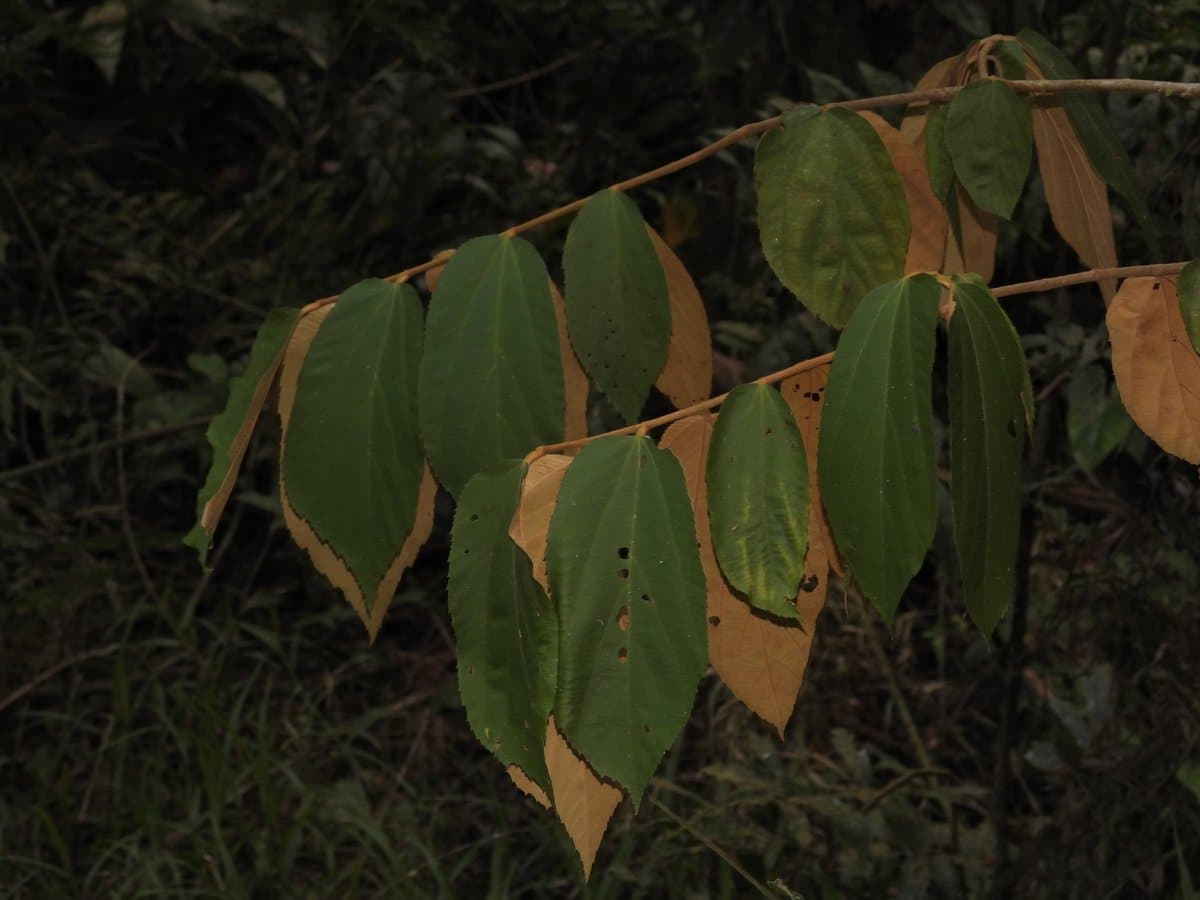
View source ↗Leaves
📷 (c) Liam Pentangelo, some rights reserved (CC BY-NC)(CC BY-NC)
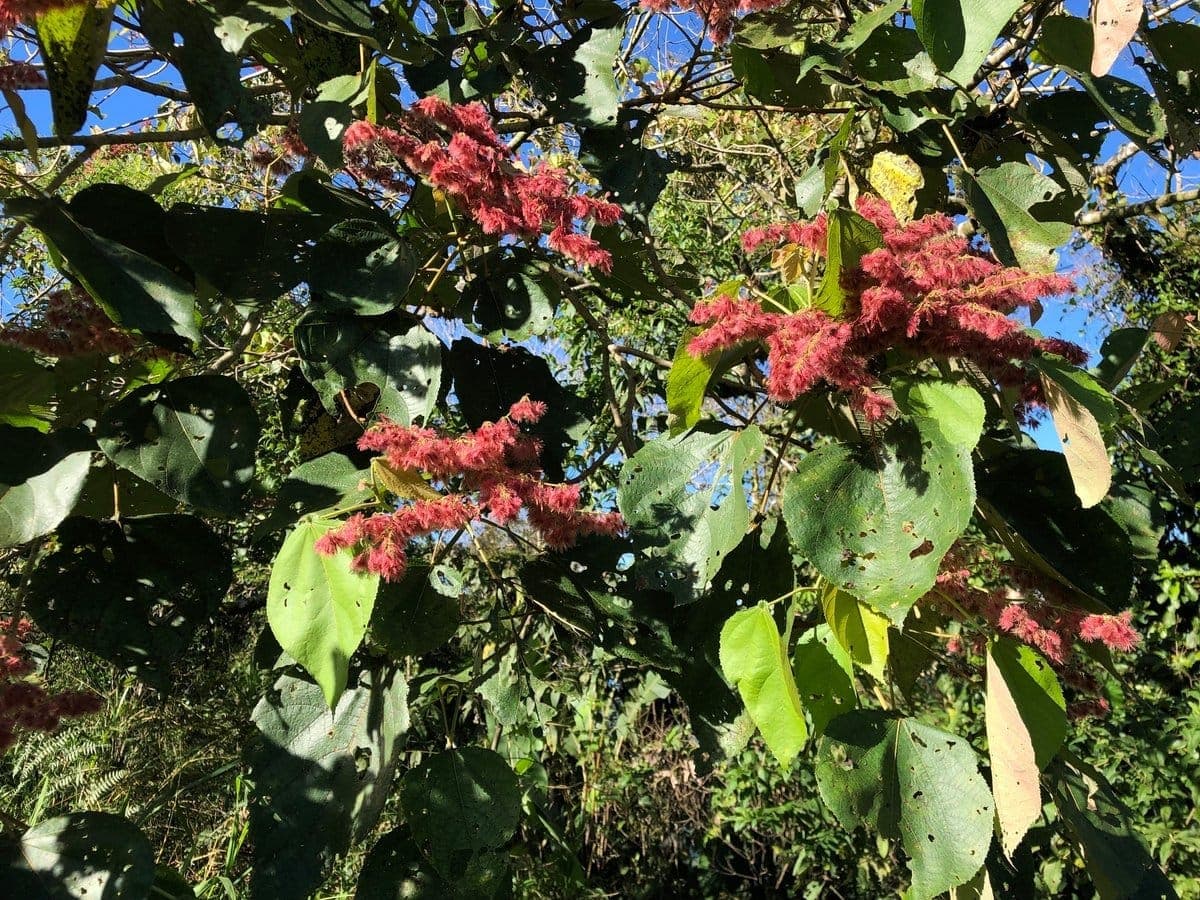
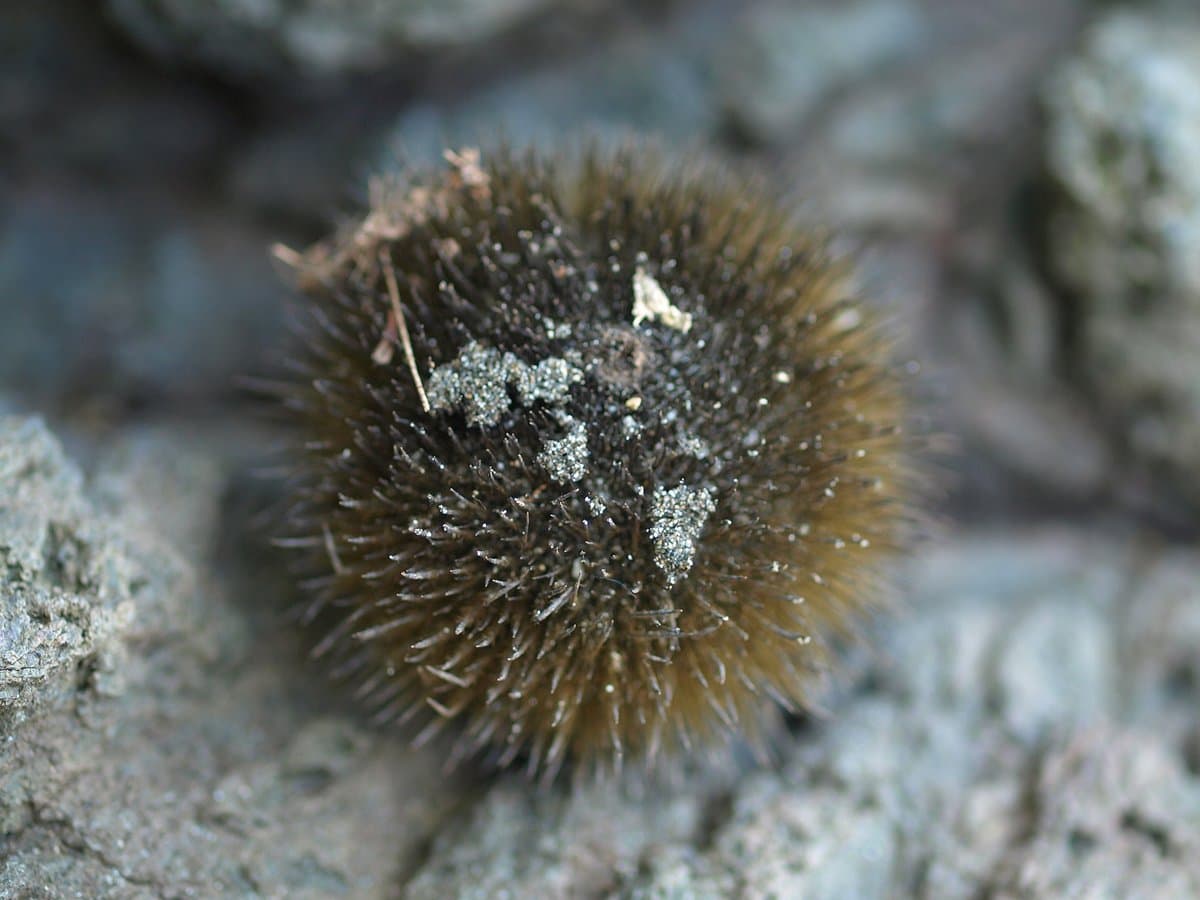
View source ↗Fruit
📷 (c) puravidajim, some rights reserved (CC BY-NC)(CC BY-NC)
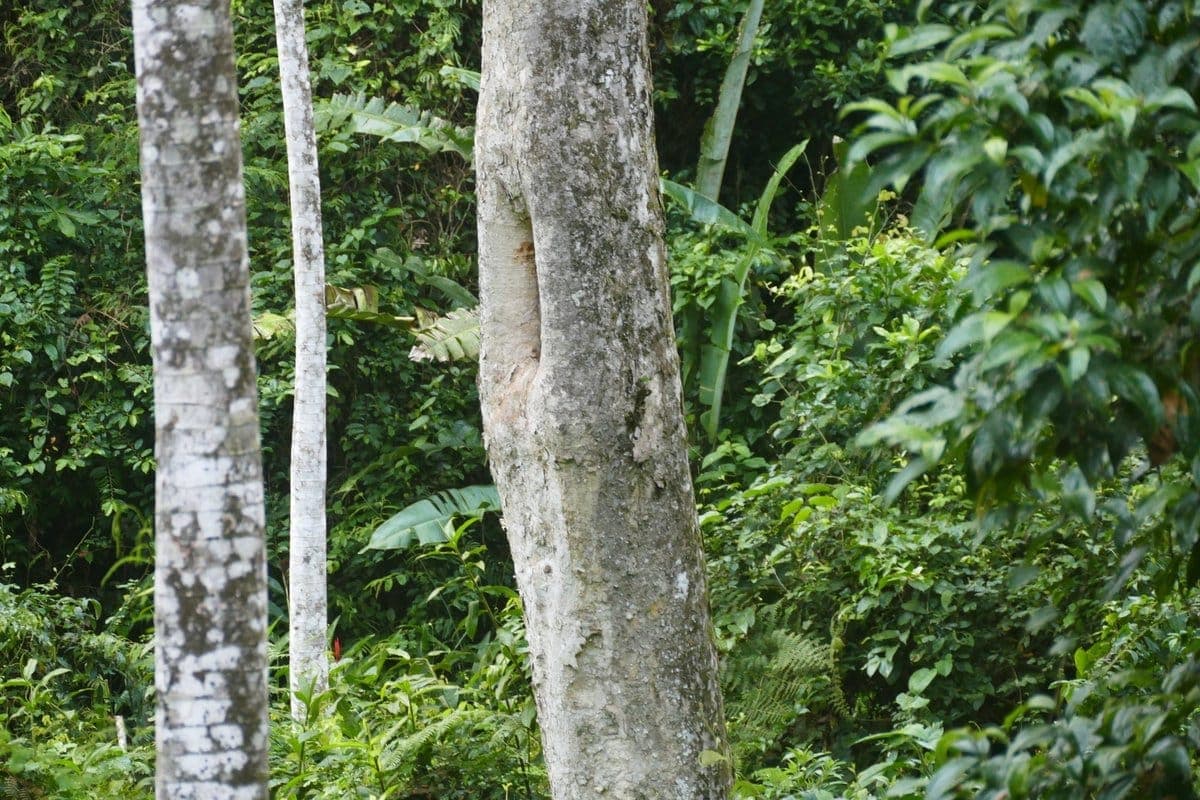
View source ↗Whole tree
📷 (c) Liam Pentangelo, some rights reserved (CC BY-NC)(CC BY-NC)
View source ↗Leaves
📷 (c) Bart Wursten, some rights reserved (CC BY-NC)(CC BY-NC)
View source ↗Photos sourced from iNaturalist community science database. View all observations →↗
Taxonomy and Classification
- Ochroma: Greek for "pale" (referring to the pale wood) - pyramidale: Pyramid-shaped (young crown form) - Balsa: Spanish for "raft" (wood used for rafts) - The tree is the sole species in genus Ochroma
Common Names
Physical Description
Overall Form
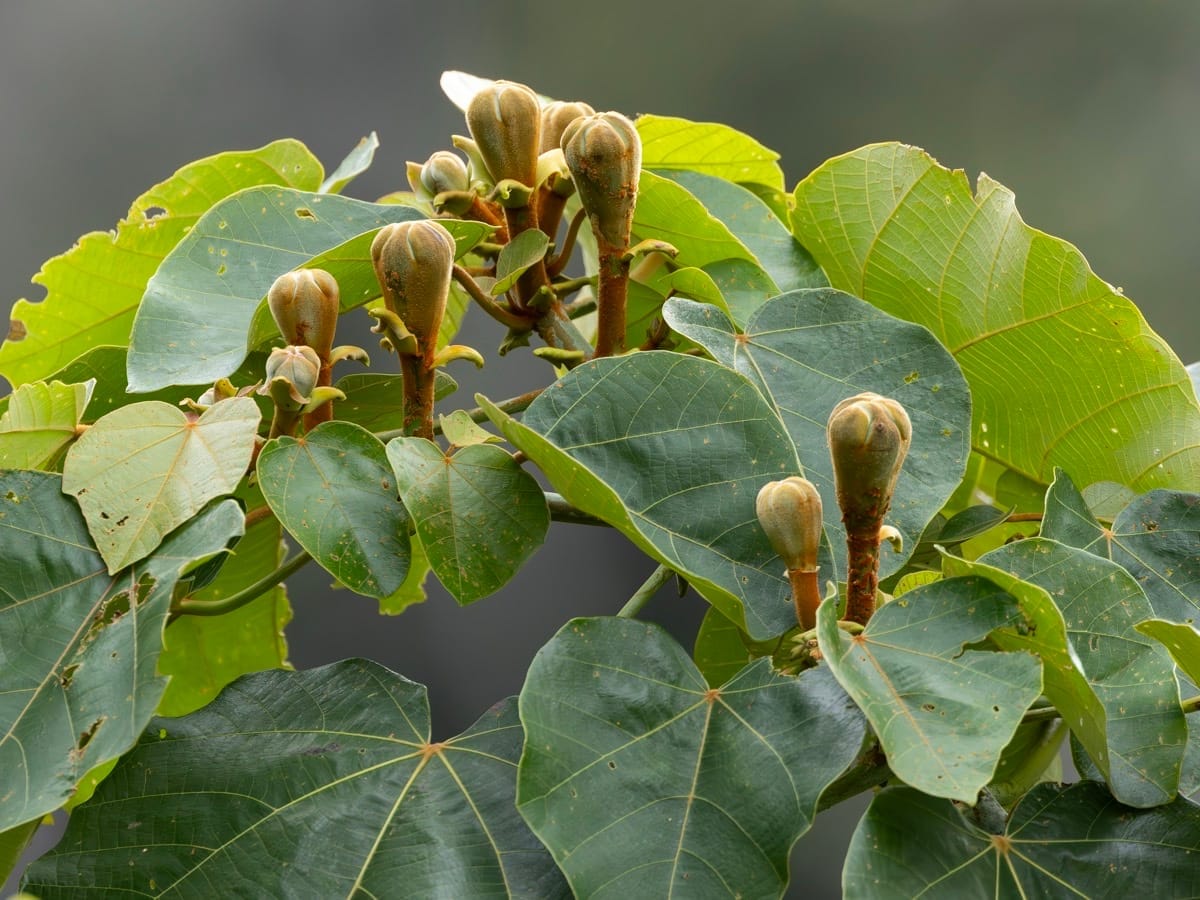
The Balsa is a truly remarkable sight—a fast-growing pioneer with a straight, clean trunk and an open, umbrella-like crown. Its smooth, grayish bark and enormous palmate leaves give it a distinctive tropical appearance. The tree often colonizes clearings and forest gaps, quickly shooting skyward in the race for sunlight. Its lightweight wood and rapid growth make it unique among tropical timber trees.
Distinctive Features
Leaves
- Type: Simple, palmately lobed
- Size: 30-50 cm across (massive!)
- Lobes: 5-7, shallow
- Texture: Fuzzy underside
- Arrangement: Alternate
- Petiole: Very long (up to 40 cm)
Bark
- Color: Grayish-brown
- Texture: Smooth when young
- Older Trees: Slightly roughened
- Feature: Prominent buttresses in age
The Amazing Flowers
- Type: Large, cream-white
- Size: 10-15 cm long
- Shape: Bell-shaped, fleshy
- Opening: Nocturnal
- Nectar: Copious, attracting bats
- Season: Dry season (Dec-April)
Fruits
- Type: Elongated capsule
- Size: 15-25 cm long
- Shape: Cucumber-like
- Contents: Kapok-like cotton fibers
- Seeds: Embedded in silky floss
- Dispersal: Wind-carried seeds
How fast does Balsa grow compared to other trees?
Balsa is the Usain Bolt of trees!
The World's Lightest Wood
Why Balsa is So Light
The Science of Lightness
Balsa wood is 3-4 times lighter than most hardwoods. Why? Cellular Structure: - Large cells with thin walls - 40% of volume is solid, 60% is air - Cells arranged in uniform rows Properties: - Density: 100-200 kg/m³ (compare oak at 600-900) - Incredible strength-to-weight ratio - Excellent shock absorption - Natural buoyancy The Trade-off: The same structure that makes it light means: - Short commercial lifespan (7-10 years maximum harvest window) - Wood deteriorates if overmature - Susceptible to rot if not properly dried
Commercial Properties
Distribution and Habitat
Native Range
Geographic Distribution
Distribution in Costa Rica
Habitat Preferences
Ecological Importance
Pioneer Species Role
Balsa is a classic pioneer species—one of the first trees to colonize disturbed areas: Pioneer Strategy: 1. Produces thousands of wind-dispersed seeds 2. Seeds require full sun to germinate 3. Grows incredibly fast (outcompetes competitors) 4. Lives only 30-40 years maximum 5. Dies and creates gap for late-successional species Ecological Service: - Rapidly provides shade and shelter - Adds organic matter to soil - Creates microhabitat for other species - "Nurse tree" for slower-growing species Without pioneers like Balsa, forest recovery would take much longer!
Wildlife Interactions
Flower Visitors
- Bats: Primary pollinators (nocturnal flowers)
- Monkeys: Drink nectar, eat flowers
- Kinkajous: Nocturnal nectar feeders
- Moths: Secondary pollinators
- Bees: Morning visitors to closing flowers
Seed and Fruit Users
- Birds: Use kapok for nests
- Wind: Primary seed dispersal
- Squirrels: Occasional seed consumers
- Parrots: Eat unripe seeds
Balsa flowers are perfectly designed for bat pollination: - Open at night when bats are active - Cream/white color visible in low light - Strong musky odor attracts bats from far - Robust structure supports bat weight
- Copious nectar rewards visitors - Bell shape directs bat face to pollen One Balsa tree can produce nectar for dozens of bats nightly!
Uses of Balsa
Modern Applications
From Model Planes to Wind Turbines
Balsa's unique properties make it irreplaceable for many applications: Aviation & Models: - Model aircraft construction (traditional use) - Structural core in composite aircraft - Drone components - Hobby crafts worldwide Marine: - Surfboard cores - Life rafts and buoys - Boat decking core material - Canoes (traditional use) Industrial: - Wind turbine blade cores (major market!) - Thermal insulation panels - Sound absorption panels - Vibration dampening Other: - Theater and film props - Architectural models - Packaging for delicate items - Fishing floats and lures
Wind Turbine Industry
The wind energy revolution has transformed the Balsa industry: Why Wind Turbines Need Balsa: - Blade cores must be light yet strong - Balsa's strength-to-weight ratio is ideal - Natural shock absorption protects blades - Sustainable, renewable material Scale of Demand: - A single large turbine blade uses 150+ m³ of Balsa - Global Balsa demand has tripled since 2010 - Ecuador supplies ~95% of world's commercial Balsa - Costa Rica has emerging plantation industry The trees that helped model planes fly now help power clean energy!
Traditional Uses
Cultivation
Plantation Forestry
Ecuador: The Balsa Capital
Ecuador dominates global Balsa production: - 95% of world commercial Balsa from Ecuador - Thousands of small farmers involved - Both wild harvest and plantations - Los Ríos and Guayas provinces main centers Costa Rica's Opportunity: - Growing plantation interest - Could diversify supply chain - Suitable climate in Caribbean/Pacific lowlands - Potential for sustainable forestry income
Conservation and Sustainability
Not Currently Threatened
Identification Guide
How to Identify Balsa
Where to See Balsa in Costa Rica
Look for Balsa in disturbed or secondary forest: - Forest edges and clearings - Abandoned pastures regenerating - Roadsides in humid lowlands - Young secondary forest The huge palmate leaves are visible from a distance—once you learn to recognize them, you'll see Balsa everywhere in regenerating areas!
The Kon-Tiki Connection
Thor Heyerdahl's Famous Voyage
Balsa achieved worldwide fame through the Kon-Tiki expedition (1947): The Voyage: - Norwegian explorer Thor Heyerdahl - Built raft from Balsa logs - Sailed from Peru to Polynesia (8,000 km) - Proved ancient oceanic contact was possible Why Balsa Worked: - Incredibly buoyant - Large logs available - Traditional Inca/pre-Inca raft material - Withstood 101 days at sea The expedition proved both Heyerdahl's theory and Balsa's remarkable properties—a tree light enough to float indefinitely yet strong enough to cross an ocean!
External Resources
Community observations and photos
Detailed species information
Plant Resources of Tropical Africa
Global biodiversity occurrence data and distribution maps
Conservation status and species assessment
References
📚 Scientific References & Further Reading
Francis, J.K. (1991). Ochroma pyramidale Balsa. USDA Forest Service, SO-ITF-SM-41
Heyerdahl, T. (1948). The Kon-Tiki Expedition. Allen & Unwin
Midgley, S. et al. (2010). Balsa: Biology, Production and Economics. Australian Centre for International Agricultural Research
Balsa represents evolution's extreme response to the challenges of tropical forest succession. In the race to colonize forest gaps before competitors, Balsa sacrificed longevity for speed, producing a tree that rockets toward the canopy faster than any other. The cellular structure that enables this phenomenal growth rate—large cells, thin walls, lots of air—also creates the world's lightest commercial wood. From Thor Heyerdahl's epic Pacific crossing to the wind turbines generating clean energy today, Balsa proves that sometimes the lightest solutions carry the greatest weight. Next time you fly a model plane or see wind turbines spinning, remember the remarkable tree that defied the odds by betting everything on speed.
Safety Information Disclaimer
Safety information is provided for educational purposes only. Individual reactions may vary significantly based on age, health status, amount of exposure, and individual sensitivity. Always supervise children around plants. Consult a medical professional or certified arborist for specific concerns. The Costa Rica Tree Atlas is not liable for injuries or damages resulting from interaction with trees described in this guide.
• Always supervise children around plants
• Consult medical professional if unsure
• Seek immediate medical attention if poisoning occurs
Information compiled from authoritative toxicology sources, scientific literature, and medical case reports.
Help improve this page
Know something about this tree? Share local knowledge, suggest a correction, or submit a photo to improve this guide for everyone.