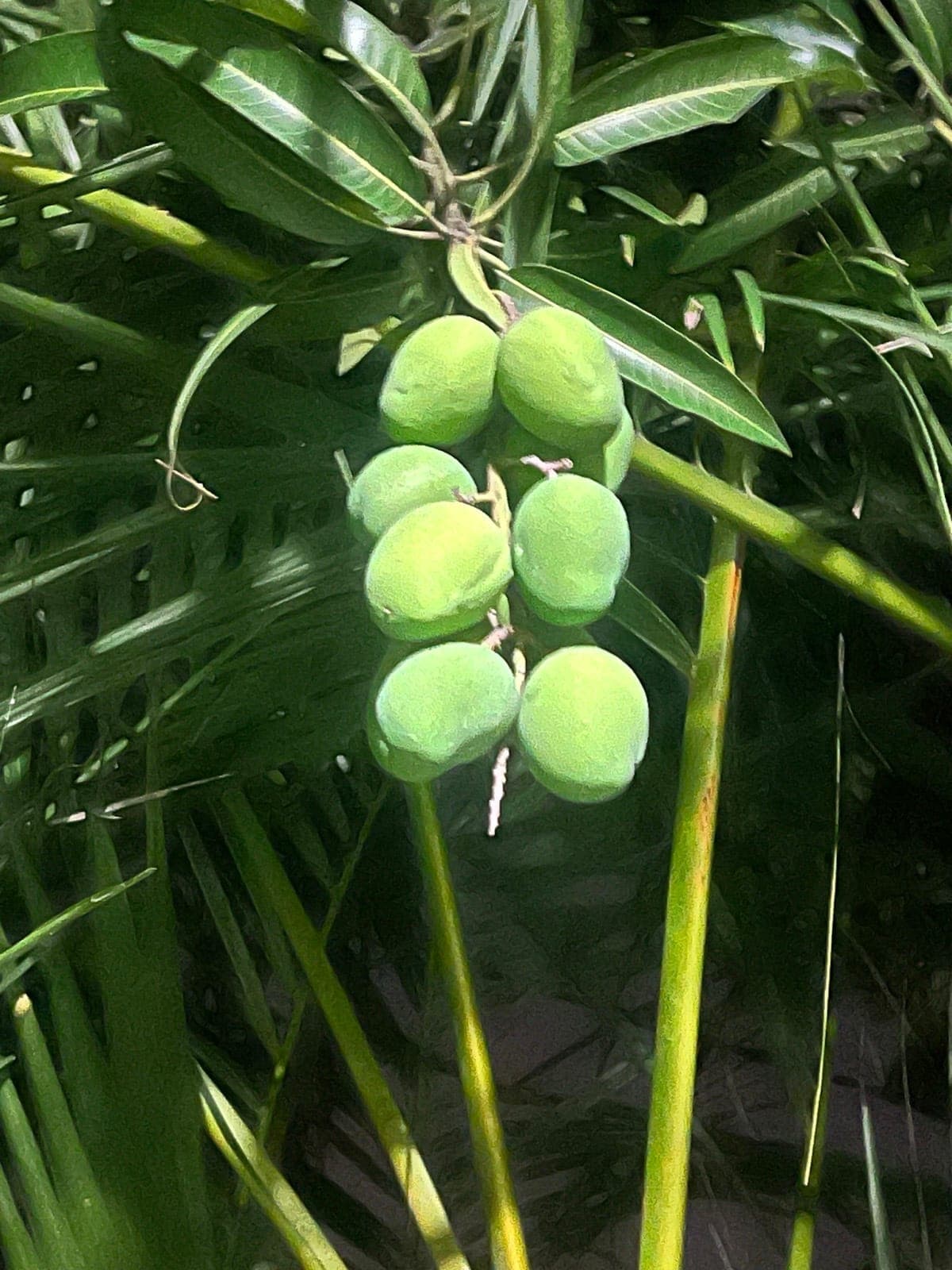
Marañón
Anacardium occidentale
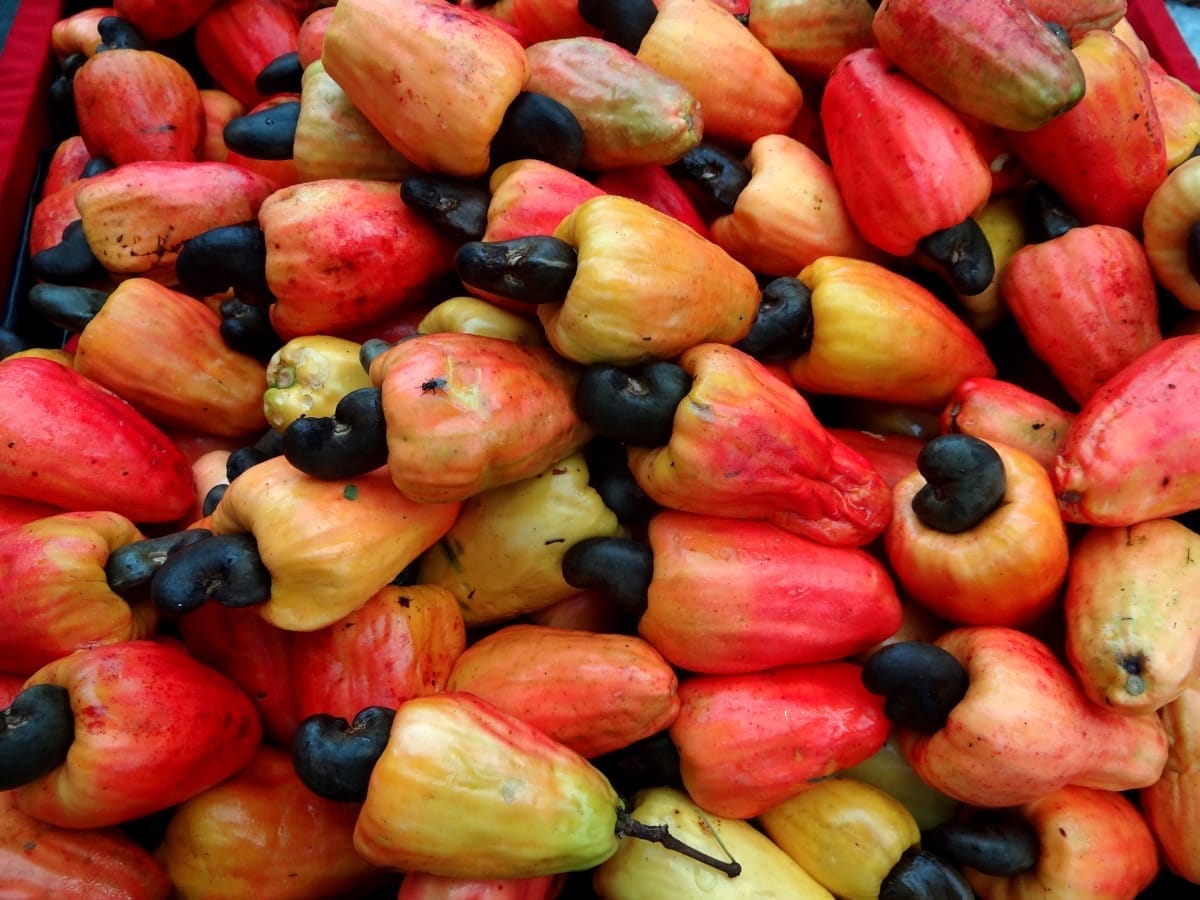
Quick facts
Native Region
Northeastern Brazil
Max Height
6-14 meters
Family
Anacardiaceae
Conservation
LC — Least Concern
Uses
Safety Information
CAUTION
NEVER eat raw cashew nuts or attempt home processing. Only eat commercially processed cashews that have been roasted/steamed. The cashew apple is safe and delicious when ripe. Wear gloves when handling raw nuts or tree parts. Keep children and pets away from fallen nuts. If you must handle raw materials, use protective equipment. Seek immediate medical attention if raw nut is ingested or severe skin reaction occurs. Professional nut processors use controlled heating, ventilation, and protective gear. This is NOT a DIY activity.
Toxicity Details
RAW CASHEW NUTS ARE TOXIC. Never eat unprocessed cashews. The nut shell contains urushiol and anacardic acid - the same toxins in poison ivy. Raw nuts cause severe oral burns, blistering, gastrointestinal distress, and can be fatal. Commercial cashews are always roasted or heat-processed to destroy toxins. The cashew apple (false fruit) is safe to eat. Seeds can cause digestive upset in pets. Never attempt to process raw cashew nuts at home - this requires industrial safety equipment.
Skin Contact Risks
EXTREME CAUTION REQUIRED. The nut shell liquid contains urushiol and anacardic acid in high concentrations - causes SEVERE chemical burns, painful blistering, and allergic dermatitis on contact. Traditional processing methods cause serious burns to workers' hands. The sap from any part of the tree can also cause contact dermatitis. Reactions are typically more severe than poison ivy. Burning cashew shells releases toxic fumes that cause respiratory damage and temporary blindness. Never attempt to roast cashew nuts over open fire. Industrial processing uses protective equipment and controlled heating.
Allergenic Properties
People with poison ivy/oak sensitivity are at very high risk. Tree sap can cause allergic reactions. Cashew nut allergy (to processed nuts) affects 0.5-1% of population and can be severe, including anaphylaxis. Cross-reactivity with pistachio and mango common (same family). Wood dust can cause respiratory sensitization.
First Aid & Emergency Response
• If ingested, seek immediate medical attention. Do not induce vomiting unless directed by medical professional.
• If sap contacts skin, wash immediately with soap and water. Seek medical attention if blistering or severe irritation occurs.
• If sap enters eyes, flush immediately with clean water for 15 minutes and seek emergency medical care.
Costa Rica Emergency: 911
Costa Rica Poison Control: 2223-1028
Season
Flowering
Jan, Nov-Dec
Fruiting
Feb-Apr
How to identify
Marañón (Cashew Tree)
The Marañón or Cashew (Anacardium occidentale) produces the world's most peculiar and valuable nut. Unlike any other nut, the kidney-shaped cashew hangs outside its fruit—a fleshy, colorful "apple" that is itself delicious. Native to Brazil but spread throughout the tropics by Portuguese colonizers, the Cashew has become vital to economies from India to Vietnam, from Mozambique to Costa Rica. Every cashew nut you've ever eaten was hand-processed—the caustic shell requires careful handling—making this humble nut far more fascinating than most people realize. In Costa Rica, the marañón is a common sight in hot lowland areas, appreciated for both its nuts and its juicy, tart-sweet "apple."
Quick Reference
iNaturalist Observations
Community-powered species data
📸 Photo Gallery
Whole tree
📷 (c) James Steamer, some rights reserved (CC BY-NC)(CC BY-NC)
View source ↗Leaves
📷 (c) Miguel David Artavia Solís, some rights reserved (CC BY-NC)(CC BY-NC)
View source ↗Habitat
📷 (c) M. Whitson, some rights reserved (CC BY)(CC BY)
View source ↗Whole tree
📷 (c) probreviceps, some rights reserved (CC BY-NC)(CC BY-NC)
View source ↗Leaves
📷 (c) Miguel David Artavia Solís, some rights reserved (CC BY-NC)(CC BY-NC)
View source ↗Photos sourced from iNaturalist community science database. View all observations →↗
Taxonomy and Classification
- Anacardium: From Greek "ana" (resembling) + "kardia" (heart) — the nut shape - occidentale: Western (from the Americas, to Europeans) - Cashew: From Portuguese "caju," from Tupi "acajú" - Marañón: Spanish name, origin debated (possibly from Amazon region)
Common Names
Physical Description
Overall Form
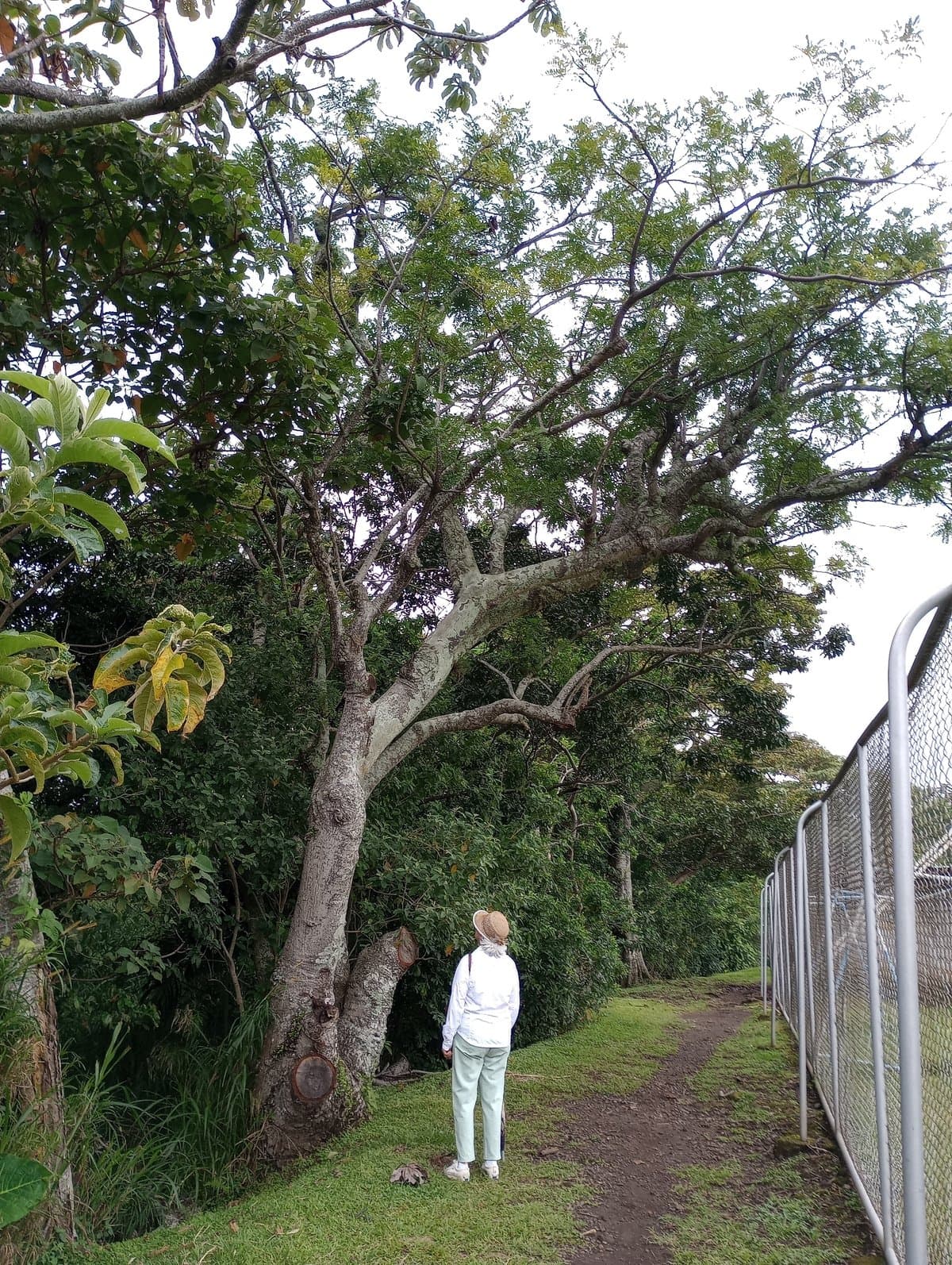
The Cashew is a small to medium evergreen tree with a spreading, often irregular crown. In poor soils or dry conditions, it may remain shrubby. The tree is well-adapted to challenging conditions—it thrives in sandy, poor soils where other crops fail. Its branching pattern is often picturesque, with gnarled, twisting limbs.
Distinctive Features
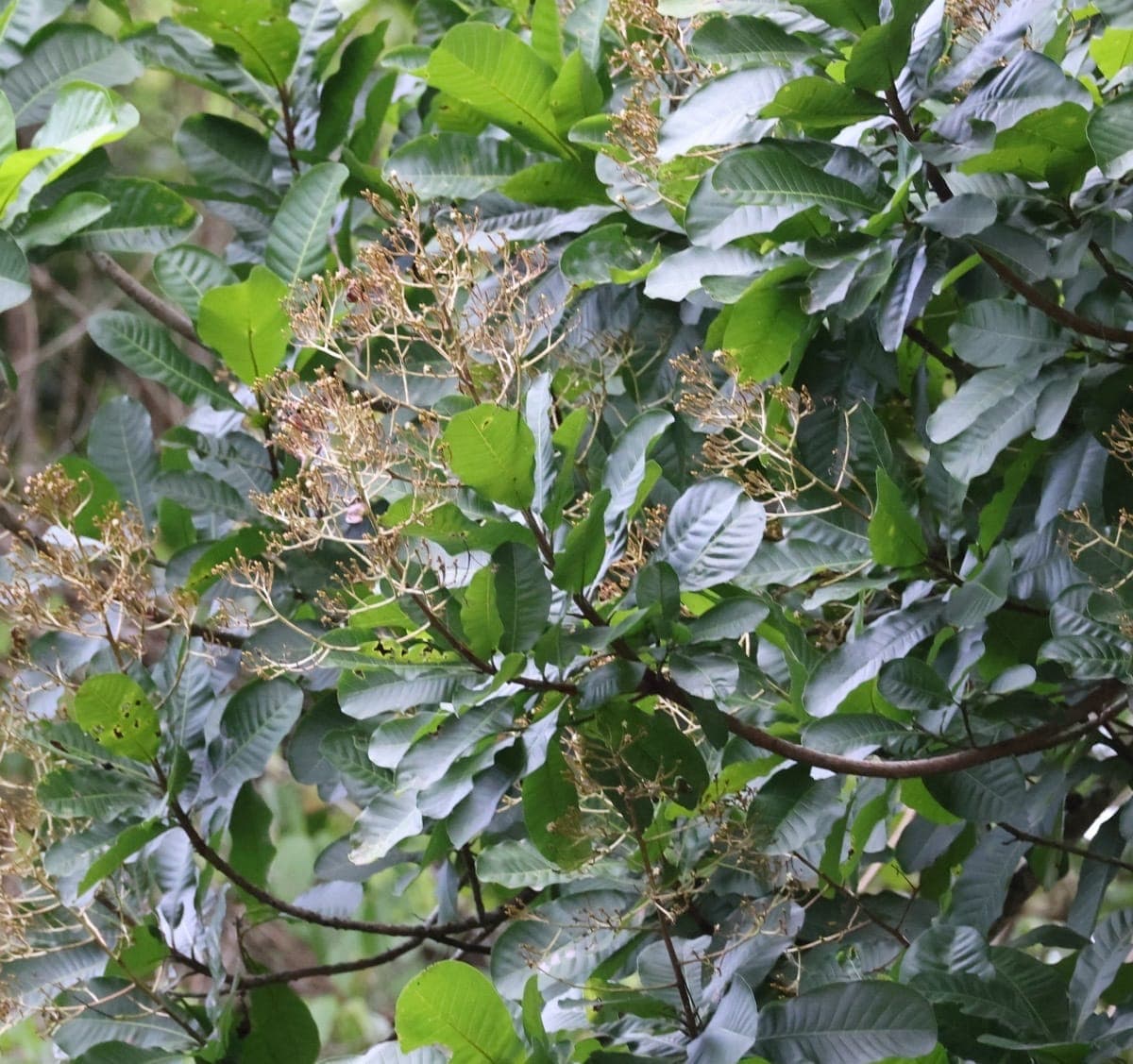
Leaves
- Type: Simple, obovate
- Size: 10-20 cm long
- Color: Dark green, leathery
- Texture: Thick, smooth
- Arrangement: Alternate, spiral
- Feature: Prominent veins
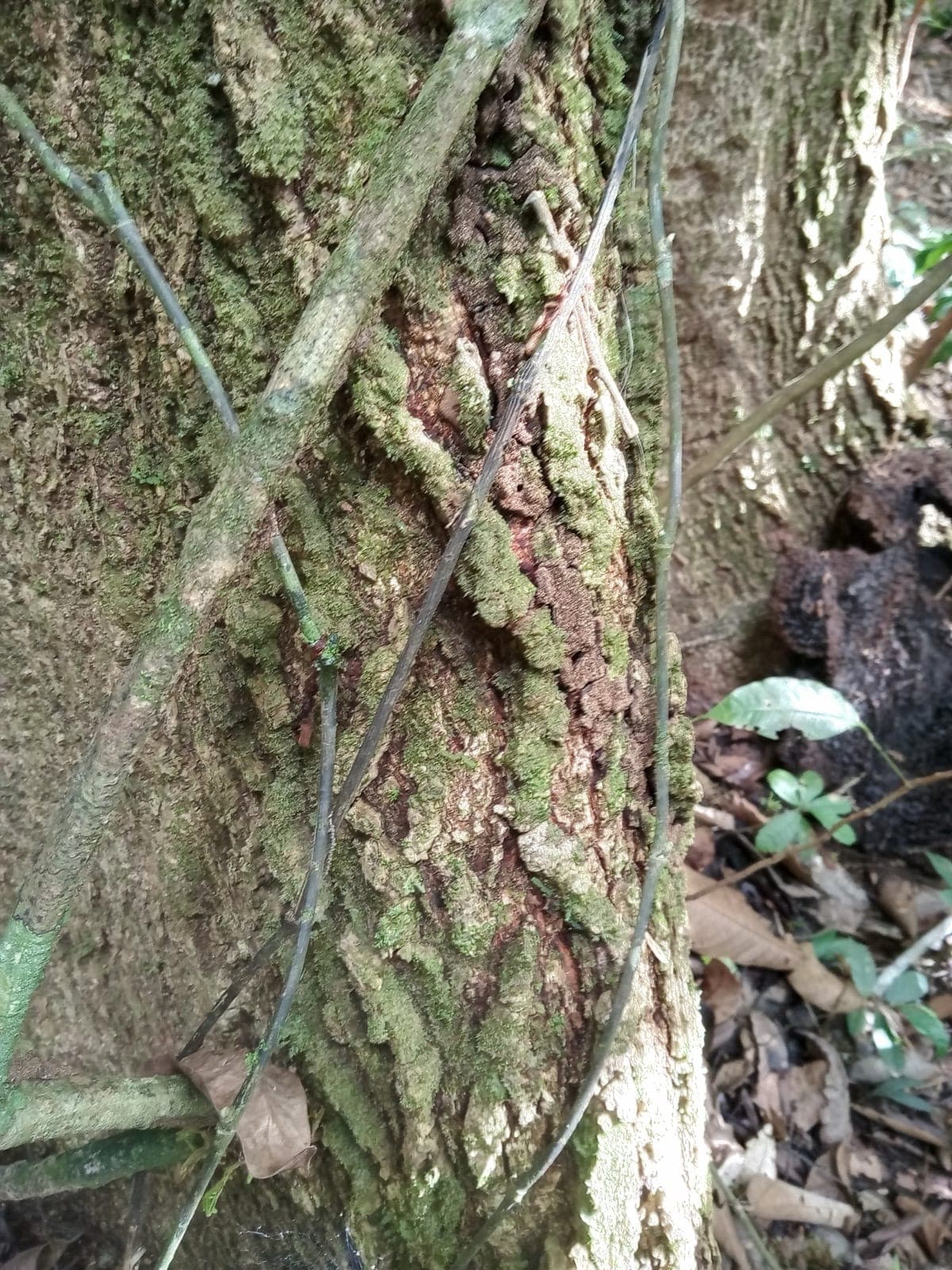
Bark
- Color: Gray to brown
- Texture: Rough, scaly
- Pattern: Fissured with age
- Exudate: Caustic gum/resin
The Famous Fruit Complex
- True Fruit (Nut): Kidney-shaped, 3 cm
- Shell: Hard, containing caustic oil
- Kernel: The edible "cashew nut"
- False Fruit (Apple): Swollen peduncle
- Apple Color: Yellow, orange, or red
- Apple Size: 5-11 cm long
- Taste: Sweet-tart, astringent
Flowers
- Type: Small, fragrant
- Color: Pinkish to red
- Size: 1 cm diameter
- Arrangement: Terminal panicles
- Sexuality: Mostly male, some perfect
Never attempt to crack cashew shells yourself! The shell between the nut and outer casing contains anacardic acid and cardol—chemicals related to poison ivy that cause severe burns. - Can blister skin on contact - Fumes from burning shells are dangerous - Professional processing required - This is why raw cashews are never sold in shells The nut inside is perfectly safe once properly processed!
The Cashew Paradox
Why Can't You Buy Cashews in Shells?
The World's Most Labor-Intensive Nut
Unlike almonds, walnuts, or peanuts, cashews are never sold in shells: The Problem: - Shell contains caustic CNSL (Cashew Nut Shell Liquid) - Same chemical family as poison ivy - Cannot be cracked like other nuts - Requires heat treatment and careful extraction Traditional Processing: 1. Nuts dried for days 2. Roasted/steamed to neutralize toxins 3. Shells cracked individually by hand 4. Kernels extracted and graded 5. Often roasted again for sale Modern Processing: - Steam or oil-bath treatment - Mechanical cracking - Still significant hand labor - CNSL is a valuable industrial byproduct Every cashew represents considerable human labor—hence the price!
Distribution and Habitat
Global Distribution
Geographic Distribution
Distribution in Costa Rica
Habitat Preferences
Ecological Role
Wildlife Interactions
Fruit Consumers
- Parrots and Parakeets: Love the nuts
- Squirrels: Important consumers
- Bats: Eat the cashew apple
- Monkeys: Both nut and apple
- Various birds: Apple flesh
- Wild pigs: Fallen fruits
Ecosystem Services
- Drought resistance: Thrives where others fail
- Soil stabilization: Sandy/degraded soils
- Windbreak: In coastal areas
- Shade: Moderate canopy
- Nectar source: For bees and insects
The Cashew belongs to the same family (Anacardiaceae) and genus (Anacardium) as Costa Rica's native Espavel (Anacardium excelsum): - Same distinctive fruit structure - Both have caustic elements - Espavel is much larger (60m vs 14m) - Espavel is native; Cashew is introduced You might say the Cashew is the Espavel's famous imported cousin!
Uses and Products
The Cashew Nut
Globally Valued Nut
Cashews are among the world's most valuable and popular nuts: Culinary Uses: - Eaten roasted and salted - Raw in cooking (actually blanched) - Ground into cashew butter - Cashew milk and cream (vegan) - Cashew cheese alternatives - Asian cuisine (stir-fries, curries) Nutritional Value (per 100g): - Calories: 553 kcal - Protein: 18g - Healthy fats: 44g - Magnesium: 83% daily value - Iron, zinc, copper: High Global Production (2022): - Vietnam: #1 processor - India: #2 producer/processor - Côte d'Ivoire: #1 raw producer - Total: ~3.5 million tons/year
The Cashew Apple
While the nut is exported worldwide, the cashew apple is often wasted: In Producing Countries: - Eaten fresh (sweet-tart flavor) - Made into juice (very popular) - Fermented into wine/liquor (Feni in Goa) - Made into jams and chutneys In Costa Rica: - Eaten fresh when ripe - Made into "refresco de marañón" - Sometimes fermented - Often simply left on tree Why Not Exported?: - Extremely delicate (bruises easily) - Shelf life of only hours to days - High in tannins (can be astringent) 5-10 times more apple than nut is produced—but most is discarded!
Industrial Uses
Cultivation
Growing Cashews
Cultural Significance
In Costa Rica
Marañón in Costa Rican culture: - Seasonal Treat: Fresh cashew apples in dry season - Traditional Beverage: "Refresco de marañón" - Country Living: Associated with rural Guanacaste - Home Processing: Some families roast their own nuts While not as culturally central as in Brazil or India, the marañón is a familiar and appreciated part of Costa Rica's fruit diversity.
Global Cultural Importance
- Brazil: National symbol of northeast; "Land of Caju"
- Goa, India: Feni liquor is cultural heritage
- Vietnam: Major industry employing millions
- West Africa: Critical export crop
Identification Guide
How to Identify Marañón
Where to See Marañón in Costa Rica
To see marañón at its best, visit during the dry season (December-April) when trees are flowering and fruiting: - Colorful apples hanging from branches - Sweet fragrance of flowers - Fresh fruit available at markets - Opportunity to taste cashew apple The sight of red and yellow cashew apples with their distinctive nut attachments is unforgettable!
External Resources
Community observations and photos
Agricultural data and resources
Industry information
Global biodiversity occurrence data and distribution maps
Conservation status and species assessment
References
📚 Scientific References & Further Reading
Morton, J.F. (1987). Cashew Apple in Fruits of Warm Climates. Julia F. Morton, Miami
Manay, N.S. & Shadaksharaswamy, M. (2001). Foods: Facts and Principles. New Age International
Azam-Ali, S.H. & Judge, E.C. (2001). Small-scale Cashew Nut Processing. FAO Technical Paper
The humble Cashew is anything but ordinary. Consider this: every single cashew nut you've ever eaten was carefully extracted from a caustic shell by human hands, processed through multiple steps, and shipped halfway around the world. The tree itself is a survivor, thriving in poor, sandy soils where other crops fail. And the forgotten cashew apple—delicious, nutritious, and almost entirely wasted—represents one of the great missed opportunities in tropical fruit. In Costa Rica's dry Pacific lowlands, the marañón stands as a testament to Portuguese colonial-era plant exchanges, Brazilian origins, and the global journey of a truly remarkable nut. Next time you snack on cashews, spare a thought for this fascinating tree and the extraordinary journey those little kidney-shaped kernels made to reach you.
Safety Information Disclaimer
Safety information is provided for educational purposes only. Individual reactions may vary significantly based on age, health status, amount of exposure, and individual sensitivity. Always supervise children around plants. Consult a medical professional or certified arborist for specific concerns. The Costa Rica Tree Atlas is not liable for injuries or damages resulting from interaction with trees described in this guide.
• Always supervise children around plants
• Consult medical professional if unsure
• Seek immediate medical attention if poisoning occurs
Information compiled from authoritative toxicology sources, scientific literature, and medical case reports.
Help improve this page
Know something about this tree? Share local knowledge, suggest a correction, or submit a photo to improve this guide for everyone.