Jobo
Spondias mombin
Quick facts
Native Region
Tropical Americas
Max Height
15-30 meters
Family
Anacardiaceae
Conservation
NE — Not Evaluated
Uses
Safety Information
Toxicity Details
The fruit is safe and delicious when ripe - widely consumed fresh and in beverages. The seed has a large kernel and is generally not eaten. The sap and bark contain urushiol-related compounds (Anacardiaceae family) but in much lower concentrations than mango or cashew. No serious toxicity concerns. Safe for children and pets to eat ripe fruit.
Skin Contact Risks
As a member of Anacardiaceae (same family as mango, cashew, poison ivy), the sap contains urushiol-like compounds that can cause contact dermatitis in sensitive individuals. However, reactions are generally milder than mango or cashew. Most people handle jobo trees and fruit without issues. The fruit skin and pulp rarely cause reactions. Sap from cut branches or damaged bark may cause mild to moderate skin irritation in susceptible people. Far less problematic than its relatives.
Allergenic Properties
People with mango or cashew sensitivity may have cross-reactivity, but this is uncommon. Jobo is generally well tolerated. Oral allergy syndrome is rare. Wood dust may cause minor respiratory irritation in sensitive individuals during woodworking.
Season
Flowering
Feb-Mar
Fruiting
May-Aug
How to identify
Jobo (Yellow Mombin / Hog Plum)
The Jobo (Spondias mombin), also called Yellow Mombin or Hog Plum, is one of the tropics' most beloved fruit trees. Its tart, aromatic yellow plums have been enjoyed by humans for thousands of years, and its remarkable ability to grow from large stem cuttings makes it the backbone of living fence systems across Central America. Every part of this tree is useful—from its refreshing fruits to its massive branches that take root when simply stuck in the ground.
Quick Reference
iNaturalist Observations
Community-powered species data
📸 Photo Gallery
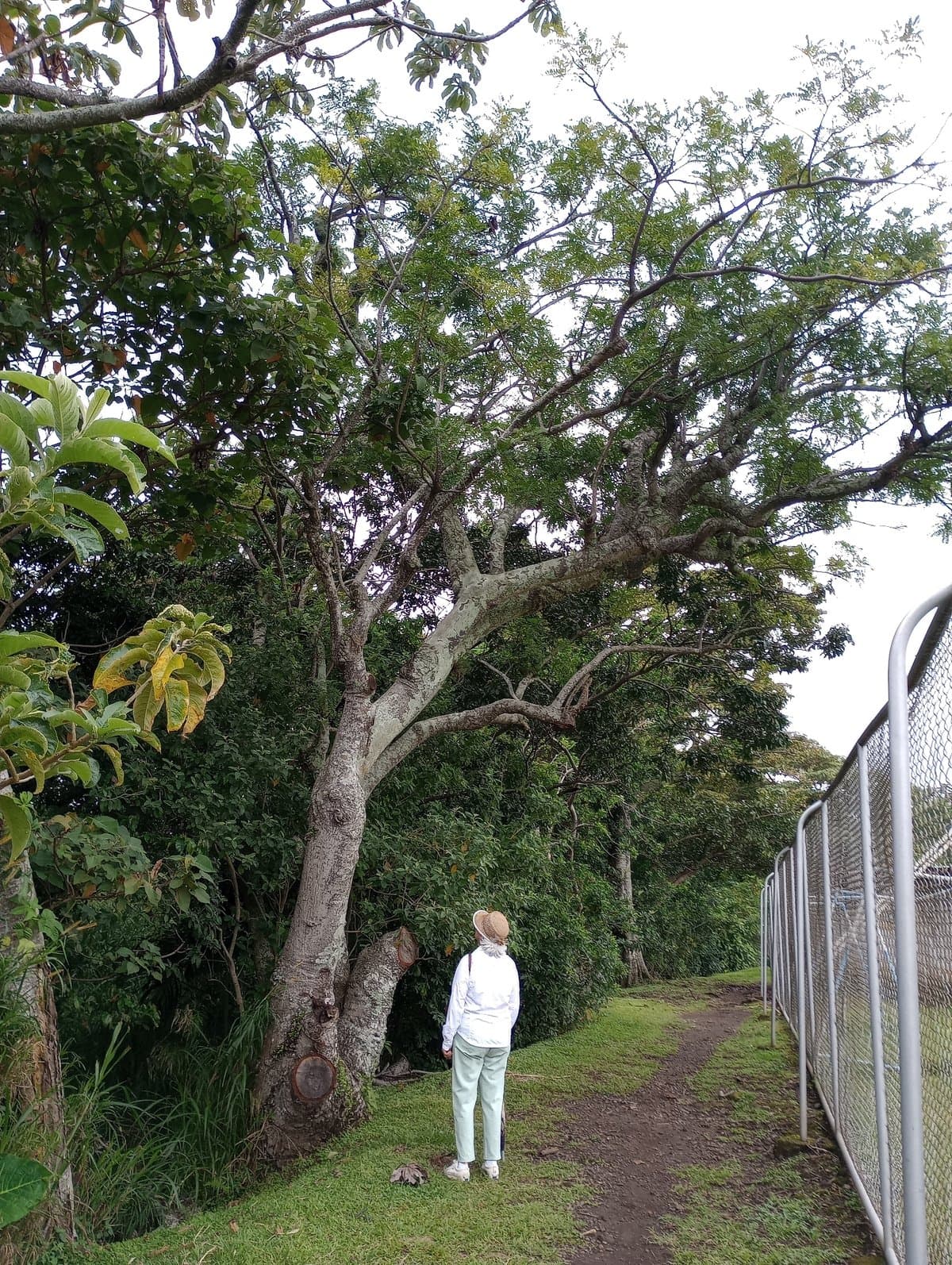
Whole tree
📷 (c) Marvin López M., some rights reserved (CC BY-NC)(CC BY-NC)
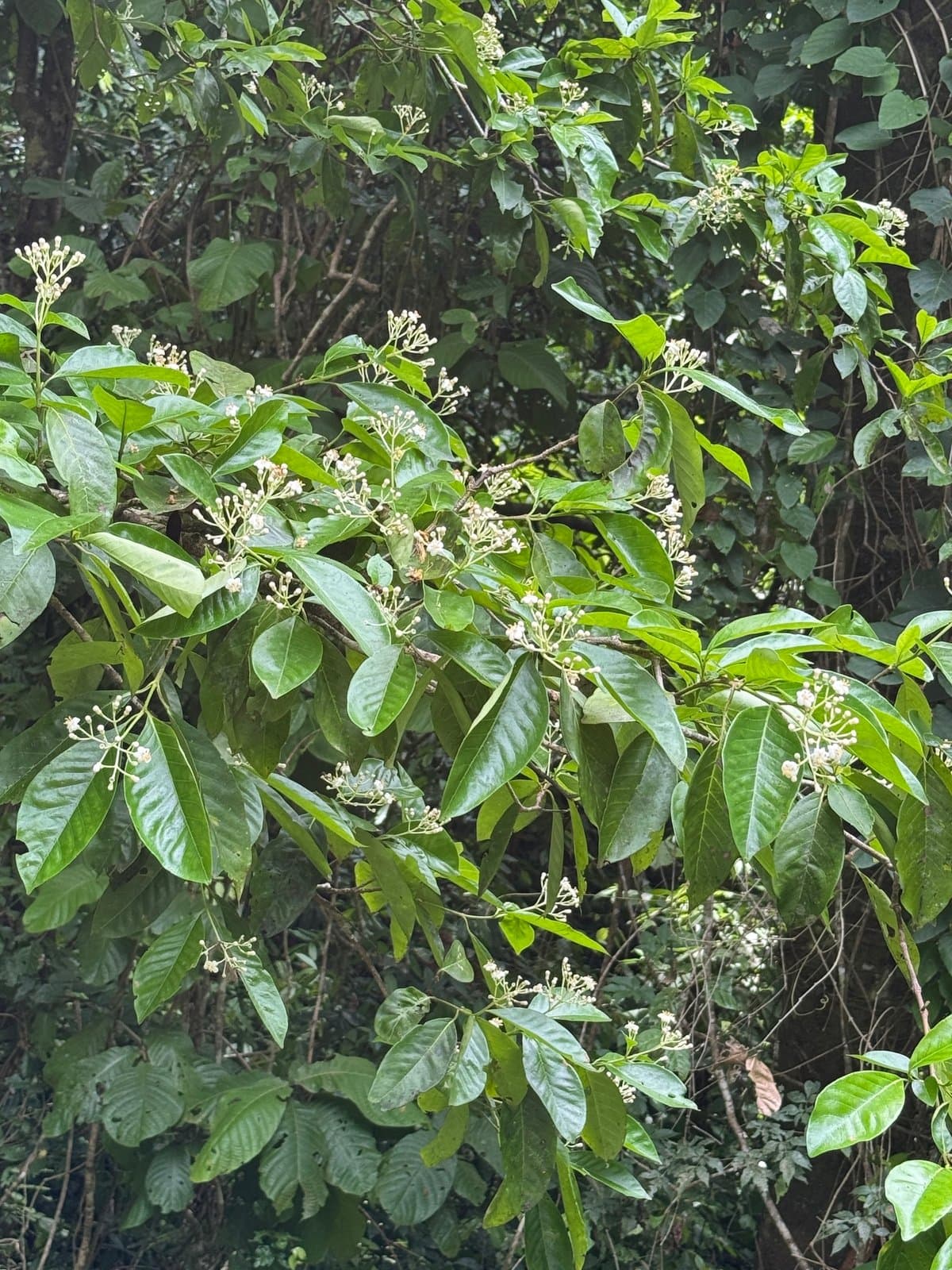
View source ↗Leaves
📷 (c) Marvin López M., some rights reserved (CC BY-NC)(CC BY-NC)
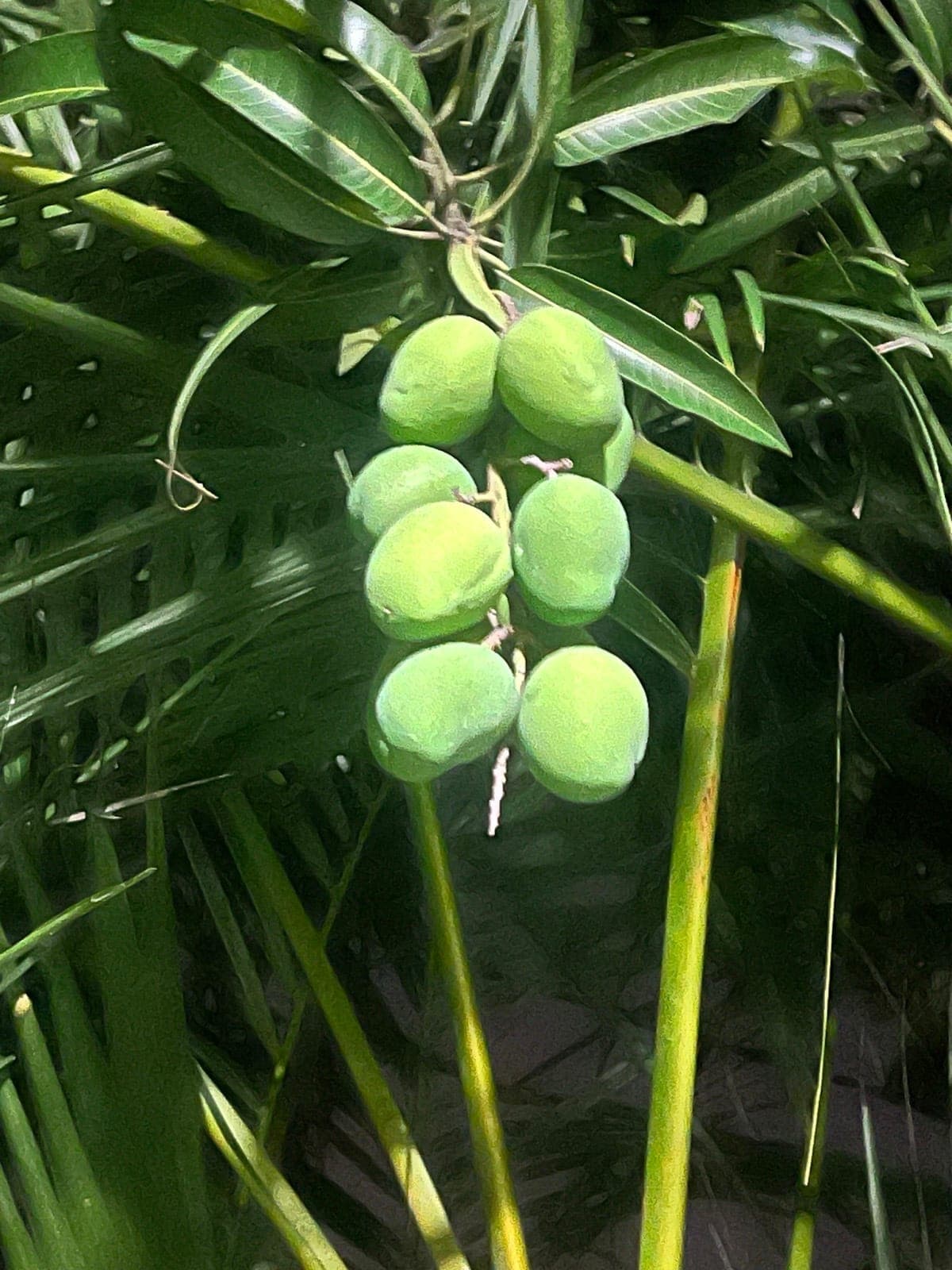
View source ↗Fruit
📷 (c) Fondo de Biodiversidad Sostenible, some rights reserved (CC BY-NC)(CC BY-NC)
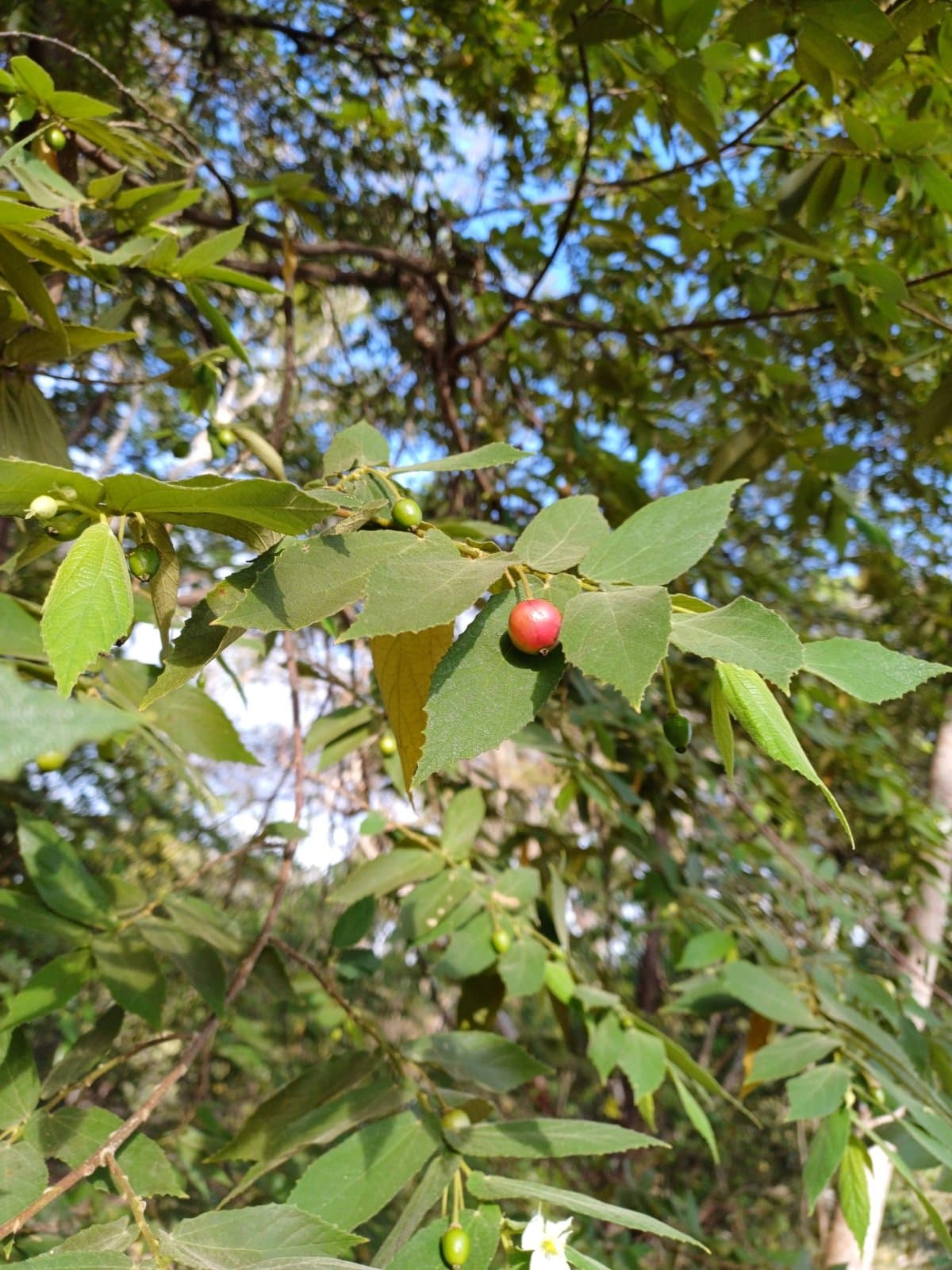
View source ↗Whole tree
📷 (c) Jo Jiménez, some rights reserved (CC BY-NC)(CC BY-NC)
View source ↗Leaves
📷 (c) Marvin López M., some rights reserved (CC BY-NC)(CC BY-NC)
View source ↗Photos sourced from iNaturalist's community science database. View all observations →↗
Taxonomy and Classification
- Spondias: Greek name for plum-like fruits - mombin: From a Caribbean indigenous name - Jobo: Spanish name from Taino indigenous language - Hog Plum: Pigs relish the fallen fruits - Yellow Mombin: Color of ripe fruit
Common Names
Related Spondias Species
Physical Description
General Form
The Jobo is a large deciduous tree with a spreading crown and thick, often crooked trunk. The bark is distinctive—rough, thick, and deeply furrowed. The tree drops its leaves during the dry season, often fruiting while leafless or as new leaves emerge. Its ability to grow from large stem cuttings makes it unique among tropical trees.
Distinctive Features
Leaves
- Type: Pinnately compound
- Leaflets: 9-19 per leaf
- Size: 5-10 cm per leaflet
- Arrangement: Alternate, opposite leaflets
- Feature: Crushed leaves aromatic
- Deciduous: Drops leaves in dry season
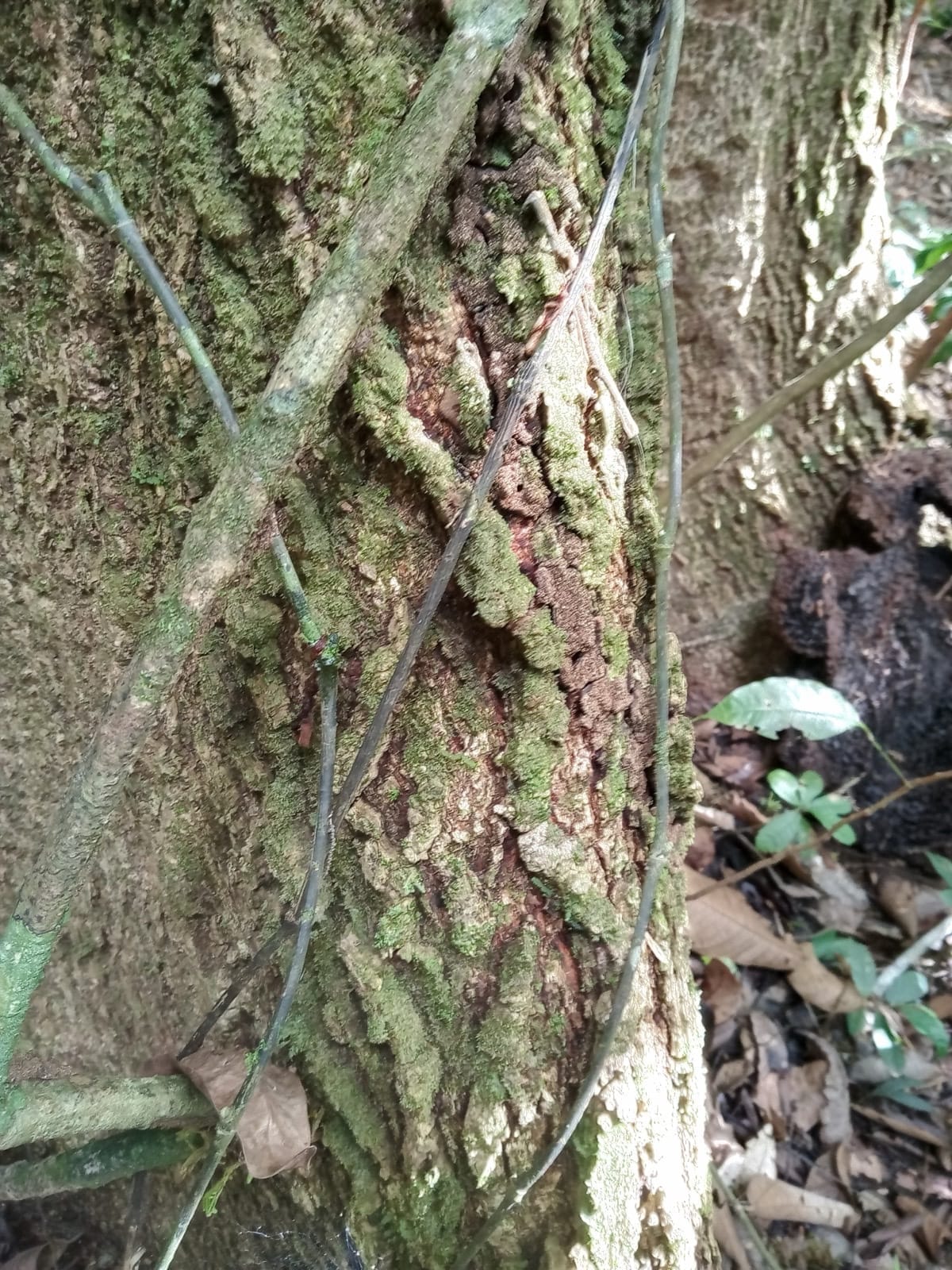
Bark
- Color: Gray-brown
- Texture: Deeply furrowed, rough
- Thickness: Thick, corky
- Inner Bark: Reddish, aromatic
- Exudate: Resinous sap
The Beloved Fruit
- Type: Drupe (stone fruit)
- Shape: Ovoid, plum-like
- Size: 3-5 cm long
- Color: Yellow to orange when ripe
- Skin: Thin, slightly waxy
- Flesh: Yellow, juicy, very tart
- Pit: Large, fibrous stone
- Season: Late dry/early wet season
Flowers
- Type: Small, cream-white
- Size: 5-6 mm
- Arrangement: Terminal panicles
- Timing: Before or with new leaves
- Fragrance: Sweet, honey-like
- Pollinators: Bees, flies, wasps
Jobo fruit has a distinctive taste profile: - Dominant Note: Intensely tart/sour - Secondary: Sweet undertones - Aroma: Fruity, mildly resinous - Texture: Juicy, fibrous near pit - Aftertaste: Slightly astringent The tartness means many people prefer Jobo in: - Drinks (frescos, licuados) - With salt (cuts tartness) - Preserves and jams - Dried with sugar Eating one fresh is an... intense experience!
Distribution and Habitat
Native Range
Geographic Distribution
Distribution in Costa Rica
Found throughout the country, especially in lowland areas:
Habitat Preferences
The Living Fence Tradition
Stakes That Become Trees
The Amazing Living Fence
One of Jobo's most remarkable characteristics is its ability to root from large stem cuttings: The Process: 1. Cut large branches (5-20 cm diameter, 2-3 m long) 2. Simply stick cut end into the ground 3. Branch produces roots within weeks 4. Develops into a full tree over years 5. Wire can be attached for fencing Benefits: - No need to buy fence posts - Posts don't rot or need replacement - Trees provide shade for cattle - Fruit bonus for farmer and livestock - Carbon sequestration - Wildlife corridors This traditional technology has been used for centuries!
Living Fence Management
Living fences of Jobo represent traditional knowledge at its finest: - Economic: Free fencing material forever - Ecological: Habitat connectivity, carbon storage - Practical: Shade improves livestock welfare
- Bonus: Free fruit crop - Resilient: Self-repairing, storm-resistant Modern agroforestry programs actively promote this ancient practice!
Ecological Importance
Wildlife Food Source
Mammal Consumers
- Peccaries: Love fallen fruits
- Deer: Eat fruits in dry season
- Monkeys: Major consumers
- Bats: Eat ripe fruit, disperse seeds
- Agoutis: Cache and consume
- Wild Pigs: Hence "hog plum"!
Bird Interactions
- Parrots: Eat unripe and ripe fruits
- Toucans: Swallow fruits whole
- Chachalacas: Ground foragers
- Tanagers: Peck at fruits
- Many more: Major food tree
Forest Dynamics
The Jobo provides multiple ecosystem services: - Food Web: Critical fruit during dry season - Seed Dispersal: Animals carry seeds widely - Shade: Improves microclimate in pastures - Pollination: Flowers support many insects - Connectivity: Living fences link forest fragments Removing Jobo trees from the landscape would impact numerous species!
Human Uses
Culinary Uses
From Farm to Table
The tart Jobo fruit is used in many ways: Fresh Consumption: - Eaten ripe with salt (traditional) - Eating straight—for the brave! - Popular with children Beverages: - Fresco de Jobo (iced fruit drink) - Licuados (blended drinks) - Fermented beverages - Wine (Brazil especially) Preserves: - Jam (with lots of sugar!) - Dried with sugar coating - Pickled (green fruits) - Candied Commercial Products: - Fruit pulp (frozen) - Concentrate for beverages - Ice cream flavoring
Traditional Medicine
The following is traditional knowledge only. Consult healthcare professionals for medical advice.
Other Uses
Cultivation
Growing from Cuttings
Growing from Seed
Identification Guide
How to Identify Jobo
Where to See Jobo in Costa Rica
Jobo fruits are most abundant at the transition from dry to wet season (April-June in most areas): - Look for yellow fallen fruits on the ground - Trees may still be partly or fully leafless - Local vendors sell them at markets - Ask farmers—they often have trees! If you've never tasted Jobo, the pucker-inducing tartness is an unforgettable experience!
External Resources
Community observations and photos
Agroforestry database
Plant resources information
Global biodiversity occurrence data and distribution maps
Conservation status and species assessment
References
📚 Scientific References & Further Reading
Janzen, D.H. (1983). Costa Rican Natural History. University of Chicago Press
Villachica, H. (1996). Frutales y hortalizas promisorios de la Amazonia. FAO, Lima
Nair, P.K.R. (1993). An Introduction to Agroforestry. Kluwer Academic Publishers
The Jobo embodies the genius of traditional tropical agriculture. A tree that asks for almost nothing—stick a branch in the ground and you get a fence post, a shade tree, a fruit tree, and wildlife habitat all in one. For centuries, Central American farmers have known what scientists are only now rediscovering: that working with nature, rather than against it, produces more resilient, productive, and sustainable landscapes. Every time you see a living fence of Jobo trees stretching across a pasture, you're seeing traditional ecological knowledge in action—and tasting a piece of it is just a bonus!
Safety Information Disclaimer
Safety information is provided for educational purposes only. Individual reactions may vary significantly based on age, health status, amount of exposure, and individual sensitivity. Always supervise children around plants. Consult a medical professional or certified arborist for specific concerns. The Costa Rica Tree Atlas is not liable for injuries or damages resulting from interaction with trees described in this guide.
• Always supervise children around plants
• Consult medical professional if unsure
• Seek immediate medical attention if poisoning occurs
Information compiled from authoritative toxicology sources, scientific literature, and medical case reports.
Help improve this page
Know something about this tree? Share local knowledge, suggest a correction, or submit a photo to improve this guide for everyone.