Mango
Mangifera indica
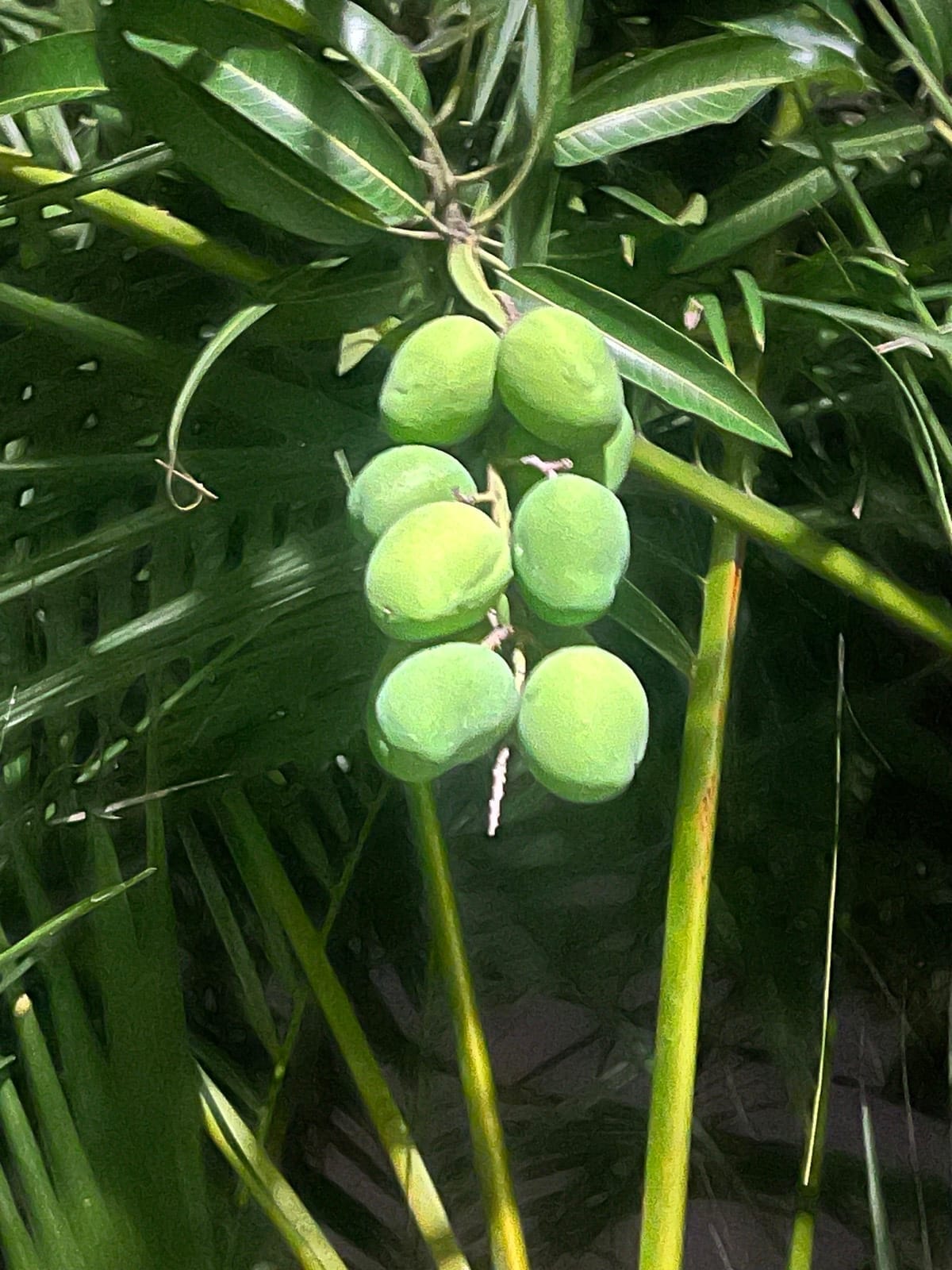
Quick facts
Native Region
South Asia
Max Height
10-45 meters (33-150 feet)
Family
Anacardiaceae
Conservation
DD — Data Deficient
Uses
Safety Information
Toxicity Details
The fruit is safe to eat and highly nutritious. However, leaves and unripe fruit contain urushiol-like compounds similar to poison ivy (same family Anacardiaceae). The sap can cause mild gastrointestinal upset if ingested in quantity. Dogs and cats should not eat mango leaves as they can cause digestive issues. The ripe fruit flesh is safe for humans.
Skin Contact Risks
Mango sap contains urushiol-like compounds that can cause contact dermatitis in sensitive individuals - the same irritant found in poison ivy. This typically manifests as 'mango mouth' - redness, itching, or small blisters around the lips and mouth after eating unpeeled mango. Reactions vary widely: some people never experience it, while others develop sensitivity over time. The peel contains higher concentrations than the flesh. Hand-to-mouth contact after handling sap or peel is the most common route. Reactions are typically mild to moderate and resolve in a few days.
Allergenic Properties
People with poison ivy/poison oak sensitivity may be at higher risk for mango dermatitis. The allergen is primarily in the peel and sap, not the flesh. Some individuals develop oral allergy syndrome. Wood dust from mango lumber can cause respiratory irritation in woodworkers.
Season
Flowering
Jan-Feb, Dec
Fruiting
Mar-Jun
How to identify
Mango (King of Fruits)
The Mango (Mangifera indica) is undoubtedly the King of Fruits— cultivated for over 4,000 years and beloved by billions worldwide. Though native to South Asia, this magnificent tree has become completely naturalized in Costa Rica, where it lines roads, fills backyards, and dominates fruit markets during its glorious season. From the first green mangoes of the season eaten with salt and chili to the perfectly ripe, honey-sweet fruits of peak harvest, the Mango is woven into the fabric of tropical life. No tree better symbolizes the abundance and generosity of the tropics.
Quick Reference
iNaturalist Observations
Community-powered species data
📸 Photo Gallery
Whole tree
📷 (c) Lena Struwe, some rights reserved (CC BY-SA)(CC BY-SA)
View source ↗Leaves
📷 (c) Lena Struwe, some rights reserved (CC BY-SA)(CC BY-SA)
View source ↗Whole tree
📷 (c) aldo1226, some rights reserved (CC BY-NC)(CC BY-NC)
View source ↗Leaves
📷 (c) Lena Struwe, some rights reserved (CC BY-SA)(CC BY-SA)
View source ↗Whole tree
📷 (c) jeremyrjk, some rights reserved (CC BY-NC)(CC BY-NC)
View source ↗Photos sourced from iNaturalist community science database. View all observations →↗
Taxonomy and Classification
- Mangifera: From Portuguese "manga" + Latin "ferre" (to bear) - indica: From India, the native region - Mango: From Portuguese, via Malay "mangga" - The word entered English in the 1580s
Common Names
Physical Description
Overall Form
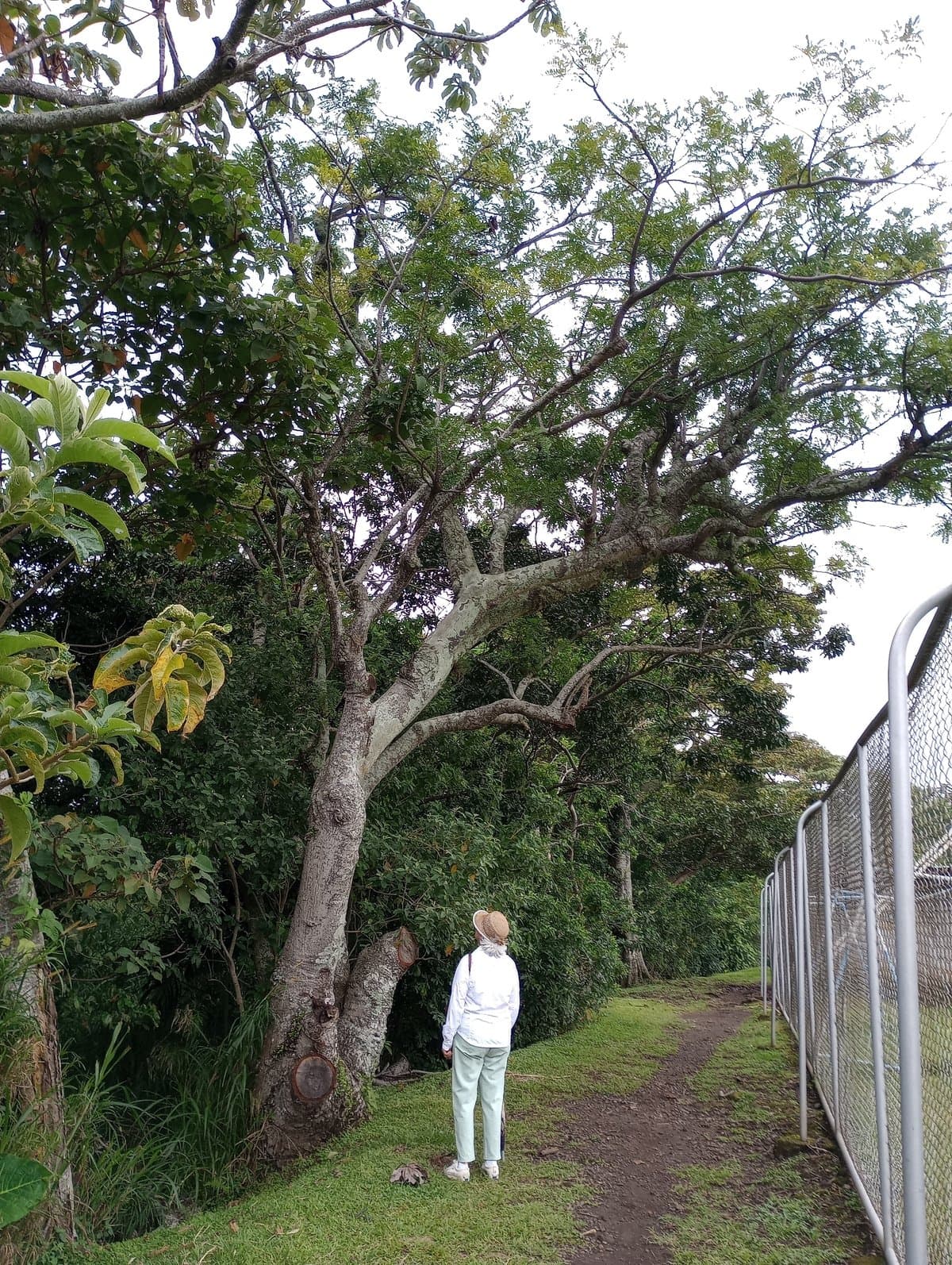
The Mango is a large, long-lived evergreen tree with a dense, rounded crown. Mature trees are impressive—broad-canopied, heavily branched, and often dominant in the landscape. The tree can live for over 100 years, with some specimens producing fruit for centuries. Young growth is often bronze or reddish, creating seasonal color contrasts.
Distinctive Features
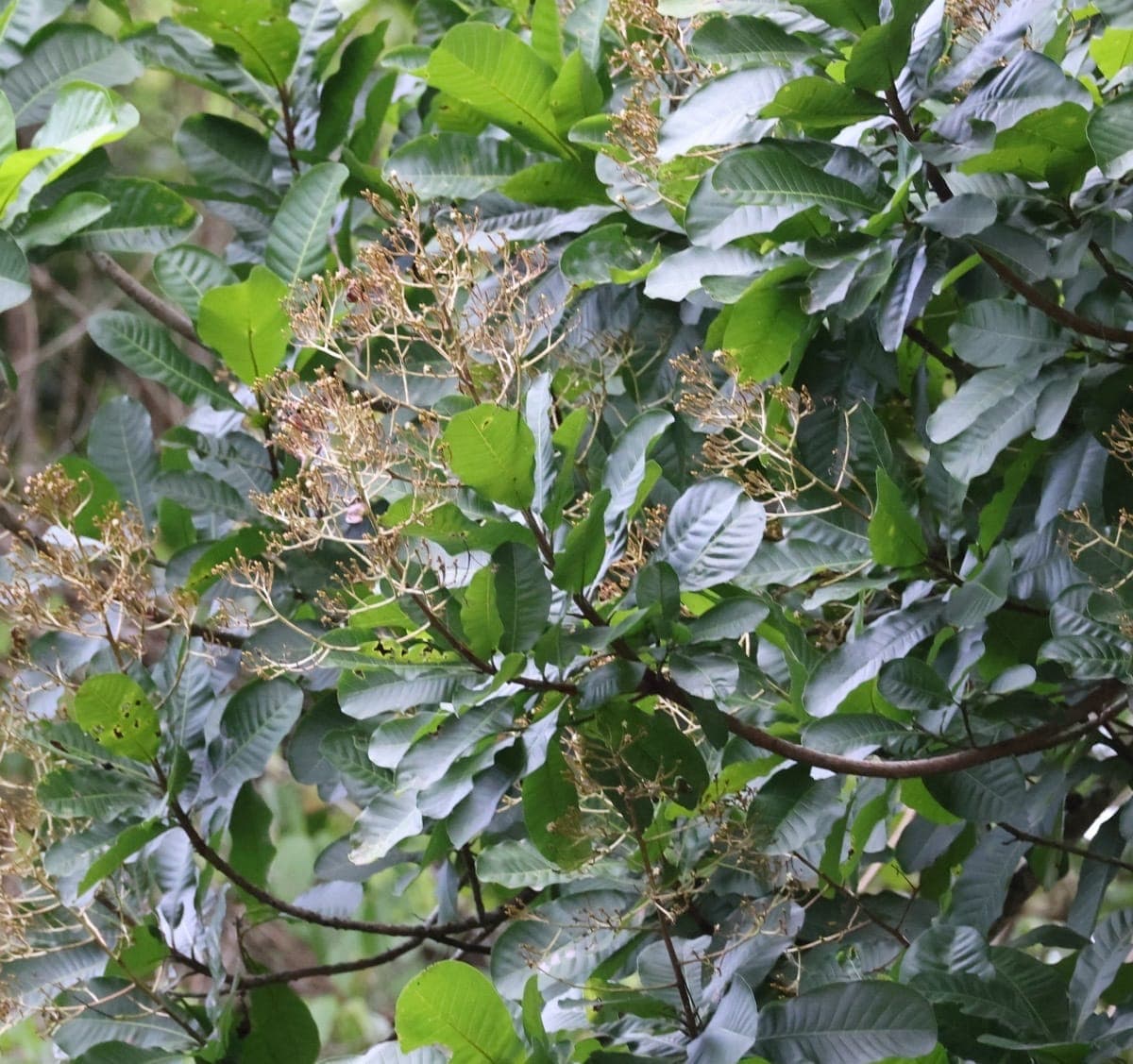
Leaves
- Type: Simple, lanceolate
- Size: 15-35 cm long
- Color: Dark green (bronze when young)
- Texture: Leathery, glossy
- Arrangement: Alternate, clustered
- Evergreen: Yes, but periodic leaf drop
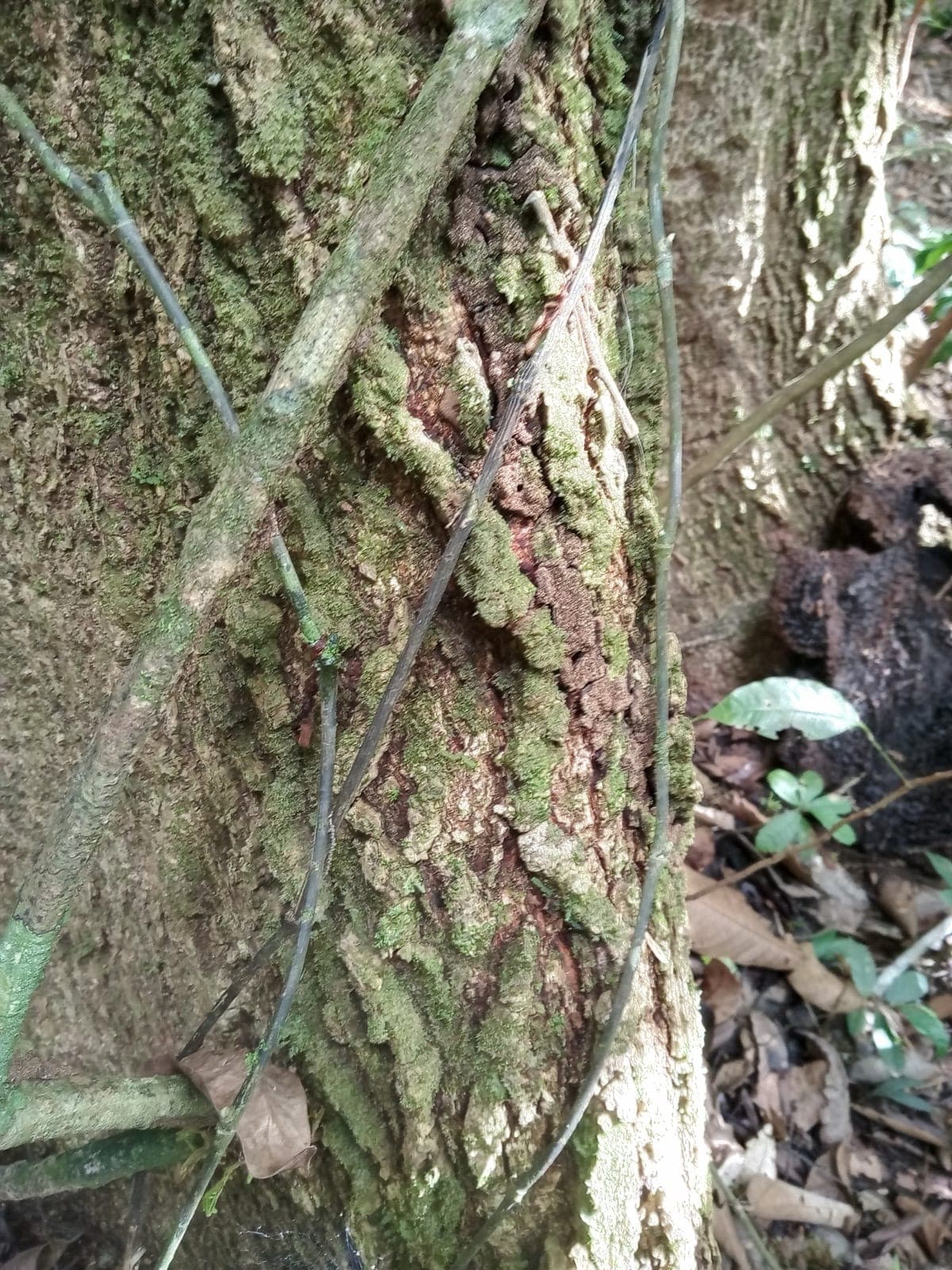
Bark
- Color: Gray to dark brown
- Texture: Rough, fissured
- Pattern: Scaly with age
- Feature: Exudes resin when damaged
The Glorious Fruit
- Shape: Oval to kidney-shaped
- Size: 5-25 cm (varies by variety)
- Skin: Green, yellow, red, or orange
- Flesh: Yellow to orange, fibrous to smooth
- Stone: Large, flat, fibrous
- Season: Mainly March-July in Costa Rica
- Yield: 100-400+ fruits per tree
Flowers
- Type: Small, numerous in panicles
- Color: Pinkish-white to yellowish
- Size: Panicle 15-30 cm long
- Number: 500-6,000 flowers per panicle!
- Fragrance: Sweet, sometimes strong
Choosing and eating a perfect mango: Signs of Ripeness: - Gives slightly to gentle pressure - Sweet aroma at stem end - Color change (varies by variety) - Some varieties never change color much Eating Methods: - The "hedgehog" cut (cross-hatch and invert) - Peeled and sliced - Eating straight off the seed (messy but fun!) - Blended into smoothies The Debate: Should mangoes be refrigerated? Some say yes (for firmness), purists say never (dulls flavor). Try both!
History and Spread
From India to the World
4,000 Years of Cultivation
Mango has one of the longest cultivation histories: Ancient Origins: - Domesticated in South Asia ~4,000 years ago - Sacred in Hindu and Buddhist traditions - Featured in ancient Indian literature - First fruit trees to be cultivated Colonial Spread: - Portuguese brought to Africa (1500s) - Spread to Brazil (1700s) - Reached Caribbean and Central America (1700s-1800s)
- Arrived in Costa Rica in colonial period Modern Era: - Now grown in 100+ countries - India produces 50% of world's mangoes - Second most traded tropical fruit - Over 1,000 named varieties worldwide
Arrival in Costa Rica
Though not native, mangoes are completely integrated into Costa Rican life: - Introduced during Spanish colonial period - Now found in nearly every town and farm - Many naturalized seedling trees - Important commercial production - Essential part of seasonal rhythms "Mango season" (temporada de mango) is a real event—when trees are laden with fruit, people collect them, share them, and celebrate the abundance!
Distribution and Habitat
Cultivation Range
Geographic Distribution
Distribution in Costa Rica
Growing Conditions
Ecological Importance
Wildlife Value
Fruit Consumers
- Monkeys: Major consumers (spider, howler, capuchin)
- Bats: Fruit bats love ripe mangoes
- Parrots and Parakeets: Important food
- Tanagers and Orioles: Eat ripe fruit
- Squirrels: Regular visitors
- Coatis: Ground-fallen fruit
- Insects: Many attracted to fruit
Tree Services
- Shade Provider: Major canopy
- Nesting Sites: Large branches, cavities
- Epiphyte Host: Supports orchids, ferns
- Pollinator Support: Flowers feed many insects
- Wind Break: Dense canopy
In Costa Rica, mango trees are critical wildlife resources: During Mango Season: - Monkeys move from tree to tree - Parrot flocks gather in fruiting trees - Bats patrol nightly for ripe fruit - Even jaguars and pumas eat fallen mangoes! Year-Round: - Shade for cattle and wildlife - Nesting habitat for countless birds - Roosting sites for bats A single large mango tree supports incredible biodiversity!
Costa Rican Varieties
Common Varieties in Costa Rica
Costa Ricans often prefer the traditional "manga criolla": - Seedling trees with variable fruit - Often more fibrous but intensely flavored - Nostalgic connection to childhood - Trees often very old and productive Commercial varieties may look better but many locals prefer the taste of the traditional types!
Uses and Products
The Fruit
Endless Ways to Enjoy
Mango fruit is incredibly versatile: Fresh: - Ripe mangoes eaten fresh - Green mangoes with salt, chili, lime - Cut into chunks or slices - Straight from the seed! Processed: - Juices and nectars - Dried mango (popular snack) - Frozen chunks and puree - Pickles and chutneys - Mango ice cream and sorbet Culinary: - Salads (green mango salads) - Salsas and sauces - Smoothies and batidos - Desserts and pastries - Added to ceviches Commercial Products: - Baby food - Fruit leather - Candies - Flavorings
Other Uses
Nutritional Value
Cultivation
Growing Mangoes
Cautions
Mango and Allergies
Important to know about mango: Related to Poison Ivy: Mango belongs to Anacardiaceae—same family as poison ivy! The sap contains urushiol-like compounds. Contact Dermatitis: - Sap can cause skin irritation - Worse around mouth ("mango mouth") - Affects some people, not all - Usually from unpeeled fruit Prevention: - Have someone else peel mangoes - Don't let skin touch mouth area - Wash hands after handling - Sensitivity often develops over time If you've never had a reaction, you're probably fine—but be aware!
Identification Guide
How to Identify Mango Trees
Where to See Mango in Costa Rica
Plan your visit to Costa Rica for mango season: - Peak Season: April-June
- Early Varieties: February-March - Late Varieties: July-August During peak season: - Prices are lowest - Selection is best - Roadside vendors everywhere - Trees literally dripping with fruit It's impossible to visit Costa Rica in mango season and not eat your fill of this incredible fruit!
External Resources
Community observations and photos
Agricultural information
Variety information and recipes
Global biodiversity occurrence data and distribution maps
Conservation status and species assessment
References
📚 Scientific References & Further Reading
Morton, J.F. (1987). Mango in Fruits of Warm Climates. Julia F. Morton, Miami
Bally, I.S.E. (2006). Mangifera indica (mango). Traditional Trees of Pacific Islands
Mukherjee, S.K. (1972). Origin of Mango (Mangifera indica). Economic Botany 26(3):260-264
There's a reason the mango is called the King of Fruits. No other tree so perfectly embodies tropical abundance—those dense, spreading crowns providing shade from the fierce sun, the explosion of fragrant flowers that fill the air in dry season, and then the glorious harvest of fruits in every shade from green to gold to red. Whether you're eating a perfectly ripe mango over the kitchen sink (the only civilized way to handle the juicy mess), or buying a bag of green mangoes to eat with salt and chili, you're participating in a 4,000-year tradition of human appreciation for this magnificent fruit. In Costa Rica, where mangoes have become as integral to the landscape as any native tree, the mango season is a time of abundance, sharing, and simple joy. Long live the King!
Safety Information Disclaimer
Safety information is provided for educational purposes only. Individual reactions may vary significantly based on age, health status, amount of exposure, and individual sensitivity. Always supervise children around plants. Consult a medical professional or certified arborist for specific concerns. The Costa Rica Tree Atlas is not liable for injuries or damages resulting from interaction with trees described in this guide.
• Always supervise children around plants
• Consult medical professional if unsure
• Seek immediate medical attention if poisoning occurs
Information compiled from authoritative toxicology sources, scientific literature, and medical case reports.
Help improve this page
Know something about this tree? Share local knowledge, suggest a correction, or submit a photo to improve this guide for everyone.
Comparison Guides
Compare with Espavel
Mango is a cultivated fruit tree with single large fruits and dense crown; Espavel is a towering rainforest giant with massive buttress roots and cashew-like fruits.
Compare with Marañón
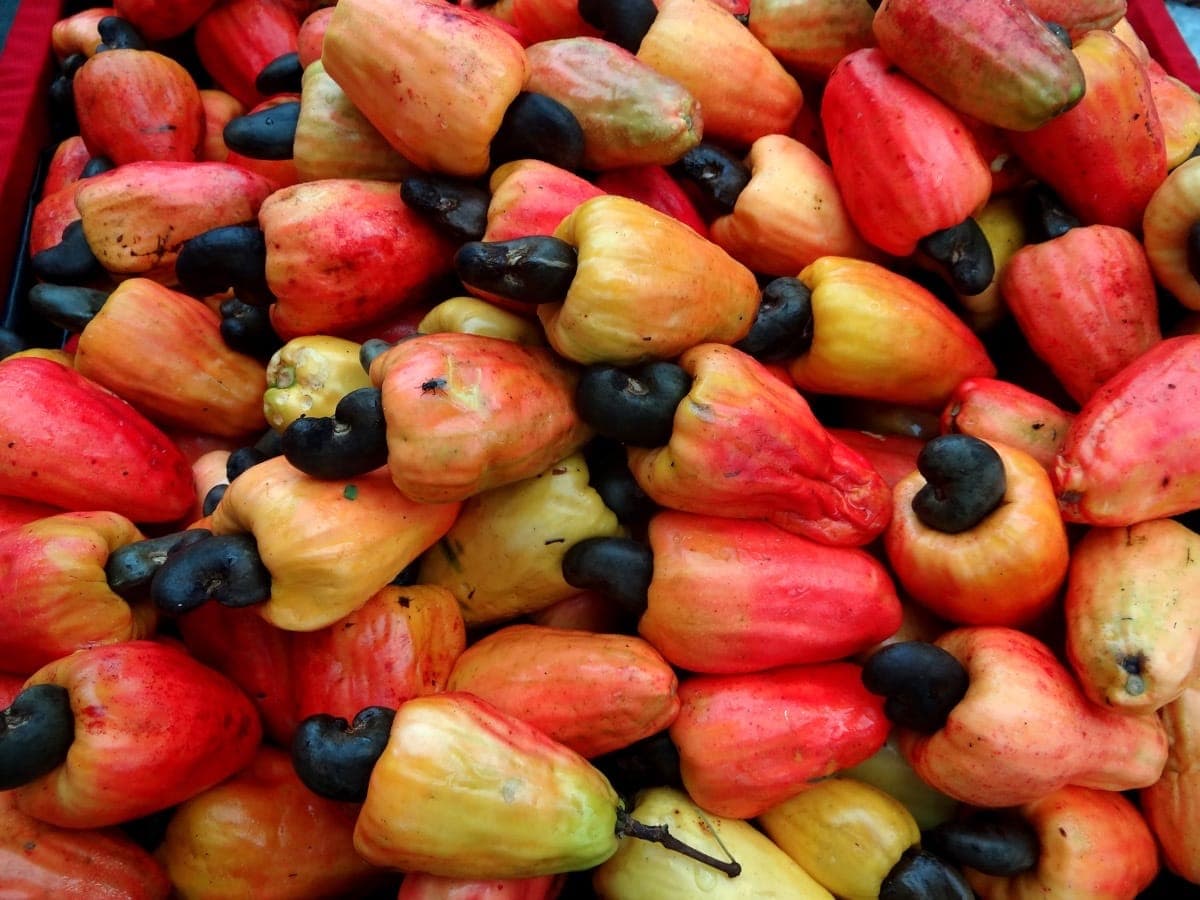
Mango has a single large mango fruit hanging from stem; Marañón has a cashew 'apple' with kidney-shaped nut attached at bottom.