Jocote
Spondias purpurea
Quick facts
Native Region
Mesoamerica (Mexico to Costa Rica)
Max Height
7-15 meters
Family
Anacardiaceae
Conservation
LC — Least Concern
Uses
Safety Information
Toxicity Details
Jocote fruits are SAFE and widely consumed. However, the tree is in Anacardiaceae (mango/cashew family) and contains urushiol in the sap and bark - the same compound found in poison ivy, mango, and cashew. The fruit itself does not contain urushiol. The skin and sap can cause mild dermatitis in sensitive individuals (similar to 'mango mouth'). For most people, eating the fruit causes no issues. The unripe fruit is sour but safe; ripe fruit is sweet and safe.
Skin Contact Risks
Mild skin irritation possible from sap contact, particularly for individuals allergic to urushiol (poison ivy, mango, cashew). Most people can handle the tree and eat fruit without issues. If you get 'mango mouth' from eating mangos, you may have mild mouth irritation from jocote skin contact. Washing hands after handling tree reduces any risk.
Allergenic Properties
Low allergen risk. Some individuals sensitive to Anacardiaceae family (mango, cashew, poison ivy) may experience mild allergic reactions to sap or skin contact with fruit skin. This is uncommon and usually mild.
Wildlife & Pet Risks
Safe for pets and livestock. Fruit is eaten by many animals including dogs, pigs, cattle. Wildlife including birds, bats, and coatis also consume the fruit.
Season
Flowering
Jan-Feb
Fruiting
Mar-May
How to identify
Jocote
The Jocote (Spondias purpurea), known as Spanish Plum or Red Mombin, is one of Costa Rica's most culturally significant fruit trees. This small, hardy tree produces abundant crops of tangy-sweet fruits that Ticos eagerly await each season. From the tart green "jocotes verdes" eaten with salt and lime, to the sweet ripe purple ones called "jocotes maduros," these fruits are a quintessential taste of Costa Rica. Living fences of jocote line roads throughout the countryside, and the sight of a tree heavy with ripe fruit is a beloved signal that the harvest season has arrived. Whether eaten fresh, dried, candied, or made into "chicha de jocote," this Mesoamerican native holds a special place in Costa Rican hearts and cuisine.
Quick Reference
iNaturalist Observations
Community-powered species data
📸 Photo Gallery
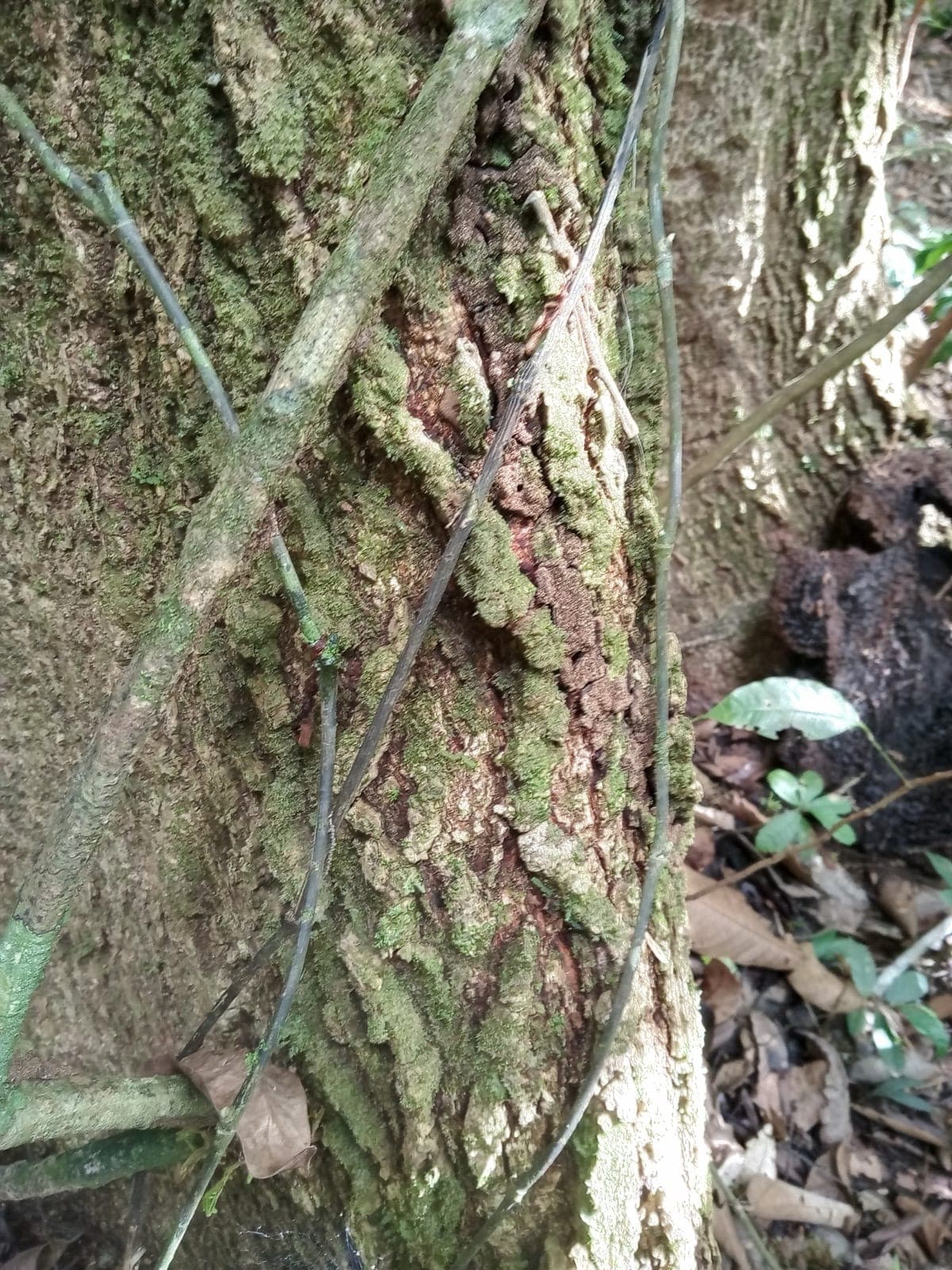
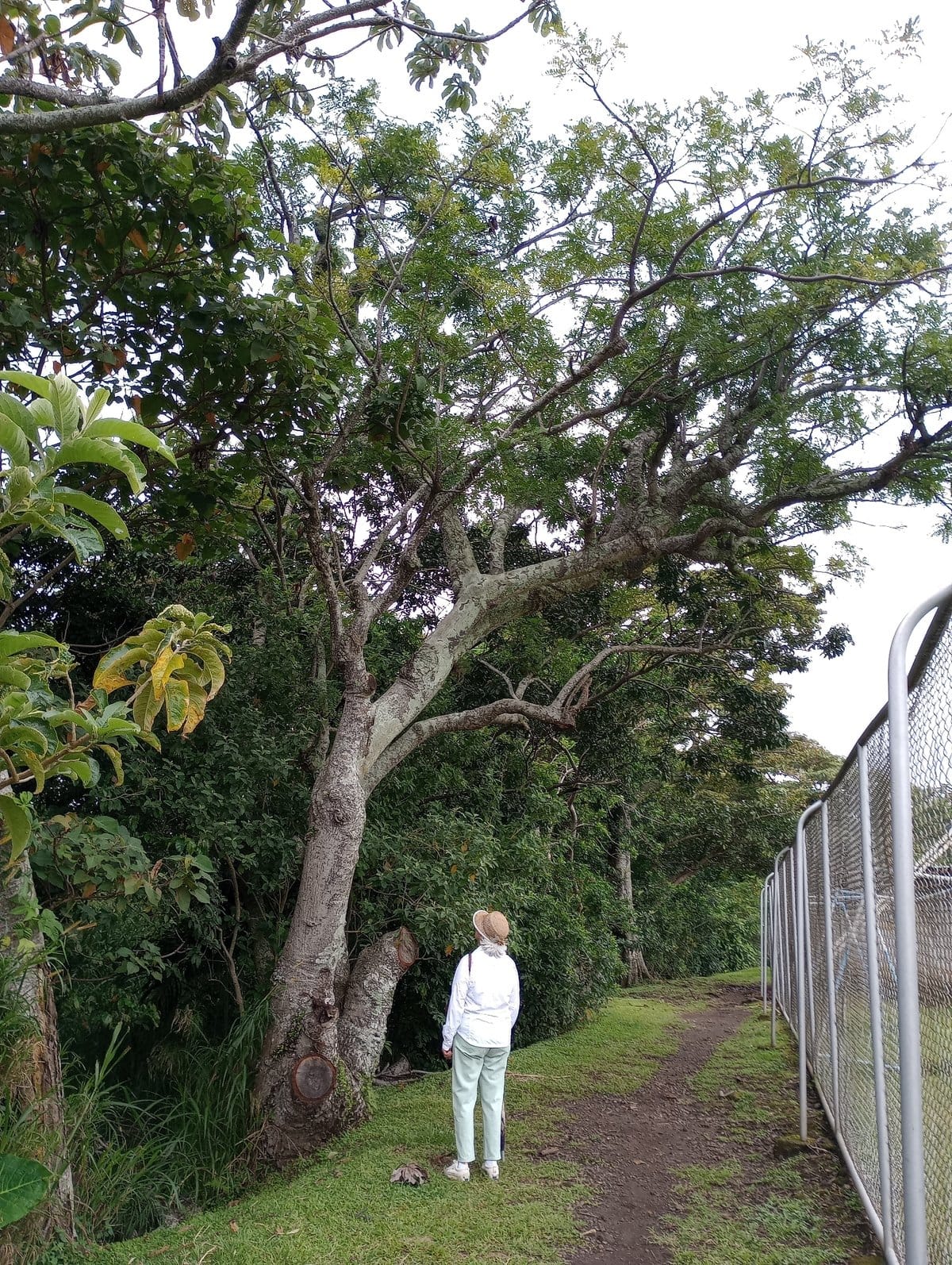
Whole tree
📷 (c) Lena Struwe, some rights reserved (CC BY-SA)(CC BY-SA)
View source ↗Leaves
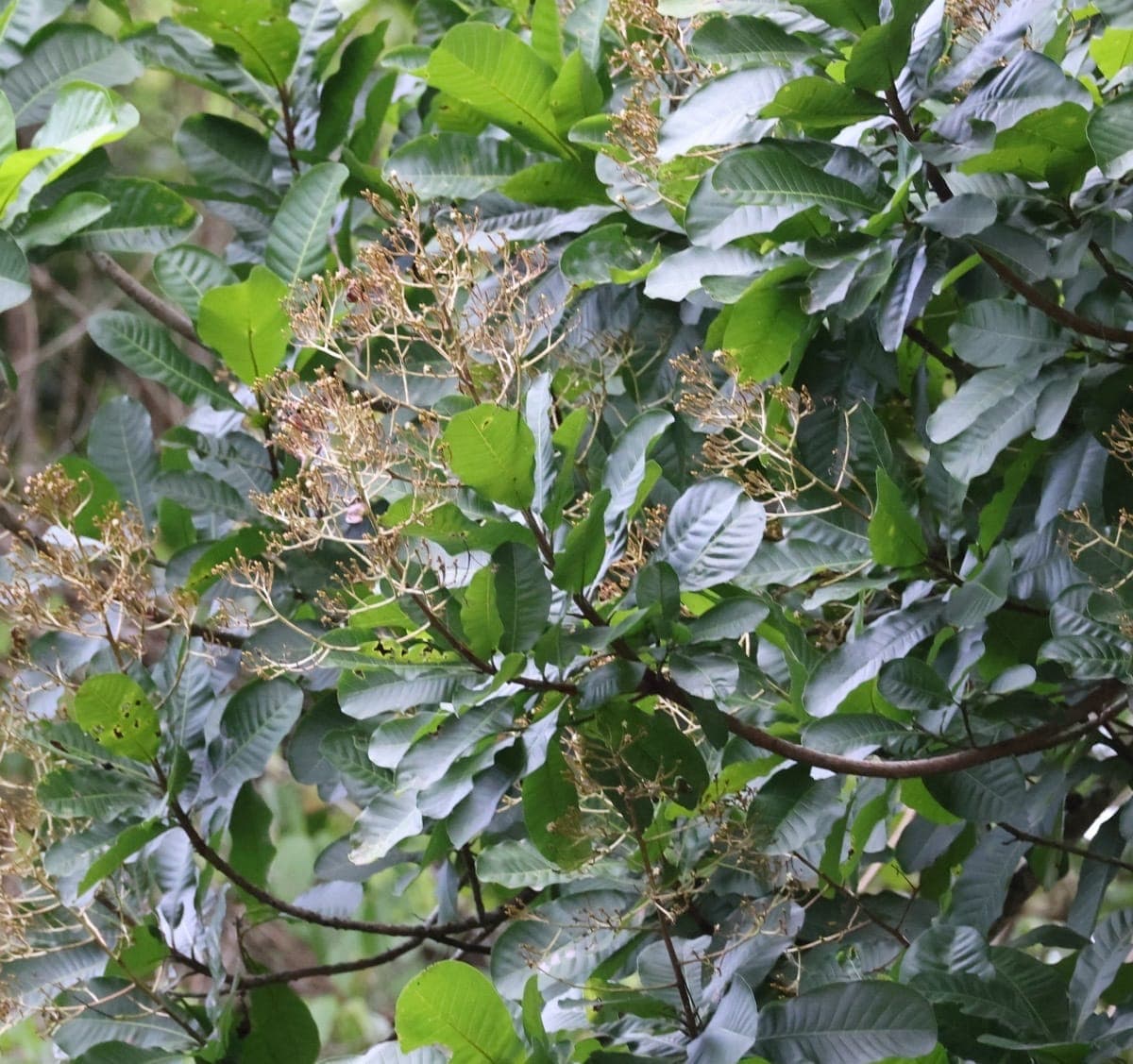
📷 (c) Lena Struwe, some rights reserved (CC BY-SA)(CC BY-SA)
View source ↗Whole tree
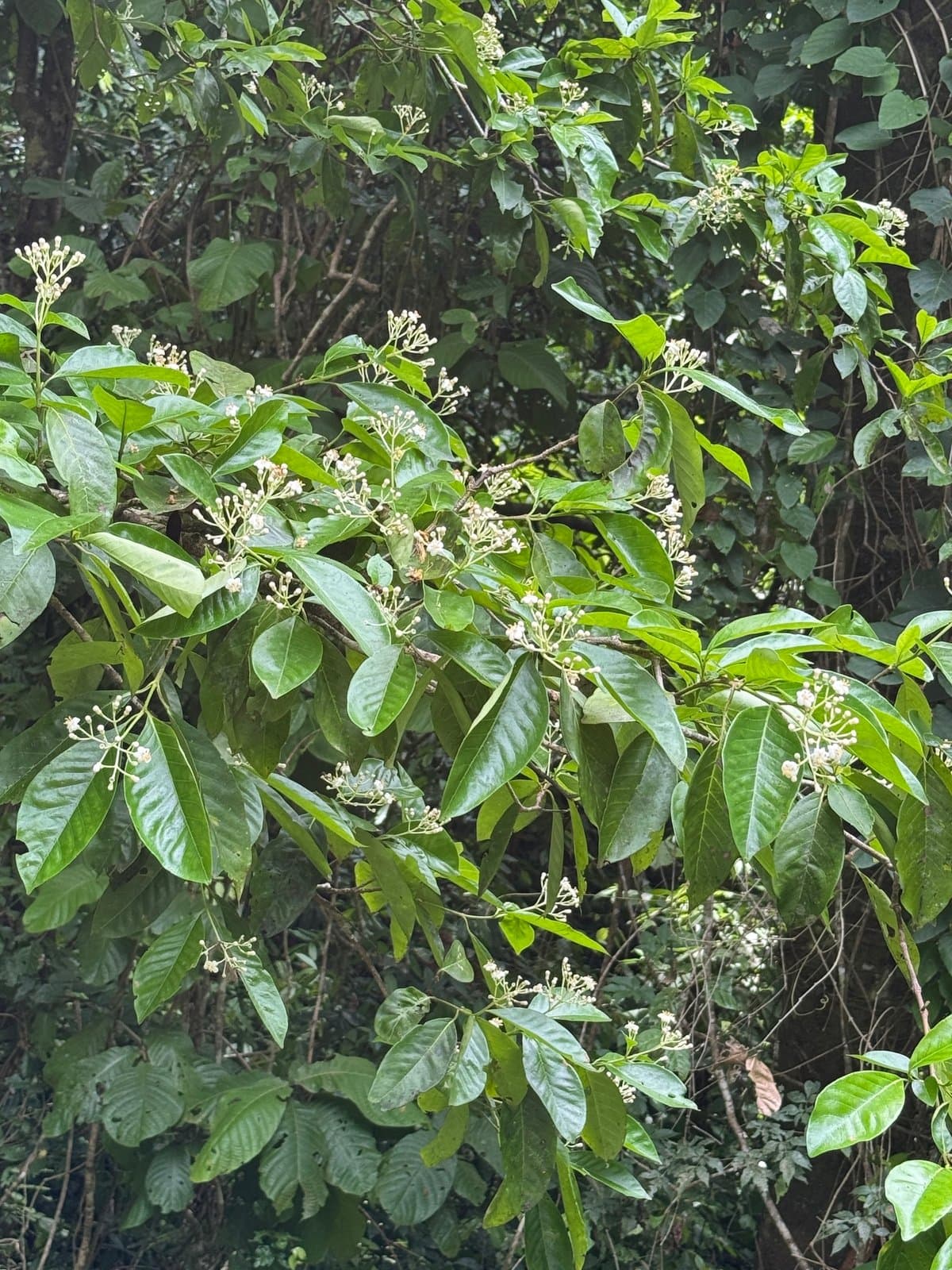
📷 (c) Miguel David Artavia Solís, some rights reserved (CC BY-NC)(CC BY-NC)
View source ↗Leaves
📷 (c) Miguel David Artavia Solís, some rights reserved (CC BY-NC)(CC BY-NC)
View source ↗Whole tree
📷 (c) James Steamer, some rights reserved (CC BY-NC)(CC BY-NC)
View source ↗Photos sourced from the iNaturalist citizen science database. View all observations →↗
Taxonomy and Classification
- Spondias: From Greek "spondias" (a plum-like fruit) - purpurea: Latin for "purple" (ripe fruit color) - Related to Jobo (S. mombin) and mango family - Genus includes several other tropical fruit species
Common Names
Related Species in Costa Rica
Physical Description
Overall Form
The Jocote is a small to medium deciduous tree with a spreading crown and characteristically thick, soft branches. The tree has remarkably easy vegetative reproduction—large branch cuttings stuck in the ground readily root and grow, which has made it one of the most common living fence trees in Mesoamerica.
Distinguishing Features
Leaves
- Type: Compound, pinnate
- Leaflets: 9-25 per leaf
- Size: Leaflets 2-5 cm each
- Margin: Serrated
- Texture: Slightly rough
- Deciduous: Drops leaves in dry season
Bark and Branches
- Bark: Gray, smooth when young
- Texture: Becomes rough with age
- Branches: Thick, brittle, corky
- Special: Root easily from cuttings!
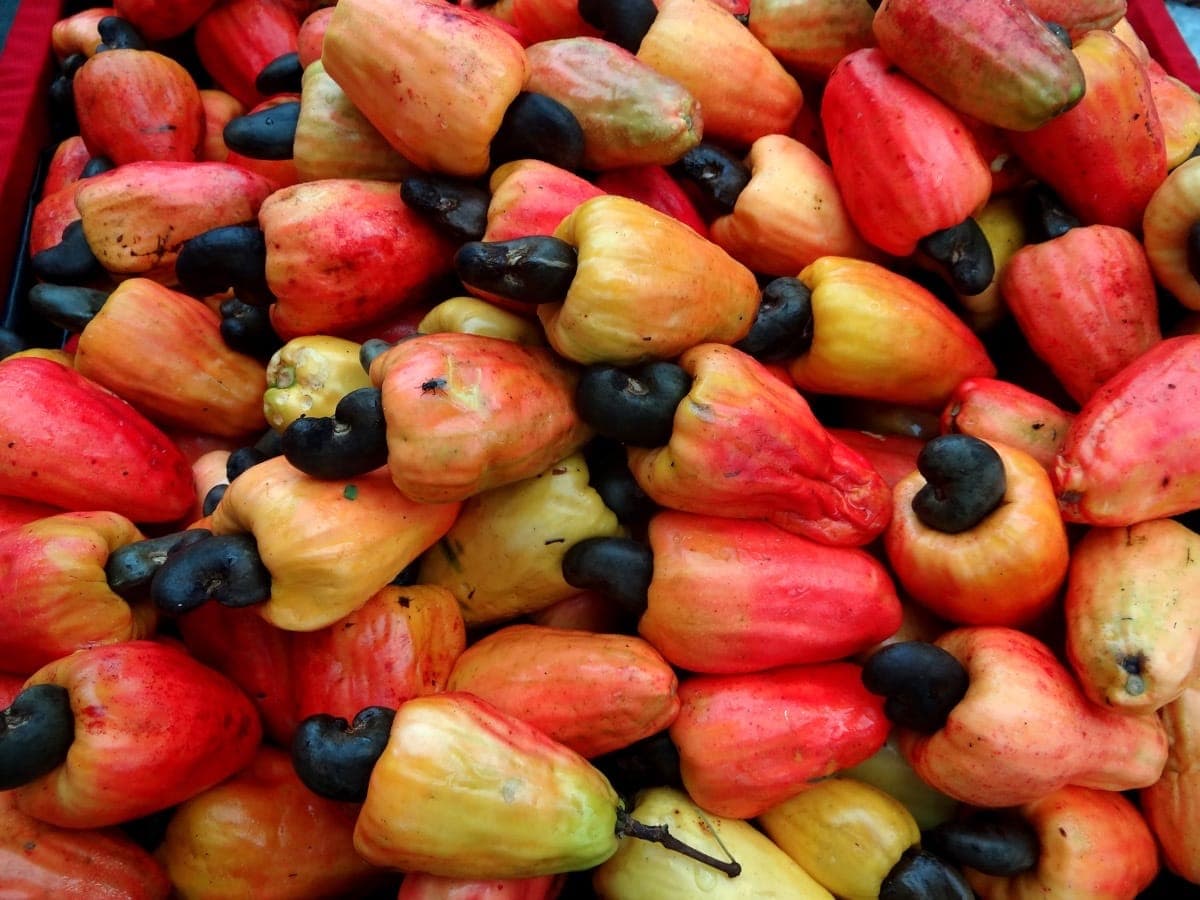
The Beloved Fruit
- Shape: Oval to elliptical
- Size: 2.5-5 cm long
- Color: Green → Yellow → Red/Purple
- Skin: Thin, edible
- Flesh: Juicy, yellow-orange
- Seed: Single, large, fibrous
- Taste: Sweet-tart, aromatic
Flowers
- Size: Small, 5-6 mm
- Color: Red to purplish
- Timing: Before or with new leaves
- Display: Abundant on bare branches
- Fragrance: Slight
Costa Ricans enjoy jocotes at two distinct stages: Jocotes Verdes (Green):
- Harvested unripe - Very tart and crunchy - Eaten with salt and lime - Or with salt, chili, and vinegar - Popular street snack Jocotes Maduros (Ripe): - Fully colored (red, purple, yellow) - Sweet with tangy notes - Soft, juicy flesh - Eaten fresh or processed - Used for drinks and preserves Both versions are equally beloved—it's a matter of personal preference!
The Jocote Varieties
Different Types Grown in Costa Rica
Variety Diversity
Several jocote varieties are recognized: By Fruit Color: - Jocote Tronador: Deep purple, large - Jocote Corona: Red, crown-shaped - Jocote Amarillo: Yellow when ripe - Jocote de Agosto: August harvest - Jocote de Invierno: Winter (rainy season) variety Regional Variations:
- Different areas favor different types - Guanacaste has distinct varieties - Some are sweeter, others more tart Selection Criteria: - Fruit size and color - Sweetness level - Harvest timing - Storage ability
Distribution and Habitat
Global Distribution
Geographic Distribution
Distribution in Costa Rica
Habitat Preferences
Cultural Significance
A Mesoamerican Heritage Fruit
The Jocote has been cultivated in Mesoamerica for thousands of years: Archaeological Evidence: - Seeds found in Maya sites - Depicted in pre-Columbian art - Important food source historically The Name: - "Jocote" comes from Nahuatl "xocotl" (sour fruit) - Shows indigenous origin of cultivation - Many varieties developed over millennia Traditional Role: - Seasonal marker (harvest = fiesta time) - Source of nutrition when other foods scarce - Preserved for year-round use - Part of cultural identity
Jocotes in Costa Rican Culture
Part of Daily Life
Jocotes are woven into Costa Rican culture: Seasonal Traditions: - Harvest season triggers celebrations - "Jocotada" gatherings to share harvest - Roadside vendors appear everywhere - Gifts between neighbors Street Food:
- Jocotes with salt and lemon ubiquitous - Sold at bus stops, parks, markets - Children's favorite treat - Affordable for everyone Home Processing: - Making "miel de jocote" (jocote honey) - Drying for off-season eating - "Chicha de jocote" fermented drink - Jocote preserves and jams Living Fences: - Jocote fences line country roads - Fruit belongs to... whoever picks it! - Community resource
Ecological Role
Value to Wildlife
Fruit Consumers
- Many bird species: Important food
- Squirrels and rodents: Eat fallen fruit
- White-faced capuchins: Raid trees
- Coatis and raccoons: Opportunistic
- Peccaries: Consume fallen fruit
- Domestic animals: Chickens, pigs love them
Other Ecological Value
- Flowering time: Provides early-season nectar
- Living fences: Wildlife corridors
- Shade: In pastures for livestock
- Soil: Leaf litter improves soil
- Easy establishment: Reforests quickly
Uses and Products
Culinary Applications
Chicha de Jocote
Chicha de jocote is a traditional lightly fermented beverage: Traditional Method: 1. Collect ripe jocotes (lots of them!) 2. Wash and mash the fruit 3. Add water and sugar 4. Let ferment for 1-3 days 5. Strain and serve cold Character: - Tangy, slightly fizzy - Low alcohol content - Very refreshing
- Seasonal availability Notes: - Made during harvest season - Communal preparation tradition - Varies by region and family recipe - Modern versions sometimes non-fermented
Other Uses
Sources: Morton, Fruits of Warm Climates - Spanish Plum↗, GBIF species profile↗, Miller & Schaal (2005)↗
Cultivation
Growing Jocote
Nutritional Value
Identification Guide
How to Identify Jocote
Where to See and Taste Jocote in Costa Rica
To really experience jocote culture: In Season (varies by area, often March-May): - Buy from roadside vendors - Try both verde and maduro - Ask locals about favorite varieties - Look for homemade "miel de jocote" Must-Try: - Jocotes verdes with salt and lime - Ripe jocotes fresh from tree - Chicha de jocote if available - Jocote en almíbar (candied) Year-Round: - Dried jocotes in markets - Jocote candy and preserves The tart-sweet flavor is quintessentially Costa Rican!
External Resources
Community observations and photos
Agricultural research center
Detailed botanical reference
Global biodiversity occurrence data and distribution maps
Conservation status and species assessment
References
📚 Scientific References & Further Reading
Morton, J.F. (1987). Spanish Plum in Fruits of Warm Climates. Julia F. Morton, Miami
Miller, A.J. & Schaal, B.A. (2005). Domestication of a Mesoamerican cultivated fruit tree. Proceedings of the National Academy of Sciences
León, J. & Poveda, L.J. (2000). Los Nombres Comunes de las Plantas en Costa Rica. Editorial Guayacán
For Costa Ricans, the jocote is more than just a fruit—it's a taste of home, a marker of seasons, and a thread connecting generations. The sight of a jocote tree heavy with purple fruit brings back childhood memories: climbing trees in abuela's backyard, roadside stops where vendors sell "jocotes con sal," the tangy-sweet explosion of flavor that says "this is my country." From the pre-Columbian Maya to today's Tico families, the jocote has been cultivated and cherished, its genetics shaped by millennia of human selection. Those living fences lining country roads? They're not just practical—they're an edible landscape, a communal resource, a tradition planted one branch cutting at a time. When you eat a jocote in Costa Rica, you're participating in a tradition that stretches back thousands of years. That tart burst of flavor? That's Mesoamerican civilization on your tongue.
Safety Information Disclaimer
Safety information is provided for educational purposes only. Individual reactions may vary significantly based on age, health status, amount of exposure, and individual sensitivity. Always supervise children around plants. Consult a medical professional or certified arborist for specific concerns. The Costa Rica Tree Atlas is not liable for injuries or damages resulting from interaction with trees described in this guide.
• Always supervise children around plants
• Consult medical professional if unsure
• Seek immediate medical attention if poisoning occurs
Information compiled from authoritative toxicology sources, scientific literature, and medical case reports.
Help improve this page
Know something about this tree? Share local knowledge, suggest a correction, or submit a photo to improve this guide for everyone.