Buttonwood Mangrove
Conocarpus erectus
Quick facts
Native Region
Tropical Americas and West Africa
Max Height
15-20 meters (50-65 feet)
Family
Combretaceae
Conservation
LC — Least Concern
Uses
Safety Information
Toxicity Details
Buttonwood bark contains moderate concentrations of tannins used historically for leather tanning. Tannins are not highly toxic but can cause mild stomach upset if bark is consumed in large quantities. Leaves and fruits are not toxic. Not a concern for casual contact with the tree.
Skin Contact Risks
Safe for all skin contact. No irritation from leaves, bark, flowers, or sap. The salt glands on leaf bases are harmless. No reports of dermatitis or skin sensitivity. Safe to prune and handle.
Allergenic Properties
Low allergen risk. Flowers are small and inconspicuous, producing minimal allergenic pollen. Some sensitive individuals may experience very mild respiratory irritation during heavy flowering. No significant allergic reactions documented.
Structural Hazards
No significant structural risks. Unlike other mangroves, buttonwood typically grows conventional trunk and branches without extensive prop roots or pneumatophores in most locations. Branches are relatively strong. Safe to plant near structures.
Wildlife & Pet Risks
Safe for all wildlife. Provides habitat for coastal birds, insects, and small mammals. Seeds eaten by various bird species. Not toxic to pets, livestock, or marine life. Excellent wildlife-friendly landscape tree.
Season
Flowering
Apr-Jul
Fruiting
Jul-Oct
How to identify
Buttonwood Mangrove (Mangle Botoncillo)
Buttonwood (Conocarpus erectus) is the most adaptable of mangrove associates, forming the outermost edge of mangrove ecosystems while also thriving inland. Neither a true mangrove nor an ordinary tree, it bridges coastal and terrestrial worlds with remarkable salt tolerance, ornamental beauty, and ecological value.
Quick Reference
iNaturalist Observations
Community-powered species data
📸 Photo Gallery
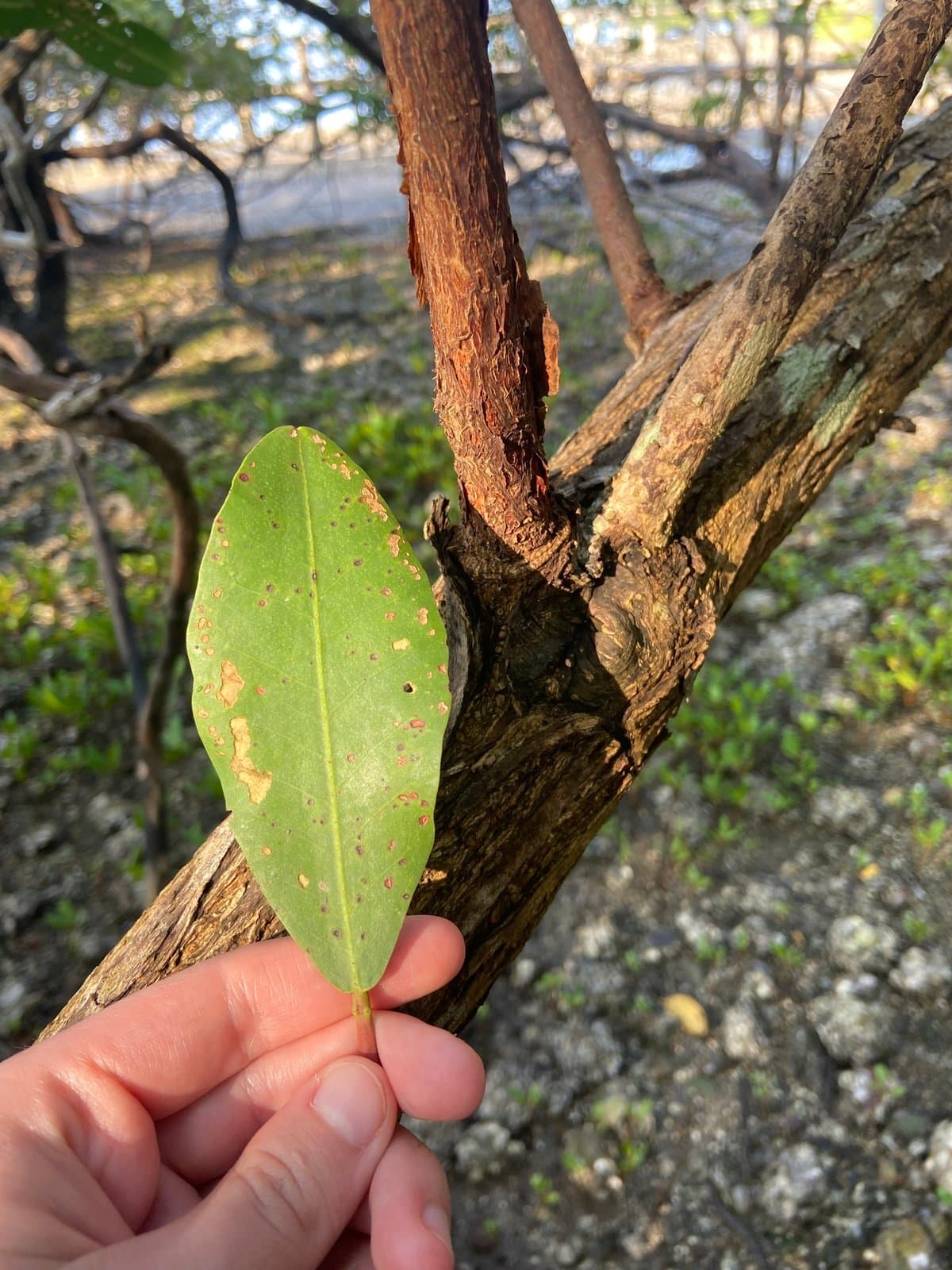
Whole tree
📷 (c) SummerShay, some rights reserved (CC BY-NC)(CC BY-NC)
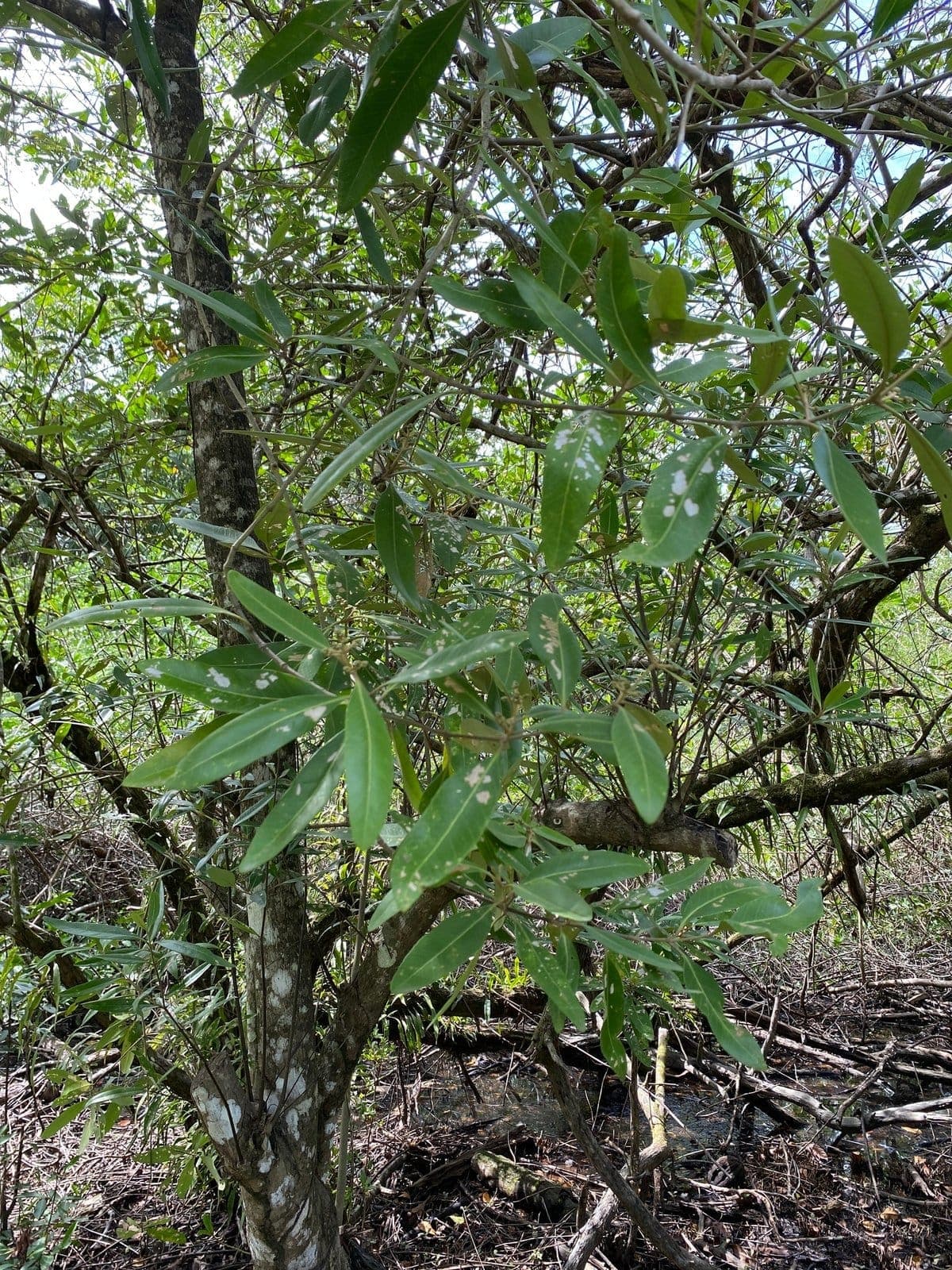
View source ↗Leaves
📷 (c) SummerShay, some rights reserved (CC BY-NC)(CC BY-NC)
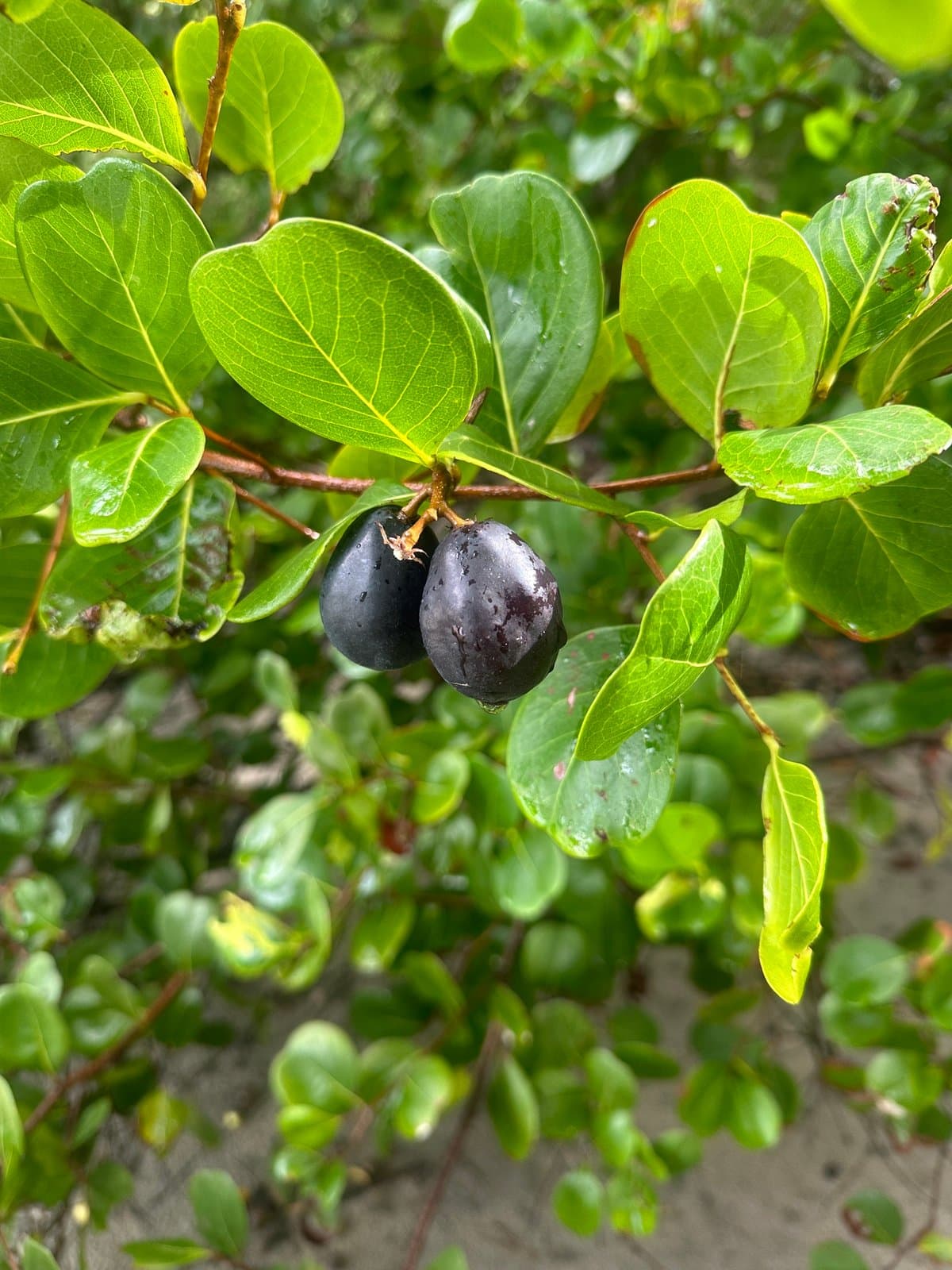
View source ↗Flowers
📷 (c) SummerShay, some rights reserved (CC BY-NC)(CC BY-NC)
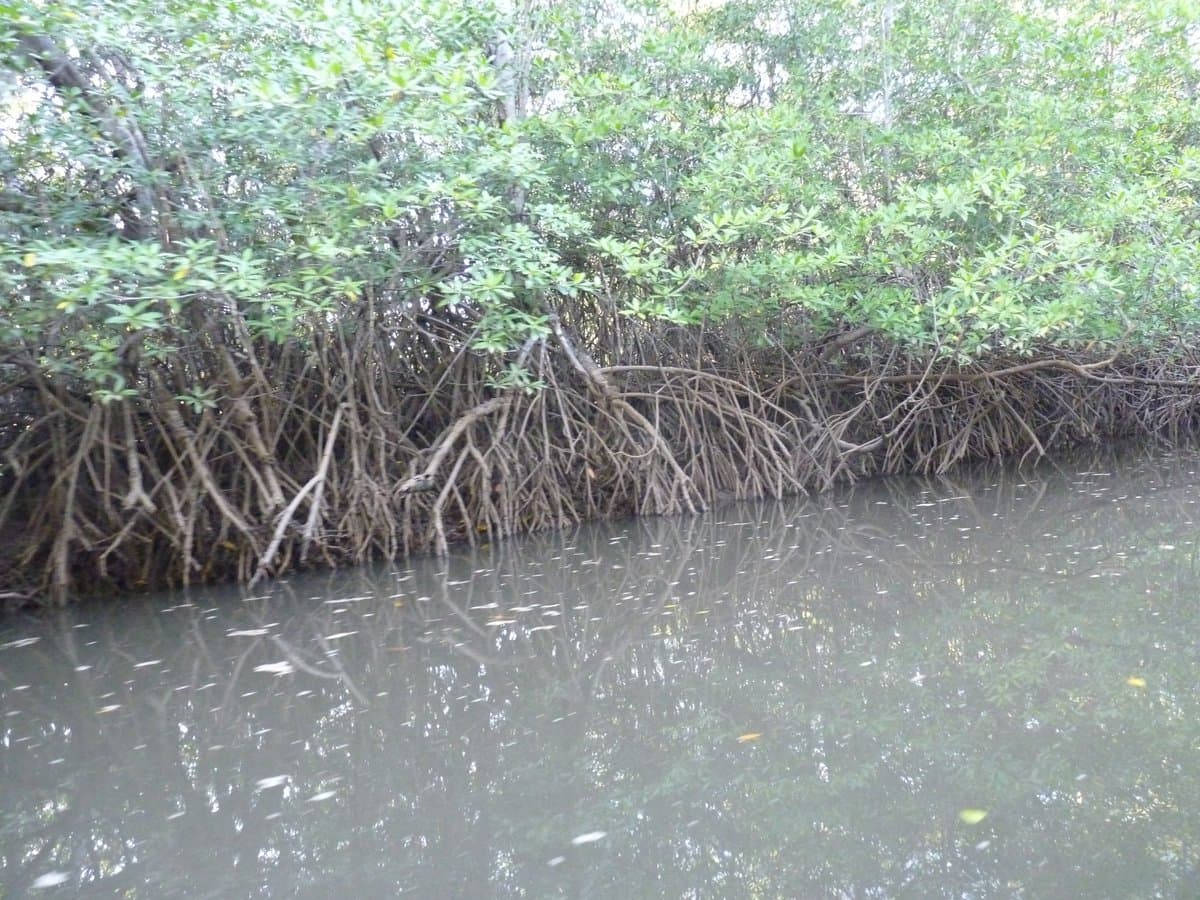
View source ↗Whole tree
📷 (c) brantastic, some rights reserved (CC BY-NC)(CC BY-NC)
View source ↗Leaves
📷 (c) SummerShay, some rights reserved (CC BY-NC)(CC BY-NC)
View source ↗Photos to be sourced from iNaturalist's community science database. View all observations →↗
Taxonomy and Classification
- Conocarpus: Greek for "cone fruit," describing fruit shape - erectus: Latin for "upright," referring to growth habit - Buttonwood: Button-like flower clusters - Mangle Botoncillo: Spanish for "button mangrove" - Silver Buttonwood: Ornamental variety with silvery leaves
Common Names
Varieties
Physical Description
General Form
Buttonwood is typically a dense, multi-trunked shrub or small tree with a compact rounded crown. It can be maintained as a large shrub (2-4 m) through pruning, or allowed to grow into a substantial tree (15-20 m). Unlike true mangroves (Rhizophora, Avicennia), it lacks specialized aerial roots in most situations, growing instead with conventional branching.
Distinctive Features
Leaves
- Arrangement: Alternate (not opposite like other mangroves)
- Shape: Oblong, tapering at tip
- Size: 2-7 cm long, 1-3 cm wide
- Texture: Leathery, slightly waxy
- Color: Dark green and shiny (green form) OR silvery (silver form)
- Salt Glands: Two glands at leaf base
- Persistence: Evergreen
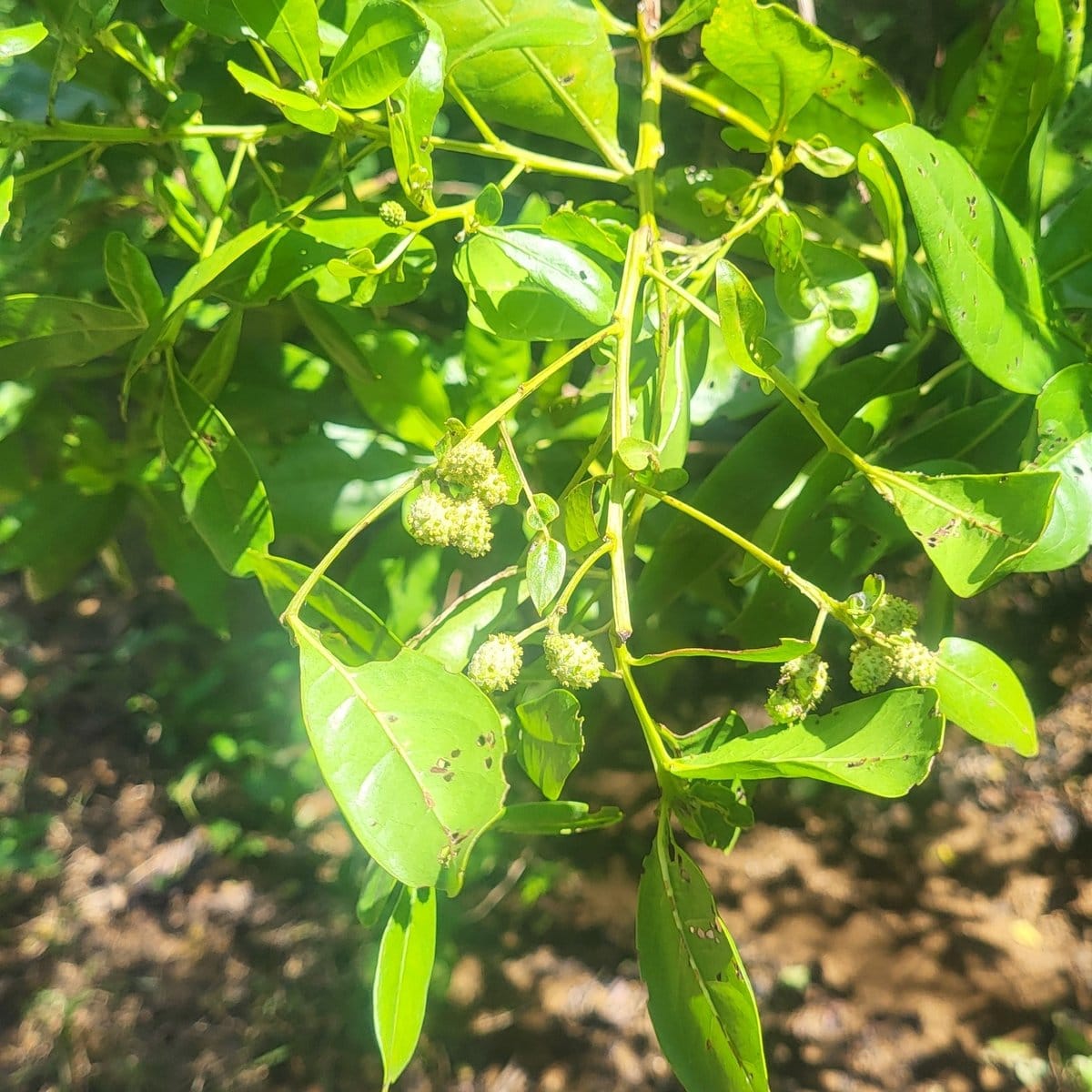
The Signature Flowers
- Type: Small, inconspicuous
- Color: Greenish-white
- Arrangement: Dense button-like heads
- Size: 5-10 mm diameter clusters
- Structure: Multiple tiny flowers per head
- Fragrance: Mild, barely noticeable
- Bloom: Spring to summer
Fruits
- Type: Cone-like cluster (aggregate)
- Shape: Oval to conical
- Size: 10-15 mm long
- Color: Red-brown when mature
- Texture: Scaly, resembling small pine cone
- Wings: Two-winged seeds aid dispersal
- Dispersal: Water and wind
- Persistence: Long-lasting on tree
Bark and Branching
- Bark Color: Gray-brown, sometimes reddish
- Texture: Thick, scaly to fissured
- Branches: Brittle, often angled
- Crown: Dense, rounded or irregular
- Roots: Conventional spreading roots
- Note: May develop pneumatophores if heavily flooded
Key identification features: 1. Alternate leaves (mangroves have opposite leaves) 2. Button-like flower clusters (unique) 3. Small cone-shaped fruits 4. Salt glands at leaf base 5. No prominent aerial roots in most locations 6. Growing at mangrove edge or inland The silver-leaved variety is unmistakable in landscaping!
Distribution and Habitat
Native Range
Geographic Distribution
Distribution in Costa Rica
Found along both Pacific and Caribbean coasts, and occasionally inland:
Habitat Preferences
Ecological Importance
The Transition Zone Facilitator
Buttonwood occupies a unique ecological niche: Position: - Outermost edge of mangrove systems - Transition between marine and terrestrial - Can grow in both saline and freshwater environments Function: - Stabilizes the mangrove-upland boundary - Provides habitat for both coastal and terrestrial species - Acts as windbreak protecting inland areas - Accumulates organic matter and carbon Adaptability: - Not dependent on tidal flooding like true mangroves - Can colonize disturbed upland sites - Extends mangrove ecosystem benefits landward
Wildlife Relationships
Birds
- Herons: Nest in canopy
- Warblers: Forage in foliage
- Mangrove Cuckoo: Breeding habitat
- Seedeaters: Consume seeds
- Various species: Shelter and perching
Other Wildlife
- Crabs: Forage in leaf litter
- Lizards: Bask on branches and trunk
- Insects: Pollinators and herbivores
- Small mammals: Shelter in dense thickets
- Epiphytes: Orchids and bromeliads on branches
Adaptations and Ecology
Salt Management Strategy
Flexible Salt Tolerance
Buttonwood's adaptability comes from flexible salt management: Facultative Halophyte: - Can tolerate salt but doesn't require it - Thrives in both saline and freshwater conditions - Outperforms in low-salt environments Mechanism: - Salt glands at leaf base excrete excess salt - Less efficient than true mangrove adaptations - Sufficient for landward zones where salinity is moderate Result: - Broader habitat range than obligate mangroves - Can colonize inland sites - Used in landscaping far from coast
Competition and Zonation
Uses and Applications
Landscaping and Ornamental Use
Green Buttonwood
- Uses: Coastal plantings, windbreaks, natural screens
- Maintenance: Low once established
- Size: Can grow large, needs space
- Best For: Naturalistic coastal landscapes
- Benefits: Wildlife habitat, storm resistance
Silver Buttonwood
- Uses: Specimen trees, hedges, foundation plantings
- Maintenance: Moderate, responds well to pruning
- Size: Easily maintained at desired size
- Best For: Formal landscapes, urban settings
- Benefits: Ornamental value, salt tolerance, drought resistance
Restoration and Conservation
Traditional Uses
Cultivation and Care
Planting Guidelines
Unlike rare mangroves, buttonwood is EXCELLENT for cultivation: - Home landscapes: Both varieties suitable - Coastal properties: Natural fit with excellent salt tolerance - Inland gardens: Grows well without salt - Hedges: Silver variety makes beautiful formal hedge - Restoration: Great for ecological plantings
Propagation
From Seeds
- Collection: Gather ripe brown cones
- Processing: Extract winged seeds
- Germination: Sow fresh in moist medium
- Rate: Good germination (60-80%)
- Time: 2-4 weeks to sprout
- Transplant: When 10-15 cm tall
From Cuttings
- Timing: Best in rainy season
- Material: Semi-hardwood cuttings 15-20 cm
- Rooting: Hormone treatment helps
- Medium: Well-draining mix
- Time: 6-8 weeks to root
- Success: Moderate (50-70%)
Maintenance Calendar
Mangrove Ecosystem Completion
The Four-Zone System
With buttonwood, the complete coastal transition is: Zone 1 - Seaward (Daily tidal): - Red Mangrove (Rhizophora mangle) - Prop roots, high salinity tolerance Zone 2 - Middle (Periodic tidal): - Black Mangrove (Avicennia germinans) - Pneumatophores, salt excretion Zone 3 - Landward (Occasional tidal): - White Mangrove (Laguncularia racemosa) - Salt glands, wide tolerance Zone 4 - Upland Edge (Rarely/never tidal): - Buttonwood (Conocarpus erectus) - Facultative halophyte, most adaptable
Where to See Buttonwood in Costa Rica
Buttonwood is the easiest mangrove associate to observe: - Location: Look beyond white mangrove, at forest edge - Urban: Check landscaping in coastal cities - Identification: Look for button-like flowers/fruits - Season: Spring-summer for flowers, summer-fall for fruits - Photography: Silver variety especially photogenic - Access: Often accessible without boat
External Resources
Community observations and photos
Detailed cultivation information
Distribution and characteristics
Landscaping and propagation information
Global biodiversity occurrence data and distribution maps
Conservation status and species assessment
References
📚 Scientific References & Further Reading
Tomlinson, P.B. (2016). The Botany of Mangroves. Cambridge University Press, 2nd Edition
Gilman, E.F. & Watson, D.G. (1993). Conocarpus erectus: Buttonwood. University of Florida IFAS Extension Fact Sheet ST-200
Duke, N.C. (2017). Mangrove Floristics and Biogeography Revisited. Annals of Botany 120(4): 561-578
Buttonwood may be the most underappreciated tree in coastal Costa Rica. While its mangrove relatives get the attention for their dramatic adaptations, buttonwood quietly does the essential work of connecting sea and land. It stabilizes the crucial transition zone, provides habitat for species from both realms, and demonstrates that sometimes the most valuable adaptation is flexibility. Whether you encounter it as a silvery hedge in a San José garden or a windswept sentinel at the mangrove's edge, remember: this versatile tree is helping maintain the boundary where two worlds meet. Every buttonwood is a bridge-builder, working to keep coastal ecosystems connected and resilient.
Safety Information Disclaimer
Safety information is provided for educational purposes only. Individual reactions may vary significantly based on age, health status, amount of exposure, and individual sensitivity. Always supervise children around plants. Consult a medical professional or certified arborist for specific concerns. The Costa Rica Tree Atlas is not liable for injuries or damages resulting from interaction with trees described in this guide.
• Always supervise children around plants
• Consult medical professional if unsure
• Seek immediate medical attention if poisoning occurs
Information compiled from authoritative toxicology sources, scientific literature, and medical case reports.
Help improve this page
Know something about this tree? Share local knowledge, suggest a correction, or submit a photo to improve this guide for everyone.