Icaco
Chrysobalanus icaco
Quick facts
Native Region
Tropical America and West Africa
Max Height
2-6 meters (6-20 feet)
Family
Chrysobalanaceae
Conservation
LC — Least Concern
Uses
Safety Information
Toxicity Details
Icaco is completely safe and non-toxic. The fruit is edible and delicious - eaten fresh, made into jams, jellies, and preserves throughout the Caribbean and tropical Americas. All varieties (white, pink, purple fruits) are safe to consume. The seed pit inside is hard and not eaten, but poses no toxicity risk if accidentally swallowed. Children safely eat the fruits throughout coastal regions.
Skin Contact Risks
No skin irritation. Safe to handle all parts of the plant.
Wildlife & Pet Risks
Completely safe for all domestic animals including dogs, cats, horses, and livestock. The fruit is also eaten by wildlife including birds, small mammals, and sea turtles when fallen fruit reaches beaches.
Season
Flowering
Mar-Jun
Fruiting
Jun-Sep
How to identify
Icaco (Cocoplum)
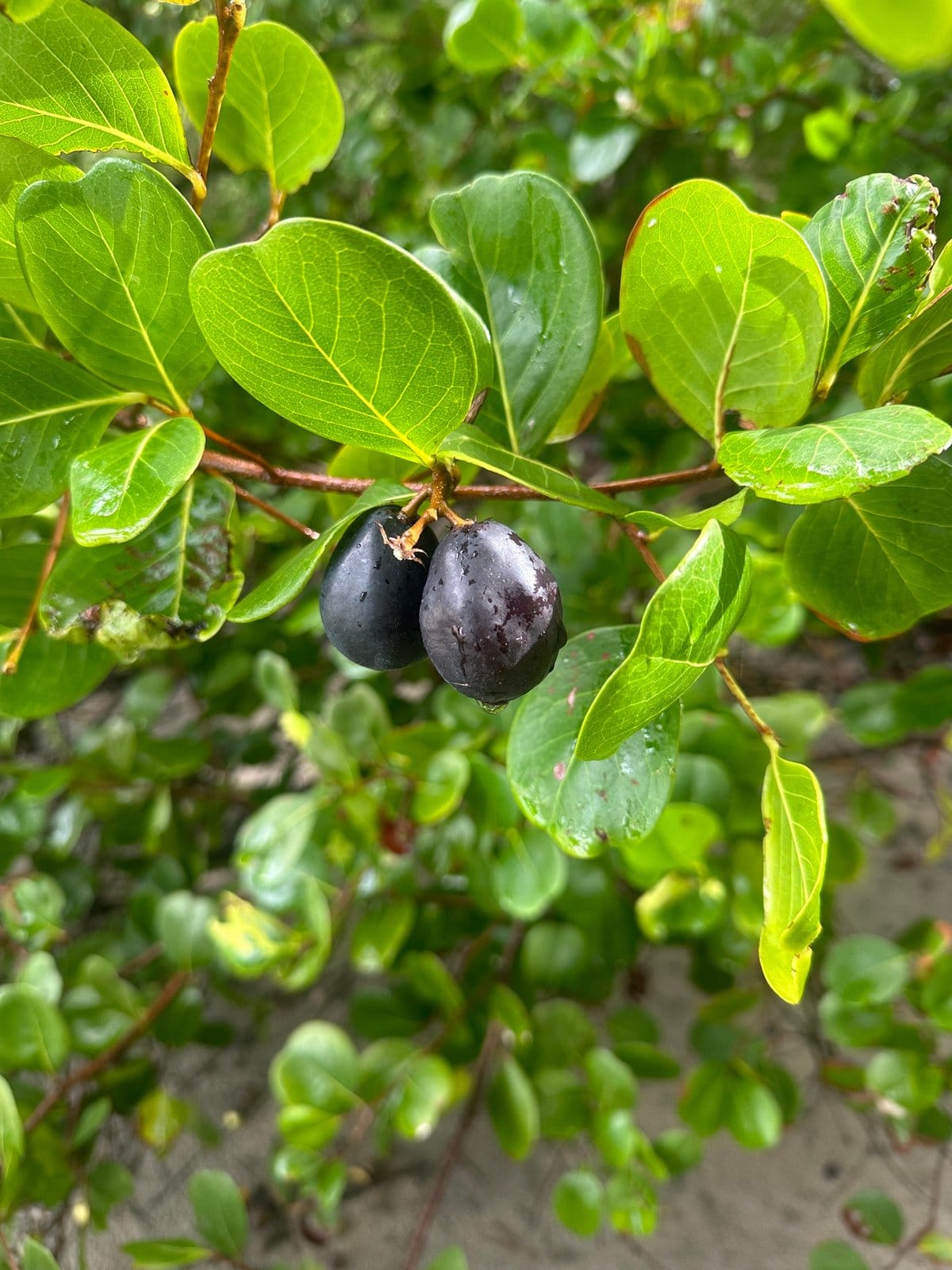
The Icaco (Chrysobalanus icaco), commonly known as Cocoplum or Paradise Plum, is a remarkable coastal plant that thrives in beach environments where few other fruit trees dare to grow. This tough shrub or small tree produces sweet, plum-like fruits in colors ranging from creamy white to deep purple-black. Found along both the Caribbean and Pacific coasts of Costa Rica, the Icaco has sustained coastal communities for millennia and remains a treasured beach treat today.
Quick Reference
iNaturalist Observations
Community-powered species data
📸 Photo Gallery
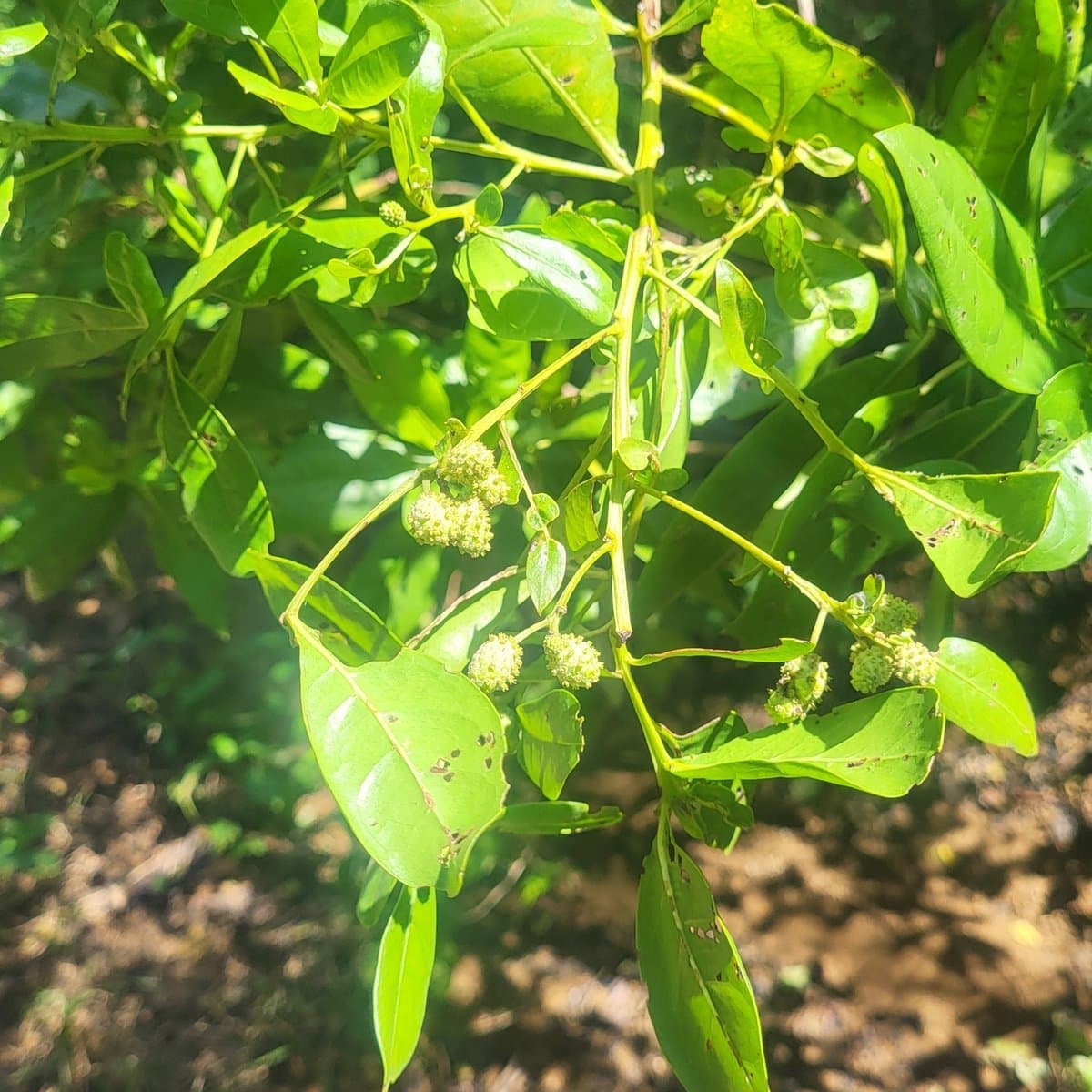
Whole tree
📷 (c) Leonardo Álvarez-Alcázar, some rights reserved (CC BY-NC)(CC BY-NC)
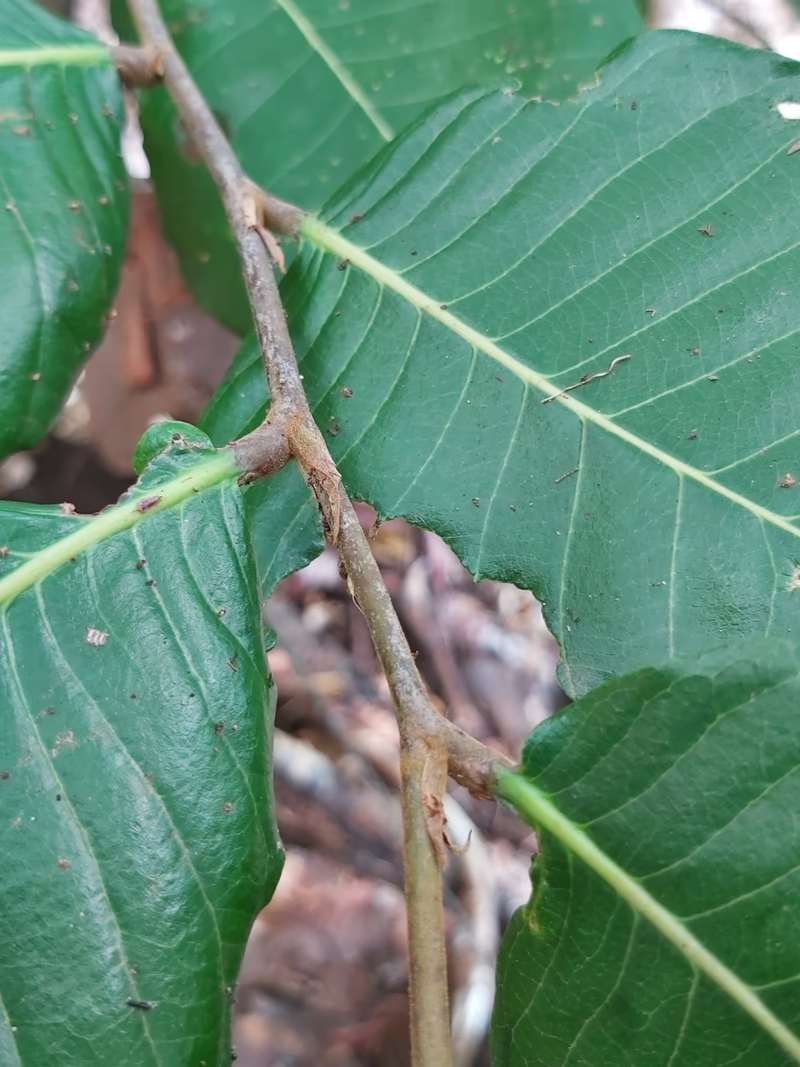
View source ↗Leaves
📷 (c) Leonardo Álvarez-Alcázar, some rights reserved (CC BY-NC)(CC BY-NC)
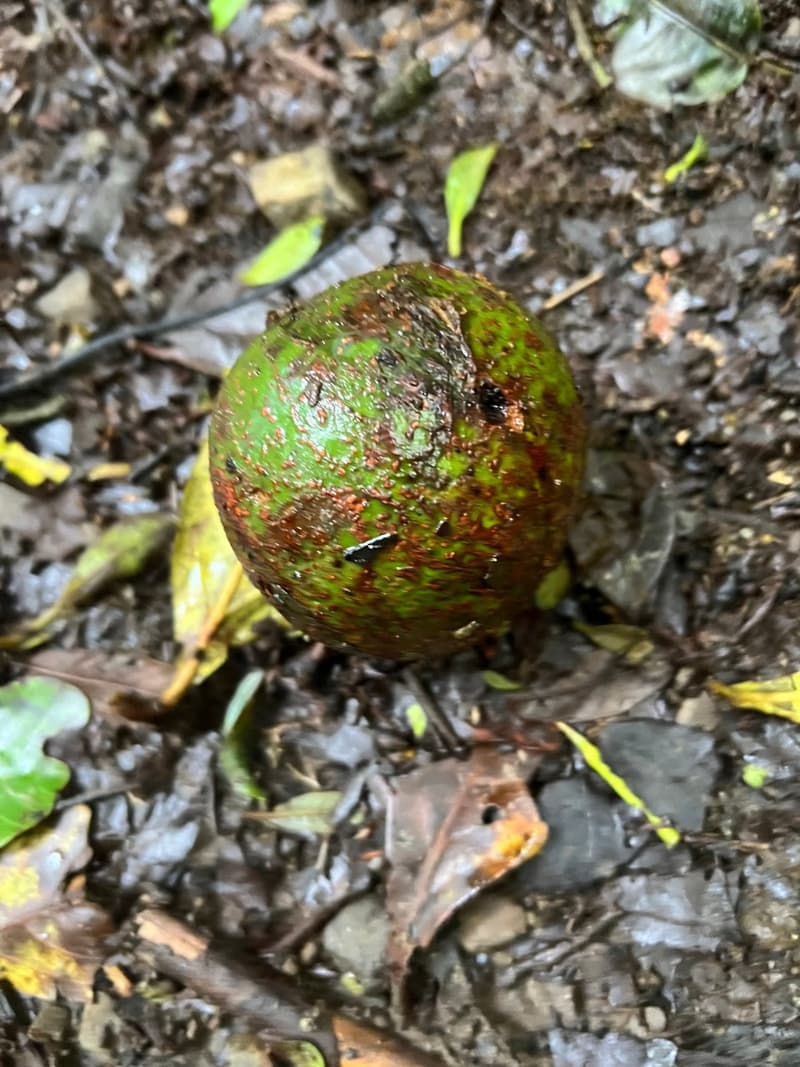
View source ↗Whole tree
📷 (c) Hannah Floyd, some rights reserved (CC BY-NC)(CC BY-NC)
View source ↗Leaves
📷 (c) Leonardo Álvarez-Alcázar, some rights reserved (CC BY-NC)(CC BY-NC)
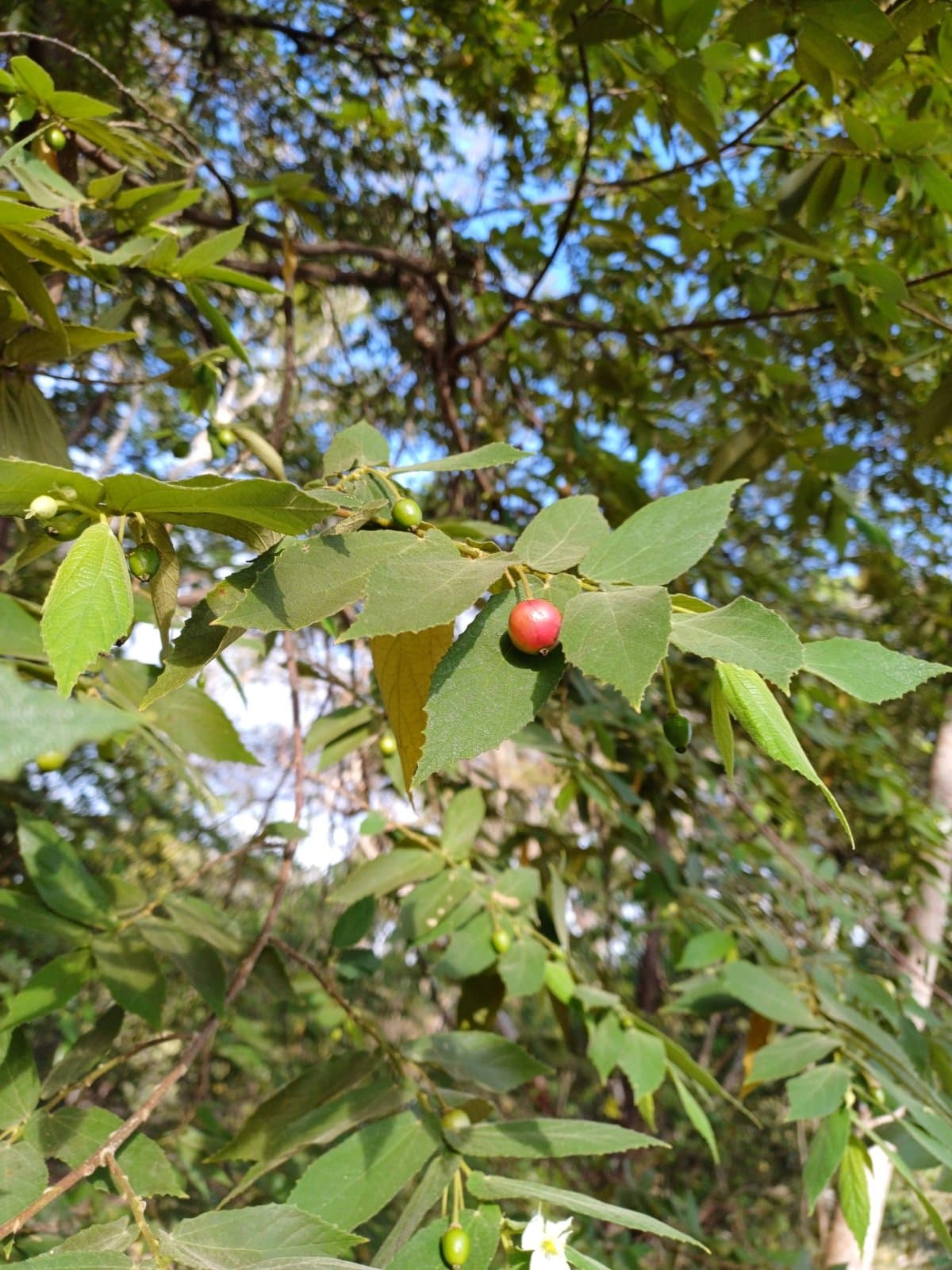
View source ↗Whole tree
📷 (c) tcarwile20, some rights reserved (CC BY-NC)(CC BY-NC)
View source ↗Photos sourced from iNaturalist's community science database. Browse all observations →↗
Taxonomy & Classification
Coastal Specialist
The Icaco is perfectly adapted to life at the edge of the sea:
Physical Description
Growth Forms
The Icaco shows remarkable growth variation depending on its environment:
Identifying Features
The Fruit
Varieties & Colors
Eating Icaco
Fresh Consumption:
- Rinse the fruit
- Eat whole (skin is edible)
- Avoid the hard central stone
- Best when fully ripe (soft to touch)
Flavor Notes:
- Sweet and slightly cottony texture
- Mild, pleasant flavor
- Dark varieties are sweeter
- White varieties more delicate
Tip: The flesh tends to stick to the seed—just nibble around it!
Culinary Uses
Distribution in Costa Rica
Coastal Presence
Typical Habitats
Where to Find Icaco
Beach & Dune:
- Back-beach vegetation zone
- Stabilized dune areas
- Behind coastal strand
Wetland Edge:
- Mangrove forest margins
- Coastal lagoon borders
- Estuary edges
Human-Modified:
- Coastal gardens
- Resort landscaping
- Village hedgerows
Ecological Role
Coastal Ecosystem Services
Wildlife Interactions
Uses
Traditional & Modern Applications
Cultivation
Growing Icaco
Cultivation Guide
Ideal Conditions:
- Full sun to partial shade
- Sandy, well-drained soil (tolerates poor soil)
- Salt spray tolerance excellent
- Heat tolerant; frost sensitive
Propagation:
- Seed: Fresh seed germinates in 1-3 months
- Cuttings: Semi-hardwood cuttings root well
- Layering: Natural layers can be separated
Care:
- Minimal water once established
- No fertilizer needed in coastal settings
- Prune to shape as desired
- First fruit: 3-5 years from seed
Inland Cultivation
While naturally coastal, Icaco can be grown inland:
- Needs excellent drainage - Full sun essential - May need occasional watering inland - Grows taller without coastal winds - Produces well in tropical lowlands
Related Species
Conservation Status
IUCN Status: Least Concern (LC)
The Icaco is widespread and abundant throughout its range. However, coastal development threatens some populations:
Threats:
- Beach resort development
- Coastal erosion (natural)
- Clearing for agriculture
- Climate change effects on coastlines
Positive Factors:
- Wide distribution across two continents
- Valued for landscaping
- Increasing use in coastal restoration
- Climate-resilient (heat/drought tolerant)
Cultural Significance
Throughout the Caribbean and coastal Latin America, the Icaco represents beach life and coastal culture. In Cuba, dulce de icaco (icaco preserve) is a beloved traditional sweet. In coastal Colombia and Venezuela, the fruit appears in local markets during season. For Costa Rica's Afro-Caribbean coastal communities, the Icaco connects to broader Caribbean food traditions and beach-gathering practices.
Where to See Icaco
Where to Find Icaco in Costa Rica
Caribbean Coast:
Pacific Coast:
Visit Caribbean beaches between June and September for the best chance to find ripe Icaco fruits. The dark purple varieties are sweetest and often the first to be picked by both locals and wildlife.
External Resources
Community observations and photos
Conservation status (Least Concern)
Fire effects and ecology
Kew Gardens taxonomic information
Global biodiversity occurrence data and distribution maps
References
📚 Scientific References & Further Reading
Francis, J.K. (1993). Chrysobalanus icaco L. Coco-plum. USDA Forest Service, International Institute of Tropical Forestry, Fact Sheet SO-ITF-SM-58
Prance, G.T. (1972). Chrysobalanaceae. Flora Neotropica Monograph No. 9. Hafner Publishing Company, New York
Little, E.L. & Wadsworth, F.H. (1964). Common Trees of Puerto Rico and the Virgin Islands. USDA Forest Service, Agricultural Handbook No. 249
BGCI & IUCN SSC Global Tree Specialist Group (2019). Chrysobalanus icaco. The IUCN Red List of Threatened Species 2019
The Icaco (Chrysobalanus icaco) is a testament to nature's adaptability—a fruit tree that thrives where others fail. Its ability to produce sweet fruits in harsh coastal conditions has made it invaluable to beach communities for thousands of years. Whether eaten fresh off the bush during a beach walk or preserved into traditional sweets, the Icaco offers a taste of Costa Rica's coastal heritage.
Safety Information Disclaimer
Safety information is provided for educational purposes only. Individual reactions may vary significantly based on age, health status, amount of exposure, and individual sensitivity. Always supervise children around plants. Consult a medical professional or certified arborist for specific concerns. The Costa Rica Tree Atlas is not liable for injuries or damages resulting from interaction with trees described in this guide.
• Always supervise children around plants
• Consult medical professional if unsure
• Seek immediate medical attention if poisoning occurs
Information compiled from authoritative toxicology sources, scientific literature, and medical case reports.
Help improve this page
Know something about this tree? Share local knowledge, suggest a correction, or submit a photo to improve this guide for everyone.