Carambola
Averrhoa carambola
Quick facts
Native Region
Southeast Asia (Sri Lanka, Indonesia, Malaysia)
Max Height
5-12 meters (16-40 feet)
Family
Oxalidaceae
Conservation
DD — Data Deficient
Uses
Safety Information
CAUTION
For the general population with healthy kidneys, star fruit is safe and delicious. PRIMARY CONCERNS: (1) NEVER give star fruit to anyone with kidney disease or kidney problems. (2) Check medication interactions—star fruit affects drug metabolism similarly to grapefruit. (3) People with a history of kidney stones should limit consumption due to oxalate content. Symptoms of star fruit neurotoxicity include hiccups that won't stop, confusion, agitation, seizures—seek immediate medical attention if these occur after eating star fruit.
Toxicity Details
Carambola fruit is GENERALLY SAFE for most people BUT contains HIGH LEVELS OF OXALIC ACID which can be DANGEROUS for individuals with kidney disease or kidney problems. For people with HEALTHY KIDNEYS: Star fruit is safe, refreshing, and nutritious. For people with KIDNEY DISEASE (even mild kidney impairment): Star fruit can cause serious complications including confusion, seizures, and in severe cases, death. The neurotoxin caramboxin is not adequately filtered by impaired kidneys. EVEN ONE FRUIT can be dangerous for those with kidney problems. Also, star fruit can interfere with certain medications the same way grapefruit does. People taking statins, benzodiazepines, or other drugs metabolized by CYP3A4 enzyme should avoid star fruit.
Wildlife & Pet Risks
Generally safe for animals. No significant pet toxicity concerns like with chocolate or grapes. Oxalic acid content is not problematic for animals with normal kidney function.
First Aid & Emergency Response
• If ingested, seek immediate medical attention. Do not induce vomiting unless directed by medical professional.
• If sap contacts skin, wash immediately with soap and water. Seek medical attention if blistering or severe irritation occurs.
• If sap enters eyes, flush immediately with clean water for 15 minutes and seek emergency medical care.
Costa Rica Emergency: 911
Costa Rica Poison Control: 2223-1028
Season
Flowering
Apr-Jun, Sep-Oct
Fruiting
Jun-Aug, Nov-Dec
How to identify
Carambola (Star Fruit)
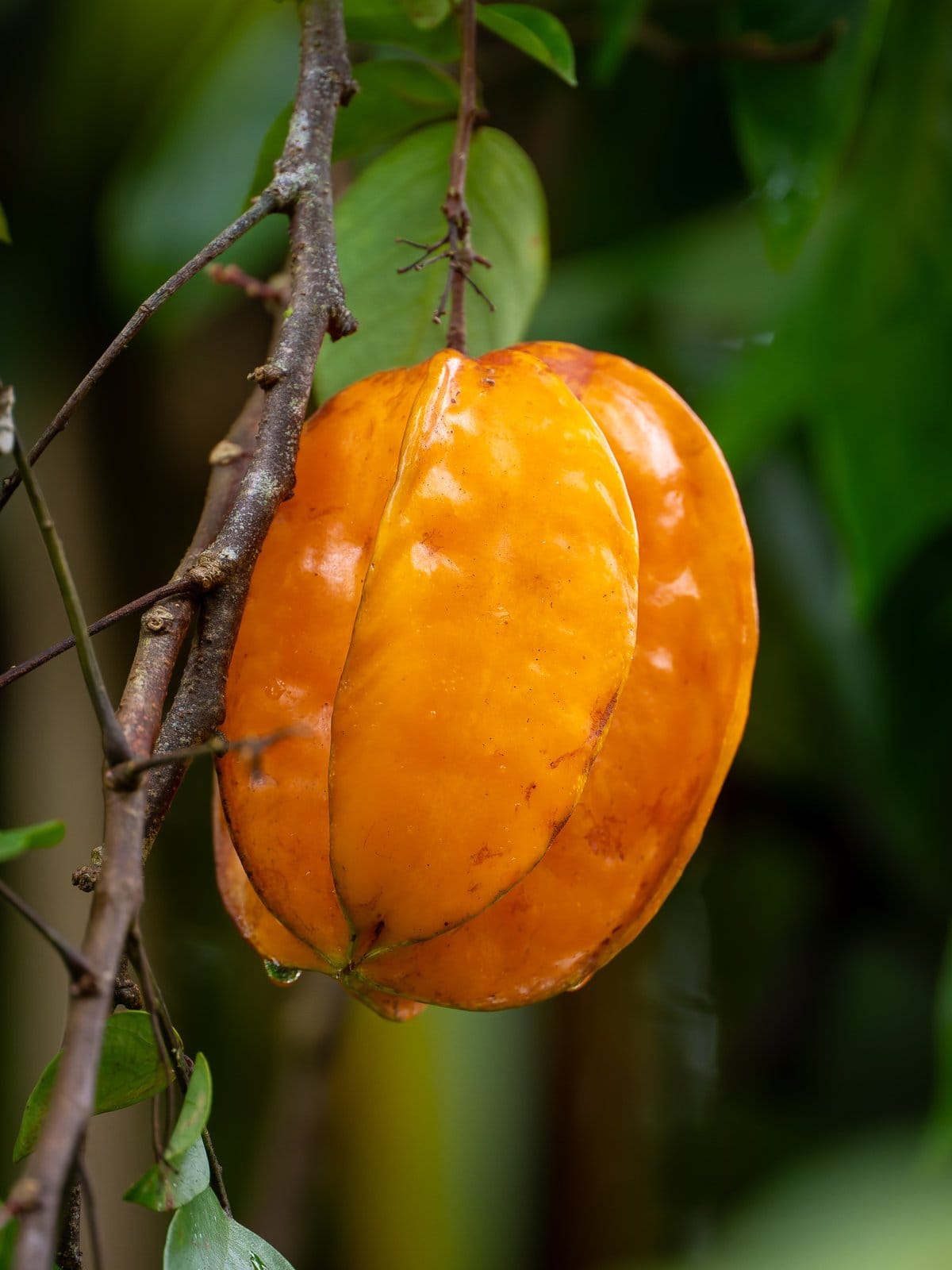
The Carambola (Averrhoa carambola), known as Star Fruit for the perfect five-pointed star shape of its sliced cross-sections, is one of the most visually striking tropical fruits. Native to Southeast Asia, this small evergreen tree has found a happy home in Costa Rica's lowlands, where it produces waxy, golden-yellow fruits almost year-round. The refreshing, crisp flesh—ranging from sweet to tart depending on variety—makes carambola perfect for fresh eating, juices, and adding an exotic touch to salads and drinks. Few fruits can match its ornamental beauty both on the tree and on the plate.
Quick Reference
iNaturalist Observations
Community-powered species data
📸 Photo Gallery
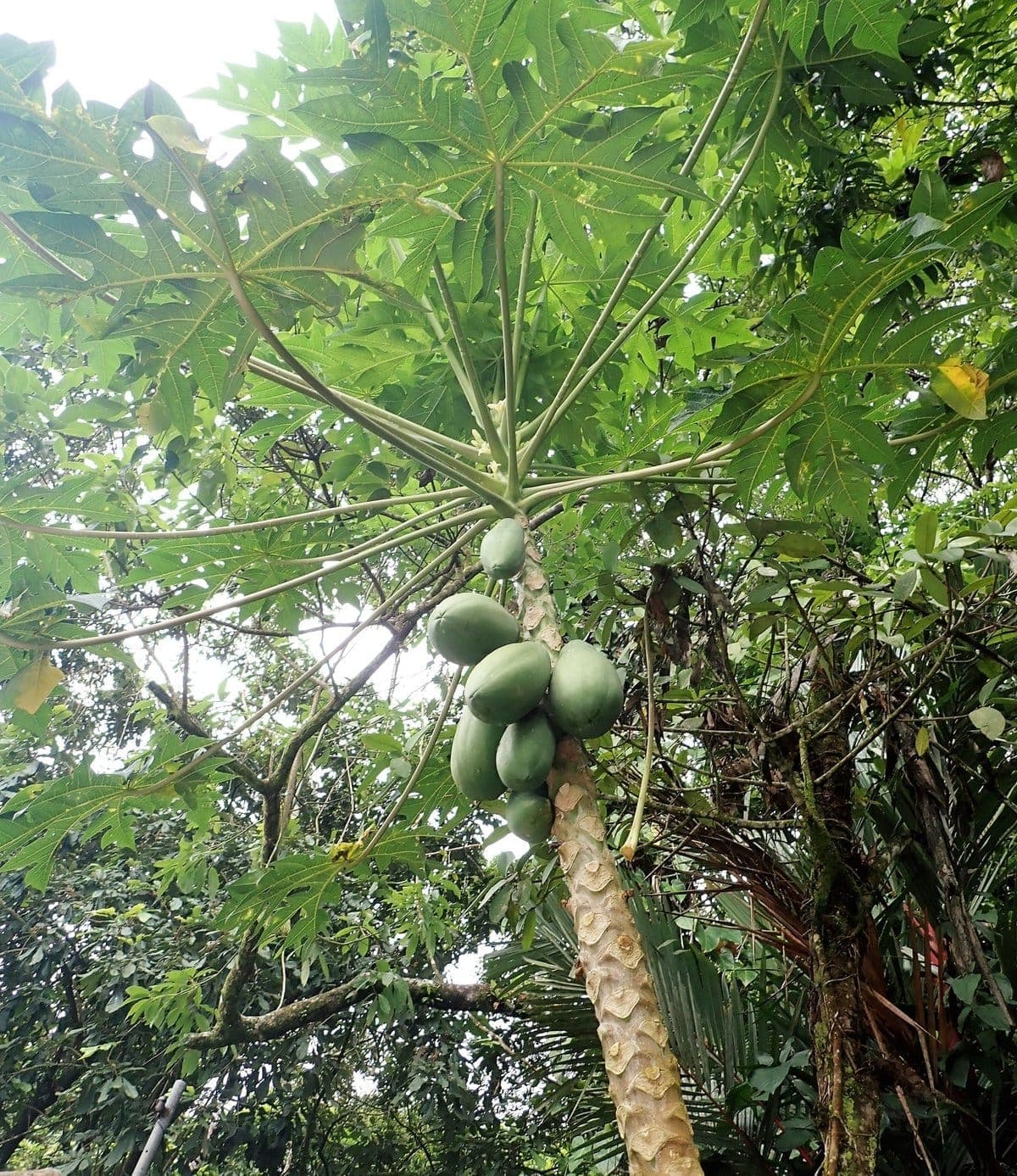
Whole tree
📷 (c) M P (Nevakee716), some rights reserved (CC BY-NC)(CC BY-NC)
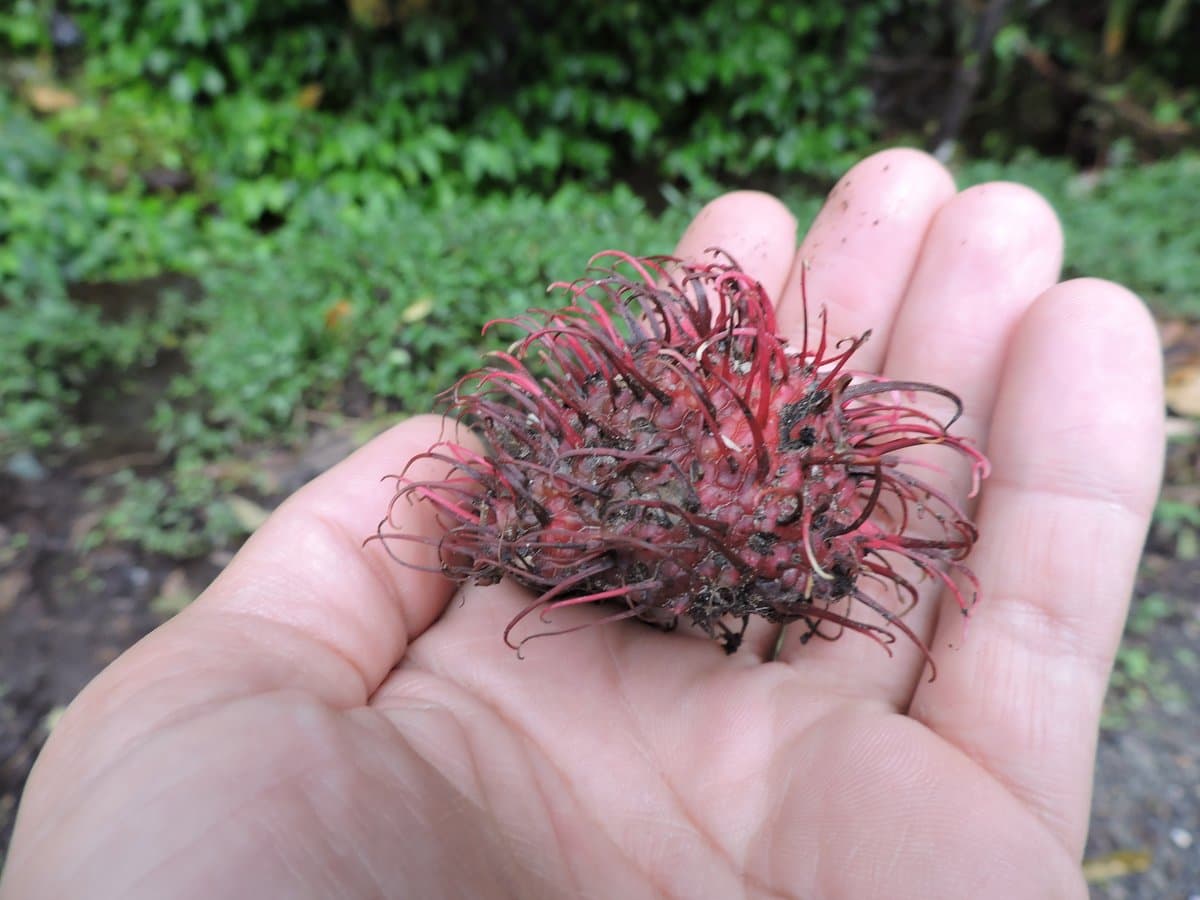
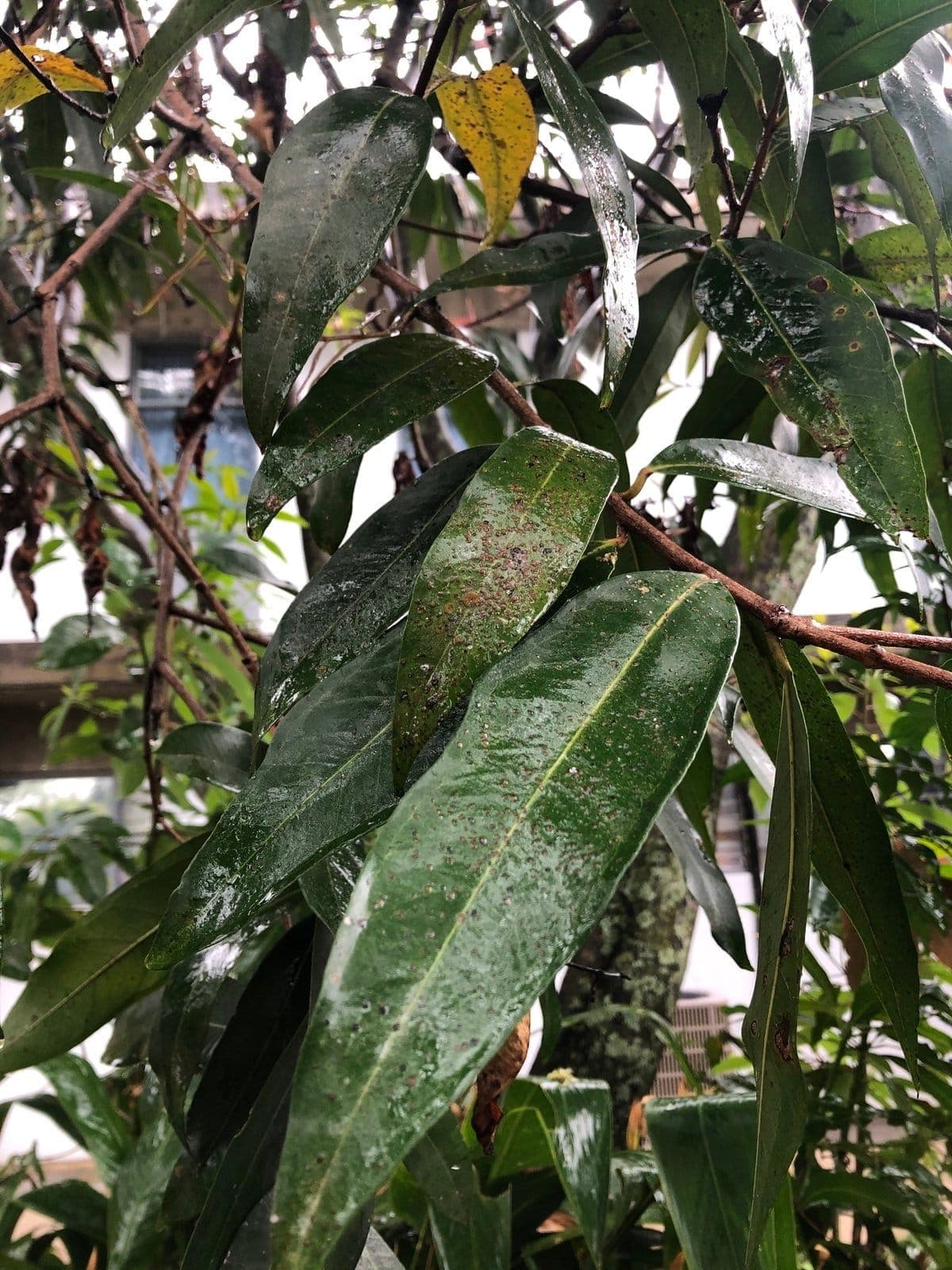
View source ↗Leaves
📷 (c) angela_husfeld, some rights reserved (CC BY-NC)(CC BY-NC)
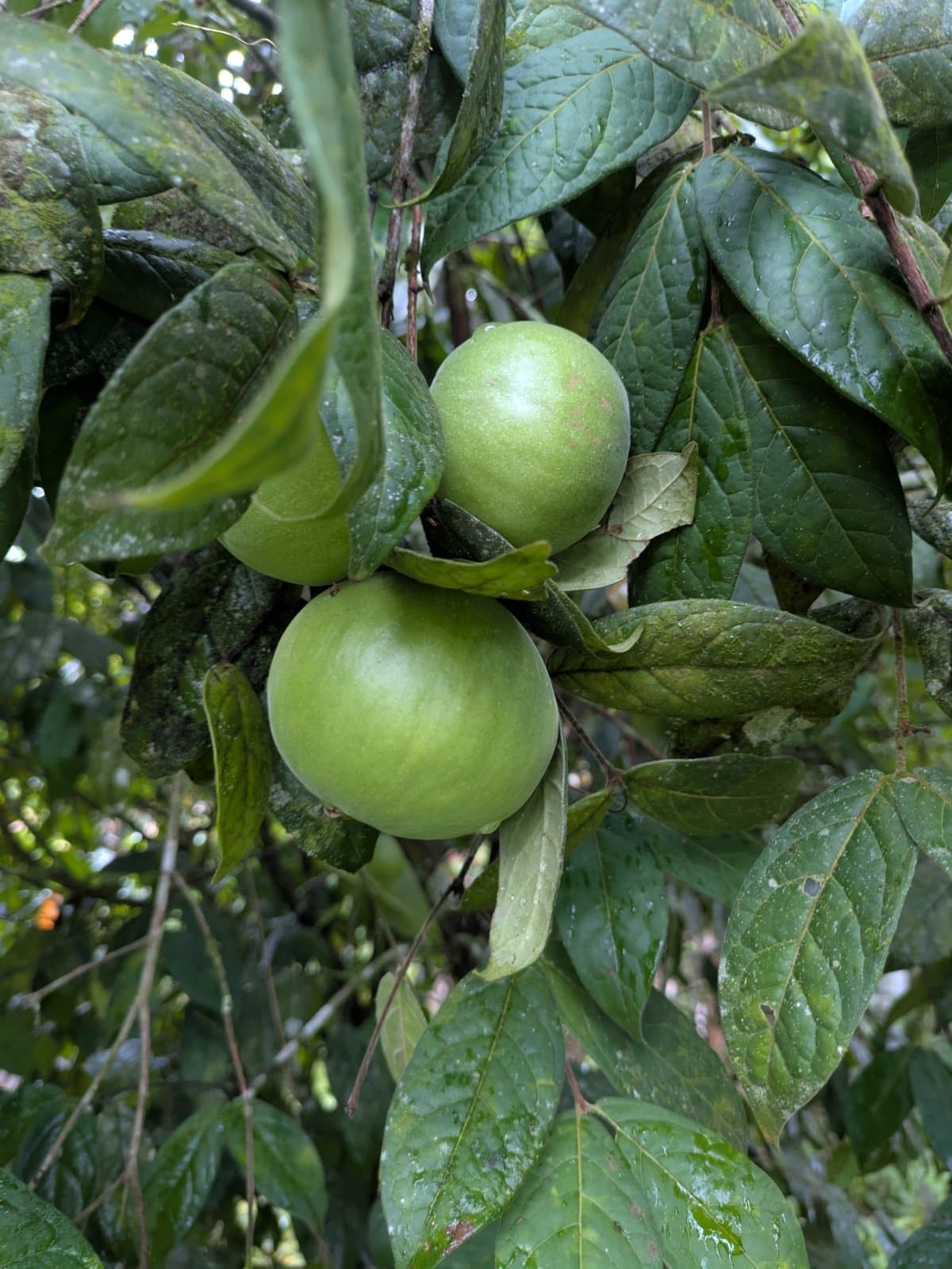
View source ↗Fruit
📷 (c) maria_dangla_w, some rights reserved (CC BY-NC)(CC BY-NC)
View source ↗Whole tree
📷 (c) angela_husfeld, some rights reserved (CC BY-NC)(CC BY-NC)
View source ↗Leaves
📷 (c) angela_husfeld, some rights reserved (CC BY-NC)(CC BY-NC)
View source ↗Photos sourced from iNaturalist's community science database. Browse all observations →↗
Taxonomy and Classification
- Averrhoa: Named after Averroes, 12th-century Arab philosopher - carambola: From Portuguese "caramba" derived from Sanskrit - Star Fruit: English name from the fruit's cross-section shape - Related to the bilimbi (Averrhoa bilimbi), also grown in Costa Rica
Common Names
Related Species
Physical Description
General Form
The Carambola is a small to medium-sized evergreen tree with a short trunk and a dense, rounded to spreading crown. It's highly ornamental with attractive foliage and produces its eye-catching fruits directly on branches and trunk.
Identification Features
Bark and Trunk
- Bark color: Grayish-brown
- Texture: Smooth, becoming slightly rough
- Trunk: Short, branching low
- Form: Bushy, ornamental
Leaves
- Type: Compound, pinnate
- Leaflets: 5-11 per leaf
- Size: Leaflets 3-9 cm long
- Shape: Oval to elliptic
- Texture: Soft, slightly hairy
- Color: Medium green
- Movement: Leaflets fold at night (nyctinastic)
- Touch-sensitive: Fold when touched
Flowers
- Size: Small, 6-10 mm
- Color: Pink to lavender with purple veins
- Location: On twigs and branches
- Arrangement: Small clusters (panicles)
- Fragrance: Mild, pleasant
- Timing: Multiple flushes per year
Fruit (THE STAR!)
- Shape: Oblong with 5 prominent ribs
- Size: 6-15 cm long
- Cross-section: Perfect 5-pointed star
- Skin: Waxy, thin, edible
- Color: Green → Golden yellow when ripe
- Flesh: Translucent, crisp, juicy
- Seeds: Few to none (1-5 per fruit)
- Taste: Sweet to tart (variety dependent)
Sweet varieties: Look for fully golden-yellow fruits with some brown ridges Tart varieties: Usually green to pale yellow, used for cooking/juice Ripe sweet carambola should: - Be uniformly golden-yellow - Have slight brown edges on ribs - Feel firm but not hard - Have a fragrant, sweet aroma
Ecology and Habitat
Distribution in Costa Rica
Climate Preferences
Optimal Conditions
- Temperature: 20-35°C (68-95°F)
- Rainfall: 1500-3000 mm annually
- Humidity: High preferred
- Elevation: Sea level to 1000 m
- Soil: Rich, well-drained, slightly acidic
Tolerances
- Cold: Frost sensitive; damaged below 2°C
- Wind: Moderate tolerance
- Salt: Some tolerance
- Drought: Poor tolerance
- Waterlogging: Poor tolerance
Ecological Notes
Pollinators
- Bees: Primary pollinators
- Self-pollination: Partially self-fertile
- Cross-pollination: Improves fruit set
- Flower timing: Opens morning, falls same day
Wildlife Value
- Birds: Eat ripe fruit
- Bats: May visit fruit
- Insects: Nectar source
- Ornamental: Attracts butterflies
Varieties
Sweet vs Tart Types
Notable Cultivars
Uses
Culinary Applications
Making Beautiful Star Slices
For perfect star garnishes:
- Choose firm, fully ripe fruit
- Wash thoroughly
- Trim brown edges from ribs (optional)
- Slice crosswise, 5-8mm thick
- Remove any seeds
- Float in drinks or arrange on plates
Pro tip: A slightly underripe fruit holds its shape better for garnishing, while fully ripe is sweeter for eating.
Sources: Morton (1987), Fruits of Warm Climates↗, University of Florida IFAS Extension - Carambola Growing in the Florida Home Landscape↗, USDA FoodData Central - Starfruit, raw↗
Nutritional Value
Carambola is one of the lowest-calorie tropical fruits! At only 31 kcal per 100g, it's a guilt-free, refreshing snack packed with vitamin C and fiber.
Health Warning
Carambola can be dangerous for people with kidney problems!
Star fruit contains oxalic acid and caramboxin, which can cause serious complications in people with:
- Kidney disease
- Kidney failure
- Those on dialysis
Symptoms of toxicity include: hiccups, vomiting, confusion, seizures
People with healthy kidneys can safely enjoy carambola in normal amounts. If you have ANY kidney issues, consult your doctor before eating star fruit!
Medicinal Uses
Cultivation
Growing Carambola
Production
Cultural Significance
In Costa Rica
- Hotel and restaurant gardens: Ornamental and fruit
- Backyard cultivation: Common in humid areas
- Tourist appeal: Distinctive tropical fruit
- Markets: Available when in season
- Juice bars: Fresh juices
Global Importance
Conservation Status
Status: Data Deficient (DD)
The current external biodiversity status used by this atlas audit indicates that Averrhoa carambola should be treated as Data Deficient rather than Least Concern. In practice, this means the species is widely cultivated and well known agriculturally, but does not currently have enough assessment data surfaced in the atlas audit pipeline to justify a confident global IUCN risk category on this page.
Sources: GBIF species profile↗, IUCN Red List search — Averrhoa carambola↗
Quick Identification Guide
Key Identification Features
- Small ornamental tree (5-12 m) with dense crown 2. Compound leaves with touch-sensitive leaflets 3. Small pink-lavender flowers in clusters
- Distinctive ribbed fruits with 5 prominent ridges 5. Perfect star shape when sliced crosswise 6. Waxy yellow skin when ripe 7. Crisp, translucent flesh with refreshing taste
External Resources
Global biodiversity occurrence data and distribution maps
Conservation status and species assessment
Community observations and photos
References and Further Reading
Safety Information Disclaimer
Safety information is provided for educational purposes only. Individual reactions may vary significantly based on age, health status, amount of exposure, and individual sensitivity. Always supervise children around plants. Consult a medical professional or certified arborist for specific concerns. The Costa Rica Tree Atlas is not liable for injuries or damages resulting from interaction with trees described in this guide.
• Always supervise children around plants
• Consult medical professional if unsure
• Seek immediate medical attention if poisoning occurs
Information compiled from authoritative toxicology sources, scientific literature, and medical case reports.
Help improve this page
Know something about this tree? Share local knowledge, suggest a correction, or submit a photo to improve this guide for everyone.