Caribbean Pine
Pinus caribaea
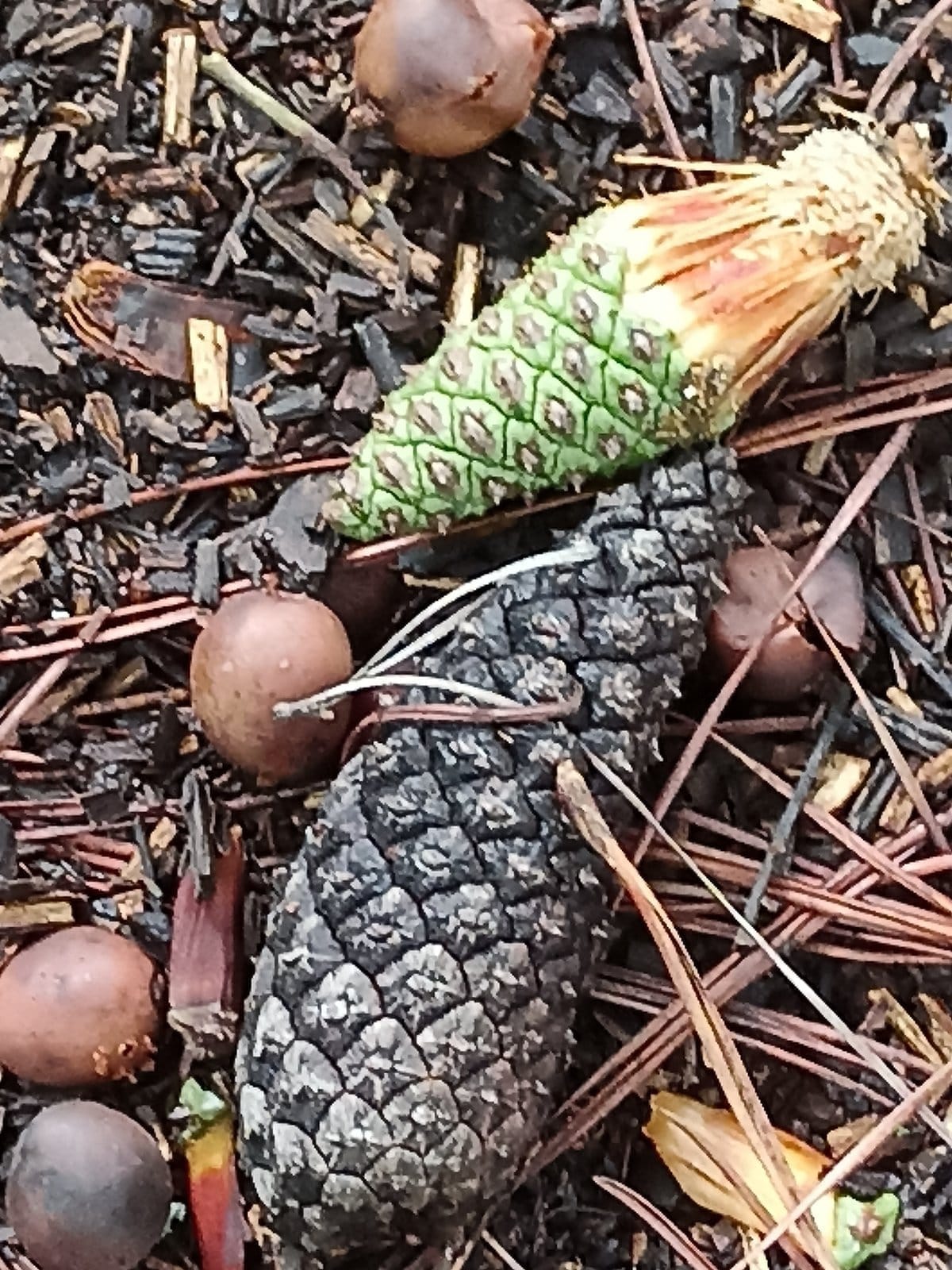
Quick facts
Native Region
Central America (Belize, Guatemala, Honduras, Nicaragua), Caribbean (Bahamas, Cuba, Turks and Caicos)
Max Height
20-35 meters
Family
Pinaceae
Conservation
LC — Least Concern
Uses
Safety Information
Toxicity Details
Caribbean Pine is non-toxic. No parts of the tree pose ingestion risks to humans or animals. Pine resin may cause mild gastrointestinal discomfort if consumed in large quantities, but this is not a realistic exposure scenario. The tree is safe for parks, schools, and residential areas.
Skin Contact Risks
Pine resin (pitch) can adhere to skin and clothing but is not a chemical irritant. Removal with oil-based solvents is straightforward. Needle litter is sharp underfoot but does not cause chemical dermatitis. Sawdust may cause mechanical irritation during prolonged milling.
Allergenic Properties
Pine pollen is produced in large quantities and is wind-dispersed, making it a moderate allergen for sensitive individuals during the brief pollination season. Pollen appears as yellow dust on surfaces. Pine wood dust is a recognized respiratory irritant in occupational settings.
Structural Hazards
Mature trees can shed heavy branches, especially after storms or during drought stress. Falling pine cones are dense and can cause minor injury. Trees planted too close to structures may develop root conflicts. In lightning-prone areas, tall isolated pines attract strikes.
Wildlife & Pet Risks
Very low. Pine plantations provide some habitat for raptors, woodpeckers, and generalist species. Dense monoculture stands support fewer wildlife species than native forest; mixed plantings improve habitat quality.
Season
Flowering
Jan-Mar
Fruiting
Jan, Oct-Dec
How to identify
Caribbean Pine (Pino Caribeño)
Caribbean Pine (Pinus caribaea), known in Costa Rica as Pino Caribeño, is a remarkable tropical conifer — one of the few pine species that thrives in hot, humid lowlands. Native to Central America and the Caribbean, it has been planted across the tropics for timber, resin, and watershed protection. Its distinctive silhouette and aromatic pine scent bring a temperate character to tropical landscapes.
Quick Reference
iNaturalist Observations
Community-powered species data
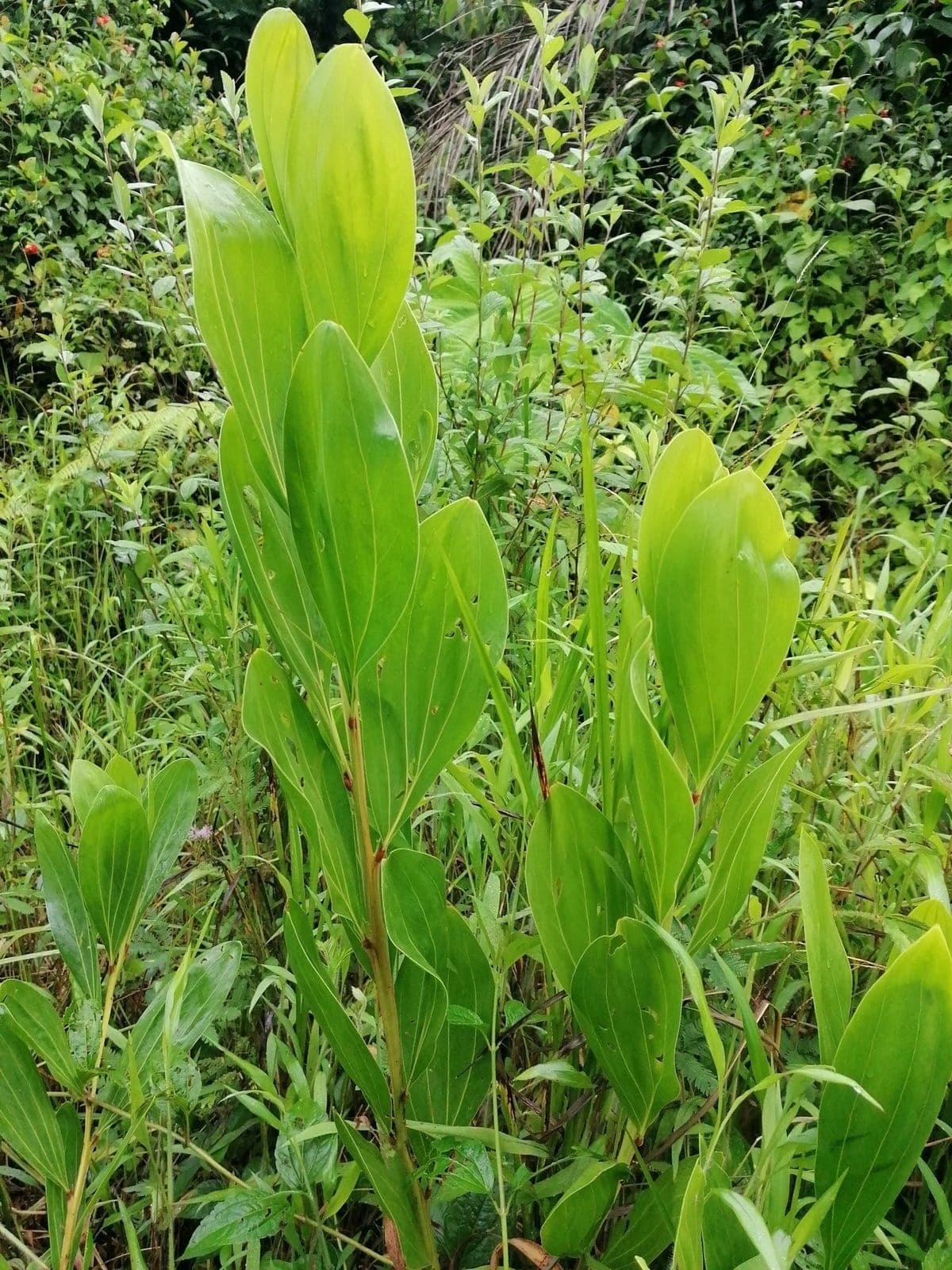
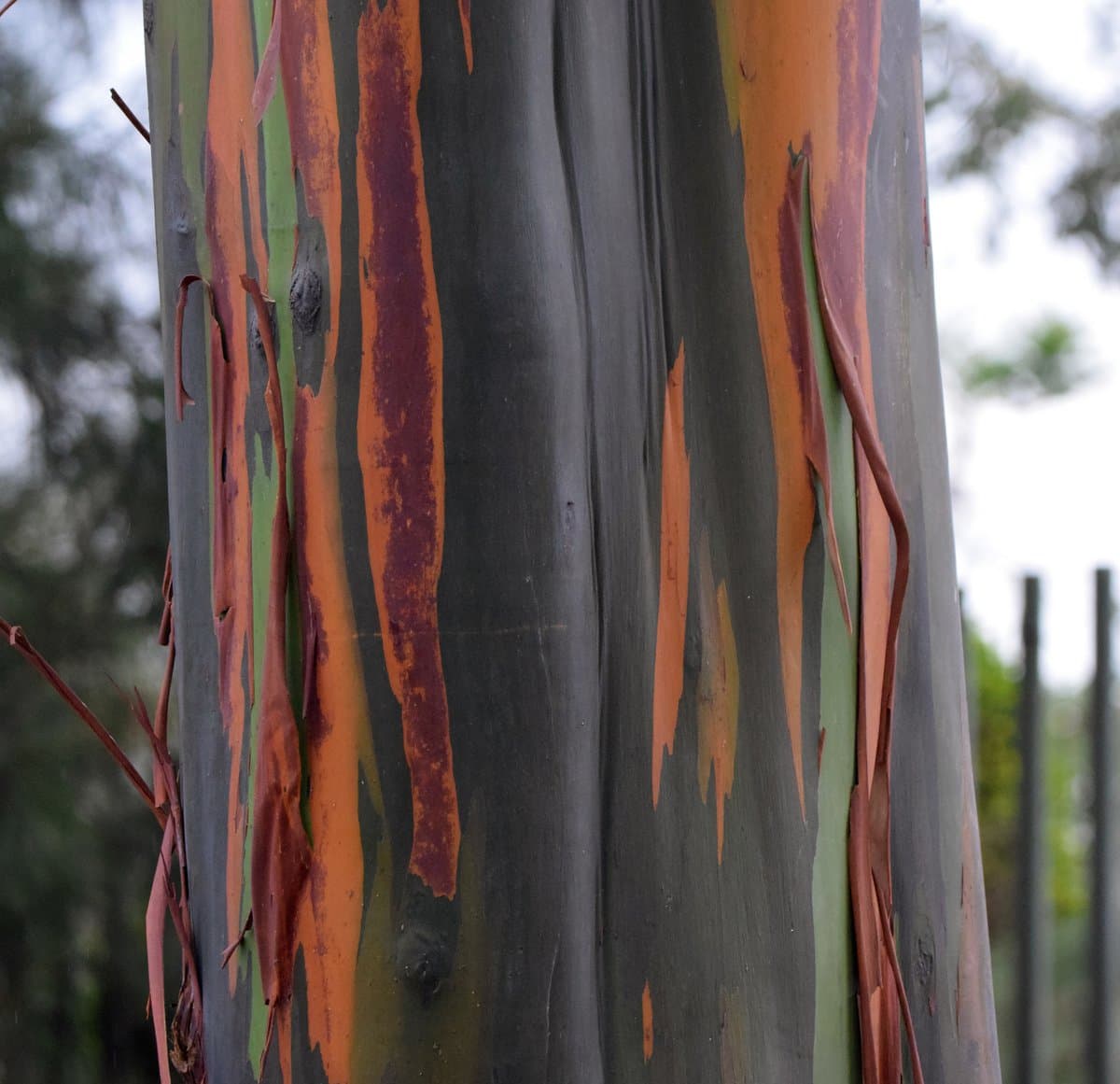
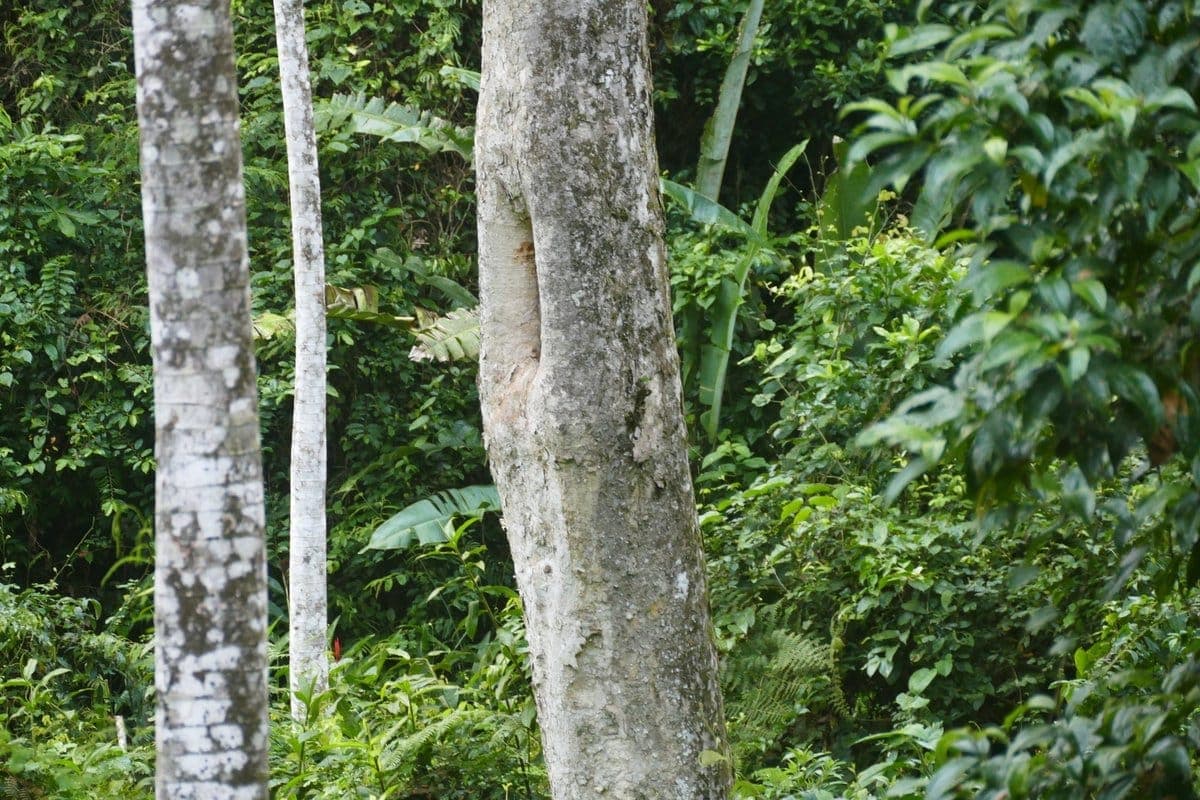
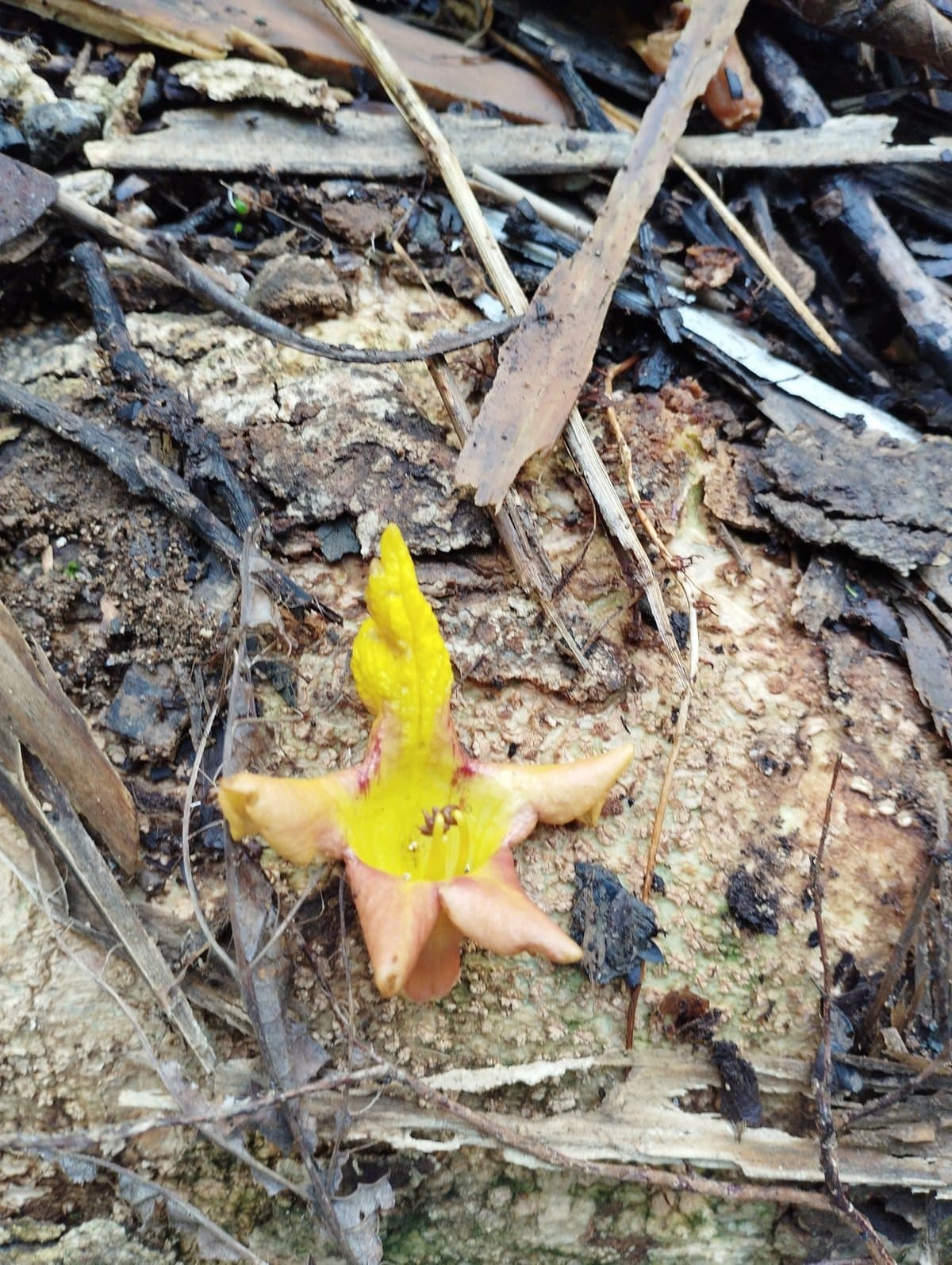
📸 Photo Gallery
Whole tree
📷 (c) douglas arce, some rights reserved (CC BY-NC)(CC BY-NC)
View source ↗Leaves
📷 (c) Luis Caldera, some rights reserved (CC BY-NC)(CC BY-NC)
View source ↗Whole tree
📷 (c) Luis Caldera, some rights reserved (CC BY-NC)(CC BY-NC)
View source ↗Leaves
📷 (c) Luis Caldera, some rights reserved (CC BY-NC)(CC BY-NC)
View source ↗Whole tree
📷 (c) Alexander Travia, some rights reserved (CC BY-NC)(CC BY-NC)
View source ↗Photos are linked from the iNaturalist community archive. Field verification and local attribution review are recommended before using images for printed educational assets.
Taxonomy & Classification
Geographic Distribution
Global Context
Caribbean Pine occurs naturally from the Bahamas and Cuba through Belize, Guatemala, Honduras, and northeastern Nicaragua. It has been planted as a plantation species across the tropics — including Brazil, Australia, India, Southeast Asia, and West Africa — making it one of the most widely cultivated tropical pine species in the world.
Distribution in Costa Rica
In Costa Rica, Caribbean Pine appears primarily as planted stock:
- Central Valley regions (reforestation programs and ornamental plantings)
- Mid-elevation slopes (watershed protection plantings around reservoirs)
- Northern Zone (forestry trials and mixed plantation systems)
- Pacific slopes (experimental plots at forestry stations)
- Urban parks and campuses (shade and landscape specimens)
Caribbean Pine does not occur naturally in Costa Rica. All populations are planted or naturalized from forestry stock.
Naturalization Status
Unlike in some Pacific island nations, Caribbean Pine has not become significantly invasive in Costa Rica. The species does produce volunteer seedlings in open, fire-prone areas near plantations, but spread has been limited. Monitoring is still advisable near native oak and cloud forest ecosystems.
Habitat & Ecology
Environmental Preferences
Fire Ecology
Caribbean Pine is one of the few tropical trees adapted to periodic fire. Unlike most tropical species, it has evolved thick bark, self-pruning branches, and elevated crown placement that allow it to survive ground fires.
Pine needle litter is highly flammable. In Costa Rica's dry season, unmanaged pine plantations pose fire risk to adjacent native forests. Regular prescribed burning or litter management is essential, especially in Guanacaste and dry Pacific sites.
Ecological Functions
Ecological Limitations
Botanical Description
Uses & Applications
Timber Products
Resin Products
Environmental Services
Cultural & Economic Significance
Sources: Lamb 1973 — Pinus caribaea ecology and management↗, Greaves & McCarter 1990 — Pinus caribaea↗, FAO 1985 — Caribbean Pine forestry context↗
Pine in Central American Culture
Pine forests are a defining landscape of the Miskito Coast of Honduras and Nicaragua and the Pine Barrens of the Bahamas. In these regions, Caribbean Pine has deep cultural associations with fire ecology, traditional resin harvesting, and community forestry.
Economic Context in Costa Rica
Historical Context
Caribbean Pine was introduced to Costa Rica in the 1970s-1980s as part of national reforestation programs. It was valued for its tolerance of poor soils and fast growth. Over time, policy has shifted toward native species for reforestation, but existing pine plantations remain in production and some new planting continues for specific objectives.
Safety & Public Health Considerations
Household Safety Matrix
Fire Safety
- Pine needle litter is highly flammable when dry
- Maintain firebreaks around pine plantations
- Clear needle accumulation from gutters and structures within 30 m
- Avoid campfires under pine canopy during dry season
Cultivation Guide (Costa Rica)
Pest and Disease Management
Identification Guide
Where to See Caribbean Pine in Costa Rica
External Resources
Observations, photos, and community identification records
Community science
Accepted taxonomy and global distribution
Royal Botanic Gardens, Kew
Conservation status assessment and population trends
IUCN
Global occurrence records and distribution data
GBIF
References
📚 Scientific References & Further Reading
Lamb, D. (1973). Pinus caribaea Volume 1: Ecology and Management. Commonwealth Agricultural Bureaux
Greaves, A. & McCarter, P.S. (1990). Pinus caribaea. Tropical Forestry Papers No. 20, Oxford Forestry Institute
FAO (1985). Tropical Forestry Action Plan: Caribbean Pine. FAO Forestry Paper 62
CATIE (2003). Árboles de Centroamérica: un manual para extensionistas. CATIE, Turrialba, Costa Rica
Caribbean Pine fills a unique niche in Costa Rica's planted landscape — providing timber, watershed protection, and amenity value on difficult sites where many broadleaf species struggle. When managed with fire awareness, native species integration, and ecological monitoring, it contributes meaningfully to productive and protective land uses across tropical elevations.
Safety Information Disclaimer
Safety information is provided for educational purposes only. Individual reactions may vary significantly based on age, health status, amount of exposure, and individual sensitivity. Always supervise children around plants. Consult a medical professional or certified arborist for specific concerns. The Costa Rica Tree Atlas is not liable for injuries or damages resulting from interaction with trees described in this guide.
• Always supervise children around plants
• Consult medical professional if unsure
• Seek immediate medical attention if poisoning occurs
Information compiled from authoritative toxicology sources, scientific literature, and medical case reports.
Help improve this page
Know something about this tree? Share local knowledge, suggest a correction, or submit a photo to improve this guide for everyone.