Gmelina
Gmelina arborea
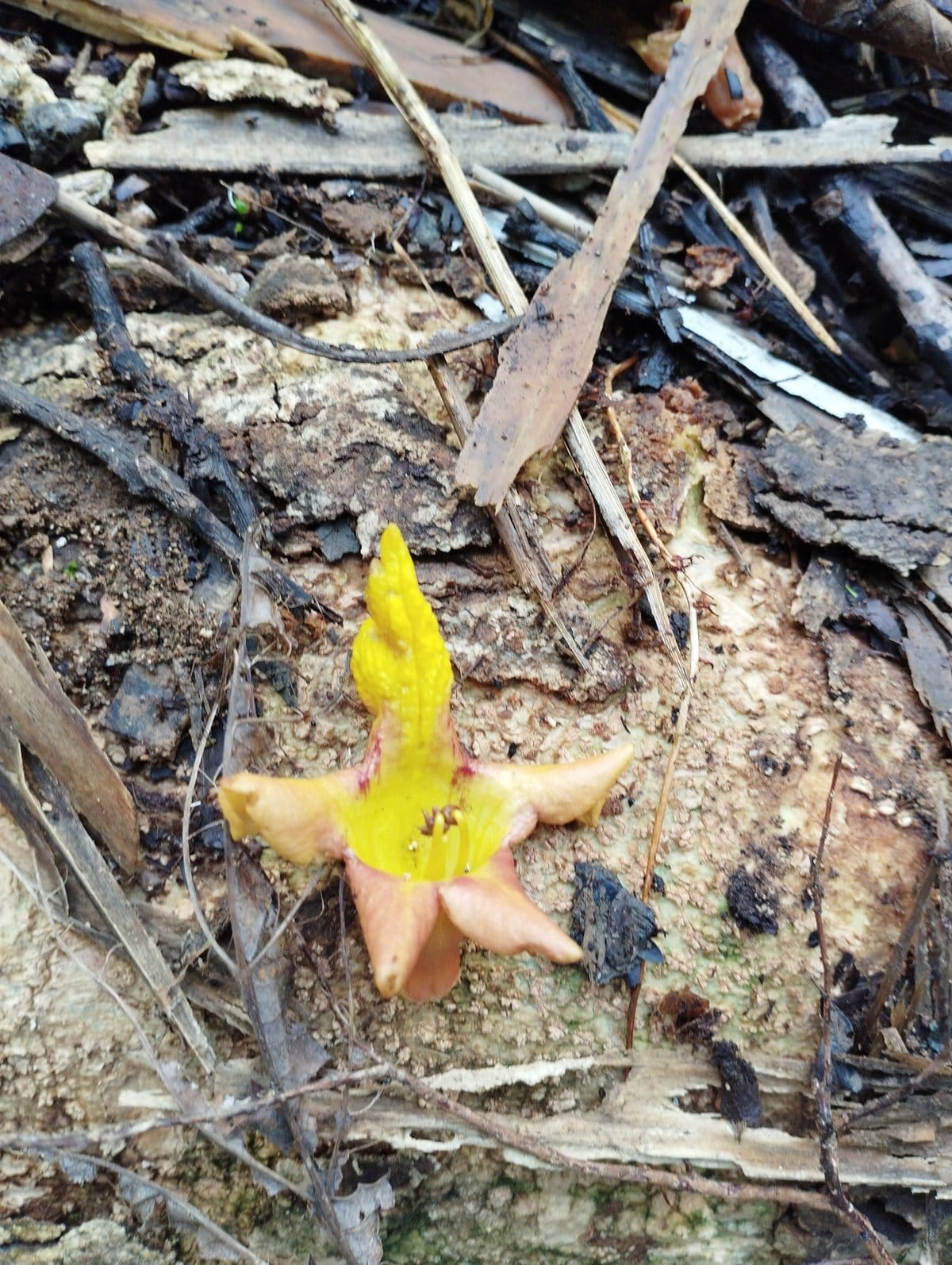
Quick facts
Native Region
South and Southeast Asia
Max Height
25-35 meters
Family
Lamiaceae
Conservation
LC — Least Concern
Uses
Safety Information
Toxicity Details
Gmelina (Melina) is non-toxic and safe around humans and animals. No parts of this tree are poisonous. It has been widely planted in tropical regions worldwide for decades without toxicity issues. Safe for use in landscapes, plantations, and reforestation projects. Animals can graze near these trees without risk.
Skin Contact Risks
No known skin irritation risks. The tree does not produce caustic sap or irritating compounds. Wood dust during milling may cause mechanical irritation (use standard protective equipment when sawing), but the living tree poses no dermal hazards. Safe to handle and touch.
Allergenic Properties
Pollen during flowering may cause minor seasonal allergies in sensitive individuals. Wood dust may cause respiratory irritation during processing (use dust masks). Overall allergen risk is low to moderate during peak flowering, low otherwise.
Structural Hazards
Fast-growing tree reaching 25-35 meters. Rapid growth can lead to weaker wood structure compared to slow-growing hardwoods. Branches may be more prone to breakage in storms. Root system can be aggressive and may lift pavement or interfere with nearby structures. Plant with adequate space. Consider this a moderate-maintenance tree requiring appropriate placement.
Wildlife & Pet Risks
Safe for wildlife and livestock. Birds use the tree for nesting. No toxic effects on animals.
Season
Flowering
Feb-Apr
Fruiting
Apr-Jun
How to identify
Gmelina
Gmelina (Gmelina arborea), known locally as Melina, is one of the world's fastest-growing trees, capable of producing harvestable timber in just 5-8 years. This remarkable growth rate has made it a cornerstone of Costa Rica's plantation forestry industry, providing sustainable wood for pulp, construction, and furniture.
Quick Reference
iNaturalist Observations
Community-powered species data
📸 Photo Gallery
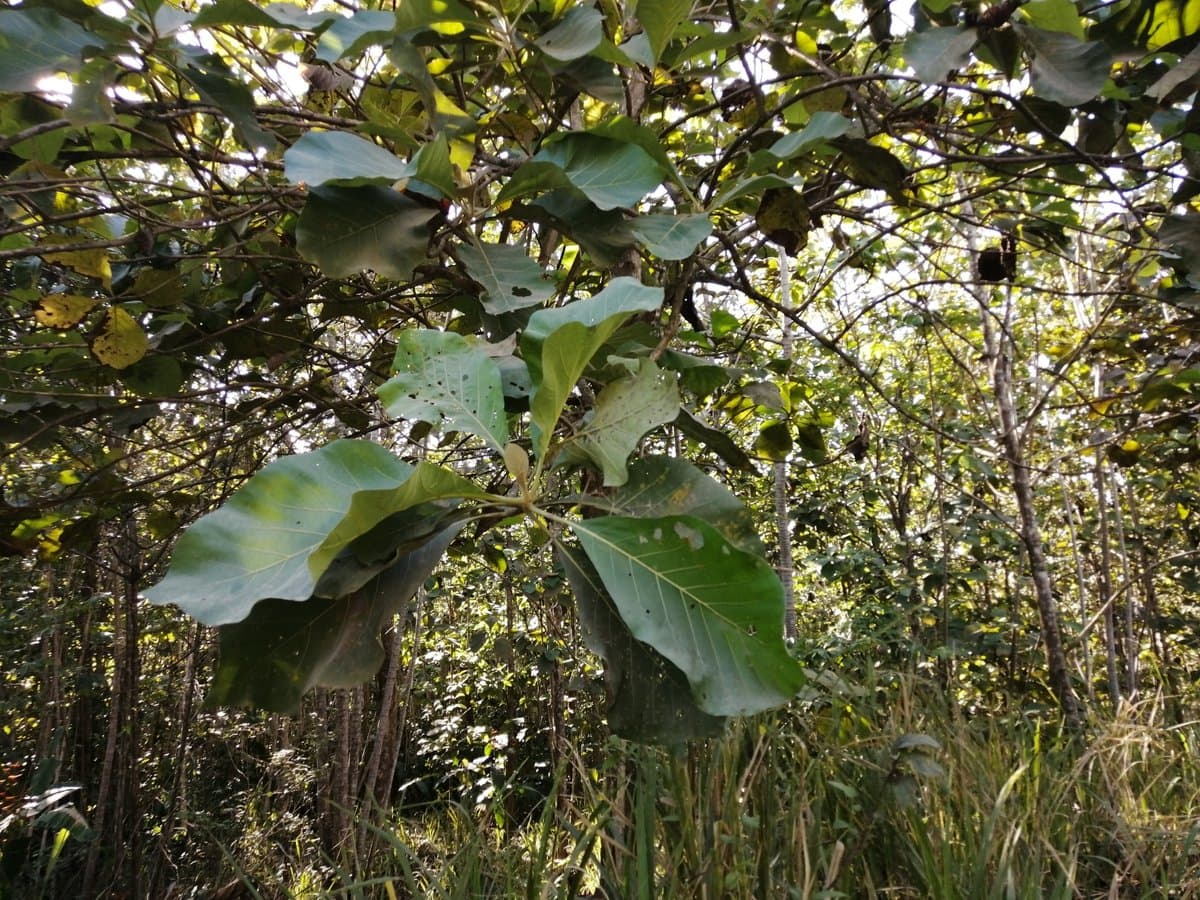
Whole tree
📷 (c) fgodinot, some rights reserved (CC BY-NC)(CC BY-NC)
View source ↗Leaves
📷 (c) Bill, some rights reserved (CC BY-NC)(CC BY-NC)
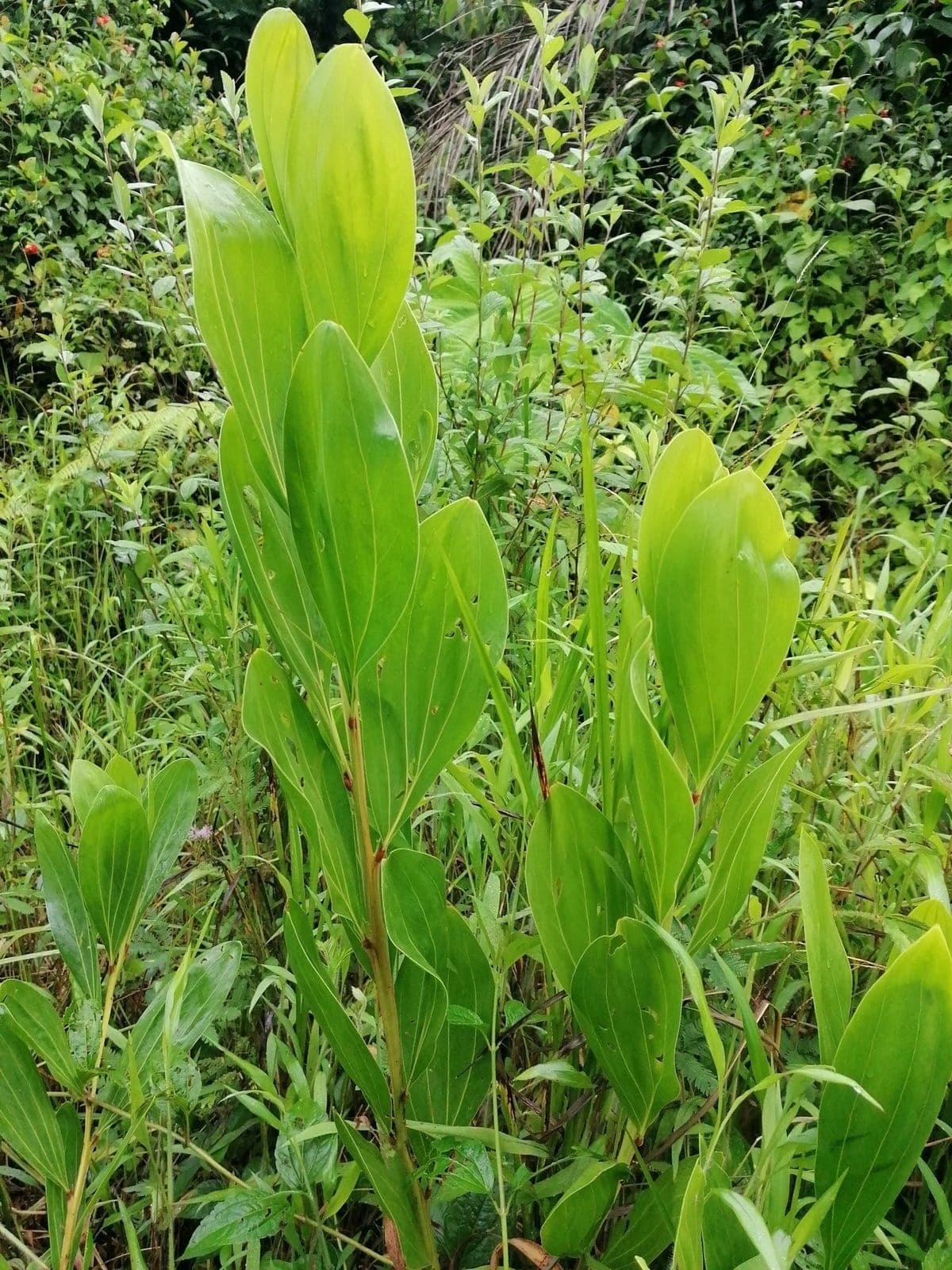
View source ↗Whole tree
📷 (c) Bill, some rights reserved (CC BY-NC)(CC BY-NC)
View source ↗Leaves
📷 (c) Bill, some rights reserved (CC BY-NC)(CC BY-NC)
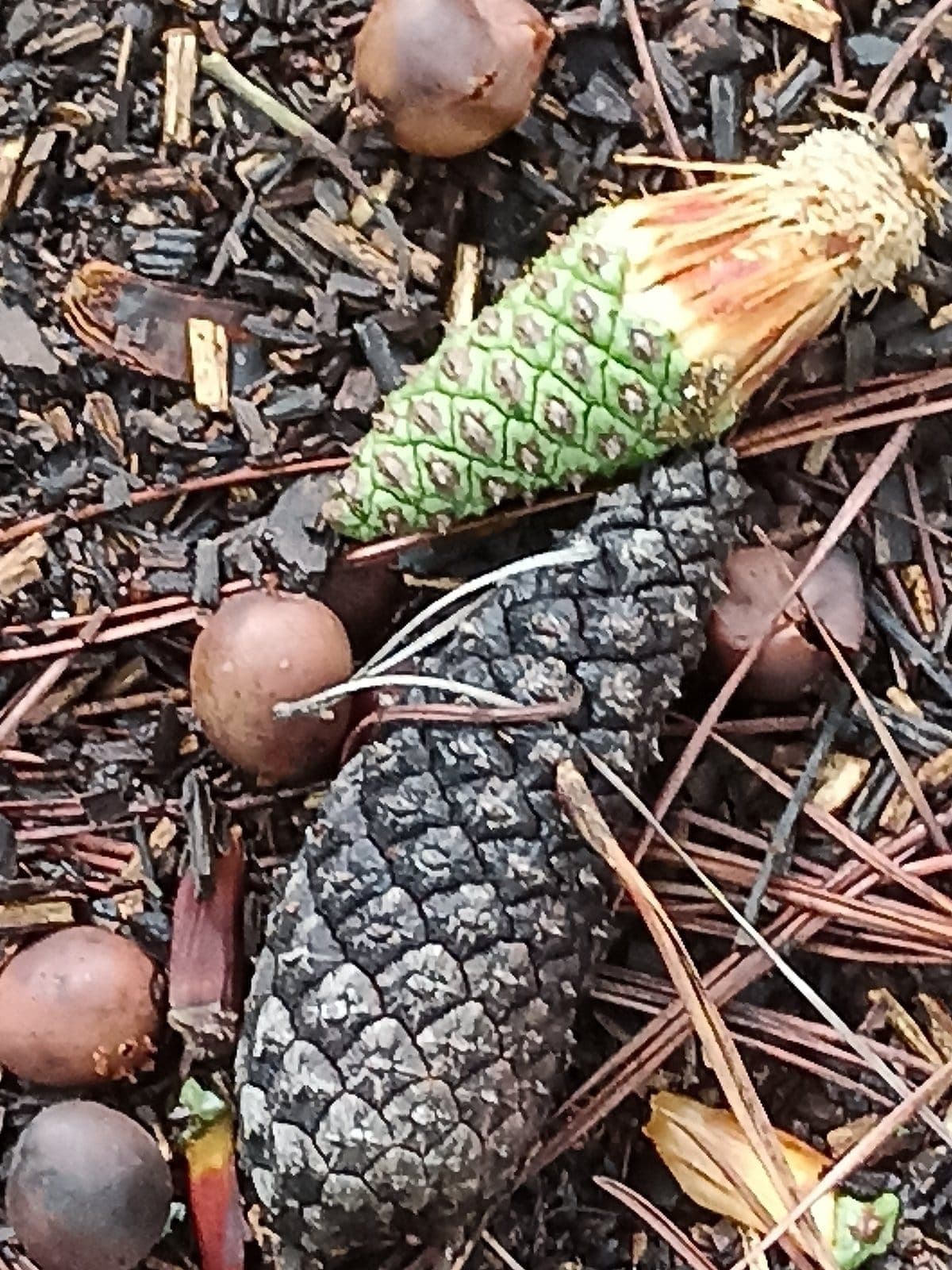
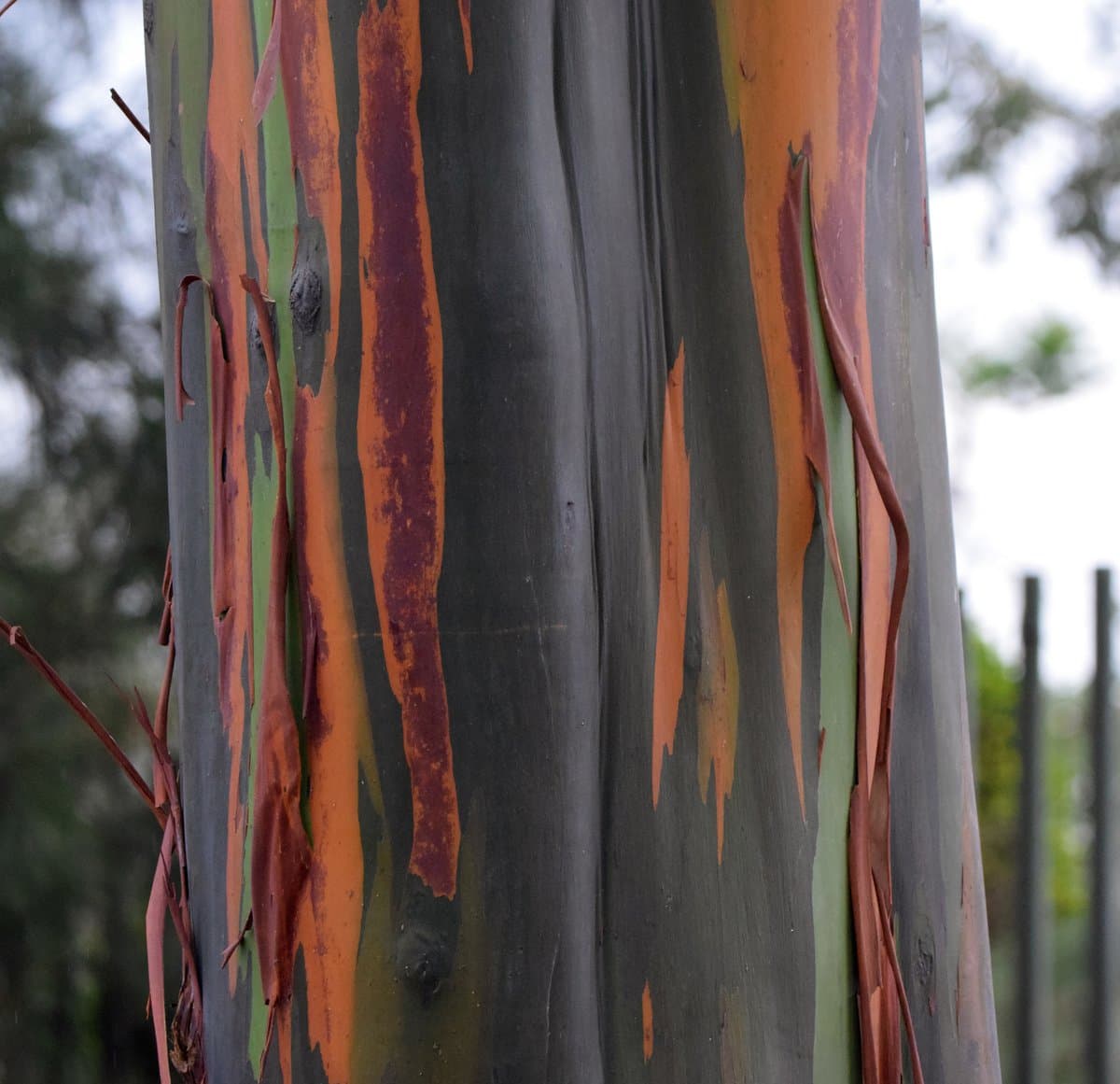
View source ↗Whole tree
📷 (c) Sandy Ullrich, some rights reserved (CC BY-NC)(CC BY-NC)
View source ↗Photos sourced from iNaturalist's citizen science database. View all observations →↗
Taxonomy & Classification
Geographic Distribution
Geographic Distribution
Where to Find Gmelina in Costa Rica
Plantation Regions:
Elevation: Sea level to ~1,000 m
Habitat & Ecology
Growth Characteristics
Gmelina's remarkable growth:
Wildlife Value
Ecological interactions:
Gmelina is primarily grown in managed plantations for pulp and wood products. Its fast growth makes it economically attractive, though pure plantations support less biodiversity than native forests.
Botanical Description
Wood Properties
Appearance
Physical Properties
Gmelina's light color, low density, and excellent fiber characteristics make it ideal for pulp and paper production. It produces high-quality pulp with good brightness and strength.
Uses
Conservation Status
Conservation Status: Abundant
Gmelina populations are thriving:
Growing Gmelina
Similar Species
Where to See Gmelina Trees
Best Locations in Costa Rica
Plantation Areas:
Tips:
External Resources
Community observations, photos, and distribution data
Global observations
Detailed wood properties and identification
Wood Database
Global biodiversity occurrence data and distribution maps
Conservation status and species assessment
References
📚 Scientific References & Further Reading
Dvorak, W.S. (2004). World view of Gmelina arborea. New Forests 28: 207-219
Lauridsen, E.B. & Kjaer, E.D. (2002). Provenance research in Gmelina arborea. DFSC Technical Note 63
Gmelina arborea represents the promise of sustainable plantation forestry. Its remarkable growth rate means that demand for wood products can be met without further depleting natural forests. While not a replacement for native ecosystem conservation, Gmelina plantations in Costa Rica demonstrate how agricultural land can produce valuable timber while reducing pressure on primary forests.
🌳 ¡Pura Vida!
Safety Information Disclaimer
Safety information is provided for educational purposes only. Individual reactions may vary significantly based on age, health status, amount of exposure, and individual sensitivity. Always supervise children around plants. Consult a medical professional or certified arborist for specific concerns. The Costa Rica Tree Atlas is not liable for injuries or damages resulting from interaction with trees described in this guide.
• Always supervise children around plants
• Consult medical professional if unsure
• Seek immediate medical attention if poisoning occurs
Information compiled from authoritative toxicology sources, scientific literature, and medical case reports.
Help improve this page
Know something about this tree? Share local knowledge, suggest a correction, or submit a photo to improve this guide for everyone.