Mangium Acacia
Acacia mangium
Quick facts
Native Region
Australia (Queensland, Northern Territory), Papua New Guinea, Indonesia (Maluku)
Max Height
25-30 meters
Family
Fabaceae
Conservation
LC — Least Concern
Uses
Safety Information
Toxicity Details
Acacia mangium is generally non-toxic to humans and animals. Bark tannins may cause mild gastrointestinal irritation if ingested in large amounts but are not considered dangerous. Seeds are not consumed. Overall food-safety risk is minimal.
Skin Contact Risks
Contact with bark and sap rarely causes irritation. Sawdust from milling may cause mild skin or respiratory irritation in workers without protective equipment. No significant dermatitis risk for casual contact.
Allergenic Properties
Pollen can trigger respiratory allergies in sensitive individuals during peak flowering. Sawdust is a moderate irritant in occupational settings. Standard dust masks are recommended for milling operations.
Structural Hazards
Acacia mangium grows rapidly and can develop weak branch unions, especially in dense plantations without thinning. Wind-throw risk increases in exposed sites or shallow soils. Mature trees may shed large branches during storms. Maintain safe distances from structures and conduct periodic inspections.
Wildlife & Pet Risks
Generally low risk to wildlife. Flowers support some pollinator species. Dense monoculture plantations may reduce local biodiversity compared to native forest; mixed plantings are ecologically preferable.
Season
Flowering
Mar-Jun
Fruiting
Jul-Oct
How to identify
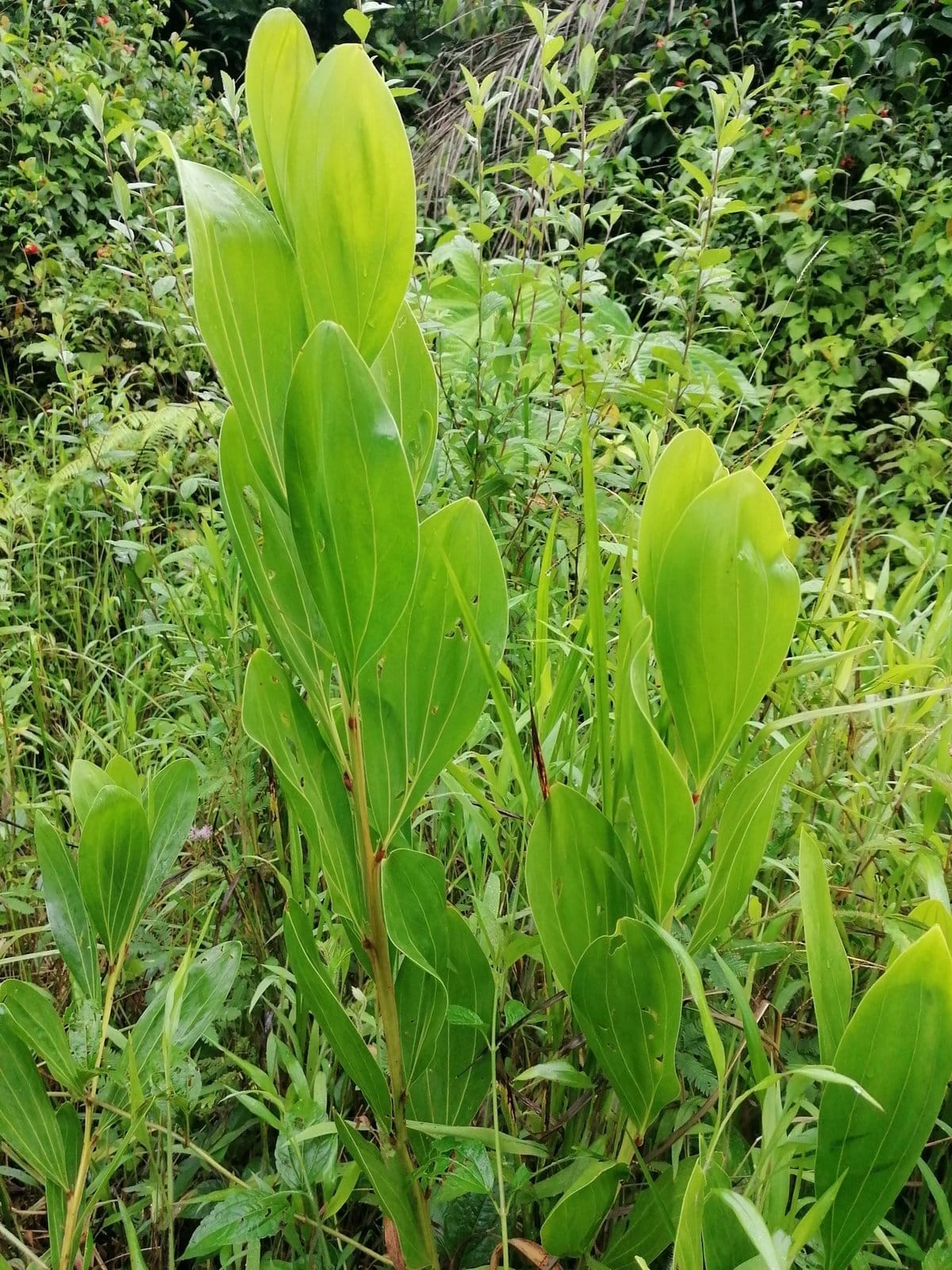
Mangium Acacia (Acacia Mangium)
Mangium Acacia (Acacia mangium), locally called Acacia, is one of the fastest-growing tropical plantation trees available in Costa Rica. Originally from Australia and tropical Asia, it has been widely adopted for reforestation of degraded lands, timber and pulp production, and nitrogen-fixing soil improvement. Its remarkable speed and soil tolerance make it valuable for land recovery, but ecological management is essential to prevent invasive spread.
Quick Reference
iNaturalist Observations
Community-powered species data
📸 Photo Gallery
Whole tree
📷 (c) swetlana_k, some rights reserved (CC BY-NC)(CC BY-NC)
View source ↗Leaves
📷 (c) swetlana_k, some rights reserved (CC BY-NC)(CC BY-NC)
View source ↗Whole tree
📷 (c) Emily Franzen, some rights reserved (CC BY)(CC BY)
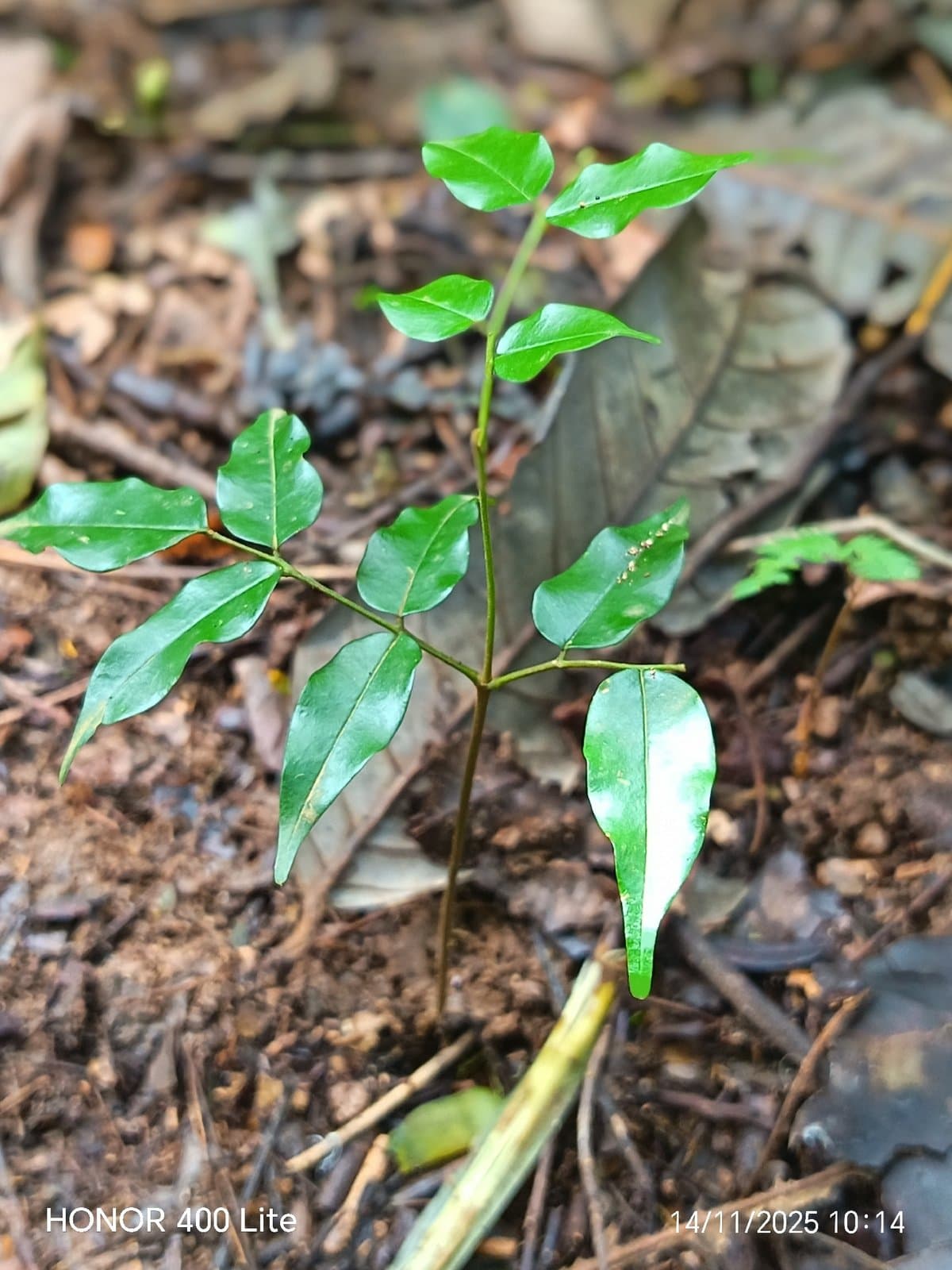
View source ↗Leaves
📷 (c) Timothy Grover, some rights reserved (CC BY-NC)(CC BY-NC)
View source ↗Whole tree
📷 (c) Timothy Grover, some rights reserved (CC BY-NC)(CC BY-NC)
View source ↗Photos are linked from the iNaturalist community archive. Field verification and local attribution review are recommended before using images for printed educational assets.
Taxonomy & Classification
Geographic Distribution
Global Context
Acacia mangium is native to northern Queensland (Australia), Papua New Guinea, and the Maluku Islands of Indonesia. It has been planted extensively across the wet tropics of Southeast Asia, Latin America, and Africa since the 1960s, becoming one of the world's most important fast-rotation plantation species for timber, pulp, and land rehabilitation.
Distribution in Costa Rica
In Costa Rica, Acacia mangium appears primarily in:
- Northern Zone and Atlantic lowlands (reforestation plantations on degraded pastures)
- Caribbean slope (Limón province, humid lowland plantations)
- Central Valley margins (experimental agroforestry and soil recovery projects)
- Southern Pacific (Osa Peninsula area, mixed systems)
- Institutional demonstration plots at universities and forestry research stations
The species is much less common in the dry Pacific (Guanacaste) where rainfall is insufficient for optimal growth.
Invasion Risk and Monitoring
Acacia mangium produces large quantities of viable seed and can establish volunteer seedlings in disturbed ground, roadsides, and forest edges. In some tropical countries it has become invasive. In Costa Rica, monitoring and prompt removal of escapees near native forest is recommended.
Habitat & Ecology
Environmental Preferences
Ecological Functions
Nitrogen Fixation and Soil Recovery
One of the primary ecological justifications for Acacia mangium plantations is its capacity for atmospheric nitrogen fixation. Through symbiosis with Rhizobium and Bradyrhizobium bacteria, the tree can fix 40-100 kg N/ha/year, dramatically improving degraded soils.
Ecological Caveats
While Acacia mangium improves soil chemistry, monoculture plantations support significantly fewer species than native forest. Mixed plantings with native trees deliver better biodiversity outcomes. Pure acacia stands should be viewed as a transitional land use, not a permanent replacement for native ecosystems.
Botanical Description
Uses & Applications
Timber and Industrial Uses
Reforestation and Land Recovery
Agroforestry Integration
Cultural & Economic Significance
Sources: CATIE — Árbοles de Centroamérica↗, CIFOR — Acacia mangium ecology, silviculture and productivity↗, CABI Invasive Species Compendium↗
Role in Costa Rican Forestry
Acacia mangium was introduced to Costa Rica primarily through CATIE (Centro Agronómico Tropical de Investigación y Enseñanza) and government reforestation programs during the 1980s-1990s, when rapid-growth species were needed to recover degraded cattle pastures and provide alternatives to native timber harvesting.
Economic Context
Critical Perspective
While Acacia mangium plantations provide economic returns and improve degraded soils, they should not be promoted as ecological equivalents of native forest. Costa Rica's environmental policy increasingly emphasizes native species for restoration and incentivizes mixed-species approaches over exotic monocultures.
Safety & Public Health Considerations
Household Safety Matrix
Structural Safety
- Trees can grow rapidly and develop weak branch attachments in unmanaged stands
- Wind-throw is a risk on shallow soils or waterlogged sites
- Schedule periodic structural inspections for trees near roads or structures
- Prune early and regularly to develop strong architecture
Cultivation Guide (Costa Rica)
Invasive Risk Management
Acacia mangium is listed as invasive in several tropical countries. In Costa Rica, responsible management includes preventing uncontrolled seed dispersal and removing volunteer seedlings near native ecosystems.
Risk Factors
Mitigation Strategies
Identification Guide
Where to See Acacia Mangium in Costa Rica
External Resources
Observations, photos, and community identification records
Community science
Accepted taxonomy and global distribution
Royal Botanic Gardens, Kew
Risk assessment, distribution, and management guidance
CABI
Global occurrence records and distribution data
GBIF
Conservation status and species assessment
References
📚 Scientific References & Further Reading
Turnbull, J.W. (1986). Multipurpose Australian Trees and Shrubs. ACIAR Monograph No. 1
National Research Council (1983). Mangium and Other Fast-Growing Acacias for the Humid Tropics. National Academies Press
Krisnawati, H., Kallio, M. & Kanninen, M. (2011). Acacia mangium Willd.: ecology, silviculture and productivity. CIFOR
CATIE (2003). Árboles de Centroamérica: un manual para extensionistas. CATIE, Turrialba, Costa Rica
Acacia mangium is a powerful tool for recovering degraded lands and producing fast-rotation timber in Costa Rica. Its value lies in bridging the gap between abandoned pasture and productive land use — but its long-term role should be transitional, phasing toward native species as soils recover and ecological corridors reconnect.
Safety Information Disclaimer
Safety information is provided for educational purposes only. Individual reactions may vary significantly based on age, health status, amount of exposure, and individual sensitivity. Always supervise children around plants. Consult a medical professional or certified arborist for specific concerns. The Costa Rica Tree Atlas is not liable for injuries or damages resulting from interaction with trees described in this guide.
• Always supervise children around plants
• Consult medical professional if unsure
• Seek immediate medical attention if poisoning occurs
Information compiled from authoritative toxicology sources, scientific literature, and medical case reports.
Help improve this page
Know something about this tree? Share local knowledge, suggest a correction, or submit a photo to improve this guide for everyone.