Chancho Blanco
Vochysia guatemalensis
Quick facts
Native Region
Central America
Max Height
35-50 meters (115-165 feet)
Family
Vochysiaceae
Conservation
LC — Least Concern
Uses
Safety Information
Toxicity Details
Chancho Blanco (Vochysia guatemalensis) is non-toxic and safe. No parts of this tree are known to be poisonous to humans or animals. The Vochysiaceae family does not contain significant toxic species. This tree has been widely used in reforestation and timber production without toxicity concerns. Safe for use in all landscape contexts.
Skin Contact Risks
No known skin irritation risks from bark, sap, or leaves. The tree does not produce caustic compounds. Wood dust during milling should be managed with standard protective equipment, as with any wood. The living tree poses no dermal hazards. Safe to touch and handle.
Allergenic Properties
Minimal allergenic properties. Pollen may cause mild seasonal allergies in sensitive individuals. Wood dust during processing may cause respiratory irritation (mechanical). Overall allergen risk is low.
Structural Hazards
Large fast-growing tree (35-50 meters). Rapid growth can result in softer, lighter wood that may be more prone to branch breakage than slow-growing hardwoods. The 'softwood' nature means branches may break more easily in storms. Plant with adequate space and consider regular maintenance for landscape specimens. Better suited for reforestation than high-traffic urban areas.
Wildlife & Pet Risks
Safe for wildlife. Important for ecosystem restoration. Creates habitat for forest species. No toxic effects on animals.
Season
Flowering
Mar-May
Fruiting
Jun-Aug
How to identify
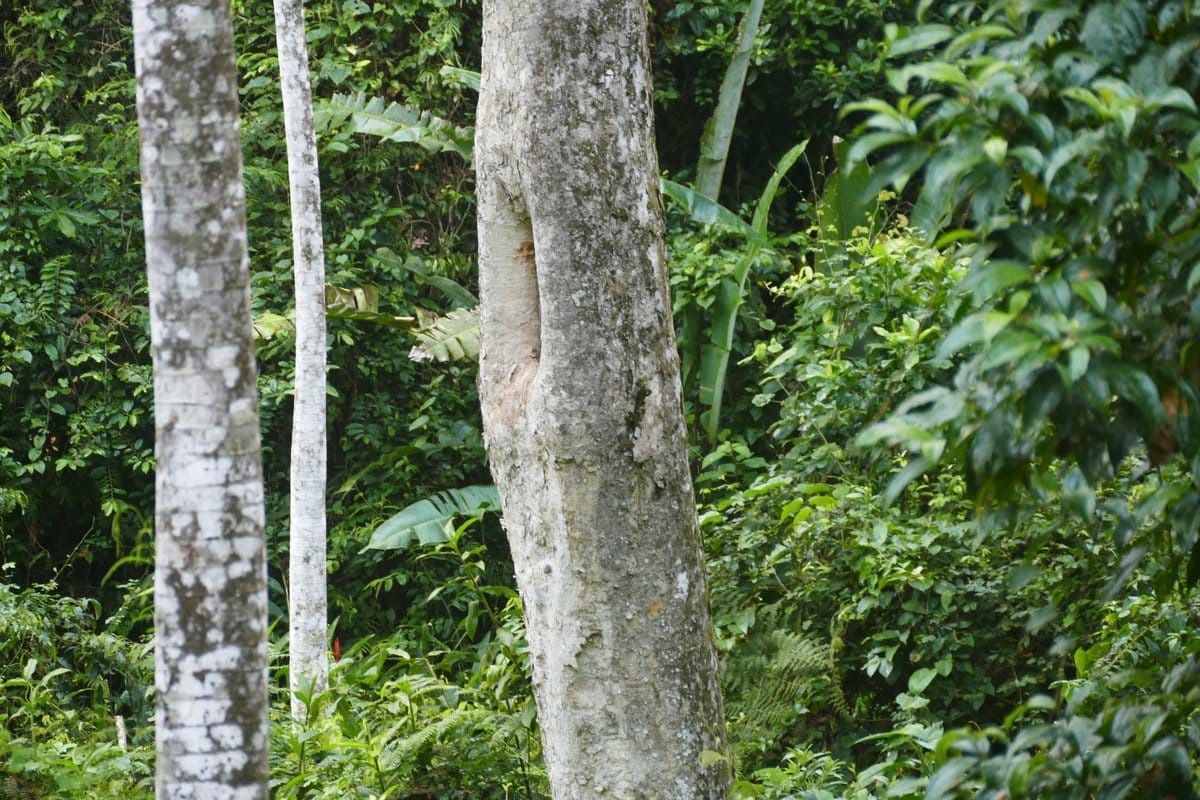
Chancho Blanco
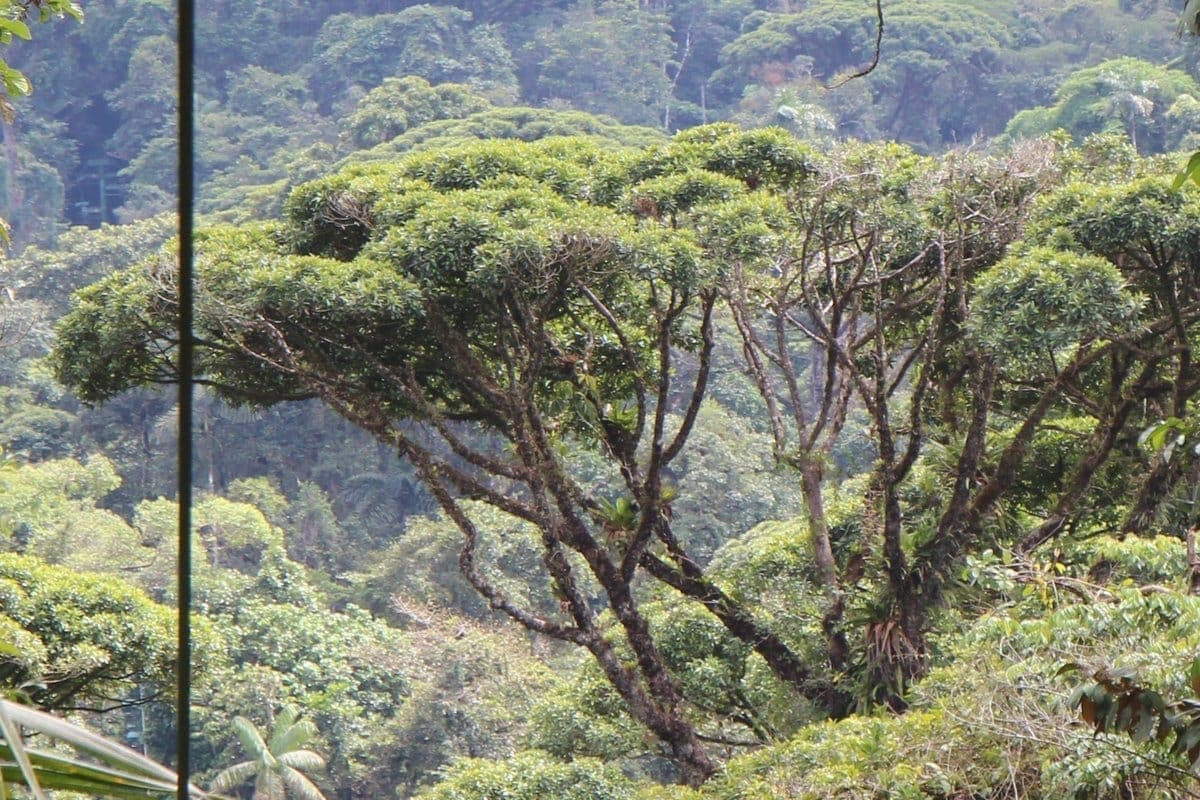
Chancho Blanco (Vochysia guatemalensis), also known as San Juan or White Chancho, is one of the fastest-growing native timber trees in Costa Rica. With growth rates exceeding 3 meters per year, this pioneer species can produce harvestable timber in just 12-15 years—making it a favorite for sustainable forestry.
Quick Reference
iNaturalist Observations
Community-powered species data
📸 Photo Gallery
Whole tree
📷 (c) wherenextnyc, some rights reserved (CC BY-NC)(CC BY-NC)
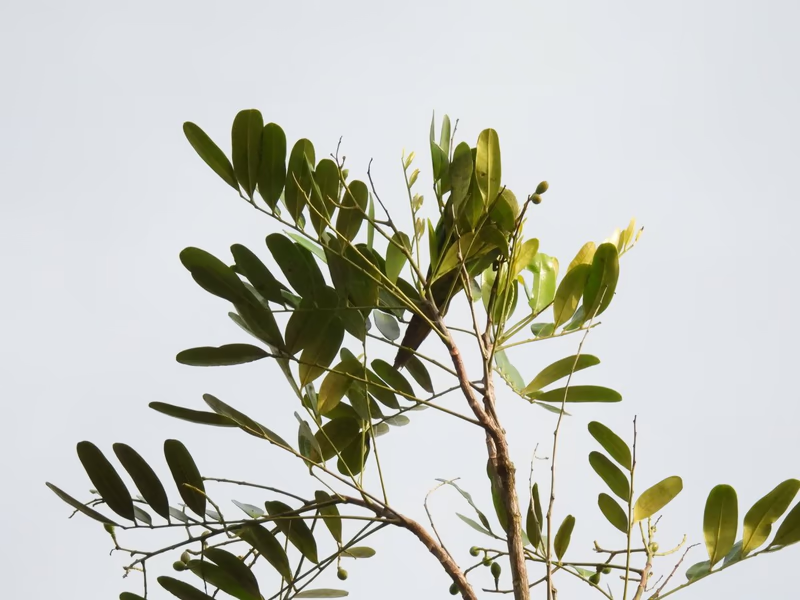
View source ↗Leaves
📷 (c) wherenextnyc, some rights reserved (CC BY-NC)(CC BY-NC)
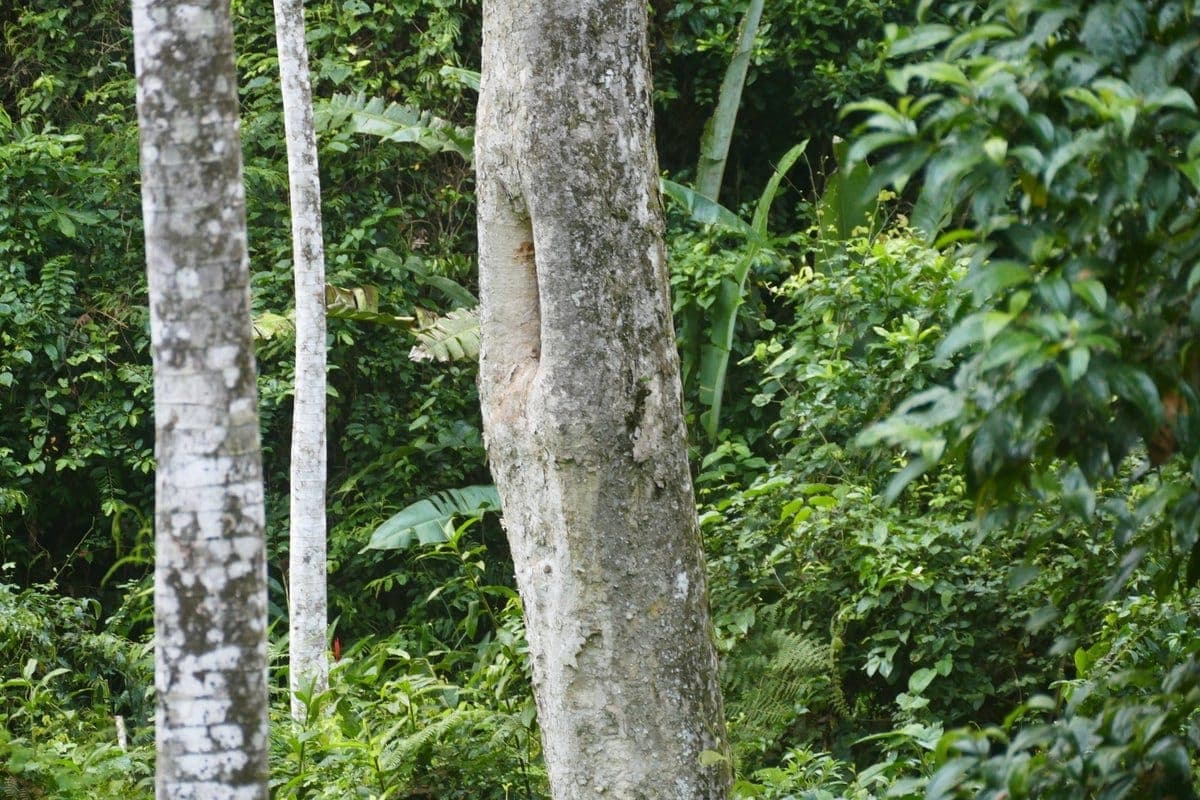
View source ↗Whole tree
📷 (c) Seymore Gulls, some rights reserved (CC BY-NC)(CC BY-NC)
View source ↗Leaves
📷 (c) wherenextnyc, some rights reserved (CC BY-NC)(CC BY-NC)
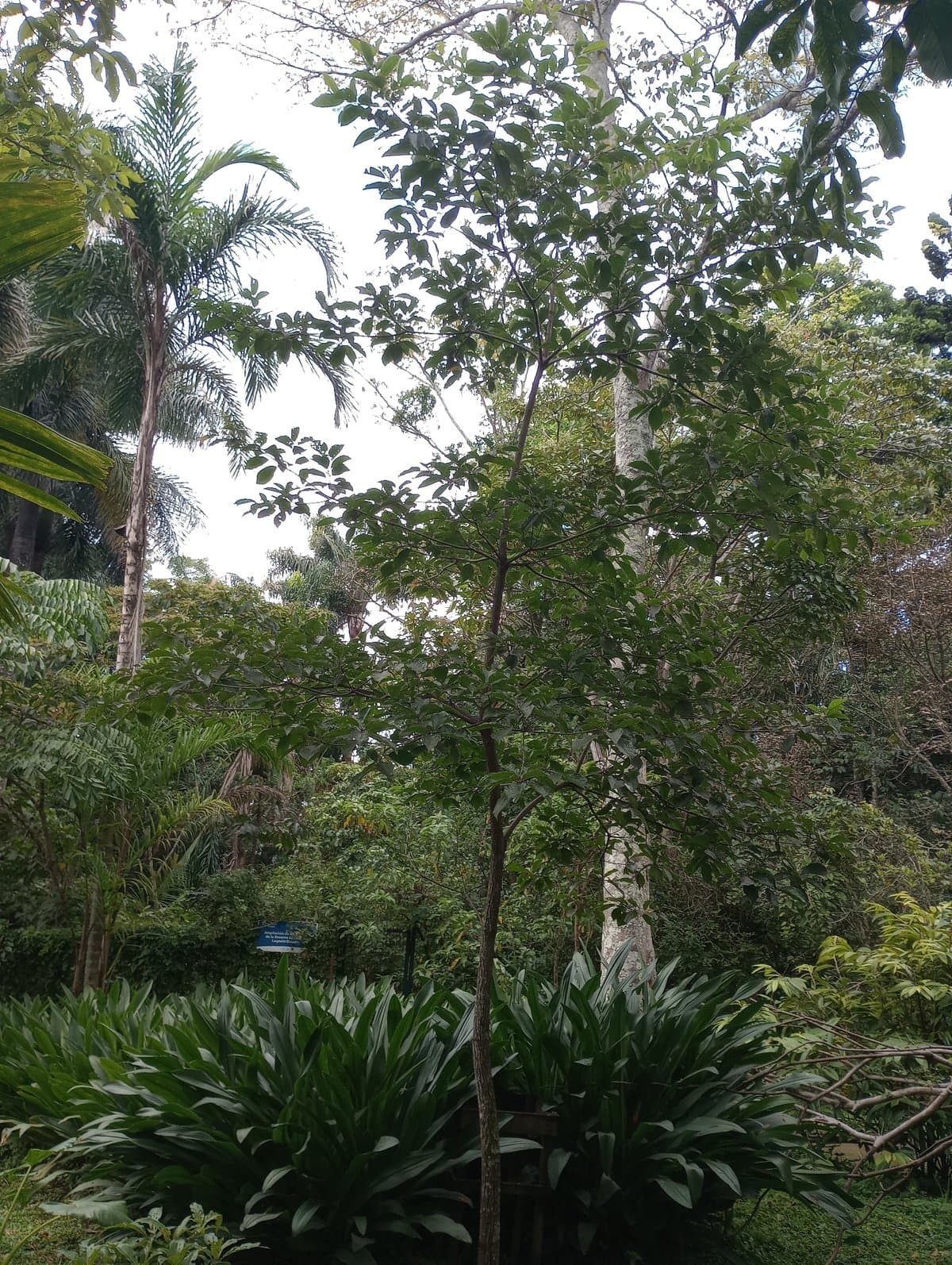
View source ↗Whole tree
📷 (c) Maynor Carranza, some rights reserved (CC BY-NC)(CC BY-NC)
View source ↗Photos sourced from iNaturalist's community science database. Browse all observations →↗
Taxonomy & Classification
Geographic Distribution
Geographic Distribution
Where to Find Chancho Blanco in Costa Rica
Primary Habitats:
Elevation: Sea level to ~1,800 m (higher than most fast-growing species)
Habitat & Ecology
Ecological Role
Chancho Blanco provides critical ecosystem services:
Wildlife Associations
Animals dependent on Chancho Blanco:
With documented growth of over 3 m/year in height and 4 cm/year in diameter, Chancho Blanco can produce harvestable timber faster than most native species while providing biodiversity benefits that exotic plantations cannot match.
Botanical Description
Wood Properties
Appearance
Physical Properties
Uses
Sources: CATIE↗, GBIF — Vochysia guatemalensis↗, SINAC↗
Conservation Status
Conservation Status: Secure
Chancho Blanco thrives:
Growing Chancho Blanco
Similar Species
Where to See Chancho Blanco Trees
Best Locations in Costa Rica
Natural Forests:
Plantations:
External Resources
Community observations, photos, and distribution data
Global observations
Tropical forestry research and development
Research institution
Costa Rica's forest management authority
Government agency
Global biodiversity occurrence data and distribution maps
Conservation status and species assessment
References
📚 Scientific References & Further Reading
Piotto, D., et al. (2003). Growth of native tree plantations in the Caribbean lowlands of Costa Rica. New Forests 25: 1-13
Montagnini, F. & Porras, C. (1998). Evaluating the role of plantations as carbon sinks. Environmental Management 22(3): 459-470
The Chancho Blanco (Vochysia guatemalensis) represents the future of sustainable tropical forestry—a native species that can compete economically with exotic plantations while providing biodiversity, carbon sequestration, and ecosystem services that monocultures cannot. In a world seeking solutions to deforestation and climate change, this tree offers hope.
🌳 ¡Pura Vida!
Safety Information Disclaimer
Safety information is provided for educational purposes only. Individual reactions may vary significantly based on age, health status, amount of exposure, and individual sensitivity. Always supervise children around plants. Consult a medical professional or certified arborist for specific concerns. The Costa Rica Tree Atlas is not liable for injuries or damages resulting from interaction with trees described in this guide.
• Always supervise children around plants
• Consult medical professional if unsure
• Seek immediate medical attention if poisoning occurs
Information compiled from authoritative toxicology sources, scientific literature, and medical case reports.
Help improve this page
Know something about this tree? Share local knowledge, suggest a correction, or submit a photo to improve this guide for everyone.