Neem
Azadirachta indica
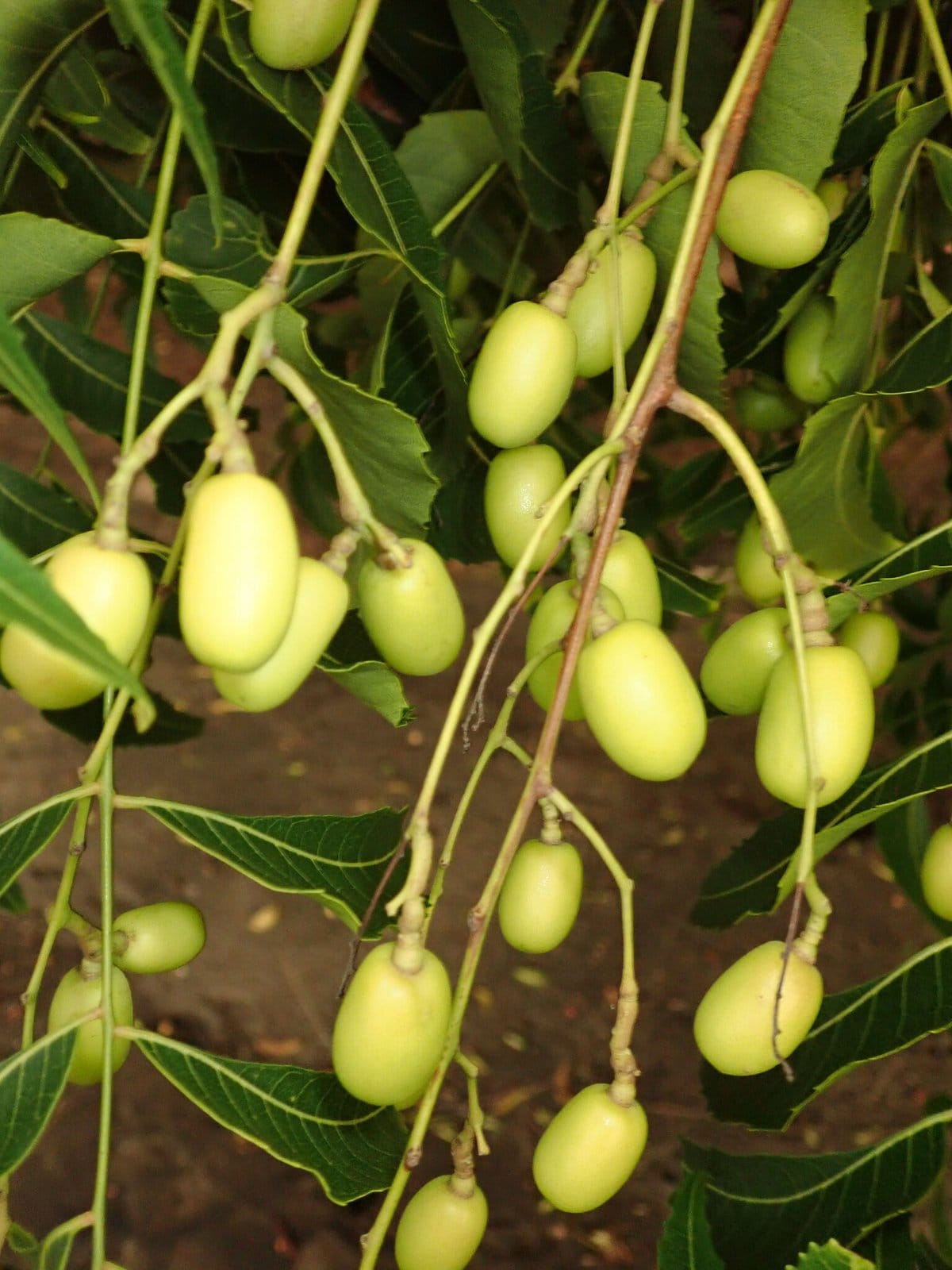
Quick facts
Native Region
Indian subcontinent (India, Pakistan, Bangladesh, Nepal, Sri Lanka)
Max Height
12-25 meters
Family
Meliaceae
Conservation
LC — Least Concern
Uses
Safety Information
CAUTION
Neem is a valuable tree but not a snack tree. Keep seeds and concentrated oil products away from children and pets. Use standardized, diluted formulations for garden use and avoid improvised high-dose remedies. Planting is suitable in Costa Rica when managed responsibly and when spread is monitored in sensitive habitats.
Toxicity Details
Neem has useful medicinal compounds but should be treated with caution. Concentrated neem seed oil and seed extracts are not safe for children, pregnant people, or pets when ingested in significant quantities. Bitter compounds (including azadirachtin and related limonoids) can cause nausea, vomiting, and neurological symptoms in overdose situations. Raw seeds and highly concentrated homemade extracts should never be consumed.
Skin Contact Risks
Most people handle leaves and bark without major irritation. Sensitive individuals may develop mild dermatitis after prolonged contact with concentrated oil or fresh sap. Use gloves when preparing extracts or handling large quantities of seeds.
Allergenic Properties
Allergy risk is generally low, but pollen or strong neem odors can occasionally irritate sensitive people. Wood dust and concentrated oils may trigger mild respiratory irritation in exposed workers.
Structural Hazards
Neem develops a broad crown and can drop medium branches during strong winds or after prolonged drought stress. In compact urban sites, roots may lift pavements if planted too close. Prune periodically and plant away from narrow sidewalks and buried infrastructure.
Wildlife & Pet Risks
Generally moderate wildlife risk. Flowers can support insects, but concentrated seed products may harm non-target organisms if applied carelessly. Avoid spraying neem extracts during peak pollinator activity and never dump concentrated residues into waterways.
First Aid & Emergency Response
• If ingested, seek immediate medical attention. Do not induce vomiting unless directed by medical professional.
• If sap contacts skin, wash immediately with soap and water. Seek medical attention if blistering or severe irritation occurs.
• If sap enters eyes, flush immediately with clean water for 15 minutes and seek emergency medical care.
Costa Rica Emergency: 911
Costa Rica Poison Control: 2223-1028
Season
Flowering
Jan-Apr
Fruiting
Apr-Jul
How to identify
Neem (Nim)
Neem (Azadirachta indica), known locally as Nim, is an introduced but highly practical tree in Costa Rica’s dry and urban zones. It is valued for shade, drought tolerance, and traditional plant-based pest management. Neem is not a universal solution, but when managed correctly it can support heat-resilient streetscapes, smallholder agroforestry, and low-input land rehabilitation.
Quick Reference
iNaturalist Observations
Community-powered species data
📸 Photo Gallery
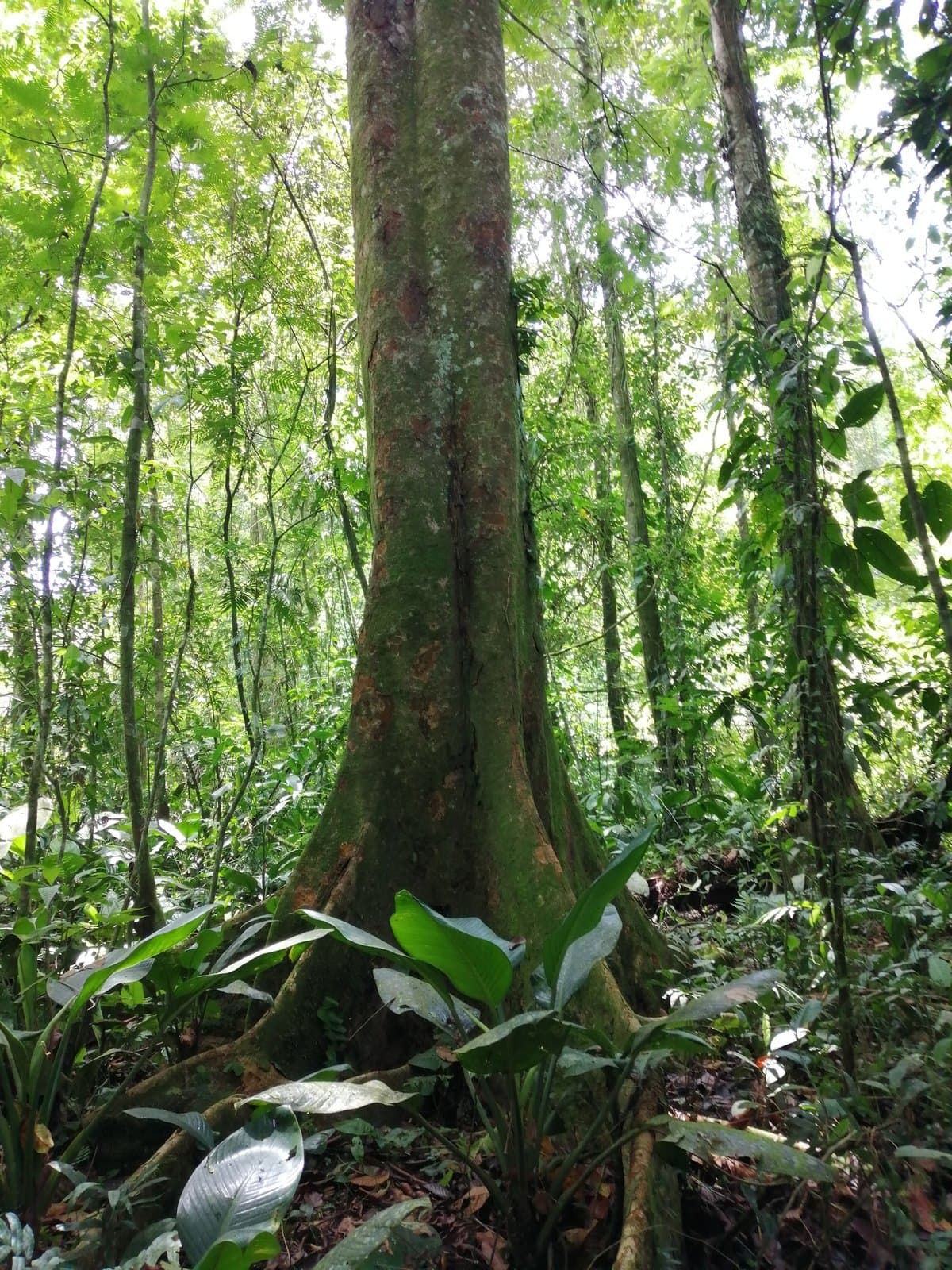
Whole tree
📷 (c) Cricket Raspet, some rights reserved (CC BY)(CC BY)
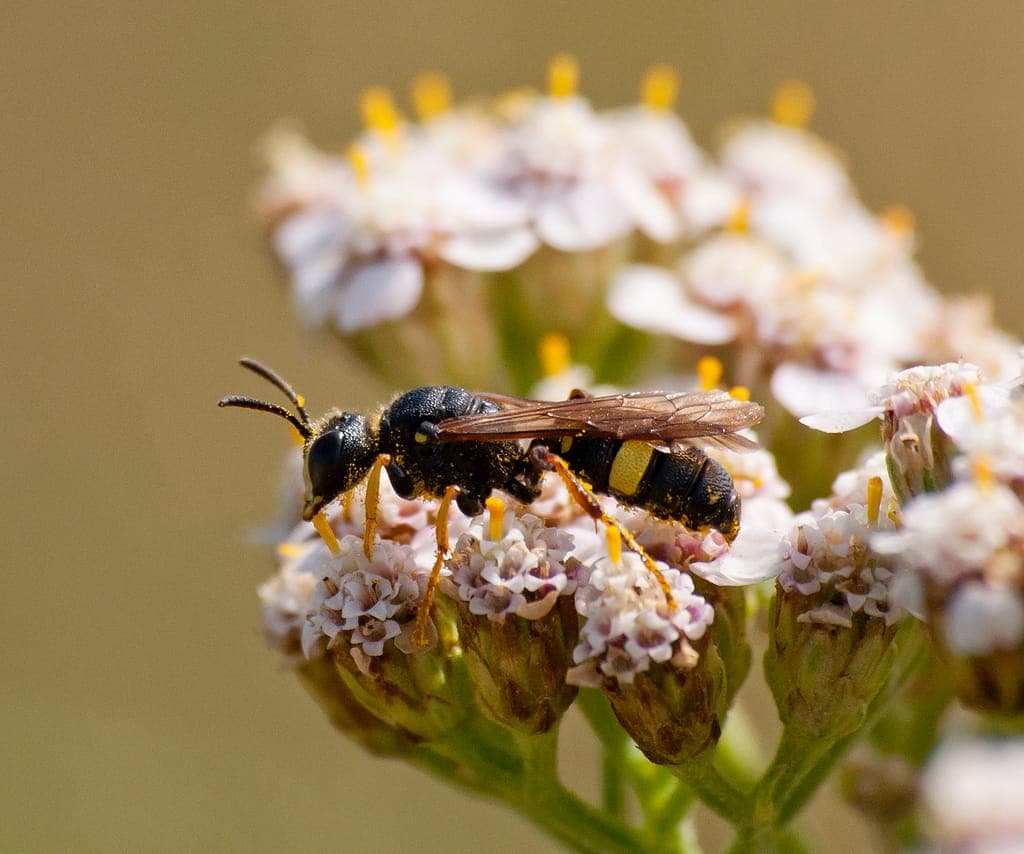
View source ↗Leaves
📷 (c) Cricket Raspet, some rights reserved (CC BY)(CC BY)
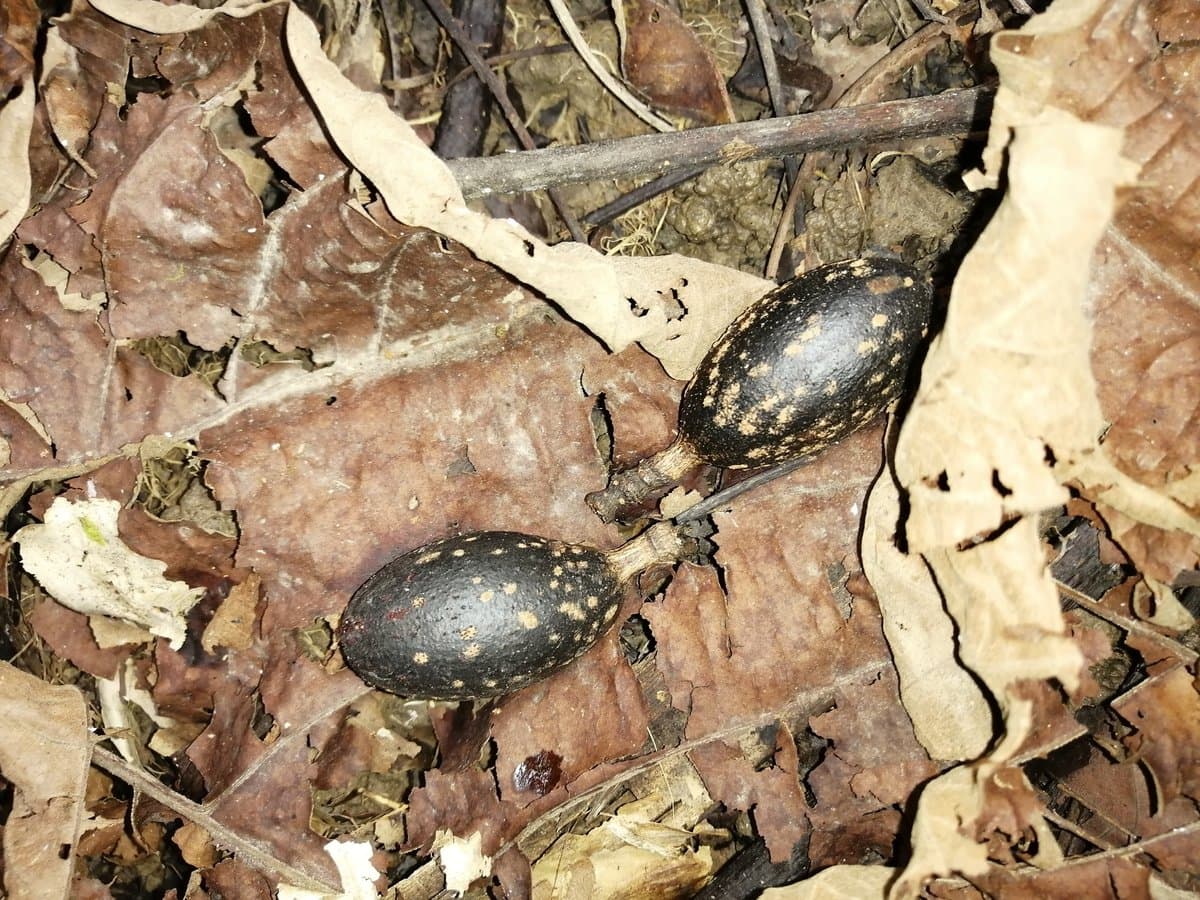
View source ↗Flowers
📷 (c) Jair Granados Chacón, some rights reserved (CC BY-NC)(CC BY-NC)
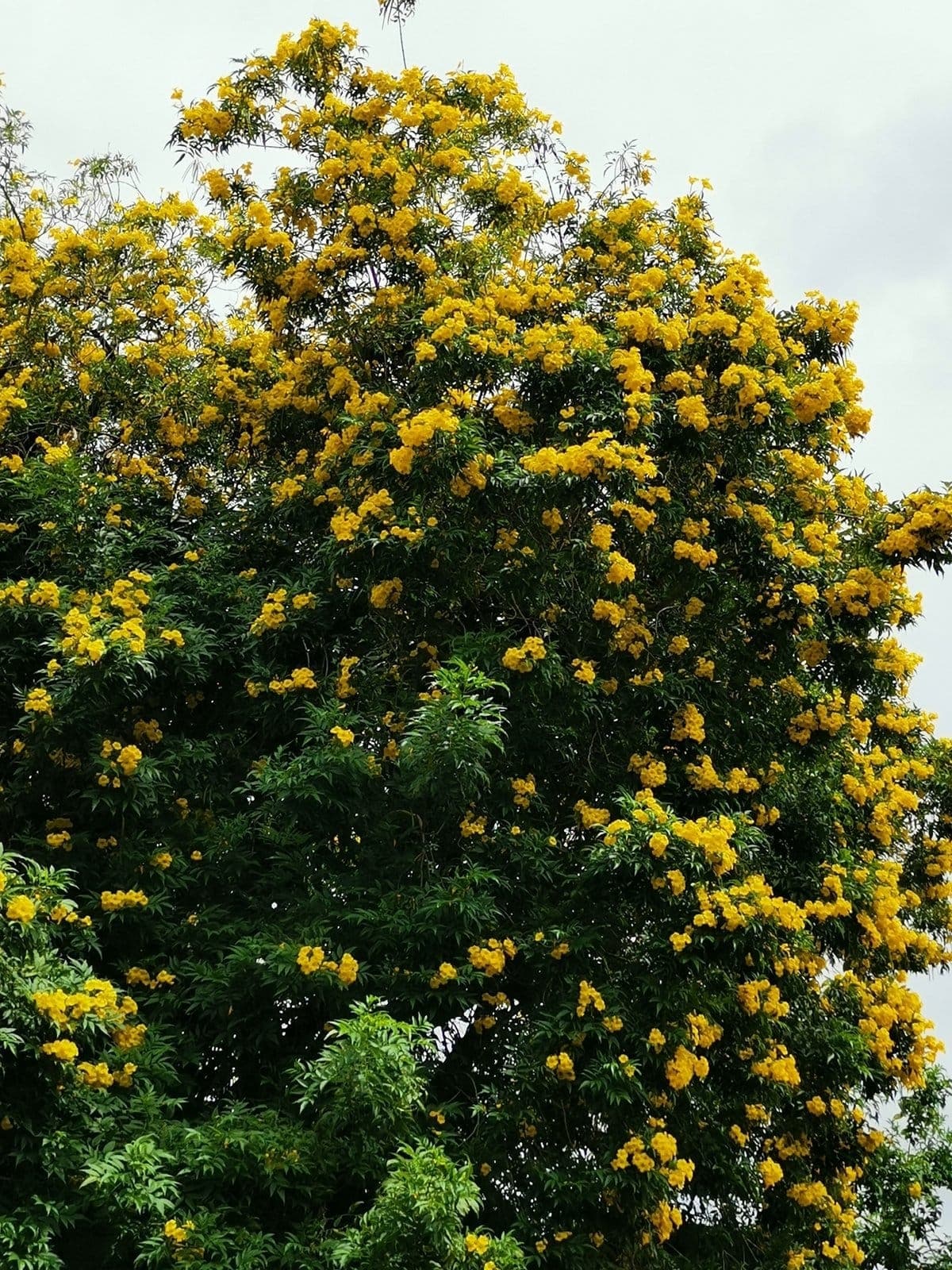
View source ↗Whole tree
📷 (c) Richard Joyce, some rights reserved (CC BY-NC)(CC BY-NC)
View source ↗Leaves
📷 (c) stores-frailer, some rights reserved (CC BY-NC)(CC BY-NC)
View source ↗Photos are linked from the iNaturalist community archive. Field verification and local attribution review are recommended before using images for printed educational assets.
Taxonomy & Classification
Geographic Distribution
Global Context
Neem has been planted across the tropics for more than a century, especially in regions seeking drought-tolerant shade and low-cost botanical pest management. It is now present in parts of Africa, Southeast Asia, the Caribbean, and the American tropics.
Distribution in Costa Rica
In Costa Rica, neem appears mostly in:
- Guanacaste and dry Pacific sectors (roadsides, farms, schools, parks)
- Urban heat islands in lowland cities where shade demand is high
- Agroforestry edges and mixed farms with low irrigation availability
- Demonstration plots for botanical pest management
Neem is less common in waterlogged Caribbean lowlands and cool, very wet highlands.
Establishment and Monitoring Considerations
Neem is not currently documented as a top-tier invasive threat in Costa Rica at a national scale, but it is listed in the Global Invasive Species Database (GISD) as an invasive species in various tropical regions. Local monitoring is still advisable where disturbed, open habitats surround native dry-forest fragments.
Habitat & Ecology
Environmental Preferences
Ecological Functions in Managed Landscapes
Ecological Caveats
Neem can be beneficial in built or heavily altered landscapes, but planting should avoid sensitive restoration cores and dry-forest remnants where introduced species pressure is already high. Prefer native species in priority biodiversity corridors.
Botanical Description
Uses & Applications
Traditional and Community Uses
Botanical Pest Management Context
Neem-derived products can reduce pressure from certain pests when integrated with crop hygiene, biological control, and threshold-based scouting.
Neem works best as one tool among many. Overreliance can produce poor results, inconsistent control, and unintended impacts on beneficial organisms.
Safety & Public Health Considerations
Household Safety Matrix
Sensitive Groups
- Children
- Pregnant or breastfeeding people
- Pets (especially cats and small dogs)
- Individuals with liver compromise
Good Practice Checklist
Cultivation Guide (Costa Rica)
Ecological Governance: Where Neem Fits and Where It Doesn’t
Neem is most appropriate in heat-stressed urban and heavily modified farm landscapes. In restoration cores or high-value native biodiversity areas, prioritize native trees first.
Decision Table for Planting Programs
Monitoring Indicators
Identification Guide
Where to See Neem in Costa Rica
External Resources
Observations, photos, and community identification records
Community science
Accepted taxonomy and distribution references
Royal Botanic Gardens, Kew
Risk and management information for global contexts
CABI
Agroforestry and dryland tree management guidance
FAO
Global biodiversity occurrence data and distribution maps
Conservation status and species assessment
References
📚 Scientific References & Further Reading
National Research Council (1992). Neem: A Tree for Solving Global Problems. National Academies Press
Koul, O. & Wahab, S. (2004). Neem: Today and in the New Millennium. Springer
Schmutterer, H. (1990). Properties and potential of natural pesticides from the neem tree. Annual Review of Entomology
CABI (2024). Azadirachta indica datasheet. Invasive Species Compendium
Neem is a useful tree in Costa Rica when matched to the right place and purpose: hot urban shade, low-input farms, and controlled agroforestry edges. It should be managed with ecological humility, clear safety protocols, and native-species priorities where biodiversity restoration is the core mission.
Safety Information Disclaimer
Safety information is provided for educational purposes only. Individual reactions may vary significantly based on age, health status, amount of exposure, and individual sensitivity. Always supervise children around plants. Consult a medical professional or certified arborist for specific concerns. The Costa Rica Tree Atlas is not liable for injuries or damages resulting from interaction with trees described in this guide.
• Always supervise children around plants
• Consult medical professional if unsure
• Seek immediate medical attention if poisoning occurs
Information compiled from authoritative toxicology sources, scientific literature, and medical case reports.
Help improve this page
Know something about this tree? Share local knowledge, suggest a correction, or submit a photo to improve this guide for everyone.