Caobilla
Carapa guianensis
Quick facts
Native Region
Central and South America, West Africa
Max Height
30-40 meters (100-130 feet)
Family
Meliaceae
Conservation
LC — Least Concern
Uses
Safety Information
Toxicity Details
LOW toxicity. Seed oil (andiroba oil) generally safe for topical use. High oral doses in animal studies showed mild liver enzyme changes. Cold-pressed oil safer than heat-extracted. Traditional medicinal use shows good safety record.
Skin Contact Risks
Topical oil application generally safe. Rarely causes mild irritation in sensitive individuals.
Season
Flowering
Mar-May
Fruiting
Aug-Nov
How to identify
Caobilla
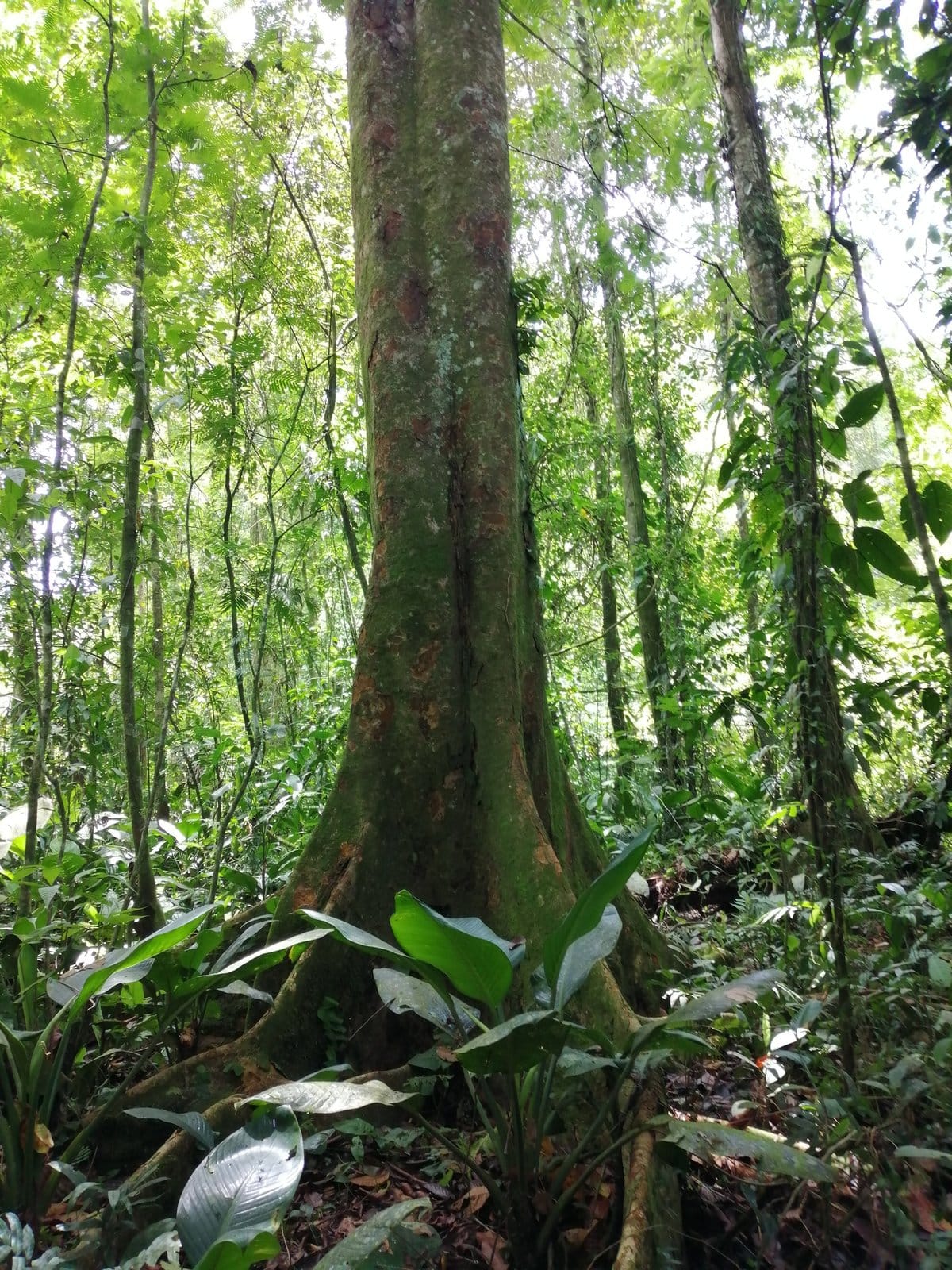
Caobilla (Carapa guianensis), also known as Andiroba or Crabwood, is a remarkable rainforest tree prized for both its mahogany-like timber and its oil-rich seeds. Indigenous peoples have extracted medicinal oil from its nuts for centuries, while its durable wood remains highly valued for construction and furniture.
Quick Reference
iNaturalist Observations
Community-powered species data
📸 Photo Gallery
Whole tree
📷 (c) Pedro Blanco, some rights reserved (CC BY-NC)(CC BY-NC)
View source ↗Leaves
📷 (c) Finca Dinámica, some rights reserved (CC BY-NC-ND)(CC BY-NC-ND)
View source ↗Whole tree
📷 (c) danielschaber, some rights reserved (CC BY-NC)(CC BY-NC)
View source ↗Leaves
📷 (c) Finca Dinámica, some rights reserved (CC BY-NC-ND)(CC BY-NC-ND)
View source ↗Whole tree
📷 (c) Finca Dinámica, some rights reserved (CC BY-NC-ND)(CC BY-NC-ND)
View source ↗Photos sourced from iNaturalist's community science database. Browse all observations →↗
Taxonomy & Classification
Geographic Distribution
Geographic Distribution
Where to Find Caobilla in Costa Rica
Primary Habitats:
Elevation: Sea level to ~700 m
Habitat & Ecology
Ecological Role
Caobilla is ecologically important:
Wildlife Associations
Animals dependent on Caobilla:
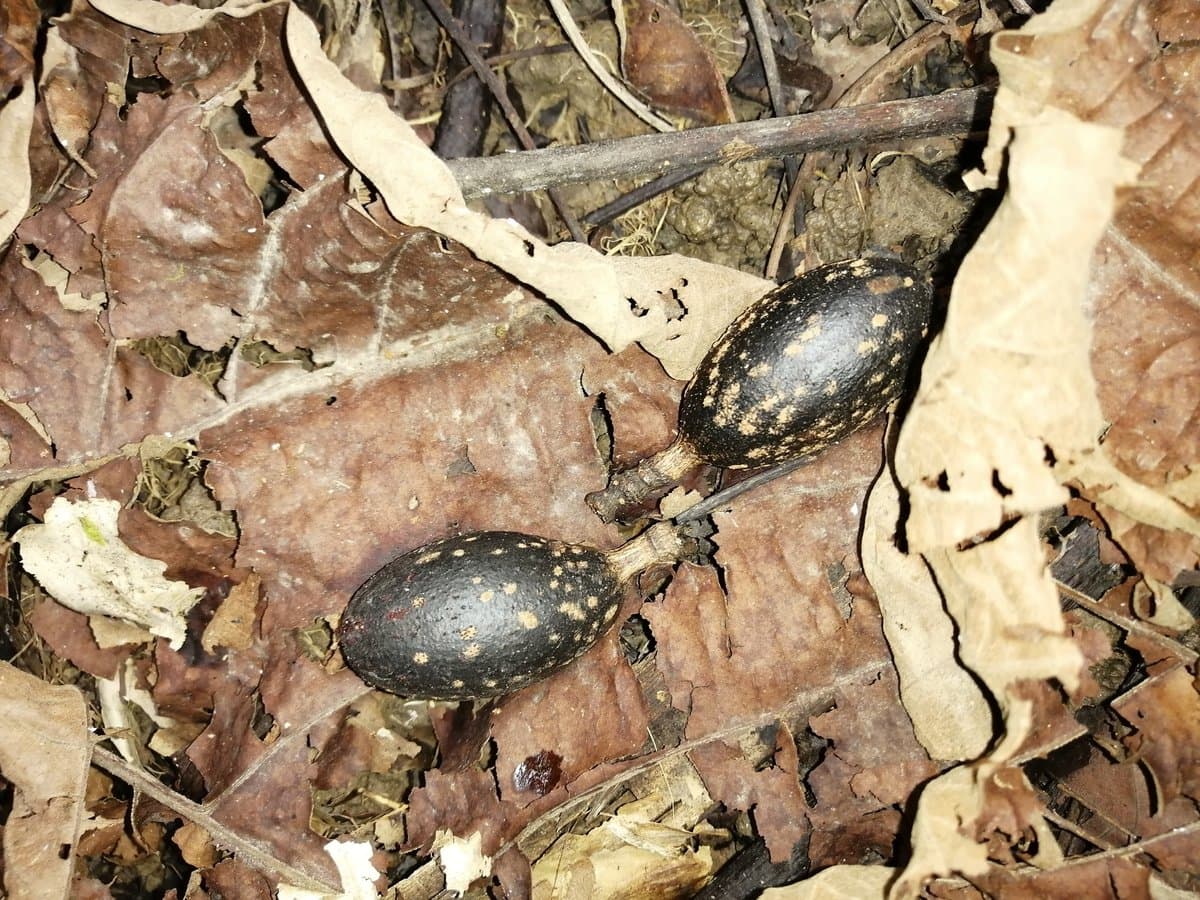
The large, heavy seeds (like golf balls) are primarily dispersed by agoutis and other large rodents. When these animals bury seeds for later consumption, some are forgotten and germinate—a classic example of scatter-hoarding dispersal.
Botanical Description
Wood Properties
Appearance
Physical Properties
Caobilla timber closely resembles true mahogany (Swietenia) in color and working properties, making it an excellent sustainable alternative as true mahogany becomes increasingly scarce.
Uses
Conservation Status
Conservation Status: Stable
Caobilla populations are healthy:
Growing Caobilla
Similar Species
Where to See Caobilla Trees
Best Locations in Costa Rica
Protected Areas:
Tips:
External Resources
Community observations, photos, and distribution data
Global observations
Detailed wood properties and identification
The Wood Database
Global biodiversity occurrence data and distribution maps
Conservation status and species assessment
References
📚 Scientific References & Further Reading
Forget, P.M. (1996). Removal of seeds of Carapa procera (Meliaceae) by rodents and their fate in rainforest in French Guiana. Journal of Tropical Ecology 12: 751-761
Mendonça, A.P. & Ferraz, I.D.K. (2007). Andiroba oil: traditional extraction process. Acta Amazonica 37(3): 353-364
The Caobilla (Carapa guianensis) exemplifies sustainable forest use—its timber provides durable wood comparable to mahogany, while its seeds yield medicinal oil that can be harvested without harming the tree. In an era seeking alternatives to destructive logging, this wetland species offers a model for balancing conservation with economic development.
🌳 ¡Pura Vida!
Safety Information Disclaimer
Safety information is provided for educational purposes only. Individual reactions may vary significantly based on age, health status, amount of exposure, and individual sensitivity. Always supervise children around plants. Consult a medical professional or certified arborist for specific concerns. The Costa Rica Tree Atlas is not liable for injuries or damages resulting from interaction with trees described in this guide.
• Always supervise children around plants
• Consult medical professional if unsure
• Seek immediate medical attention if poisoning occurs
Information compiled from authoritative toxicology sources, scientific literature, and medical case reports.
Help improve this page
Know something about this tree? Share local knowledge, suggest a correction, or submit a photo to improve this guide for everyone.