Cedro Dulce
Cedrela tonduzii
Quick facts
Native Region
Southern Mexico to Panama
Max Height
40 m (131 ft)
Family
Meliaceae
Conservation
LC — Least Concern
Uses
Safety Information
Toxicity Details
No toxicity is documented for leaves, bark, flowers, or seeds under normal incidental exposure. The living tree is considered safe in gardens and public spaces.
Skin Contact Risks
Contact with fresh leaves and bark is generally low risk. Sensitive individuals may develop mild irritation after prolonged handling of fresh sawdust or bark fragments.
Allergenic Properties
As with other Cedrela species, wood dust can irritate eyes, skin, and airways during sawing or sanding. Use respirators and dust extraction in workshops.
Structural Hazards
No unusual structural hazards are associated with this species beyond normal branch failure during severe storms.
Wildlife & Pet Risks
No major wildlife poisoning concerns reported from foliage or fruit; flowers and canopy structure support montane biodiversity.
Season
Flowering
Apr-May
Fruiting
Jun-Jul
How to identify
Cedro Dulce (Tonduz Cedar)
Cedro Dulce (Cedrela tonduzii) is a montane relative of Cedro Amargo and Cedro Real. It is valued for straight trunks, aromatic workable wood, and restoration potential in Costa Rica's higher-elevation forests.
Quick Reference
iNaturalist Observations
Community-powered species data
📸 Photo Gallery
Whole tree
📷 (c) Eric Koberle, some rights reserved (CC BY-NC)(CC BY-NC)
View source ↗Leaves
📷 (c) Eric Koberle, some rights reserved (CC BY-NC)(CC BY-NC)
View source ↗Whole tree
📷 (c) Marvin López M., some rights reserved (CC BY-NC)(CC BY-NC)
View source ↗Leaves
📷 (c) Marvin López M., some rights reserved (CC BY-NC)(CC BY-NC)
View source ↗Whole tree
📷 (c) Diego Lobo Montoya, some rights reserved (CC BY-NC)(CC BY-NC)
View source ↗Images are sourced from iNaturalist observations under their listed licenses.
Taxonomy & Classification
Physical & Botanical Description
General habit:
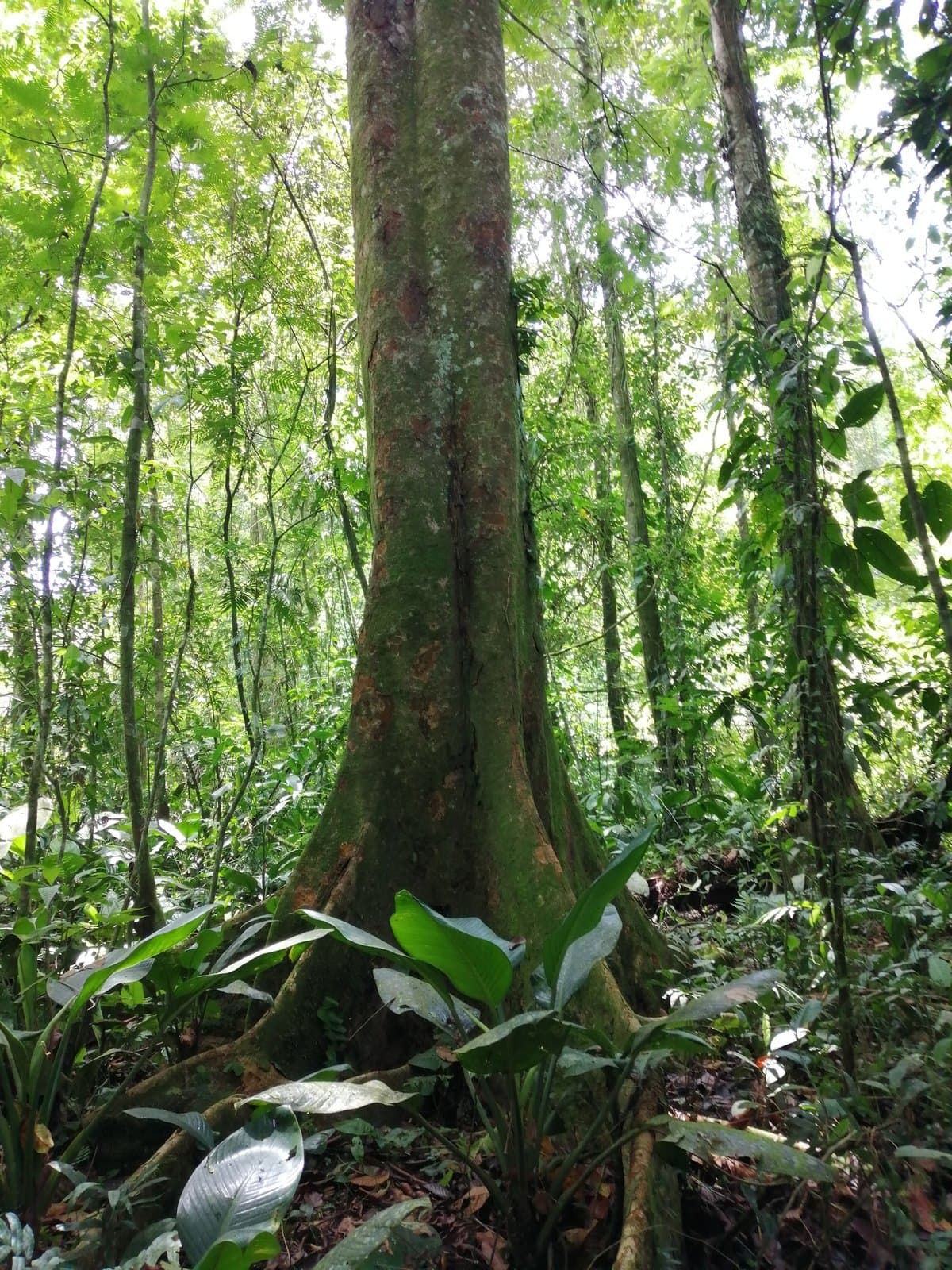
- Medium to large deciduous tree, typically 25-40 m in mature forest sites.
- Straight cylindrical bole can exceed 80 cm DBH, with exceptional trees reported much larger.
- Crown is relatively open, with branching concentrated in upper sections.
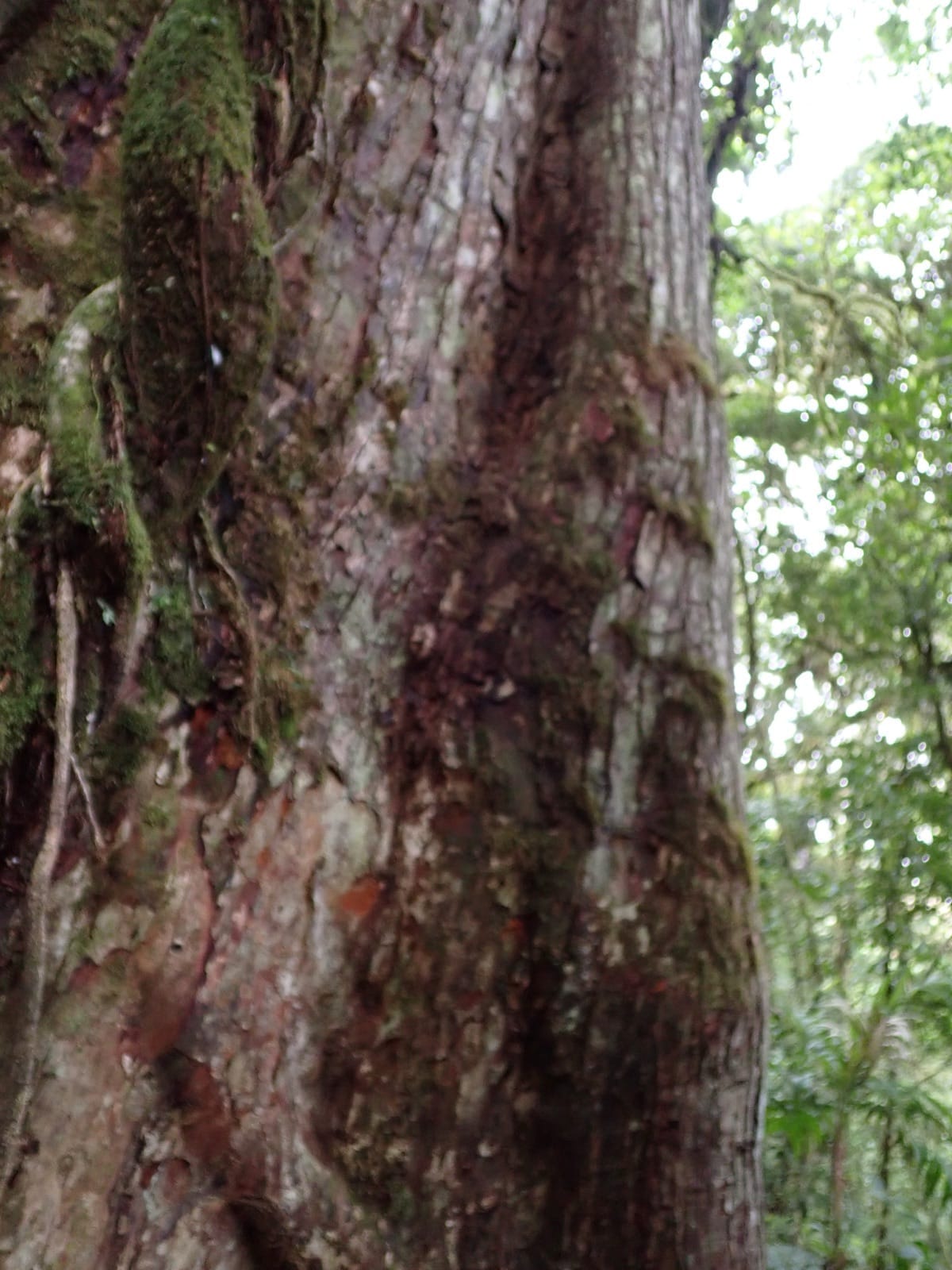
Bark and wood:
- Outer bark gray-brown, sometimes exfoliating in thin irregular plates.
- Inner bark pale, aromatic when cut, characteristic of many Cedrela woods.
- Heartwood is durable for interior joinery and fine carpentry when properly seasoned.
Leaves:
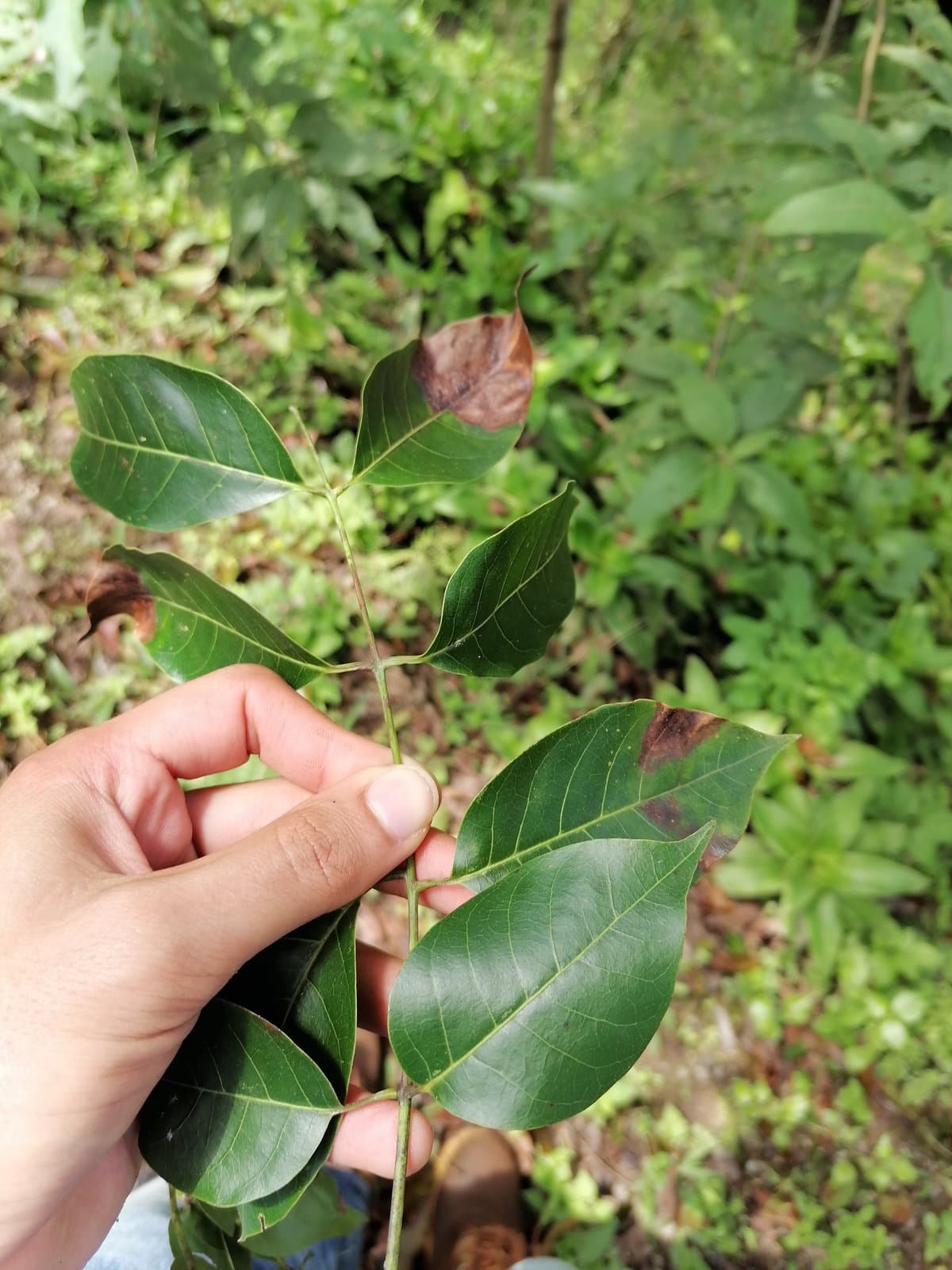
- Pinnately compound leaves, usually 20-50 cm long.
- Leaves carry multiple opposite to sub-opposite leaflets with glaucous lower surfaces.
- Deciduous behavior is pronounced in drier months at some sites.
Flowers and fruit:
- Small insect-pollinated flowers typically appear April-May.
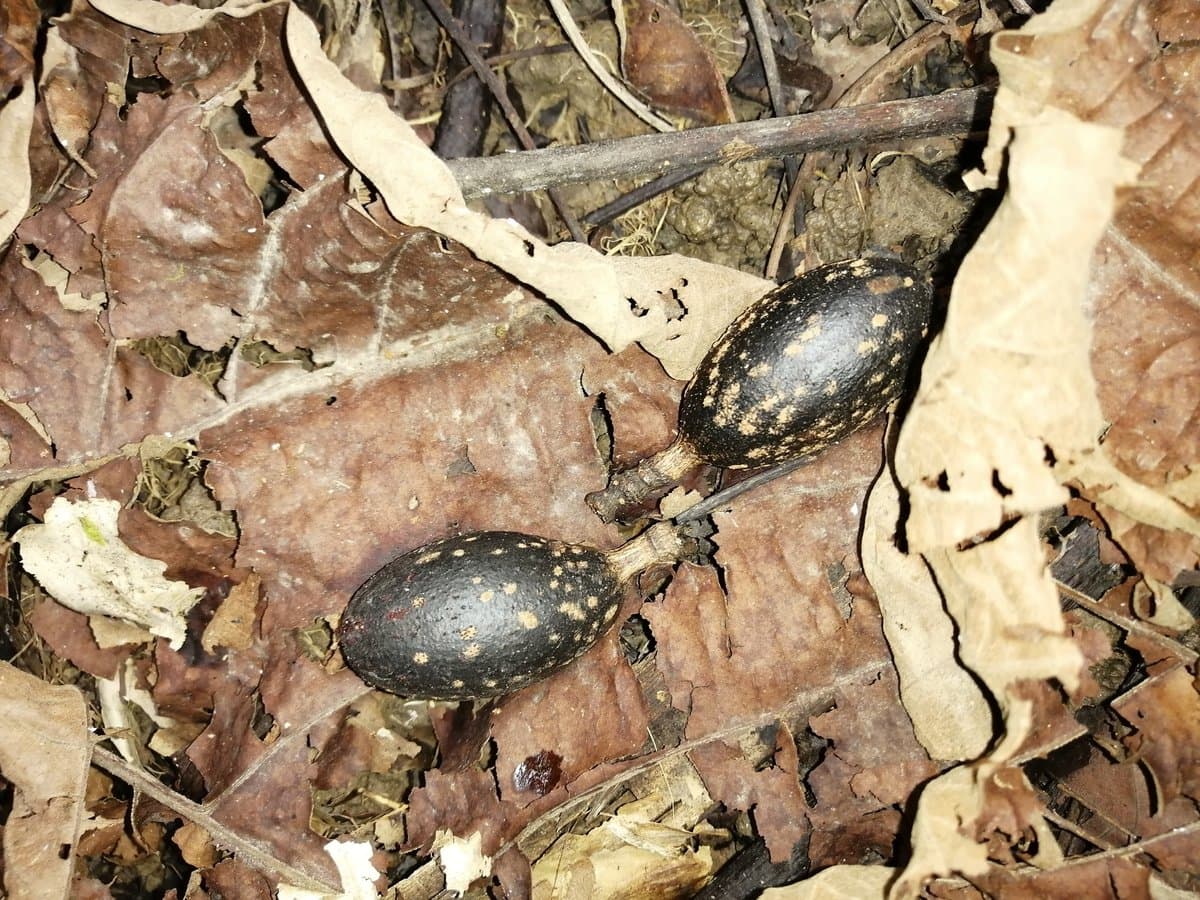
- Woody capsules develop and ripen in early wet season, often June-July.
- Capsules split open to release winged seeds adapted for wind dispersal.
Geographic Distribution
Cedro Dulce occurs from southern Mexico (Chiapas) through Central America into Panama, with Costa Rica representing an important part of its montane range.
Distribution in Costa Rica
- Cordillera Central: mid-to-upper elevation moist forest zones.
- Cordillera de Talamanca: montane and premontane transitions.
- Cordillera de Guanacaste (reported): cloud forest edges and highland slopes.
Habitat & Ecology
Cedro Dulce is associated with montane humid forest systems, often on steep or dissected terrain where deep-rooting timber trees stabilize slopes and contribute to canopy structure.
Ecological value
- Provides canopy complexity in highland forests.
- Supports insect communities via flowering events.
- Contributes leaf litter and nutrient cycling in mixed montane stands.
- Useful in restoration where native high-elevation timber structure is desired.
Uses & Applications
Timber and woodworking
Cedro Dulce wood is valued for its workability and aromatic character. It is used for:
- Interior carpentry and cabinetry
- Furniture components
- Paneling and joinery
- Light structural members in appropriate dry-use contexts
Agroforestry and restoration
- Shade and wind moderation in diversified farm mosaics
- Native-species enrichment planting in upper watersheds
- Long-term timber value in community forestry systems
Local context
The name "cedro dulce" is used regionally for highland Cedrela timber that is considered easier to work than some denser tropical hardwoods.
Conservation Status
IUCN Red List: Least Concern (2019 assessment), with ongoing need for local management where logging pressure and habitat conversion reduce mature trees.
Trade framework: Included under CITES Appendix II as part of Cedrela spp. in the Neotropics, requiring traceability for international trade.
Main pressures
- Selective harvest of straight, mature boles
- Habitat conversion in montane landscapes
- Regeneration bottlenecks where seed trees become sparse
Conservation actions that help
- Protect seed trees in managed forests
- Use native-source planting material for restoration
- Maintain mixed-species stands to reduce pest pressure
Growing Cedro Dulce
Propagation
- Collect mature capsules at dehiscence onset.
- Dry and extract winged seeds carefully.
- Sow in light, well-drained substrate; maintain moisture without saturation.
- Transplant seedlings once root systems are well developed.
Site recommendations
- Plant at rainy-season onset in highland zones.
- Choose full sun to light edge conditions.
- Keep strong drainage; avoid compacted valley bottoms with standing water.
Management timeline
- Years 1-2: weed control, dry-season support watering, stem protection.
- Years 3-5: formative pruning to favor a straight leader.
- Years 6+: low-maintenance growth phase with periodic health checks.
Common cultivation constraints
- Shoot borer can damage leaders in young trees.
- Growth slows in nutrient-poor exposed ridges.
- Seed viability declines quickly without proper storage.
Seasonal Management Calendar
Use this monthly sequence for highland Costa Rican conditions where Cedro Dulce is managed for restoration and long-term timber quality.
| Month | Field priority | Nursery and planning focus | | --------- | --------------------------------------------------------------------- | ------------------------------------------------------------- | | January | Deep irrigation for juveniles during dry winds; maintain mulch rings. | Review seed inventory and germination rates from prior cycle. | | February | Continue dry-season support watering; inspect leader form. | Prepare substrate and trays for the next sowing window. | | March | Firebreak maintenance in dry mosaics; protect young stems. | Confirm provenance records for seed source transparency. | | April | Begin rainy-season site prep and hole marking. | Start staggered seed sowing to match planting windows. | | May | Primary outplanting period at rainy-season onset. | Harden seedlings and track survival by seed lot. | | June | Replace failed individuals; early weed suppression around new plants. | Continue nursery backup stock for gap filling. | | July | Structural checks for straight stems and branching balance. | Cull malformed seedlings; maintain sanitation routines. | | August | Light formative pruning on vigorous juveniles. | Prepare data sheets for dry-season performance tracking. | | September | Monitor foliar health and canopy expansion. | Plan seed-tree mapping for next reproductive season. | | October | Drainage checks on steep or compacted sites. | Audit stock quality and update propagation protocols. | | November | Transition-season risk review before dry months. | Prioritize seedlings with strong root architecture. | | December | Reinforce mulch, browse protection, and irrigation plans. | Finalize annual nursery and provenance report. |
Seed Supply and Nursery Quality Control
For Cedrela species, nursery consistency strongly determines field performance.
Seed handling protocol
- Collect capsules from multiple mature trees per landscape unit.
- Separate seed lots by elevation band and mother-tree location.
- Dry only until extraction is feasible; avoid prolonged warm storage.
- Label every batch with date, source stand, and collector initials.
Nursery quality checkpoints
- Reject seedlings with root spiraling, split stems, or weak apical dominance.
- Maintain moderate shade in early stages, then progressive hardening.
- Keep irrigation uniform to prevent extreme growth variation within a lot.
- Track emergence percentage and early mortality by seed lot.
Outplanting readiness criteria
- Root system occupies container volume without circling.
- Stem is straight and resilient, with healthy terminal bud.
- Leaf color indicates balanced nutrition without excess soft growth.
- Plant is hardened for full-sun transition at field site.
Similar Species and Common Confusions
Cedro Dulce can be confused with other Cedrela species or fast-growing highland timber trees when sterile.
| Potential confusion | How confusion happens | Fast field discriminator | | -------------------------------- | --------------------------------------------------- | -------------------------------------------------------------------------------------------- | | Cedro amargo (Cedrela odorata) | Shared leaf architecture in juvenile stages. | Cedro Dulce is more associated with cooler montane contexts and narrower local distribution. | | Laurel species (Cordia spp.) | Similar plantation context and timber purpose. | Laurel foliage texture and venation differ clearly from Cedrela compound leaves. | | Young cristóbal trees | Similar stand structure in mixed restoration plots. | Cedro Dulce has distinct capsule fruit and different bark aging pattern. |
Diagnostic note
When flowers or fruits are absent, combine leaf architecture, bark texture, and site elevation rather than relying on a single trait.
Field Identification Checklist
Use this checklist during monitoring visits to reduce misidentification and improve data quality in restoration records.
- Confirm montane context and drainage conditions.
- Verify compound leaf structure and leaflet arrangement.
- Check bark tone and fissuring pattern by age class.
- Record any reproductive material (buds, flowers, capsules).
- Photograph canopy profile plus bark close-up for archive.
- Compare with at least one nearby potential look-alike.
- Log observer confidence (high, medium, low).
Minimum photo set for monitoring teams
- Whole-tree profile including canopy.
- Trunk and bark at chest height.
- Leaf detail against neutral background.
- Reproductive structures if present.
Restoration Deployment Model
Cedro Dulce is most effective as a long-horizon structural and timber component within mixed native restoration.
Recommended deployment patterns
- Watershed enrichment strips: Integrate along upper-catchment forest edges.
- Mixed timber clusters: Combine with native species of contrasting growth form.
- Community forest modules: Use for long-cycle value with clear stewardship plans.
Monitoring indicators
- Year-1 and year-2 survival rate by seed lot.
- Stem straightness class at years 2, 4, and 6.
- Canopy closure contribution in mixed stands.
- Presence of pest damage on apical leaders.
Adaptive management triggers
- Survival below threshold triggers replanting and site diagnosis.
- Recurrent leader damage triggers protective interventions.
- Persistent nutrient stress triggers soil and mulch strategy revision.
Timber Traceability and Harvest Governance
Because Cedrela trade is regulated, restoration and plantation programs should be traceability-ready from establishment stage.
Governance practices that reduce risk
- Keep provenance and planting records at plot level.
- Tag production trees early for long-term trace chains.
- Document thinning and pruning events with date and purpose.
- Align inventory formats with legal transport documentation needs.
Pre-harvest integrity checks
- Verify species identity before any harvest planning.
- Reconcile plot inventory with mapped stem counts.
- Confirm compliance with current national and CITES-linked requirements.
Risk Matrix for Establishment and Management
| Risk | Likelihood | Impact | Practical mitigation | | ------------------------------------------ | ---------- | ------ | ------------------------------------------------------------ | | Extended dry-season stress on juveniles | Medium | High | Deep watering schedule, mulch, and early-weeding discipline. | | Shoot borer impact on stem form | Medium | High | Frequent leader inspection and rapid corrective pruning. | | Poor seed viability from delayed sowing | High | Medium | Rapid post-collection processing and lot tracking. | | Genetic bottleneck from narrow seed source | Medium | High | Multi-tree, multi-site seed collection strategy. | | Misidentification in mixed stands | Medium | Medium | Standardized checklist plus photo evidence per visit. | | Traceability gaps before timber phase | Medium | High | Early record design aligned to compliance workflows. |
Research Priorities in Costa Rica
Priority knowledge gaps that would improve Cedro Dulce management quality:
- Elevation-specific growth and form performance across mountain ranges.
- Nursery hardening methods that improve dry-season survival.
- Long-term effectiveness of mixed-species designs for pest buffering.
- Practical indicators linking early stem quality to timber outcomes.
- Local regeneration dynamics in partially logged montane forests.
Rapid Assessment Template
Use this template for annual internal reviews of Cedro Dulce projects.
| Indicator | Field score (1-5) | Notes to record | | ------------------------------------ | ----------------- | -------------------------------------------------- | | Seedling survival at 12 months | | Include denominator and replacement count. | | Stem form quality class | | Track straightness trend, not only one-time score. | | Dry-season stress response | | Note irrigation trigger timing and severity. | | Pest pressure on apical leader | | Document frequency and corrective actions. | | Weed competition pressure | | Record labor intensity and recurrence interval. | | Mulch and soil-cover continuity | | Confirm coverage radius around trunk base. | | Species identification confidence | | Attach photos for medium/low-confidence cases. | | Record completeness for traceability | | Verify provenance, plot ID, and intervention logs. |
Scoring interpretation
- 4-5: Continue current practice with minor optimization.
- 3: Maintain operation but schedule corrective action this season.
- 1-2: Trigger immediate management review and targeted intervention.
Priority Actions for the Next 12 Months
- Tighten seed-lot traceability and unify field record formats.
- Standardize dry-season emergency irrigation thresholds.
- Increase photo-based verification for mixed-stand identification.
- Audit formative pruning timing to protect stem quality.
- Consolidate annual monitoring summaries into one decision log.
Minimum Data Log Fields
Keep these fields mandatory in every Cedro Dulce monitoring record:
- Plot or site identifier.
- Exact observation date.
- Elevation and slope context.
- Seed lot or provenance reference.
- Survival status by individual.
- Stem-form class and intervention note.
- Photo set ID linked to the record.
Where to See Cedro Dulce in Costa Rica
Potential observation zones include montane protected areas and buffer forests:
- Braulio Carrillo National Park (Caribbean montane sectors)
- Tapantí - Macizo de la Muerte National Park
- Los Quetzales National Park / Dota highlands
- Upper-elevation community forests in Talamanca and Central ranges
Use verified observations in iNaturalist to confirm recent local records before field trips.
External Resources
- IUCN Red List assessment↗
- iNaturalist taxon page↗
- GBIF species profile↗
- Plants of the World Online (Kew)↗
- Species+ (CITES Cedrela listings)↗
- Wikipedia summary with morphology and range notes↗
References
- Botanic Gardens Conservation International (BGCI) & IUCN SSC Global Tree Specialist Group. Cedrela tonduzii. IUCN Red List (2019).
- GBIF Backbone Taxonomy: Cedrela tonduzii C.DC. (accepted species entry).
- iNaturalist taxon and observation records for Cedrela tonduzii (taxon ID 291899).
- Plants of the World Online, Royal Botanic Gardens, Kew.
- Species+ CITES/EU listing interface for Cedrela taxa.
Safety Information Disclaimer
Safety information is provided for educational purposes only. Individual reactions may vary significantly based on age, health status, amount of exposure, and individual sensitivity. Always supervise children around plants. Consult a medical professional or certified arborist for specific concerns. The Costa Rica Tree Atlas is not liable for injuries or damages resulting from interaction with trees described in this guide.
• Always supervise children around plants
• Consult medical professional if unsure
• Seek immediate medical attention if poisoning occurs
Information compiled from authoritative toxicology sources, scientific literature, and medical case reports.
Help improve this page
Know something about this tree? Share local knowledge, suggest a correction, or submit a photo to improve this guide for everyone.