Nazareno
Peltogyne purpurea
Quick facts
Native Region
Central America to northern South America
Max Height
25-40 meters
Family
Fabaceae
Conservation
VU — Vulnerable
Uses
Safety Information
Toxicity Details
Non-toxic. Member of Fabaceae (legume family). No toxic compounds. Bark and wood contain purple pigments but these are not toxic. Safe tree overall.
Skin Contact Risks
No skin irritation. Safe to handle all parts.
Allergenic Properties
Very low allergen risk. Not known to cause significant allergic reactions. Wood dust from sawing may cause minor respiratory irritation in sensitive individuals.
Wildlife & Pet Risks
Safe for all wildlife and livestock.
Season
Flowering
Apr-May
Fruiting
Jul-Sep
How to identify
Nazareno
The Nazareno (Peltogyne purpurea), known internationally as Purpleheart, produces one of the world's most extraordinary timbers: wood that turns a vivid, saturated purple when exposed to light and air. This magnificent emergent tree of Costa Rica's old-growth rainforests has been heavily exploited for its valuable timber and is now considered Vulnerable by conservation assessments. The Nazareno represents both the incredible botanical richness of Neotropical forests and the urgent need to protect what remains. Finding a standing Nazareno in the wild is becoming increasingly rare—a sobering reminder that beauty can be a species' curse when humans covet it.
Quick Reference
iNaturalist Observations
Community-powered species data
📸 Photo Gallery
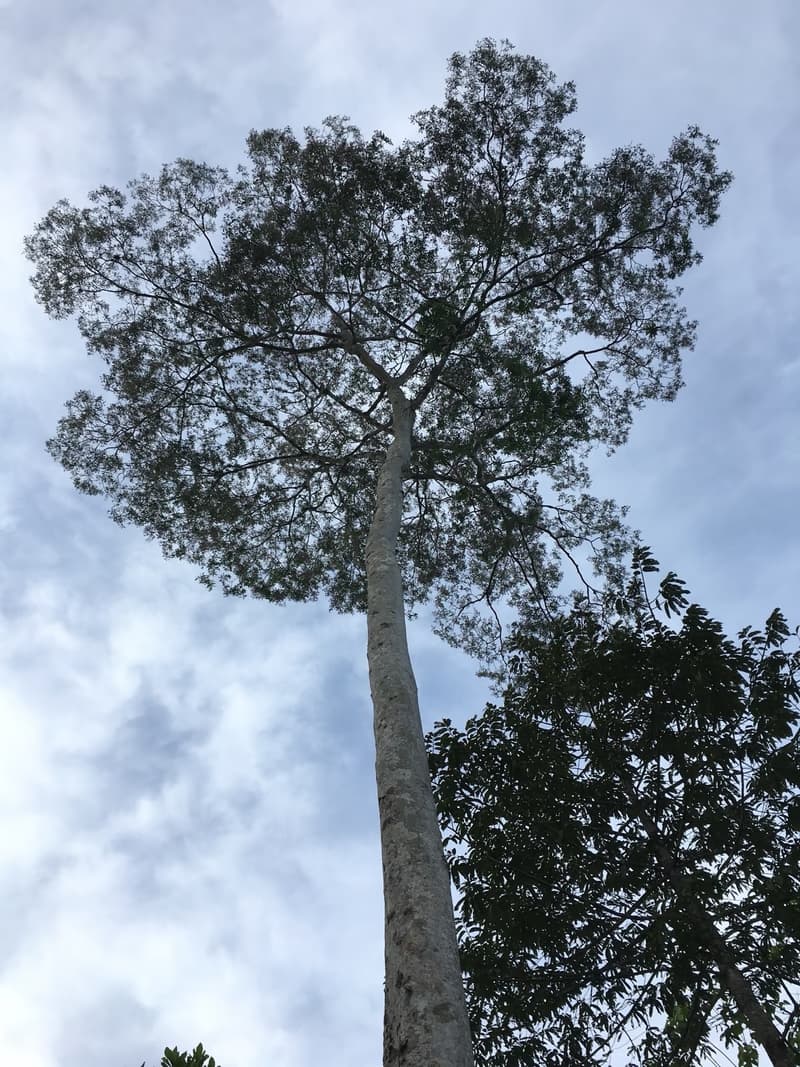
Whole tree
📷 (c) Gerrit Öhm, some rights reserved (CC BY-NC)(CC BY-NC)
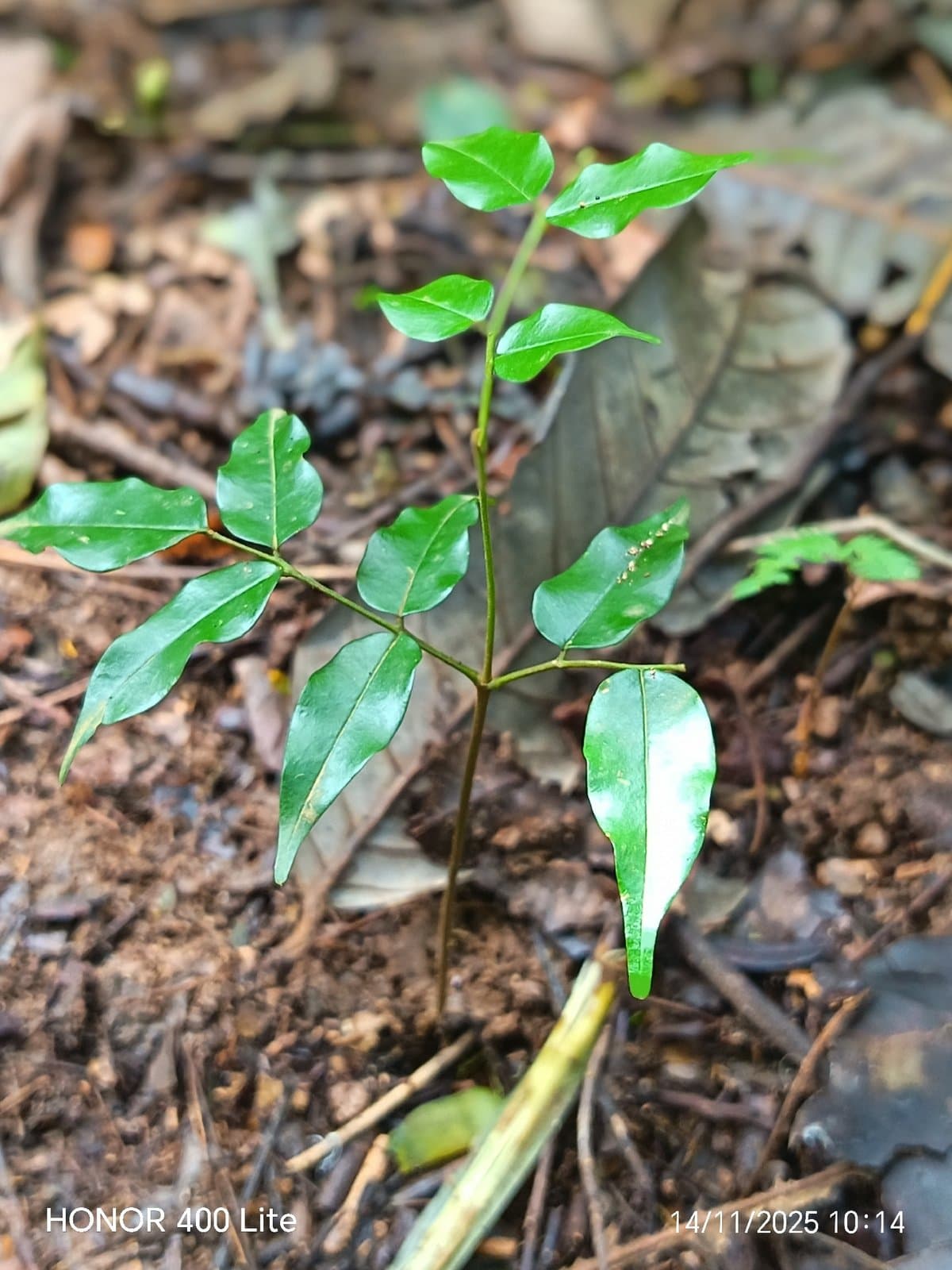
View source ↗Leaves
📷 (c) Gerrit Öhm, some rights reserved (CC BY-NC)(CC BY-NC)
View source ↗Whole tree
📷 (c) Jackson Frost, some rights reserved (CC BY-NC)(CC BY-NC)
View source ↗Leaves
📷 (c) Leonardo Álvarez-Alcázar, some rights reserved (CC BY-NC)(CC BY-NC)
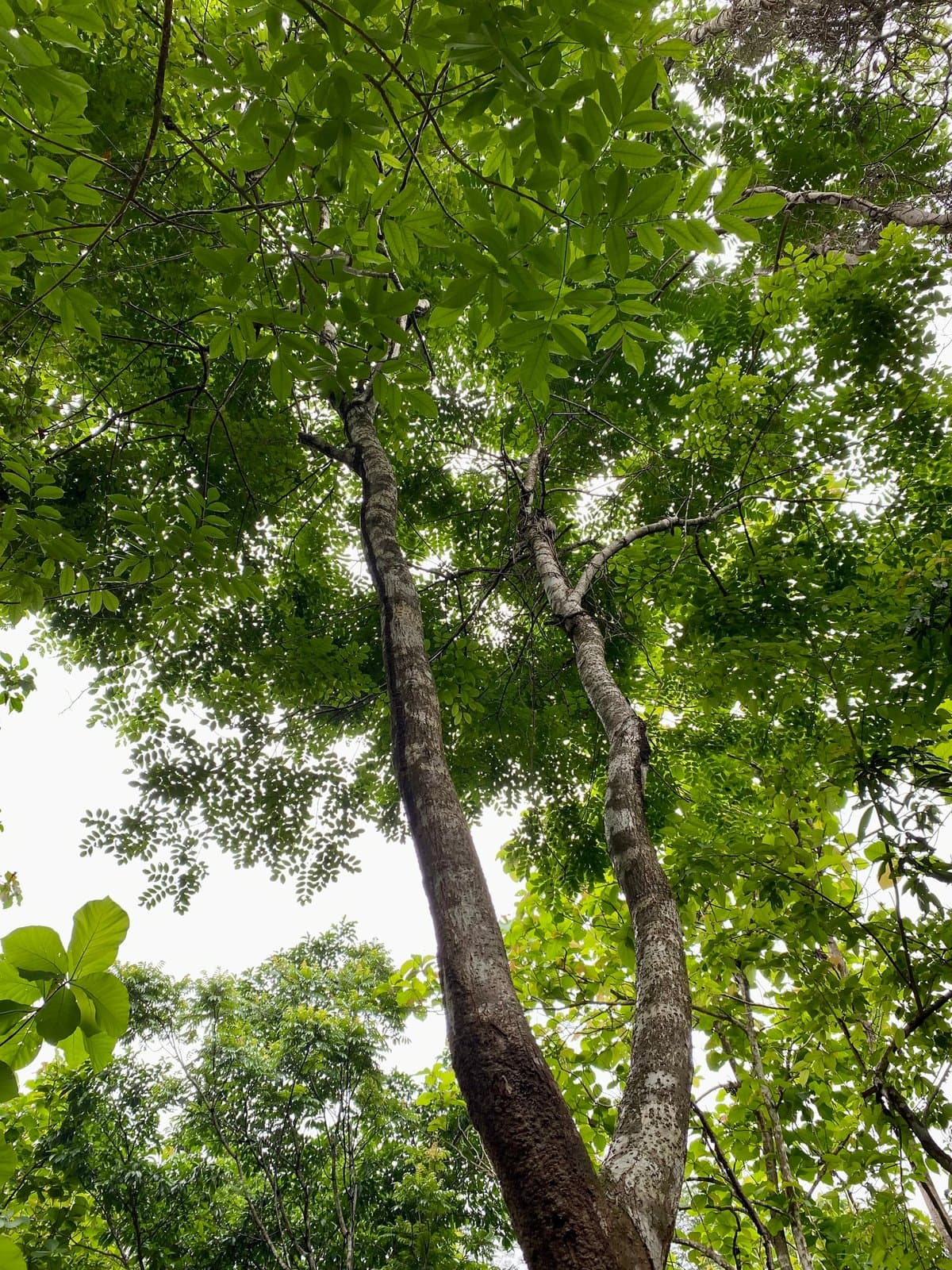
View source ↗Whole tree
📷 (c) Leonardo Álvarez-Alcázar, some rights reserved (CC BY-NC)(CC BY-NC)
View source ↗Photos sourced from the iNaturalist citizen science database. View all observations →↗
Taxonomy and Classification
- Peltogyne: Greek "pelte" (shield) + "gyne" (female) - shield-shaped pistil - purpurea: Latin for "purple" - the heartwood color - "Nazareno": Spanish religious reference (purple robes of Nazarene) - "Purpleheart": Direct reference to wood color - About 25 species in genus, mostly South American
Common Names
The Peltogyne Genus
Physical Description
Overall Form
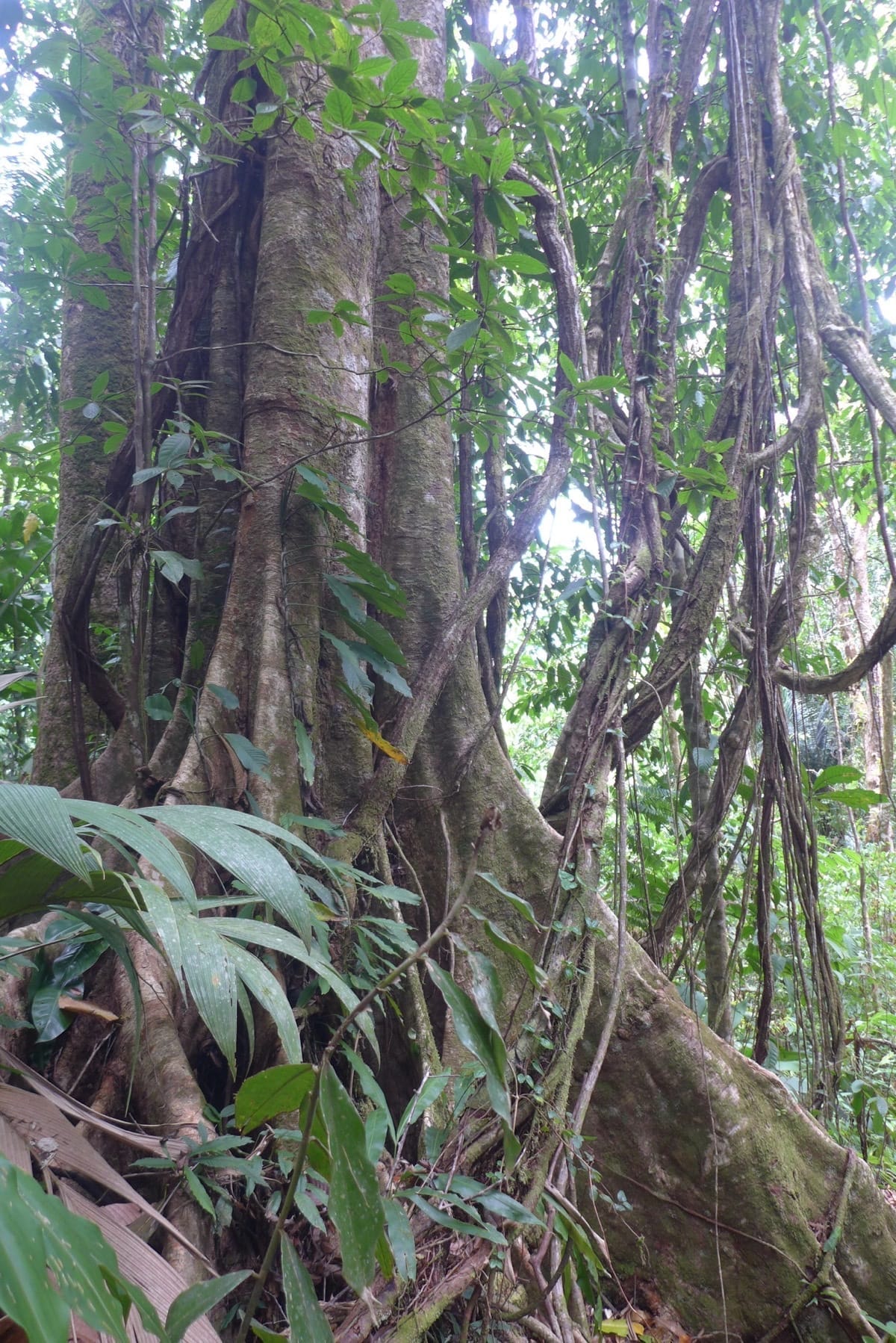
The Nazareno is a large canopy emergent tree with a tall, straight trunk and a spreading crown that reaches above the surrounding forest. Mature trees develop impressive buttresses at the base. The trunk is cylindrical and can grow remarkably straight—one of the reasons the timber is so valuable.
Distinguishing Features
Leaves
- Type: Compound, bifoliate (2 leaflets!)
- Leaflets: Distinctive paired, asymmetrical
- Size: 5-12 cm each leaflet
- Texture: Leathery, glossy
- Unique: Two-leaflet compound leaf is diagnostic
Bark
- Color: Gray to reddish-brown
- Texture: Rough, somewhat scaly
- Inner bark: Reddish
- Buttresses: Well-developed in mature trees
The Legendary Wood
- Fresh cut: Brown-gray initially
- Exposed: Turns vivid PURPLE
- Mechanism: Oxidation of extractives
- Final color: Deep purple-violet
- Density: Very heavy (900-1100 kg/m³)
- Durability: Extremely resistant
Flowers and Fruit
- Flowers: Small, white, in panicles
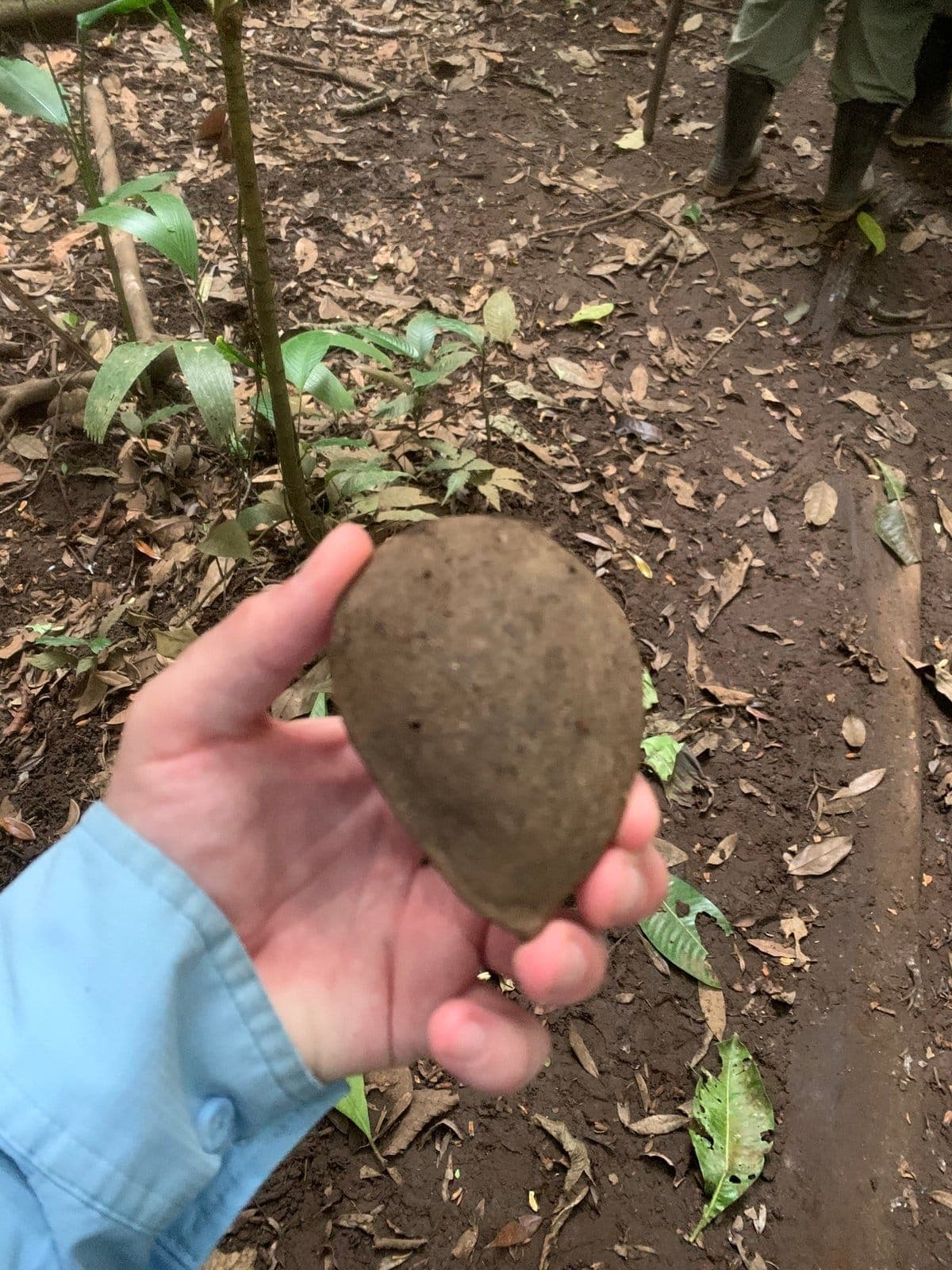
- Fruit: Flat pod, single-seeded
- Pod size: 3-5 cm
- Seed: Flat, hard
The purple color of Nazareno wood is a remarkable phenomenon: How It Happens: 1. Freshly cut heartwood is dull grayish-brown 2. Exposure to light and air begins oxidation 3. Extractive compounds undergo chemical change 4. Color shifts to vivid purple within hours to days 5. Maximum purple intensity reached Color Stability: - Intense purple initially - Slowly darkens over years - Eventually becomes deep brownish-purple - UV finishes can slow this process The Compounds: Pterostilbenes and related compounds create the color. These also make the wood extremely rot-resistant.
The Timber
One of the World's Most Prized Woods
Purpleheart Timber Properties
Nazareno wood is extraordinary: Physical Properties: - Specific gravity: 0.86-1.05 - Janka hardness: 2,520 lbf (extremely hard) - Grain: Straight to interlocked - Texture: Medium to fine Working Characteristics: - Difficult to work (very hard) - Dulls tools quickly - Can be tricky to glue (oils) - Takes excellent finish - Turns beautifully Durability: - Class 1 durability (exceptional) - Highly resistant to rot - Resistant to insects - Can last decades outdoors Uses: - Fine furniture - Flooring (heavy traffic) - Decorative accents - Musical instruments - Tool handles - Artisanal crafts - Boat building
Market and Conservation Tension
The very qualities that make Nazareno valuable have led to its decline: Market Factors: - High demand for exotic hardwoods - Premium prices internationally - Illegal logging pressure - Slow regeneration The Problem: - Large trees are targeted first - Best genetics removed from population - Long time to maturity (80+ years) - Regeneration difficult Current Status: - Legally protected in Costa Rica - Listed as Vulnerable (IUCN) - Wild populations declining - Plantation trials ongoing Every piece of purpleheart carries an ecological cost.
Distribution and Habitat
Global Distribution
Geographic Distribution
Distribution in Costa Rica
The Osa Peninsula is Costa Rica's most important remaining habitat for Nazareno: - Corcovado National Park: Protected population - Adjacent reserves: Some remaining trees - Golfo Dulce area: Historic range Even here, illegal logging has taken a toll. Park rangers actively protect remaining trees.
Habitat Preferences
Ecological Role
In the Forest Ecosystem
Structural Role
- Canopy emergent: Creates forest structure
- Seed producer: Food for wildlife
- Nitrogen fixation: As legume, enriches soil
- Habitat: Large tree supports many species
- Carbon storage: Massive trunk stores significant carbon
- Microhabitat creation: Buttresses shelter small animals
Wildlife Interactions
- Seed dispersal: Agoutis, other rodents
- Canopy habitat: Birds, monkeys
- Insect community: Host tree
- Cavity nesting: Old trees provide homes
- Epiphyte support: Branches support orchids and bromeliads
- Pollination: Small insects, possibly bees
Key Wildlife Associations
Nitrogen Fixation: The Legume Advantage
As a member of the Fabaceae (legume family), the Nazareno has a remarkable ability that many large tropical trees lack: nitrogen fixation. Through symbiotic relationships with Rhizobium bacteria in root nodules, the tree converts atmospheric nitrogen into forms usable by plants. This enriches the surrounding soil and benefits neighboring trees and understory plants—making the Nazareno not just a timber species but a keystone nutrient provider in its forest ecosystem.
A single large Nazareno can fix an estimated 20-50 kg of nitrogen per year, enriching the soil in a radius of up to 15 meters around its base. When these trees are selectively logged, the nutrient cycling of the entire forest patch is disrupted—an often-overlooked consequence of timber extraction.
Cultural and Historical Significance
The Purple Robes Connection
The name "Nazareno" comes directly from the Nazarene tradition in Catholic Costa Rica. During Semana Santa (Holy Week) processions, religious brotherhoods wear tunics of deep purple—the same vivid hue as the tree's heartwood. The connection was so striking to colonial-era settlers that they named the tree after these penitents. The purple of Nazareno wood thus carries layers of meaning: spiritual devotion, sacrifice, and the beauty found in suffering.
Indigenous Heritage
The Bribri and Cabécar peoples of the Talamanca region have known this tree for centuries, long before Spanish colonization:
Logging History
The logging history of Nazareno in Costa Rica mirrors the broader tragedy of tropical hardwood extraction:
- Pre-1950s: Abundant throughout lowland Atlantic and Pacific rainforests
- 1950s-1970s: Road-building opened remote forests; intensive logging began
- 1970s-1990s: Peak exploitation; largest and oldest trees targeted first
- 1990s-present: Legal protections enacted but enforcement remains challenging
- Today: Large wild specimens are rare outside protected areas
The Osa Peninsula's forests survived largely because of their extreme remoteness—accessible only by boat or small aircraft for decades. Even so, illegal logging has penetrated these last refuges.
Purpleheart in Global Culture
Nazareno wood has been prized across cultures worldwide:
- European royalty: Used in decorative inlays since the 18th century
- Japanese woodworking: Valued for its unique color in fine joinery
- Musical instruments: Guitar fretboards and turned drumsticks
- Modern craft: Popular with woodturners for bowls, pens, and artistic pieces
- Martial arts: Used for bokken (practice swords) due to extreme hardness
Traditional and Medicinal Uses
Ethnobotanical Knowledge
Conservation Status
Sources: IUCN Red List↗, CITES Species Database↗, Tropicos — Peltogyne purpurea↗
A Tree in Trouble
The Nazareno faces serious conservation challenges: IUCN Status: Vulnerable (A2cd) Population Trend: Decreasing Threats: 1. Selective logging (primary threat) 2. Habitat loss (deforestation) 3. Slow regeneration (long maturity time) 4. Illegal trade (high timber value) Protection Measures: - Listed on CITES Appendix II (some species) - Protected under Costa Rican law - Present in national parks - Plantation research ongoing Challenges: - Enforcement difficult in remote areas - High market value drives poaching - Genetic resources being lost
Conservation Efforts
Cultivation and Restoration
Growing Nazareno
Identification Guide
How to Identify Nazareno
Where to See Nazareno in Costa Rica
Seeing a wild Nazareno requires effort: Best Approach: - Visit Corcovado National Park - Hire a knowledgeable guide - Multi-day trek increases chances
- Sirena station area has good forest What to Look For: - Large emergent trees - Distinctive two-leaflet leaves - Ask guides to identify Ethical Considerations: - Never reveal locations publicly (poaching risk) - Support conservation efforts - Report any logging activity Finding a big Nazareno in the wild is increasingly rare— treasure the experience if you do.
External Resources
Community observations and photos
Conservation status assessments
International trade regulations
Botanical nomenclature and taxonomy
Global occurrence records and distribution data
Detailed wood properties and identification
References
📚 Scientific References & Further Reading
IUCN (2020). The IUCN Red List of Threatened Species. IUCN
Chudnoff, M. (1984). Tropical Timbers of the World. USDA Forest Service
Jiménez, Q. (1999). Árboles Maderables en Peligro de Extinción en Costa Rica. INBio
Zamora, N., Jiménez, Q. & Poveda, L.J. (2004). Árboles de Costa Rica, Vol. III. INBio, Santo Domingo de Heredia
Richter, H.G. & Dallwitz, M.J. (2000). Commercial timbers: descriptions, illustrations, identification, and information retrieval. DELTA Database
Holdridge, L.R. & Poveda, L.J. (1975). Árboles de Costa Rica. Centro Científico Tropical, San José
The Nazareno stands as both marvel and cautionary tale. Here is a tree that performs biological alchemy—transforming mundane brown wood into vivid purple through nothing but exposure to air, a trick of chemistry that has captivated humans for centuries. That remarkable purple has been the tree's glory and its curse. Because we wanted that color—for our furniture, our floors, our decorative objects—we hunted the Nazareno across its range, taking the biggest and best until what remains are fragments of what once was. Today, finding a large Nazareno in the wild requires journeying to Costa Rica's most remote forests and even there, the logger's chainsaw has left its mark. The Nazareno teaches us that biological wonder comes with responsibility. We can admire the purple wood—but we must also ask at what cost it came, and what we're willing to do to ensure that future generations can walk through a forest and look up at a living Nazareno, not just down at a purple floor.
Safety Information Disclaimer
Safety information is provided for educational purposes only. Individual reactions may vary significantly based on age, health status, amount of exposure, and individual sensitivity. Always supervise children around plants. Consult a medical professional or certified arborist for specific concerns. The Costa Rica Tree Atlas is not liable for injuries or damages resulting from interaction with trees described in this guide.
• Always supervise children around plants
• Consult medical professional if unsure
• Seek immediate medical attention if poisoning occurs
Information compiled from authoritative toxicology sources, scientific literature, and medical case reports.
Help improve this page
Know something about this tree? Share local knowledge, suggest a correction, or submit a photo to improve this guide for everyone.