Cocobolo
Dalbergia retusa
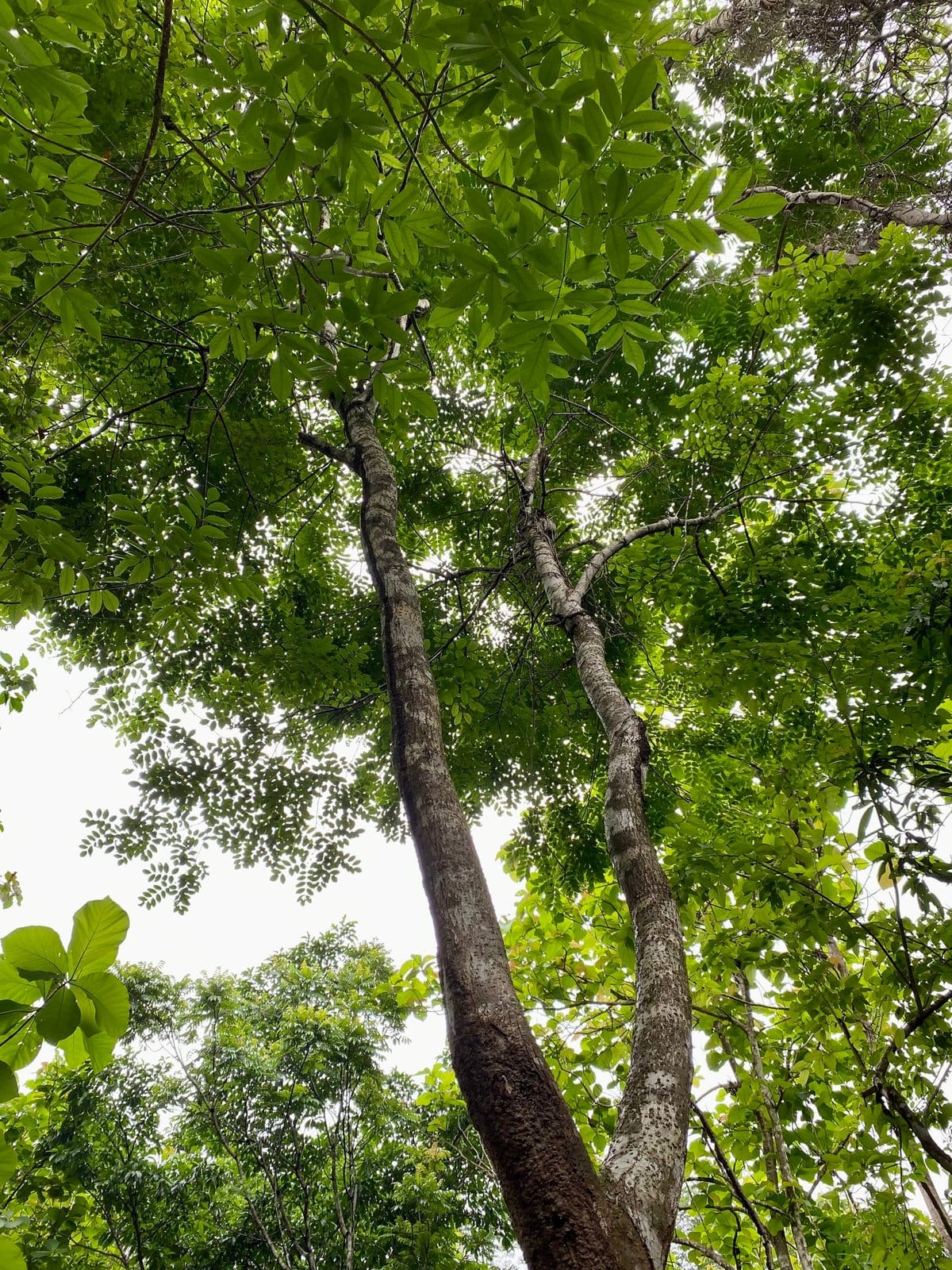
Quick facts
Native Region
Mexico to Panama
Max Height
15-25 meters (50-80 feet)
Family
Fabaceae
Conservation
CR — Critically Endangered
Uses
Safety Information
Toxicity Details
The wood itself is not significantly toxic if ingested (though wood should not be eaten). The tree is not a food plant. Main concerns are respiratory and dermatological from wood dust exposure during woodworking.
Skin Contact Risks
ALLERGIC REACTIONS FROM WOOD DUST: Cocobolo wood contains dalbergione and other quinones that are potent sensitizers. Handling the wood, especially sawdust and fine particles, can cause severe allergic contact dermatitis with itching, redness, blistering, and rash. Reactions can occur after first exposure or develop with repeated contact. Some woodworkers develop persistent sensitivity. Fresh-cut wood and sawdust present highest risk. Wear gloves when handling. Reactions similar to poison ivy/oak but from different chemical compounds.
Allergenic Properties
SEVERE RESPIRATORY HAZARD FOR WOODWORKERS: Cocobolo dust is one of the most allergenic woods in the world. Inhalation of dust can cause respiratory sensitization, asthma, allergic rhinitis, nosebleeds, and severe breathing difficulties. Some individuals develop chronic respiratory problems. Wood dust is classified as a known respiratory sensitizer. Dust particles can also cause eye irritation and conjunctivitis. ALWAYS use proper dust collection, respirators, and ventilation when working cocobolo. Even brief exposure can sensitize susceptible individuals. Once sensitized, reactions worsen with subsequent exposure.
Structural Hazards
The tree itself is not a structural hazard. It is relatively small and slow-growing. However, the CRITICALLY ENDANGERED status (IUCN) and CITES Appendix II listing means cutting living trees is illegal in most jurisdictions. Work only with legally sourced, certified wood from managed plantations or salvaged sources.
Wildlife & Pet Risks
Not toxic to wildlife or domestic animals. Safe for pets. The conservation concern is habitat loss from illegal logging, not animal toxicity.
Season
Flowering
Apr-Jun
Fruiting
Jul-Sep
How to identify
Cocobolo (Central American Rosewood)
The Cocobolo (Dalbergia retusa), one of the world's most spectacular and valuable rosewoods, is a treasure of Central American dry forests—and a species in crisis. Its stunning wood, with swirling patterns of orange, red, yellow, and black, has commanded prices of $100-300 per board foot and has been sought by craftsmen for centuries. This demand has driven the species to Critically Endangered status globally (IUCN) with severe national-level depletion in Costa Rica and heavy logging continuing. CITES protection now regulates international trade, but enforcement remains challenging.
Quick Reference
iNaturalist Observations
Community-powered species data
📸 Photo Gallery
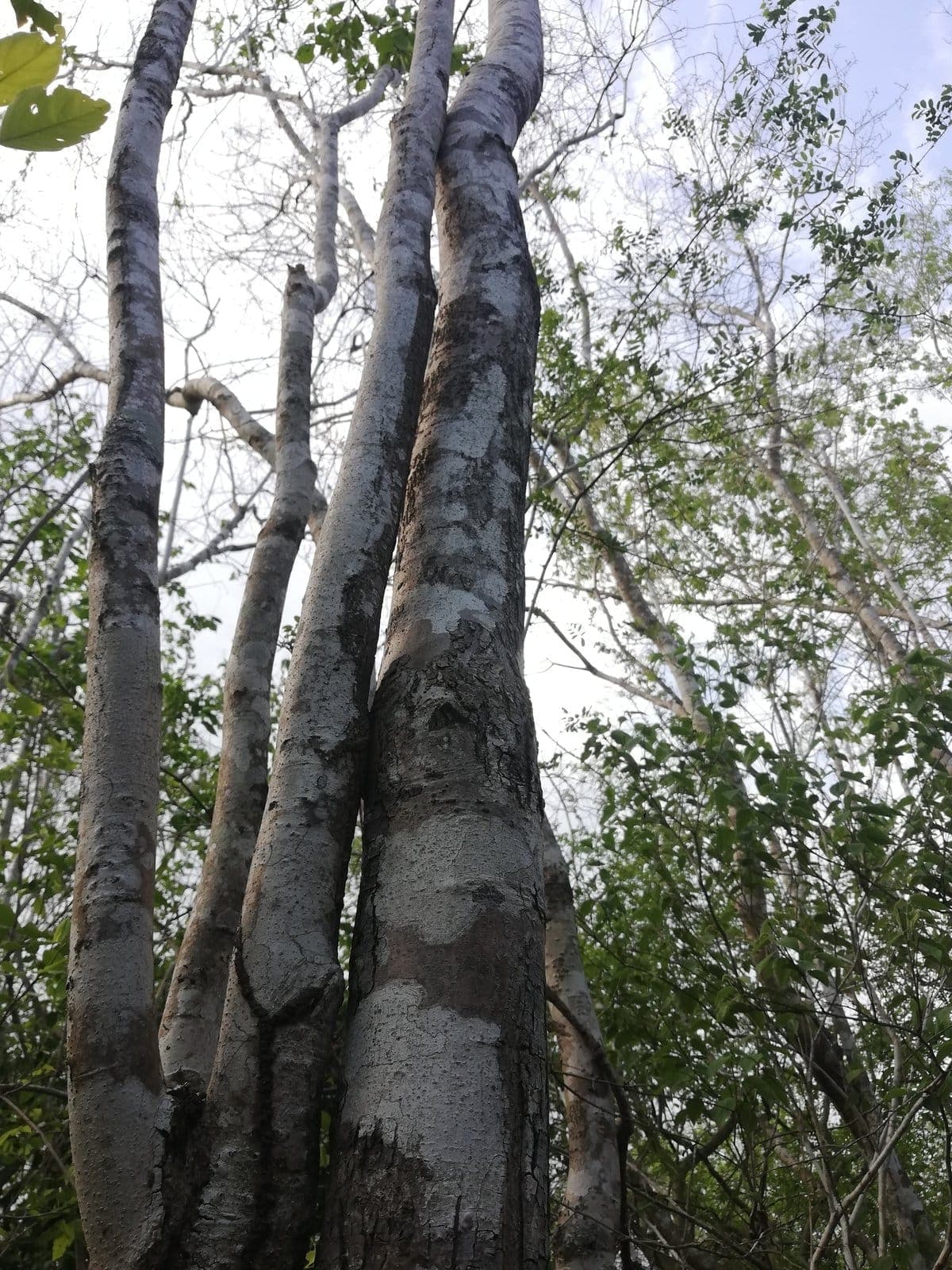
Whole tree
📷 (c) Diego Lobo Montoya, some rights reserved (CC BY-NC)(CC BY-NC)
View source ↗Leaves
📷 (c) Diego Lobo Montoya, some rights reserved (CC BY-NC)(CC BY-NC)
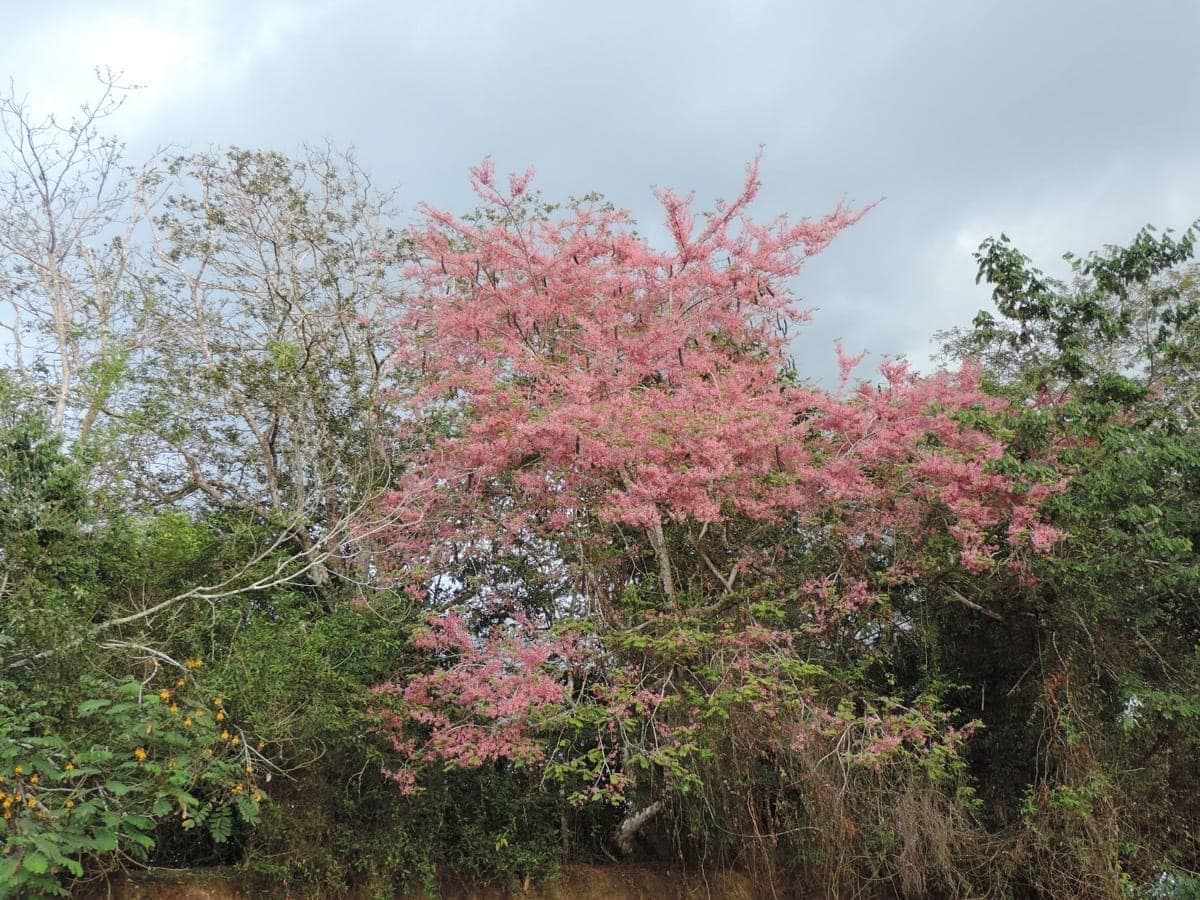
View source ↗Whole tree
📷 (c) Maynor Carranza, some rights reserved (CC BY-NC)(CC BY-NC)
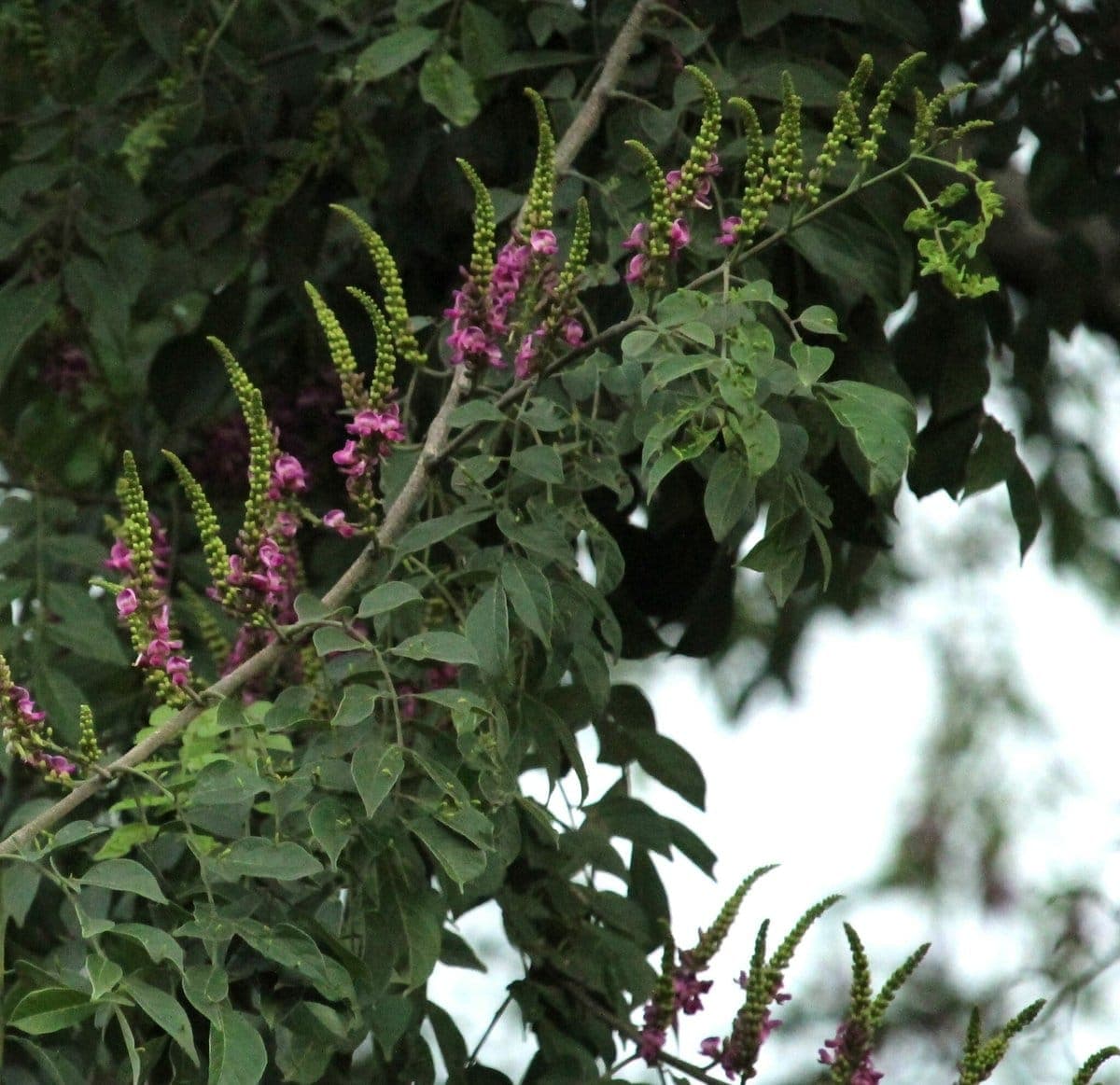
View source ↗Leaves
📷 (c) Diego Lobo Montoya, some rights reserved (CC BY-NC)(CC BY-NC)
View source ↗Whole tree
📷 (c) Leonardo Álvarez-Alcázar, some rights reserved (CC BY-NC)(CC BY-NC)
View source ↗Photos sourced from iNaturalist's community science database. Browse all observations →↗
Taxonomy & Classification
The genus Dalbergia contains about 250 species of trees and shrubs, many producing the world's most valuable hardwoods known collectively as "rosewoods." Dalbergia species are found in tropical regions worldwide, with different species prized in different cultures—Brazilian Rosewood, Indian Rosewood, African Blackwood, and Central American Cocobolo among the most famous.
Common Names
Physical Description
Overall Form
The Cocobolo is a medium-sized tree of dry forests, typically growing with a short, often crooked trunk and irregular crown. It is deciduous, losing leaves in the dry season. The tree's value lies in its heartwood, which develops the spectacular colors that have made it famous.
Distinctive Features
Trunk & Bark
- Trunk: Usually short, often irregular
- Bark: Gray-brown, rough, fissured
- Heartwood: Spectacular multicolored
- Sapwood: Creamy white (distinct)
- Growth: Slow, irregular
Leaves
- Type: Pinnately compound
- Leaflets: 7-15, alternate on rachis
- Shape: Ovate to elliptic
- Size: Leaflets 3-6 cm
- Deciduous: Loses leaves in dry season
Flowers
- Type: Papilionaceous (pea-like)
- Color: Yellow to orange
- Size: Small, 8-12 mm
- Arrangement: Racemes in leaf axils
- Timing: End of dry season
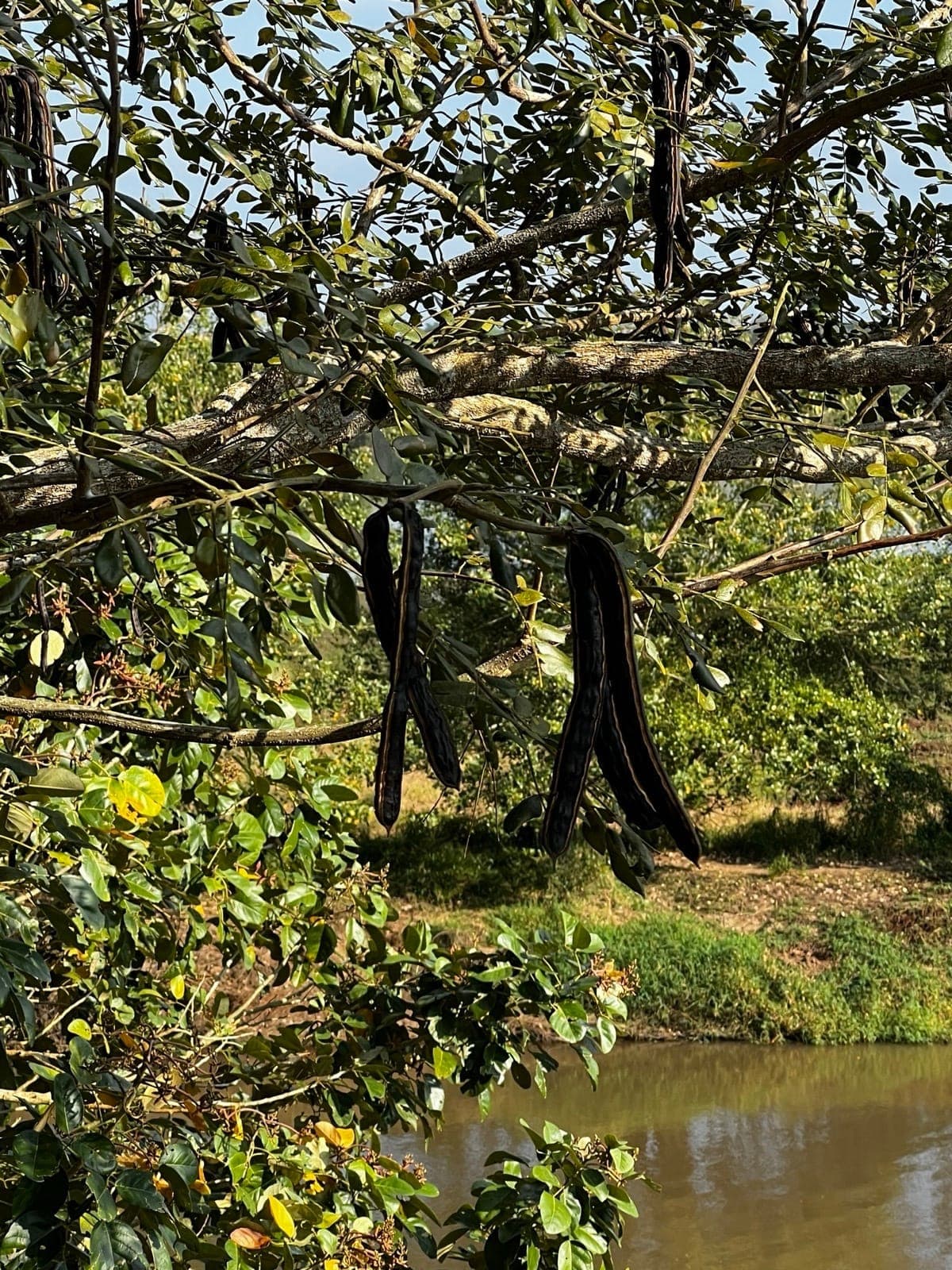
Fruits & Seeds
- Type: Flat legume pod
- Size: 5-10 cm long
- Seeds: 1-3 per pod
- Color: Brown when mature
- Dispersal: Wind, gravity
The Wood
Why Cocobolo is Prized
Cocobolo is considered by many to be the most beautiful wood in the world. Its combination of properties makes it virtually unmatched: - Color: Ranges from bright orange and red to deep purple-black - Figure: Dramatic grain patterns, often with swirls and flames - Density: So dense it sinks in water - Workability: Takes an incredible natural polish - Durability: Extremely rot and insect resistant - Oil content: High natural oils make it nearly waterproof A single high-quality Cocobolo log can be worth thousands of dollars.
Wood Properties
Traditional & Modern Uses
Cocobolo wood dust can cause severe allergic reactions in many people, including skin rashes, respiratory problems, and eye irritation. Woodworkers should use excellent dust collection, respirators, and protective equipment. Sensitivity can develop over time with repeated exposure.
Distribution & Habitat
Native Range
Geographic Distribution
Distribution in Costa Rica
Cocobolo is native to Costa Rica's Pacific dry forests, from Guanacaste south to the Central Pacific region. It has been heavily logged throughout its range and is now uncommon in the wild.
Preferred Habitat
Conservation Status
Sources: IUCN Red List — Dalbergia retusa↗, CITES species database↗, GBIF — Dalbergia retusa↗
A Species in Crisis
IUCN Red List: Critically Endangered (CR) — population decreasing. CITES: Appendix II (all Dalbergia species). Since 2017, ALL Dalbergia species have been included in CITES Appendix II, meaning international trade requires permits and documentation. This was in response to catastrophic logging of rosewood species worldwide, with Asian demand driving a logging crisis across the tropics.
Threat Assessment
Primary Threats
- Illegal Logging: Continues despite regulations
- Habitat Loss: Dry forest conversion to agriculture
- Slow Growth: Cannot sustain harvest pressure
- High Value: Economic incentive for poaching
- Poor Enforcement: Limited resources for protection
Population Status
- Wild Trees: Severely depleted
- Large Trees: Extremely rare
- Regeneration: Limited in remaining habitat
- Genetic Diversity: Concerns about bottlenecks
- Protected Populations: Few secure locations
Conservation Timeline
Ecological Significance
Dry Forest Ecosystem
Part of a Threatened Ecosystem
Cocobolo is endemic to the Mesoamerican dry forest, one of the most endangered ecosystems in the world. Less than 2% of original Central American dry forest remains intact. By protecting Cocobolo, we protect the entire dry forest ecosystem—its unique wildlife, other endemic plants, and the ecological services these forests provide including watershed protection and carbon storage.
Wildlife Interactions
Pollinators
- Bees: Primary pollinators
- Other Insects: Various visitors
- Timing: Flowers in dry season
Seed Dispersal
- Wind: Flat pods catch breeze
- Gravity: Fall beneath parent tree
- Germination: Requires disturbance/light
Ecosystem Role
- Nitrogen Fixation: Legume root nodules
- Dry Season Resource: Flowers when little else does
- Wildlife Habitat: Cavity nesting, foraging substrate
- Soil Building: Deep roots, leaf litter
Cultivation & Restoration
Growing Cocobolo
Propagation
From Seeds
- Collect ripe pods before they open
- Extract seeds from pods
- Scarify (nick seed coat) or hot water treatment
- Sow in well-drained media
- Germination in 1-4 weeks
- Full sun from start
Growth Characteristics
- Slow growth (30-50 cm/year height)
- May take 60-80+ years for harvestable size
- Responds to management (pruning, spacing)
Growing Conditions
Plantation Potential
- Being developed for sustainable production
- Requires long-term investment (50+ years)
- High-value crop for patient investors
- Supports conservation by reducing wild pressure
Planting Cocobolo is an act of intergenerational faith. A tree planted today may not produce harvestable wood for 60-100 years. But as wild populations dwindle, plantation-grown Cocobolo offers the only sustainable path forward for this magnificent species and the craftsmen who work with it.
Identification Guide
How to Identify Cocobolo
Where to See Cocobolo in Costa Rica
Cocobolo is now rare in the wild. You are more likely to encounter the wood in craft shops than the tree in forests. If you do find a wild tree, please do not reveal the location publicly—poaching remains a serious threat.
Responsible Wood Sourcing
Ethical Considerations
If you purchase Cocobolo wood or products: - Demand documentation: Legal CITES permits, chain of custody - Ask questions: Where was this harvested? Is it plantation grown? - Consider alternatives: Other beautiful woods exist - Support plantations: Sustainably grown is the future - Report suspicious sources: Illegal logging is a crime The best way to appreciate Cocobolo may be through vintage pieces, certified plantation wood, or small legally-sourced amounts for special projects.
External Resources
Community observations and photos
Official trade regulations
Conservation assessment
Global biodiversity occurrence data and distribution maps
References
📚 Scientific References & Further Reading
CITES (2017). CoP17 Proposal: Dalbergia (all species). CITES Appendix Amendments
Jenkins, M., et al. (2012). The Illegal Rosewood Trade. TRAFFIC Report
Cordero, J. & Boshier, D.H. (2003). Árboles de Centroamérica. OFI/CATIE
The Cocobolo's story is both a warning and an opportunity. The warning: that even abundant species can be driven to rarity when demand outstrips sustainable supply. The opportunity: that with protection, responsible management, and plantation development, we can still save this magnificent tree and the tradition of fine craftsmanship it supports. Every conservation-minded purchase, every planted seedling, every enforced regulation helps secure the Cocobolo's future.
Safety Information Disclaimer
Safety information is provided for educational purposes only. Individual reactions may vary significantly based on age, health status, amount of exposure, and individual sensitivity. Always supervise children around plants. Consult a medical professional or certified arborist for specific concerns. The Costa Rica Tree Atlas is not liable for injuries or damages resulting from interaction with trees described in this guide.
• Always supervise children around plants
• Consult medical professional if unsure
• Seek immediate medical attention if poisoning occurs
Information compiled from authoritative toxicology sources, scientific literature, and medical case reports.
Help improve this page
Know something about this tree? Share local knowledge, suggest a correction, or submit a photo to improve this guide for everyone.