Cativo
Prioria copaifera
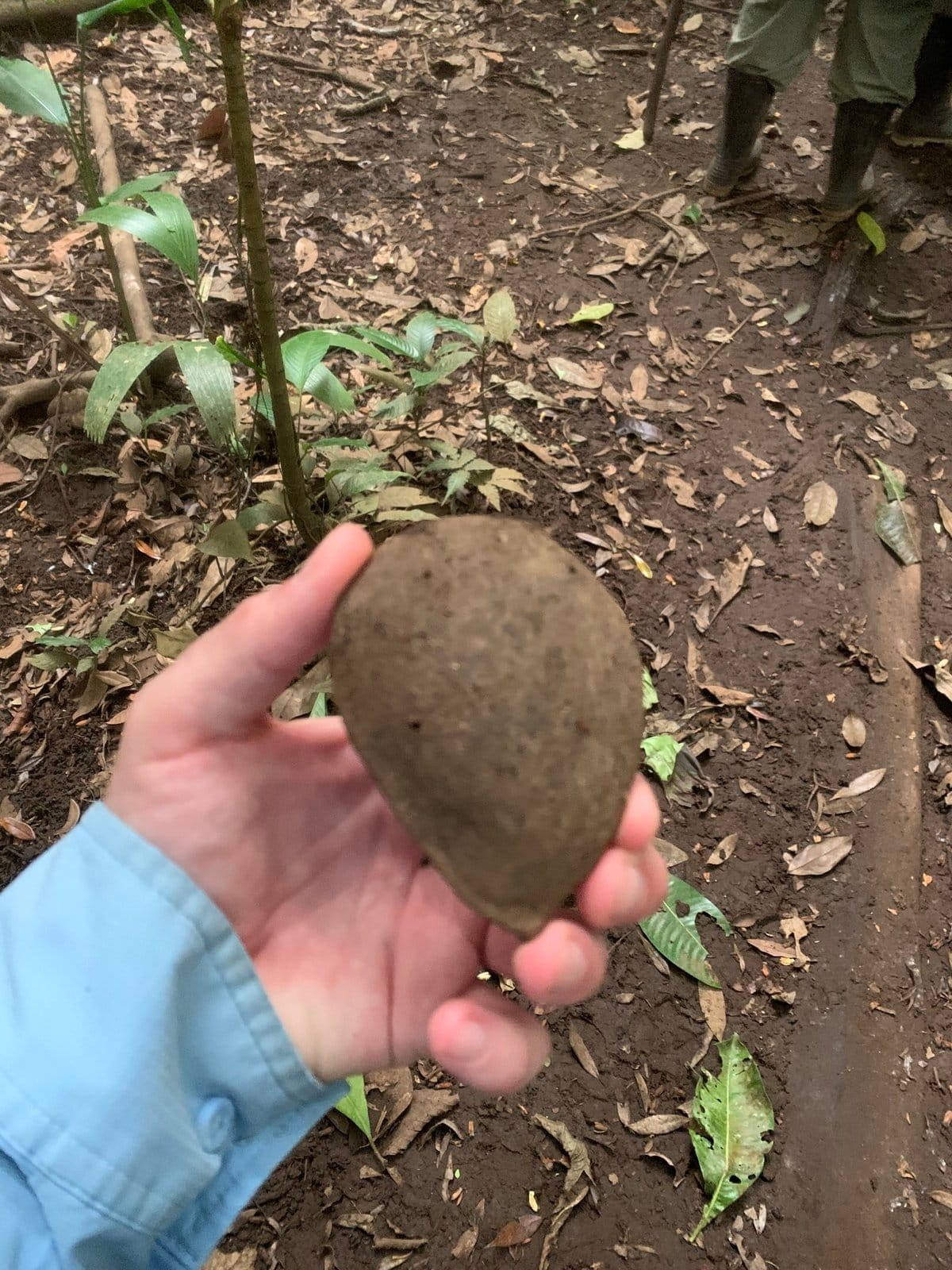
Quick facts
Native Region
Nicaragua to Colombia
Max Height
35-50 meters (115-165 feet)
Family
Fabaceae
Conservation
LC — Least Concern
Uses
Safety Information
Toxicity Details
Non-toxic. No known toxic properties to humans or animals.
Skin Contact Risks
No known skin irritation. Resin traditionally used for medicinal purposes.
Season
Flowering
Mar-May
Fruiting
Jul-Sep
How to identify
Cativo (The Swamp Forest Giant)
The Cativo (Prioria copaifera) is a majestic tree of coastal swamp forests, legally protected as a threatened species under Costa Rican law. While globally assessed as Least Concern by IUCN, Costa Rica recognizes the vulnerability of its populations in the unique mangrove-adjacent ecosystems of the Caribbean and Pacific coasts. This tree's specialized habitat—flooded forests near the sea—is itself threatened, making the Cativo a symbol of coastal wetland conservation.
Quick Reference
iNaturalist Observations
Community-powered species data
The Tree Between Worlds
A Specialist of Transitional Zones
The Cativo occupies one of the most challenging and specialized habitats in the neotropics: the flooded forests where freshwater rivers meet tidal influence, adjacent to mangroves but not quite mangroves themselves. These "cativales" (Cativo forests) represent a unique ecosystem type.
Cativo forests (cativales) are a distinct forest type characterized by:
- Dominance: Cativo often forms nearly pure stands
- Flooding: Regular freshwater inundation
- Tidal influence: Near estuaries and coastal zones
- Height: Canopy reaching 40-50 m
- Composition: Few other species tolerate these conditions
These forests are found from Nicaragua to Colombia but are especially notable in Costa Rica and Panama.
Why This Tree Matters
Ecological Keystone
Ecosystem Services
- Coastal protection: Buffers against storm surges
- Water filtration: Purifies freshwater entering coasts
- Sediment trapping: Prevents erosion
- Carbon storage: High biomass in wetland soils
- Habitat creation: Supports unique wildlife community
Biodiversity Support
- Nesting: Many bird species
- Food source: Seeds, flowers, foliage
- Shelter: For fish in flooded roots
- Corridors: Connects mangroves to upland forests
- Microhabitat: Epiphytes, invertebrates
📸 Photo Gallery
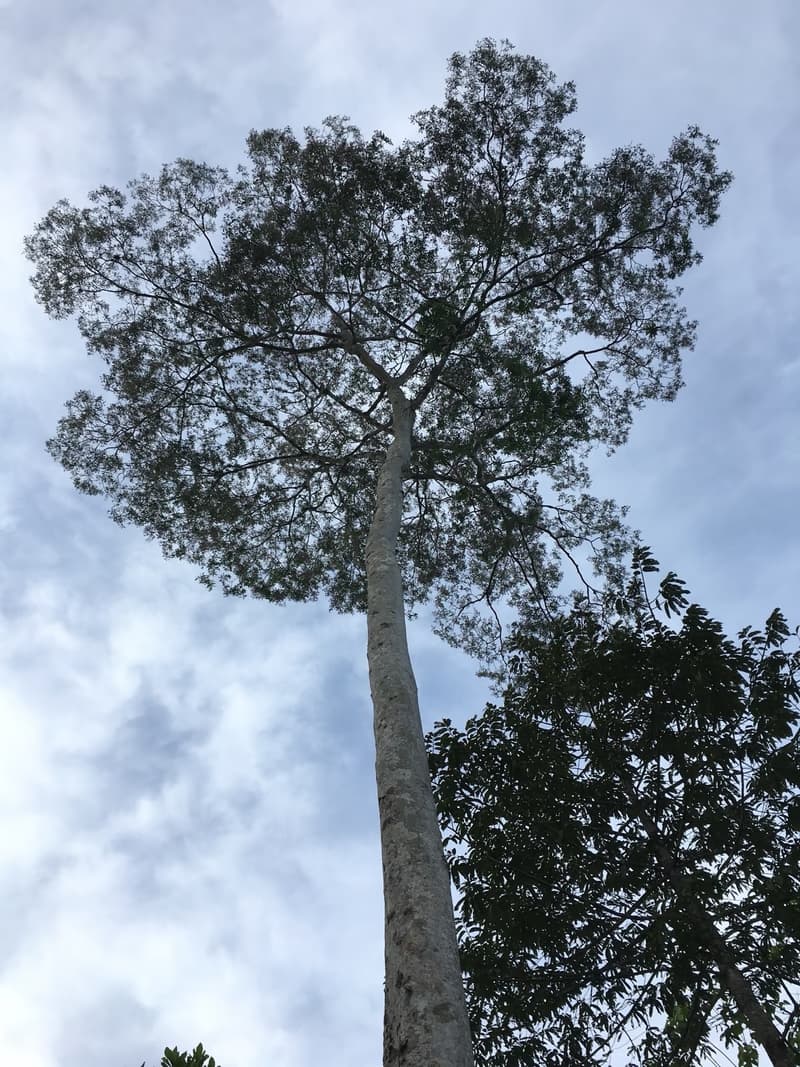
Whole tree
📷 (c) John C., some rights reserved (CC BY-NC)(CC BY-NC)
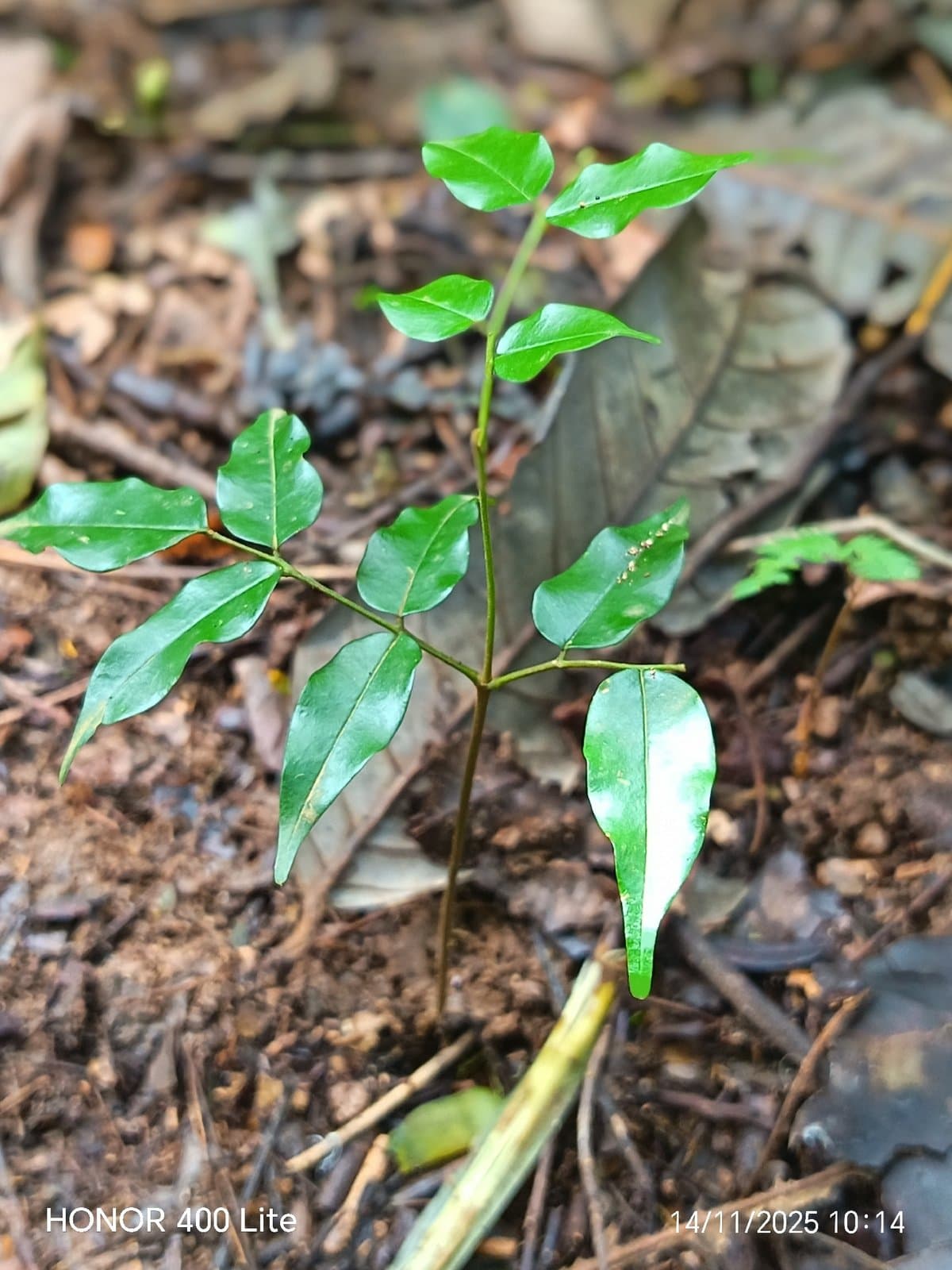
View source ↗Leaves
📷 (c) Lena Struwe, some rights reserved (CC BY-SA)(CC BY-NC)
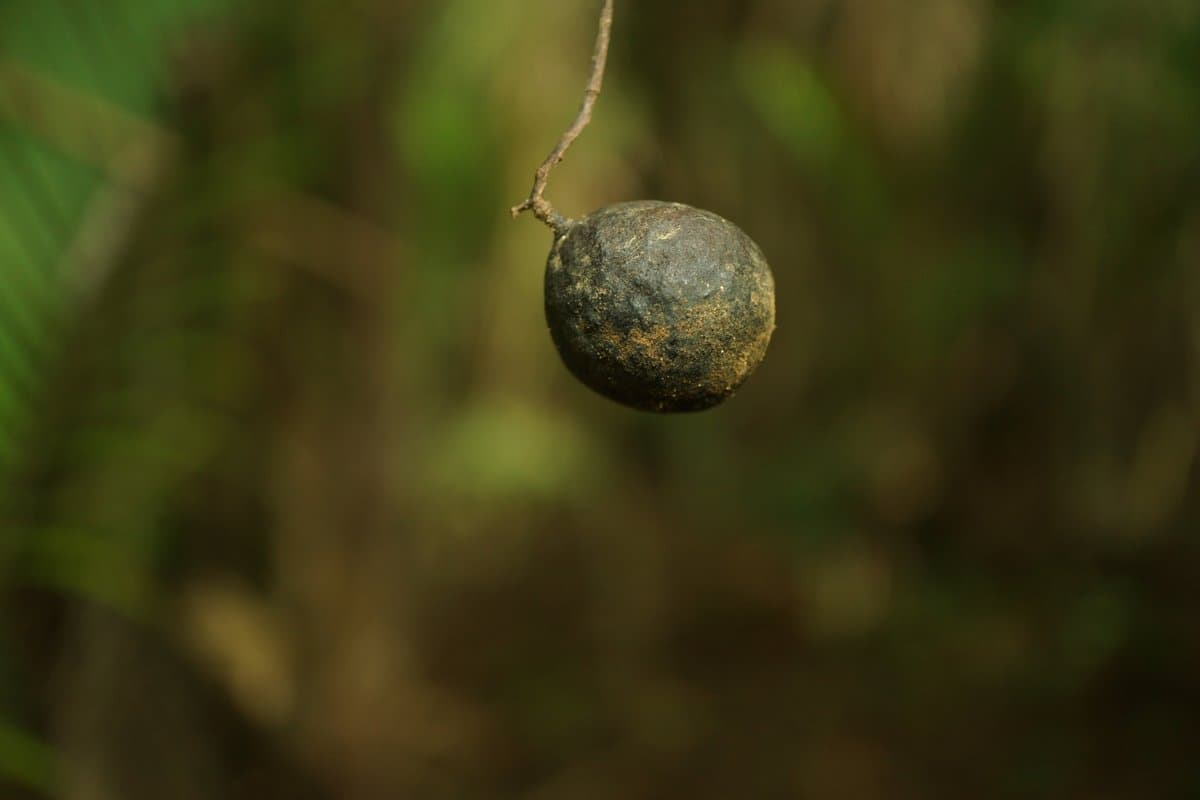
View source ↗Fruit
📷 (c) Merav Vonshak, some rights reserved (CC BY-NC)(CC BY-NC)
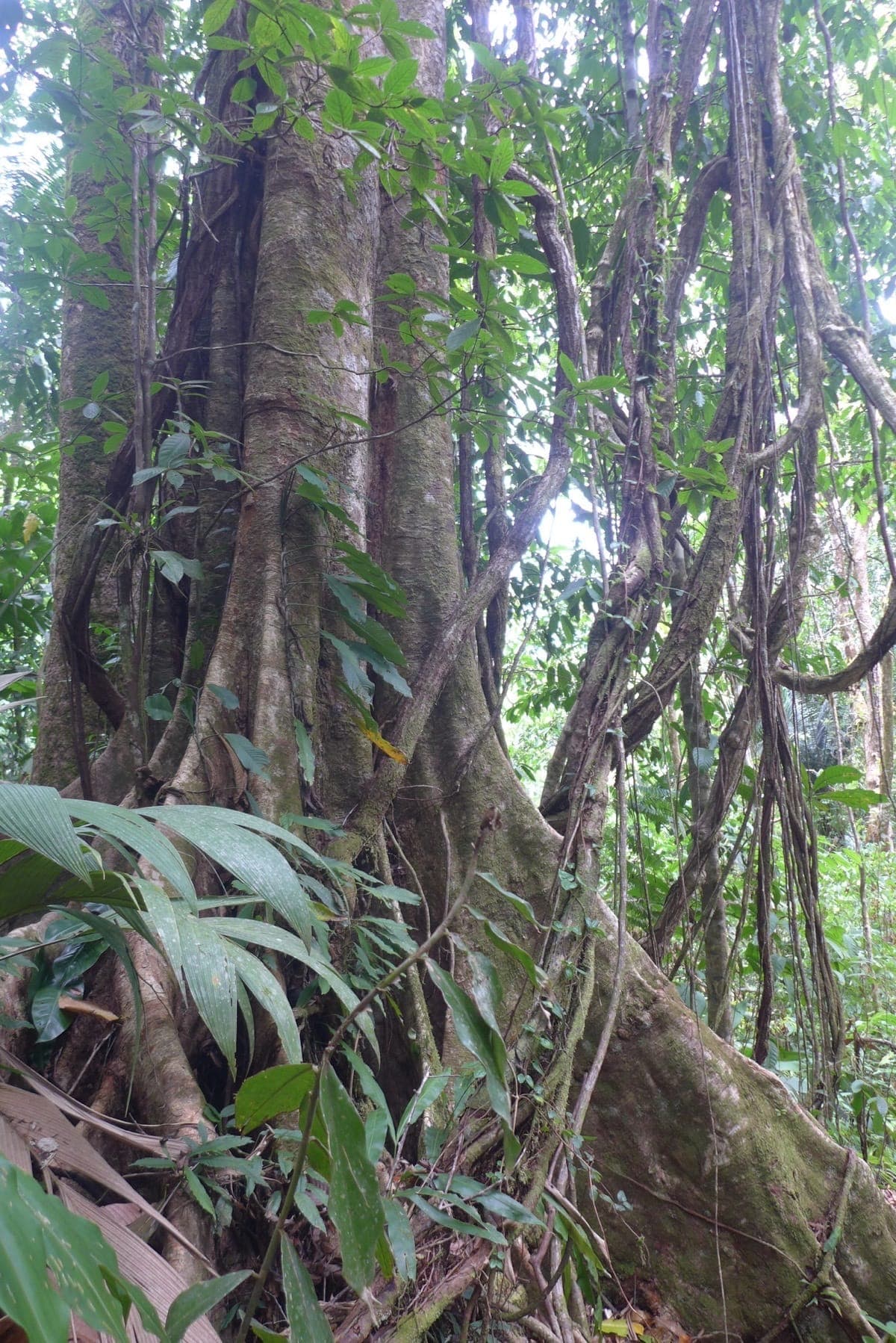
View source ↗Whole tree
📷 (c) Larry Chen, some rights reserved (CC BY-NC)(CC BY-NC)
View source ↗Leaves
📷 (c) Lena Struwe, some rights reserved (CC BY-SA)(CC BY-NC)
View source ↗Photos sourced from iNaturalist's community science database. Browse all observations →↗
Taxonomy & Classification
Despite being in the legume family (Fabaceae), Cativo belongs to an unusual subfamily (Detarioideae) that doesn't form the typical nitrogen-fixing root nodules. Instead, these trees have evolved to thrive in nutrient-rich waterlogged soils. The genus Prioria contains only a few species, all restricted to Central and South American swamp forests.
Common Names
Physical Description
Overall Form
The Cativo is a towering tree with a straight, cylindrical trunk that rises like a column from the swampy forest floor. Its buttresses, while present, are typically smaller than many other large rainforest trees.
Distinctive Features
Trunk & Bark
- Trunk: Remarkably straight and cylindrical
- Bark: Gray to brown, slightly rough
- Buttresses: Present but moderate
- Resin: Black, fragrant resin from heartwood
- Wood: Lightweight for its size
Leaves & Crown
- Leaves: Compound, alternate, 4-8 leaflets
- Leaflets: 8-15 cm, leathery, glossy
- Crown: Large, spreading, rounded
- Canopy position: Emergent to upper canopy
- Evergreen: Retains leaves year-round
The Black Resin
One of Cativo's most distinctive features is the black, oily resin that oozes from wounds in the heartwood. This resin:
- Has a distinctive, pleasant fragrance
- Was traditionally used in medicine
- Creates dark streaks in the wood
- Contributes to heartwood durability
- Makes the wood somewhat resistant to rot
This resin is related to copaiba oil, hence the species name copaifera.
Habitat & Distribution
Geographic Range
Cativo is found along the Caribbean and Pacific coasts from Nicaragua through Costa Rica and Panama to northern Colombia, always in low-lying, frequently flooded forests.
The Cativo Forest Ecosystem
Characteristics of Cativo forests:
- Location: River deltas, estuaries, tidal flats
- Flooding: Regular freshwater inundation
- Salinity: Tolerate some brackish influence
- Soil: Waterlogged, organic-rich
- Diversity: Relatively low tree diversity (Cativo dominant)
- Understory: Sparse due to flooding
- Wildlife: Unique community adapted to flooding
These forests exist in a narrow zone—too wet and flooded for typical rainforest, but too far inland for true mangroves.
Conservation Status
A Tale of Two Assessments
Global (IUCN)
- Status: Least Concern
- Reasoning: Large overall range
- Population: Considered stable globally
- Trend: Some decline noted
Costa Rica
- Status: Threatened (Protected by law)
- Reasoning: Limited habitat, local declines
- Protection: Harvesting regulated
- Concern: Specialized habitat vulnerable
Costa Rica's decision to protect Cativo reflects a key conservation principle: a species can be globally stable while being locally threatened. The specialized swamp-forest habitat in Costa Rica is limited and vulnerable, justifying stronger protections than the global assessment might suggest.
Threats
Timber & Traditional Uses
Wood Properties
Characteristics
- Weight: Moderately light (0.45-0.55 g/cm³)
- Color: Pale yellowish, darkening with age
- Grain: Straight to interlocked
- Workability: Easy to work
- Durability: Moderate (resin helps)
Uses
- Plywood: Excellent for veneers
- Furniture: Cabinet making
- Light construction: Interior use
- Boats: Traditional canoe making
- Boxes: Packing, containers
In the mid-20th century, Cativo was heavily logged in Panama and Costa Rica for plywood production. The straight trunks and large size made it ideal for peeling into veneers. This exploitation, combined with the limited extent of cativo forests, led to significant declines and eventual protection.
Traditional Medicine
The black resin and other parts were used in traditional medicine:
- Resin: Wound healing, antiseptic
- Bark decoctions: Fever, digestive ailments
- Related to copaiba: Similar resin properties
- Poultices: Mixed with other plants for muscle pain
- Insect bites: Applied directly to soothe bites and stings
Indigenous Uses
Cultural and Historical Significance
The Cativales: Forests That Tell a Story
The Cativo forests of Central America represent more than just trees—they are living records of the region's ecological history. The near-monoculture stands of Cativo (called "cativales") are unusual in tropical forests, where high diversity is the norm. Scientists believe these stands developed over millennia in response to the unique flooding regimes of coastal lowlands.
Cativales challenge our assumptions about tropical forests:
- Low diversity by design: Unlike typical rainforests with hundreds of tree species per hectare, cativales may have 60-80% Cativo dominance
- Flood-adapted community: Only species tolerant of prolonged flooding survive
- Ancient origins: Some cativales may be thousands of years old
- Self-reinforcing: Cativo litter creates acidic, waterlogged conditions that favor Cativo regeneration over competitors
- Fragile equilibrium: Once disrupted by logging, cativales may not recover to their original composition
Economic History
Cativo timber played a significant role in the economic development of Central American countries during the 20th century:
Playa Cativo: A Living Legacy
Playa Cativo is an eco-lodge on the Golfo Dulce in Costa Rica, named after the Cativo trees that grow in the coastal forests of the region. This connection between place and tree exemplifies how conservation and tourism can work together—the tree becomes a symbol of the region's natural heritage, and protecting the tree protects the destination's appeal.
Ecological Relationships
Wildlife Connections
Forest Associates
In cativales, Cativo often dominates but associates with:
- Pterocarpus officinalis (Sangre de Drago)
- Symphonia globulifera (Cerillo)
- Carapa guianensis (Caobilla)
- Various palms
- Mangrove species at edges
Identification Guide
Cultivation and Restoration
Growing Cativo
Where to See Cativo in Costa Rica
External Resources
Community observations and photos
Botanical nomenclature and taxonomy
Central American forestry resources
Global occurrence records and distribution data
Conservation status assessment
References
📚 Scientific References & Further Reading
Holdridge, L.R. & Poveda, L.J. (1975). Árboles de Costa Rica. Centro Científico Tropical
Cordero, J. & Boshier, D.H. (2003). Árboles de Centroamérica. OFI/CATIE
SINAC (2017). Lista oficial de especies amenazadas. Sistema Nacional de Áreas de Conservación, Costa Rica
Zamora, N., Jiménez, Q. & Poveda, L.J. (2004). Árboles de Costa Rica, Vol. III. INBio, Santo Domingo de Heredia
López, O.R. & Kursar, T.A. (2007). Interannual variation in rainfall, drought stress and seedling mortality may mediate monodominance in tropical flooded forests. Oecologia 154(1): 35-43
The Cativo stands as a sentinel between land and sea, a living bridge between terrestrial and aquatic worlds. Its protection in Costa Rica reflects an understanding that some species matter more locally than global assessments might suggest—and that the unique ecosystems they create are worth saving. When we protect the Cativo, we protect the flooded forests, the coastal wetlands, and all the life that depends on this remarkable tree that thrives where few others can.
Safety Information Disclaimer
Safety information is provided for educational purposes only. Individual reactions may vary significantly based on age, health status, amount of exposure, and individual sensitivity. Always supervise children around plants. Consult a medical professional or certified arborist for specific concerns. The Costa Rica Tree Atlas is not liable for injuries or damages resulting from interaction with trees described in this guide.
• Always supervise children around plants
• Consult medical professional if unsure
• Seek immediate medical attention if poisoning occurs
Information compiled from authoritative toxicology sources, scientific literature, and medical case reports.
Help improve this page
Know something about this tree? Share local knowledge, suggest a correction, or submit a photo to improve this guide for everyone.