Laurel
Cordia alliodora
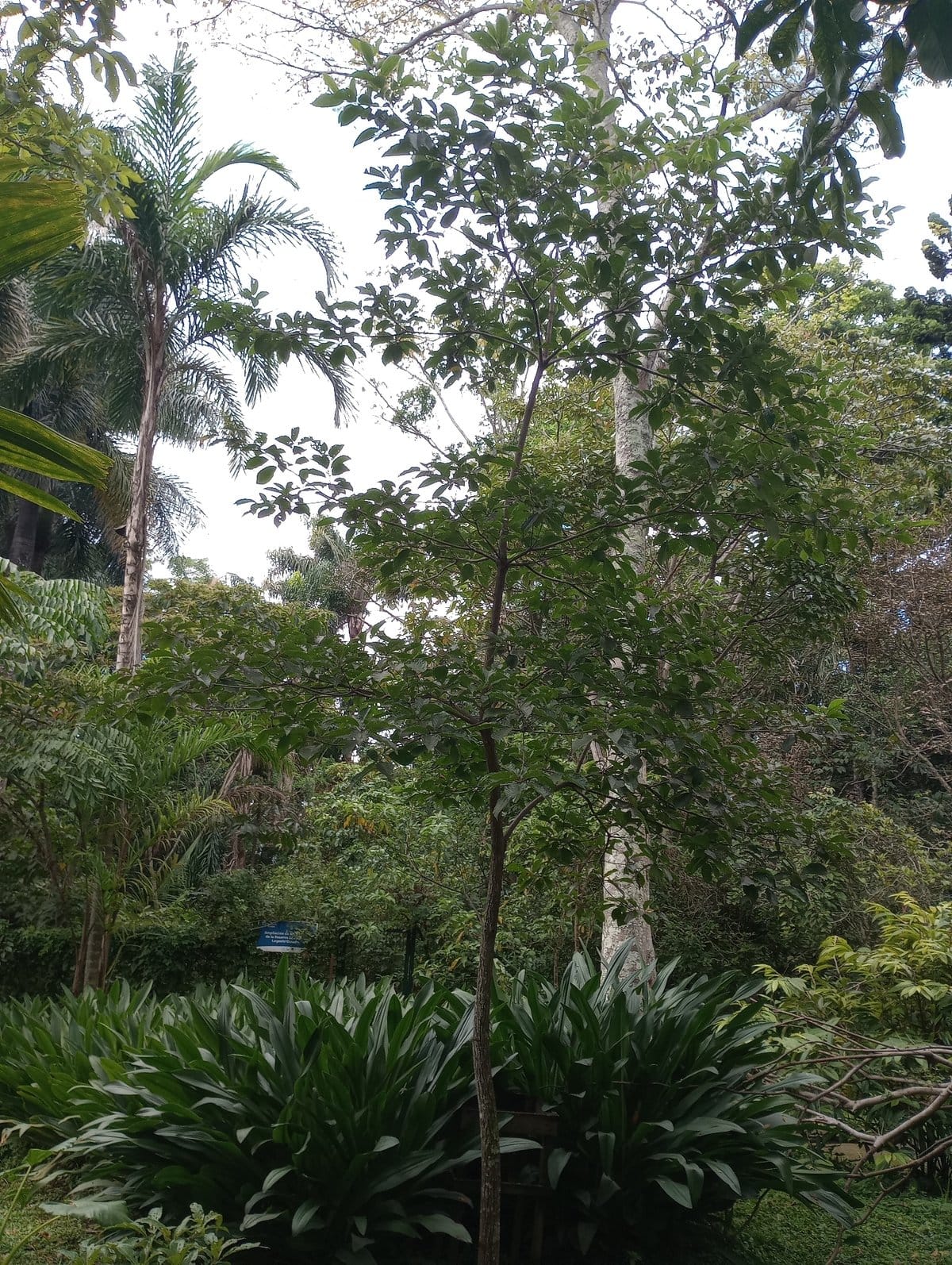
Quick facts
Native Region
Mexico to Argentina
Max Height
30-45 meters
Family
Cordiaceae
Conservation
LC — Least Concern
Uses
Safety Information
Toxicity Details
Laurel (Cordia alliodora) is non-toxic and safe around people and animals. No parts of this tree are known to be poisonous. It has been used safely in agroforestry systems, coffee plantations, and home landscapes for generations. The wood, bark, leaves, and flowers pose no ingestion hazards. This is one of the safest native trees for family properties.
Skin Contact Risks
No known skin contact risks. The tree does not produce irritating sap, latex, or resins. Wood dust from sawing (as with any wood) may cause mild irritation in sensitive individuals, but this is mechanical rather than chemical. Safe to handle and touch.
Allergenic Properties
Pollen may cause minor seasonal allergies in some sensitive individuals, as with many flowering trees. Wood dust exposure during milling may cause respiratory irritation in workers (use dust masks when sawing). Overall allergen risk is low.
Structural Hazards
Large tree reaching 30-45 meters with spreading crown. Falling branches possible during storms, especially as trees age. Consider appropriate spacing from structures and high-traffic areas. The wood is strong and relatively wind-resistant. Regular maintenance recommended for landscape trees.
Season
Flowering
Feb-Apr
Fruiting
May-Jul
How to identify
Laurel (Spanish Elm)
Laurel (Cordia alliodora), also known as Spanish Elm or Ecuador Laurel, represents the ideal convergence of timber value and agroforestry utility. This fast-growing native produces beautiful, durable wood prized for furniture and construction, while its slender crown provides perfect filtered shade for coffee and cacao. Throughout Costa Rica, Laurel stands tall in coffee plantations, its presence representing decades of farmer wisdom—a tree that pays its way while improving the farm.
Quick Reference
iNaturalist Observations
Community-powered species data
📸 Photo Gallery
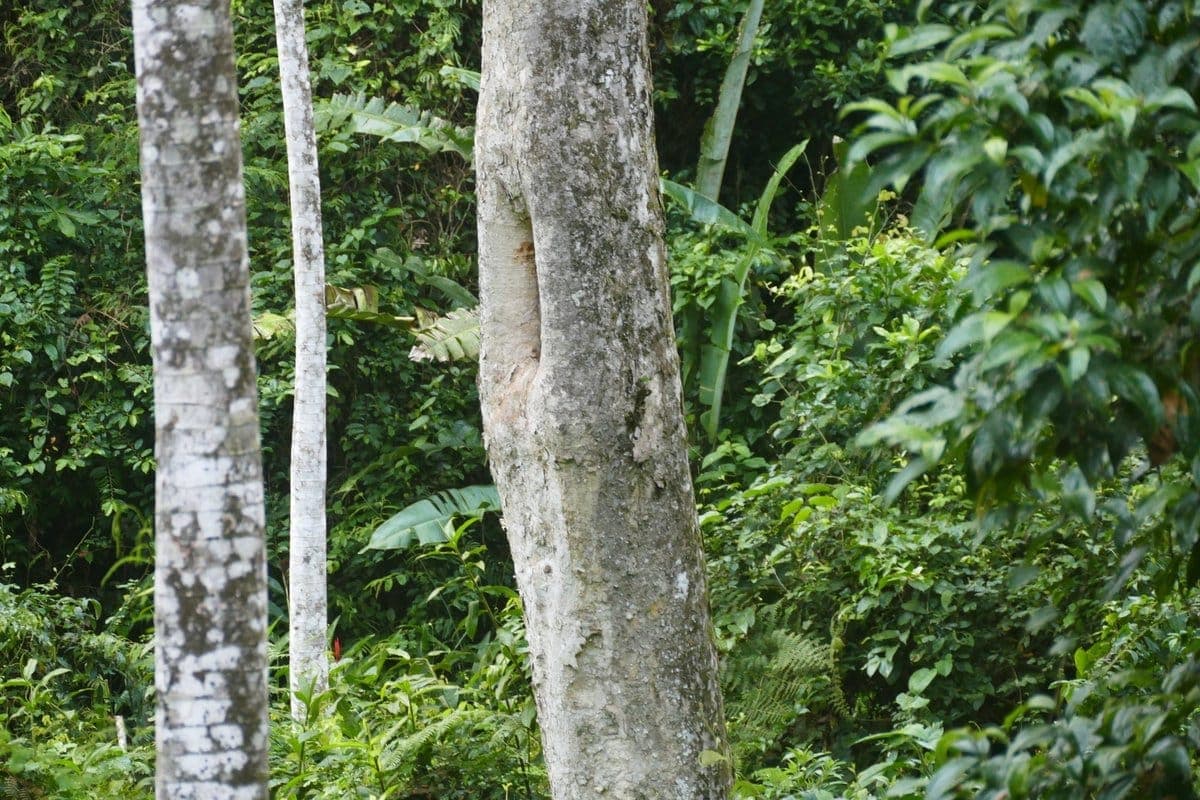
Whole tree
📷 (c) Joey Santore, some rights reserved (CC BY-NC)(CC BY-NC)
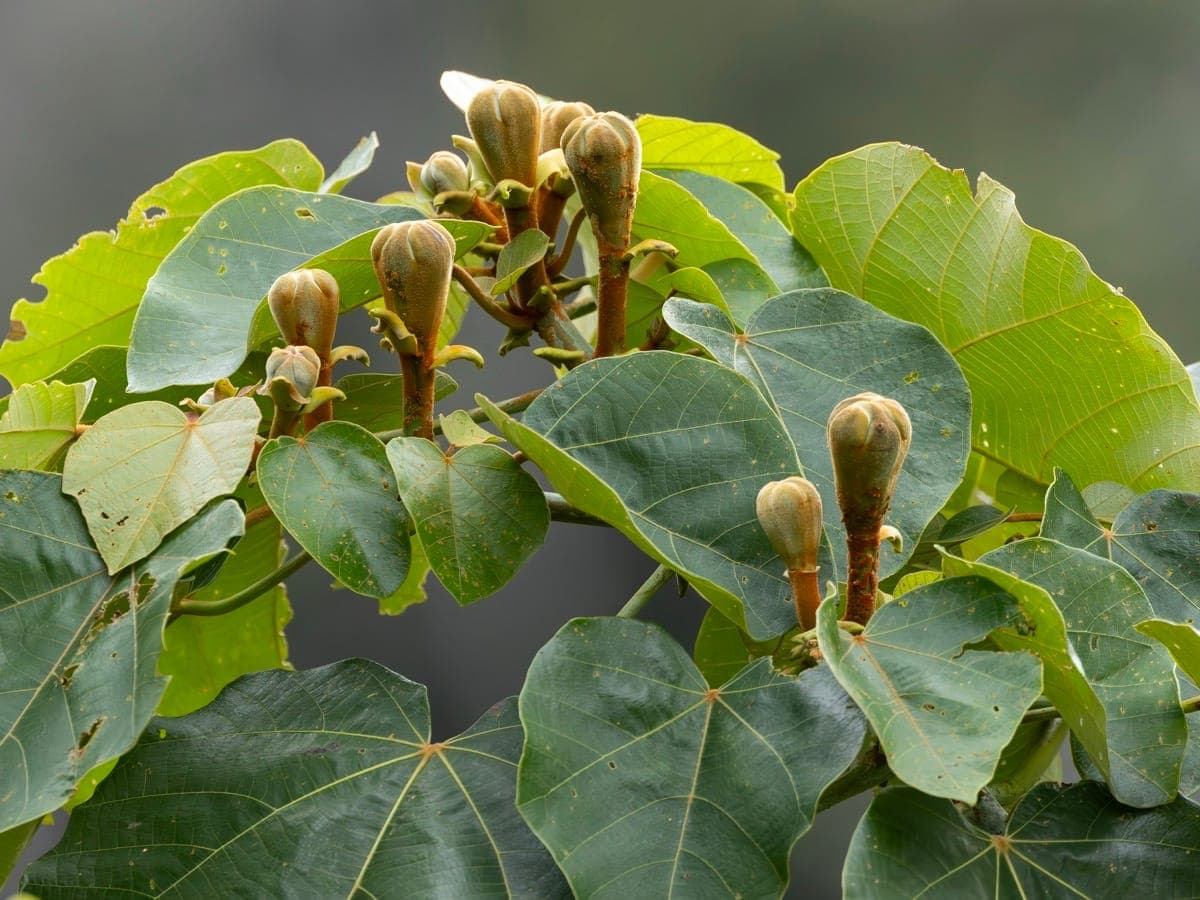
View source ↗Leaves
📷 (c) Joey Santore, some rights reserved (CC BY-NC)(CC BY-NC)
View source ↗Flowers
📷 (c) Augusto Granados, some rights reserved (CC BY-NC)(CC BY-NC)
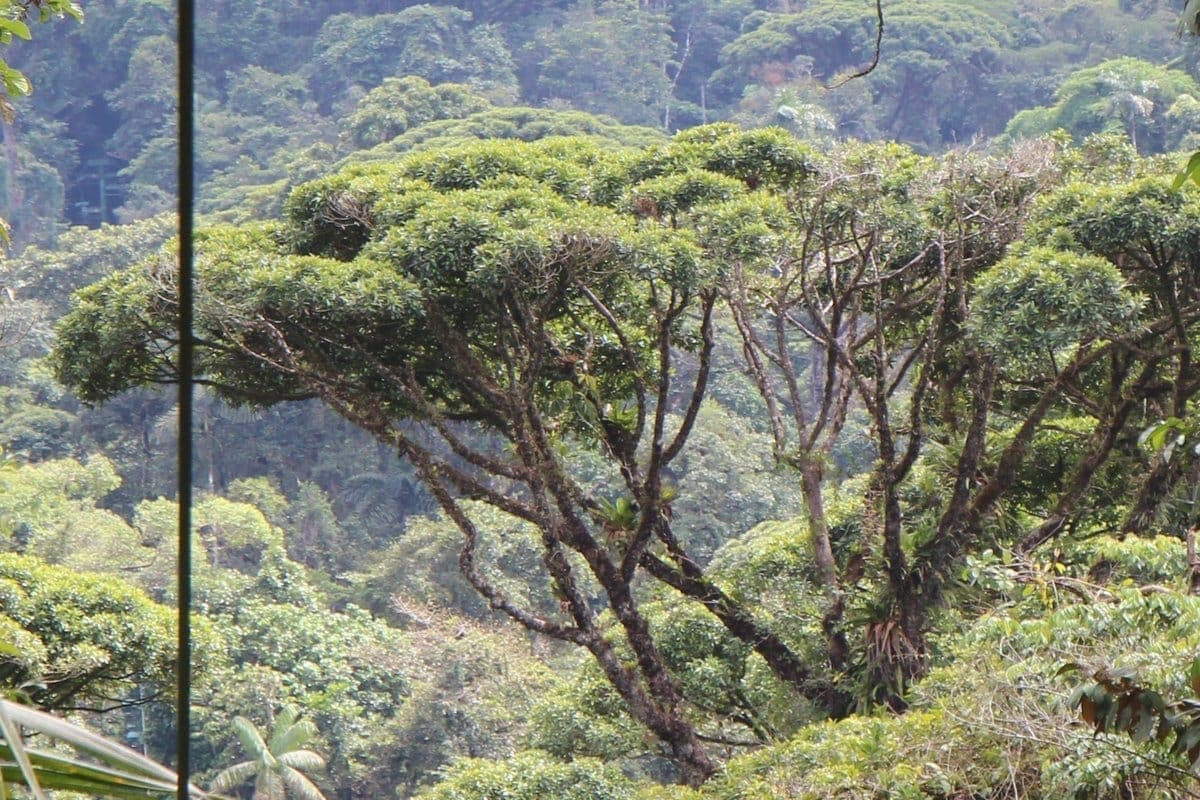
View source ↗Whole tree
📷 (c) MarcoDS, some rights reserved (CC BY-NC)(CC BY-NC)
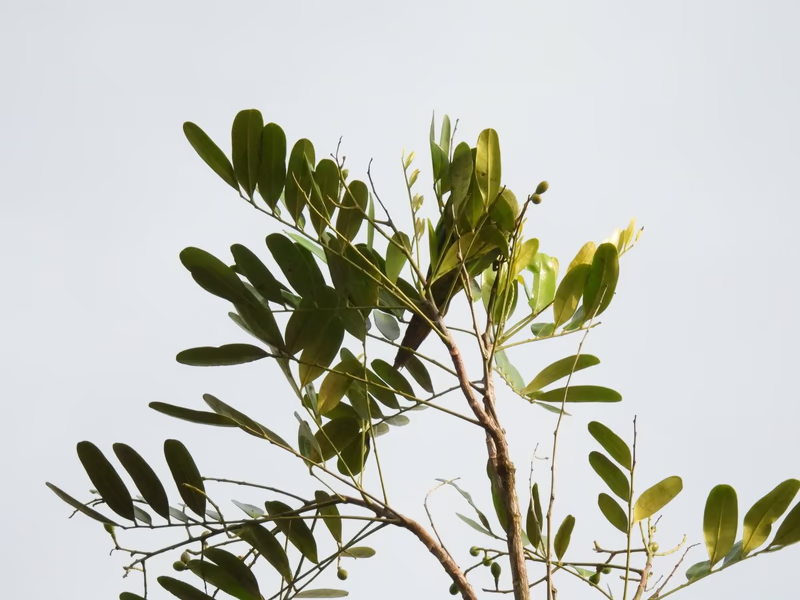
View source ↗Leaves
📷 (c) Joey Santore, some rights reserved (CC BY-NC)(CC BY-NC)
View source ↗Photos sourced from iNaturalist's community science database. View all observations →↗
Taxonomy and Classification
- Cordia: Named after German botanist Valerius Cordus (1515-1544) - alliodora: From Latin allium (garlic) + odor (smell)—the bark and crushed leaves release a mild garlic odor The common name "Laurel" (bay laurel) refers to its aromatic properties, though it's unrelated to true laurels (Lauraceae).
Common Names
Physical Description
General Form
Laurel is a medium to tall deciduous or semi-deciduous tree with a remarkably straight trunk—one of the straightest-growing native species. The crown is typically narrow and elongated when grown in forest or plantation conditions, broader when open-grown. Distinctive swollen nodes on branches house symbiotic ants.
Distinctive Features
Trunk & Crown
- Trunk: Exceptionally straight, cylindrical
- Bark: Gray-brown, slightly fissured
- Crown: Narrow, conical when young; layered
- Branching: Whorled at nodes
- Self-Pruning: Lower branches drop naturally
Leaves
- Type: Simple, alternate
- Size: 8-18 cm long
- Shape: Elliptic to oblong
- Texture: Rough above (scabrous)
- Odor: Garlic-like when crushed
- Deciduous: Partially in dry season
Flowers
- Color: White to cream
- Size: Small, 1 cm diameter
- Arrangement: Dense panicles
- Fragrance: Sweet, attracting pollinators
- Timing: Dry season
- Pollination: Bees, butterflies
Fruits & Seeds
- Type: Small nuts with persistent calyx
- Dispersal: Wind (calyx acts as wing)
- Germination: High viability
- Production: Abundant, good for reforestation
Ant Domatia
- Swollen Nodes: Hollow chambers at branch nodes
- Inhabitants: Azteca ants
- Mutualism: Ants protect tree from herbivores
Laurel has one of the most interesting mutualisms in tropical trees. Swollen chambers (domatia) at branch nodes house colonies of Azteca ants. In return for shelter, the ants aggressively defend the tree against leaf-eating insects and browsing animals. Tap a Laurel branch and watch the ants swarm out!
Distribution and Habitat
Native Range
Geographic Distribution
Distribution in Costa Rica
Widespread throughout the country from sea level to about 1,500 m elevation:
Habitat Preferences
Timber Value
Wood Properties
Premium Native Timber
Laurel wood is among the most valuable native timbers in Central America: - Color: Light golden-brown heartwood, darker streaks - Grain: Straight to slightly interlocked - Texture: Medium to coarse - Density: 400-550 kg/m³ (medium-light) - Workability: Excellent—machines, finishes beautifully - Durability: Moderate; interior use or treated exterior - Drying: Minimal warping or checking The combination of beauty, workability, and fast growth makes it a forestry champion.
Commercial Applications
Timber Economics
Growth & Yield
- Rotation: 15-25 years typical
- Yield: 15-25 m³/ha/year possible
- Form Factor: Very high (straight trunk)
- Self-Pruning: Reduces labor
Market Position
- Price: Among highest for native species
- Demand: Steady for quality wood
- Competition: With teak, mahogany
- Certification: FSC available for plantations
Agroforestry Systems
Coffee Shade
Laurel is perhaps the most important shade tree in Central American coffee: - Shade Quality: Light, filtered—perfect for coffee - Crown Form: Narrow, allows light penetration - Root Competition: Deep roots, minimal competition - Nitrogen: Not N-fixing but decomposes well - Timber Income: Trees harvested after 20-30 years - Tradition: Used for generations throughout region A coffee farm with mature Laurels represents both agricultural and timber wealth.
Other Agroforestry Uses
Ecological Importance
Pioneer Species Role
Succession Benefits
- Colonization: Rapidly colonizes disturbed areas
- Soil Building: Leaf litter improves soil
- Nurse Crop: Provides shade for later species
- Natural Regeneration: Abundant seed production
Wildlife Value
- Ant Mutualism: Azteca ants and tree benefit mutually
- Nesting: Birds use branching structure
- Flowers: Important bee and butterfly food
- Seeds: Eaten by birds
Carbon Sequestration
Cultivation and Management
Growing Laurel
Propagation
Seeds (Primary Method)
- Collect mature seeds when calyx turns brown
- Seeds viable for several months if stored dry
- Direct sow or nursery production
- Germination in 2-3 weeks
- Transplant at 30-50 cm height
Cuttings (Limited)
- Possible but less common than seed
- Stakes may establish for living fence
Site Requirements
Management
- Thin plantations for saw timber quality
- Prune only if necessary (natural self-pruning)
- Protect from fire when young
- Monitor for stem borers
Plantation Forestry
Laurel is a top choice for reforestation in Central America: - Fast Establishment: Good survival, rapid growth - Low Maintenance: Self-pruning, good form - Financial Return: Valuable timber in 15-25 years
- Environmental Services: Carbon, biodiversity, watershed - Mixed Systems: Combines with coffee, cacao for income It's a key species in Costa Rica's Payment for Environmental Services (PES) program.
Advanced Care Guidance
Identification Guide
How to Identify Laurel
Where to See Laurel in Costa Rica
Economic and Social Significance
Role in Rural Economy
The Farmer's Savings Account
For generations, Laurel has served as a living investment: - Coffee + Timber: Dual income from same land - Retirement Fund: Mature trees sold for retirement - Emergency Cash: Valuable asset in hard times - Inheritance: Trees passed down generations - Land Value: Laurel increases property worth This "tree in the bank" model represents sustainable wealth building for small farmers.
External Resources
Community observations and photos
Wood properties and trade data
Agroforestry research and resources
Global biodiversity occurrence data and distribution maps
Conservation status and species assessment
References
📚 Scientific References & Further Reading
Boshier, D.H. & Lamb, A.T. (1997). Cordia alliodora: Genetics and Tree Improvement. Tropical Forestry Papers, Oxford Forestry Institute
Janzen, D.H. (1983). Costa Rican Natural History. University of Chicago Press
Somarriba, E. (1992). Timber Harvest, Damage, and Growth in Coffee Agroforestry. Agroforestry Systems 19: 171-185
Laurel represents sustainable forestry at its finest—a native species that grows fast, produces valuable wood, integrates into farming systems, and regenerates naturally. In a world seeking alternatives to deforestation and plantation monocultures, Laurel offers a path forward: trees that benefit farmers, wildlife, and the climate simultaneously. When you sip Costa Rican coffee, you're likely drinking coffee grown in the shade of Laurel trees that will one day become someone's beautiful furniture.
Safety Information Disclaimer
Safety information is provided for educational purposes only. Individual reactions may vary significantly based on age, health status, amount of exposure, and individual sensitivity. Always supervise children around plants. Consult a medical professional or certified arborist for specific concerns. The Costa Rica Tree Atlas is not liable for injuries or damages resulting from interaction with trees described in this guide.
• Always supervise children around plants
• Consult medical professional if unsure
• Seek immediate medical attention if poisoning occurs
Information compiled from authoritative toxicology sources, scientific literature, and medical case reports.
Help improve this page
Know something about this tree? Share local knowledge, suggest a correction, or submit a photo to improve this guide for everyone.