Nance
Byrsonima crassifolia
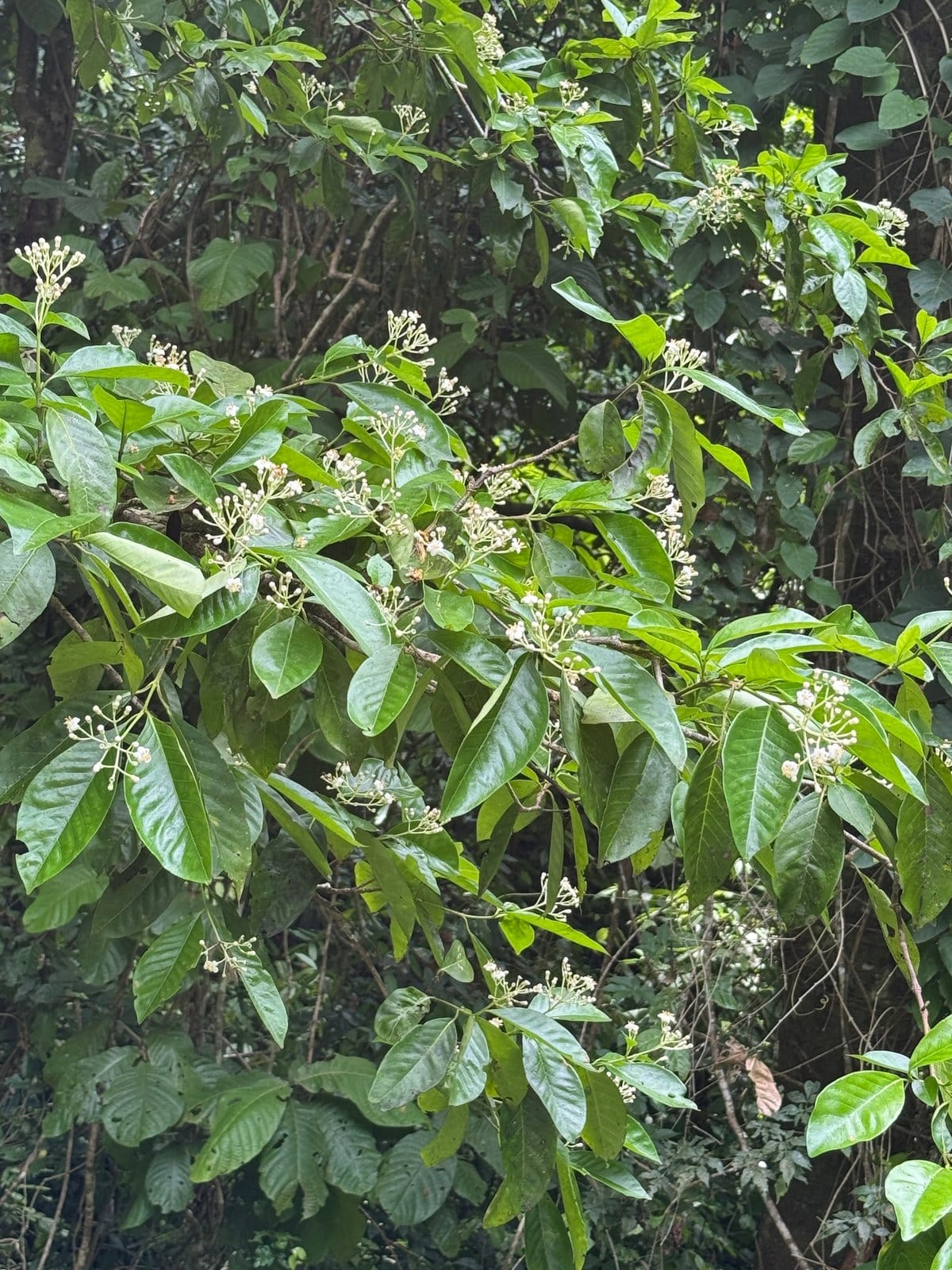
Quick facts
Native Region
Mexico to Amazon Basin
Max Height
5-15 meters
Family
Malpighiaceae
Conservation
LC — Least Concern
Uses
Safety Information
Toxicity Details
Nance fruit is completely safe and nutritious. No toxic parts. The fruit has been safely consumed for thousands of years throughout its range. Safe for children and pets. The fruit is rich in vitamin C and other nutrients. No toxicity concerns whatsoever.
Skin Contact Risks
No skin hazards. The tree, leaves, bark, and fruit do not cause skin irritation. Safe to handle in all situations.
Allergenic Properties
Nance allergy is extremely rare to nonexistent in documented literature. No known cross-reactivity issues. The fruit and tree are generally safe for everyone. One of the safest tropical fruit trees.
Season
Flowering
Mar-May
Fruiting
Jun-Sep
How to identify
Nance (Golden Spoon)
The Nance (Byrsonima crassifolia) produces one of the most distinctive and divisive fruits in tropical America. Its small, yellow fruits have an aroma and flavor that people either love or struggle with—a unique combination of earthy, cheesy, and sweet that has been compared to everything from strong cheese to soap. But for those who grew up with it, Nance is pure nostalgia: memories of Guanacaste summers, roadside vendors, homemade "refresco de nance," and the beloved "nance curtido" (nances preserved in sugar syrup). This humble tree, thriving in the harsh dry forests of the Pacific slope, has become an essential part of Costa Rican food culture— proof that the most meaningful flavors are often the most acquired.
Quick Reference
iNaturalist Observations
Community-powered species data
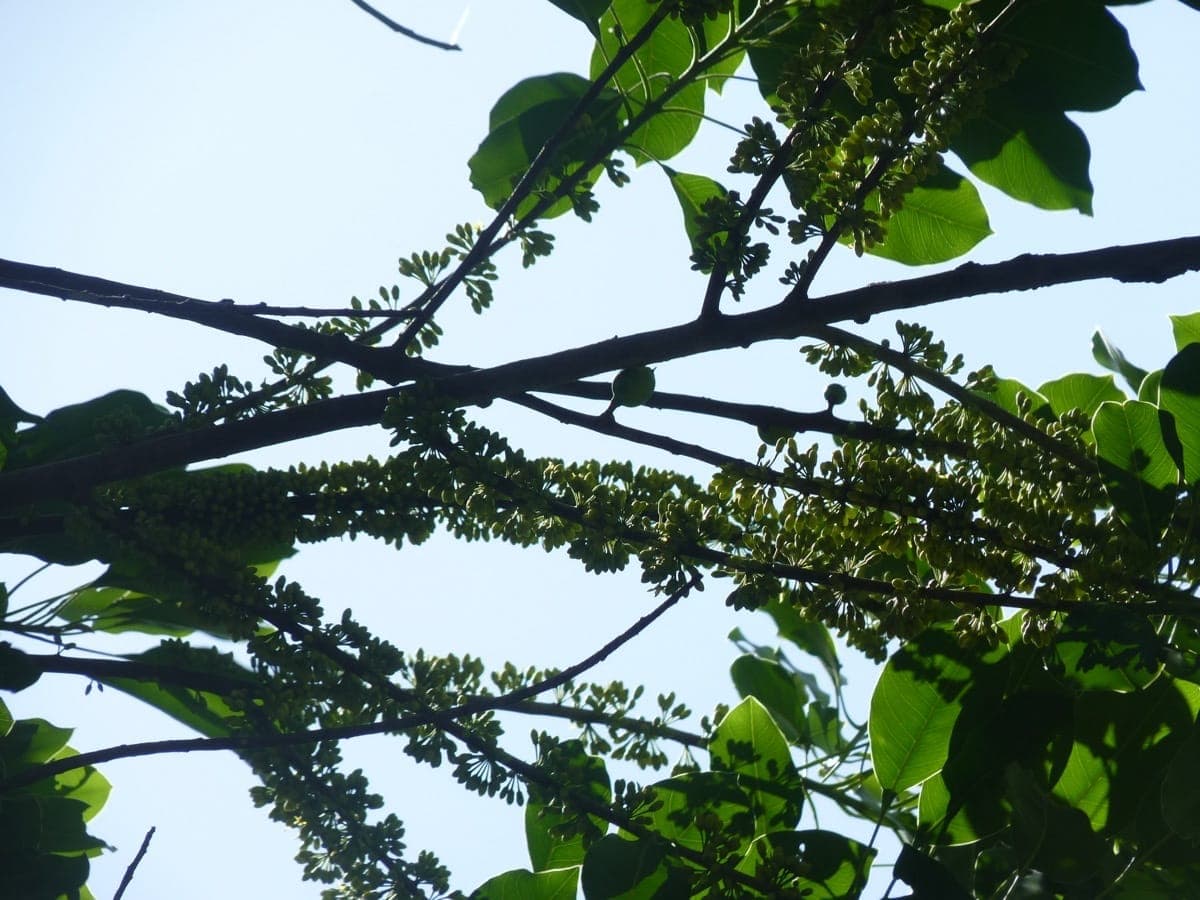
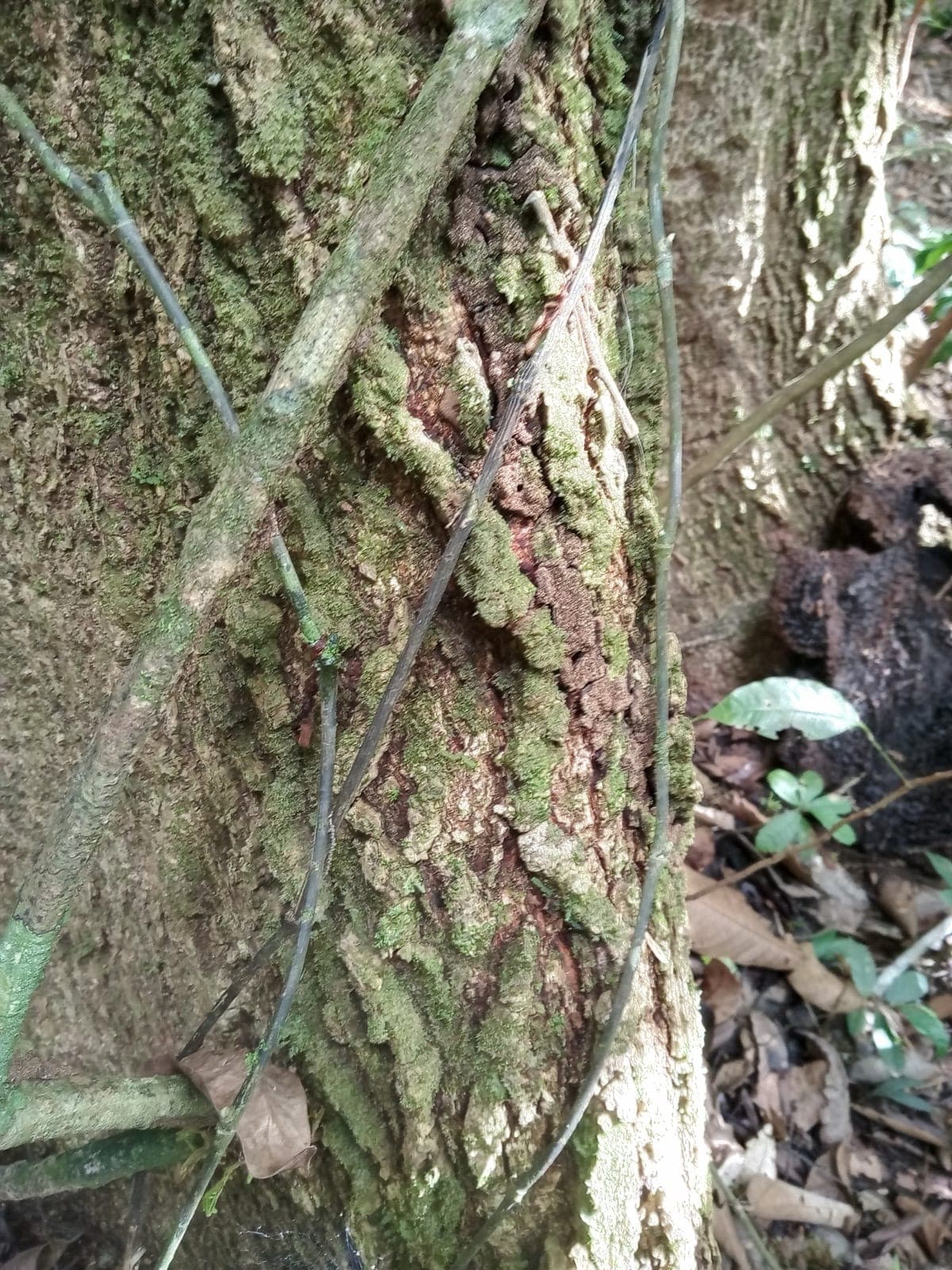
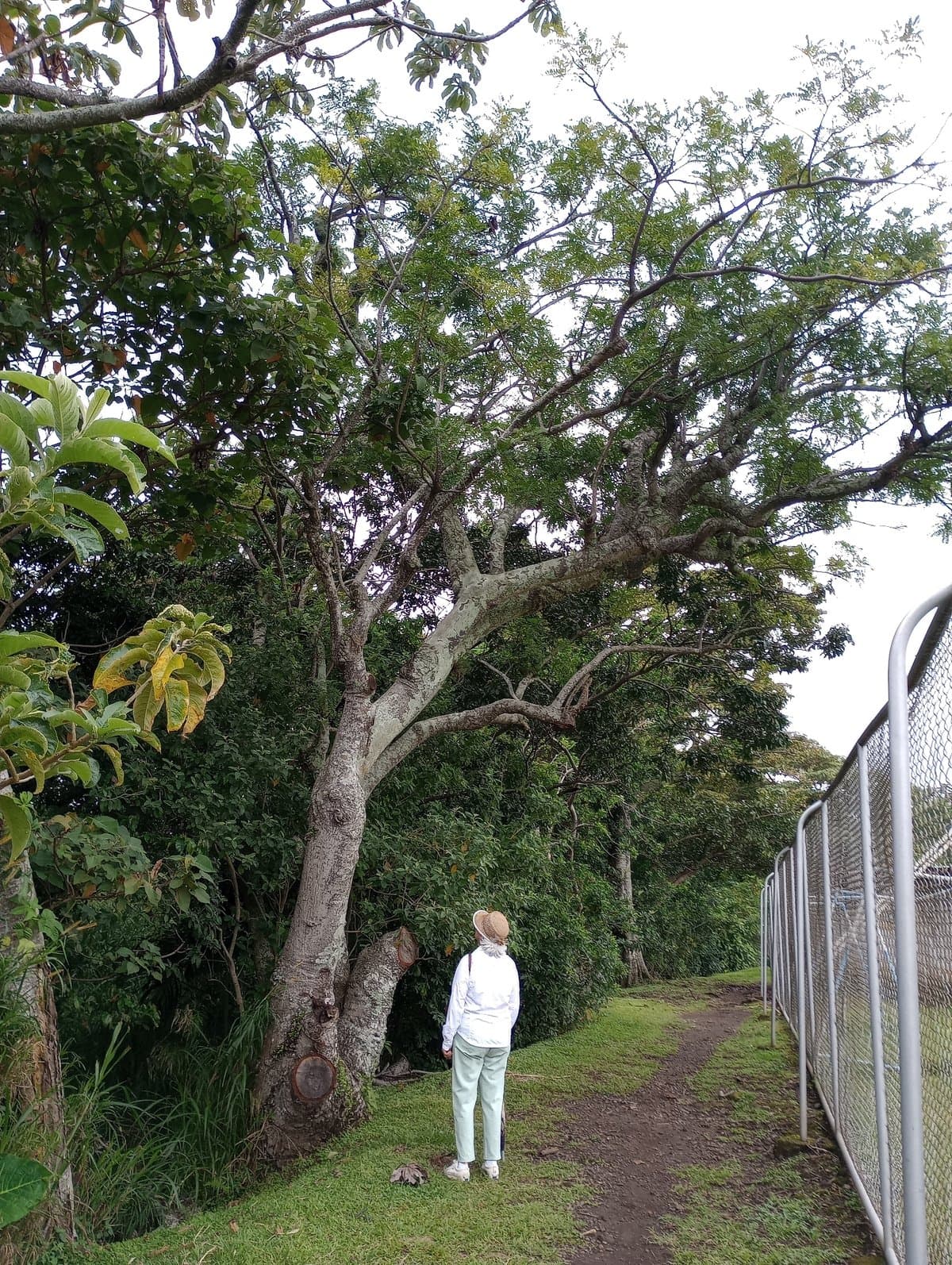
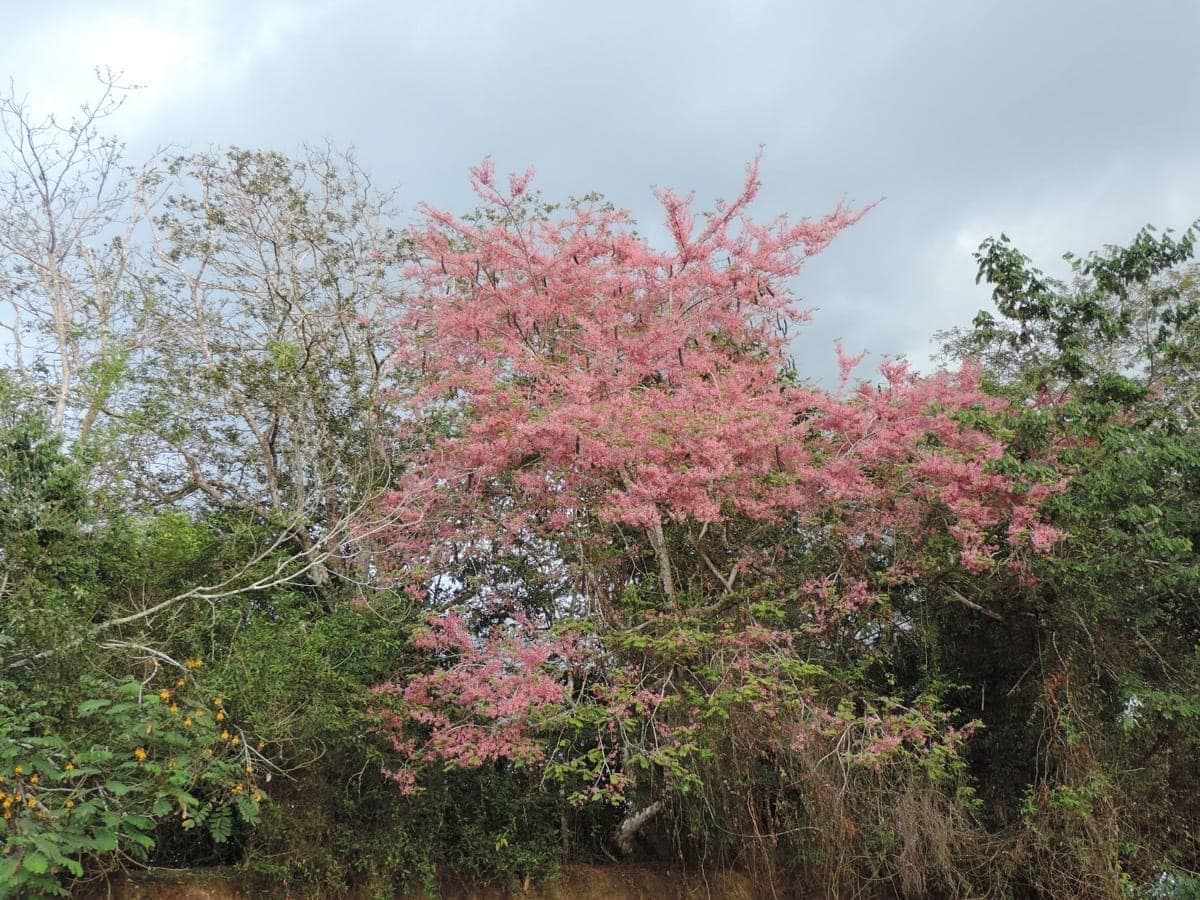
📸 Photo Gallery
Whole tree
📷 (c) Pablo Fraire, some rights reserved (CC BY-NC)(CC BY-NC)
View source ↗Leaves
📷 (c) Pablo Fraire, some rights reserved (CC BY-NC)(CC BY-NC)
View source ↗Whole tree
📷 (c) ellenakaekc, some rights reserved (CC BY-NC)(CC BY-NC)
View source ↗Leaves
📷 (c) Pablo Fraire, some rights reserved (CC BY-NC)(CC BY-NC)
View source ↗Whole tree
📷 (c) veroalpizar, some rights reserved (CC BY-NC)(CC BY-NC)
View source ↗Photos sourced from iNaturalist community science database. View all observations →↗
Taxonomy and Classification
- Byrsonima: From Greek "byrsa" (leather), referring to bark uses - crassifolia: Latin for "thick-leaved" - Nance: From Nahuatl "nantzi" or "nantzin" - Also called Nanche, Changunga in different regions
Common Names
Physical Description
Overall Form
The Nance is typically a small tree or large shrub, though it can reach tree size under favorable conditions. It has a spreading, often irregular crown and frequently grows in open areas where it receives full sun. The tree is remarkably tough, surviving fire, drought, and poor soils—perfectly adapted to the challenging environments of tropical dry forests.
Distinctive Features
Leaves
- Type: Simple, opposite
- Shape: Elliptic to obovate
- Size: 5-15 cm long
- Texture: Thick, leathery (hence "crassifolia")
- Surface: Often hairy beneath
- Feature: Rusty-brown pubescence
Bark
- Color: Gray to brown
- Texture: Rough, fissured
- Pattern: Corky with age
- Use: Historically for tanning
The Famous Fruit
- Shape: Round (drupe)
- Size: 1-2 cm diameter
- Color: Yellow to orange when ripe
- Skin: Thin, edible
- Flesh: Thin, oily, aromatic
- Seed: Single, hard stone
- Flavor: Unique—earthy, cheese-like, sweet
Flowers
- Type: Showy clusters
- Color: Yellow to orange
- Size: 1-1.5 cm diameter
- Feature: Oil glands (for specialized bees)
- Timing: Wet season
Nance has one of the most polarizing flavors of any tropical fruit: Descriptions include: - "Like aged cheese" - "Sweet and musty" - "Soap-like" (to some) - "Indescribably delicious" (to fans) - "An acquired taste" Why the Strong Flavor?: - Contains unique volatile compounds - High in butyric acid (also found in cheese/butter) - Oily flesh contributes to texture If you've never tried Nance, go in with an open mind—you might discover a new favorite, or confirm it's not for you!
Distribution and Habitat
Native Range
Geographic Distribution
Distribution in Costa Rica
Habitat Preferences
Ecological Role
Dry Forest Resilience
Survivor of Harsh Conditions
Nance is superbly adapted to challenging dry forest environments: Fire Resistance: - Thick, corky bark - Resprouts vigorously after fire - Benefits from reduced competition - Part of fire-adapted ecosystem Drought Tolerance: - Deep root system - Thick, waxy leaves reduce water loss - Deciduous during severe drought - Survives extended dry seasons Poor Soil Tolerance: - Thrives on sandy, acidic soils - Common on savannas - Grows where many trees can't This toughness makes Nance an important species for degraded lands.
Wildlife Value
Fruit Consumers
- Many bird species: Important food
- Monkeys: Spider, howler, white-faced
- Bats: Fruit bats disperse seeds
- Coatis and raccoons: Ground feeders
- Wild pigs: Fallen fruit
- Agoutis: Seed predators/dispersers
Pollination
- Oil-collecting bees: Specialized pollinators
- Centris bees: Primary pollinators
- Other native bees: Various species
- Unique relationship: Flowers offer oil, not nectar
Nance flowers produce oil instead of nectar—a rare trait: - Specialized oil glands on flowers - Centris and other oil bees collect it - Bees use oil to provision larvae - Very specific plant-pollinator relationship This makes Nance important for supporting specialized bee populations.
Uses and Products
The Beloved Fruit
A Taste of Tradition
Nance fruit is central to Guanacastecan and Central American food culture: Fresh Consumption: - Eaten directly from tree - Sold at markets and roadsides - Seasonal treat (wet season) Traditional Products: - Refresco de Nance: Refreshing beverage - Nance Curtido: Preserved in sugar syrup
- Nance en Miel: In honey or dulce - Chicha de Nance: Fermented drink
- Ice cream and sorbets - Jams and preserves Commercial Products:
- Canned/jarred nance - Frozen fruit - Flavoring for beverages - Artisanal liqueurs
Nance Curtido
Nance Curtido is perhaps the most beloved nance product: Recipe Basics: 1. Select ripe, yellow nances 2. Wash thoroughly 3. Prepare sugar syrup (or use dulce de tapa) 4. Add nances to warm syrup 5. Let sit for days to weeks 6. The longer, the better! Serving: - As-is, as a sweet snack - With ice for a refreshing treat - Added to beverages - Topping for desserts In Guanacaste, offering guests nance curtido is a sign of hospitality!
Sources: Morton, Fruits of Warm Climates - Nance↗, USDA Tropical Tree Seed Manual - Byrsonima crassifolia↗, GBIF species profile↗
Other Uses
Cultivation
Growing Nance
Cultural Significance
In Costa Rica
Nance is deeply embedded in Guanacastecan identity: Cultural Associations:
- Symbol of Guanacaste province - Nostalgia for countryside life - Traditional fiestas and celebrations - Part of regional cuisine identity Seasonal Rhythm: - Nance season marks the wet season's arrival - Vendors appear on roadsides - Families prepare nance curtido - Shared with neighbors and visitors Social Traditions: - Gathering nance is a family activity - Recipes passed through generations - Part of hospitality traditions For Guanacastecos, nance is not just a fruit—it's heritage.
Across Central America
- Nicaragua: Very popular, similar traditions
- Honduras: "Nance" integral to culture
- Guatemala/Mexico: "Nanche" beloved
- Panama: Part of traditional foods
Nutritional Value
Identification Guide
How to Identify Nance
Where to See Nance in Costa Rica
To experience Nance at its best: Fruit Season: May-September (wet season)
- Peak: June-August - Roadside vendors everywhere in Guanacaste - Markets overflow with fresh nance - Best time to try fresh and curtido What to Try: 1. Fresh nance (be prepared for the flavor!) 2. Refresco de nance (refreshing drink) 3. Nance curtido (preserved in syrup) 4. Nance ice cream (helado de nance) Even if you're unsure about the flavor, trying nance is an essential Costa Rican cultural experience!
External Resources
Community observations and photos
Tropical agricultural resources
Detailed botanical information
Global biodiversity occurrence data and distribution maps
Conservation status and species assessment
References
📚 Scientific References & Further Reading
Morton, J.F. (1987). Nance in Fruits of Warm Climates. Julia F. Morton, Miami
Janzen, D.H. (1983). Costa Rican Natural History. University of Chicago Press
Francis, J.K. (1990). Byrsonima crassifolia. USDA Forest Service, Tropical Tree Seed Manual
There's something profoundly human about foods that divide opinion— flavors so distinctive that they become cultural markers, signifying belonging to those who love them and adventure to those who dare to try. The Nance is such a fruit. Its cheese-like, earthy-sweet flavor is not for everyone, and that's precisely what makes it special. For the people of Guanacaste and across Central America, that unique taste evokes childhood summers, grandmother's kitchen, fiestas patronales, and the warm hospitality of offering guests a jar of homemade nance curtido. This tough little tree, surviving fire and drought in the harsh dry forests, produces a fruit that has sustained and delighted generations. Whether you end up loving it or politely passing, experiencing Nance is experiencing the real, unfiltered flavor of tropical tradition.
Safety Information Disclaimer
Safety information is provided for educational purposes only. Individual reactions may vary significantly based on age, health status, amount of exposure, and individual sensitivity. Always supervise children around plants. Consult a medical professional or certified arborist for specific concerns. The Costa Rica Tree Atlas is not liable for injuries or damages resulting from interaction with trees described in this guide.
• Always supervise children around plants
• Consult medical professional if unsure
• Seek immediate medical attention if poisoning occurs
Information compiled from authoritative toxicology sources, scientific literature, and medical case reports.
Help improve this page
Know something about this tree? Share local knowledge, suggest a correction, or submit a photo to improve this guide for everyone.