Jaboncillo
Sapindus saponaria
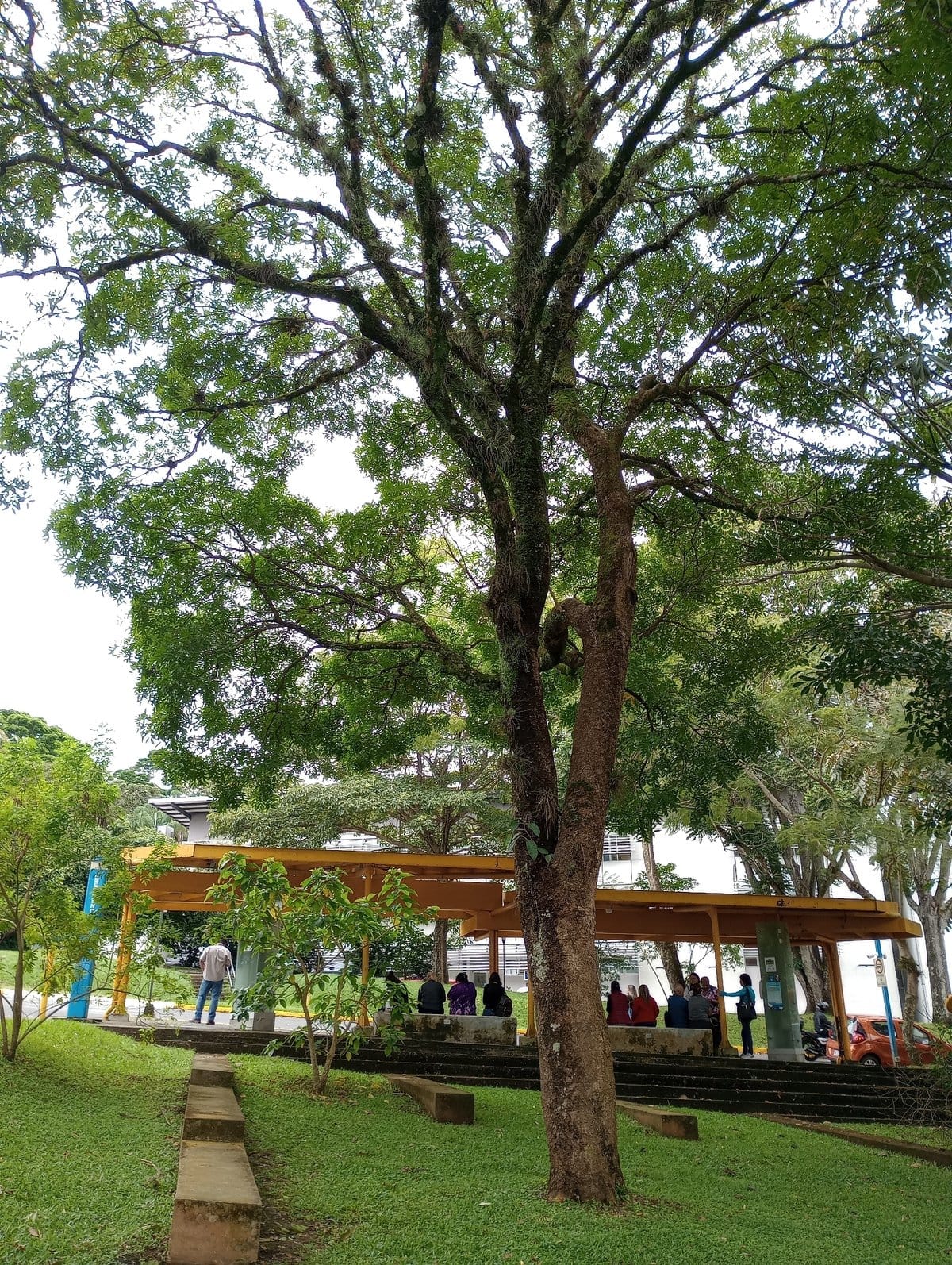
Quick facts
Native Region
Southern USA to Argentina
Max Height
8-15 meters
Family
Sapindaceae
Conservation
LC — Least Concern
Uses
Safety Information
CAUTION
Fruits are for EXTERNAL USE ONLY - washing clothes, hair, body. Do NOT eat the fruits or seeds despite their attractive appearance. The same compounds that make excellent natural soap are toxic internally. Keep fruits away from children who might mistake them for food. Traditionally used as fish poison (now illegal in most areas) which demonstrates internal toxicity. Safe when used properly as natural soap substitute.
Toxicity Details
Fruits contain high concentrations of saponins (natural soap compounds) that are toxic if ingested. Saponins cause gastrointestinal irritation - symptoms include nausea, vomiting, diarrhea, and abdominal pain. Traditional use as fish poison demonstrates toxicity level - saponins disrupt fish gill function. Children may be attracted to the golden fruits. NOT for internal consumption. Seeds also contain toxic compounds. However, external use for washing is safe and traditional.
Skin Contact Risks
Generally safe for skin contact. Saponins are used externally for washing without harm. However, avoid eye contact as saponins cause irritation. Some individuals may experience mild skin irritation with prolonged contact. Rinse thoroughly after use.
Wildlife & Pet Risks
Toxic to fish (historical fishing method). May cause gastrointestinal upset in dogs and cats if consumed. However, some birds eat the fruits safely. Keep pets from eating fallen fruits.
First Aid & Emergency Response
• If ingested, seek immediate medical attention. Do not induce vomiting unless directed by medical professional.
• If sap contacts skin, wash immediately with soap and water. Seek medical attention if blistering or severe irritation occurs.
• If sap enters eyes, flush immediately with clean water for 15 minutes and seek emergency medical care.
Costa Rica Emergency: 911
Costa Rica Poison Control: 2223-1028
Season
Flowering
Apr-Jun
Fruiting
Aug-Oct
How to identify
Jaboncillo (Soapberry Tree)
The Jaboncillo (Sapindus saponaria), known as the Soapberry or Western Soapberry, is a living testament to nature's ingenuity. Its golden fruits contain saponins—natural soap compounds that foam when agitated in water. Long before synthetic detergents, indigenous peoples across the Americas washed their clothes, hair, and bodies with these remarkable fruits. The tree itself is graceful, with feathery pinnate leaves and spreading branches that provide welcome shade in dry season. In Costa Rica's Guanacaste region, the Jaboncillo has served rural communities for generations, and today finds new appreciation among those seeking natural, biodegradable alternatives to chemical soaps. The hard black seeds, once stripped of their soapy coating, become beads for jewelry—another gift from this generous tree.
Quick Reference
iNaturalist Observations
Community-powered species data
📸 Photo Gallery
Whole tree
📷 (c) Maynor Carranza, some rights reserved (CC BY-NC)(CC BY-NC)
View source ↗Leaves
📷 (c) Miguel David Artavia Solís, some rights reserved (CC BY-NC)(CC BY-NC)
View source ↗Whole tree
📷 (c) Miguel David Artavia Solís, some rights reserved (CC BY-NC)(CC BY-NC)
View source ↗Leaves
📷 (c) Miguel David Artavia Solís, some rights reserved (CC BY-NC)(CC BY-NC)
View source ↗Whole tree
📷 (c) Maynor Carranza, some rights reserved (CC BY-NC)(CC BY-NC)
View source ↗Photos sourced from the iNaturalist citizen science database. View all observations →↗
Taxonomy and Classification
- Sapindus: Latin "sapo" (soap) + "indicus" (of India) = "Indian soap" - saponaria: Latin for "soap-making" - reinforcing the soap connection! - "Jaboncillo": Spanish diminutive of "jabón" (soap) = "little soap" - Sapindaceae: The soapberry family (includes lychee, rambutan!)
Common Names
Related Species
Sapindaceae is surprisingly diverse: Edible Fruits: - Lychee - Rambutan - Longan - Mamoncillo/Spanish Lime - Guaraná (energizing!) Soapy Fruits: - Jaboncillo (S. saponaria) - Chinese Soapberry (S. mukorossi) - North American Soapberries Other Notable: - Maples (Acer) - same family! - Horse chestnuts (Aesculus) The saponin-producing trait evolved in several members independently.
Physical Description
General Form
The Jaboncillo is a medium-sized tree with an attractive spreading crown. Its feathery pinnate leaves give it an elegant, tropical appearance, and the golden fruits are decorative as well as functional.
Identification Features
Bark and Trunk
- Bark color: Grayish to brownish
- Texture: Somewhat rough, fissured
- Trunk: Usually single, may fork
- Form: Spreading crown
- Overall: Medium-sized, graceful
Leaves
- Type: Pinnately compound
- Leaflets: 6-16, alternate
- Size: Leaflets 5-10 cm long
- Rachis: Often winged (key ID!)
- Texture: Papery to leathery
- Deciduous: Semi-deciduous in dry season
Flowers
- Size: Small, about 5 mm
- Color: White to greenish
- Arrangement: Terminal panicles
- Timing: End of dry season
- Fragrance: Slightly fragrant
- Nectar: Attracts bees
Fruit (The Soap!)
- Shape: Spherical
- Size: 1.5-2 cm diameter
- Color: Golden brown when ripe
- Texture: Translucent, sticky
- Seed: Single, hard, black
- Persistence: Long time on tree
Key features to spot this tree: Leaf Rachis: - The central axis (rachis) is often WINGED - Look for narrow leafy extensions - Runs between leaflet pairs - Distinctive when present Fruits: - Round, translucent golden balls
- Almost like amber marbles - Hang in clusters - Sticky/soapy when squeezed Seeds: - Hard, round, jet black - Often found beneath tree - Perfect spheres - Natural beads
Distribution and Habitat
Global Distribution
Geographic Distribution
Distribution in Costa Rica
Habitat Preferences
The Natural Soap
How Soapberries Work
The Jaboncillo's fruits are nature's soap factory: What Makes Them Soapy:
- Saponins: Natural surfactant compounds - Surfactants = lower water surface tension - Creates foam when agitated - Emulsifies oils and dirt - Same basic action as soap! Saponin Content: - About 10-15% saponin in fruit - Concentrated in fleshy part - Not in the seed - Most effective when fresh How to Use: 1. Remove black seed from fruit 2. Place fruits in water 3. Agitate (rub, squeeze, shake) 4. Foam develops! 5. Use foam for washing Effectiveness: - Genuinely cleans clothes - Works for hair (shampoo) - General body washing - Gentler than many detergents This is NOT a folk myth—it's real chemistry!
Traditional Uses
Modern Eco-Soap Movement
Jaboncillo and related soapberries are now exported globally: Commercial Products: - "Soap nuts" sold internationally - Natural laundry detergent - Eco-friendly cleaning products - Shampoo bars and liquids Why They're Popular: - 100% natural - Biodegradable - Hypoallergenic - Chemical-free - Sustainable source How to Use Commercially: - Place 4-5 fruits in cloth bag - Add to washing machine - Reuse 3-5 wash cycles - Compost when done Environmental Benefits: - No synthetic chemicals in waterways - Carbon-neutral production - Supports rural economies - Renewable resource The ancient wisdom of indigenous Americas now helps solve modern environmental problems!
The Seeds: Natural Beads
Black Pearl Seeds
The hard black seeds inside are treasures themselves: Physical Properties:
- Perfect spheres - Jet black color - Extremely hard - Natural polish - About 1 cm diameter Traditional Uses: - Necklaces and bracelets - Rosary beads - Buttons (historical) - Rattles/musical instruments - Children's games Crafting: - Easy to drill with hand tools - Take polish well - Very durable - Natural beauty needs no treatment Cultural Significance: - Used throughout the Americas - Pre-Columbian jewelry - Still popular in artisan crafts - Eco-tourism souvenirs These natural beads are beautiful, durable, and completely sustainable!
Ecological Importance
Wildlife Value
Birds
- Parrots: Eat seeds
- Various species: Fruit consumers
- Insectivorous birds: Forage in canopy
Mammals
- Bats: Some fruit consumption
- Rodents: Eat fallen seeds
- Monkeys: May consume fruits
Ecosystem Role
The Jaboncillo plays several ecological roles: Habitat: - Shade for understory species - Nesting sites in canopy - Insect habitat (bark, leaves) Food Web: - Fruits feed wildlife - Flowers provide nectar - Seeds are protein-rich Soil: - Leaf litter enriches soil - Roots stabilize slopes - Nitrogen cycling (though not N-fixer) Forest Structure: - Mid-canopy component - Contributes to layered structure - Gap colonizer after disturbance
Uses
Traditional Medicine
Saponins that make soapberries useful also make them toxic if consumed: Do NOT Eat the Fruits: - Saponins are toxic internally - Can cause vomiting, diarrhea - Fish-stunning use shows toxicity - Keep away from children Safe External Use: - External washing is safe - Rinse thoroughly - Avoid eye contact - Normal soap precautions Traditional Fish Stunning: - Saponins stun/kill fish - Historical fishing method - Now usually illegal - Demonstrates toxicity level
Other Uses
Cultivation
Growing Jaboncillo
Identification Guide
How to Identify Jaboncillo
Where to See Jaboncillo in Costa Rica
To find and use this remarkable tree: Finding Trees: - Common in Guanacaste - Look for golden fruit clusters - Often in pastures, roadsides - Town plazas sometimes Fruit Collection: - Harvest fallen fruits - Or shake branches gently - Collect when golden-brown - Store dry for later use Try the Soap!: - Collect a few fruits - Remove seeds - Test in water - Experience nature's soap Seed Collection: - Save the black seeds - Clean and dry - Perfect for crafts - Natural souvenirs
External Resources
Community observations and photos
Detailed uses and cultivation
Global biodiversity occurrence data and distribution maps
Conservation status and species assessment
References
📚 Scientific References & Further Reading
Acevedo-Rodríguez, P. & van Welzen, P.C. (2011). Taxonomic treatment of Sapindaceae. Flora Neotropica
Janzen, D.H. (1983). Costa Rican Natural History. University of Chicago Press
In an age of chemical detergents and microplastic pollution, the Jaboncillo offers an ancient solution that requires no factory, no packaging, no petroleum. For thousands of years before anyone coined the term "sustainable," indigenous peoples across the Americas simply picked these golden fruits and washed with them. The saponins that make the fruit foam are the same compounds that scientists now study for their pharmaceutical potential. The hard black seeds that once adorned pre-Columbian jewelry now find their way into eco-conscious craft markets. And the tree itself asks little—some dry-season sun, rocky soil if that's all you have, the occasional drought that would kill lesser plants. The Jaboncillo stands in Guanacaste's pastures, unremarkable until you pick a fruit and rub it between your hands. Then the foam rises, ancient chemistry activated by simple friction, and you understand why this tree has earned its name: Jaboncillo, the little soap tree, nature's gift to anyone who ever needed to get clean. In rural Costa Rica, grandmothers still remember washing clothes this way. In cities around the world, young people now seek out these same "soap nuts" as an alternative to chemical detergents. Past and future meet in a golden fruit and its perfect black seed.
Safety Information Disclaimer
Safety information is provided for educational purposes only. Individual reactions may vary significantly based on age, health status, amount of exposure, and individual sensitivity. Always supervise children around plants. Consult a medical professional or certified arborist for specific concerns. The Costa Rica Tree Atlas is not liable for injuries or damages resulting from interaction with trees described in this guide.
• Always supervise children around plants
• Consult medical professional if unsure
• Seek immediate medical attention if poisoning occurs
Information compiled from authoritative toxicology sources, scientific literature, and medical case reports.
Help improve this page
Know something about this tree? Share local knowledge, suggest a correction, or submit a photo to improve this guide for everyone.