Alcornoque
Licania arborea
Quick facts
Native Region
Central and South America
Max Height
25-35 meters
Family
Chrysobalanaceae
Conservation
LC — Least Concern
Uses
Safety Information
Toxicity Details
Alcornoque is non-toxic. The fruits, while not typically consumed by humans (mealy texture, not particularly palatable), are non-toxic and safely eaten by wildlife including tapirs, peccaries, agoutis, and birds. No toxicity documented.
Skin Contact Risks
No skin irritation. Safe to handle bark, leaves, and fruits.
Wildlife & Pet Risks
Completely safe and highly beneficial for all wildlife. The fruits are a critical food source for large mammals (tapirs, peccaries) and many bird species. Safe for domestic animals though they typically don't eat the fruits.
Season
Flowering
Jan-Mar, Dec
Fruiting
Apr-Jul
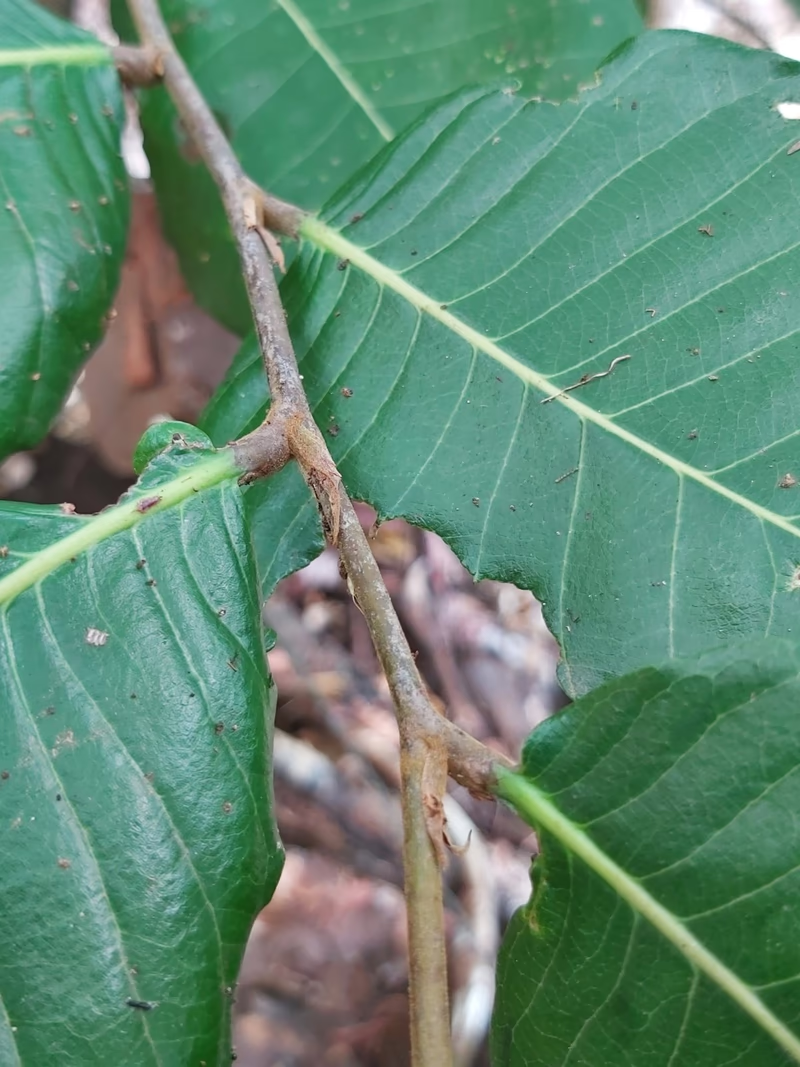
How to identify
Alcornoque
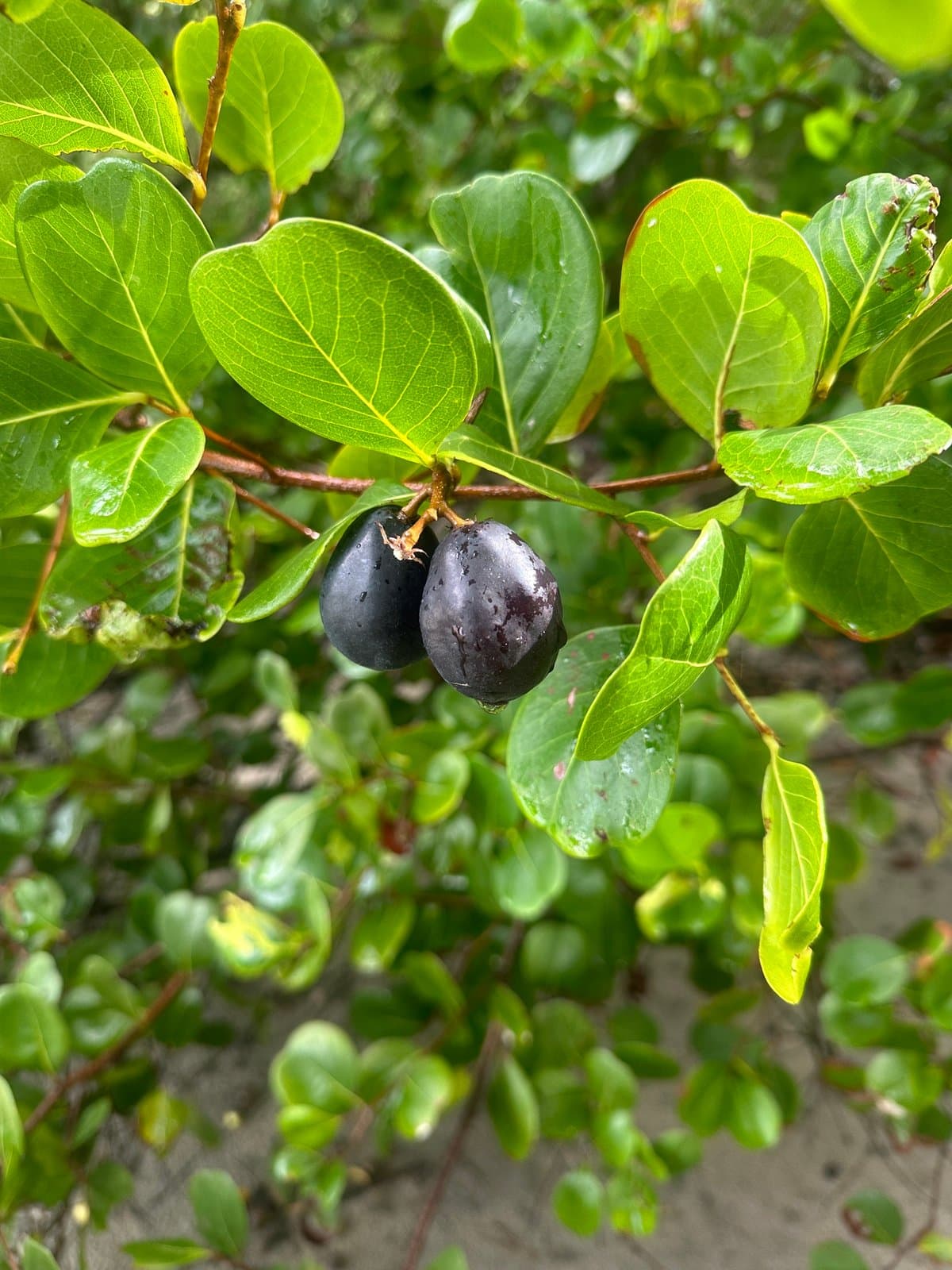
The Alcornoque (Licania arborea) is one of Costa Rica's most important wildlife food trees. Its abundant fruits attract tapirs, peccaries, agoutis, and large birds, making it a keystone species in forest ecosystems. The extremely hard, durable wood has been used for centuries in heavy construction.
Quick Reference
iNaturalist Observations
Community-powered species data
📸 Photo Gallery
Whole tree
📷 (c) Leonardo Álvarez-Alcázar, some rights reserved (CC BY-NC)(CC BY-NC)
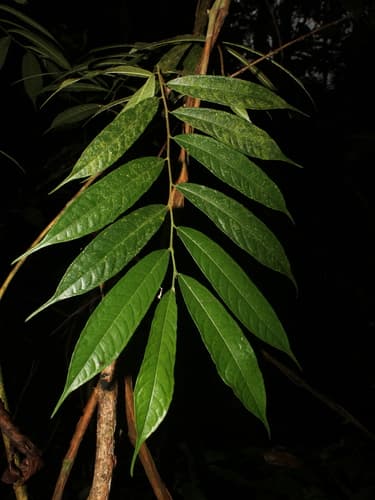
View source ↗Leaves
📷 (c) Leonardo Álvarez-Alcázar, some rights reserved (CC BY-NC)(CC BY-NC)
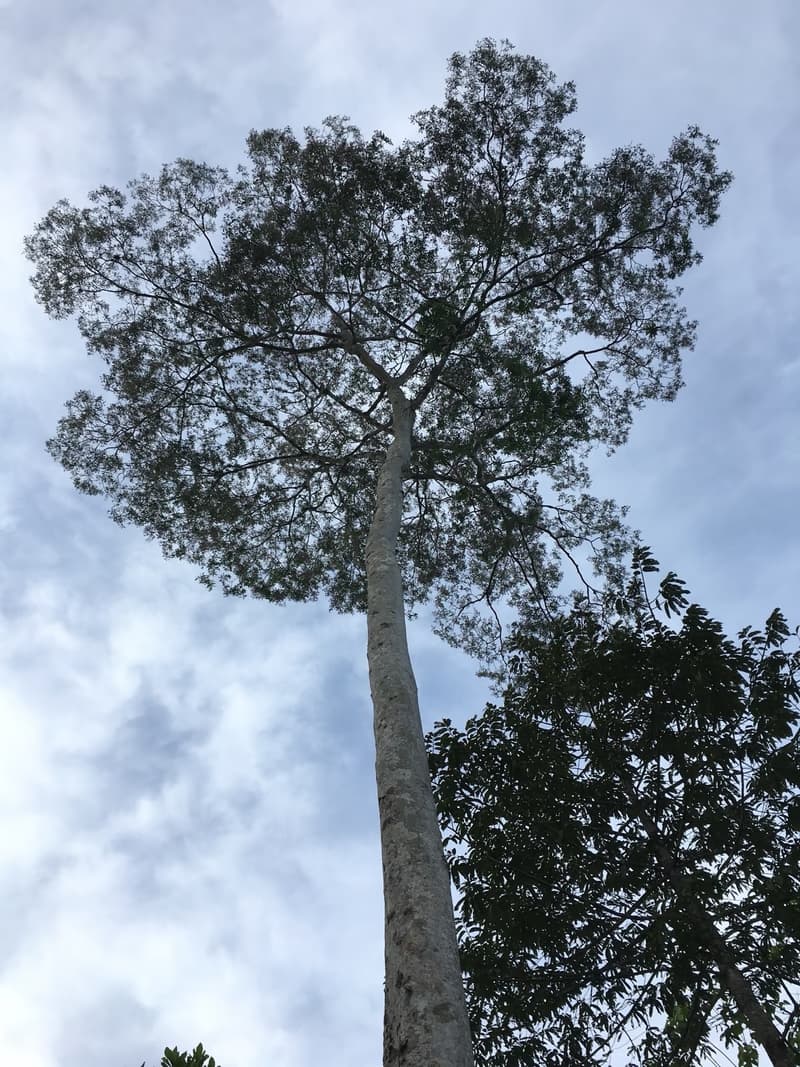
View source ↗Whole tree
📷 (c) Pedro Blanco, some rights reserved (CC BY-NC)(CC BY-NC)
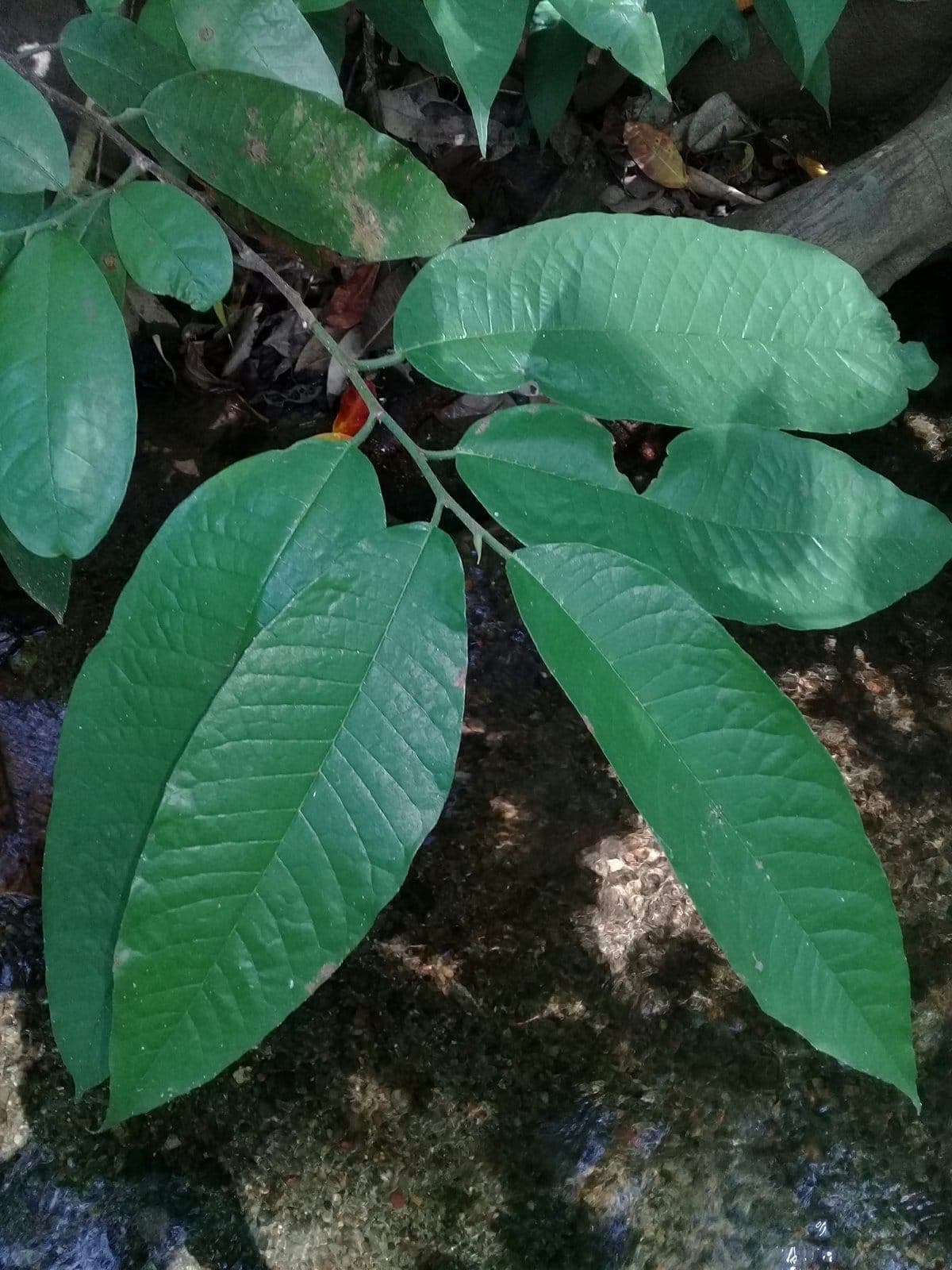
View source ↗Leaves
📷 (c) Leonardo Álvarez-Alcázar, some rights reserved (CC BY-NC)(CC BY-NC)
View source ↗Whole tree
📷 (c) Pablo Alejandro Montero Herrera, some rights reserved (CC BY-NC)(CC BY-NC)
View source ↗Photos sourced from iNaturalist citizen science database. View all observations →↗
Taxonomy and Classification
Geographic Distribution
Geographic Distribution
Where to Find Alcornoque in Costa Rica
Primary Distribution:
Elevation: Sea level to ~1,200 m
Habitat and Ecology
Forest Role
Ecological position of the Alcornoque:
Wildlife Value
Critical wildlife interactions:
Alcornoque is considered a keystone species because so many animals depend on its fruits. The loss of Alcornoque trees can cascade through the ecosystem, affecting wildlife populations that depend on this food source during the fruiting season.
Botanical Description
Wood Properties
Appearance
Physical Properties
Alcornoque wood is among the hardest in Costa Rica—it will quickly dull saws and tools. This same hardness makes it incredibly durable for applications where strength matters. Pre-drilling is essential for any fasteners.
Uses
Conservation Status
Conservation Status: Stable
Population healthy but declining in some areas:
Growing Alcornoque
Similar Species
Where to See Alcornoque
Best Locations in Costa Rica
Protected Areas:
Identification Tips:
External Resources
Community observations, photos, and distribution data
Global observations
Global biodiversity occurrence data and distribution maps
Conservation status and species assessment
References
📚 Scientific References & Further Reading
Prance, G.T. (1972). Chrysobalanaceae. Flora Neotropica. New York Botanical Garden
Holdridge, L.R. & Poveda, L.J. (1975). Árboles de Costa Rica. Centro Científico Tropical
Licania arborea reminds us that a tree's value extends far beyond its timber. As a keystone species, the Alcornoque feeds tapirs, peccaries, agoutis, and countless other creatures. When you see an Alcornoque, you're seeing a community pantry that has sustained forest wildlife for millennia. Its incredibly hard wood is a bonus—the true treasure is the ecological network it supports.
🌳 Pura Vida!
Safety Information Disclaimer
Safety information is provided for educational purposes only. Individual reactions may vary significantly based on age, health status, amount of exposure, and individual sensitivity. Always supervise children around plants. Consult a medical professional or certified arborist for specific concerns. The Costa Rica Tree Atlas is not liable for injuries or damages resulting from interaction with trees described in this guide.
• Always supervise children around plants
• Consult medical professional if unsure
• Seek immediate medical attention if poisoning occurs
Information compiled from authoritative toxicology sources, scientific literature, and medical case reports.
Help improve this page
Know something about this tree? Share local knowledge, suggest a correction, or submit a photo to improve this guide for everyone.