Chirraca
Lonchocarpus minimiflorus
Quick facts
Native Region
Southern Mexico to Costa Rica
Max Height
10-20 meters
Family
Fabaceae
Conservation
LC — Least Concern
Uses
Safety Information
CAUTION
Chirraca contains rotenone compounds in its bark, roots, and seeds — a natural insecticide historically used for fishing. While not acutely dangerous from incidental contact, seeds and bark should not be ingested, especially by children or pets. The wood and leaves are not significantly toxic. The tree itself poses minimal structural or contact hazards. Not recommended for planting in areas with small children who might eat seeds. Exercise caution if processing bark or roots.
Toxicity Details
Like many members of the genus Lonchocarpus, Chirraca contains rotenone and related rotenoids in its bark, roots, and seeds. Rotenone is a naturally occurring insecticide and fish poison (ichthyotoxin) that has been used by indigenous peoples throughout the Americas for centuries to stun fish for easy capture. While rotenone is moderately toxic to mammals if ingested in large quantities, the concentrations in most parts of the tree are not dangerously high for incidental contact. The leaves and wood are not significantly toxic. Seeds and bark should not be ingested. No fatal poisonings from this species have been documented, but the related L. urucu (barbasco) is used commercially as a botanical pesticide.
Skin Contact Risks
Low skin contact risk. The wood, leaves, and bark do not cause contact dermatitis in most people. Sawdust from the wood may cause mild respiratory irritation during prolonged exposure, as with most hardwoods. Sap does not typically irritate skin. No phototoxic compounds are known.
Allergenic Properties
Low allergen risk. The flowers produce moderate pollen but are primarily insect-pollinated, so airborne pollen concentrations are low. The wood dust may cause mild respiratory sensitization with prolonged occupational exposure. No significant cross-reactivity with common allergens.
Structural Hazards
Minimal structural risk. The wood is dense and hard, with good resistance to wind damage. The tree develops a strong root system adapted to seasonal drought. Branches are well-attached and not prone to failure. The tree sheds its leaves during the dry season but this does not create hazardous conditions.
Wildlife & Pet Risks
Natural rotenone content is important ecological context. While rotenone is toxic to fish and aquatic invertebrates, terrestrial wildlife is generally not affected at natural concentrations. The flowers are visited by numerous pollinators including bees and butterflies. The seeds are eaten by some parrot species that have adapted to tolerate rotenoids. As a legume, the tree fixes atmospheric nitrogen, benefiting surrounding soil organisms and plants. The deciduous canopy allows seasonal light penetration that diversifies understorey habitats.
First Aid & Emergency Response
• If ingested, seek immediate medical attention. Do not induce vomiting unless directed by medical professional.
• If sap contacts skin, wash immediately with soap and water. Seek medical attention if blistering or severe irritation occurs.
• If sap enters eyes, flush immediately with clean water for 15 minutes and seek emergency medical care.
Costa Rica Emergency: 911
Costa Rica Poison Control: 2223-1028
Season
Flowering
Feb-Apr
Fruiting
Apr-Jul
How to identify
Chirraca
Chirraca (Lonchocarpus minimiflorus) is one of the unsung heroes of Costa Rica's threatened tropical dry forests — a medium-sized deciduous legume tree that performs the invisible but essential work of enriching impoverished soils through biological nitrogen fixation. During the brief but spectacular flowering season, Chirraca transforms into cascades of small lavender-purple flowers that attract clouds of bees and butterflies, making it one of the most beautiful dry forest trees in bloom. Its dense, durable wood has been valued for centuries by rural communities for fence posts, tools, and construction. As a critical component of one of the world's most endangered ecosystems — the Mesoamerican tropical dry forest — Chirraca deserves far more attention than it receives.
Quick Reference
Key Information
📸 Photo Gallery
General Description
Lonchocarpus minimiflorus is a member of the vast legume family (Fabaceae), one of the largest and most ecologically important plant families on Earth. The genus Lonchocarpus contains approximately 150 species distributed throughout the neotropics, many of which are notable for their production of rotenone — a natural insecticide that has been used by indigenous peoples for fish stunning throughout the Americas for millennia.
Within this genus, L. minimiflorus (literally "smallest-flowered lance pod") is distinguished by its relatively small flowers, its preference for dry forest habitats, and its importance as a nitrogen-fixing pioneer in degraded dry forest landscapes. The common name "Chirraca" is used primarily in Costa Rica and appears to be of indigenous origin, though its precise etymology is uncertain. Other names include "Chaperno Negro" (black chaperno) referring to the dark heartwood.
In Costa Rica, Chirraca is primarily found in the tropical dry forests of the Pacific lowlands — particularly in Guanacaste province, one of the last strongholds of Mesoamerican tropical dry forest. This ecosystem has been reduced to approximately 2% of its original extent across Central America, making every remaining dry forest tree species of conservation concern regardless of its individual IUCN status. Chirraca plays a disproportionately important role in this ecosystem because of its nitrogen-fixing capability, which enriches depleted soils and facilitates the recovery of dry forest after disturbance.
The tree is deciduous, dramatically dropping all its leaves during the 4-6 month dry season (December-May) — one of the most severe seasonal droughts faced by any tropical forest anywhere in the world. When the rains return in May-June, Chirraca bursts back to life with a flush of new leaves and flowers. This cycle of drought dormancy and rain-season vigor is characteristic of the remarkable adaptations of dry forest trees.
The wood of L. minimiflorus is notably dense, hard, and durable — prized by rural communities for fence posts that last decades in the ground without treatment. This durability is partly due to the presence of rotenoids and other secondary compounds that make the wood resistant to insects and decay.
📸 Photo Gallery
Whole tree
📷 (c) Jorge, some rights reserved (CC BY-NC)(CC BY-NC)
View source ↗Leaves
📷 (c) George, some rights reserved (CC BY-NC)(CC BY-NC)
View source ↗Whole tree
📷 (c) George, some rights reserved (CC BY-NC)(CC BY-NC)
View source ↗Leaves
📷 (c) apapachoa, some rights reserved (CC BY-NC)(CC BY-NC)
View source ↗Whole tree
📷 (c) apapachoa, some rights reserved (CC BY-NC)(CC BY-NC)
View source ↗Photos sourced from iNaturalist's community science database. Browse all observations →↗
Taxonomy and Classification
Common Names by Region
Taxonomic Notes
Lonchocarpus minimiflorus was first described by Donn. Sm. in 1903. The genus name Lonchocarpus comes from Greek lonche (lance) and karpos (fruit), referring to the lance-shaped seed pods characteristic of the genus. The species epithet minimiflorus means "smallest-flowered," distinguishing it from larger-flowered relatives. The genus Lonchocarpus has historically been somewhat confused with Derris — both genera produce rotenone and share morphological features — but molecular studies have confirmed their separation. Some authorities have synonymized certain species within Lonchocarpus, and the taxonomy of the Central American dry forest species is still being refined.
Physical Description
Growth Form
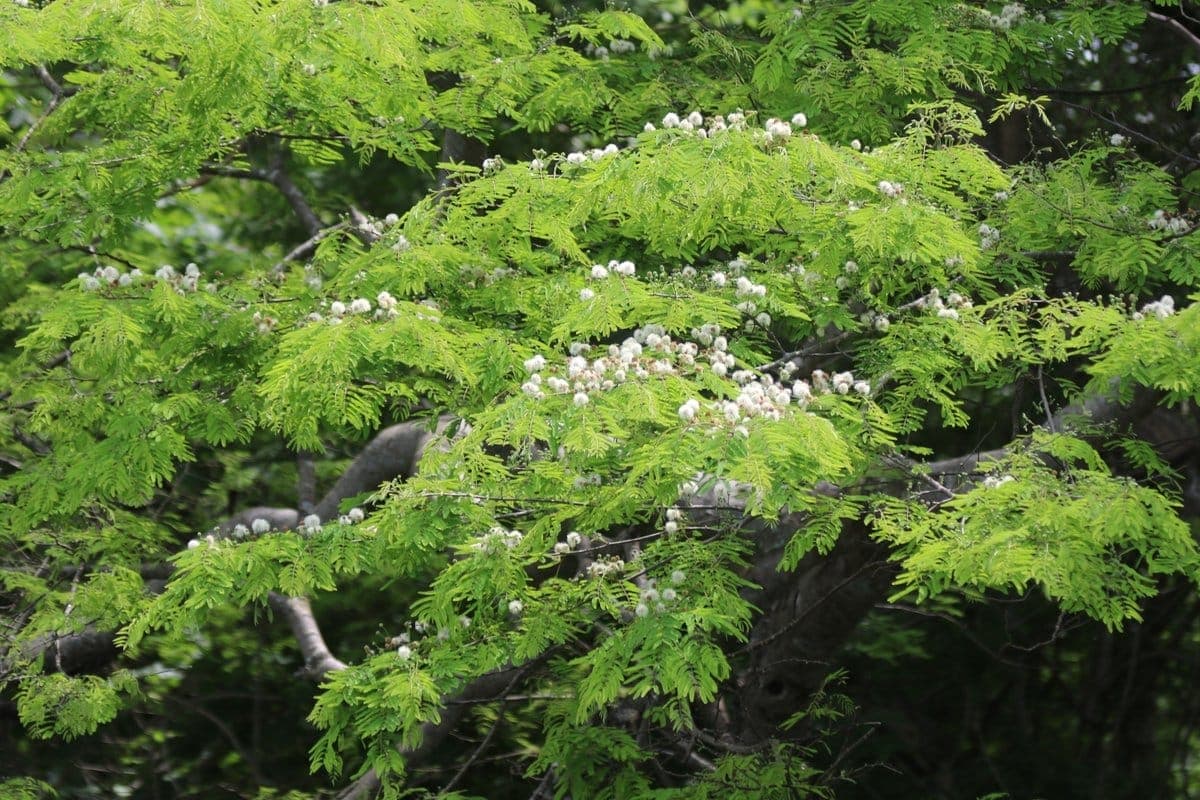
Chirraca is a medium-sized deciduous tree with a broad, spreading crown. It typically reaches 10-20 meters in height, with a single straight to slightly sinuous trunk. The crown is rounded, spreading, and relatively dense during the rainy season when fully leafed out, and displays an attractive branching architecture when bare during the dry season. The tree is symmetrical and well-proportioned when open-grown.
Trunk
The trunk is straight and cylindrical, 20-50 cm in diameter, with dark gray to blackish-brown bark that is moderately fissured and somewhat rough. The bark pattern consists of narrow, irregular longitudinal fissures with flat-topped ridges. Inner bark is pinkish to brownish. The heartwood is dark brown to nearly black (hence "Chaperno Negro"), extremely hard and dense, with a specific gravity of 0.7-0.9. Sapwood is paler yellowish-brown.
Leaves
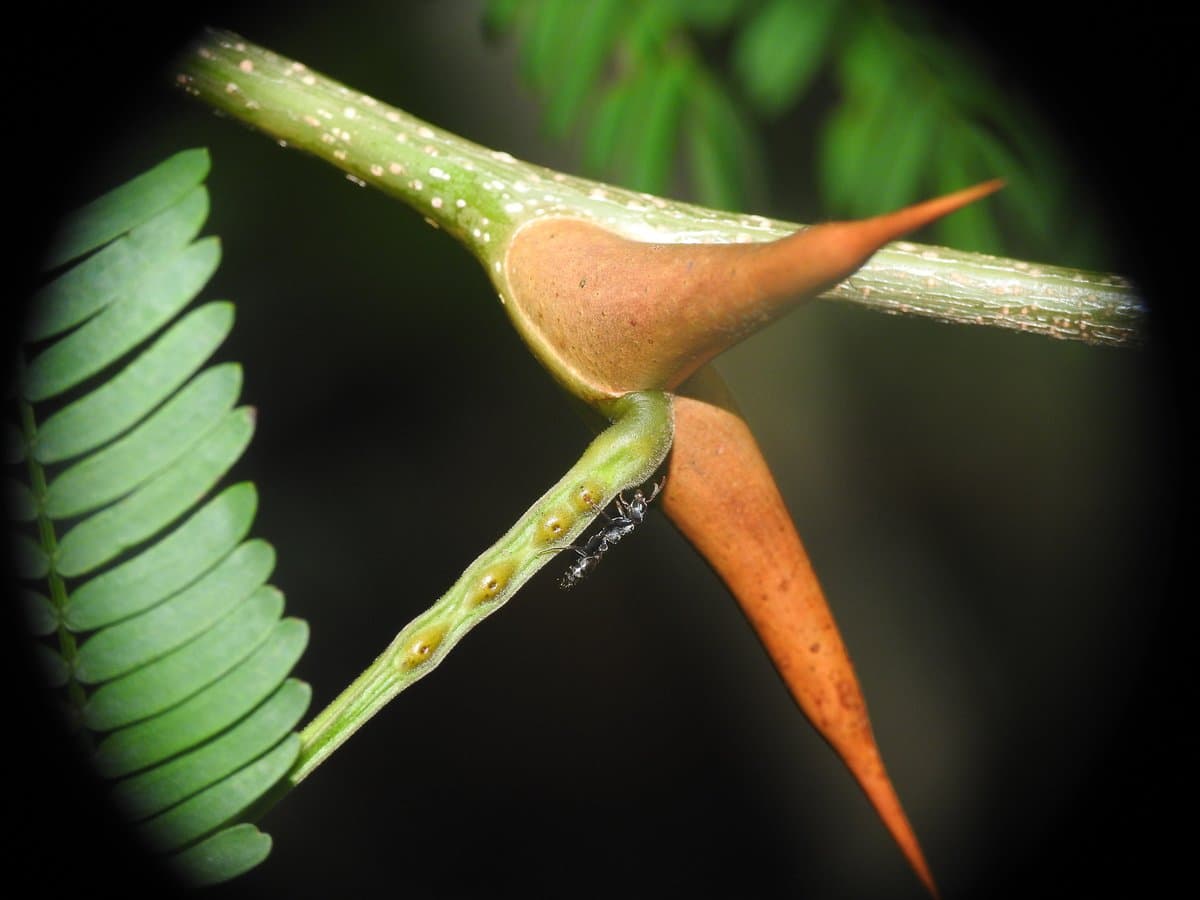
The leaves are pinnately compound (odd-pinnate), 10-25 cm long, with 7-15 leaflets. Leaflets are opposite, oblong-elliptic, 3-7 cm long and 1.5-3 cm wide, with entire margins and rounded to slightly notched tips. The upper surface is dark green and slightly glossy; the lower surface is paler with fine pubescence. New leaf flush occurs with the first rains in May-June, coinciding with or slightly preceding flowering. Leaves are shed completely during the dry season (December-February), an important water conservation adaptation.
Flowers
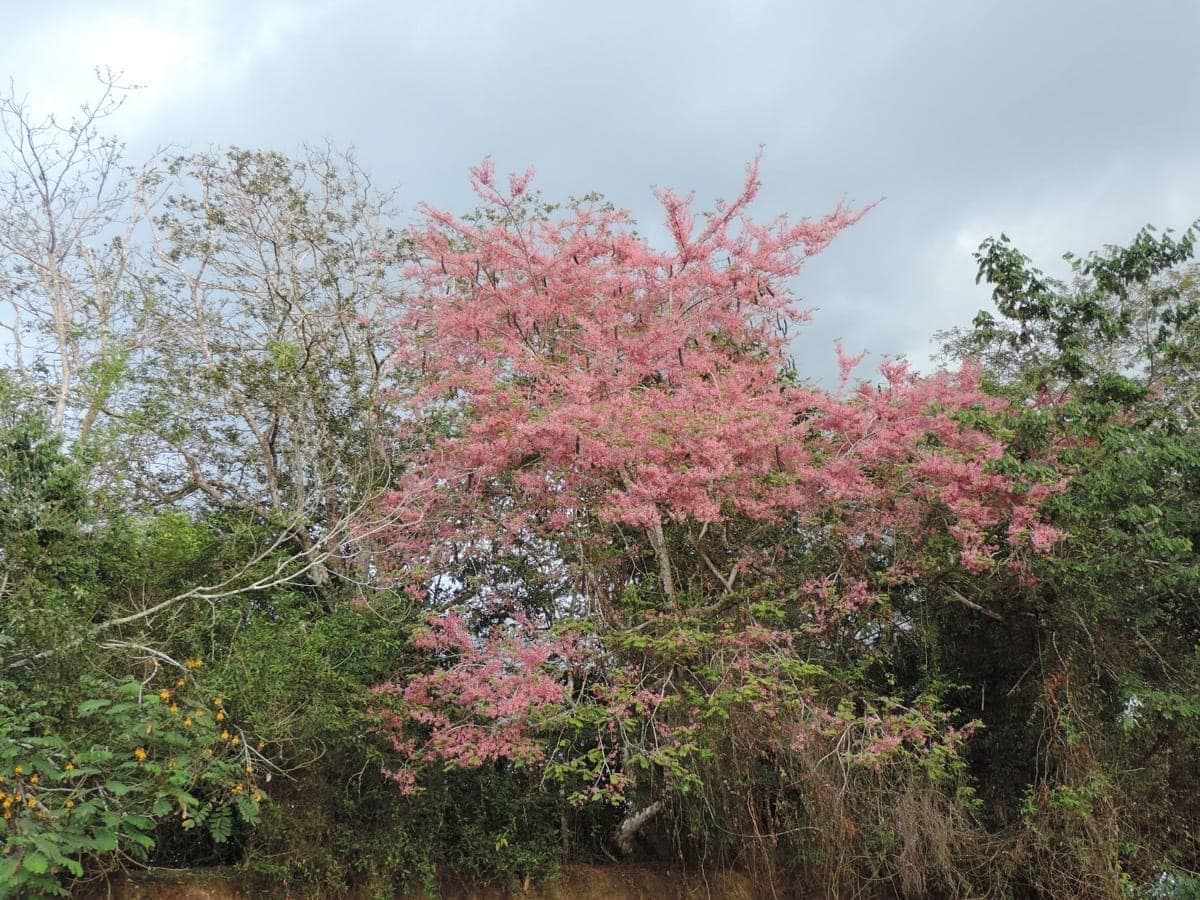
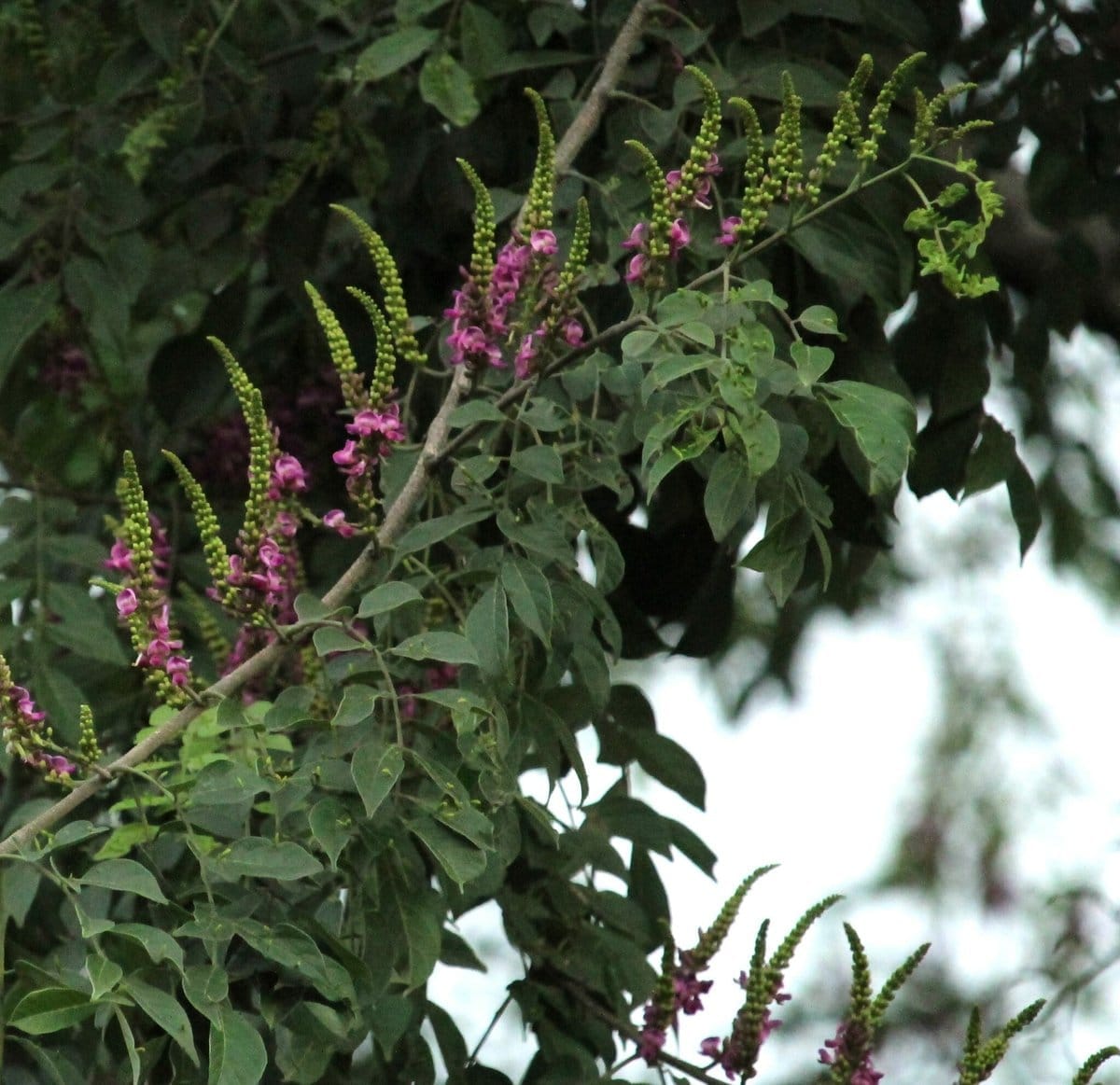
The flowers are small (5-8 mm long, hence "minimiflorus"), papilionaceous (butterfly-shaped, typical of legumes), and displayed in axillary racemes 5-15 cm long. Flower color ranges from lavender to light purple, sometimes with pink or white tones. Individual flowers have the standard, wings, and keel arrangement characteristic of Fabaceae subfamily Papilionoideae. The flowers are lightly fragrant and produced in profusion, giving the tree a spectacular purple haze when in full bloom. Peak flowering is February-April during the dry season, before or concurrent with new leaf flush — one of the Guanacaste dry forest's signature visual events.
Fruits and Seeds
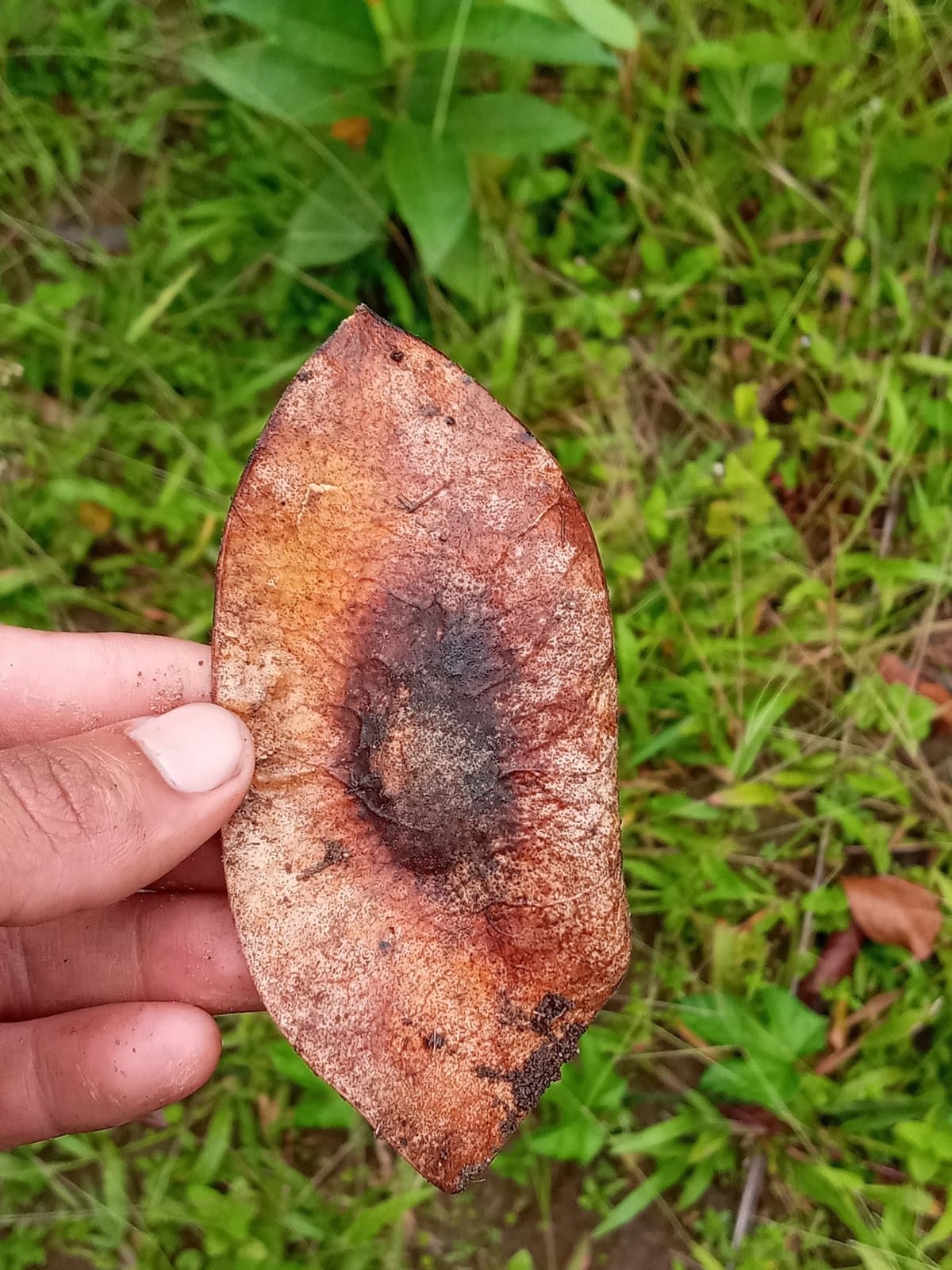
The fruits are typical legume pods (legumes), flattened, oblong, 4-8 cm long and 1-1.5 cm wide, thin and papery, containing 1-3 seeds. The pods are initially green, maturing to brown. They are indehiscent (not splitting open on the tree) and are dispersed by wind. Seeds are kidney-shaped, 8-12 mm long, brown, with a hard seed coat that requires scarification for germination. Pods mature April-July.
Geographic Distribution
Range in Costa Rica
Chirraca's distribution in Costa Rica centers on the dry Pacific lowlands:
- Guanacaste lowlands: Most abundant in remnant dry forest patches and secondary growth throughout the province
- Nicoya Peninsula: Present in dry forest fragments and along watercourses
- Puntarenas dry corridor: Intermittent along the central Pacific coast transition zone
- Tempisque River basin: Found in gallery forests and forest edges throughout the watershed
- Santa Rosa National Park: Present in the protected dry forest stands
- Palo Verde National Park: Occurs in dry forest and transitional habitats
- Barra Honda National Park: Present on limestone hills with dry forest cover
Broader Distribution
Lonchocarpus minimiflorus ranges from southern Mexico (Oaxaca, Chiapas) through Guatemala, Honduras, El Salvador, and Nicaragua to Costa Rica. It may extend slightly into northwestern Panama. The species is most abundant in the Pacific dry forest corridor of Central America — a biogeographic region characterized by strongly seasonal rainfall with 4-6 month dry seasons. Throughout this range, it occupies similar habitats: dry deciduous forest, gallery forest margins, and secondary succession on former agricultural land.
Habitat and Ecology
Ecological Role
Lonchocarpus minimiflorus performs several critical ecological functions:
- Nitrogen fixation: As a member of the legume family (Fabaceae), Chirraca hosts symbiotic Rhizobium bacteria in root nodules that convert atmospheric nitrogen (N₂) into biologically available ammonia (NH₃) and nitrate (NO₃). This process enriches impoverished dry forest soils — a critical function in seasonally dry tropical ecosystems where nitrogen is often the limiting nutrient for plant growth. Studies have shown that leguminous trees like Chirraca can add 50-200 kg nitrogen per hectare per year to the soil.
- Soil improvement: The nitrogen-rich leaf litter decomposes rapidly at the beginning of the wet season, releasing pulses of nutrients that facilitate growth of neighboring plants. This creates local "fertility islands" beneath Chirraca canopies, where understory plants grow more vigorously than in surrounding areas. The enriched soil beneath Chirraca trees facilitates forest succession — allowing slower-growing, less nitrogen-efficient species to establish and eventually replace the pioneer.
- Pollinator support: Spectacular flowering displays during the dry season (February-April) provide critical nectar and pollen resources when the landscape is otherwise dominated by leafless, dormant trees. For pollinators, this makes Chirraca a keystone resource species. Without dry-season flowering trees like Chirraca, many pollinator populations would crash during the dry season, disrupting pollination services when wetter conditions return.
- Dry season phenology: One of the first trees to flower in the dry season, often blooming while still partially deciduous or immediately after leaf-fall. This timing ensures high visibility for pollinators and minimizes resource investment in maintaining leaves while flowering.
- Fire resilience: Thick, corky bark and deep tap roots enable survival of the low-intensity surface fires that periodically sweep through Guanacaste dry forests during severe dry seasons. After fire, Chirraca resprouts vigorously from the root crown, often flowering heavily in the post-fire season.
- Canopy structure: Provides mid-canopy to canopy architecture in mature dry forest, creating habitat stratification that supports diverse bird and insect communities. In secondary growth, it forms dense pioneer stands that shade out grasses and facilitate forest regeneration.
- Seed dispersal: Wind-dispersed pods enable colonization of disturbed areas and pastures. Seeds are relatively large and well-provisioned, giving them competitive advantage in the harsh conditions of open, compacted soils typical of degraded sites.
Field Identification
Chirraca can be identified by:
- Flowering: Lavender-pink to purple pea-shaped flowers in large, dense clusters during dry season (Feb-Apr) — very distinctive and visible from distance
- Leaves: Pinnately compound with 11-21 small oval leaflets, appearing feathery
- Bark: Gray-brown, becoming rough and fissured with age; slightly corky texture
- Pods: Flat, papery, winged legume pods 8-12 cm long
- Habitat: Guanacaste dry forests, pasture edges, and disturbed areas
- Deciduous: Leafless during peak dry season just before/during flowering
Confusion Species:
- Gliricidia sepium (Madre de Cacao): Similar pink pea-flowers but blooms earlier, has larger leaflets, and is more widely planted
- Lonchocarpus species: Several other Lonchocarpus species occur in Costa Rica; specific identification requires examination of flower and fruit details
Wildlife Associations
Dry Season Deciduousness
The most dramatic ecological feature of Chirraca is its complete leaf drop during the dry season. This is a water-conservation strategy shared by most Guanacaste dry forest trees:
- November-December: Leaves begin to yellow as soil moisture declines
- January-February: Complete leaf drop; tree enters dormancy
- February-April: Flowering occurs on bare branches — maximizing flower visibility to pollinators
- May-June: Rains begin; rapid new leaf flush and fruit maturation
- July-November: Full canopy; active growth and nitrogen fixation
This cycle means Chirraca contributes to soil fertility during the rainy season but reduces water competition during drought — an elegant adaptation to the extreme seasonality of tropical dry forests.
Uses and Applications
Nitrogen-Fixing Reforestation
Chirraca's greatest value lies in ecological restoration:
- Soil rehabilitation: Nitrogen fixation enriches degraded pastures and former agricultural lands, preparing the soil for other species
- Nurse species: Improves soil conditions that enable establishment of other dry forest species
- Mixed plantings: Excellent paired with non-nitrogen-fixing species like Guanacaste (Enterolobium), Pochote (Pachira quinata), and Cocobolo (Dalbergia retusa)
- Pasture-to-forest conversion: One of the most effective species for transitioning degraded cattle pastures back to dry forest
- Carbon sequestration: Dense hardwood stores significant carbon per unit volume
Timber and Construction
The wood of Chirraca has been valued by rural Guanacastecan communities for centuries:
- Fence posts: Heartwood is exceptionally durable in ground contact, lasting 15-25 years without treatment — the gold standard for tropical fence posts
- Construction: Dense wood used for structural elements, especially where insect resistance is needed
- Tool handles: Hardness and shock resistance make it excellent for agricultural tool handles
- Firewood: Dense wood produces long-lasting coals; excellent fuel wood
- Charcoal: Produces high-quality charcoal due to wood density
Traditional Medicine
- Bark preparations: Used in folk medicine for digestive ailments and as an anthelmintic (dewormer)
- Root preparations: Historically used in extremely dilute form for parasitic infections (use with caution due to rotenone content)
- Leaf poultices: Applied to skin irritations and minor wounds
Historical Fishing Use
Like other Lonchocarpus species, the roots and bark of Chirraca contain rotenone, a natural fish toxin. Indigenous peoples of Mesoamerica crushed the bark and roots and placed them in pools of water to stun fish, which could then be easily collected. This practice — called "barbasco" fishing — was widespread throughout the Americas and persisted into the 20th century. While effective, rotenone-based fishing is now restricted or illegal in most jurisdictions due to its non-selective impact on aquatic ecosystems.
Cultural and Historical Significance
Chirraca is culturally embedded in the ranching and farming traditions of Guanacaste — Costa Rica's most iconic cowboy province. The tree's exceptional fence post wood made it a valued species on every hacienda, and old fence lines of Chirraca posts are a characteristic feature of the Guanacastecan landscape. Experienced ranchers could identify the tree instantly and knew exactly when to harvest the wood for maximum durability.
The name "Chirraca" is used specifically in Costa Rica and appears in local toponyms, farm names, and folk knowledge. It belongs to the rich vocabulary of tree names that Guanacastecan farmers use to navigate and manage their landscape — alongside names like Guanacaste, Pochote, Cocobolo, Cenízaro, and Espavel. This traditional botanical knowledge, once passed from parent to child, is increasingly at risk as rural populations urbanize and dry forest landscapes are converted.
The broader genus Lonchocarpus has deep cultural significance throughout the Americas due to the rotenone fish-stunning tradition. The practice of "barbasco" fishing is mentioned in accounts of nearly every indigenous culture in the tropical Americas and represents one of the most widespread examples of indigenous ecological knowledge — understanding and harnessing plant chemistry for food procurement.
The dry forests of Guanacaste province, where Chirraca grows, have their own cultural identity deeply intertwined with the "sabanero" (cowboy) tradition. The seasonal rhythm of dry forest trees — leafless and dusty in the dry season, explosively green in the rains — mirrors the rhythms of cattle ranching that has shaped the landscape for centuries.
Conservation Status
Sources: IUCN Red List — Lonchocarpus minimiflorus search↗, GBIF — Lonchocarpus minimiflorus↗, Área de Conservación Guanacaste↗
Lonchocarpus minimiflorus is classified as Least Concern (LC) as a species, but its primary habitat — Mesoamerican tropical dry forest — has been reduced to approximately 2% of its original extent in Central America. The tree survives in remnant forest patches, living fence lines, secondary growth, and protected areas, but the ecosystem it belongs to is among the world's most endangered.
Dry Forest Conservation Context
The conservation story of Chirraca cannot be separated from the broader crisis of tropical dry forest:
- Historical loss: Central American dry forest originally covered ~550,000 km²; less than 2% remains in intact condition
- Guanacaste restoration: Costa Rica's Área de Conservación Guanacaste (ACG) is one of the world's most ambitious dry forest restoration projects, where species like Chirraca are naturally recolonizing former pasturelands
- Living fence lines: In fragmented landscapes, Chirraca fence posts (which often sprout and grow) serve as critical connectors between forest fragments
- Secondary succession: The species persists well in secondary growth and degraded landscapes, giving it resilience even as primary forest disappears
- Seed source: Remaining Chirraca trees in pastures and fence lines serve as essential seed sources for natural dry forest regeneration
Conservation Priority
While Chirraca itself is not in immediate danger, supporting its habitat is critical:
- Protect remaining dry forest fragments in Guanacaste
- Include Chirraca in all dry forest restoration plantings
- Maintain living fence lines that contain Chirraca
- Support the Área de Conservación Guanacaste restoration program
- Document traditional knowledge about Chirraca's uses and ecology
Growing Chirraca
Site Selection
Chirraca is adapted to the demanding conditions of tropical dry forest:
- Full sun — requires open, sunny conditions; does not tolerate heavy shade
- Dry climate — best in areas with distinct dry season (4-6 months); 1,000-2,000 mm annual rainfall
- Well-drained soil — tolerates rocky, shallow, and calcareous soils; does not tolerate waterlogging
- Low to mid elevation — 0-800 m; lowland to lower premontane zones
- Heat-tolerant — thrives in the 25-35°C temperatures typical of Guanacaste
Ideal for: dry forest restoration, living fence lines, nitrogen-fixing companion planting, agroforestry, shade for livestock, erosion control on dry hillsides.
Propagation
From seed: Collect mature brown pods from April to July. Extract seeds and scarify the hard seed coat — either nick with a knife, rub on sandpaper, or soak in hot (not boiling) water for 12-24 hours. Unscarified seeds may take months to germinate or fail entirely. Sow in well-drained nursery mix, 1-2 cm deep. Keep at 25-30°C. Germination occurs in 7-21 days after scarification. Grow seedlings in nursery for 3-6 months before field planting.
From cuttings: Hardwood cuttings can be rooted, though success rates are variable. Take 20-30 cm cuttings from semi-mature wood during the rainy season. Treat with rooting hormone and plant in moist, well-drained medium.
Planting and Care
- Plant at the beginning of the rainy season (May-June) for best establishment
- Prepare planting holes 30x30x30 cm; no fertilizer needed (nitrogen-fixing)
- Water regularly during the first dry season only
- No irrigation needed after first 1-2 years
- Protect young trees from cattle browsing and fire
- No pruning necessary unless shaping for specific purposes
- The tree will drop its leaves during the dry season — this is completely normal
- Expect moderate growth; the tree prioritizes root development and wood density over rapid height gain
Where to See Chirraca
In Costa Rica
- Santa Rosa National Park (Guanacaste): One of the best-protected dry forests in Central America; look for Chirraca in the forest interior and along trails
- Palo Verde National Park: Present in dry forest sections of this wetland-dry forest complex
- Barra Honda National Park: Found on the limestone hills with characteristic dry forest vegetation
- Hacienda Solimar (Guanacaste): Private reserve with good dry forest in various successional stages
- Guanacaste rural roadsides: Look for the tree along fence lines and in pasture remnants throughout Guanacaste province — old Chirraca fence posts that have sprouted into living trees are a common sight
- Liberia to Nicoya road: Dry forest patches along this route contain the species
- Área de Conservación Guanacaste (ACG): The flagship dry forest restoration area; Chirraca is one of many species naturally recolonizing former pastures
Viewing Tips
Chirraca is most spectacular during the dry season flowering period (February-April), when the tree produces cascades of small lavender-purple flowers on leafless branches. This is also the best time to identify the tree, as the flowers and bare branching architecture are distinctive. During the rainy season, the pinnately compound leaves with their paired leaflets help identify it. The dark, fissured bark is another field character. Old fence posts that have sprouted into living trees are another way to encounter this species in the Guanacaste landscape — they tell the story of the tree's remarkable durability and vitality.
Dry Forest Restoration Best Practices with Chirraca
Chirraca is one of the most valuable species for ecological restoration in degraded dry tropical landscapes. Based on decades of restoration work in Guanacaste, here are evidence-based best practices:
Site Preparation
- Timing: Plant at the onset of the rainy season (late May-early June) to maximize establishment success
- Spacing: Use 5-8 m spacing in mixed-species plantings; closer spacing (3-5 m) acceptable in pure nurse-crop plantings intended for later thinning
- Soil: No soil amendment needed — Chirraca performs best in low-nutrient conditions that favor nitrogen-fixing species
- Weed control: Keep 1 m radius around young trees free of grasses for the first 18-24 months; grass competition is the primary cause of establishment failure
Mixed Restoration Plantings
Pair Chirraca with complementary species that benefit from nitrogen enrichment:
- Fast-growing canopy partners: Enterolobium cyclocarpum (Guanacaste), Pachira quinata (Pochote), Samanea saman (Genízaro)
- Mid-story companions: Tabebuia species (Cortez), Cochlospermum vitifolium (Poro-Poro), Cordia species
- Slower-growing valuable hardwoods: Dalbergia retusa (Cocobolo), Swietenia humilis (Mahogany)
- Nurse-crop strategy: Plant Chirraca densely (3-5 m) during first phase; after 5-7 years, thin and interplant with slower species that benefit from improved soil
Fire Management
- Young trees (0-3 years): Prevent fire completely; use firebreaks and controlled burning in surrounding areas
- Established trees (4+ years): Develop fire protection with thickening bark; low-intensity surface fires historically part of dry forest ecology
- Post-fire response: After low-intensity fire, Chirraca typically resprouts vigorously; often flowers heavily the following dry season
Monitoring and Adaptive Management
- Survival checks: Monitor at 3, 6, and 12 months; expect 70-85% survival with proper site prep
- Growth assessment: Measure height and diameter annually for first 5 years
- Nitrogen indicator: Monitor establishment of non-legume species beneath Chirraca canopy as indicator of successful nitrogen enrichment
- Flowering: First heavy flowering typically occurs 4-6 years after planting — a sign of successful establishment
Long-term Vision
Chirraca is a pioneer/mid-successional species. In restoration plantings, it:
- Enriches and stabilizes soil for 20-40+ years
- Provides canopy while slower species grow
- Eventually dies and is replaced by longer-lived climax forest species
This is part of normal succession and indicates restoration success, not failure. The goal is ecosystem trajectory, not permanent monoculture of any single species.
Advanced Care Guidance
Site Design and Planting
- Establish in full sun to light shade with 5-7 m spacing for mixed agroforestry and restoration plantings.
- Performs best in well-drained soils with moderate fertility and good biological activity.
- Plant at rainy-season onset and protect juvenile stems from grazing or mechanical damage.
Watering Program
- Establishment (0-8 months): Deep watering weekly during dry intervals.
- Juvenile growth (8-24 months): Water every 10-14 days in severe dry-season periods.
- Mature trees: Usually low supplemental irrigation needs once root systems are developed.
Fertilization Schedule
- Use compost plus a moderate starter blend at planting; avoid excessive nitrogen.
- Apply balanced fertilizer once per rainy season where biomass production is a priority.
- Maintain mulch cover to support root-zone biology and moisture regulation.
Pruning and Structure
- Formatively prune to build strong branch angles and manageable canopy height.
- Remove low, damaged, or inward branches annually to improve circulation.
- In agroforestry systems, prune for light management of understory crops.
Pest and Disease Management
- Monitor for defoliating caterpillars and branch dieback during humidity transitions.
- Sanitation pruning and residue removal reduce reinfection pressure.
- Preserve biodiversity around plots to strengthen natural pest control.
Companion Planting
- Recommended companions: Cacao, coffee in partial shade systems, Guaba species, and soil-cover legumes.
- Agroforestry role: Supports nitrogen cycling and diversified canopy structure.
- Avoid nearby: Single-species high-input blocks with repeated soil disturbance.
Seasonal Care Calendar (Costa Rican Conditions)
- Dry season (Dec-Apr): Juvenile irrigation and structural monitoring.
- Early rains (May-Jul): Main establishment and fertility support window.
- Peak rains (Aug-Oct): Disease scouting and careful canopy-thinning decisions.
- Transition (Nov): Soil-cover renewal and pruning adjustments.
Growth Timeline and System Notes
- Moderate establishment speed with strong ecological value in mixed farms.
- Canopy utility increases after year 3 as shade and litter contribution improve.
- Integrate into long-term diversified systems rather than short monoculture rotations.
External Resources
References
- Janzen, D. H. (1988). Tropical dry forests: The most endangered major tropical ecosystem. In: Biodiversity (E.O. Wilson, ed.), pp. 130-137. National Academy Press.
- Holdridge, L. R., & Poveda, L. J. (1975). Árboles de Costa Rica, Vol. I. Centro Científico Tropical.
- Jiménez, Q. (2013). Árboles maderables en peligro de extinción en Costa Rica. INBio.
- Zamora, N., & Pennington, T. D. (2001). Guía de árboles de Guanacaste, Costa Rica. In: Trees of Guanacaste.
- Allen, P. H. (1956). The rain forests of Golfo Dulce. University of Florida Press.
- Calvo-Alvarado, J. C., et al. (2009). Deforestation and forest restoration in Guanacaste, Costa Rica. Forest Ecology and Management, 258(6), 931-940.
- Pennington, R. T., Lavin, M., & Oliveira-Filho, A. (2009). Woody plant diversity, evolution, and ecology in the tropics. Annual Review of Ecology, Evolution, and Systematics, 40, 437-457.
Safety Information Disclaimer
Safety information is provided for educational purposes only. Individual reactions may vary significantly based on age, health status, amount of exposure, and individual sensitivity. Always supervise children around plants. Consult a medical professional or certified arborist for specific concerns. The Costa Rica Tree Atlas is not liable for injuries or damages resulting from interaction with trees described in this guide.
• Always supervise children around plants
• Consult medical professional if unsure
• Seek immediate medical attention if poisoning occurs
Information compiled from authoritative toxicology sources, scientific literature, and medical case reports.
Help improve this page
Know something about this tree? Share local knowledge, suggest a correction, or submit a photo to improve this guide for everyone.