Cas
Psidium friedrichsthalianum
Quick facts
Native Region
Costa Rica and Panama
Max Height
5-8 meters (16-26 feet)
Family
Myrtaceae
Conservation
LC — Least Concern
Uses
Safety Information
Toxicity Details
Cas fruit is completely safe to eat and has been consumed in Costa Rica for generations. It is in the Myrtaceae family (same as guava and eucalyptus). No toxic compounds have been identified. Safe for all ages. The fruit is very tart/sour so rarely eaten raw, but perfectly safe when sweetened in juice or other preparations.
Skin Contact Risks
No skin irritation from handling fruit or tree. Completely safe. The fruit has a slightly rough peel but is harmless to touch.
Allergenic Properties
Allergic reactions are extremely rare. Myrtaceae family is generally well-tolerated. No significant allergen concerns documented for cas fruit. Some individuals allergic to guava might theoretically react, but this is very uncommon.
Wildlife & Pet Risks
Safe for all animals. Birds, mammals, and insects eat the fruit without harm. Safe for pets and livestock. Can be shared with dogs and other pets (though they may not enjoy the sourness!).
Season
Flowering
Mar-May
Fruiting
Jun-Sep
How to identify
Cas (Costa Rican Guava)
The Cas (Psidium friedrichsthalianum), known as Costa Rican Guava or Sour Guava, is perhaps the most distinctly Costa Rican fruit tree. While the common guava is eaten fresh throughout the tropics, the cas has carved its own niche—its intensely tart, aromatic fruits are transformed into refresco de cas, one of the most iconic and refreshing beverages in Costa Rican cuisine. Found primarily in Costa Rica and Panama's highlands, this small tree represents a unique piece of Central American biodiversity and culinary heritage. No visit to a Costa Rican soda (local restaurant) is complete without trying this uniquely tangy, fragrant drink.
Quick Reference
iNaturalist Observations
Community-powered species data
📸 Photo Gallery
Whole tree
📷 (c) Evan C, some rights reserved (CC BY-NC-ND)(CC BY-NC-ND)
View source ↗Leaves
📷 (c) Evan C, some rights reserved (CC BY-NC-ND)(CC BY-NC-ND)
View source ↗Whole tree
📷 (c) Michelle Monge-Velazquez, some rights reserved (CC BY)(CC BY)
View source ↗Leaves
📷 (c) Michelle Monge-Velazquez, some rights reserved (CC BY)(CC BY)
View source ↗Whole tree
📷 no rights reserved(CC0)
View source ↗Photos sourced from iNaturalist's community science database. Browse all observations →↗
Taxonomy and Classification
- Psidium: Greek for "pomegranate" (descriptive of fruit structure) - friedrichsthalianum: Honors German botanist Emanuel Ritter von Friedrichsthal - Cas: Local Costa Rican name of uncertain origin - Closely related to common guava (Psidium guajava)
Common Names
Distinguishing from Common Guava
Physical Description
General Form
The Cas is a small to medium evergreen tree with a dense, rounded canopy. It resembles its cousin the common guava but tends to be smaller and more compact. The tree is often multi-stemmed and well-suited to home gardens and small orchards.
Identification Features
Bark and Trunk
- Bark color: Smooth, reddish-brown
- Texture: Peeling in thin layers
- Pattern: Mottled appearance
- Trunk: Often multi-stemmed
Leaves
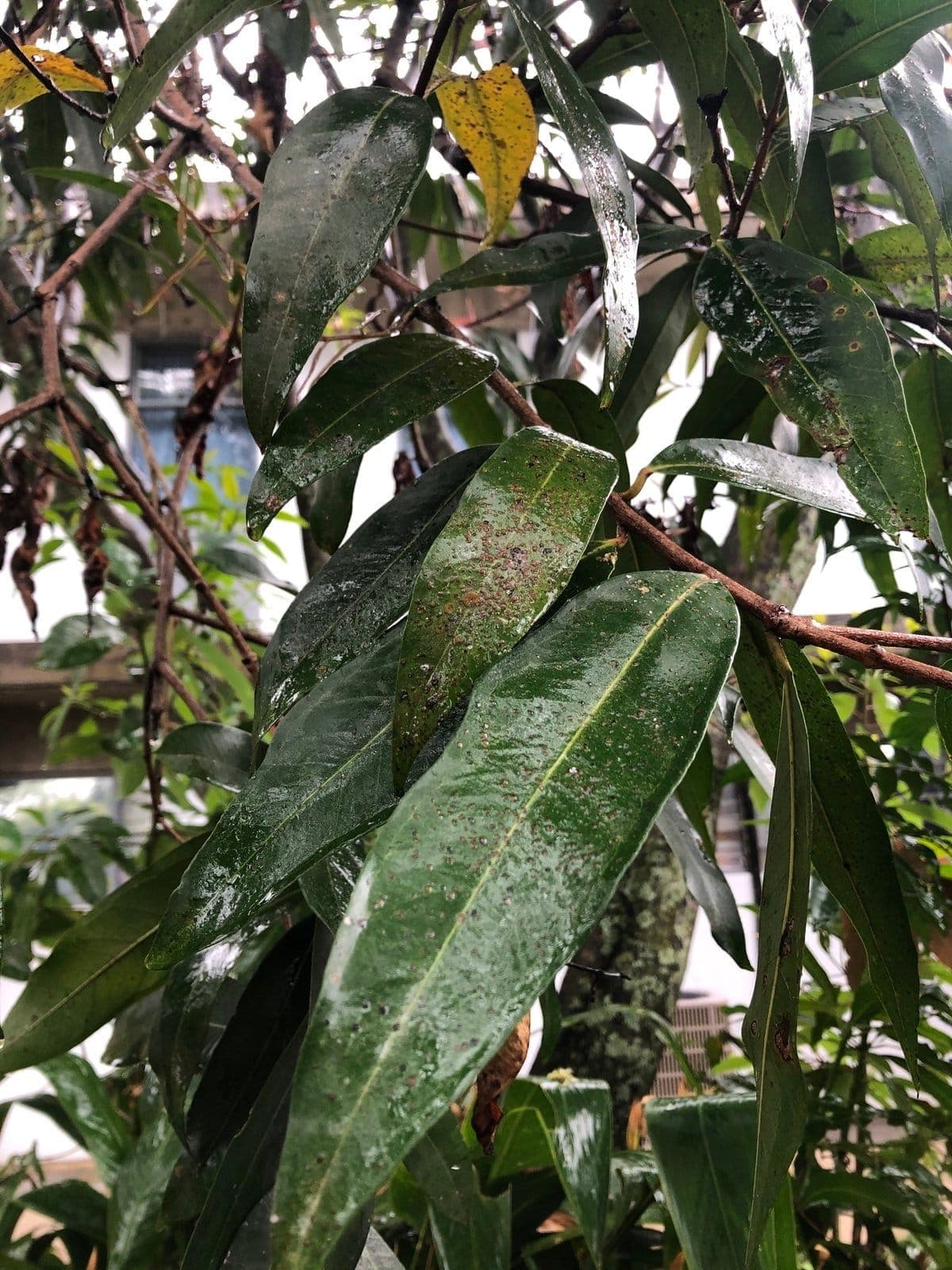
- Type: Simple, opposite
- Shape: Elliptic to oblong
- Size: 5-12 cm long
- Texture: Leathery
- Color: Dark green, lighter beneath
- Venation: Prominent parallel veins
- Scent: Aromatic when crushed (guava-like)
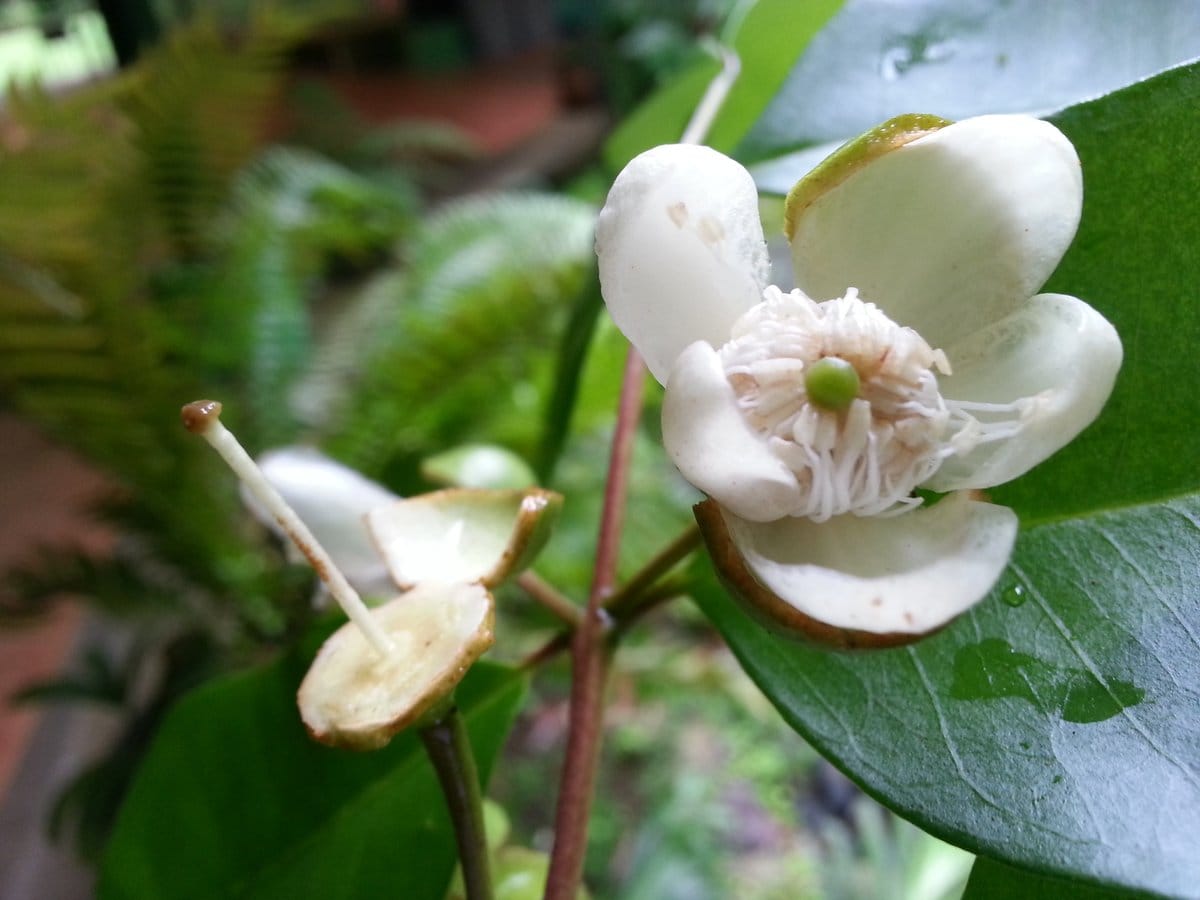
Flowers
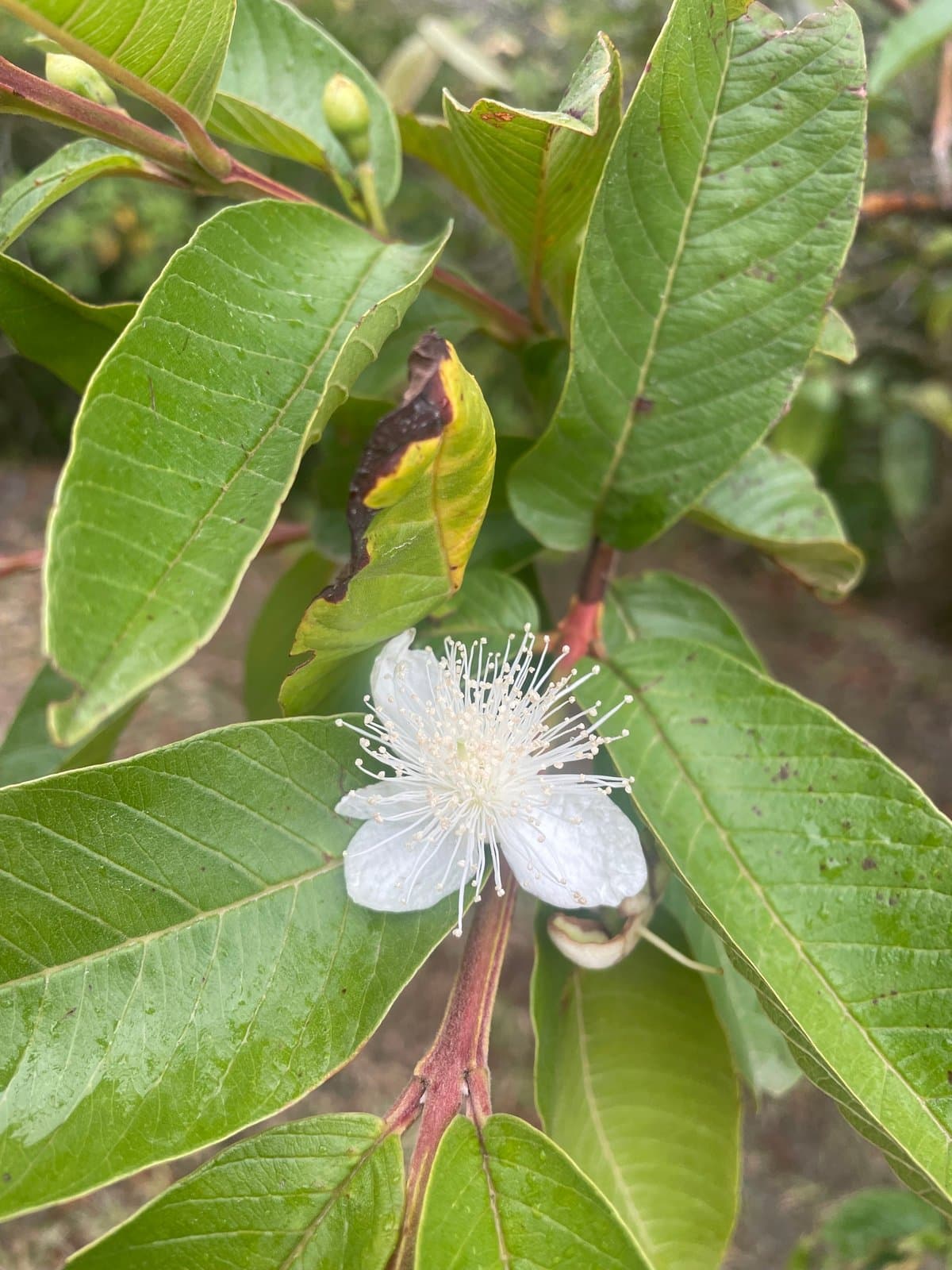
- Size: 2-3 cm diameter
- Color: White
- Petals: 4-5, with numerous stamens
- Fragrance: Sweet, typical guava scent
- Location: Leaf axils
- Timing: Dry season into early rainy season
Fruit
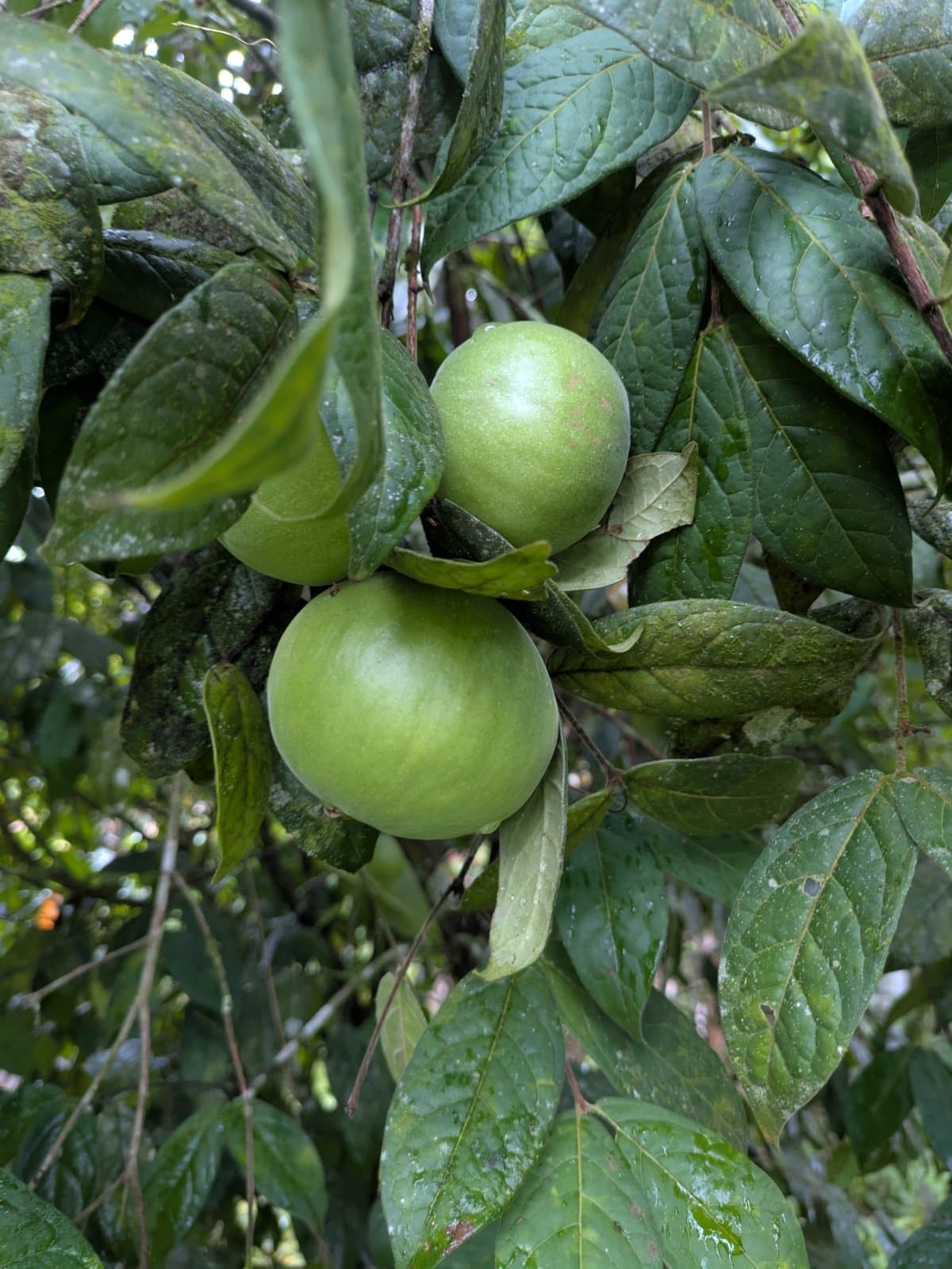
- Shape: Round to slightly oval
- Size: 3-5 cm diameter
- Skin: Green, thin, smooth
- Flesh: White to cream, granular
- Seeds: Numerous, small, hard
- Taste: VERY TART (much more than common guava)
- Aroma: Intense, fragrant, characteristic
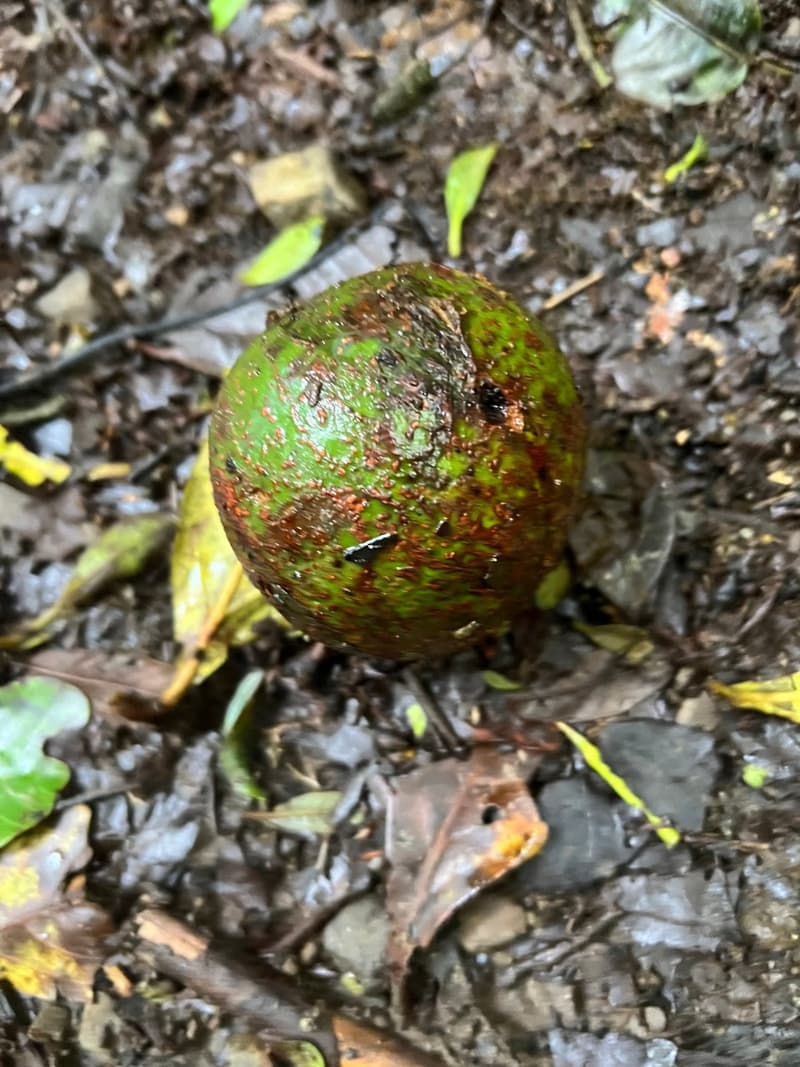
Unlike many fruits, ripe cas: - Stays green (doesn't turn yellow) - Softens slightly when gently pressed - Develops intense aroma that's unmistakable - Falls from tree naturally when fully ripe The intense sourness is normal—it's prized for juice, not fresh eating!
Ecology and Habitat
Natural Distribution
Climate Preferences
Optimal Conditions
- Temperature: 18-25°C (64-77°F)
- Rainfall: 1500-2500 mm annually
- Elevation: 500-2000 m (highland species)
- Climate: Cool tropical to subtropical
- Soil: Well-drained, fertile
Tolerances
- Cold: Moderate tolerance (better than common guava)
- Heat: Less tolerant of extreme heat
- Drought: Moderate tolerance
- Wind: Good tolerance
- Poor soils: Adaptable
Ecological Role
Pollinators
- Bees: Primary pollinators
- Self-pollination: Possible but less productive
- Cross-pollination: Improves fruit set
Wildlife Value
- Birds: Eat ripe fallen fruit
- Small mammals: Consume fruit
- Native bees: Important nectar source
Highland Ecosystem
- Native species: Part of natural highland flora
- Garden cultivation: Most trees are cultivated
- Gene pool: Important genetic resource
- Endemic character: Unique to limited region
Uses
Culinary Applications
Classic Refresco de Cas Recipe
Costa Rica's Signature Drink
Ingredients:
- 4-5 ripe cas fruits
- 1 liter cold water
- Sugar to taste (½ to 1 cup)
- Ice
Preparation:
- Wash fruits and cut in half
- Scoop flesh and seeds into blender
- Add water and blend thoroughly
- Strain through fine mesh to remove seeds
- Add sugar gradually, tasting until balanced
- Serve over ice
Tips:
- The tartness should remain but be balanced by sweetness
- Traditional preparation uses generous sugar
- Can add a splash of lime for extra brightness
- Best served very cold
This drink is found at virtually every soda and restaurant in Costa Rica!
Sources: USDA Tropical Tree Seed Manual - Psidium friedrichsthalianum↗, CATIE↗, GBIF species profile↗
Nutritional Value
Cas is exceptionally high in vitamin C—among the highest of any fruit. A single serving of cas juice can provide 3-4 times the daily recommended vitamin C intake!
Traditional Medicine
Cultivation
Growing Cas
Production in Costa Rica
Cultural Significance
In Costa Rican Identity
A Uniquely Costa Rican Fruit
The cas holds a special place in Costa Rican culture:
- National beverage: Refresco de cas is quintessentially Tico
- Home gardens: Found in patios throughout the Central Valley
- Soda culture: No traditional restaurant is complete without it
- Childhood memories: Many Costa Ricans associate it with home
- Local pride: A fruit that's "ours" - not found widely elsewhere
The intense tartness that foreigners find surprising is exactly what Costa Ricans love about it!
Cultural & Historical Context
Market Presence
Conservation Status
Status: Least Concern (LC)
The cas is not threatened, but its limited natural range makes genetic conservation important. Most trees are cultivated rather than wild. Maintaining diversity in cultivated populations helps preserve this unique species.
Quick Identification Guide
How to Recognize Cas
- Small tree (5-8 m) similar to common guava 2. Smooth, peeling bark in reddish-brown patches 3. Opposite, aromatic leaves with parallel veins
- Small green fruits (3-5 cm) that stay green when ripe 5. Intensely fragrant with characteristic sour-guava aroma 6. VERY TART taste - this is normal! 7. Highland distribution (500-2000m elevation)
External Resources
Community observations, photos, and distribution data
Nomenclature, type specimens, and taxonomic references
Global occurrence records and distribution mapping
Cultivation research and genetic conservation programs
Kew Gardens accepted taxonomy and distribution
Conservation status and species assessment
References and Further Reading
📚 Scientific References & Further Reading
Zamora, N., Jiménez, Q., & Poveda, L. (2004). Árboles de Costa Rica Vol. III
León, J. & Poveda, L. (2000). Los Nombres Comunes de las Plantas en Costa Rica
Holdridge, L.R. & Poveda, L. (1975). Árboles de Costa Rica Vol. I
Flores, E.M. (2002). Psidium friedrichsthalianum (O.Berg) Nied.
Frankie, G.W., Baker, H.G., & Opler, P.A. (1974). Comparative phenological studies of trees in tropical wet and dry forests in the lowlands of Costa Rica
Safety Information Disclaimer
Safety information is provided for educational purposes only. Individual reactions may vary significantly based on age, health status, amount of exposure, and individual sensitivity. Always supervise children around plants. Consult a medical professional or certified arborist for specific concerns. The Costa Rica Tree Atlas is not liable for injuries or damages resulting from interaction with trees described in this guide.
• Always supervise children around plants
• Consult medical professional if unsure
• Seek immediate medical attention if poisoning occurs
Information compiled from authoritative toxicology sources, scientific literature, and medical case reports.
Help improve this page
Know something about this tree? Share local knowledge, suggest a correction, or submit a photo to improve this guide for everyone.