Guayabo
Psidium guajava
Quick facts
Native Region
Tropical Americas (Mexico to South America)
Max Height
8-12 meters
Family
Myrtaceae
Conservation
LC — Least Concern
Uses
Safety Information
Toxicity Details
Guava tree is completely safe and non-toxic for humans. The fruit is highly nutritious and edible for all ages, including children. Rich in vitamin C and fiber, the fruit (including seeds) can be safely consumed fresh or processed. Guava leaves are used in traditional herbal teas and are safe in moderate amounts for digestive health. The entire tree (bark, branches, leaves, fruit) is non-toxic.
Skin Contact Risks
No skin contact risks. The tree is entirely safe to touch, climb, and handle.
Allergenic Properties
No known allergen risks. Safe for individuals with common allergies.
Wildlife & Pet Risks
None. Safe for all pets including dogs, cats, and other domestic animals. Fruit and leaves are non-toxic to pets, though large quantities of leaves may cause mild digestive upset. Seeds in fruit pose minor choking hazard for very small pets but are otherwise safe. Safe for livestock and widely consumed by birds and wildlife.
Season
Flowering
Mar-May
Fruiting
Jun-Aug
How to identify
Guayabo (Guava)
Guayabo (Psidium guajava), the common guava, is arguably the most successful native American tropical fruit tree in the world. From its origins somewhere in the tropical Americas—possibly Mexico, possibly South America—guava has spread to every warm region on Earth. Its small, fragrant fruits with their distinctive aroma, seedy flesh, and unmistakable flavor have made guava beloved across cultures. In Costa Rica, guava grows wild in pastures and forest edges, is cultivated in home gardens, and sustains countless birds and mammals. This is a tree that nourishes everyone—from the toucans in the canopy to the children climbing its branches.
Quick Reference
iNaturalist Observations
Community-powered species data
📸 Photo Gallery
Whole tree
📷 (c) Melanie Ayala, some rights reserved (CC BY-NC)(CC BY-NC)
View source ↗Leaves
📷 (c) jonathan_chama_corrales, some rights reserved (CC BY-NC)(CC BY-NC)
View source ↗Fruit
📷 (c) abedmunds, some rights reserved (CC BY-NC)(CC BY-NC)
View source ↗Whole tree
📷 (c) Anderson Luellen, some rights reserved (CC BY-NC)(CC BY-NC)
View source ↗Leaves
📷 (c) jonathan_chama_corrales, some rights reserved (CC BY-NC)(CC BY-NC)
View source ↗Photos sourced from the iNaturalist citizen science database. View all observations →↗
Taxonomy and Classification
- Psidium: From Greek "psidion" (pomegranate) - fruit resemblance - guajava: From Spanish "guayaba," from Taíno (Caribbean) "guayabo" - Myrtaceae is the myrtle family (eucalyptus, cloves, allspice) - Related to Costa Rican Cas (P. friedrichsthalianum)
Common Names
Related Species in Costa Rica
Physical Description
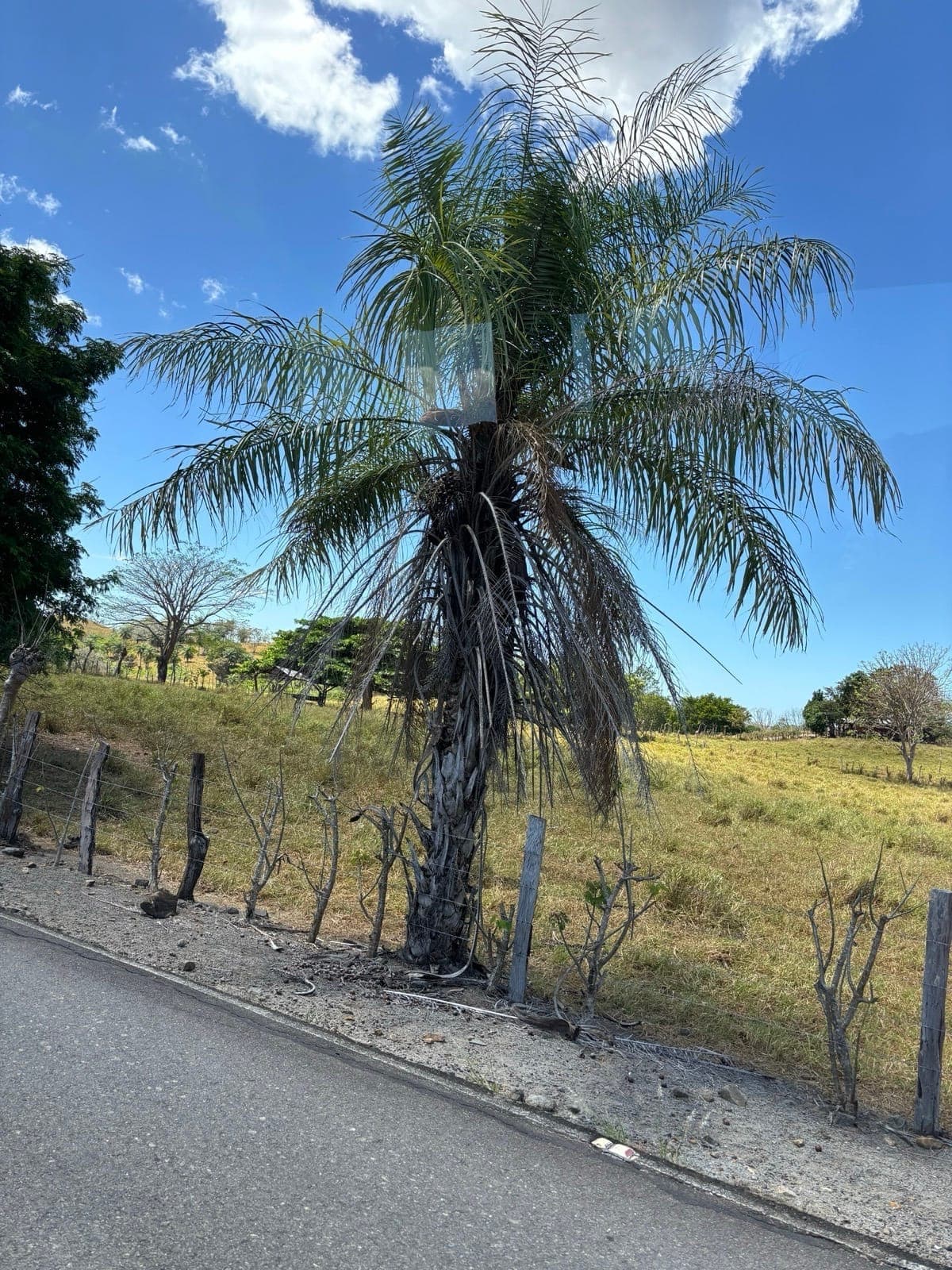
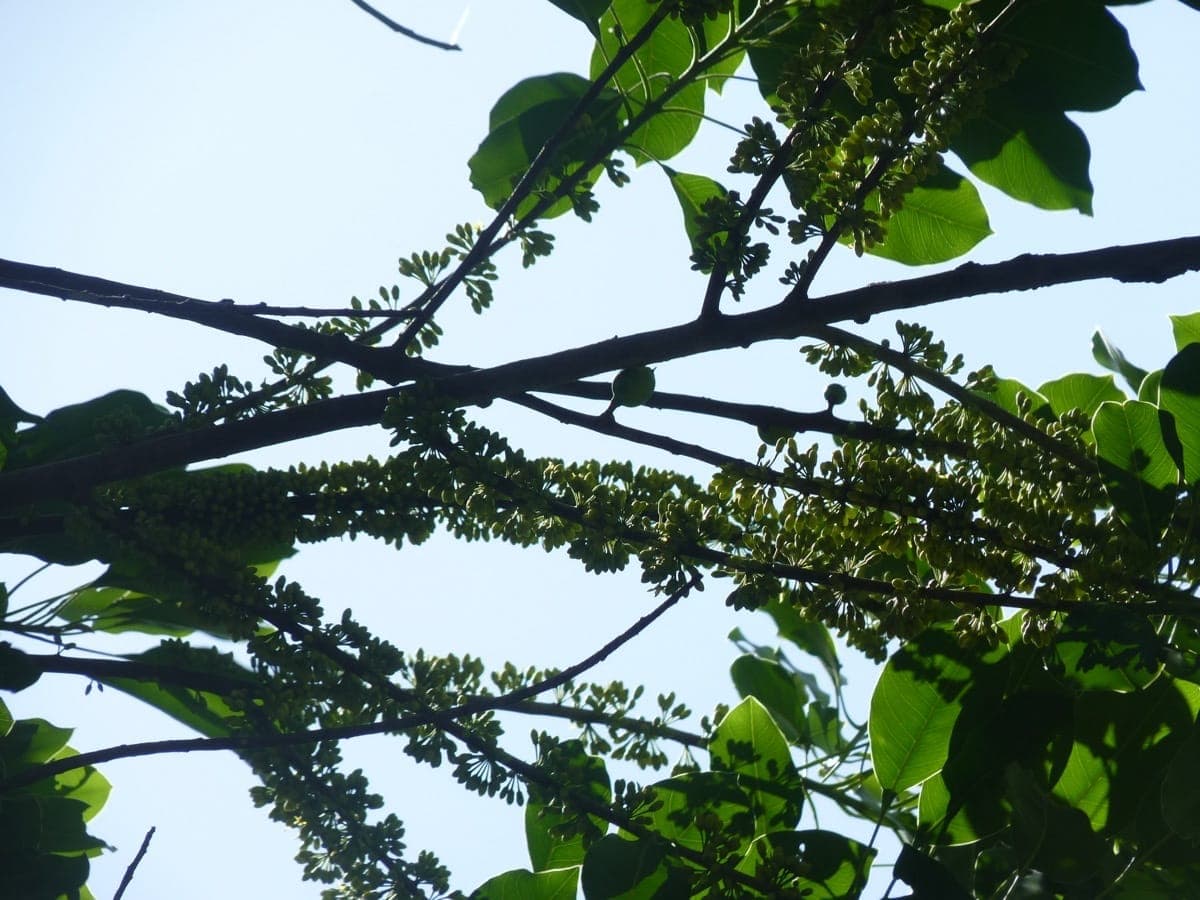
Overall Form
Guava is a small, spreading tree or large shrub with distinctive smooth bark that peels in patches. It typically has multiple stems and a dense, rounded crown. The tree is semi-evergreen, retaining leaves year-round in humid areas but dropping some in dry seasons.
Identifying Features
Bark and Trunk
- Bark color: Green to reddish-brown
- Texture: SMOOTH, peeling in patches
- Pattern: Mottled, reveals underlayers
- Trunk: Often multi-stemmed
- Very distinctive: Easily recognized bark
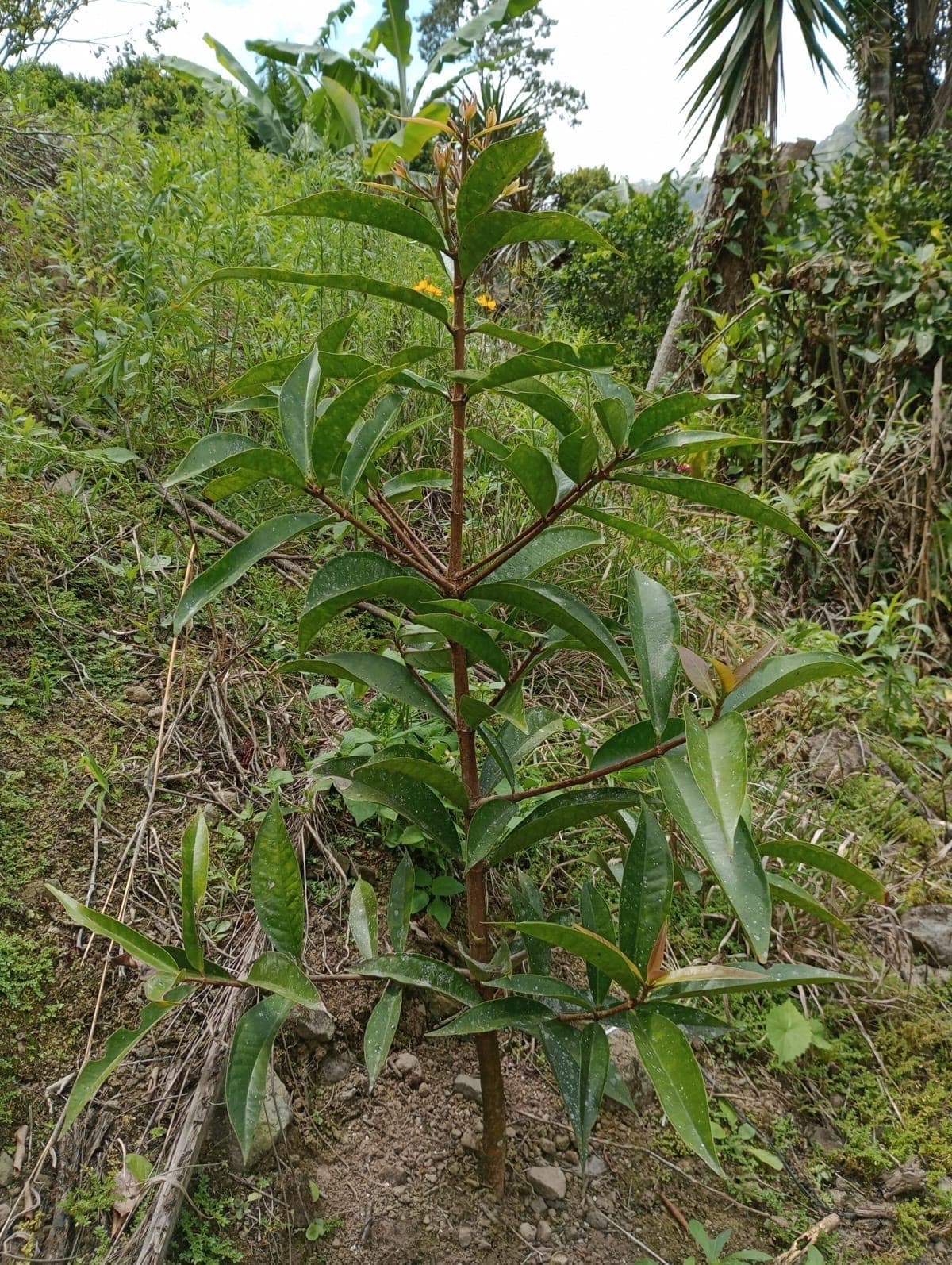
Leaves
- Type: Simple, opposite
- Shape: Elliptical to oblong
- Size: 7-15 cm long
- Veins: Very prominent beneath
- Texture: Leathery, pubescent below
- Aromatic: Crushed leaves fragrant
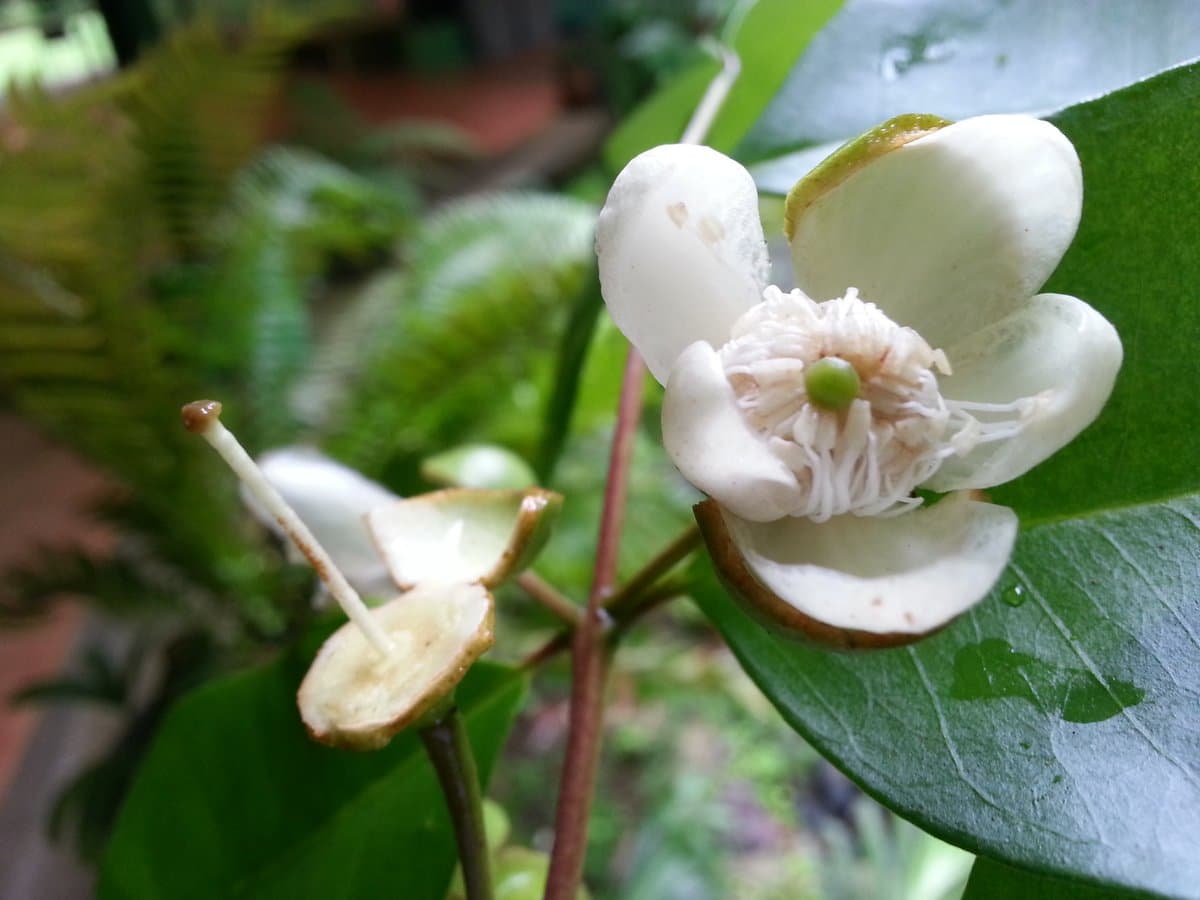
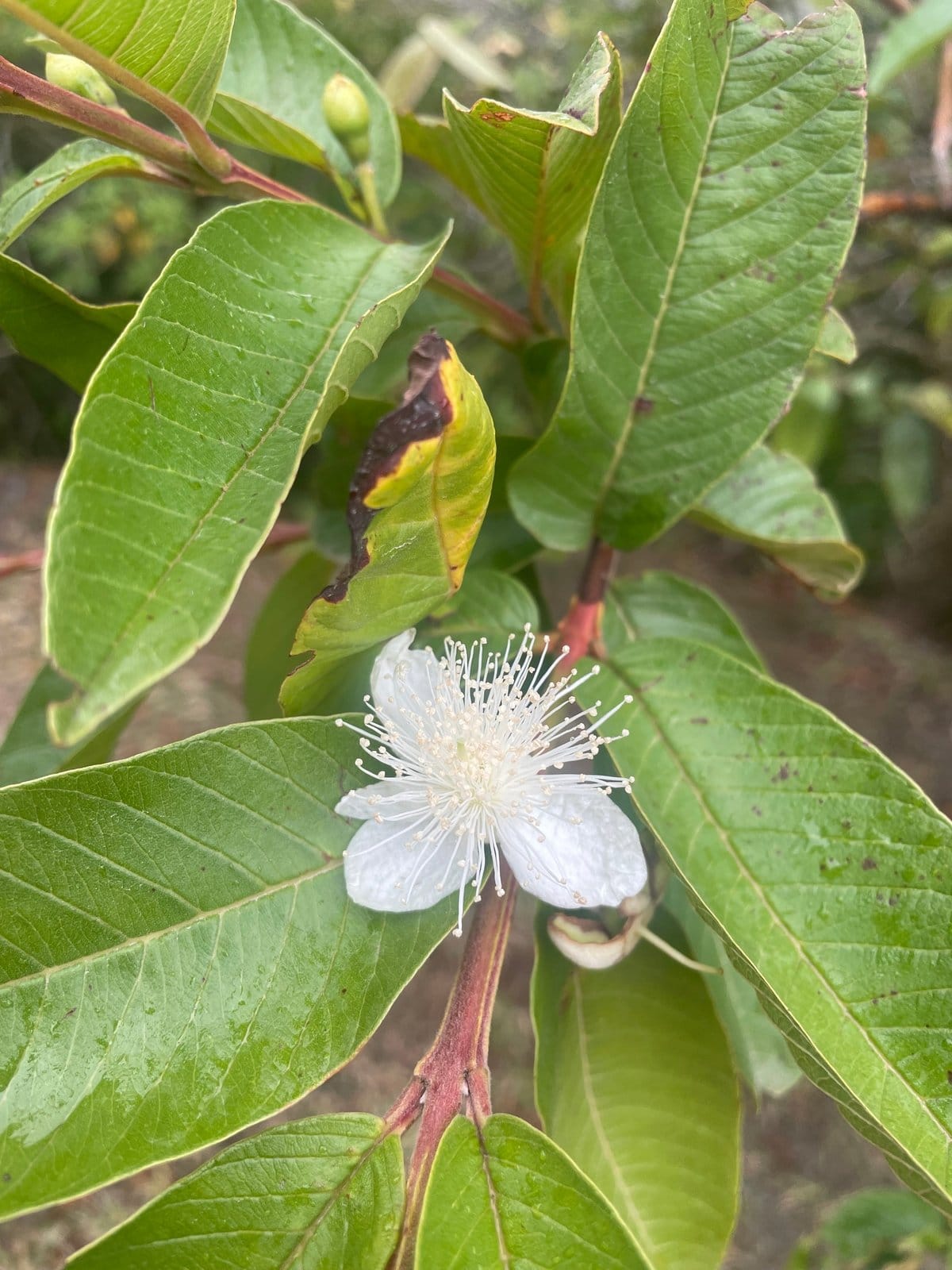
Flowers
- Type: Solitary or few in axils
- Color: White
- Size: 2-3 cm diameter
- Stamens: Numerous, showy
- Fragrance: Pleasant, sweet
- Timing: Year-round with peaks
Fruit
- Type: Berry
- Shape: Round to pear-shaped
- Size: 4-10 cm depending on variety
- Skin: Yellow-green when ripe
- Flesh: White to deep pink
- Seeds: Numerous, hard, embedded
- Aroma: VERY fragrant when ripe
Ripe guavas have one of the most distinctive aromas in the fruit world: The Smell: - Intensely sweet and musky - Detectable from meters away - Permeates whole areas - Unforgettable once known Detection Uses: - Find wild trees by smell! - Ripe fruit announces itself - Animals attracted from distance This powerful fragrance is key to guava's role as wildlife food—everyone can find it!
Distribution and Habitat
Global Distribution
Geographic Distribution
Distribution in Costa Rica
Habitat Preferences
The Guava Fruit
A Tropical Superfruit
Guava fruit is remarkably nutritious: Nutritional Content: - Vitamin C: 4x more than oranges! - Vitamin A: Good levels - Fiber: Very high (seeds contribute) - Potassium: Comparable to bananas - Antioxidants: Lycopene in pink varieties Flesh Types: - White-fleshed: Milder, less sweet - Pink/Red-fleshed: Sweeter, more aromatic - Both: High seed content Consumption: - Fresh: Skin and all - Juice: Very popular in Costa Rica - Paste/Jam: "Goiabada" (Brazilian), jellies - Desserts: Many traditional recipes - Dried: Preserved product The Seeds: - Small, hard, numerous - Can be swallowed - Controversial: Some avoid - Pass through animals = dispersal
Culinary Uses in Costa Rica
Ecological Importance
Wildlife Value
Mammals
- Bats: Major nighttime consumers
- Monkeys: Eat ripe fruit
- Coatis: Ground foragers
- Agoutis: Eat fallen fruit
- Peccaries: Consume on forest floor
Birds
- Toucans: Major consumers
- Parrots: Favor guava
- Tanagers: Many species
- Orioles: Attracted to fruit
- Thrushes: Regular visitors
In Costa Rica, guava occupies an interesting ecological position: Native or Naturalized? - Origins unclear (Mexico vs. South America debate) - Possibly native to Central America - Or naturalized so long ago it functions as native Ecological Role: - Major food source for wildlife - Colonizes disturbed areas - Can be "weedy" in pastures - Integrated into ecosystems Conservation View: - Not treated as invasive in Costa Rica - Provides ecosystem services
- Part of cultural landscape Whether native or ancient introduction, guava is now firmly embedded in Costa Rican ecosystems.
Uses
Food and Nutrition
Traditional Medicine
Guava leaves have attracted scientific attention: Studied Properties: - Anti-diarrheal effects (validated) - Antimicrobial activity - Blood sugar regulation potential - Antioxidant content Tea Preparation: - Fresh or dried leaves - Steep in hot water - Traditional remedy worldwide Cautions:
- Traditional use ≠ medical treatment - Consult healthcare providers - May interact with medications
Other Uses
Cultivation
Growing Guava
Identification Guide
How to Identify Guava
Where to See Guava in Costa Rica
Guava is one of the easiest tropical fruits to find: Where to Look: - Pasture edges - Disturbed areas - Village gardens - Market stalls When: - Year-round with peaks - Best quality: dry season often - Follow your nose! How to Eat: - Choose yellow-green fruit - Soft = ripe - Eat skin and all - Or scoop out flesh Cultural Tip: - Ask permission before picking - Farmers may sell or share - Offer to trade/purchase
External Resources
Community observations and photos
University research on tropical fruits
Global biodiversity occurrence data and distribution maps
Conservation status and species assessment
References
📚 Scientific References & Further Reading
Morton, J.F. (1987). Fruits of Warm Climates: Guava. Julia F. Morton Publications
Nakasone, H.Y. & Paull, R.E. (1998). Tropical Fruits. CAB International
There is hardly a village in Costa Rica without its guava trees— the spreading crowns with their distinctive mottled bark, the fragrant fruit ripening in the sun, the children who know exactly which tree has the sweetest guavas and exactly when they'll be ready. This is a tree that has fed humanity for thousands of years, that spread from its origins in the Americas to every warm corner of the globe, carrying its sweet bounty and its medicine with it. In Costa Rica, whether native or anciently naturalized, the guayabo has become inseparable from the landscape and the culture. The juice is served cold on hot afternoons. The jellies appear on breakfast tables. The fallen fruit feeds the agoutis and the toucans, completing the cycle. When you smell that unmistakable aroma drifting through a country road, you're smelling something very old and very essential—a tree that asks only for sun and water and gives back abundance to all who share its shade.
Safety Information Disclaimer
Safety information is provided for educational purposes only. Individual reactions may vary significantly based on age, health status, amount of exposure, and individual sensitivity. Always supervise children around plants. Consult a medical professional or certified arborist for specific concerns. The Costa Rica Tree Atlas is not liable for injuries or damages resulting from interaction with trees described in this guide.
• Always supervise children around plants
• Consult medical professional if unsure
• Seek immediate medical attention if poisoning occurs
Information compiled from authoritative toxicology sources, scientific literature, and medical case reports.
Help improve this page
Know something about this tree? Share local knowledge, suggest a correction, or submit a photo to improve this guide for everyone.