Guácimo Colorado
Luehea seemannii
Quick facts
Native Region
Southern Mexico to Colombia and Venezuela
Max Height
30-40 meters (100-130 feet)
Family
Malvaceae
Conservation
LC — Least Concern
Uses
Safety Information
Toxicity Details
No known toxicity. The bark has traditional medicinal uses as an astringent with no reported adverse effects at normal doses. All parts of the tree are considered safe.
Skin Contact Risks
No skin irritation reported. The young shoots produce a mucilaginous substance when macerated in water, which is used in traditional sugar processing - this is safe to handle.
Allergenic Properties
Low allergen risk. As with most tropical hardwoods, wood dust may cause mild respiratory irritation in woodworkers during extended processing. Standard dust protection is recommended when working with the wood.
Season
Flowering
Jan-Mar
Fruiting
Mar-May
How to identify
Guácimo Colorado
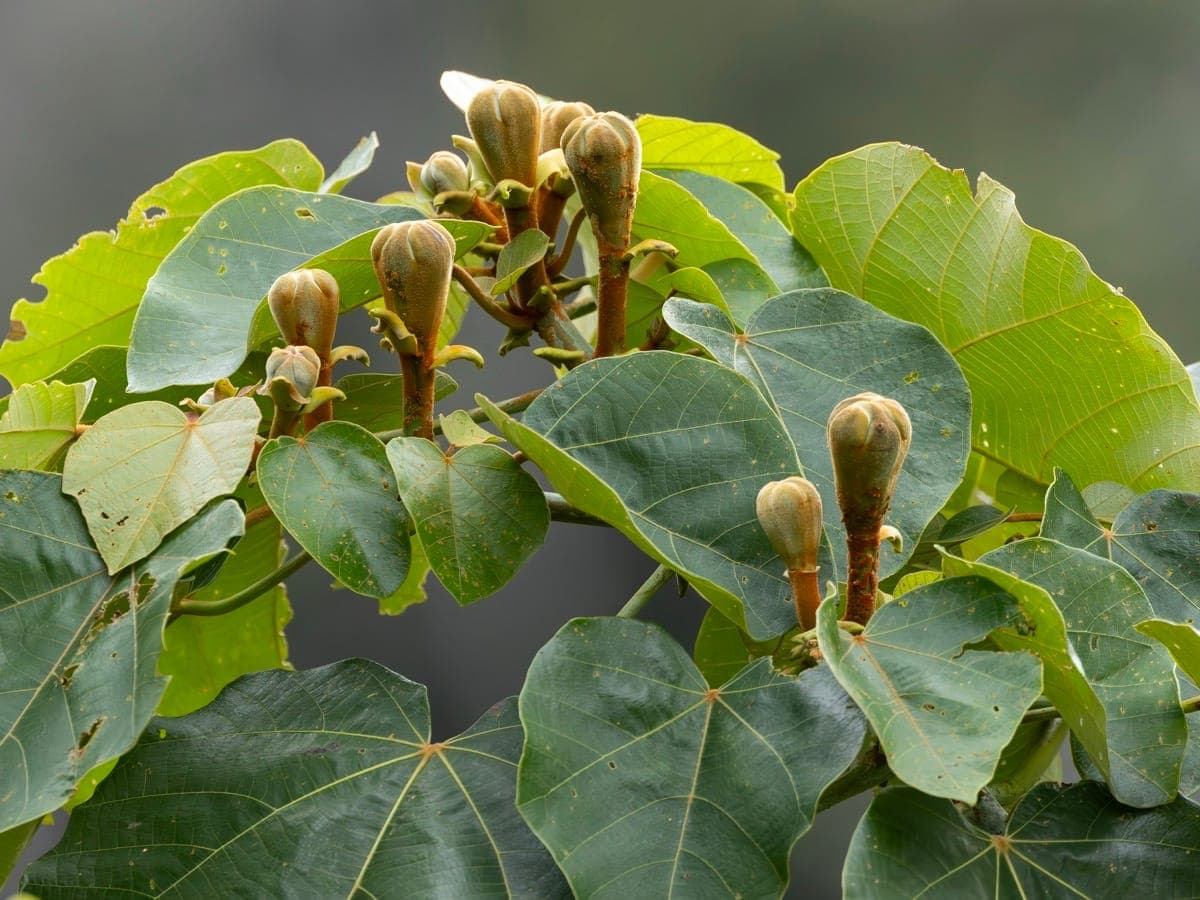
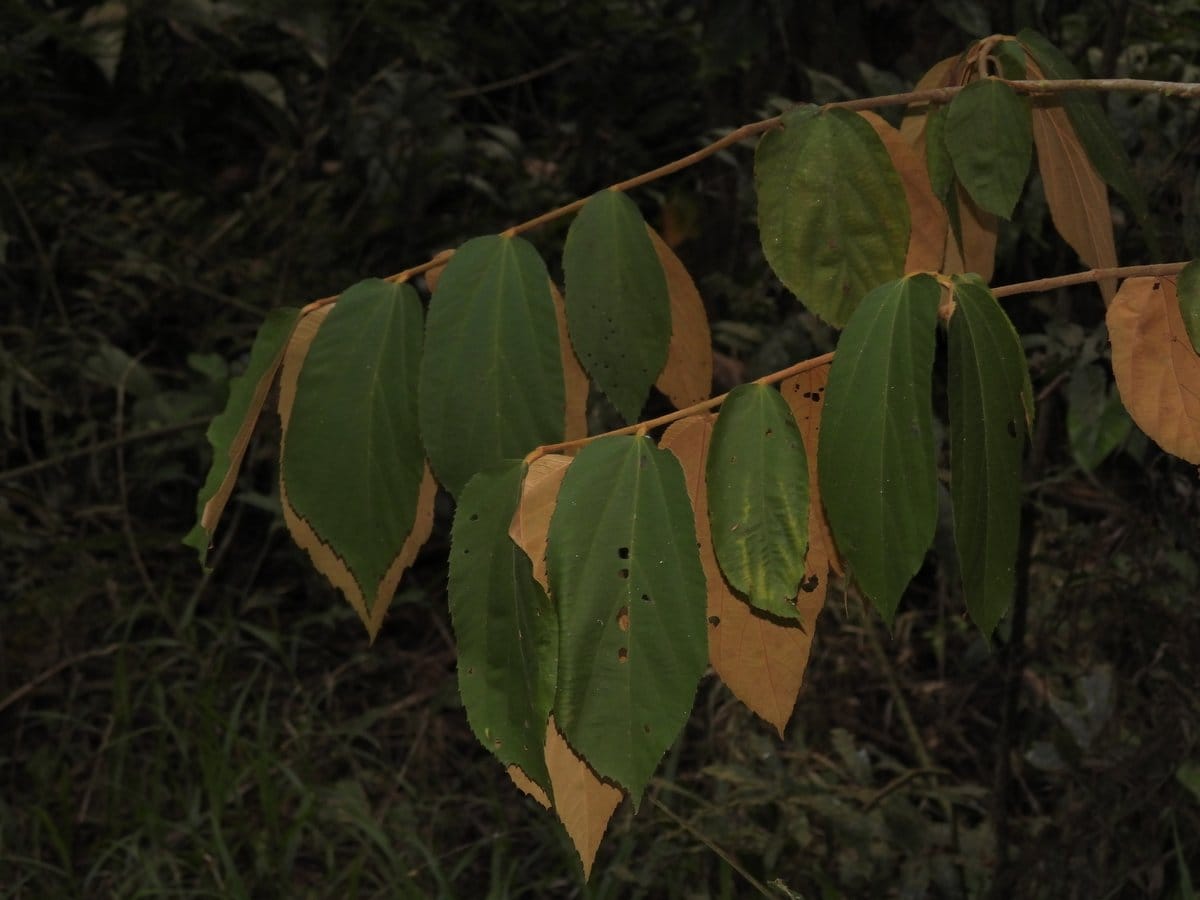
Guácimo Colorado (Luehea seemannii), named for the distinctive rusty-red (colorado) undersides of its leaves, is one of the most impressive canopy trees in Costa Rica's wet lowland forests. Reaching heights of up to 40 meters on the Atlantic coast, this fast-growing member of the mallow family develops spectacular buttresses and hosts an extraordinary diversity of insect life—a study in Panama found nearly 1,000 species of beetles on a single tree! While sharing the "Guácimo" name with Guazuma ulmifolia, these are quite different trees in appearance and ecology.
Quick Reference
iNaturalist Observations
Community-powered species data
📸 Photo Gallery
Whole tree
📷 (c) Murielle Moya, some rights reserved (CC BY-NC-SA)(CC BY-NC-SA)
View source ↗Leaves
📷 (c) Murielle Moya, some rights reserved (CC BY-NC-SA)(CC BY-NC-SA)
View source ↗Whole tree
📷 (c) Grey Hayes, some rights reserved (CC BY-NC)(CC BY-NC)
View source ↗Leaves
📷 (c) Carlos Venegas-Elizondo, some rights reserved (CC BY-NC)(CC BY-NC)
View source ↗Whole tree
📷 (c) geosesarma, some rights reserved (CC BY)(CC BY)
View source ↗Photos sourced from iNaturalist's community science database. Browse all observations →↗
Taxonomy & Classification
Luehea seemannii was described by José Jerónimo Triana and Jules Émile Planchon in 1862. The genus Luehea honors German explorer and botanist Friedrich Wilhelm Heinrich von Luehe (1798-1833). The species honors German botanist Berthold Carl Seemann (1825-1871) who collected extensively in Central America. Synonyms include Luehea rufescens and L. seemannii var. chocoensis.
Common Names
Distinguishing from Other "Guácimos"
Physical Description
Overall Form
Guácimo Colorado is an impressive evergreen canopy tree that can reach exceptional heights, particularly on Costa Rica's Atlantic coast. The trunk develops prominent buttresses, and the crown forms a dense, spreading canopy high in the forest.
Distinctive Features
Trunk & Bark
- Trunk: Often strongly buttressed
- Buttresses: Up to 2 meters high
- Diameter: 60-180 cm
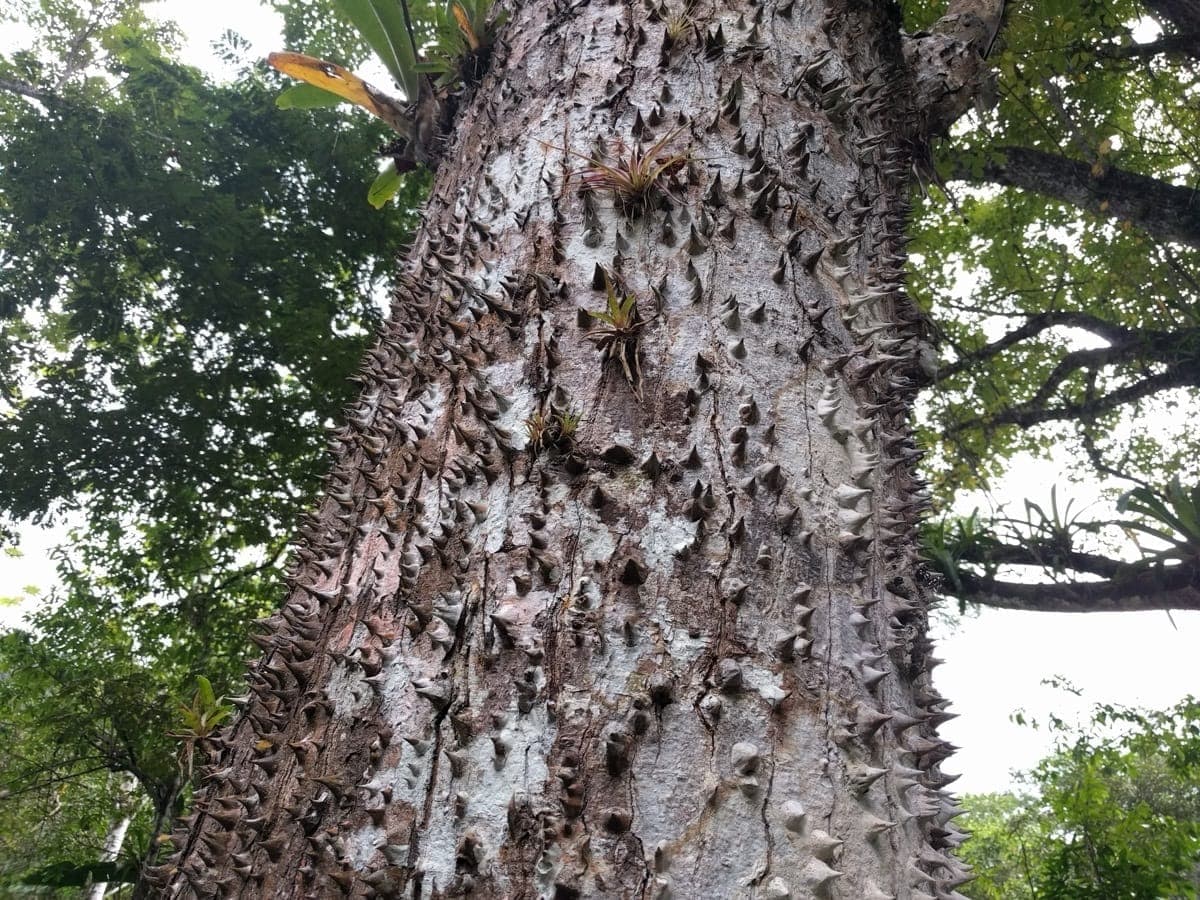
- Bark: Gray to brown, somewhat fissured
- Form: Straight bole reaching canopy
Leaves
- Size: 10-20 cm (juveniles up to 30 cm!)
- Shape: Ovate to oblong
- Margins: Serrated
- Upper surface: Dark green
- Lower surface: Distinctive rusty-red, tomentose (felty)
- Arrangement: Alternate
Flowers
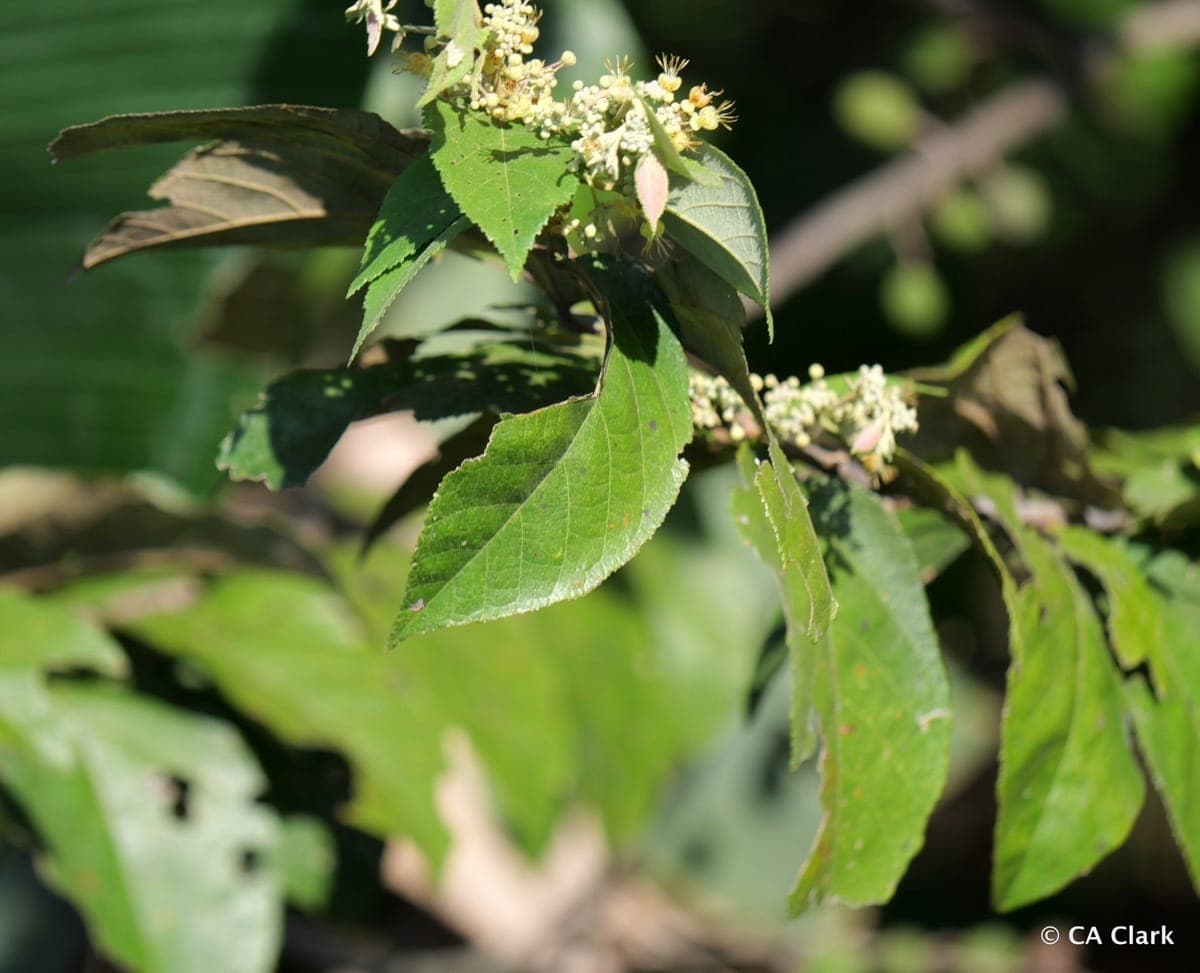
- Color: White to cream
- Size: Medium-sized
- Arrangement: Clusters at branch ends
- Season: January to March (dry season)
- Note: Can flower even when still at shrub stage
Fruits & Seeds
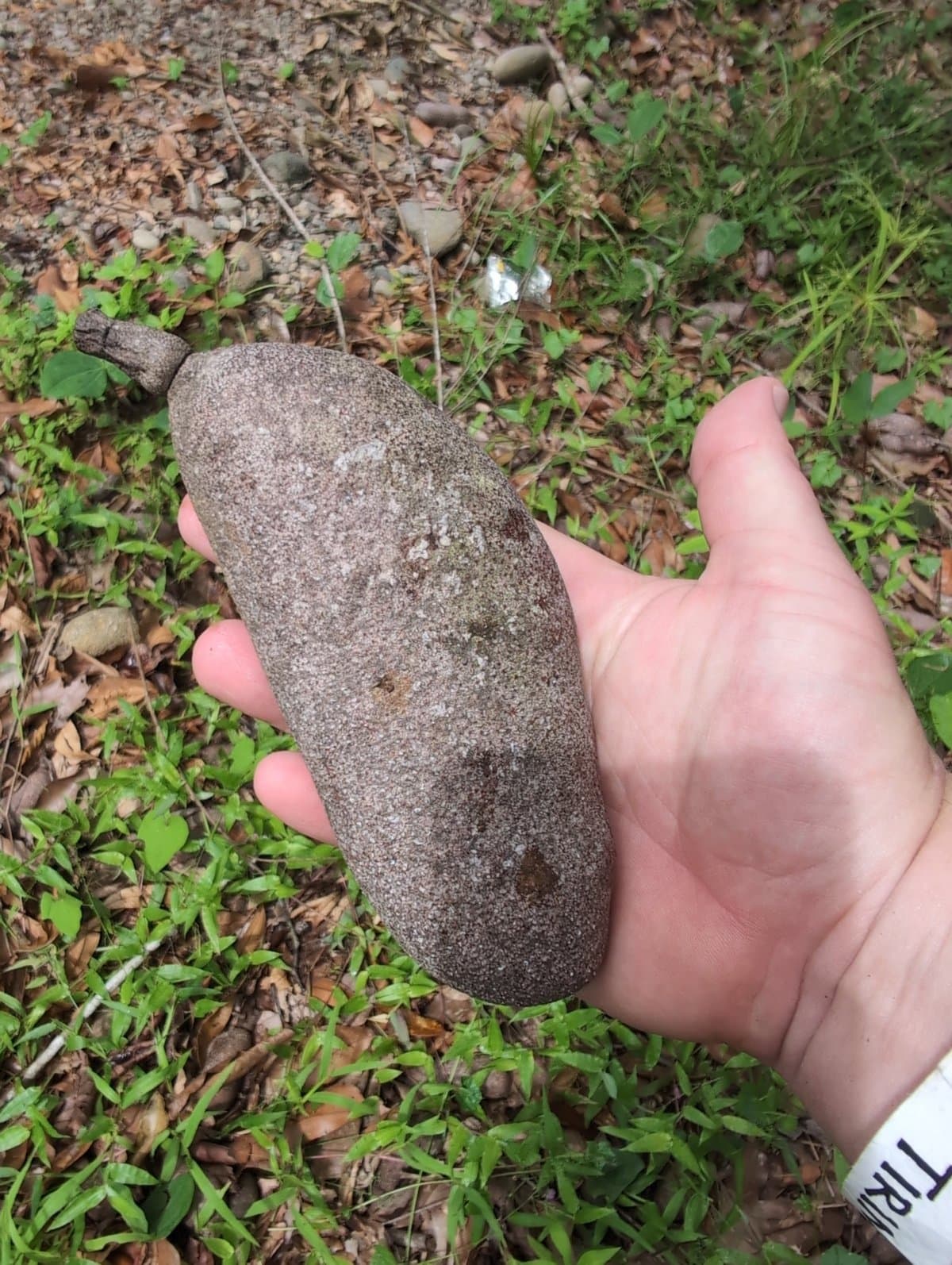
- Type: Woody capsule
- Appearance: Brown, splitting open when mature
- Seeds: Winged, wind-dispersed
- Season: March to May
- Persistence: Capsules remain on tree
The easiest way to identify Guácimo Colorado is by the rusty-red, felty-textured undersides of the leaves (colorado means "red" or "colored" in Spanish). Young plants in pastures or cut-over land may have much larger juvenile leaves—up to 30 cm long—making this feature even more pronounced. Look for the large buttresses on mature forest trees.
Distribution & Habitat
Native Range
Geographic Distribution
Distribution in Costa Rica
Guácimo Colorado is found primarily on the Caribbean slope and in wetter areas of the Pacific slope, favoring lowland wet forests particularly near streams. The largest specimens are found in the wet lowlands of Limón province.
Preferred Habitat
Ecological Significance
Insect Diversity Hotspot
A landmark study in the Panama Canal Zone by Terry L. Erwin and Janice C. Scott (1980) found an astounding 945 species of beetles on a single Guácimo Colorado tree! This exceptional insect diversity demonstrates the tree's importance as habitat for invertebrate communities in tropical forests. The tree's large size, complex bark structure, and persistent dead branches provide microhabitats for countless insect species.
Wildlife Interactions
Insects & Invertebrates
- Beetles: Nearly 1,000 species recorded on single trees
- Moths & butterflies: Use as host plant
- Ants: Various species nest in buttresses
- Other invertebrates: Exceptional diversity
Pollinators
- Bees: Visit white flowers
- Other insects: Primary pollinators
- Flowering: During dry season (Jan-Mar)
Seed Dispersers
- Wind: Primary dispersal mechanism
- Winged seeds: Travel considerable distances
- Capsules: Open to release seeds
Habitat Value
- Canopy structure: Important emergent/canopy tree
- Buttresses: Shelter for ground fauna
- Bark: Substrate for epiphytes
- Dead branches: Persist and provide habitat
Cultural & Economic Importance
Sources: IUCN Red List — Luehea seemannii↗, GBIF — Luehea seemannii↗, Useful Tropical Plants — Luehea seemannii↗
Traditional Uses
Medicine
The bark has been used traditionally as an astringent in folk medicine. A decoction of the bark is taken internally for its astringent properties.
Sugar Processing
In traditional small-scale sugarcane processing (trapiches), the macerated young shoots produce a brown-reddish mucilaginous substance when soaked in water. This substance is used to help agglomerate dirt and debris from boiling sugarcane juice. The collected debris is then used as fertilizer.
Wood Uses
The wood of Luehea species has the following characteristics:
- Color: Brown to brownish, sometimes pinkish-streaked
- Texture: Fine to medium
- Grain: Straight to finely roey
- Weight: Soft and light
- Durability: Not very durable (vulnerable to decay and insects)
Primary use is for firewood. Also used for low-value items such as:
- Millwork and furniture components
- Flooring and general construction
- Boxes and crates
- Veneer and plywood
Uses Summary
Conservation Status
Current Assessment
Conservation Status
Conservation Notes
While Guácimo Colorado is assessed as Least Concern due to its wide range and stable populations, it is habitat-dependent on wet lowland forests—one of the most threatened ecosystem types in Central America due to agricultural expansion. The species' inability to tolerate dry conditions limits its distribution to increasingly fragmented wet forest patches. Conservation priorities include protection of remaining wet lowland forests, inclusion in reforestation projects in wet zones, and corridor plantings connecting forest fragments.
Cultivation & Propagation
Growing Guácimo Colorado
Site Requirements
Climate Needs
- Wet tropical climate (2,000-4,000 mm rainfall)
- Mean temperature 23-25°C
- Not suitable for dry Pacific slope
- Best at elevations 0-600 m
Soil & Light
- Tolerates wide range of soils
- Prefers well-drained sites
- Full sun for optimal growth
- Space for buttresses (plant 15-20 m from structures)
Propagation
From Seeds (Primary Method)
- Collect seeds from mature capsules
- Sow fresh for best germination
- Use well-draining nursery mix
- Germination typically moderate
- Seedlings grow rapidly in full sun
Notes
- Fast-growing species
- Can flower while still at shrub stage
- Juvenile leaves much larger than adult leaves
- Protect young plants from competition
Maintenance Requirements
Identification Guide
How to Identify Guácimo Colorado
Where to See Guácimo Colorado in Costa Rica
External Resources
Community observations and photos
Conservation status details
Detailed botanical and uses information
Kew botanical database entry
Global biodiversity occurrence data and distribution maps
References
📚 Scientific References & Further Reading
Triana, J.J. & Planchon, J.E. (1862). Prodromus Florae Novo-Granatensis
Erwin, T.L. & Scott, J.C. (1980). Seasonal and Size Patterns, Trophic Structure, and Richness of Coleoptera in the Tropical Arboreal Ecosystem: The Fauna of the Tree Luehea seemannii in the Canal Zone of Panama
Condit, R. (2019). Luehea seemannii. The IUCN Red List of Threatened Species
Useful Tropical Plants Database (2024). Luehea seemannii
Guácimo Colorado reminds us that trees are not just trees—they are entire ecosystems. The discovery of nearly 1,000 beetle species on a single tree helped revolutionize our understanding of tropical biodiversity. When you see a Guácimo Colorado towering above the forest with its distinctive buttresses and rusty-backed leaves, you're looking at a skyscraper of insect apartments, a pharmacy of traditional remedies, and an integral part of wet lowland forest ecology. Protecting these impressive trees means protecting the countless species that depend on them.
Safety Information Disclaimer
Safety information is provided for educational purposes only. Individual reactions may vary significantly based on age, health status, amount of exposure, and individual sensitivity. Always supervise children around plants. Consult a medical professional or certified arborist for specific concerns. The Costa Rica Tree Atlas is not liable for injuries or damages resulting from interaction with trees described in this guide.
• Always supervise children around plants
• Consult medical professional if unsure
• Seek immediate medical attention if poisoning occurs
Information compiled from authoritative toxicology sources, scientific literature, and medical case reports.
Help improve this page
Know something about this tree? Share local knowledge, suggest a correction, or submit a photo to improve this guide for everyone.