Alcornoque
Mora oleifera
Quick facts
Native Region
Costa Rica to Ecuador; Pacific coast wet forests
Max Height
35-50 meters
Family
Fabaceae
Conservation
EN — Endangered
Uses
Safety Information
Toxicity Details
Mora oleifera is not considered toxic. No parts of the tree have been reported to cause poisoning in humans or animals. The seeds are rich in oil and have been consumed experimentally. The wood contains no significant irritants.
Skin Contact Risks
No skin irritation from contact with any part of the tree. The bark, sap, and wood can be handled safely without protective equipment.
Allergenic Properties
Low allergen risk. Pollen is dispersed primarily by wind and water during the brief flowering period. Sawdust from milling the extremely dense wood may cause mild respiratory irritation similar to other tropical hardwoods.
Structural Hazards
The massive buttress roots extend far from the trunk and create an uneven ground surface — a tripping hazard for forest hikers. Large dead branches occasionally fall, especially during storms. The enormous size of mature trees (50+ m) means significant risk from any branch fall. Do not camp or park vehicles directly beneath mature Sota trees.
Wildlife & Pet Risks
No toxicity to wildlife. Seeds are consumed by agoutis, pacas, and peccaries. The massive buttresses provide shelter for amphibians, reptiles, and small mammals. The canopy supports rich epiphyte communities.
Season
Flowering
Jan-Mar
Fruiting
Apr-Jul
How to identify
Alcornoque (Sota)
Sota (Mora oleifera), also known as Alcornoque or Nato, is one of Costa Rica's most monumental and endangered trees. Rising to 50 meters above the forest floor on cathedral-like buttress roots that spread 5–8 meters from the trunk, this ancient giant of the Pacific wet forests has been severely reduced by selective logging of its prized, ultra-dense timber. Today, mature Sota trees are found primarily in protected old-growth forests like Corcovado National Park, standing as living monuments to the primeval forests that once blanketed Costa Rica's lowland Pacific coast.
Quick Reference
iNaturalist Observations
Community-powered species data
📸 Photo Gallery
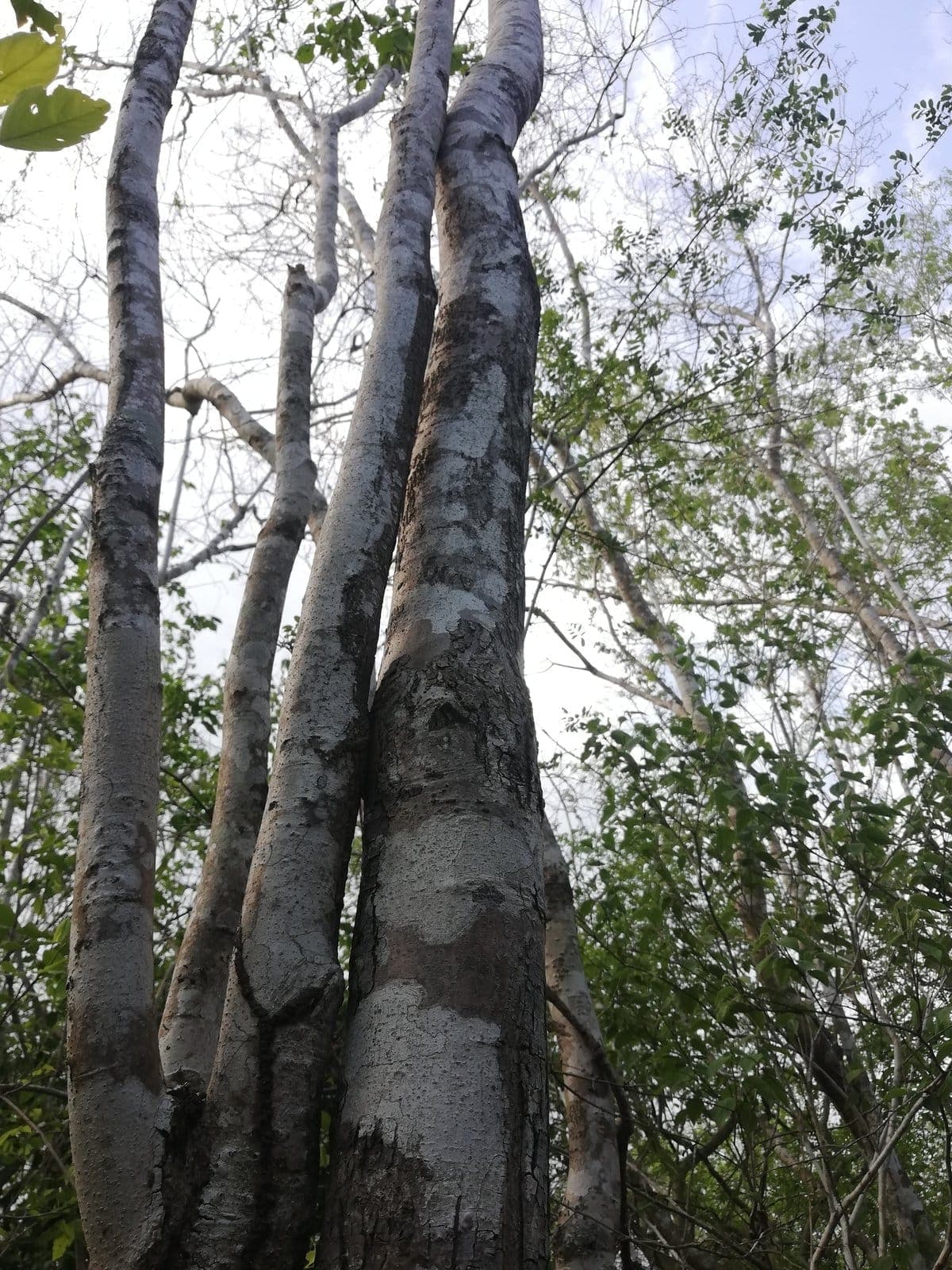
Whole tree
📷 (c) Kate Rothra Fleming, some rights reserved (CC BY-NC)(CC BY-NC)
View source ↗Leaves
📷 (c) Kate Rothra Fleming, some rights reserved (CC BY-NC)(CC BY-NC)
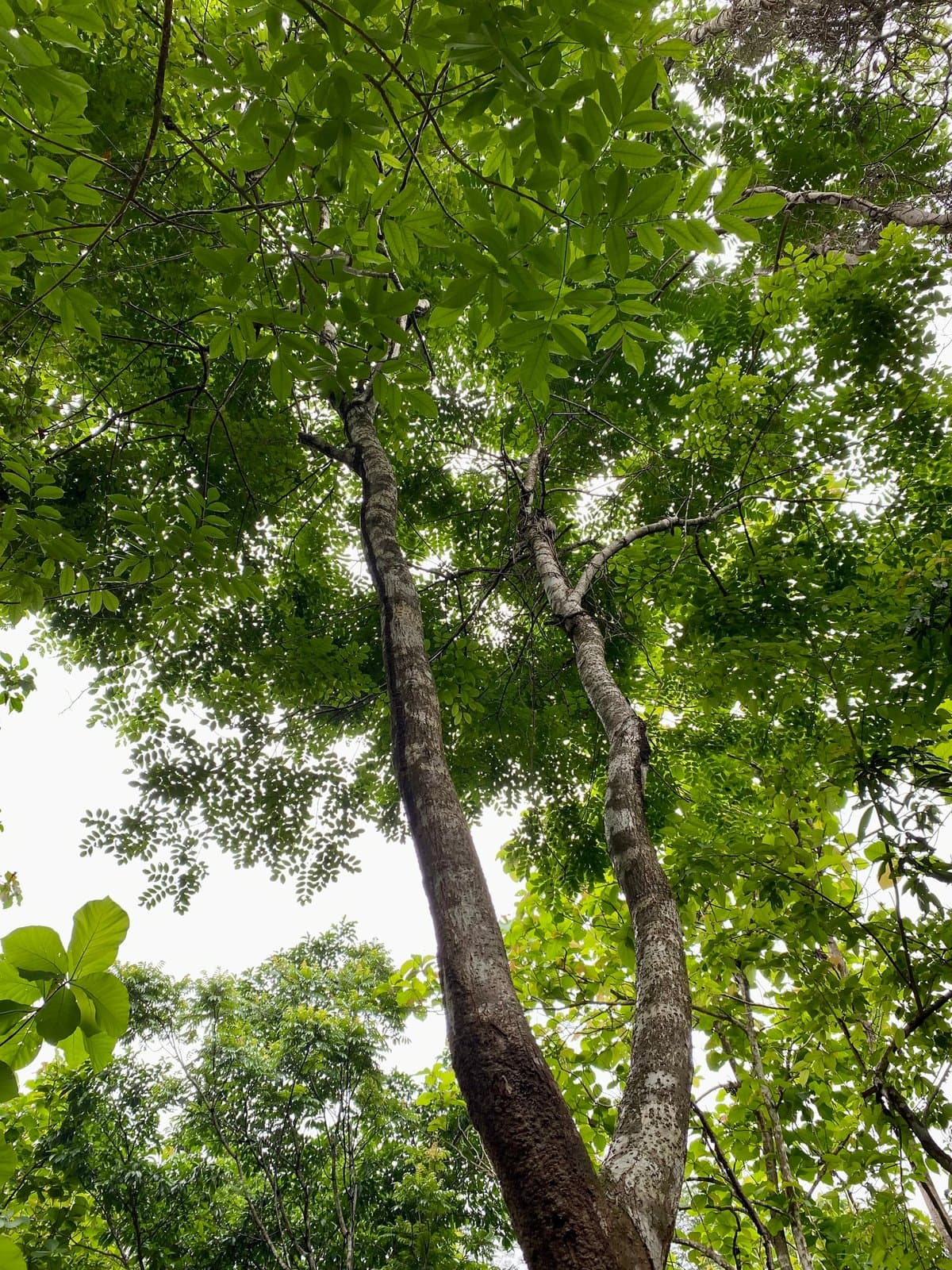
View source ↗Habitat
📷 (c) Daniela Rondón, some rights reserved (CC BY-NC)(CC BY-NC)
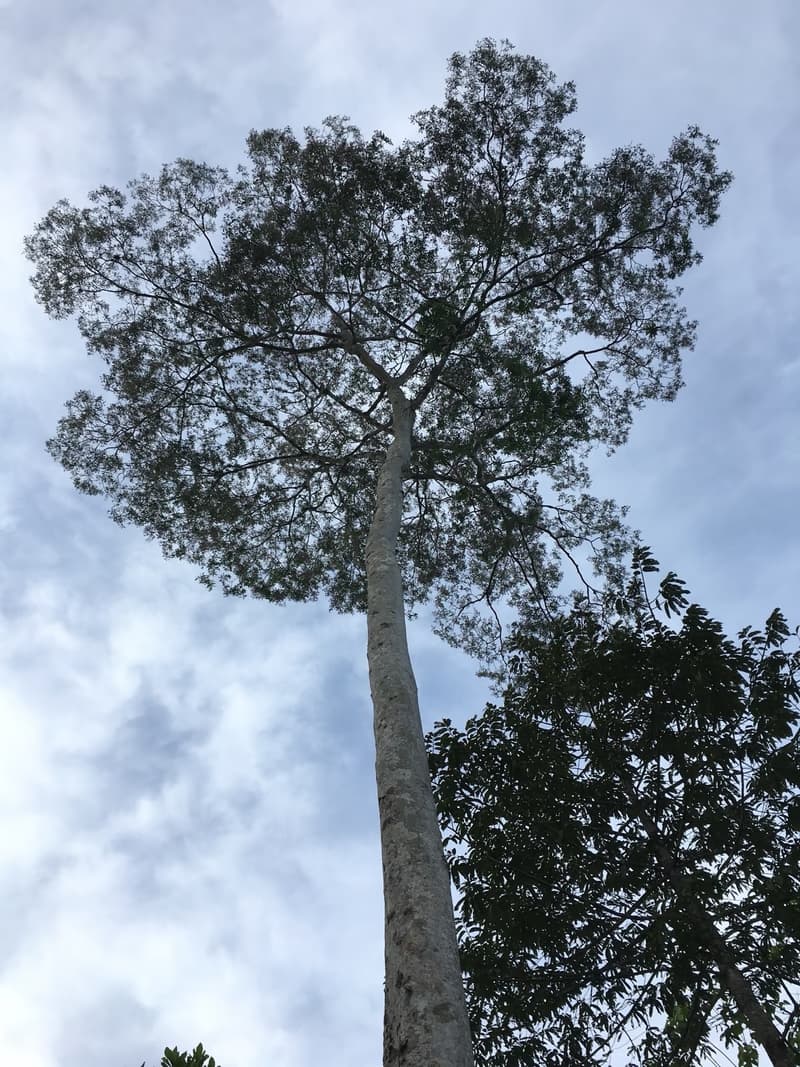
View source ↗Whole tree
📷 (c) zulmary, some rights reserved (CC BY-NC)(CC BY-NC)
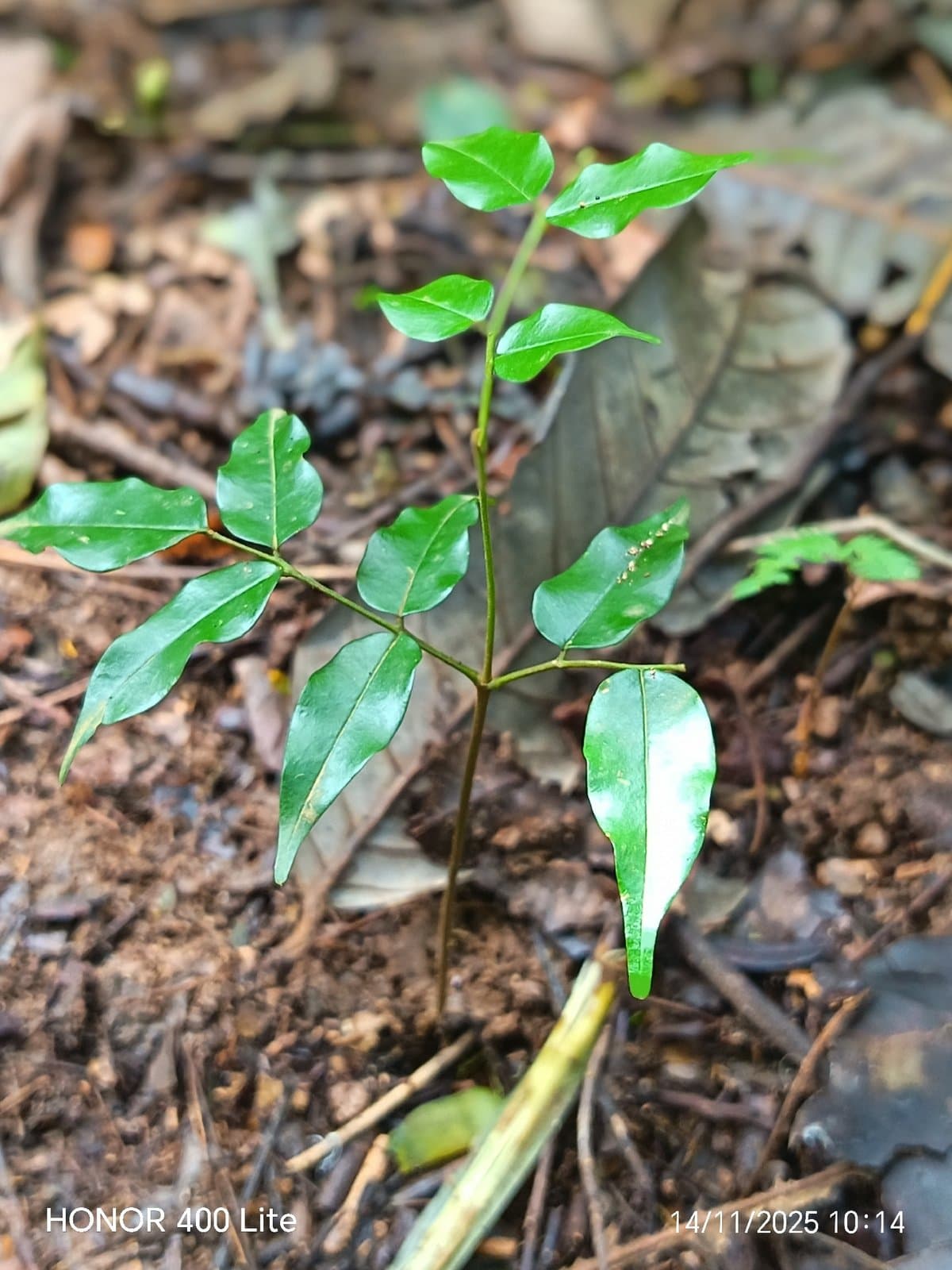
View source ↗Leaves
📷 (c) zulmary, some rights reserved (CC BY-NC)(CC BY-NC)
View source ↗Taxonomy & Classification
Common Names by Region
Taxonomic Notes
Mora oleifera belongs to the subfamily Caesalpinioideae of the Fabaceae, a group that includes many tropical canopy giants. The genus Mora contains only about 7–10 species, all confined to Neotropical wet forests. The generic name Mora was given by the British botanist Patrick Browne in 1756, derived from the local name used in the Caribbean. The specific epithet oleifera means "oil-bearing," referring to the oil-rich seeds.
The species was previously included in a separate family Moroideae by some authors, but molecular phylogenetics firmly places it within Fabaceae-Caesalpinioideae. The common name "Alcornoque" comes from the Spanish word for cork oak (Quercus suber), applied loosely because of the thick, somewhat corky bark.
Physical Description
Tree Form
The Sota is one of the largest trees in Central American forests, reaching 35–50 m in height with a trunk diameter of 100–200 cm above the buttresses. The most dramatic feature is the massive plank buttresses, which radiate from the base of the trunk like the fins of a rocket or the walls of a cathedral. These buttresses typically extend 5–8 m horizontally from the trunk and rise 3–5 m vertically, creating enclosed alcoves between them large enough for a person to stand in. The crown is massive, spreading, and dark green, often emergent above the surrounding forest canopy.
Bark
The outer bark is grayish-brown, thick (2–4 cm), roughly fissured with deep vertical and horizontal cracks creating large blocky plates. The inner bark is pinkish-red to reddish-brown, fibrous, and does not exude significant sap when cut. The bark surface is often covered with mosses, lichens, and epiphytic ferns.
Leaves
Leaves are alternate, pinnately compound with 4–8 leaflets. Leaflets are oblong to elliptic, 6–15 cm long and 3–7 cm wide, coriaceous (leathery), glossy dark green above and paler below, with entire margins and rounded to slightly notched tips. The tree is semi-deciduous, dropping some leaves during the brief dry season (January–March) before flowering.
Flowers
Flowers are small (6–10 mm), white to cream, arranged in short axillary racemes 5–10 cm long. Each flower has 5 petals, numerous stamens, and a single pistil. Flowering occurs during the dry season (January–March) when the tree is partially defoliated, making the pale clusters visible against the bare branches. Pollination is primarily by bees and wind.
Fruit and Seeds
The fruit is a large, flattened, woody pod (legume), 8–15 cm long and 3–5 cm wide, containing a single large seed 4–8 cm across. The seed is brown, rounded, and extremely rich in oil (up to 50% by weight). Pods mature from April to July and fall to the forest floor where they are consumed by large rodents (agoutis, pacas) and peccaries. Dispersal is primarily by gravity, water (the buoyant seeds float in streams), and animal caching.
Root System
The root system is dominated by the extraordinary plank buttresses. These structures evolved to provide structural support in shallow tropical soils, distributing the mechanical forces from the massive trunk and crown across a wide area. The buttresses are composed of dense wood and bark. Between the buttresses, the ground is honeycombed with lateral and sinker roots. The tree forms associations with nitrogen-fixing bacteria and mycorrhizal fungi, as is common in Fabaceae.
Geographic Distribution
Mora oleifera is distributed along the Pacific coast from southern Costa Rica through Panama to Ecuador, exclusively in wet lowland forests at elevations below 500 m. In Costa Rica, it is largely restricted to the Osa Peninsula and Golfo Dulce region, where it is a characteristic component of old-growth primary forest.
Costa Rican Distribution
Habitat & Ecology
Ecological Role
The Sota is an ecological engineer in old-growth wet forests. Its massive buttresses create a unique three-dimensional habitat matrix on the forest floor, providing shelter for an array of organisms from poison dart frogs to coatis. The spaces between buttresses accumulate leaf litter and moisture, creating distinct microhabitats. Dead Sota trees create enormous gaps in the canopy that drive forest succession and regeneration. The oil-rich seeds provide an important food source for large mammals. The tree's nitrogen-fixing capabilities (via root nodule bacteria) enrich the soil in its vicinity.
Wildlife Interactions
Large rodents (agoutis, pacas) and white-lipped peccaries are the primary seed consumers and dispersers. Scarlet macaws and great green macaws have been observed feeding on immature seeds. The buttress cavities are used as shelters by pacas, armadillos, and fer-de-lance snakes (Bothrops asper). The canopy supports significant epiphyte loads, including bromeliads that provide water reservoirs for arboreal amphibians. Bats roost in the buttress alcoves.
Uses & Applications
Timber
Sota produces one of the densest and most durable timbers in the Neotropics. The heartwood is dark reddish-brown to chocolate brown, with a specific gravity of 0.85–1.05 (it often sinks in water). The wood is extremely resistant to decay, marine borers, and insect attack, making it prized for:
- Marine pilings, dock construction, and boat keels
- Heavy outdoor construction (bridges, fence posts)
- Railroad ties
- Fine furniture and flooring
The wood's extreme density makes it challenging to work with hand tools, requiring carbide-tipped saw blades. This combination of durability and beauty has made Sota one of the most overexploited timber species in Central America, driving its endangered status.
Reforestation Challenges
Due to its very slow growth rate and specific habitat requirements, Sota has limited viability for commercial plantation forestry. However, it is included in enrichment planting programs within existing forests and in restoration projects targeting old-growth forest recovery. Seedlings have been successfully raised in nurseries but require careful site selection and protection from browsing for establishment.
Cultural Significance
Old-Growth Forest Symbol
The Sota has become an iconic symbol of old-growth forest conservation in Costa Rica. Images of its cathedral buttresses are widely used by conservation organizations to illustrate the irreplaceable nature of primary forests. The destruction of Sota trees through selective logging is cited as a primary example of the "high-grading" practice that degrades tropical forests from within, removing the most valuable organisms while leaving the forest standing but ecologically impoverished.
Economic History
Historically, Sota timber was one of the most commercially valuable products of Costa Rica's southern Pacific forests. The extreme durability of the wood meant that individual trees could command high prices. This economic value paradoxically drove the species toward endangerment, as loggers preferentially targeted the largest and oldest trees — precisely those most important for reproduction and ecosystem function.
Conservation Status
Mora oleifera is assessed as Endangered (EN) on the IUCN Red List. Key factors:
- Selective logging: The most mature, reproductively active trees are preferentially harvested, reducing the breeding population and seed production
- Habitat loss: Conversion of Pacific lowland wet forests to oil palm, banana, and pineapple plantations
- Extremely slow growth: Trees removed today cannot be replaced for centuries
- Restricted range: In Costa Rica, viable populations exist primarily in the Osa Peninsula
- Low regeneration density: Natural seedling establishment is sparse even in undisturbed forest
Protection Measures
The species is protected within Corcovado National Park, Piedras Blancas National Park, and the Golfo Dulce Forest Reserve. Commercial logging of Sota is prohibited in Costa Rica. Conservation efforts focus on maintaining forest connectivity between the Osa Peninsula protected areas and preventing encroachment into remaining old-growth stands. Seed banking and nursery propagation programs are underway at CATIE (Tropical Agricultural Research and Higher Education Center) and other institutions.
Cultivation & Care
Planting
Sota is extremely challenging to grow outside its natural habitat. Plant fresh seeds during the wet season (May–July) in deep, rich soil in a humid, sheltered location. Partial shade is tolerated by seedlings. Expect very slow growth and patience measured in decades, not years. This is a conservation planting species, not a production species.
Watering
Requires consistently high moisture. Do not allow soil to dry out. Seedlings are very sensitive to drought stress. In nursery conditions, mist regularly and maintain >80% relative humidity.
Propagation
Seeds are large, recalcitrant, and lose viability within days of falling from the tree. Collect seeds immediately upon fall and plant within 48–72 hours. Do not store or dry. Plant 3–5 cm deep in moist, rich nursery mix. Germination occurs in 15–30 days. Seedlings grow slowly (10–30 cm in the first year). Transplant to the field after 1–2 years when 30–60 cm tall.
Year-Round Care Calendar
Where to See This Tree
External Resources
References
- Zamora, N. et al. (2004). Árboles de Costa Rica, Vol. II. INBio/OET.
- Hartshorn, G. S. (1983). "Plants." In: Janzen, D. H. (ed.) Costa Rican Natural History. University of Chicago Press.
- Navarro, J. A. et al. (2008). "Population structure and dynamics of Mora oleifera in Corcovado National Park." Biotropica, 40: 559–566.
- Holdridge, L. R. & Poveda, L. J. (1975). Árboles de Costa Rica, Vol. I. Centro Científico Tropical.
- Jiménez, Q. (1993). Árboles Maderables en Peligro de Extinción en Costa Rica. INBio.
Safety Information Disclaimer
Safety information is provided for educational purposes only. Individual reactions may vary significantly based on age, health status, amount of exposure, and individual sensitivity. Always supervise children around plants. Consult a medical professional or certified arborist for specific concerns. The Costa Rica Tree Atlas is not liable for injuries or damages resulting from interaction with trees described in this guide.
• Always supervise children around plants
• Consult medical professional if unsure
• Seek immediate medical attention if poisoning occurs
Information compiled from authoritative toxicology sources, scientific literature, and medical case reports.
Help improve this page
Know something about this tree? Share local knowledge, suggest a correction, or submit a photo to improve this guide for everyone.