Roble de Sabana
Tabebuia rosea
Quick facts
Native Region
Mexico to Venezuela and Ecuador
Max Height
20-30 meters (65-100 feet)
Family
Bignoniaceae
Conservation
LC — Least Concern
Uses
Safety Information
Toxicity Details
Tabebuia rosea contains alkaloids in bark and flowers that can be MILDLY TOXIC if ingested. CHILDREN: May experience nausea, vomiting, diarrhea if they chew or swallow bark or flowers. Symptoms are typically mild but can include digestive upset and potentially allergic reactions. The attractive pink blooms can tempt curious children. PETS (Dogs & Cats): Can experience digestive upset from eating bark or flowers. Some sources report mild symptoms while others note potential for more serious reactions including respiratory distress in rare cases. Individual animal sensitivity varies. Contact veterinarian if pet shows illness after exposure. TRADITIONAL MEDICINE: The bark is used traditionally to treat intestinal parasites, malaria, fever, and inflammation, indicating it contains bioactive compounds that should be respected. However, casual ingestion is not recommended.
Skin Contact Risks
Direct contact with leaves, bark, and flowers may cause MILD SKIN IRRITATION in sensitive individuals. Some people develop dermatitis or allergic skin reactions from handling the plant, especially from sap or fresh bark. However, most people can touch the tree without issues. If skin irritation develops, wash area with soap and water and discontinue contact.
Allergenic Properties
LOW TO MODERATE allergen risk. Flowers are bee-pollinated with minimal airborne pollen. Wood dust should be treated with standard precautions (dust mask, ventilation) as with any hardwood. No reports of severe respiratory sensitization from wood dust, but general irritant effects are possible. Finished wood products are safe for homes.
Season
Flowering
Mar-May
Fruiting
Jun-Jul
How to identify
Roble de Sabana
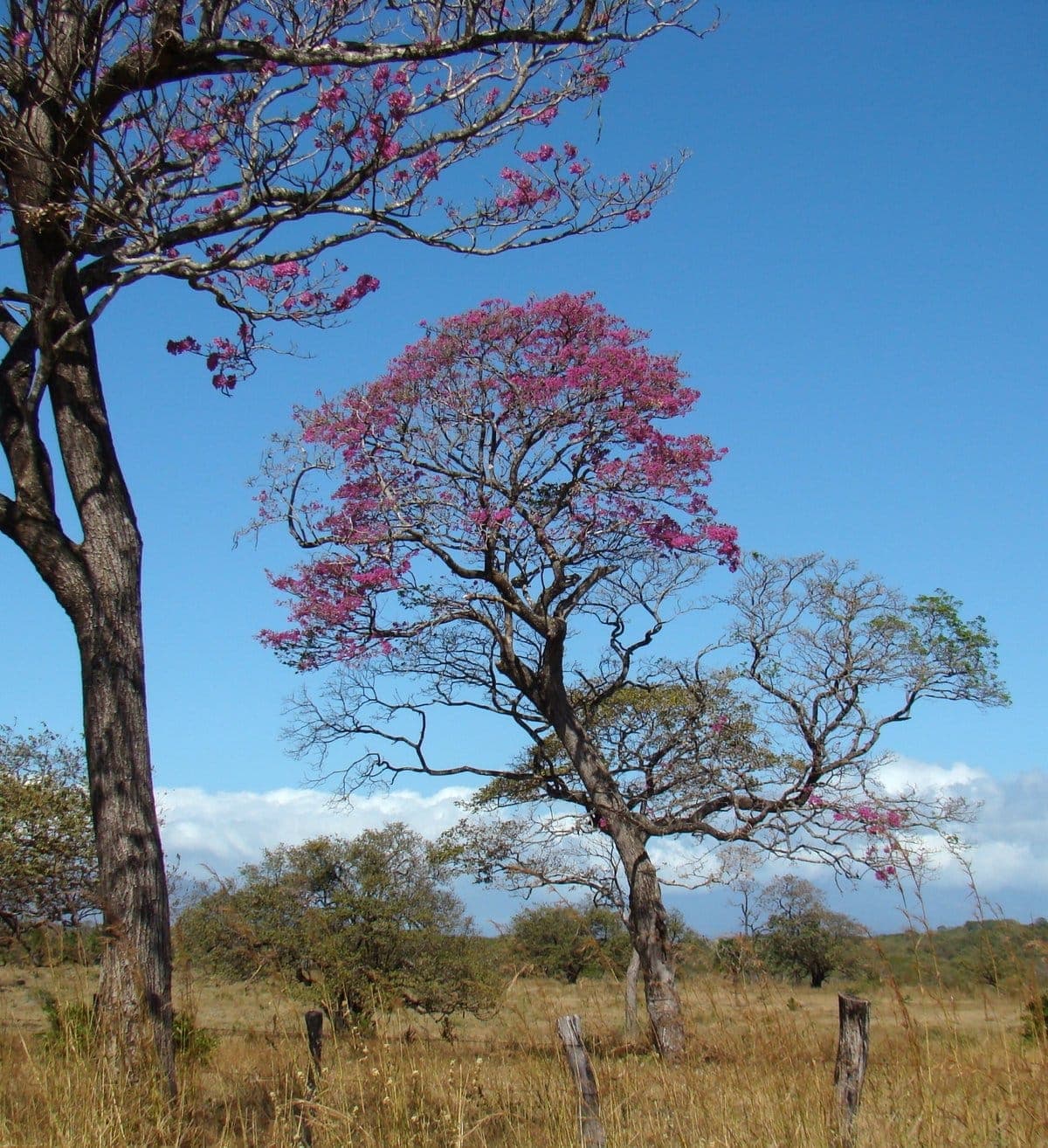
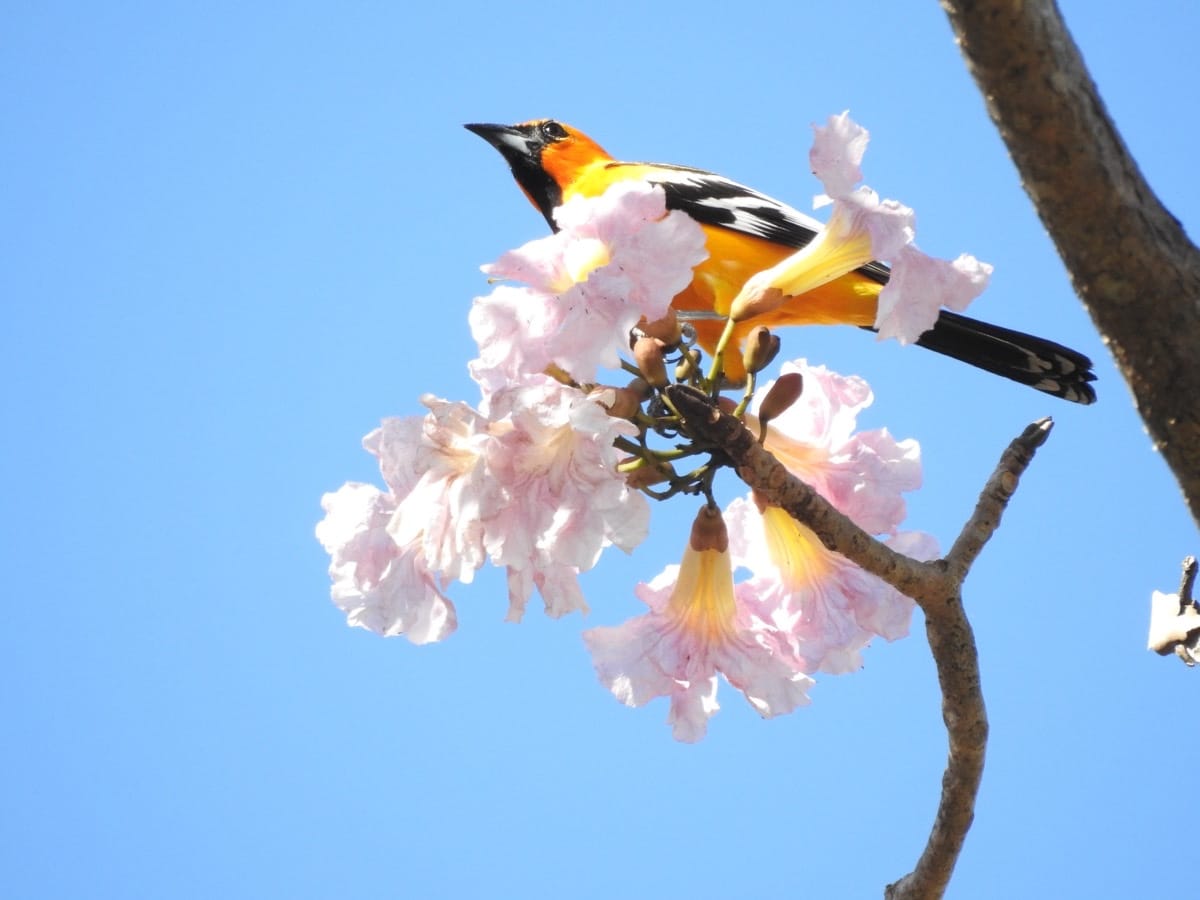
Roble de Sabana (Tabebuia rosea), also known as Pink Poui or Pink Trumpet Tree, is arguably Costa Rica's most recognizable flowering tree. Each dry season, these trees shed their leaves and burst into spectacular displays of pink blossoms, creating the appearance of "pink clouds" scattered across pastures, roadsides, and urban landscapes throughout the country.
Quick Reference
iNaturalist Observations
Community-powered species data
📸 Photo Gallery
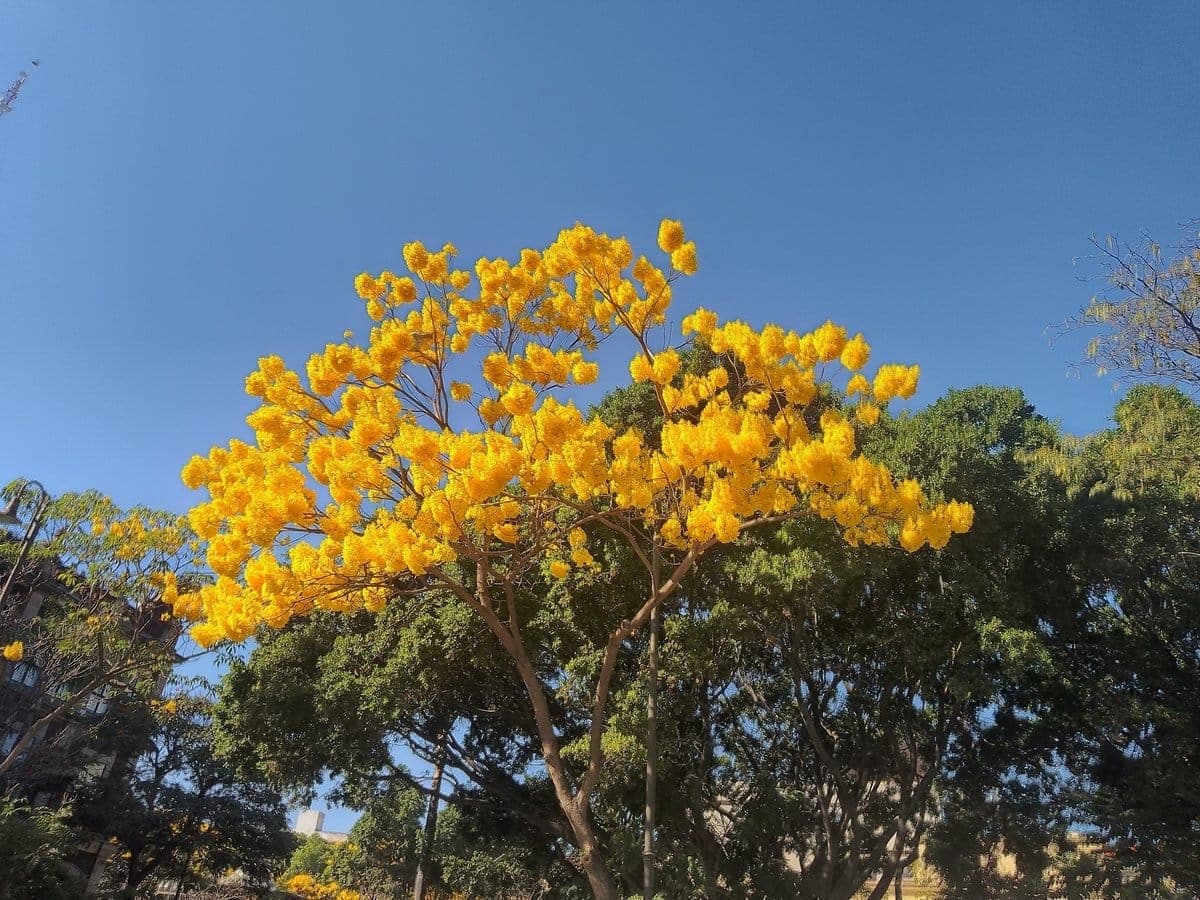
Whole tree
📷 (c) joe43790, some rights reserved (CC BY-NC)(CC BY-NC)
View source ↗Leaves
📷 (c) pecker, some rights reserved (CC BY-NC)(CC BY-NC)
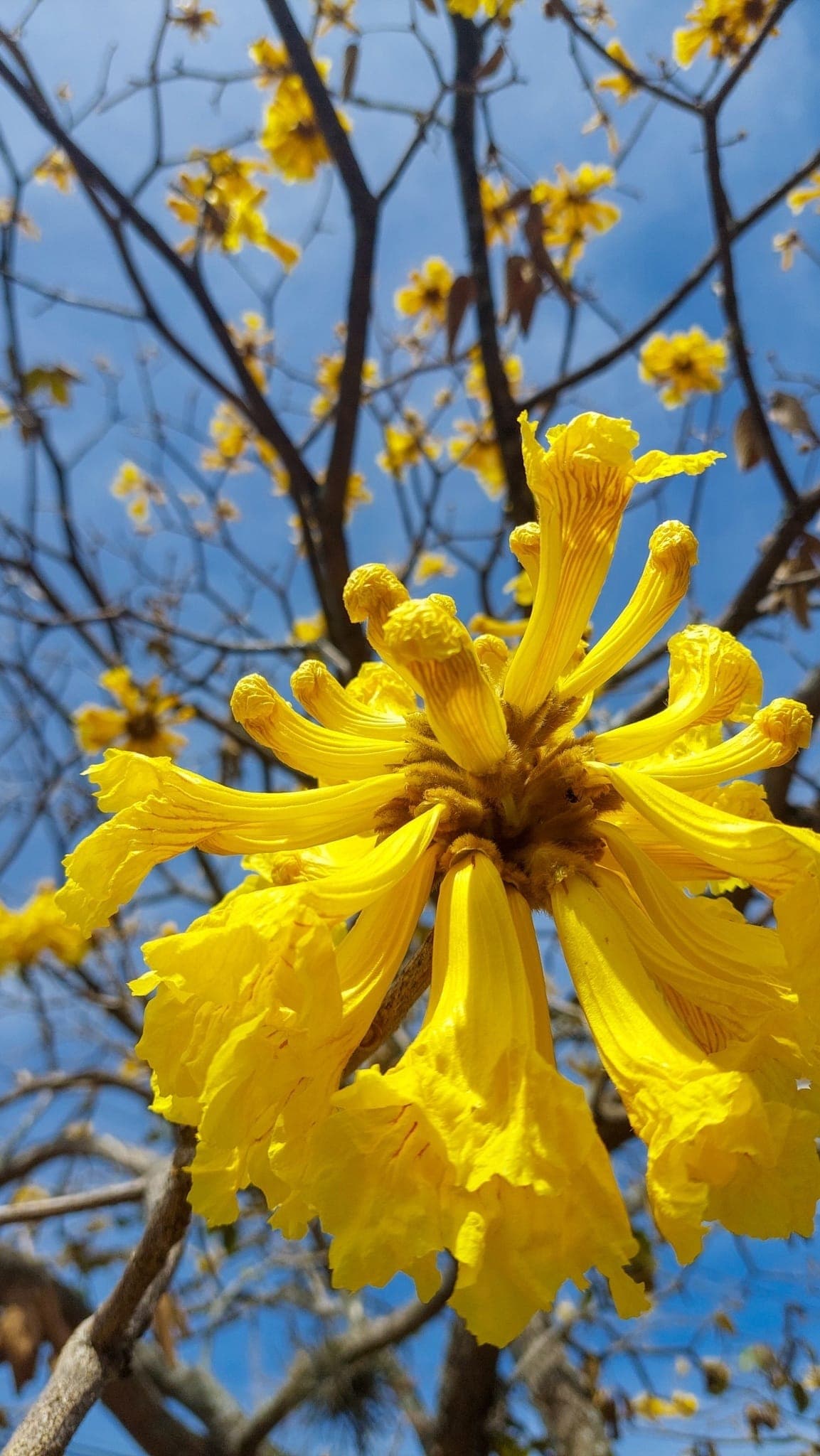
View source ↗Flowers
📷 (c) Daniel Patterson, some rights reserved (CC BY)(CC BY)
View source ↗Whole tree
📷 (c) pecker, some rights reserved (CC BY-NC)(CC BY-NC)
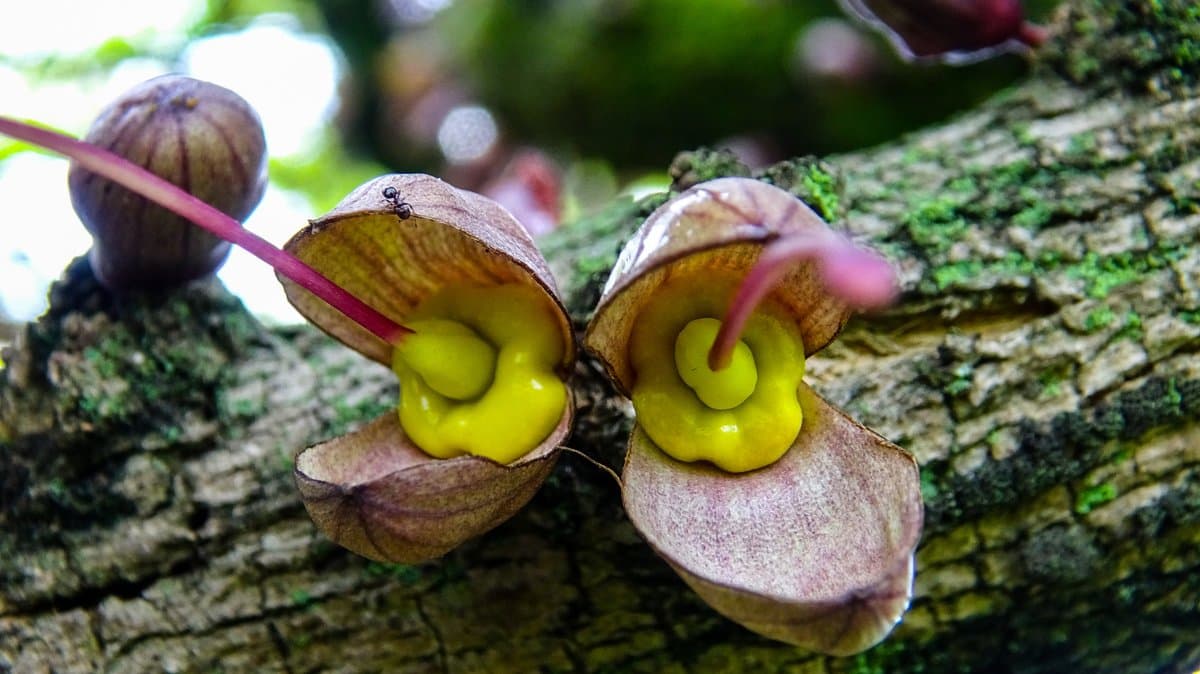
View source ↗Leaves
📷 (c) maticus, some rights reserved (CC BY-NC)(CC BY-NC)
View source ↗Photos sourced from iNaturalist's community science database. Browse all 12,500+ observations →↗
Taxonomy & Classification
Unlike the yellow-flowering species that were moved to Handroanthus, Tabebuia rosea remains in the genus Tabebuia based on molecular phylogenetic studies. It is the type species for the genus and the most widespread member of this iconic group of flowering trees.
Common Names
Physical Description
Overall Form
The Roble de Sabana is a medium to large deciduous tree with a broad, spreading crown. It is particularly noted for its tolerance of a wide range of conditions and its spectacular flowering display.
Distinctive Features
Trunk & Bark
- Bark: Light gray to brownish, fissured in mature trees
- Wood: Moderately hard, light brown
- Form: Usually single-trunked with spreading branches
- Buttresses: Minimal to absent
Leaves
- Type: Palmately compound (5 leaflets)
- Leaflet Shape: Elliptic to obovate
- Size: Leaflets 8-30 cm long
- Texture: Smooth to slightly rough
- Timing: Deciduous before flowering
Flowers
- Color: Pink to lavender-pink (rarely white)
- Shape: Tubular-campanulate (trumpet-shaped)
- Size: 5-10 cm long
- Arrangement: Terminal clusters
- Season: January to April
- Duration: Individual trees bloom 1-2 weeks
Fruits & Seeds
- Type: Long, narrow capsule
- Size: 20-40 cm long
- Color: Dark brown when mature
- Seeds: Winged, wind-dispersed
- Timing: Mature 6-8 weeks after flowering
While most Roble de Sabana trees produce pink flowers, the intensity varies from pale pink to deep magenta. Occasionally, white-flowering individuals occur. This variation, combined with different blooming times, creates a prolonged display across the landscape.
Distribution & Habitat
Native Range
Geographic Distribution
Distribution in Costa Rica
The Roble de Sabana is found throughout Costa Rica from sea level to about 1,200 meters, making it one of the country's most widely distributed native trees. It thrives in both natural and human-modified landscapes.
Preferred Habitat
Ecological Significance
Pollinator Paradise
During the dry season when flowers are scarce, the abundant blooms of Roble de Sabana provide a critical nectar and pollen source for countless bees, butterflies, and hummingbirds. A single flowering tree can support thousands of pollinator visits daily.
Wildlife Interactions
Pollinators
- Bees: Native stingless bees, carpenter bees, honeybees
- Hummingbirds: Multiple species visit flowers
- Butterflies: Sulfurs and swallowtails attracted
- Moths: Nocturnal pollination documented
- Bats: Occasional visitors to flowers
Other Wildlife
- Parakeets: Feed on developing seeds
- Squirrels: Use branches for travel corridors
- Epiphytes: Branches host orchids, bromeliads
- Iguanas: Often seen basking on branches
- Cavity Nesters: Old trees provide nest sites
Ecosystem Services
Cultural & Economic Importance
National Symbol
National Tree of El Salvador
The Roble de Sabana (Tabebuia rosea) is the national tree of El Salvador, where it is known as Maquilíshuat (from Nahuatl). It symbolizes beauty and the renewal that comes with the rainy season. In Costa Rica, while not the national tree, it holds a similar place in the cultural landscape as the most visible herald of the dry season.
Traditional Uses
The Pink Season
Conservation Status
Sources: IUCN Red List (search: Tabebuia rosea)↗, Tropicos — Tabebuia rosea↗, GBIF — Tabebuia rosea↗
Current Assessment
Conservation Status
Success Story
The Roble de Sabana represents a rare conservation success story. Unlike many native trees that have declined, this species has likely increased in abundance over the past century due to its popularity as an ornamental and shade tree. It readily regenerates in pastures and tolerates human activity, making it one of the few native trees that actually benefits from landscape modification.
Cultivation & Propagation
Growing Roble de Sabana
Propagation Methods
From Seeds (Primary Method)
- Collect seeds from mature pods (April-June)
- Sow within 2-4 weeks (short viability)
- Light soil coverage
- Keep moist; germination in 10-15 days
- Transplant at 30-50 cm height
- Very high success rate (90%+)
From Cuttings
- Semi-hardwood cuttings possible
- Rooting hormone recommended
- Less common than seed propagation
Growing Conditions
Urban Planting Tips
- Avoid planting over sidewalks (petal drop)
- Allow space for spreading crown
- No pruning needed except to shape when young
- Excellent for large parking lots and boulevards
- Combine with Corteza Amarilla for color contrast
Identification Guide
How to Identify Roble de Sabana
External Resources
Community observations and photos
Taxonomic information and records
Central American forestry research
Global biodiversity occurrence data and distribution maps
Conservation status and species assessment
References
📚 Scientific References & Further Reading
Gentry, A.H. (1992). Bignoniaceae: Part II (Tribe Tecomeae). Flora Neotropica Monograph
Holdridge, L.R. & Poveda, L.J. (1975). Árboles de Costa Rica Vol. 1
Zamora, N., et al. (2000). Árboles de Costa Rica Vol. II
For the most spectacular displays, visit Costa Rica between mid-February and mid-March. The Central Valley and Guanacaste offer the best viewing, with trees blooming along nearly every road. The combination of pink Roble de Sabana and yellow Corteza Amarilla blooming together is one of the country's most beloved natural spectacles. Don't miss the carpet of pink petals beneath the trees!
Safety Information Disclaimer
Safety information is provided for educational purposes only. Individual reactions may vary significantly based on age, health status, amount of exposure, and individual sensitivity. Always supervise children around plants. Consult a medical professional or certified arborist for specific concerns. The Costa Rica Tree Atlas is not liable for injuries or damages resulting from interaction with trees described in this guide.
• Always supervise children around plants
• Consult medical professional if unsure
• Seek immediate medical attention if poisoning occurs
Information compiled from authoritative toxicology sources, scientific literature, and medical case reports.
Help improve this page
Know something about this tree? Share local knowledge, suggest a correction, or submit a photo to improve this guide for everyone.