Panama Rubber Tree
Castilla elastica
Quick facts
Native Region
Southern Mexico through Central America to northwestern South America; native to Costa Rica
Max Height
30-40 meters
Family
Moraceae
Conservation
LC — Least Concern
Uses
Safety Information
Toxicity Details
The milky latex can cause mild gastrointestinal upset if ingested. The latex is not severely toxic but should not be consumed. Unripe fruits may cause stomach discomfort. Ripe fruits are edible but generally not palatable.
Skin Contact Risks
The latex can cause contact dermatitis and skin irritation in sensitive individuals. Natural rubber latex allergy is possible, though Castilla latex proteins differ from Hevea. The milky sap can stain skin and clothing and is difficult to remove. Avoid getting latex in eyes.
Allergenic Properties
Latex from Castilla elastica may trigger allergic reactions in individuals with natural rubber latex allergy, though cross-reactivity with Hevea brasiliensis latex is not fully established. Pollen is a minor allergen. Wood dust is mildly irritating.
Structural Hazards
Large specimens can develop wide-spreading branches that may break in strong winds. The wood is soft and relatively weak. Buttress roots can damage pavements and foundations. Mature trees should be monitored for structural integrity, especially after storms.
Wildlife & Pet Risks
No significant wildlife toxicity. Fruits are consumed by bats, monkeys, and birds. The tree is an important food source for frugivorous wildlife in tropical forests.
Season
Flowering
Feb-May
Fruiting
Apr-Jul
How to identify
Panama Rubber Tree (Hule)
Hule (Castilla elastica), the Panama Rubber Tree, is the original source of natural rubber in the Americas — long before Hevea brasiliensis dominated the global rubber industry. Pre-Columbian Mesoamerican civilizations used its milky latex to create rubber balls for the famous Mesoamerican ballgame, waterproof clothing, and ceremonial objects. In Costa Rica, this fast-growing native tree remains ecologically important in tropical wet forests and riparian corridors.
Quick Reference
iNaturalist Observations
Community-powered species data
📸 Photo Gallery
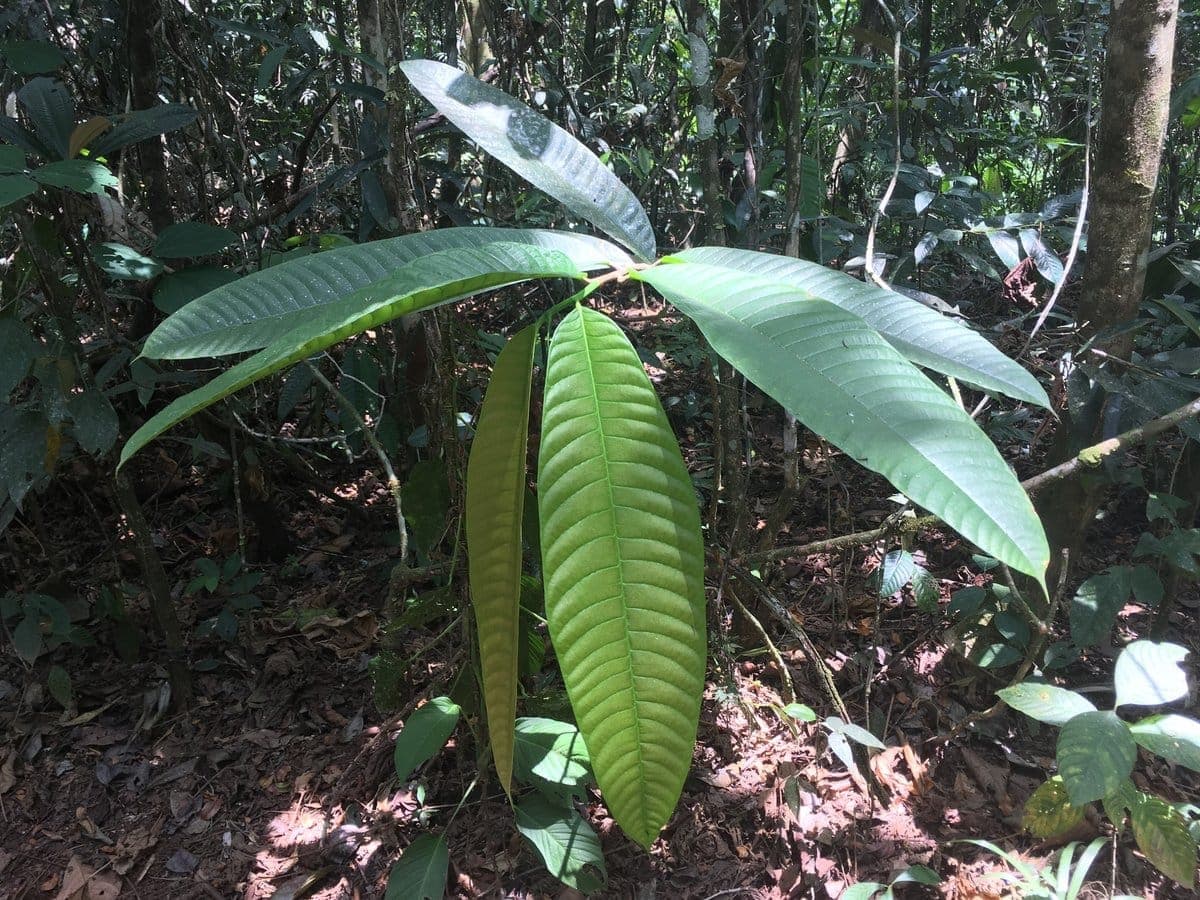
Whole tree
📷 (c) Federico A. Chinchilla Romero, some rights reserved (CC BY-NC)(CC BY-NC)
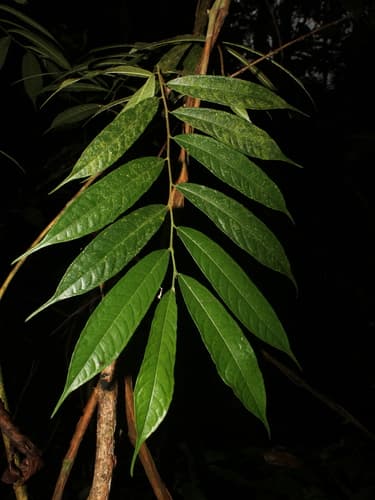
View source ↗Leaves
📷 (c) Federico A. Chinchilla Romero, some rights reserved (CC BY-NC)(CC BY-NC)
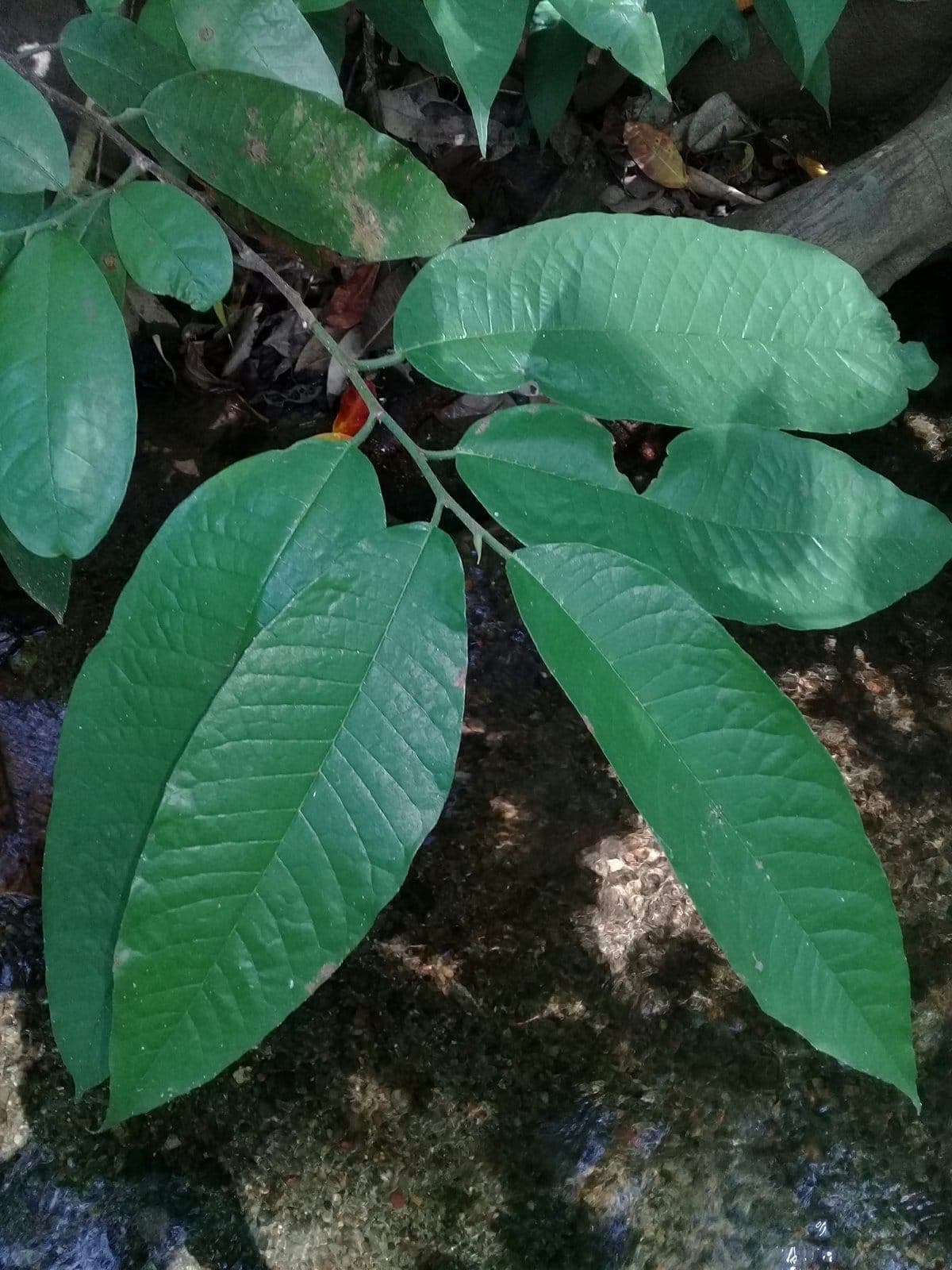
View source ↗Whole tree
📷 (c) alexqxu, some rights reserved (CC BY-NC)(CC BY-NC)
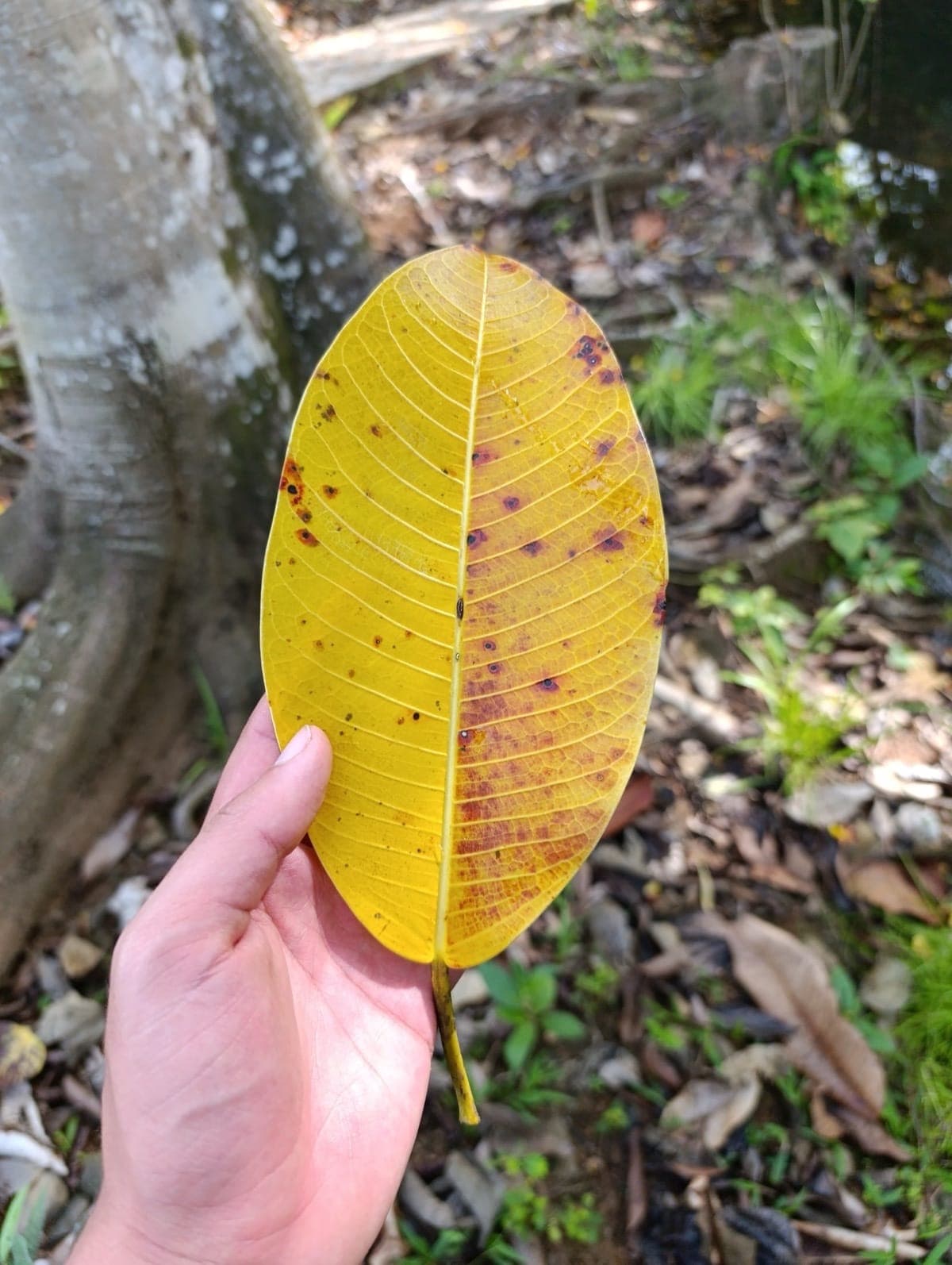
View source ↗Leaves
📷 (c) Federico A. Chinchilla Romero, some rights reserved (CC BY-NC)(CC BY-NC)
View source ↗Whole tree
📷 (c) James Ojascastro, some rights reserved (CC BY-NC-SA)(CC BY-NC-SA)
View source ↗Taxonomy & Classification
Common Names by Region
Taxonomic Notes
Castilla elastica was described by the Spanish-Italian botanist Martín de Sessé y Lacasta in 1794. The genus Castilla belongs to the fig family (Moraceae) and contains approximately 3 species, all of which are latex-producing trees.
The genus name honors Juan del Castillo, an 18th-century Spanish botanist who accompanied the Royal Botanical Expedition to New Spain. The specific epithet elastica refers to the elastic (rubber) properties of the latex.
A closely related species, Castilla tunu, is sometimes confused with C. elastica and may co-occur in parts of Central America. C. elastica is distinguished by its larger leaves (up to 60 cm) and more prominent stipules. Some authorities recognize C. elastica subsp. costaricana for Costa Rican populations.
Historically, Castilla was among the first Neotropical trees to be economically exploited for its latex, predating the Brazilian rubber boom (Hevea brasiliensis) by centuries.
Physical Description
Tree Form
The Panama Rubber Tree is a large, fast-growing canopy tree reaching 30–40 m in height in primary forest, with a trunk diameter up to 1 m (occasionally more). The trunk is straight and often develops prominent buttress roots at the base, extending 1–2 m from the trunk. The crown is broad, spreading, and dome-shaped, with dense foliage that casts deep shade. In the open, trees develop a shorter, wider crown. The architecture is distinctly sympodial, with horizontal branching tiers.
Bark
The bark is smooth to slightly rough, grayish to light brown, with conspicuous raised lenticels. When cut or wounded, the bark exudes copious amounts of white milky latex that coagulates rapidly to form an elastic mass. Young bark is thin and smooth; older bark develops shallow fissures. The latex production is most abundant in young, actively growing trees.
Leaves
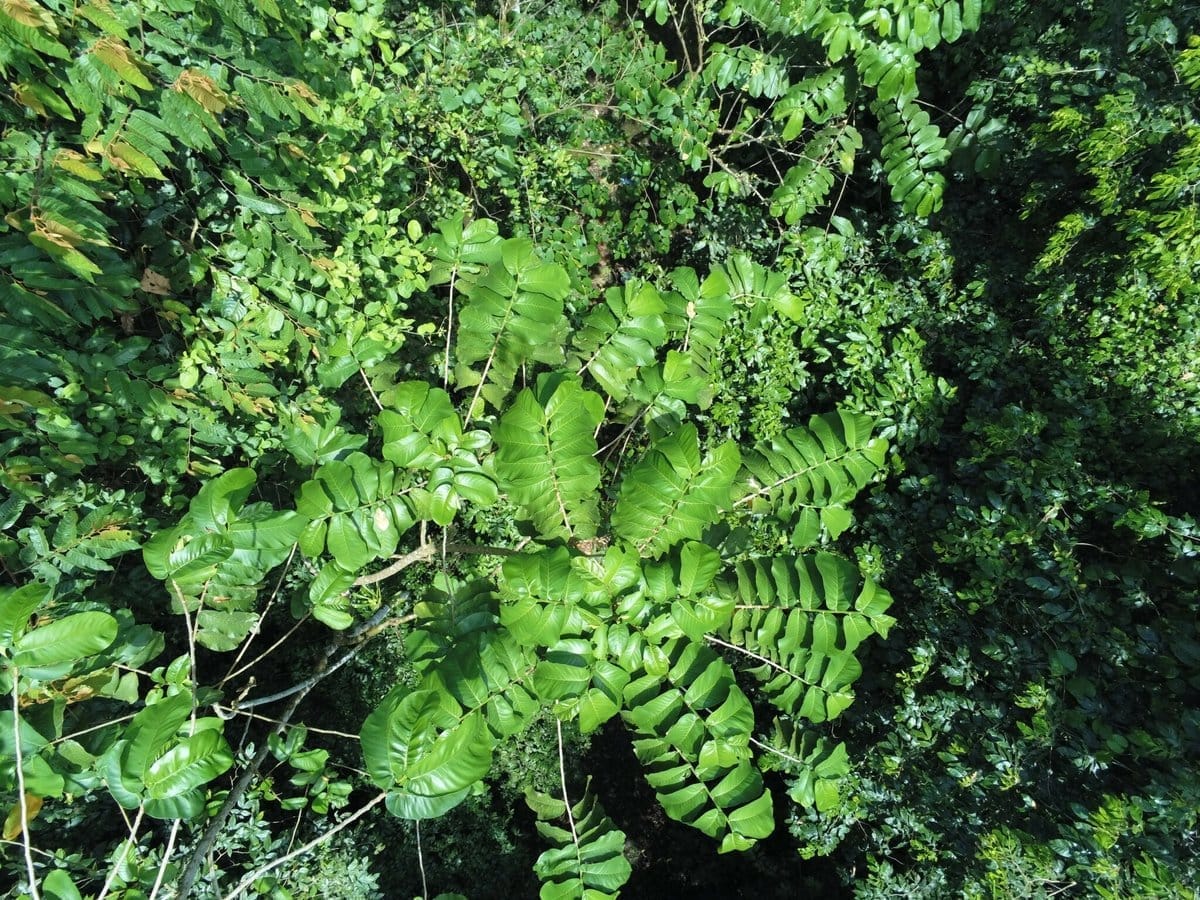
Leaves are among the largest of any Costa Rican tree species — simple, alternate, broadly oblong to obovate, 20–60 cm long and 10–30 cm wide. The leaf surface is rough (scabrous) above due to tiny cystoliths (calcium carbonate crystals) and softly pubescent below. Margins are shallowly toothed or undulate. The venation is pinnate and prominent, with 15–20 pairs of secondary veins. Stipules are large, persistent, and conical, covering the terminal bud and leaving prominent ring-like scars on the stem. New leaves emerge from the stipular bud with a distinctive reddish tint.
Flowers
Flowers are unisexual (monoecious — separate male and female flowers on the same tree). Male flowers are produced in flat, disc-shaped inflorescences (heads) on peduncles, each head bearing 50–100 tiny flowers with reduced perianths. Female flowers are borne in smaller rounded heads, enclosed by involucral bracts. Pollination is primarily by wind, though small insects may also play a role. Flowering occurs during the dry-to-wet season transition.
Fruit and Seeds
The fruit is a syncarp (aggregate fruit), 2–4 cm in diameter, fleshy and orange to red when ripe, resembling a small mulberry. It is formed by the fusion of multiple individual fruits within the fleshy receptacle. Each syncarp contains numerous tiny seeds (achenes) embedded in the sweet, juicy pulp. The ripe fruits are attractive to bats and birds, which serve as the primary seed dispersers. Fruiting follows 2–3 months after flowering.
Root System and Buttresses
Hule develops prominent plank buttresses that radiate 1–2 m from the base of the trunk and rise 1–1.5 m above the ground. These buttresses serve both structural and functional purposes: they stabilize the tree in the soft, often waterlogged soils of wet lowland forests, and they increase the effective root surface area for nutrient absorption. The lateral root system is extensive but shallow, spreading through the upper 30–50 cm of soil where nutrient concentrations are highest. In alluvial soils along rivers, buttresses may be less pronounced due to deeper, more stable substrate.
Latex Chemistry
The white latex of Castilla elastica differs chemically from the commercially dominant Hevea brasiliensis. Castilla latex contains predominantly cis-1,4-polyisoprene, the same polymer as Hevea rubber, but with a broader molecular weight distribution and different protein content. The latex also contains proteolytic enzymes (similar to those in papaya and fig) that contribute to its rapid coagulation when exposed to air. Fresh latex is approximately 30–45% solid content by weight. The rapid coagulation was advantageous for ancient Mesoamerican rubber workers, who mixed the latex with juice from morning glory vines (Ipomoea alba) to control the curing process and produce elastic balls of controlled hardness.
Stipular Bud and Leaf Emergence
One of Hule's most distinctive botanical features is its large, conical stipular bud, which encloses the developing leaf in a protective sheath. As the new leaf unfurls, the stipule falls away, leaving a prominent ring-shaped scar on the stem. These scars create a banded pattern on young branches that is diagnostic of the genus. The emerging leaf has a distinctive reddish-bronze color that photosynthesizes from the moment of unfolding, allowing the tree to capitalize rapidly on light gaps.
Geographic Distribution
Global Range
Castilla elastica ranges from southern Mexico (Veracruz, Oaxaca, Tabasco) through all of Central America to northwestern Colombia and Ecuador. It is widespread in tropical wet forests and semi-deciduous moist forests from sea level to approximately 1,200 m elevation.
Distribution in Costa Rica
In Costa Rica, Hule is found throughout the lowland and premontane wet forests:
- Limón: Caribbean lowland forests, abundant in river corridors and secondary forests
- Heredia: Sarapiquí lowlands, one of the most common canopy trees
- Alajuela: San Carlos plains and northern lowlands
- Puntarenas: Osa Peninsula, Golfo Dulce area, southern Pacific forests
- San José / Cartago: Premontane wet forests on both slopes (scattered)
The species is most abundant in the Caribbean and southern Pacific lowlands where annual rainfall exceeds 2,500 mm. It is uncommon in the dry forests of Guanacaste.
Elevation Range
Sea level to 1,200 m, with peak abundance at 0–600 m in wet lowland forests.
Biogeographic Notes
The genus Castilla contains approximately three species, all restricted to the Neotropics: C. elastica (widespread in Mesoamerica), C. ulei (Amazonia), and C. tunu (northern South America and Central America, sometimes synonymized with C. elastica). The genus is placed within Moraceae, the fig family, and shares characteristic features including copious latex and syncarpous fruit. Castilla elastica likely originated in Mesoamerica and is strongly associated with the archaeological record of pre-Columbian rubber use, suggesting a deep co-evolutionary history with human societies. In Costa Rica, the species is most abundant on the Caribbean slope and southern Pacific, mirroring the distribution of wet lowland forest. Its dependence on bat dispersal has shaped its distribution pattern, as it tends to be most abundant along riparian corridors and in forest edges where frugivorous bat activity is concentrated.
Habitat & Ecology
Ecological Role
Hule functions as a gap colonizer and secondary forest canopy tree. Its fast growth allows it to rapidly occupy forest openings, contributing to canopy closure and accelerating succession. As a large tree, it provides structural habitat for epiphytes, lianas, and arboreal animals.
The abundant fleshy fruits are a critical food resource for frugivorous wildlife, making Hule a keystone species in tropical wet forest food webs. The latex has defensive functions against herbivores and pathogens.
Wildlife Interactions
- Fruit consumers: Bats (especially Artibeus spp.), howler monkeys (Alouatta palliata), spider monkeys (Ateles geoffroyi), toucans, parrots, and various passerines
- Pollinators: Primarily wind-pollinated; small thrips and beetles may visit male inflorescences
- Seed dispersers: Fruit bats are the primary dispersers; seeds pass through bat digestive systems and germinate readily
- Herbivores: Larvae of various Lepidoptera feed on leaves; leaf-cutter ants generally avoid the species due to latex
- Epiphytes: Large specimens host rich communities of orchids, bromeliads, aroids, and ferns
- Invertebrates: Stipular buds and leaf axils shelter ant colonies and other arthropods
Associated Species
Hule commonly occurs alongside:
- Ficus insipida (Higuerón) — fellow Moraceae
- Brosimum utile (Mastate) — another latex-producing Moraceae
- Carapa guianensis (Caobilla)
- Pentaclethra macroloba (Gavilán)
- Virola koschnyi (Fruta Dorada)
- Welfia regia (Palma Real)
Bat-Fruit Dispersal Network
Hule is a cornerstone species in the Neotropical bat-fruit dispersal network. The large fruiting Artibeus bats (A. jamaicensis, A. lituratus) that consume Hule fruits are among the most important seed dispersers in tropical wet forests:
- Feeding behavior: Bats pluck ripe syncarps from the tree and carry them to a feeding roost, where they chew the pulp and discard seeds — often 50–200 m from the parent tree
- Dispersal distance: Bat-mediated dispersal moves seeds much farther than gravity alone, enabling colonization of forest gaps and disturbed sites across the landscape
- Germination enhancement: Seeds that pass through bat guts show 20–40% higher germination rates than uneaten seeds, due to chemical scarification and removal of germination inhibitors in the pulp
- Forest regeneration: In studies of tropical secondary forest succession, bat-dispersed Moraceae (including Castilla) are among the first large-seeded trees to appear, brought in by bats from nearby forest fragments
Uses & Applications
Sources: IUCN Red List — Castilla elastica↗, GBIF — Castilla elastica↗, TROPICOS — Castilla elastica↗
Historical Rubber Production
Castilla elastica holds an extraordinary place in human history as the source of pre-Columbian rubber:
- Mesoamerican ballgame: The ancient Maya and Aztec civilizations extracted latex from Castilla trees to make solid rubber balls for the ritualistic ballgame (ullamaliztli), dating back at least 3,500 years
- Waterproofing: Latex was applied to cloth and containers to create waterproof goods
- Incense: Solidified latex was burned as incense in ceremonies
- Sandals: Rubber-coated sandals provided water resistance
- Figurines: Small rubber figurines have been found in archaeological sites
The Aztec tribute system required conquered peoples to deliver large quantities of rubber, and the word "hule" derives from the Nahuatl ōlli (rubber). This is also the root of the English word "olé" in the context of sports.
Colonial-Era Exploitation
During the 19th century, Castilla was heavily exploited for industrial rubber before Hevea brasiliensis (Para rubber) took over:
- Costa Rica had significant rubber-tapping operations in the Caribbean lowlands (1850s–1890s)
- Unlike Hevea, Castilla was typically felled for latex extraction, making the practice unsustainable
- The destructive harvesting method, combined with Hevea's superior yield, led to the collapse of the Castilla rubber industry
Modern Uses
Today, Hule is valued for:
- Reforestation: Fast growth makes it useful for restoring degraded tropical forests
- Shade: Planted as shade trees in pastures and around homesteads
- Wildlife habitat: Fruit production supports biodiversity conservation
- Living fences: Fast-growing stakes root readily for establishing boundaries
- Research: Studied for its latex chemistry and comparison with Hevea rubber
Wood Properties
The wood is soft, lightweight (specific gravity 0.35–0.45), pale cream to light brown, and not durable. It has limited commercial value:
- Used locally for temporary construction, crates, and non-load-bearing structures
- Makes acceptable plywood core material
- Burns easily; used as firewood
- Not resistant to decay or insects; unsuitable for ground contact
Environmental Services
Hule contributes several important ecosystem services in wet lowland forests:
- Bat habitat provisioning: Large hollow trunks and dense canopy provide roosting sites for fruit bats, which in turn disperse seeds across fragmented landscapes
- Riparian forest structure: Common along rivers, Hule stabilizes banks and provides overhead shade that regulates stream temperature for aquatic biodiversity
Cultural Significance
Pre-Columbian Heritage
The rubber tree holds deep cultural significance across Mesoamerica:
- The oldest rubber artifacts: Rubber balls dating to 1600 BCE have been found at El Manatí, Veracruz, confirming Castilla latex use for millennia
- The Mesoamerican ballgame: Rubber balls (weighing up to 4 kg) were central to the ritualistic ballgame played across Mesoamerica, with ball courts found from central Mexico to Honduras
- Mythological connections: In the Popol Vuh (the K'iche' Maya creation narrative), the Hero Twins play the ballgame against the Lords of Death using rubber balls
- Economic importance: Rubber was a crucial trade commodity throughout Mesoamerica and served as tribute to the Aztec empire
- Costa Rican indigenous uses: The Bribri, Cabécar, and other Costa Rican groups used Hule latex for waterproofing, torches, and medicinal purposes
Name Origins
The word "hule" (rubber) entered Spanish from Nahuatl ōlli or ulli, meaning rubber. This same root gave rise to the English word "rubber" through early European encounters with Mesoamerican rubber technology. The association between the tree and its product is so strong that "hule" in Costa Rican and Central American Spanish means both the tree and the material.
Archaeological Significance
The rubber technology based on Castilla latex represents one of the earliest examples of polymer chemistry in human history. Recent archaeological and chemical research has revealed the sophistication of ancient rubber processing:
- Controlled vulcanization: Ancient Mesoamericans added sulfur-containing plant extracts (from Ipomoea alba vine juice) to the latex, creating a chemical cross-linking process analogous to modern vulcanization — independently discovered by Charles Goodyear in 1839, over 3,000 years after Mesoamerican peoples achieved similar results
- Multiple formulations: By varying the ratio of latex to morning glory juice, ancient craftspeople produced rubbers of different hardness and elasticity for different purposes (bouncy balls, waterproofing, adhesives)
- Artifact preservation: Ancient rubber artifacts survive in waterlogged archaeological sites, providing direct evidence of this sophisticated technology
- Living tradition: Some indigenous communities in southern Mexico still practice traditional rubber processing using Castilla latex and morning glory juice
Modern Cultural References
In Costa Rica, "hule" persists in:
- Place names (e.g., "Los Hules" in various provinces)
- Rural folklore about ancient rubber-tapping practices
- Conservation awareness about native alternatives to plantation rubber
- Educational programs about pre-Columbian technology
Conservation Status
IUCN Assessment
Castilla elastica is listed as Least Concern (LC) by the IUCN, owing to its wide distribution and ability to regenerate in secondary forests. Populations are stable or increasing in many areas due to the species' pioneer nature.
Historical Decline
While currently secure, Hule suffered significant population declines during the 19th-century rubber boom:
- Trees were frequently felled rather than tapped sustainably
- Extensive clearing of lowland forests removed habitat
- Conversion of Caribbean lowlands to banana plantations destroyed large populations
Current Threats
- Habitat conversion: Ongoing transformation of wet lowland forests to agriculture (especially pineapple and African oil palm)
- Climate change: Potential shifts in rainfall patterns could affect the species' preferred wet habitats
- Competition: In some areas, aggressive exotic species may outcompete regenerating Hule
Conservation Measures
- Protected areas: Abundant in Tortuguero, Corcovado, Braulio Carrillo, and La Selva Biological Station
- Natural regeneration: Thrives in secondary succession and forest restoration projects
- Seed dispersal network: Strong bat-mediated dispersal ensures colonization of new sites
- Research presence: Well-studied at La Selva and other biological stations
Research and Monitoring Priorities
Key research needs for Castilla elastica in Costa Rica include:
- Latex chemistry and bioprospecting: Modern analysis of Castilla latex properties compared to Hevea rubber for potential sustainable applications
- Bat dispersal networks: Long-term monitoring of frugivorous bat movements to understand how Hule populations maintain genetic connectivity across fragmented landscapes
- Archaeological ethnobotany: Continued documentation of pre-Columbian rubber processing sites and techniques in conjunction with existing populations
Growing & Cultivation
Site Selection
- Climate: Tropical wet; requires high humidity and reliable rainfall
- Elevation: Sea level to 1,000 m (best below 600 m)
- Light: Full sun to partial shade; shade-tolerant as seedling
- Soil: Deep, moist, fertile; tolerates clay and alluvial soils; pH 5.0–7.0
- Avoid: Dry, exposed sites; prolonged drought conditions; calcareous soils
Propagation
Multiple propagation methods are effective:
- Seeds: Collect ripe orange-red syncarps; clean seeds by mashing fruit in water and floating off pulp; sow fresh seeds in shaded nursery; germination in 10–20 days; viability drops rapidly — sow within 1 week of collection
- Stem cuttings: Large branch cuttings (2–3 cm diameter, 30–50 cm long) root readily when stuck in moist soil; useful for living fences
- Wildcollected seedlings: Abundant seedlings beneath fruiting trees can be transplanted successfully
Care Guidelines
Watering:
- Keep soil consistently moist for young trees (first 2 years)
- Established trees require no supplemental irrigation in wet climates (>2,500 mm/year)
- In seasonal areas, irrigate during dry months
Fertilization:
- Apply organic compost or balanced fertilizer (15-15-15) at planting
- Annual top-dressing with composted organic matter for first 3 years
- Established trees on fertile soils need no fertilization
Pruning:
- Formative pruning in years 1–3 to establish a single leader and clear trunk
- Crown thinning as needed to reduce wind resistance (soft wood is storm-vulnerable)
- Remove dead and crossing branches annually
- Manage buttress root growth near structures
Companion Planting
- Compatible: Cacao (excellent shade), banana/plantain, heliconia, tropical fruit trees
- Agroforestry: Traditional combination with cacao provides canopy cover for shade-loving crops
- Restoration: Plant with native species for mixed-species reforestation
- Avoid: Planting near foundations, pavements, or drainage infrastructure (root damage)
Seasonal Care Calendar
Where to See This Tree in Costa Rica
Hule can be found in many wet lowland sites:
- Tortuguero National Park (Limón) — Common canopy tree in lowland wet forest
- La Selva Biological Station (Sarapiquí) — Well-studied populations; labeled specimens
- Corcovado National Park (Osa Peninsula) — Abundant in primary wet forest
- Braulio Carrillo National Park (Heredia/Limón) — Premontane and lowland forests
- Cahuita National Park (Limón) — Caribbean coastal forests
- Wilson Botanical Garden (Las Cruces, Puntarenas) — Planted specimens with labels
- Sarapiquí river corridors — Common along river banks and secondary forests
- Gandoca-Manzanillo Wildlife Refuge (Limón) — Caribbean lowland forest with mature specimens
- Tirimbina Biological Reserve (Sarapiquí) — Accessible trails through wet forest with labeled trees
Best Time to Visit
- Dry-to-wet season transition (April–June): Flowering and early fruiting occur during this period. Look for the flat, disc-shaped male flower heads and small round female flower heads
- Wet season (July–October): Ripe orange-red syncarps attract frugivorous bats and birds; early morning visits may reveal bat-chewed fruit remains beneath the tree
- Year-round: The large leaves (up to 60 cm), prominent buttress roots, and ring-like stipular scars on young branches are visible at any time
Identification Tips
Hule is identified by: (1) copious white latex flowing immediately when bark is scratched (caution: do not wound trees in protected areas), (2) enormous rough-textured leaves among the largest of any tree, (3) prominent plank buttresses at the base of mature trees, (4) ring-like stipular scars creating a banded pattern on younger branches, and (5) rounded, mulberry-like aggregate fruits.
External Resources
References
- Holdridge, L.R. & Poveda, L.J. (1975). Árboles de Costa Rica. Centro Científico Tropical.
- Hosler, D., Burkett, S.L., & Tarkanian, M.J. (1999). "Prehistoric Polymers: Rubber Processing in Ancient Mesoamerica." Science 284(5422): 1988–1991.
- CATIE (2003). Árboles de Centroamérica: un manual para extensionistas. CATIE, Turrialba.
- Pennington, T.D. & Sarukhán, J. (2005). Árboles tropicales de México. 3rd ed. UNAM/FCE.
- Tarkanian, M.J. & Hosler, D. (2011). "America's First Polymer Scientists: Rubber Processing, Use, and Transport in Mesoamerica." Latin American Antiquity 22(4): 469–486.
- Hartshorn, G.S. & Hammel, B.E. (1994). "Vegetation types and floristic patterns." In: McDade, L.A. et al. (eds.) La Selva: Ecology and Natural History of a Neotropical Rain Forest. University of Chicago Press.
Safety Information Disclaimer
Safety information is provided for educational purposes only. Individual reactions may vary significantly based on age, health status, amount of exposure, and individual sensitivity. Always supervise children around plants. Consult a medical professional or certified arborist for specific concerns. The Costa Rica Tree Atlas is not liable for injuries or damages resulting from interaction with trees described in this guide.
• Always supervise children around plants
• Consult medical professional if unsure
• Seek immediate medical attention if poisoning occurs
Information compiled from authoritative toxicology sources, scientific literature, and medical case reports.
Help improve this page
Know something about this tree? Share local knowledge, suggest a correction, or submit a photo to improve this guide for everyone.