Hoja Santa
Piper auritum
Quick facts
Native Region
Mexico to Panama
Max Height
3-6 meters
Family
Piperaceae
Conservation
LC — Least Concern
Uses
Safety Information
Toxicity Details
Hoja Santa is CULINARY SAFE and widely used in traditional Mexican and Central American cooking. The leaves are edible and have a distinctive anise/sassafras flavor. Used to wrap tamales, flavor moles, and make teas. However, the plant contains safrole, a compound that is mildly carcinogenic in very high doses (similar to sassafras). The FDA banned safrole as a food additive in the 1960s. That said, traditional culinary use of Hoja Santa leaves (occasional, moderate consumption) is generally considered safe. Heavy daily consumption over long periods should be avoided. The amounts used in traditional cooking pose minimal risk.
Skin Contact Risks
No skin irritation. Safe to handle leaves and plant.
Wildlife & Pet Risks
Safe for domestic animals. The strong aromatic compounds naturally deter most animals from consuming large quantities.
Season
Flowering
Jan-Dec
Fruiting
How to identify
Hoja Santa
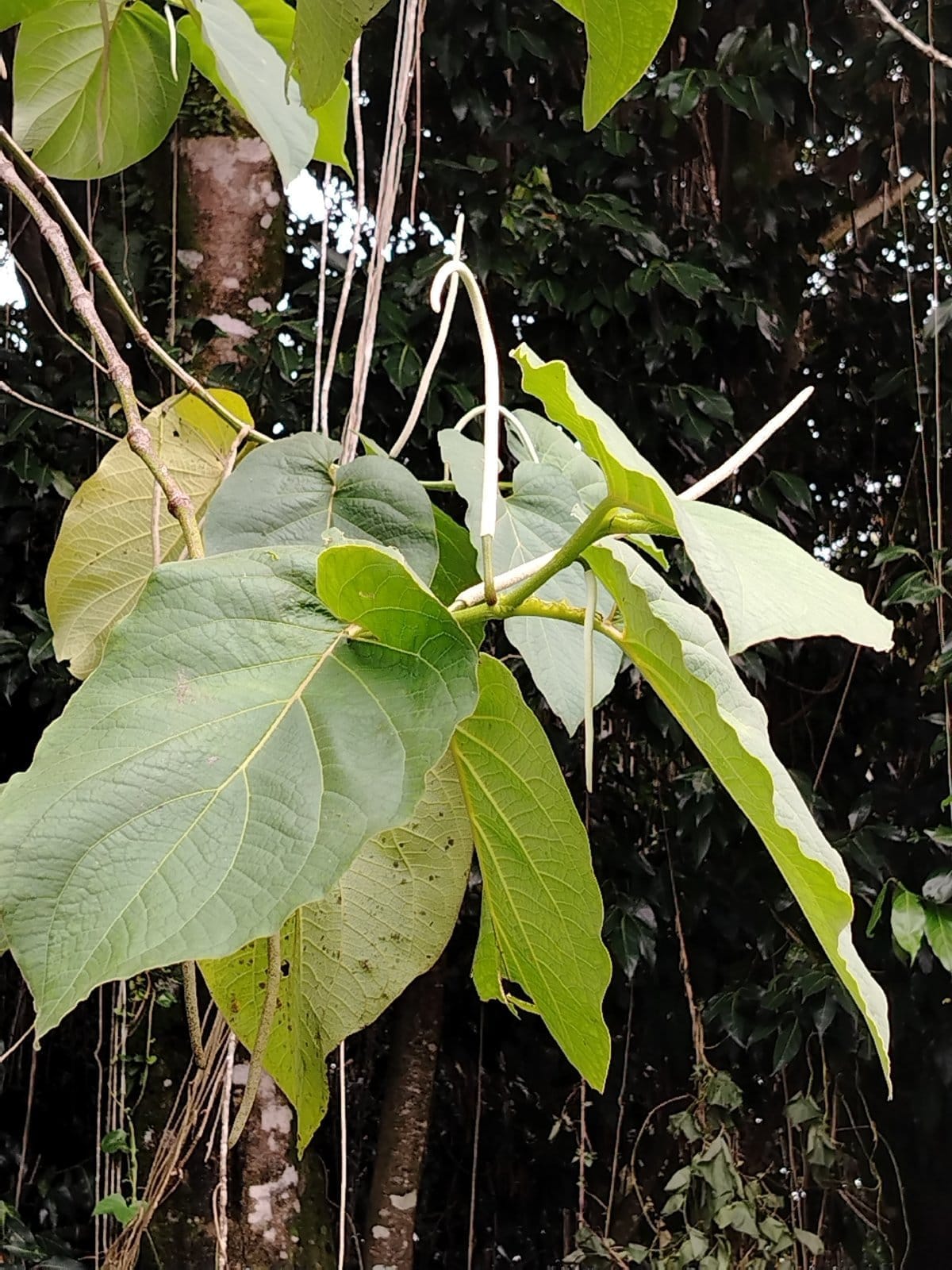
Hoja Santa (Piper auritum), meaning "Sacred Leaf" in Spanish, is an aromatic shrub or small tree whose large, heart-shaped leaves have been prized for centuries in Mesoamerican cuisine and traditional medicine. Its distinctive anise-like flavor makes it essential for authentic Mexican dishes like tamales and mole verde.
Quick Reference
iNaturalist Observations
Community-powered species data
📸 Photo Gallery
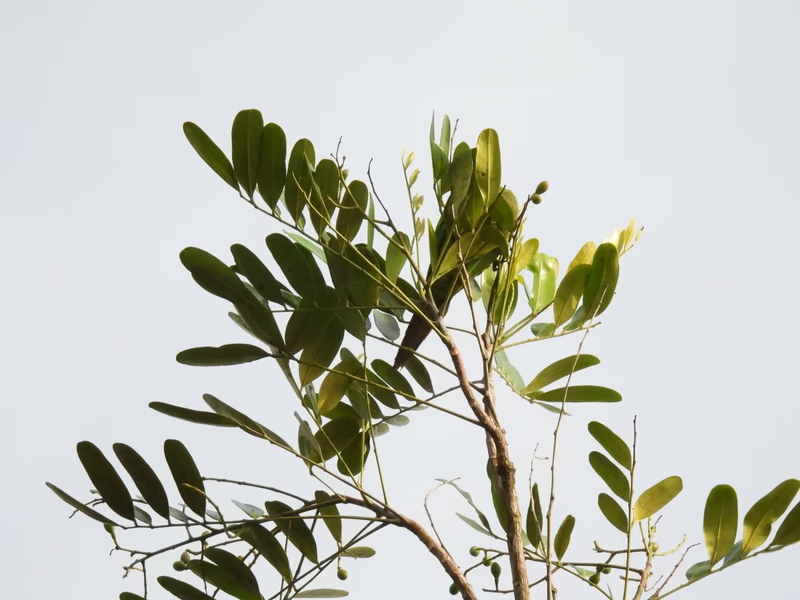
Whole tree
📷 (c) Michelle Goerdel, some rights reserved (CC BY-NC)(CC BY-NC)
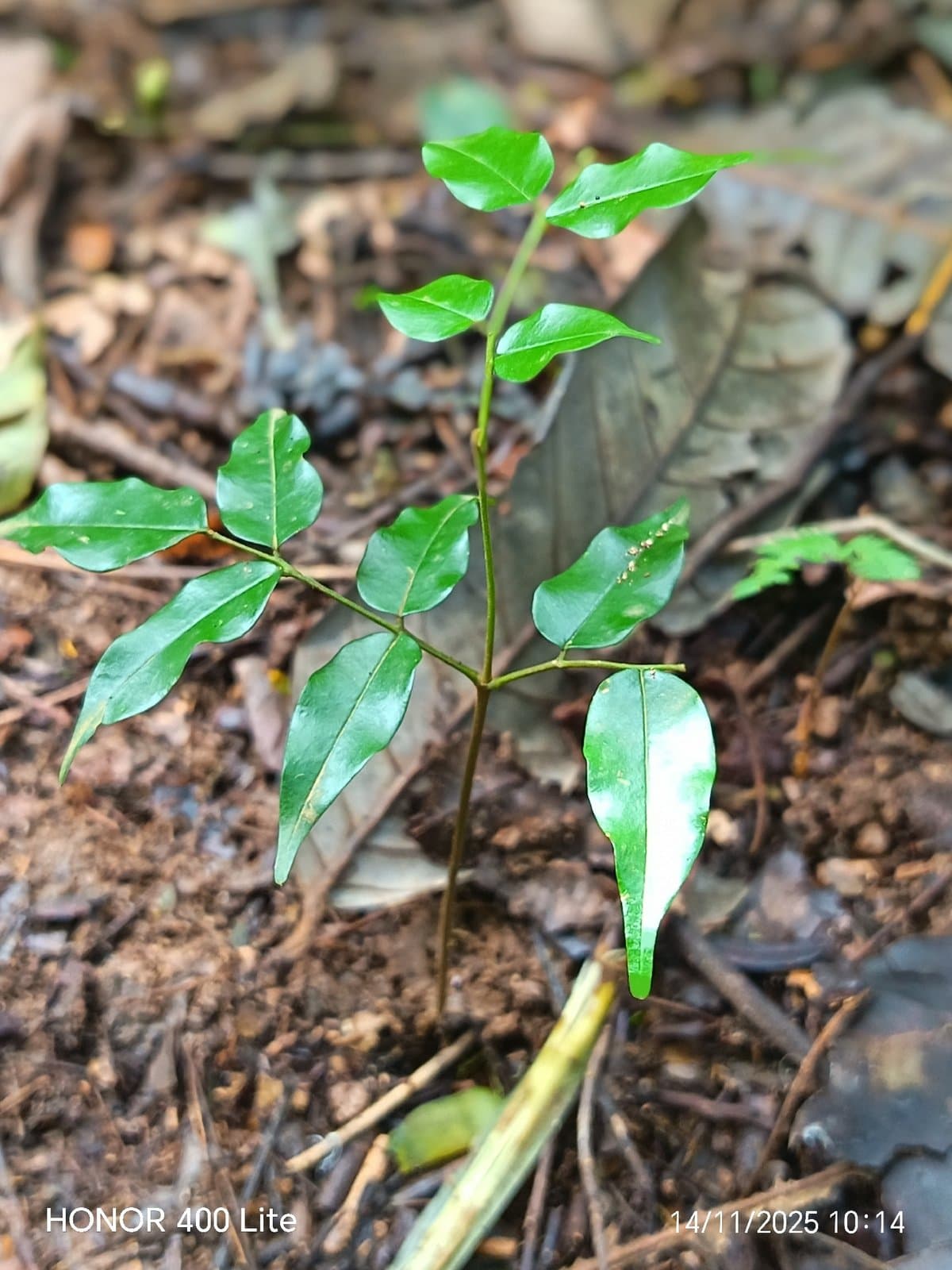
View source ↗Leaves
📷 (c) Michelle Goerdel, some rights reserved (CC BY-NC)(CC BY-NC)
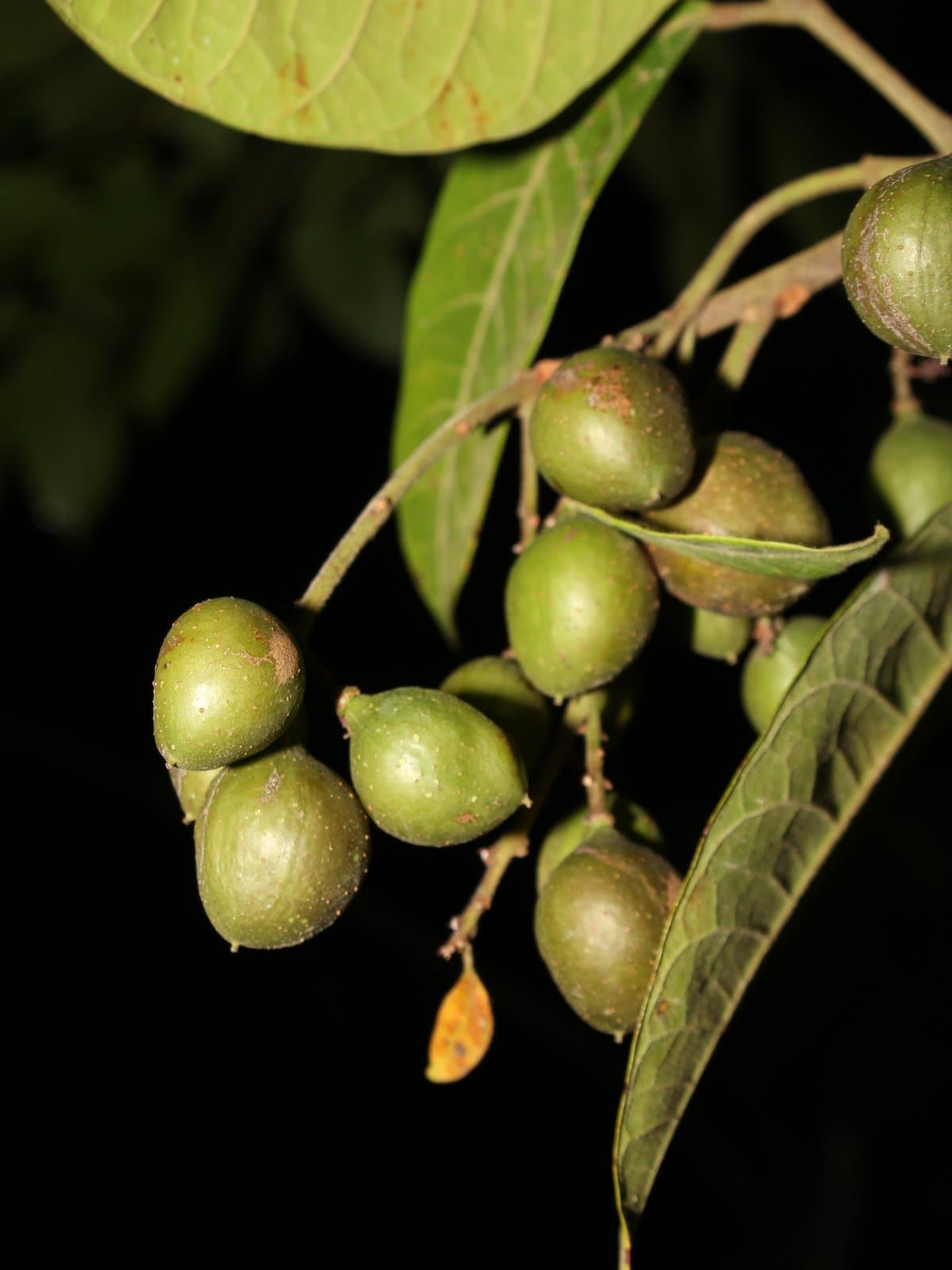
View source ↗Whole tree
📷 (c) avocat, some rights reserved (CC BY-NC)(CC BY-NC)
View source ↗Leaves
📷 (c) Evan C, some rights reserved (CC BY-NC-ND)(CC BY-NC-ND)
View source ↗Whole tree
📷 (c) Evan C, some rights reserved (CC BY-NC-ND)(CC BY-NC-ND)
View source ↗Photos sourced from iNaturalist's citizen science database. View all observations →↗
Taxonomy & Classification
Geographic Distribution
Geographic Distribution
Where to Find Hoja Santa in Costa Rica
Primary Habitats:
Elevation: Sea level to ~1,500 m
Habitat & Ecology
Ecological Role
Hoja Santa fills an understory niche:
Wildlife Associations
Animals interacting with Hoja Santa:
While native to Mesoamerica, Hoja Santa has naturalized throughout tropical regions worldwide due to its culinary popularity. In Hawaii and some Pacific islands, it can be invasive.
Botanical Description
Culinary Uses
Medicinal Uses
Conservation Status
Conservation Status: Abundant
Hoja Santa is thriving:
While not threatened, Hoja Santa can become invasive outside its native range. In Hawaii and some Pacific islands, it has escaped cultivation and naturalized in forest understory.
Growing Hoja Santa
Similar Species
Where to See Hoja Santa
Best Locations in Costa Rica
Easy to find:
Tips:
External Resources
Community observations, photos, and distribution data
Global observations
Cultivation and use information
PFAF Database
Global biodiversity occurrence data and distribution maps
Conservation status and species assessment
References
📚 Scientific References & Further Reading
Monzote, L. et al. (2010). Essential oil from Piper auritum and its main compound safrole. Phytomedicine 17(14): 1057-1063
Kennedy, D. (2008). Oaxaca al Gusto: An Infinite Gastronomy. University of Texas Press
Hoja Santa (Piper auritum) bridges the worlds of wild forest plant and essential culinary herb. For millennia, Mesoamerican cooks have wrapped their foods in these fragrant leaves, infusing dishes with an unmistakable anise aroma. Today, as interest in authentic regional cuisines grows worldwide, this humble understory plant is gaining new appreciation far beyond its native range.
🌳 ¡Pura Vida!
Safety Information Disclaimer
Safety information is provided for educational purposes only. Individual reactions may vary significantly based on age, health status, amount of exposure, and individual sensitivity. Always supervise children around plants. Consult a medical professional or certified arborist for specific concerns. The Costa Rica Tree Atlas is not liable for injuries or damages resulting from interaction with trees described in this guide.
• Always supervise children around plants
• Consult medical professional if unsure
• Seek immediate medical attention if poisoning occurs
Information compiled from authoritative toxicology sources, scientific literature, and medical case reports.
Help improve this page
Know something about this tree? Share local knowledge, suggest a correction, or submit a photo to improve this guide for everyone.