Cristobalito
Platymiscium parviflorum
Quick facts
Native Region
Central America (Costa Rica, Nicaragua, Panama)
Max Height
20-30 meters (65-98 feet)
Family
Fabaceae
Conservation
CR — Critically Endangered
Uses
Safety Information
Toxicity Details
The living tree, leaves, flowers, and seeds are non-toxic to people and animals. No ingestion hazards are reported for fresh plant parts.
Skin Contact Risks
Direct contact with leaves or bark is low risk. As with many Fabaceae hardwoods, freshly cut wood and sawdust can irritate skin; washing after handling lumber is recommended.
Allergenic Properties
Wood dust from Platymiscium species is a strong respiratory and skin sensitizer. Prolonged exposure can trigger allergic rhinitis, dermatitis, or asthma-like symptoms. Always sand and mill with P100/P3 respirators, eye protection, and dust extraction.
Season
Flowering
Feb-Mar
Fruiting
Apr-May
How to identify
Cristobalito
Cristobalito (Platymiscium parviflorum) is a small, richly colored hardwood closely related to the better-known Cristóbal. It is Endangered in Central America due to selective logging and habitat conversion, making sustainable cultivation and restoration plantings critical.
Quick Reference
iNaturalist Observations
Community-powered species data
📸 Photo Gallery
Mature canopy
📷 (c) iNaturalist observers(CC BY-NC)
View source ↗Leaves
📷 (c) iNaturalist observers(CC BY-NC)
View source ↗Branch and leaflets
📷 (c) iNaturalist observers(CC BY-NC)
View source ↗Straight bole
📷 (c) iNaturalist observers(CC BY-NC)
View source ↗Habitat
📷 (c) iNaturalist observers(CC BY-NC)
View source ↗Photos sourced from iNaturalist community observations. Browse more →↗
Taxonomy & Classification
Physical & Botanical Description
- Form: Medium-sized deciduous hardwood with a straight, cylindrical trunk and a rounded to spreading crown; typically 20-30 m tall.
- Bark: Gray to reddish-brown, smooth to lightly fissured on young trees, becoming thinly plated with age; inner bark pale yellow-brown with mild aromatic notes.
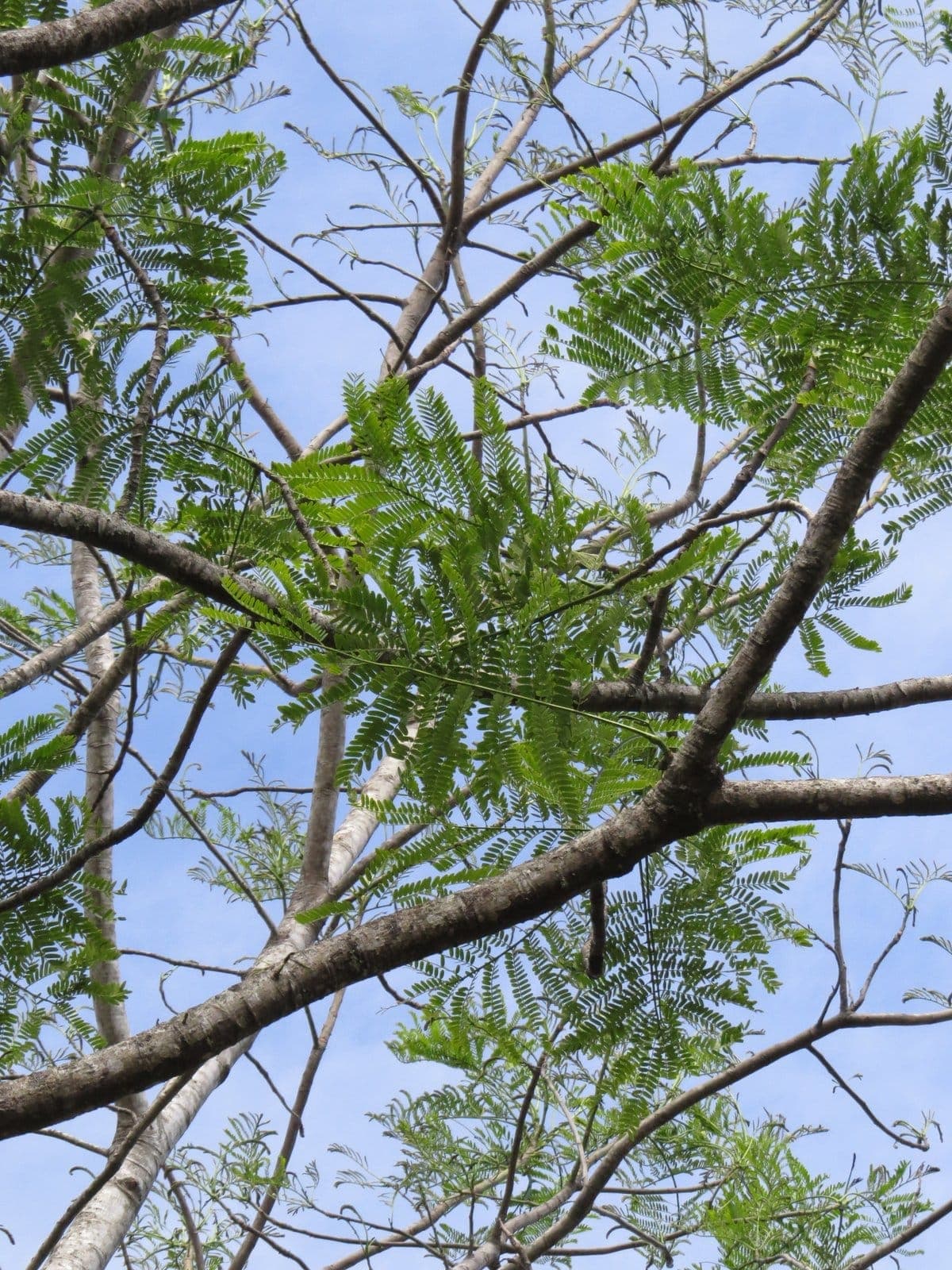
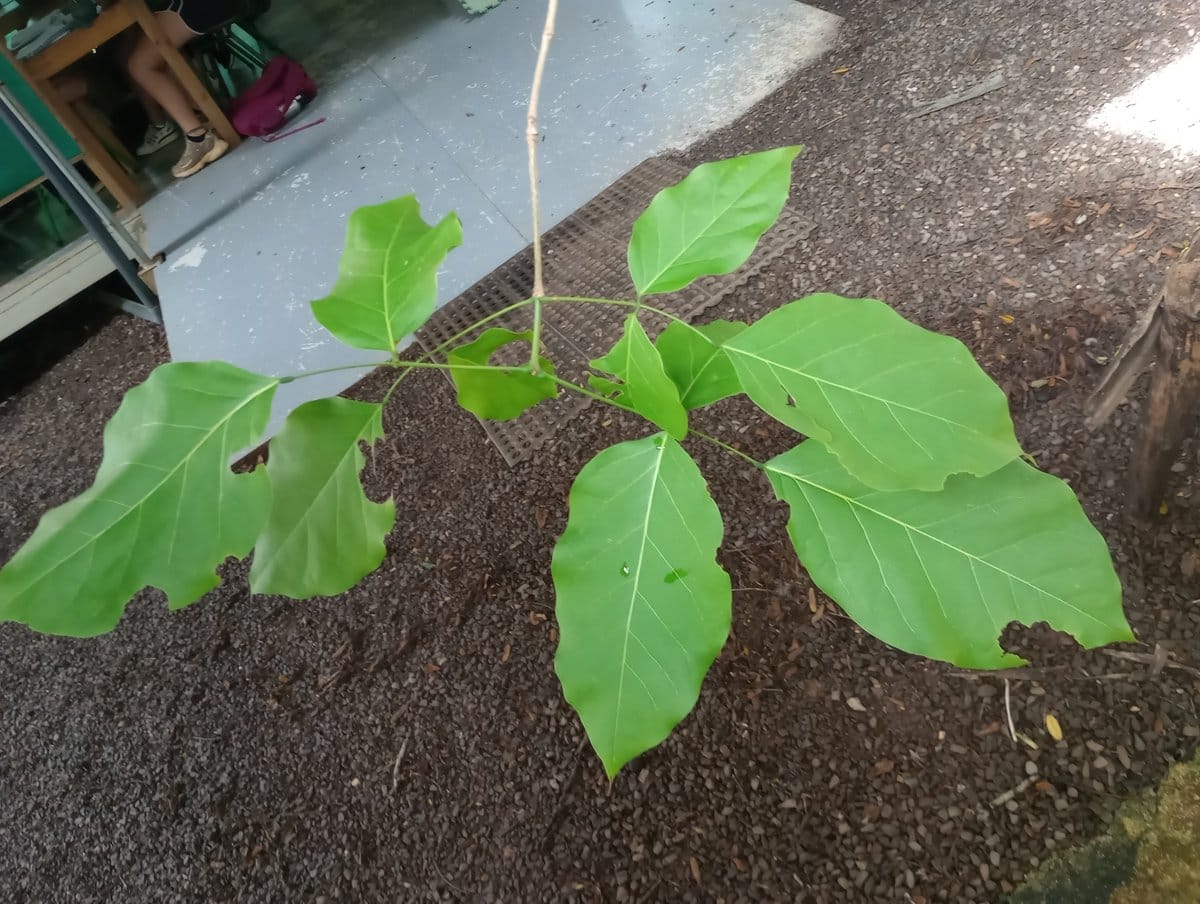
- Leaves: Alternate, pinnate with 3-5 pairs of glossy, elliptic to oblong leaflets (5-12 cm long). Leaflets have smooth margins and a lighter underside.
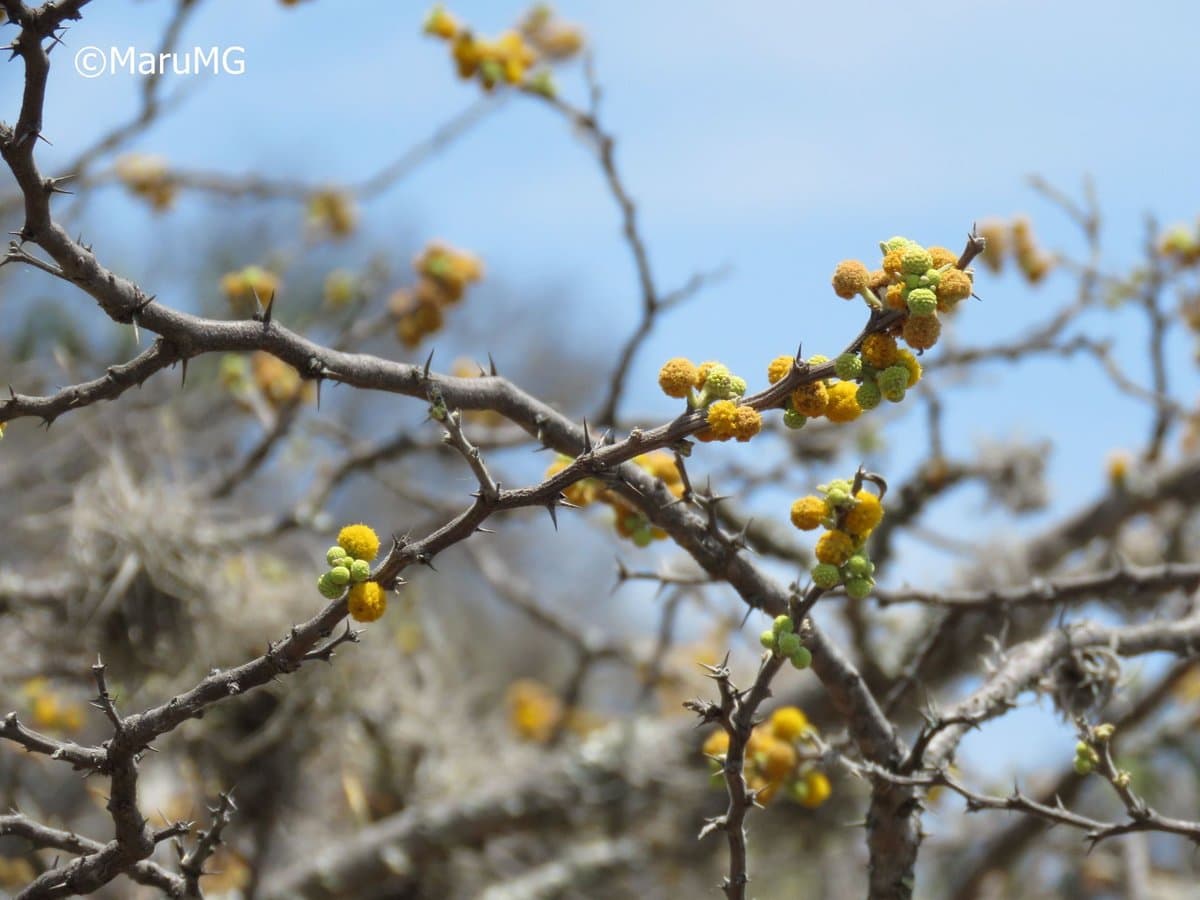
- Flowers: Small, pale yellow to creamy-white papilionaceous flowers borne in panicles at branch tips; bloom near the end of the dry season (Feb-Mar) just before or during leaf flush. Nectar attracts bees.
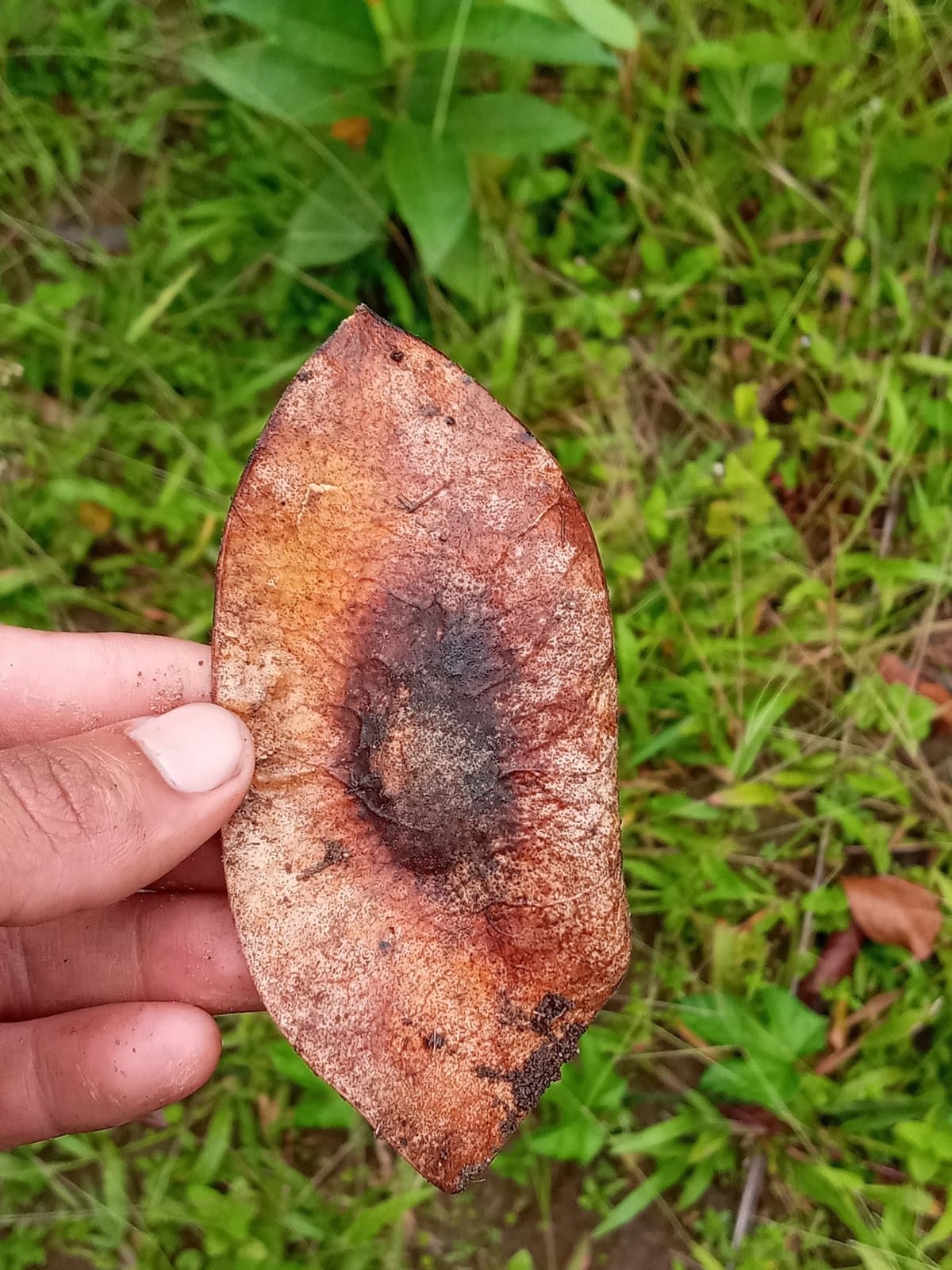
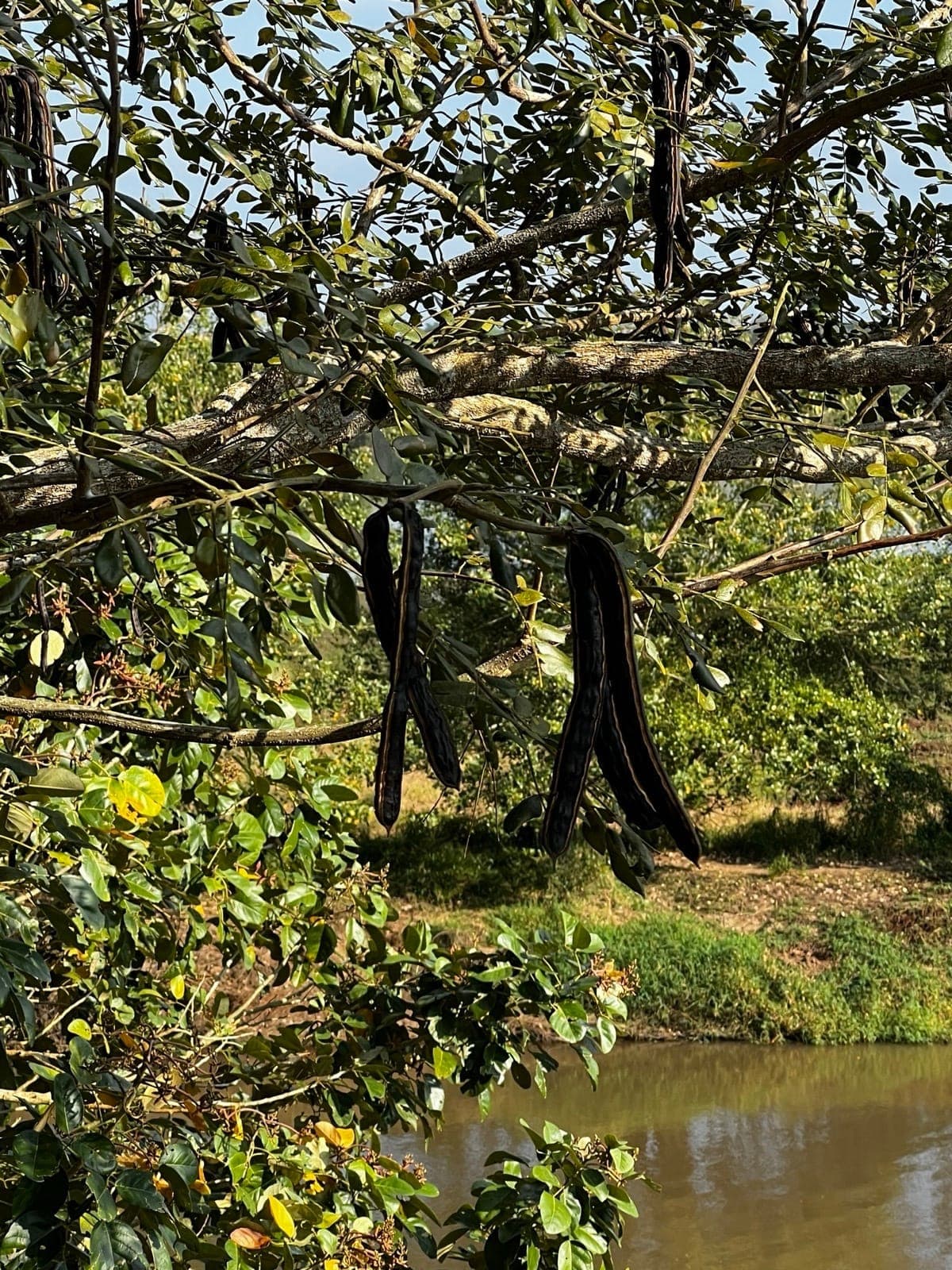
- Fruit/Seeds: Flat, thin samaroid pods (7-12 cm) with papery wings; mature in April-May and disperse by wind; seeds have a hard coat that benefits from scarification.
- Wood: Heartwood ranges from orange-brown to reddish-brown with darker streaking; fine, even texture; interlocked grain that planes to a lustrous finish; density ~0.75 g/cm³; excellent dimensional stability.
Geographic Distribution
- Native to lowland and premontane forests of Pacific and Atlantic slopes in Costa Rica, extending into Nicaragua and western Panama.
- In Costa Rica, most frequent in Guanacaste, Puntarenas, Alajuela, and northern San José; scattered records in Limón for Caribbean slope foothills.
- Elevation range: 0-900 m, favoring foothills and valley bottoms with deep soils.
Geographic Distribution
Habitat & Ecology
- Occurs in tropical dry forest to moist forest mosaics with distinct dry seasons; thrives in secondary forests and forest edges.
- Nitrogen-fixing legume that enriches soils and supports successional recovery in degraded pastures.
- Associates with pollinators (bees) during late dry-season bloom and provides nectar when few other canopy trees are flowering.
- Wind-dispersed samaras aid colonization of adjacent clearings after logging or fire.
- Wildlife interactions: seeds occasionally predated by rodents; canopy provides shade and structure for epiphytes in mature stands.
Uses & Applications
- Timber: Premium small-diameter hardwood with outstanding finishing qualities; used for fine furniture, cabinetry, high-end flooring, turned objects, and decorative veneers.
- Musical instruments: Valued for guitars (backs/sides), marimba keys, and other acoustic instruments due to its density and tonal clarity.
- Restoration: Nitrogen-fixing capacity makes it useful in mixed-species reforestation, especially on degraded cattle pastures where soil improvement is needed.
- Shade: Suitable as a shade and ornamental tree where space allows; lighter crown than larger Platymiscium species.
Cultural Significance
- Known as Cristobalito ("little Cristóbal") because it resembles the larger Cristóbal but remains smaller and rarer; historically favored by artisans for small, high-value objects.
- In woodworking communities, grouped with "macacauba" woods prized for their vivid colors and workability.
- Local communities in Costa Rica recognize it as a quality timber for durable furniture and heirloom pieces, though scarcity has limited modern use.
Conservation Status & Threats
Endangered due to selective logging, habitat loss, and limited population size
- Listed as Endangered in regional assessments; populations fragmented by agricultural expansion and historical overharvest for high-value timber.
- Regeneration is moderate; seeds require disturbance gaps and good soils.
- Conservation priorities:
- Protect remnant stands in dry and moist forests, especially on Pacific slopes.
- Promote seed collection and nursery propagation to diversify restoration plantings.
- Encourage legal, certified timber production from managed plantations to reduce pressure on wild trees.
- Maintain genetic diversity by sourcing seed from multiple provenances.
Growing Cristobalito (Cultivation)
- Site selection: Full sun, deep well-drained soils; avoid sites with prolonged flooding.
- Planting: Sow scarified seeds in polybags 6-8 weeks before rains; plant hardened seedlings at the start of the rainy season (May-June).
- Spacing: 8-10 m in mixed timber blocks; wider spacing (12 m) for shade or ornamental use.
- Pruning: Years 2-4 formative pruning to maintain a single straight stem; remove lower branches gradually for clear boles (timber objective).
- Watering: Keep young trees watered during first 2-3 dry seasons; mulch to conserve soil moisture.
- Fertilization: Generally unnecessary thanks to nitrogen fixation; a light phosphorus application at planting can improve early growth on depleted soils.
- Pest/Disease: Generally resilient; monitor for caterpillars and seed beetles. No major pathogens reported.
Advanced Care Guidance
Site Design and Planting
- Establish in full sun to light shade with 8-10 m spacing for timber form and canopy health.
- Prefer well-drained, moderately fertile soils; avoid prolonged waterlogging in young stages.
- Plant at rainy-season onset and protect stems from cattle, fire, and mechanical damage.
Watering Program
- Establishment (0-8 months): Deep watering weekly during dry breaks.
- Juvenile phase (8-30 months): Water every 10-14 days through severe dry-season intervals.
- Established trees: Generally low irrigation demand once roots are fully anchored.
Fertilization Schedule
- Use compost and a phosphorus-support starter amendment at planting.
- Apply balanced fertilizer once at early rains for first 2-3 years on poor soils.
- Maintain organic mulch cover to sustain microbial activity and moisture retention.
Pruning and Structure
- Continue formative pruning to maintain a straight trunk and evenly spaced scaffold branches.
- Remove codominant leaders early to reduce future stem defects.
- Prune lightly after wet-season growth flushes to avoid excessive stress.
Pest and Disease Management
- Monitor for caterpillars, seed beetles, and branch dieback during humidity transitions.
- Remove infested material promptly and keep nursery/field sanitation high.
- Encourage mixed-species planting to reduce single-pest pressure.
Companion Planting
- Recommended companions: Chirraca, guachipelin, guaba species, and native flowering shrubs for pollinators.
- Agroforestry role: Nitrogen-supporting timber tree in diversified dry-forest restoration blocks.
- Avoid nearby: Dense aggressive grasses that outcompete juvenile root systems.
Seasonal Care Calendar (Costa Rican Conditions)
- Dry season (Dec-Apr): Juvenile irrigation support, firebreak maintenance, and structural checks.
- Early rains (May-Jul): Main planting window, fertility support, and weed suppression.
- Peak rains (Aug-Oct): Growth monitoring, sanitation pruning, and pest scouting.
- Transition (Nov): Mulch renewal and planning for next establishment cycle.
Growth Timeline and Management Notes
- Moderate growth with strong wood-quality potential under low-input management.
- Stem quality decisions in years 2-6 strongly influence long-term timber value.
- Integrate as a long-horizon restoration and specialty timber component rather than short-rotation crop.
Stand Monitoring Framework
For small and fragmented Cristobalito populations, monitoring quality matters as much as planting density.
Core indicators
- Survival by cohort at 6, 12, and 24 months.
- Stem form class (straight, moderate deviation, severe deviation).
- Flowering and fruit set frequency by stand.
- Canopy condition score before and after peak rains.
- Presence of natural regeneration within 20 m plots.
Recommended field cadence
- Dry season: stress and fire-risk inspection.
- Early rains: establishment checks and replacement planting.
- Peak rains: growth and pest evaluation.
- Transition season: annual summary and next-cycle planning.
Similar Species and Confusion Management
Cristobalito may be confused with other small to medium Fabaceae timber trees in dry-forest transitions.
| Species commonly confused | Why confusion occurs | Fast differentiator | | ----------------------------------- | ----------------------------------------------------- | ----------------------------------------------------------------------------------------- | | Cristóbal (Platymiscium pinnatum) | Similar leaflet architecture and wood reputation. | Cristobalito generally remains smaller with distinct stand context and branching pattern. | | Young guachipelín | Overlapping restoration sites and pinnate foliage. | Bark texture and pod/flower traits diverge once reproductive material appears. | | Other local "macacauba" woods | Shared wood color references in local trade language. | Confirm with leaf, bark, and fruit together, not wood color alone. |
Field Identification Checklist
- Record habitat type (dry forest, transition forest, or managed restoration).
- Confirm leaflet arrangement and branch architecture.
- Inspect bark features on juvenile and adult stems separately.
- Capture high-quality photos of crown, bark, and leaf detail.
- Note phenological stage (flower, pod, vegetative).
- Log confidence level and reviewer initials for each observation.
Minimum evidence set
- Whole-tree image with surrounding context.
- Leaf and petiole close-up.
- Bark close-up at breast height.
- Reproductive structure when available.
Restoration Deployment Guidance
Cristobalito is best treated as a strategic diversity species in dry-forest restoration portfolios.
Practical placement model
- Integrate in mixed native clusters, not monoculture lines.
- Prioritize sites with low flooding risk and good dry-season management access.
- Pair with nitrogen-cycling and pollinator-support species for functional resilience.
Adaptive thresholds
- If 12-month survival is low, revise micro-site selection before replanting.
- If stem deformation is recurrent, tighten formative pruning schedule.
- If regeneration is absent, evaluate seed source diversity and pollination context.
Operational Risk Matrix
| Risk | Likelihood | Impact | Control action | | ----------------------------------------------- | ---------- | ------ | ------------------------------------------------------- | | Small founder populations in restoration stands | Medium | High | Source seed from multiple provenances and mother trees. | | Dry-season juvenile mortality | Medium | High | Establish fixed emergency watering triggers. | | Misidentification in mixed stands | Medium | Medium | Use standardized checklist plus photo review. | | Loss of stem quality from delayed pruning | Medium | Medium | Calendar-based formative pruning in years 2-4. | | Fire edge exposure in dry landscapes | Low-Medium | High | Maintain fuel breaks and local fire response protocols. |
Rapid Assessment Template
Use this checklist-table during annual stand reviews for Cristobalito.
| Indicator | Field score (1-5) | Notes to record | | -------------------------- | ----------------- | ------------------------------------------------------- | | Survival by cohort | | Separate planted vs. naturally regenerated individuals. | | Stem form quality | | Track deviation and corrective pruning history. | | Reproductive activity | | Record flowering and pod presence by month. | | Dry-season stress response | | Include fire-risk and hydration observations. | | Regeneration recruitment | | Count juveniles inside fixed monitoring plots. | | Pest and disease pressure | | Link symptoms with weather window. | | Identification confidence | | Add photo evidence where uncertainty exists. | | Data completeness | | Confirm plot, date, observer, and intervention details. |
Scoring interpretation
- 4-5: Current strategy is working; optimize selectively.
- 3: Stable but needs targeted corrections this cycle.
- 1-2: High-risk performance; escalate adaptive management now.
Priority Actions for the Next 12 Months
- Improve provenance diversity in upcoming seed collections.
- Lock in seasonal monitoring cadence across all restoration plots.
- Standardize form-pruning checkpoints in years 2-4.
- Strengthen fire-edge prevention and rapid response planning.
- Centralize observation photos and confidence tagging.
Minimum Data Log Fields
Every Cristobalito record should include:
- Plot code and management unit.
- Observation date and season window.
- Habitat class and canopy condition.
- Survival/recruitment counts by class.
- Stem quality and pruning history.
- Phenology note (flower, pod, vegetative).
- Identification confidence level.
- Linked photo evidence ID.
Where to See Cristobalito in Costa Rica
- Parque Nacional Santa Rosa (Guanacaste): Remnant dry forest stands with Platymiscium species; check transitional areas.
- Reserva Biológica Lomas Barbudal (Guanacaste): Seasonal dry forest plots where small Platymiscium trees persist.
- Valle Central foothills (Alajuela/San José): Scattered individuals in private forest fragments and riparian buffers.
- Nicoya Peninsula (Puntarenas): Occasional trees in secondary forests and restoration projects.
External Resources
- IUCN Red List (search: Platymiscium parviflorum)↗
- GBIF Species Page↗
- Tropicos Record↗
- iNaturalist Observations↗
References
- Pennington, T. D., & Ratter, J. A. (2005). Neotropical Savannas and Dry Forests: Plant Diversity, Biogeography, and Conservation. CRC Press.
- Mostacedo, B., & Fredericksen, T. S. (2000). Regeneration status of important tropical forest tree species in Bolivia: assessment and recommendations.
- Allen, K., et al. (2019). Nitrogen-fixing trees in tropical reforestation improve soil fertility and ecosystem function. Forest Ecology and Management.
- Local forestry field notes (Costa Rica) on Platymiscium spp. silviculture and growth performance in dry forest restoration plots.
Safety Information Disclaimer
Safety information is provided for educational purposes only. Individual reactions may vary significantly based on age, health status, amount of exposure, and individual sensitivity. Always supervise children around plants. Consult a medical professional or certified arborist for specific concerns. The Costa Rica Tree Atlas is not liable for injuries or damages resulting from interaction with trees described in this guide.
• Always supervise children around plants
• Consult medical professional if unsure
• Seek immediate medical attention if poisoning occurs
Information compiled from authoritative toxicology sources, scientific literature, and medical case reports.
Help improve this page
Know something about this tree? Share local knowledge, suggest a correction, or submit a photo to improve this guide for everyone.