Cristóbal
Platymiscium pinnatum
Quick facts
Native Region
Central America and northern South America
Max Height
25-40 meters (82-130 feet)
Family
Fabaceae
Conservation
LC — Least Concern
Uses
Safety Information
Toxicity Details
The living tree, leaves, flowers, and seeds are NON-TOXIC to humans and animals. Safe for planting in residential areas, parks, and gardens where children and pets are present. No ingestion toxicity concerns. The tree itself poses no poisoning hazard. As a nitrogen-fixing legume (Fabaceae family), it improves soil health safely.
Skin Contact Risks
Direct contact with the living tree (leaves, bark, flowers) is safe for most people with minimal irritation risk. However, WOOD DUST can cause dermatitis and allergic skin reactions in woodworkers and sensitive individuals. Fresh sawdust may irritate skin upon contact. Overall, casual contact with the living tree is very low risk, but wood dust requires precautions.
Allergenic Properties
Cristóbal wood dust is a SERIOUS RESPIRATORY SENSITIZER and HIGH allergen for woodworkers. Grouped with rosewoods (Dalbergia family) in toxicity, Platymiscium species cause: respiratory sensitization (allergic asthma, hypersensitivity pneumonitis), eye and skin irritation, dermatitis, and systemic effects (malaise, flu-like symptoms) with prolonged exposure. CRITICAL: Reactions WORSEN with repeated exposure - sensitization develops over time and can become SEVERE or even LIFE-THREATENING for some individuals. Once sensitized, symptoms intensify with each subsequent exposure. OSHA and occupational health agencies emphasize ALL wood dust is hazardous for chronic lung damage and cancer risk. MANDATORY SAFETY: Use dust extraction systems, P100 respirators, eye protection, gloves, covered skin. Maintain excellent workshop ventilation. Even hobbyists MUST adopt professional safety protocols. Finished, sealed wood products pose minimal risk to end users.
Season
Flowering
Feb-Apr
Fruiting
Apr-Jun
How to identify
Cristóbal
Cristóbal (Platymiscium pinnatum) produces one of Central America's most beautiful and valuable woods. With its striking reddish-brown heartwood and excellent working properties, this tree has been prized by woodworkers for centuries.
Quick Reference
iNaturalist Observations
Community-powered species data
📸 Photo Gallery
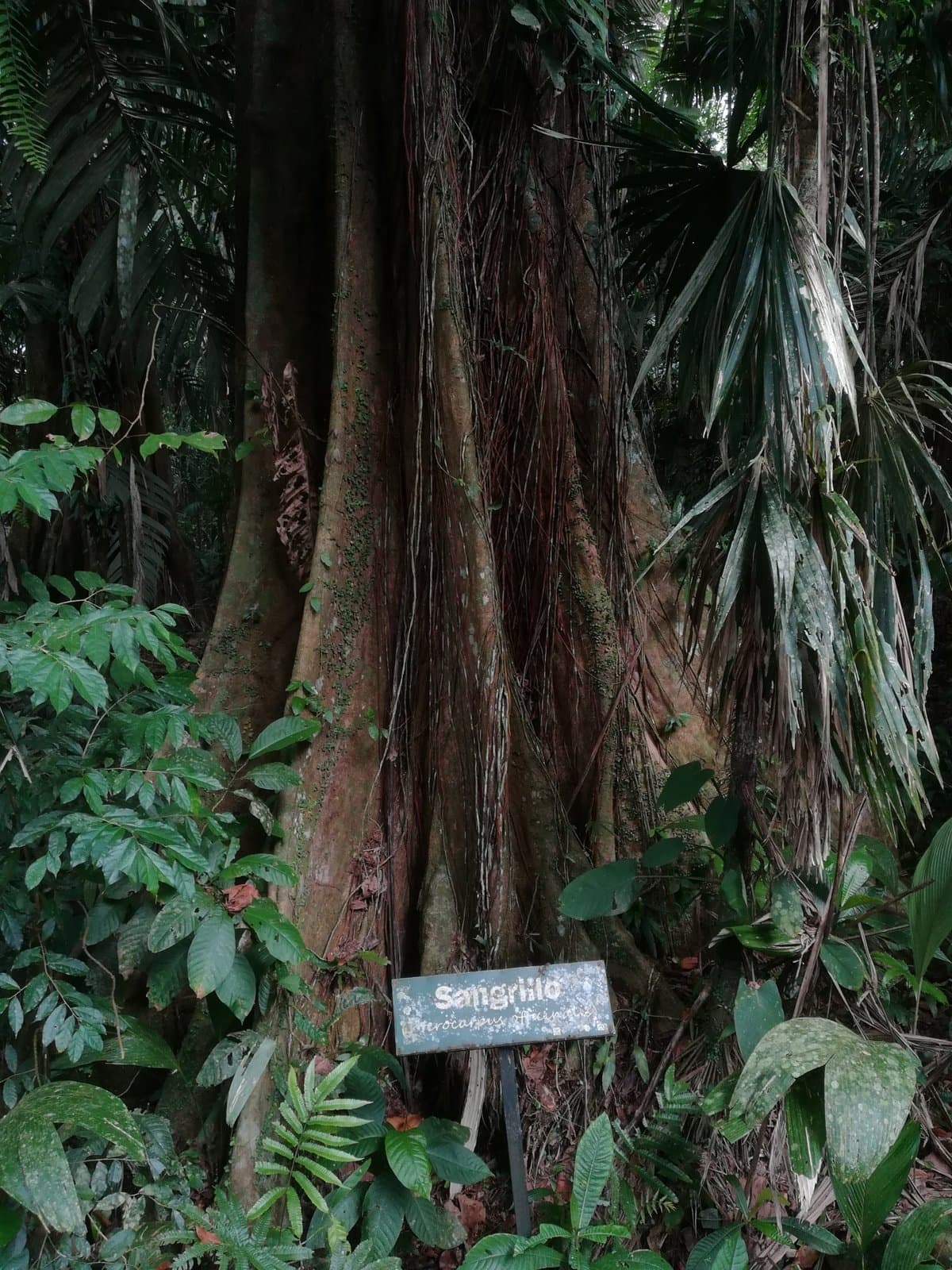
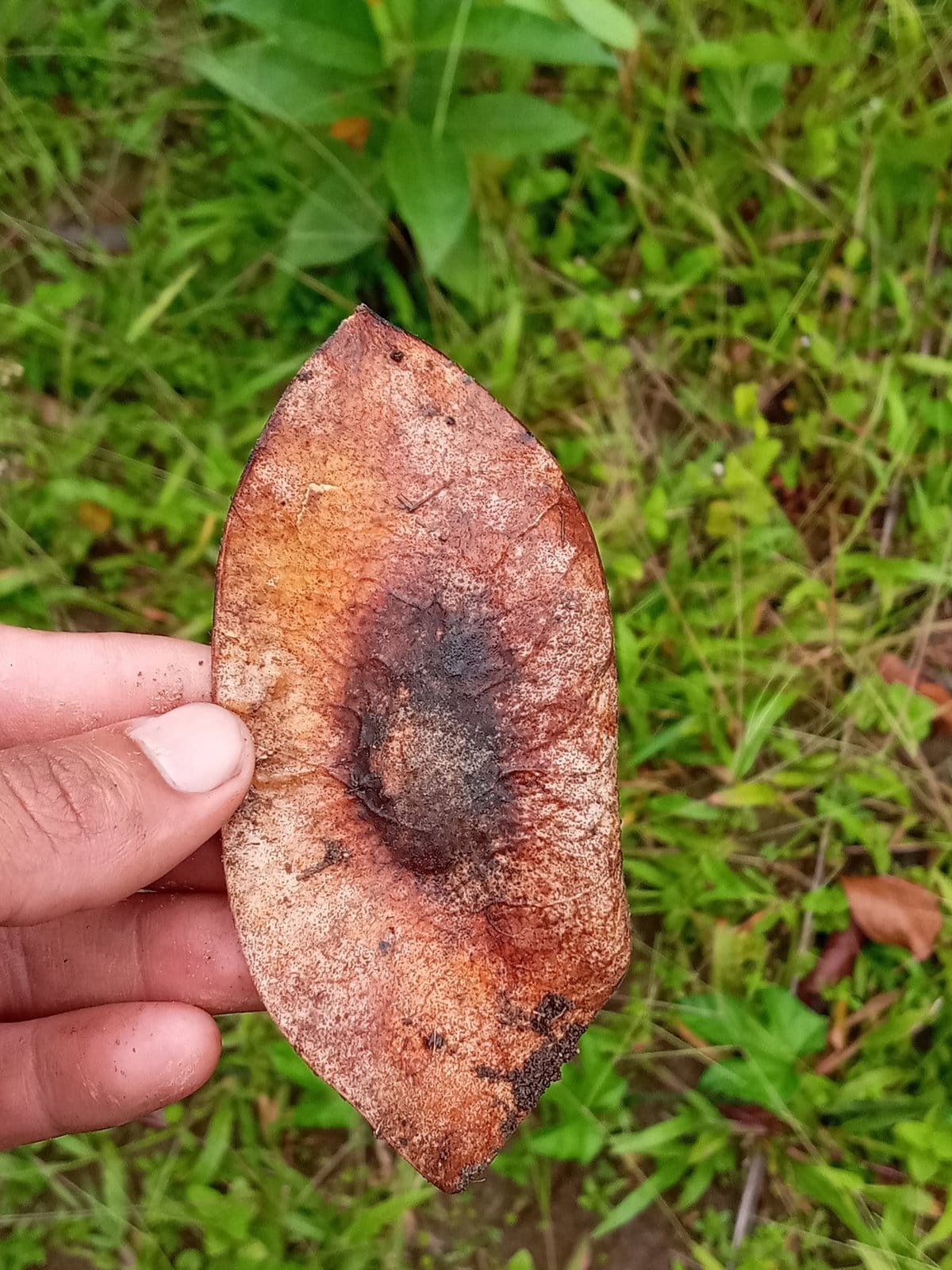
Whole tree
📷 (c) nirelharmon, some rights reserved (CC BY-NC)(CC BY-NC)
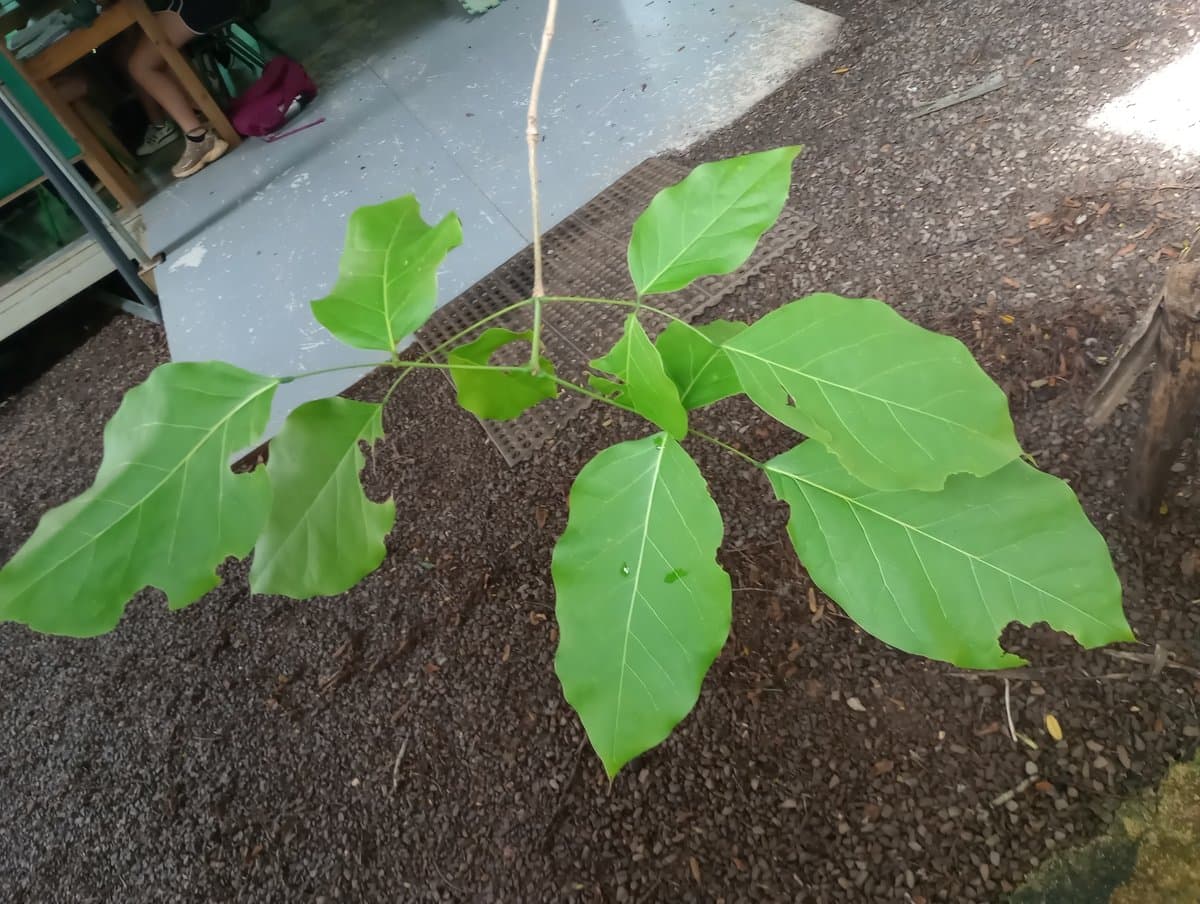
View source ↗Leaves
📷 (c) nirelharmon, some rights reserved (CC BY-NC)(CC BY-NC)
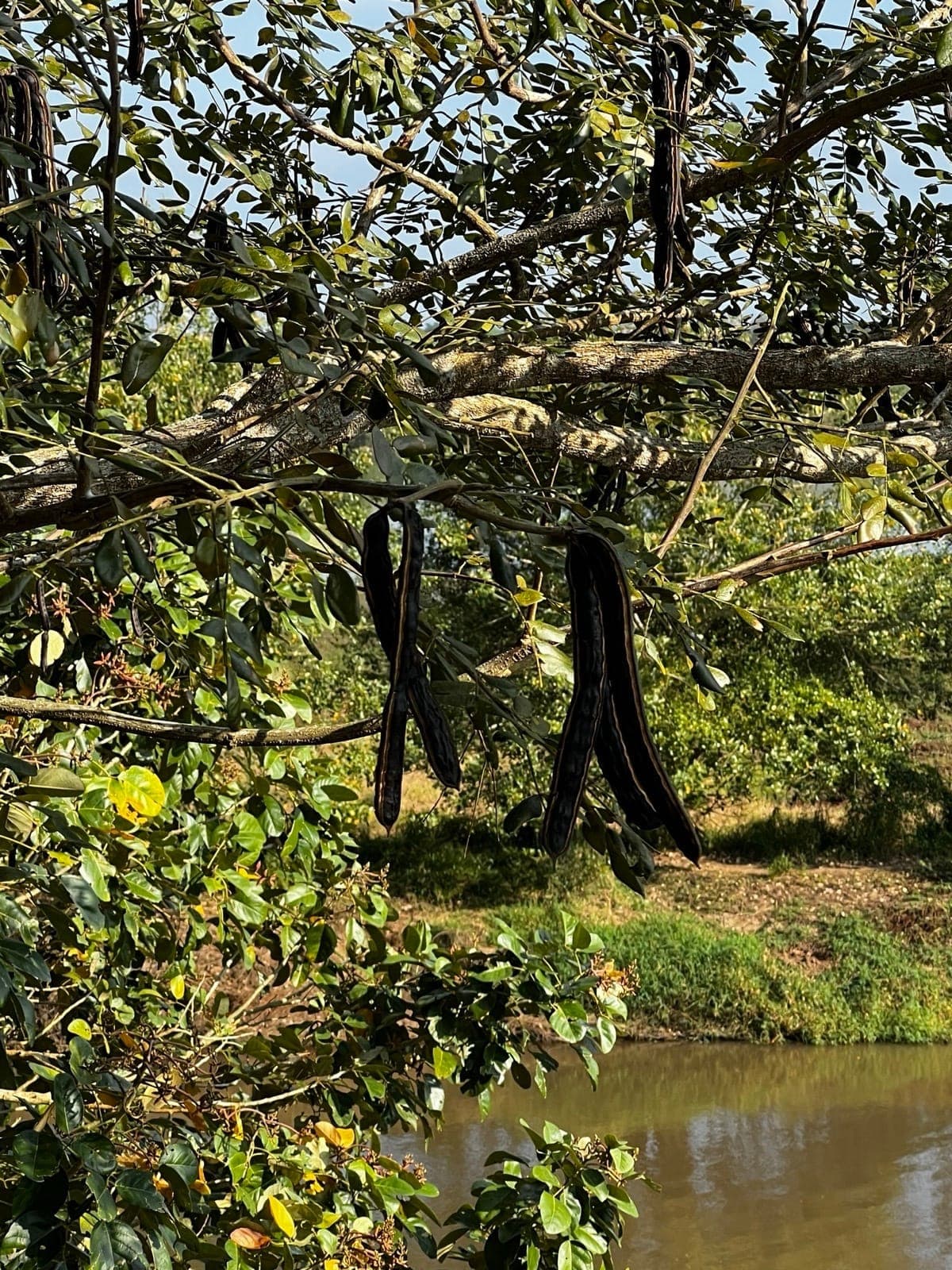
View source ↗Leaves
📷 (c) nirelharmon, some rights reserved (CC BY-NC)(CC BY-NC)
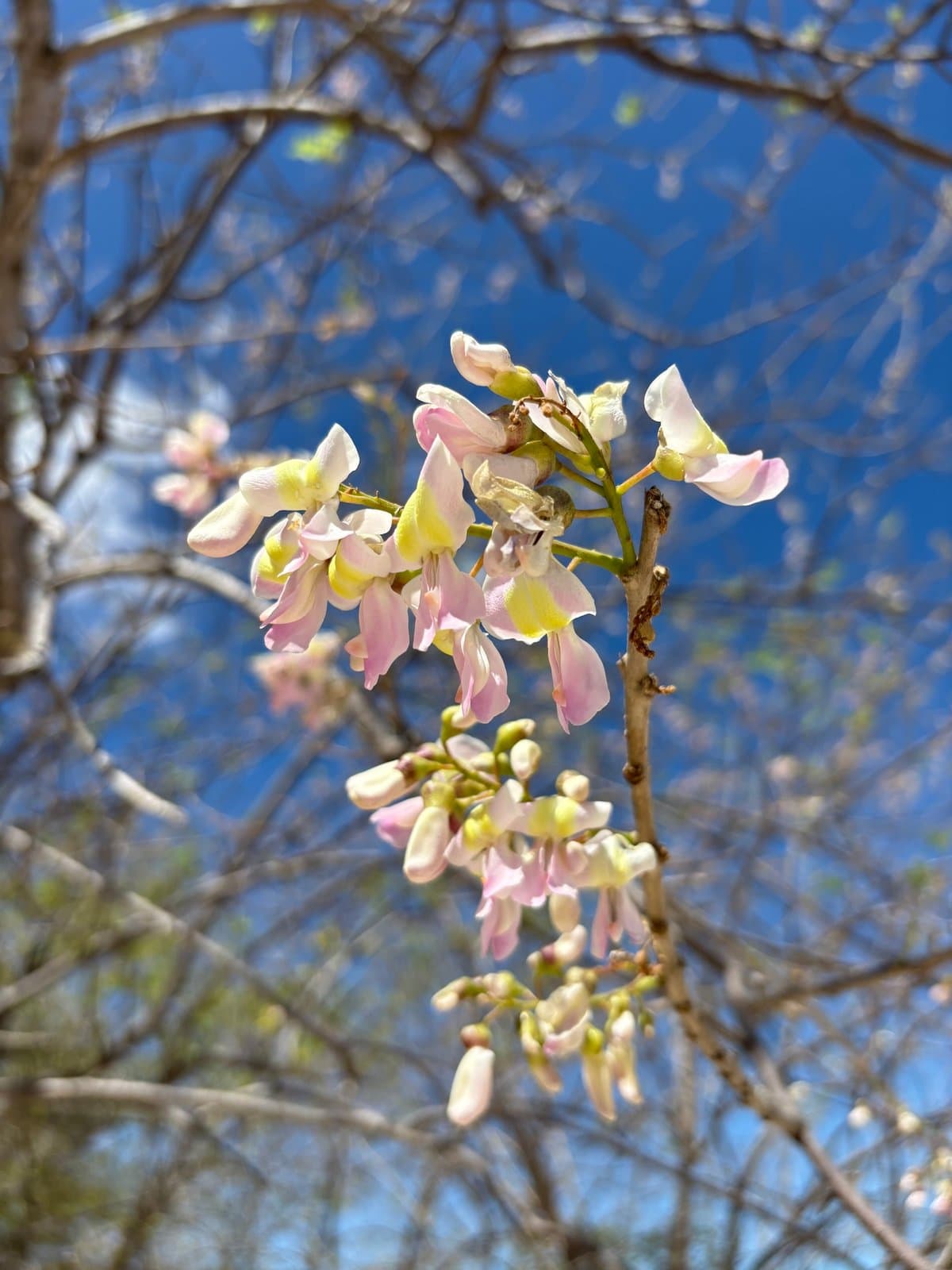
View source ↗Leaves
📷 (c) nirelharmon, some rights reserved (CC BY-NC)(CC BY-NC)
View source ↗Leaves
📷 (c) nirelharmon, some rights reserved (CC BY-NC)(CC BY-NC)
View source ↗Photos sourced from iNaturalist's community science database. Browse all observations →↗
Taxonomy & Classification
Geographic Distribution
Geographic Distribution
Where to Find Cristóbal in Costa Rica
Primary Habitats:
Elevation: Sea level to ~1,000 m
Habitat & Ecology
Ecological Role
Cristóbal plays important roles in forest ecosystems:
Wildlife Associations
Animals associated with Cristóbal:
Due to heavy exploitation for its valuable timber, Cristóbal populations have declined significantly. It is now listed as Near Threatened by the IUCN, and harvest is regulated in several countries.
Botanical Description
Wood Properties
Appearance
Cristóbal wood is among the finest in Central America, comparable to rosewood in beauty and workability. Its rich color, excellent grain, and natural luster make it highly sought after for fine furniture and musical instruments.
Physical Properties
Uses & Applications
Cristóbal wood is prized for its workability despite its hardness. It cuts cleanly, takes a beautiful polish, and produces stunning finished pieces. The wood is stable and durable, making items that last for generations.
Conservation Status
Conservation Concerns
Threats to Cristóbal:
Growing Cristóbal
Where to See Cristóbal Trees
Best Locations in Costa Rica
Protected Areas:
Tips:
External Resources
Community observations, photos, and distribution data
Global observations
Conservation status and assessment
IUCN Red List of Threatened Species
Global biodiversity occurrence data and distribution maps
References
📚 Scientific References & Further Reading
Klitgård, B.B. & Lavin, M. (2005). Dalbergieae sensu lato. Legumes of the World. Royal Botanic Gardens, Kew
Jiménez-Madrigal, Q. (1999). Árboles maderables en peligro de extinción en Costa Rica. Instituto Nacional de Biodiversidad (INBio)
The Cristóbal (Platymiscium pinnatum) represents the best of Central America's forest heritage—a magnificent tree that provides both ecological benefits and one of the world's finest cabinet woods. As populations decline, protecting remaining trees and supporting sustainable forestry becomes ever more critical.
🌳 ¡Pura Vida!
Safety Information Disclaimer
Safety information is provided for educational purposes only. Individual reactions may vary significantly based on age, health status, amount of exposure, and individual sensitivity. Always supervise children around plants. Consult a medical professional or certified arborist for specific concerns. The Costa Rica Tree Atlas is not liable for injuries or damages resulting from interaction with trees described in this guide.
• Always supervise children around plants
• Consult medical professional if unsure
• Seek immediate medical attention if poisoning occurs
Information compiled from authoritative toxicology sources, scientific literature, and medical case reports.
Help improve this page
Know something about this tree? Share local knowledge, suggest a correction, or submit a photo to improve this guide for everyone.