Gallinazo
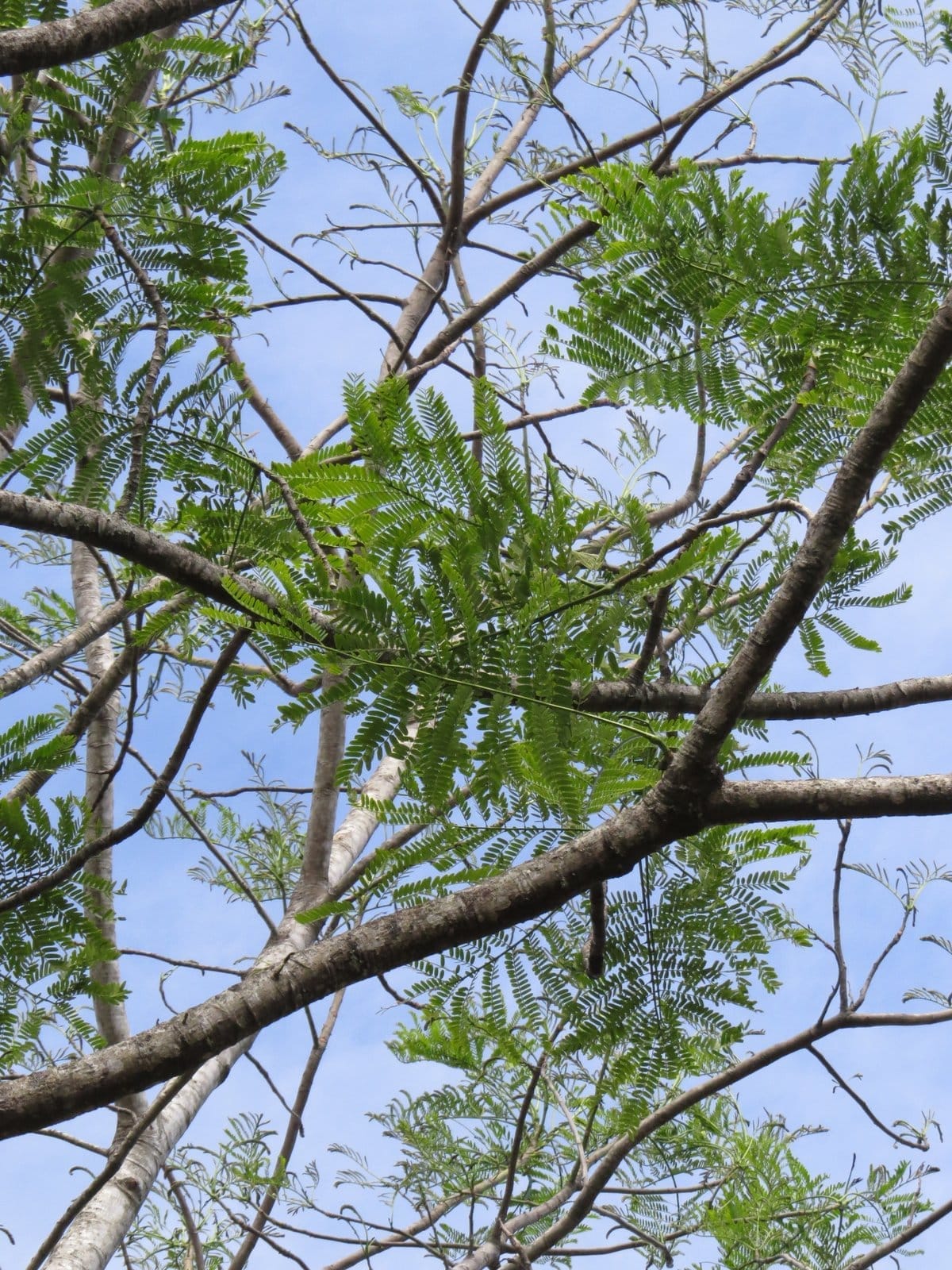
Schizolobium parahyba
Quick facts
Native Region
Central and South America
Max Height
30-45 meters
Family
Fabaceae
Conservation
LC — Least Concern
Uses
Safety Information
Toxicity Details
Non-toxic and safe. Member of Fabaceae (legume family), which includes many safe species. No toxic compounds of concern. Flowers and young shoots reportedly edible in some regions. Excellent fast-growing native tree.
Skin Contact Risks
No skin irritation. Safe to handle all parts of the tree.
Allergenic Properties
Very low allergen risk. Not known to cause significant allergic reactions. Not a major pollen allergen.
Wildlife & Pet Risks
Safe for all wildlife and livestock. Fast-growing legume that enriches soil through nitrogen fixation.
Season
Flowering
Jan-Mar
Fruiting
Mar-May
How to identify
Gallinazo
Gallinazo (Schizolobium parahyba) is nature's skyscraper builder, shooting up to 30 meters in just 5-7 years. When this legume giant blooms, its crown transforms into a spectacular golden dome visible from kilometers away, earning it the nickname "tower of gold."
Quick Reference
iNaturalist Observations
Community-powered species data
📸 Photo Gallery
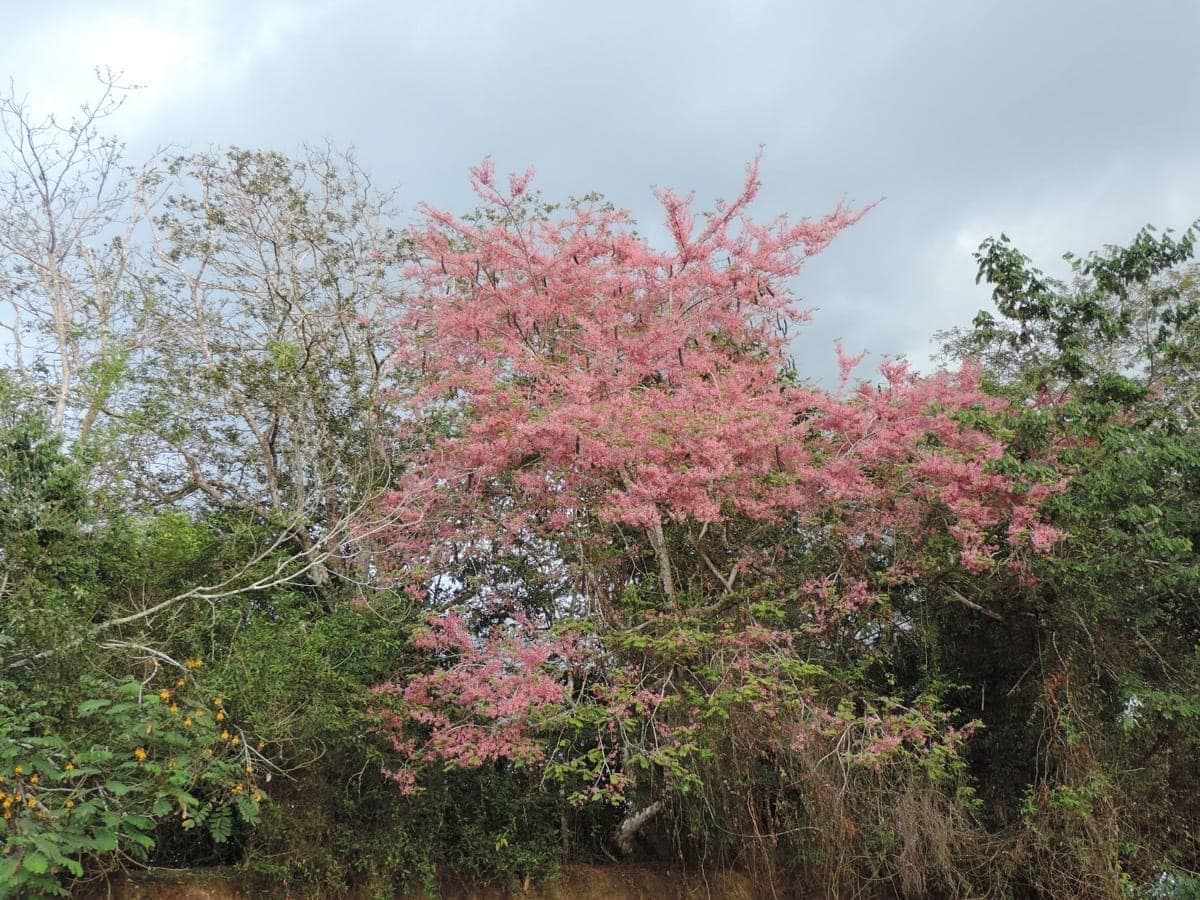
Whole tree
📷 (c) Emily Franzen, some rights reserved (CC BY)(CC BY)
View source ↗Leaves
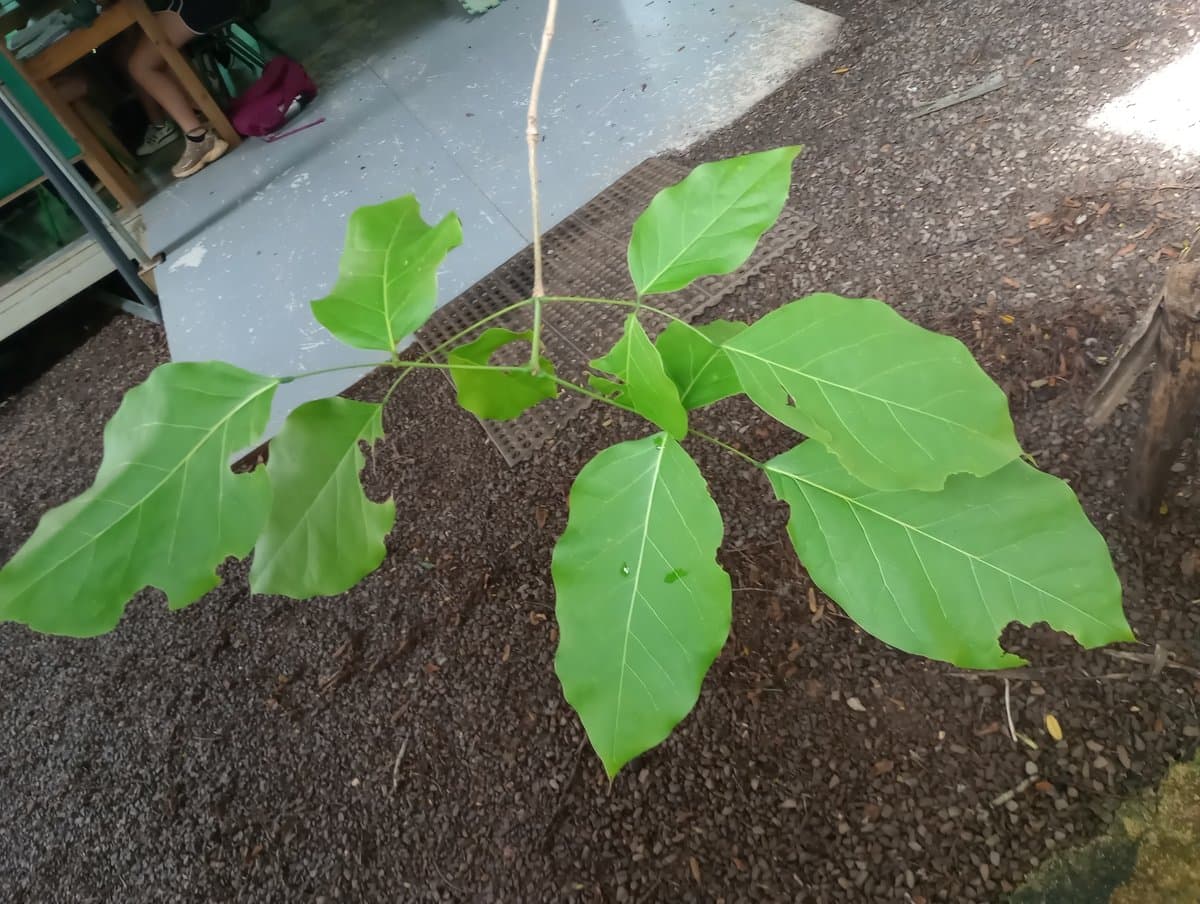
📷 (c) rogerrodriguezb, some rights reserved (CC BY-NC)(CC BY-NC)
View source ↗Fruit
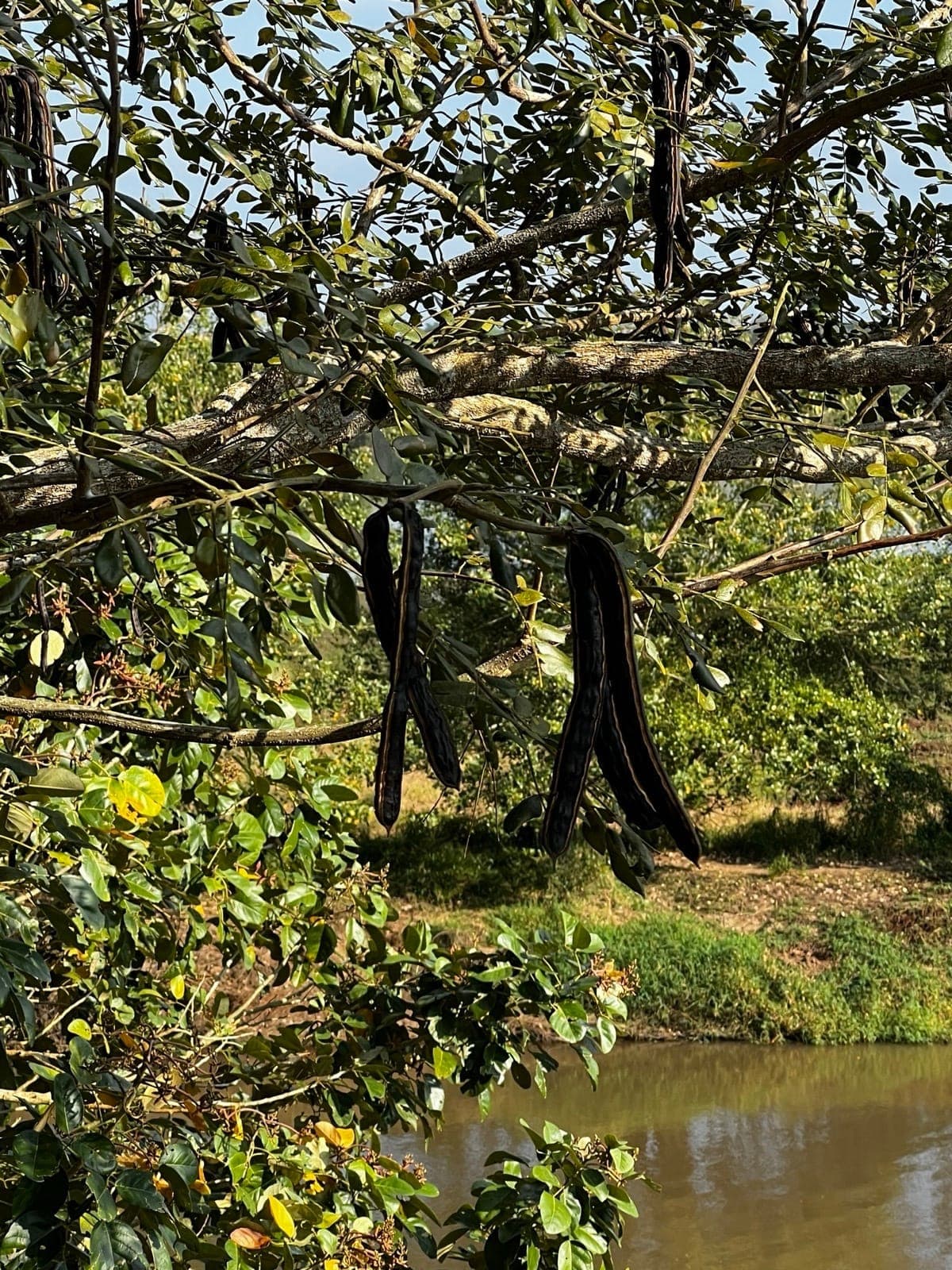
📷 (c) Eric Koberle, some rights reserved (CC BY-NC)(CC BY-NC)
View source ↗Whole tree
📷 (c) Carlos Venegas-Elizondo, some rights reserved (CC BY-NC)(CC BY-NC)
View source ↗Leaves
📷 (c) Eric Koberle, some rights reserved (CC BY-NC)(CC BY-NC)
View source ↗Photos sourced from iNaturalist's citizen science database. View all observations →↗
Taxonomy & Classification
Geographic Distribution
Geographic Distribution
Where to Find Gallinazo in Costa Rica
Primary Distribution:
Elevation: Sea level to ~1,000 m
Habitat & Ecology
Pioneer Strategy
Gallinazo's ecological role:
Wildlife Value
Ecological interactions:
Gallinazo is a pioneer par excellence. It rapidly colonizes disturbed areas, fixes nitrogen to improve soil, and creates shade that allows slower-growing species to establish underneath. It's nature's way of healing forest wounds.
Botanical Description
Wood Properties
Appearance
Physical Properties
Gallinazo's rapid growth produces lightweight, soft wood. While not durable, it's excellent for plywood cores, packaging, and interior applications where sustainability is valued.
Uses
Conservation Status
Conservation Status: Secure
Population is abundant:
Growing Gallinazo
Similar Species
Where to See Gallinazo Trees
Best Locations in Costa Rica
Best Viewing:
Identification Tips:
External Resources
Community observations, photos, and distribution data
Global observations
Official taxonomy and botanical information
Kew Gardens
Global biodiversity occurrence data and distribution maps
Conservation status and species assessment
References
📚 Scientific References & Further Reading
Butterfield, R.P. (1995). Promoting biodiversity: advances in evaluating native species for reforestation. Forest Ecology and Management 75: 111-121
Carvalho, P.E.R. (2003). Espécies Arbóreas Brasileiras. Embrapa Informação Tecnológica
Schizolobium parahyba represents hope for degraded landscapes. In a world where forests are disappearing, Gallinazo offers rapid restoration — growing meters per year, fixing nitrogen, creating shade for other species, and putting on one of nature's most spectacular flower shows in the process. This pioneer proves that given a chance, tropical forests can bounce back with remarkable speed.
🌳 ¡Pura Vida!
Safety Information Disclaimer
Safety information is provided for educational purposes only. Individual reactions may vary significantly based on age, health status, amount of exposure, and individual sensitivity. Always supervise children around plants. Consult a medical professional or certified arborist for specific concerns. The Costa Rica Tree Atlas is not liable for injuries or damages resulting from interaction with trees described in this guide.
• Always supervise children around plants
• Consult medical professional if unsure
• Seek immediate medical attention if poisoning occurs
Information compiled from authoritative toxicology sources, scientific literature, and medical case reports.
Help improve this page
Know something about this tree? Share local knowledge, suggest a correction, or submit a photo to improve this guide for everyone.