Ciprecillo
Podocarpus costaricensis
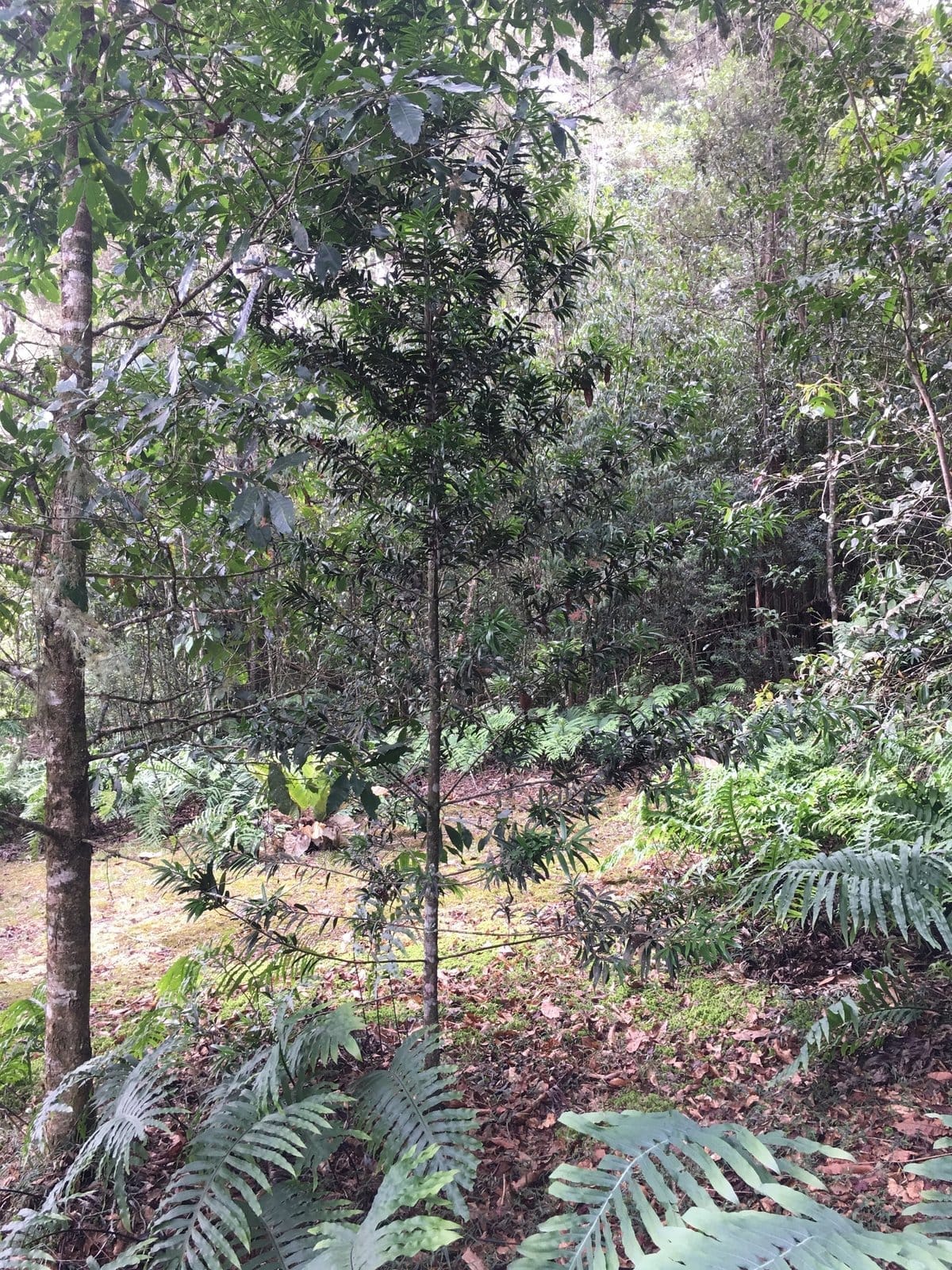
Quick facts
Native Region
Endemic to Costa Rica
Max Height
20-30 meters (65-100 feet)
Family
Podocarpaceae
Conservation
CR — Critically Endangered
Uses
Safety Information
Toxicity Details
Non-toxic. Unlike true yews (Taxus), Podocarpus species lack taxine alkaloids. No known toxic properties.
Skin Contact Risks
No known skin irritation. Safe to handle.
Allergenic Properties
Very low allergen risk. Pollen is wind-dispersed but produced in small quantities. No significant allergenic response documented.
Structural Hazards
No significant structural risks. Medium-sized tree with strong wood. Not prone to branch drop.
Wildlife & Pet Risks
Safe for all wildlife. Fleshy seed coverings (arils) are consumed by birds and small mammals, which aid in seed dispersal. Non-toxic to domestic animals.
Season
Flowering
Mar-May
Fruiting
Aug-Oct
How to identify
Ciprecillo (Costa Rican Podocarp)
The Ciprecillo (Podocarpus costaricensis) is not just endangered—it is Critically Endangered and endemic to Costa Rica, meaning it exists nowhere else on Earth. Known from only four locations in San José Province, this ancient conifer represents one of the most urgent conservation priorities in Central America. With fewer than an estimated 2,500 mature individuals remaining, every single tree matters for the survival of this species.
Quick Reference
iNaturalist Observations
Community-powered species data
📸 Photo Gallery
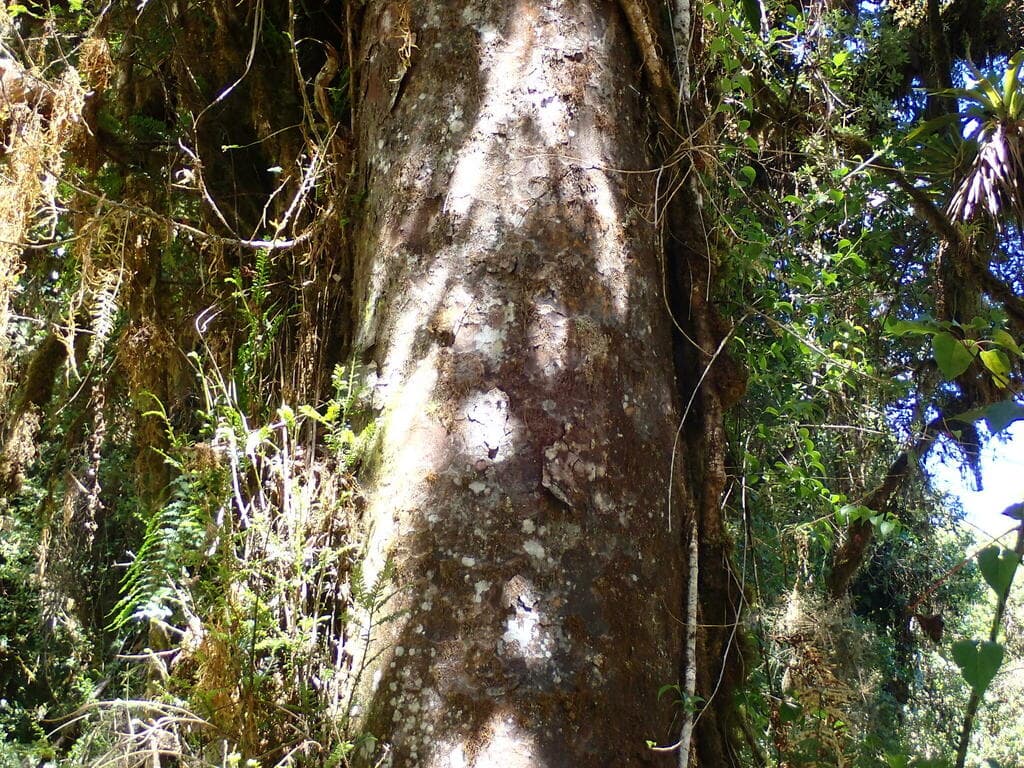
Mature tree in montane forest
📷 (c) Caminos Amigables con Felinos-Panthera, some rights reserved (CC BY-NC)(CC BY-NC)
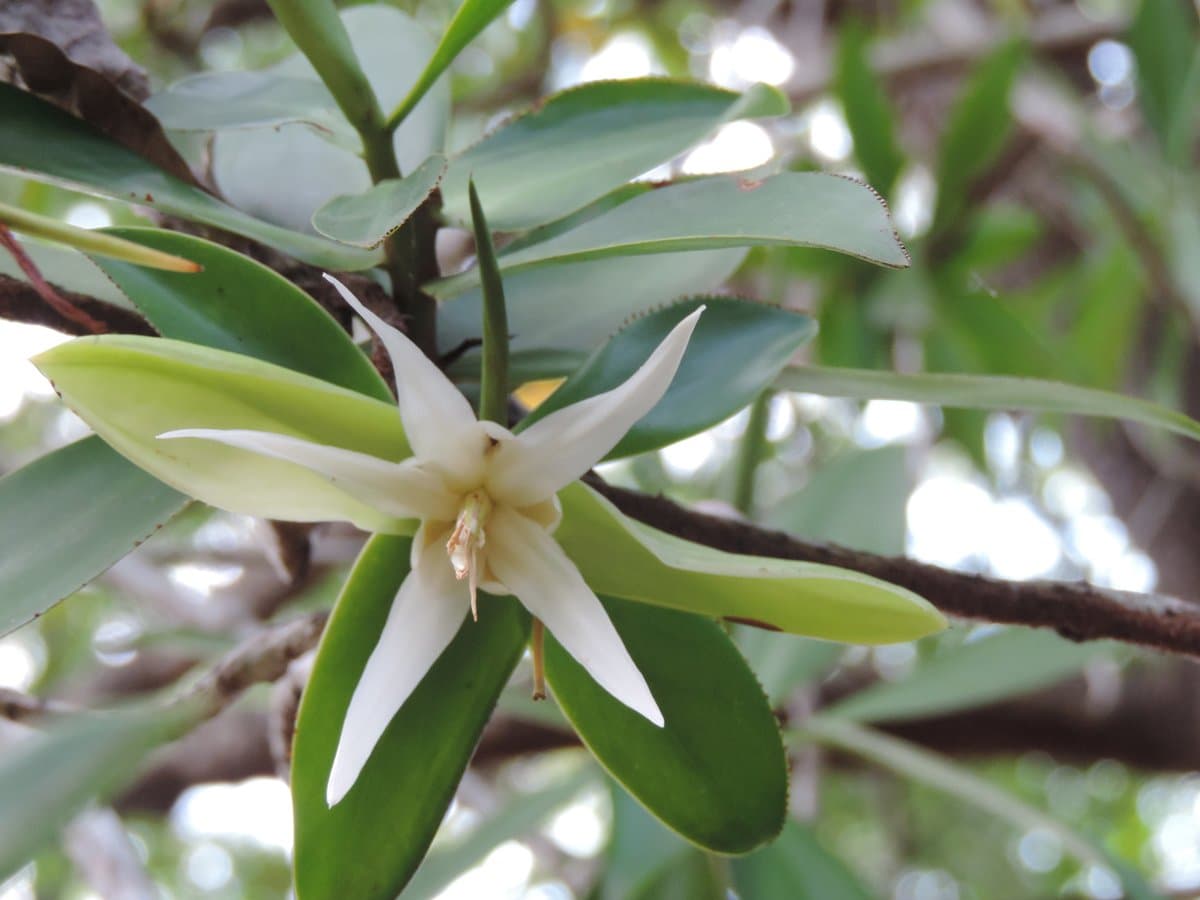
View source ↗Needle-like leaves
📷 (c) Caminos Amigables con Felinos-Panthera, some rights reserved (CC BY-NC)(CC BY-NC)
View source ↗Pyramidal crown shape
📷 (c) Caminos Amigables con Felinos-Panthera, some rights reserved (CC BY-NC)(CC BY-NC)
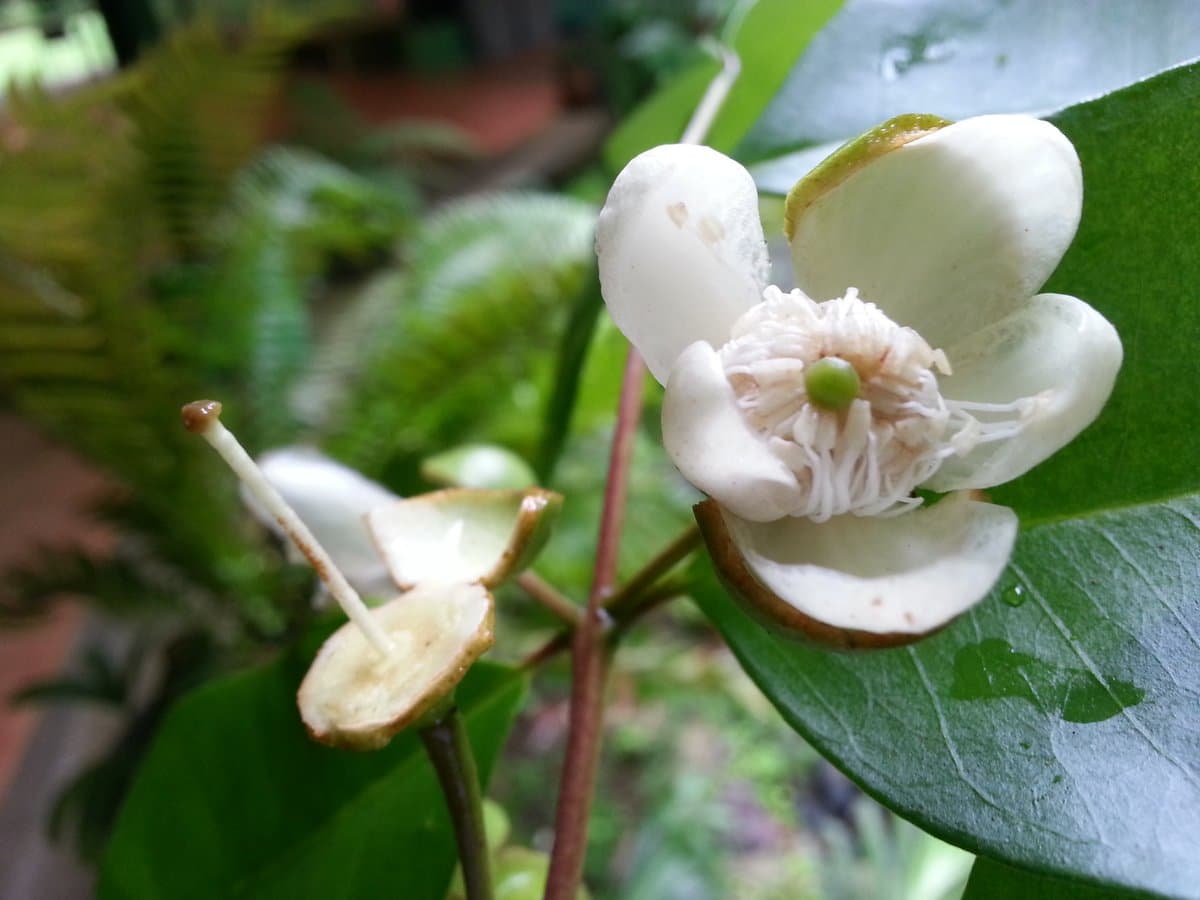
View source ↗Foliage detail
📷 (c) Caminos Amigables con Felinos-Panthera, some rights reserved (CC BY-NC)(CC BY-NC)
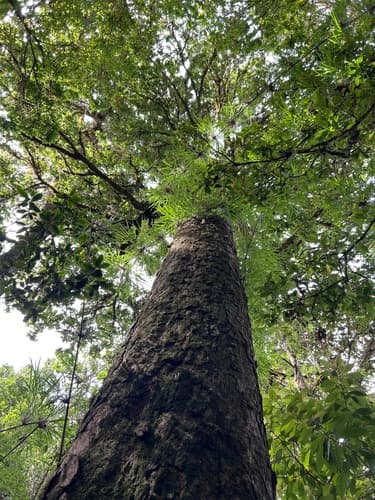
View source ↗Natural forest habitat
📷 (c) Caminos Amigables con Felinos-Panthera, some rights reserved (CC BY-NC)(CC BY-NC)
View source ↗Photos sourced from iNaturalist's community science database. Due to the species' extreme rarity, photographic documentation is limited. Browse all observations →↗
Taxonomy & Classification
Common Names
Sources: IUCN Red List assessment↗, GBIF↗, SINAC↗, Podocarpaceae overview↗
Why This Tree Matters
A Living Fossil on the Brink
The Ciprecillo belongs to the Podocarpaceae family, an ancient lineage of conifers that dominated the southern supercontinent of Gondwana over 200 million years ago. While most of its relatives are found in the Southern Hemisphere—Australia, New Zealand, South America, and southern Africa—this Costa Rican species represents a rare northern outpost of this ancient family, a living relic of a time when tropical forests and conifer diversity were very different.
What does Critically Endangered mean? The IUCN classifies a species as Critically Endangered (CR) when it faces an extremely high risk of extinction in the wild. For Podocarpus costaricensis, this assessment is based on: Criterion B1 (extent of occurrence less than 100 km²), known from fewer than 5 locations, continuing decline in extent of occurrence, area of occupancy, quality of habitat, and number of mature individuals. The estimated population is fewer than 2,500 mature individuals in a total habitat area of less than 10 km².
Discovered Late, Threatened Early
Remarkably, this species was only formally described in 1990 by David de Laubenfels, meaning it was recognized by science just as its habitat was disappearing. This pattern—species being discovered as they approach extinction—is tragically common in tropical forests. By the time P. costaricensis received its name, decades of deforestation in the Central Valley and surrounding mountains had already severely fragmented its habitat.
Gondwanan Heritage
Sources: de Laubenfels (1990) taxonomic description↗, IUCN Red List assessment↗, GBIF↗, Tropicos↗
Physical Description
Detailed Morphology
Leaves & Branches
- Leaves: Linear, needle-like, 5-12 cm long, 4-8 mm wide
- Arrangement: Spirally arranged on branches
- Upper surface: Dark green, glossy
- Lower surface: Paler green with indistinct stomatal bands
- Texture: Leathery, persistent (evergreen)
- Midrib: Prominent on both surfaces
- Young leaves: Lighter green, slightly larger
- Branches: Horizontal to slightly ascending, creating pyramidal silhouette
Reproductive Structures
- Pollen cones: Small, catkin-like, 1-2 cm, produced in clusters
- Seed cones: Highly modified — not woody cones like pines
- Receptacle: Fleshy, swollen stalk beneath the seed, red to purple when ripe
- Seeds: Single per cone, ovoid, 8-12 mm long
- Seed covering: Thin epimatium (a modified scale)
- Pollination: Wind-pollinated (anemophilous)
- Seed dispersal: By birds attracted to the fleshy, colorful receptacle
- Maturation: Seeds ripen 5-6 months after pollination
Sources: IUCN Red List assessment↗, GBIF↗, SINAC↗, Ley Forestal 7575 reference↗
Geographic Distribution
Geographic Distribution
Podocarpus costaricensis has one of the most restricted ranges of any tree species on Earth:
- Total known locations: 4
- Province: San José only
- Elevation range: 70-1,700 meters
- Total habitat area: Less than 10 km²
- Country: Costa Rica only (global endemic)
This extreme restriction means a single catastrophic event—fire, landslide, disease, or development—could eliminate a significant portion of the entire species.
Known Populations
Known Locations in Costa Rica
- Zona de Los Santos (San José Province) — Largest known population; premontane wet forest on steep slopes - Cerro Caraigres area — Small population at higher elevation; montane forest habitat - Puriscal region — Scattered individuals in forest remnants; lowest elevation records (70 m) - Upper Río Candelaria watershed — Remote, poorly surveyed population; conservation potential
Given the rugged, poorly surveyed terrain of much of San José Province's mountains, additional populations of P. costaricensis may exist in unexplored forest fragments. Targeted botanical surveys in the Fila Costeña and adjacent ranges could yield new discoveries. If you encounter what you believe may be Ciprecillo in the wild, document it with photos and GPS coordinates and report to the National Museum or a botanical research institution.
Habitat & Ecology
Ecological Role
The Ciprecillo occupies a unique ecological niche in Costa Rican forests. As the only native conifer in its habitats (at least at lower elevations), it contributes structural diversity to what are otherwise pure angiosperm forests. Its evergreen canopy provides continuous shade and litter input even during dry periods.
Sources: de Laubenfels (1990)↗, IUCN Red List assessment↗, GBIF↗, Tropicos↗
Conservation Status
Threats
Conservation Actions
Sources: IUCN Red List assessment↗, GBIF↗, SINAC↗, Ley Forestal 7575 reference↗
Uses & Human Significance
Cultural & Historical Significance
A Tree Known Only to Its Neighbors
Unlike iconic Costa Rican trees such as the Guanacaste or Ceiba, the Ciprecillo remained unknown to science until 1990 and is still unfamiliar to most Costa Ricans. Its cultural significance lies precisely in this obscurity—it represents the hidden biodiversity that may disappear before it is appreciated.
Sources: de Laubenfels (1990)↗, IUCN Red List assessment↗, GBIF↗, Tropicos↗
Growing & Cultivation
Due to its Critically Endangered status, any propagation of Podocarpus costaricensis should be conducted only by authorized botanical institutions for conservation purposes. Collection of seeds or plant material from wild populations requires permits from SINAC (Sistema Nacional de Áreas de Conservación).
Where to See Ciprecillo
Due to the species' extreme rarity and the remoteness of its habitat, observing P. costaricensis in the wild requires significant effort. However, increasing awareness and ecotourism interest may lead to guided botanical excursions in the future.
Possible Viewing Locations
- Zona de Los Santos (Tarrazú, Dota, León Cortés) — Best chance; largest known population; hire local guides familiar with the forest - Los Quetzales National Park (nearby) — While the specific tree may not be in the park, the park represents similar habitat; ask rangers about podocarp locations - Wilson Botanical Garden (OET, San Vito) — May have or plan cultivated specimens; excellent for understanding Podocarpaceae - Lankester Botanical Garden (UCR, Cartago) — Potential future conservation collection site - Las Cruces Biological Station — Research station with knowledge of rare Costa Rican plants
Why Endemic Species Matter
When we lose an endemic species, we lose something that exists nowhere else on Earth — a unique outcome of millions of years of evolution that can never be recreated. The Ciprecillo represents:
- Evolutionary history: A 200+ million-year-old Gondwanan conifer lineage
- Costa Rican heritage: A species found exclusively in this country
- Scientific value: Unique genetics, ecology, and biogeographic story
- Ecosystem function: An irreplaceable role in its forest community
- Future potential: Unknown medicinal, genetic, or biotechnological values
- Ethical responsibility: The moral obligation to prevent extinction when we can
Protecting the Ciprecillo is protecting something truly irreplaceable.
The Numbers of Endemism
How You Can Help
Individual Actions
- Report sightings: If you encounter Podocarpus in Costa Rica's mountains, document with photos, GPS coordinates, and report to the National Museum (Museo Nacional de Costa Rica) or iNaturalist
- Support conservation organizations: FUNDECOR, OET (Organization for Tropical Studies), and the Costa Rica Conservation Trust actively protect forest habitats
- Visit protected areas: Eco-tourism dollars directly support forest conservation
- Spread awareness: Share the story of the Ciprecillo — most Costa Ricans don't know it exists
- Avoid illegal timber: Never purchase wood products from unknown sources in the Central Valley region
Systemic Support
- Advocate for protected area expansion: Lobby for biological reserves near known P. costaricensis populations
- Support botanical garden programs: Gardens like Lankester and Wilson need funding for endangered species collections
- Fund scientific research: Taxonomic, genetic, and ecological research is underfunded for rare species
- Promote environmental education: Support programs that teach Costa Rican children about their unique biodiversity
- Engage policy makers: Biological corridor legislation can protect forest connections between populations
- Corporate partnerships: Encourage businesses in the Zona de Los Santos (coffee producers) to maintain forest on their properties
External Resources
Official conservation status and threat assessment for Podocarpus costaricensis
Community observations, photos, and distribution data
Global Biodiversity Information Facility — specimen records and occurrence data
Comprehensive information on the Podocarpus genus and Podocarpaceae family
Missouri Botanical Garden taxonomic database — type specimens and nomenclature
Global authority on conifer conservation priorities
References
The Ciprecillo stands as both a warning and a call to action. This critically endangered endemic exists only in Costa Rica, known from only four locations—perhaps fewer trees than people who will read this page. Its survival depends on immediate and sustained conservation action. Every forest fragment protected, every seed banked, every seedling cultivated brings us closer to ensuring this ancient Gondwanan lineage survives for future generations. What happens to the Ciprecillo is in our hands.
Safety Information Disclaimer
Safety information is provided for educational purposes only. Individual reactions may vary significantly based on age, health status, amount of exposure, and individual sensitivity. Always supervise children around plants. Consult a medical professional or certified arborist for specific concerns. The Costa Rica Tree Atlas is not liable for injuries or damages resulting from interaction with trees described in this guide.
• Always supervise children around plants
• Consult medical professional if unsure
• Seek immediate medical attention if poisoning occurs
Information compiled from authoritative toxicology sources, scientific literature, and medical case reports.
Help improve this page
Know something about this tree? Share local knowledge, suggest a correction, or submit a photo to improve this guide for everyone.