Cerillo
Symphonia globulifera
Quick facts
Native Region
Central America, South America, and Africa
Max Height
20-35 meters
Family
Clusiaceae
Conservation
LC — Least Concern
Uses
Safety Information
Toxicity Details
Non-toxic. Yellow latex is traditionally used medicinally. No known toxic properties.
Skin Contact Risks
No known skin irritation from latex or plant contact.
Season
Flowering
Fruiting
How to identify
Cerillo
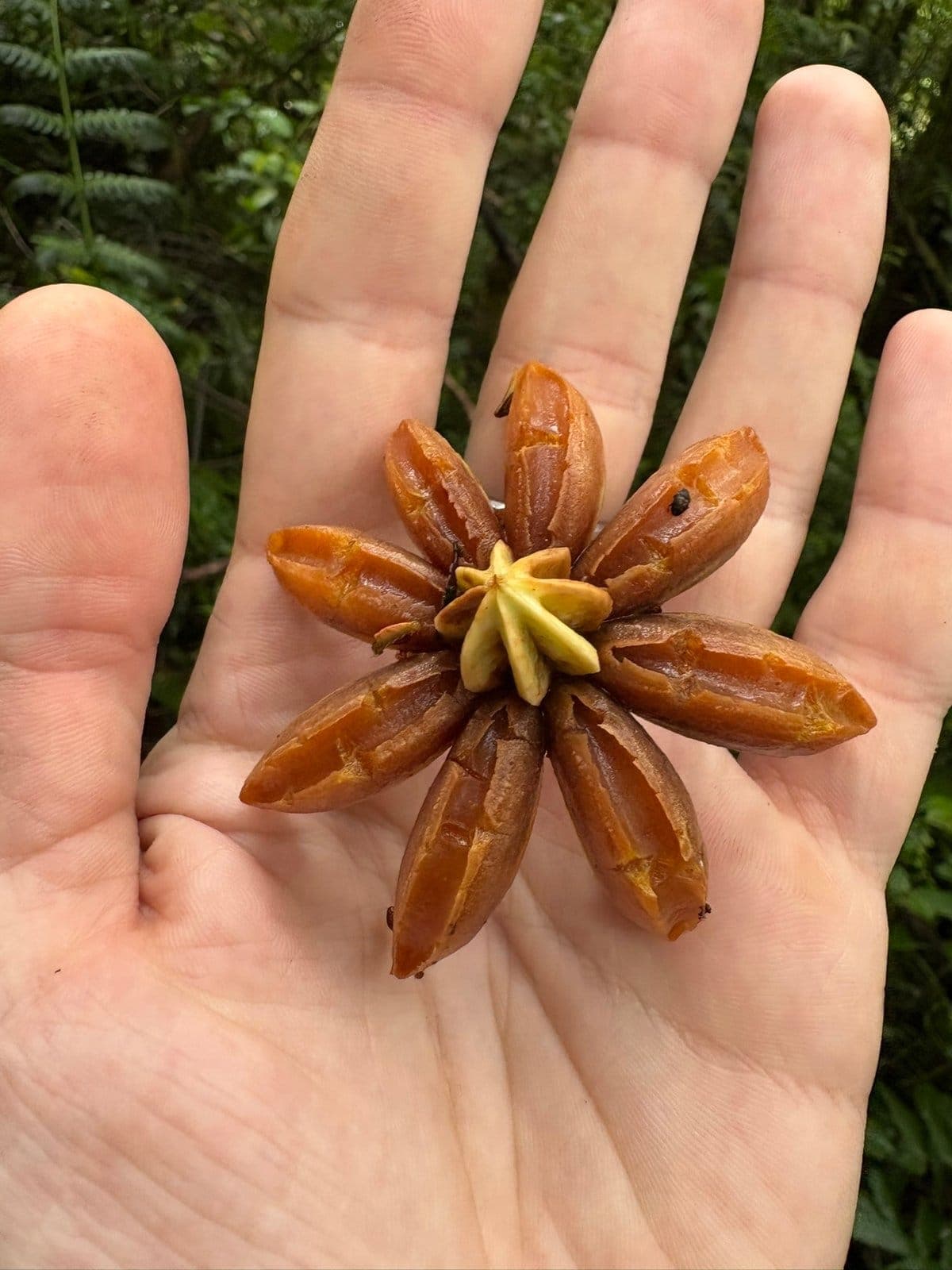
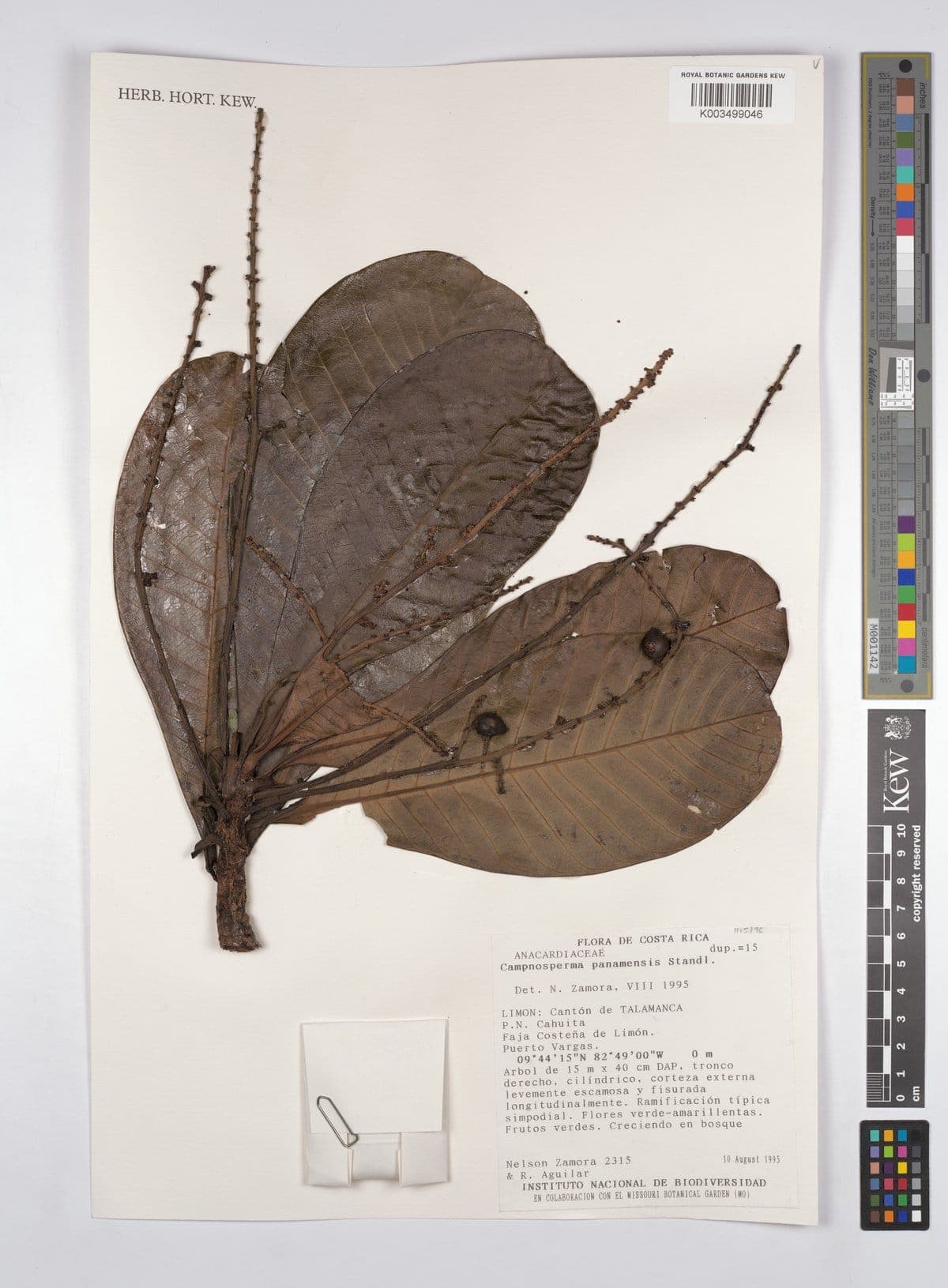
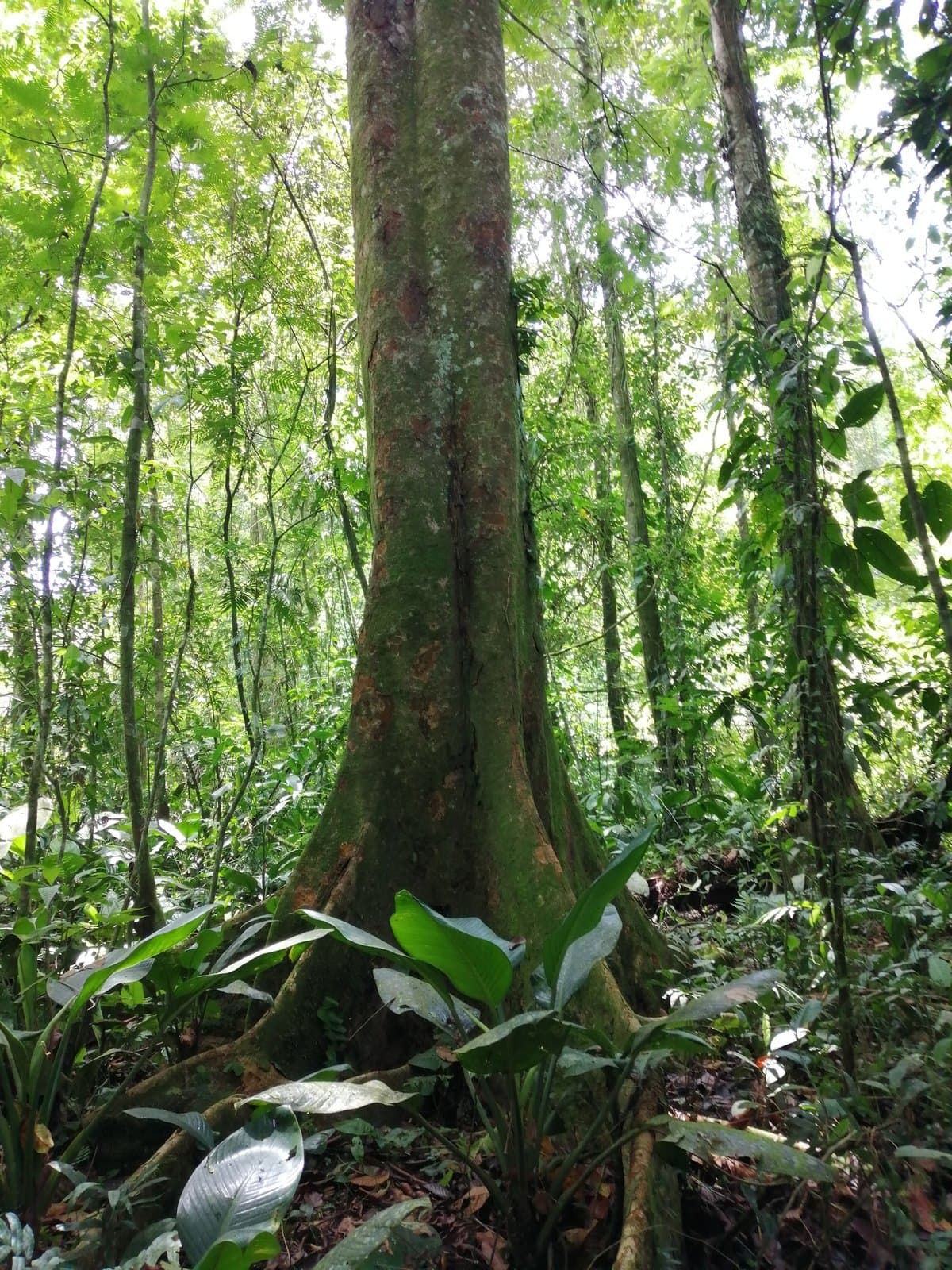
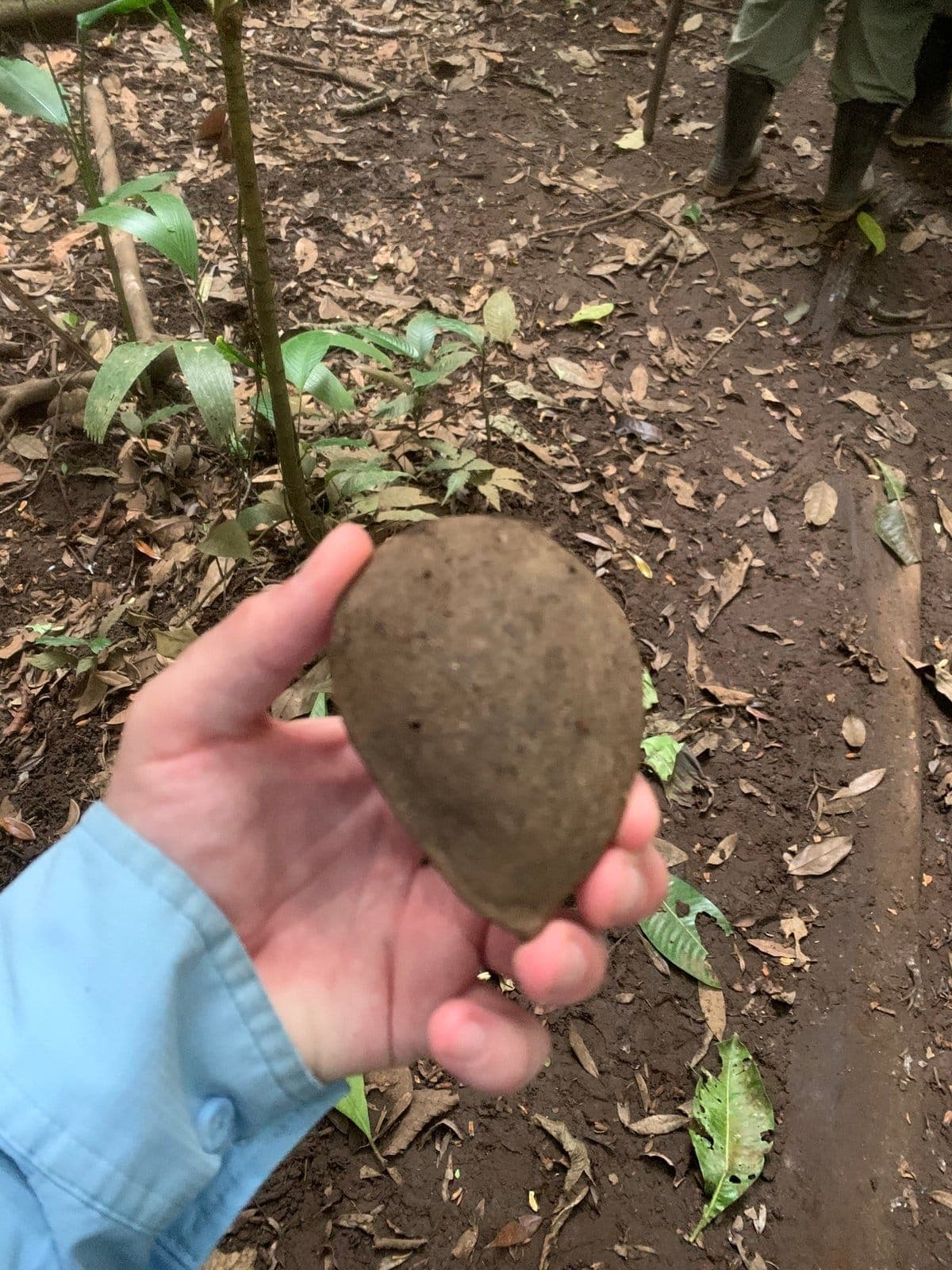
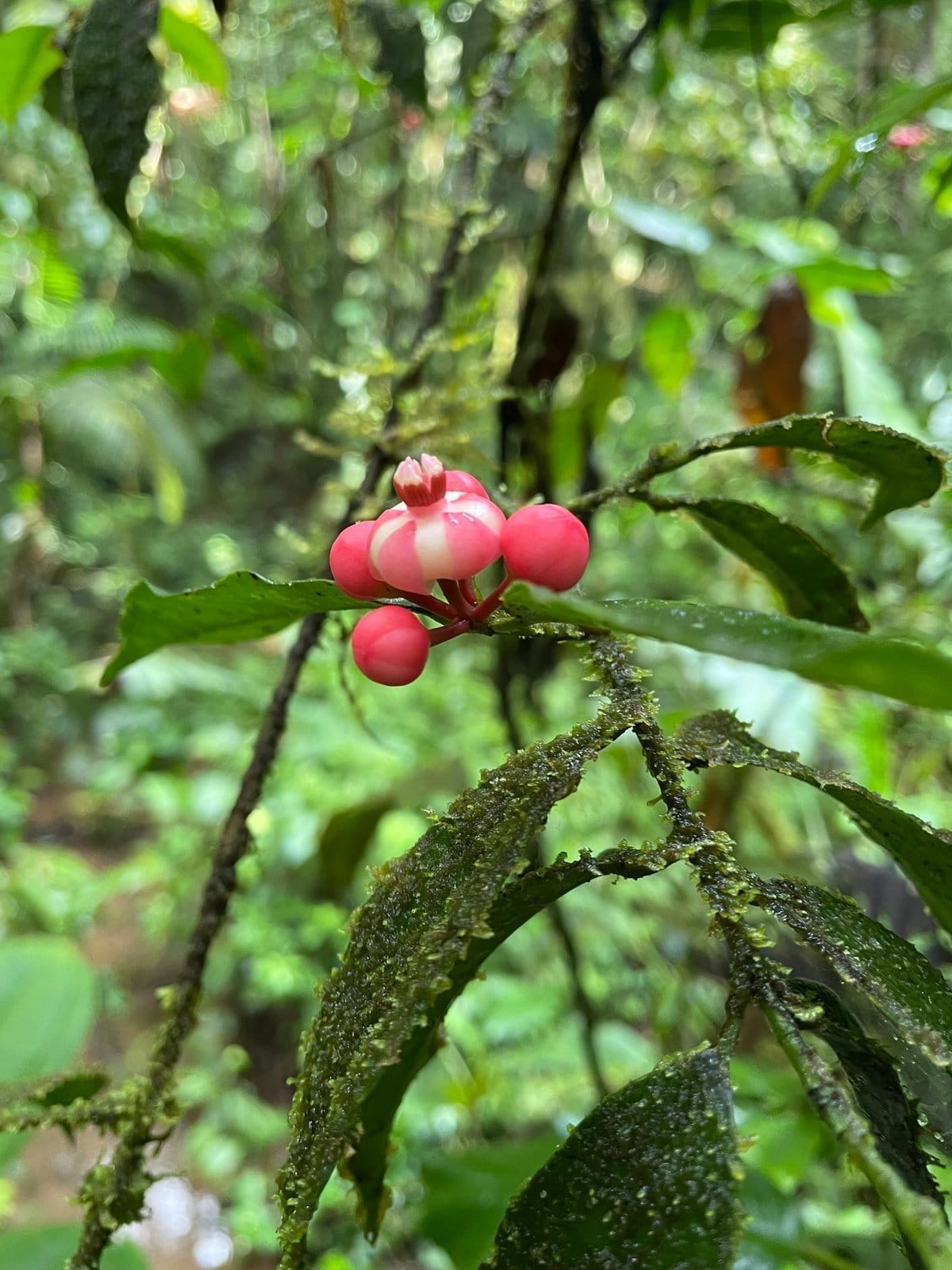
The Cerillo (Symphonia globulifera) is one of Costa Rica's most distinctive wetland trees, immediately recognizable by its stilt roots and brilliant red latex that bleeds when cut. Found in swamps, flooded forests, and along waterways, this tree has been used for centuries to make dugout canoes and in traditional medicine.
Quick Reference
iNaturalist Observations
Community-powered species data
📸 Photo Gallery
Whole tree
📷 (c) Paul Foster, some rights reserved (CC BY-NC)(CC BY-NC)
View source ↗Leaves
📷 (c) Paul Foster, some rights reserved (CC BY-NC)(CC BY-NC)
View source ↗Habitat
📷 (c) Andreas Berger, some rights reserved (CC BY-NC)(CC BY-NC)
View source ↗Whole tree
📷 (c) Maria y Sebas, some rights reserved (CC BY-NC)(CC BY-NC)
View source ↗Leaves
📷 (c) Donovan Drummey, some rights reserved (CC BY-NC)(CC BY-NC)
View source ↗Photos sourced from iNaturalist citizen science database. View all observations →↗
Taxonomy and Classification
Geographic Distribution
Geographic Distribution
Where to Find Cerillo in Costa Rica
Primary Distribution:
Elevation: Sea level to ~1,000 m
Cerillo is one of the very few tree species found naturally on both sides of the Atlantic Ocean. Scientists debate whether it dispersed across the ocean or existed before the continents separated over 100 million years ago.
Habitat and Ecology
Forest Role
Ecological position of the Cerillo:
Wildlife Value
Ecological interactions:
Botanical Description
Wood Properties
Appearance
Physical Properties
The wood's combination of workability and water resistance made Cerillo the traditional choice for dugout canoes in Caribbean Costa Rica. The straight trunks could be hollowed out, and the wood resisted rot in constant contact with water.
Uses
Conservation Status
Conservation Status: Stable but Habitat-Limited
Population dependent on wetland preservation:
While Cerillo itself is not endangered, its wetland habitat is increasingly threatened by drainage for agriculture and development. Protecting Cerillo means protecting entire wetland ecosystems.
Growing Cerillo
Similar Species
Where to See Cerillo
Best Locations in Costa Rica
Protected Areas:
Identification Tips:
External Resources
Community observations, photos, and distribution data
Global observations
Global biodiversity occurrence data and distribution maps
Conservation status and species assessment
References
📚 Scientific References & Further Reading
Dick, C.W. et al. (2003). Molecular systematics and biogeography of Symphonia. Molecular Ecology
Holdridge, L.R. & Poveda, L.J. (1975). Árboles de Costa Rica. Centro Científico Tropical
Symphonia globulifera stands in Costa Rica's wetlands on its remarkable stilt roots, bleeding brilliant red when wounded, flowering year-round for hummingbirds. This ancient tree—one of the few species found on both sides of the Atlantic—connects us to deep time while reminding us that some of our most valuable ecosystems are the wet, "unproductive" swamps that we've too often drained away. Where Cerillo grows, the water flows.
🌳 Pura Vida!
Safety Information Disclaimer
Safety information is provided for educational purposes only. Individual reactions may vary significantly based on age, health status, amount of exposure, and individual sensitivity. Always supervise children around plants. Consult a medical professional or certified arborist for specific concerns. The Costa Rica Tree Atlas is not liable for injuries or damages resulting from interaction with trees described in this guide.
• Always supervise children around plants
• Consult medical professional if unsure
• Seek immediate medical attention if poisoning occurs
Information compiled from authoritative toxicology sources, scientific literature, and medical case reports.
Help improve this page
Know something about this tree? Share local knowledge, suggest a correction, or submit a photo to improve this guide for everyone.